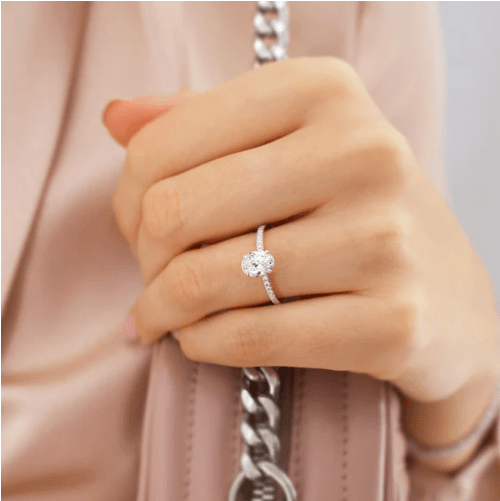
Weeks or months? This in-depth UK editorial explores how long couples actually spend choosing engagement rings and how modern expectations shape the timeline.
The length of time UK couples spend choosing an engagement ring has quietly increased, reflecting broader cultural changes in how relationships, money and commitment are viewed. While tradition once favoured swift, decisive purchases, modern engagement ring buying is often slow, reflective and collaborative. This shift says as much about contemporary British life as it does about jewellery.
For many couples, the process begins long before a proposal is planned. Engagement ring ideas are encountered casually through social media, fashion coverage and celebrity news, sometimes years in advance. By the time a purchase is actively considered, preferences have already been shaped by repeated exposure to certain styles, stones and narratives around what engagement rings represent.
Fashion and lifestyle media play a significant role in setting these expectations. Coverage in Elle UK frequently frames engagement rings as extensions of personal identity rather than rigid symbols of tradition. This framing encourages consumers to look for rings that feel authentic to their lifestyle, values and aesthetic, rather than defaulting to conventional choices.
As a result, decision-making often becomes more introspective. Buyers are less concerned with speed and more focused on whether a ring genuinely reflects who they are as individuals and as a couple. This emphasis on self-expression naturally lengthens the timeline, as clarity is sought through exploration rather than impulse.
Generational behaviour also plays a role. Millennials and Gen Z approach engagement differently from previous generations. Many have lived together for years before getting engaged, and proposals are often planned jointly rather than sprung as surprises. Reporting by The Independent has examined how younger adults are redefining milestones like marriage, favouring intentionality over tradition. These attitudes carry directly into engagement ring purchasing.
With shared decision-making comes shared responsibility. Budgets are discussed openly, priorities are negotiated and compromises are made. This process takes time, especially when partners have different aesthetic preferences or financial comfort levels. Rather than rushing, couples tend to pause, revisit options and allow opinions to evolve.
The economic environment further reinforces slower decision-making. In the UK, engagement rings are often purchased alongside other major financial commitments, such as saving for property or planning a wedding. Analysis in The Economist has highlighted how younger generations are navigating long-term financial pressure, which encourages caution around discretionary spending. This caution often translates into extended engagement ring timelines.
Instead of buying immediately, many couples wait until they feel financially secure enough to enjoy the purchase without anxiety. This may mean delaying for months or choosing to explore more cost-effective alternatives such as lab-grown diamonds or vintage rings.
Ethical awareness has also reshaped timelines. Buyers increasingly want reassurance that their ring aligns with their values, particularly around sustainability and labour practices. Coverage by National Geographic on the environmental and social impact of mining has influenced consumer behaviour globally, including in the UK. Verifying sourcing claims and understanding certifications adds another layer of research to the process.
The rise of bespoke jewellery has further extended decision-making. Custom-designed rings allow couples to incorporate personal symbolism, heirloom stones or unconventional materials. However, the bespoke process requires consultation, design approvals and production time. For many couples, this extended timeline enhances the meaning of the ring rather than diminishing anticipation.
Social visibility also affects how long couples take. Engagements are increasingly shared online, often accompanied by close-up images of the ring. Features in Town & Country have explored how social media has transformed private moments into public displays, increasing the pressure to choose something that will be well received beyond the relationship itself.
This external audience can complicate decision-making. Buyers may hesitate, worrying about judgement or comparison, even when they feel personally satisfied. Taking time becomes a way to seek reassurance and avoid regret.
Jewellers across the UK report that longer decision-making often leads to better outcomes. Clients who take time tend to ask more informed questions, understand maintenance requirements and feel confident in their choices. Post-purchase changes are less common when rings are chosen deliberately rather than under pressure.
Emotionally, pacing matters. Engagement marks a transition into a new phase of life, and the act of choosing a ring can serve as a symbolic preparation for that commitment. Conversations about preferences, budgets and values during this period often strengthen mutual understanding.
Ultimately, there is no fixed rule for how long choosing an engagement ring should take. Some couples decide within weeks, while others take many months. What matters is not the duration, but the experience. UK couples who feel unhurried, informed and aligned consistently report greater satisfaction.
In modern Britain, slowing down the engagement ring process is not about indecision. It reflects a desire for authenticity, financial responsibility and shared meaning. The time spent choosing the ring becomes part of the commitment itself, shaping not just the proposal, but the relationship it represents.
 Diamonds are a girls best friend
Leave a comment