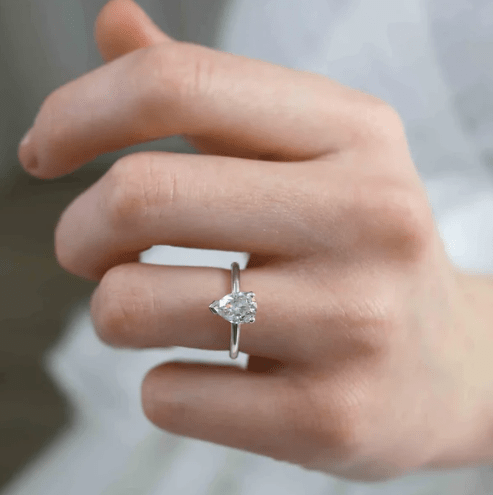
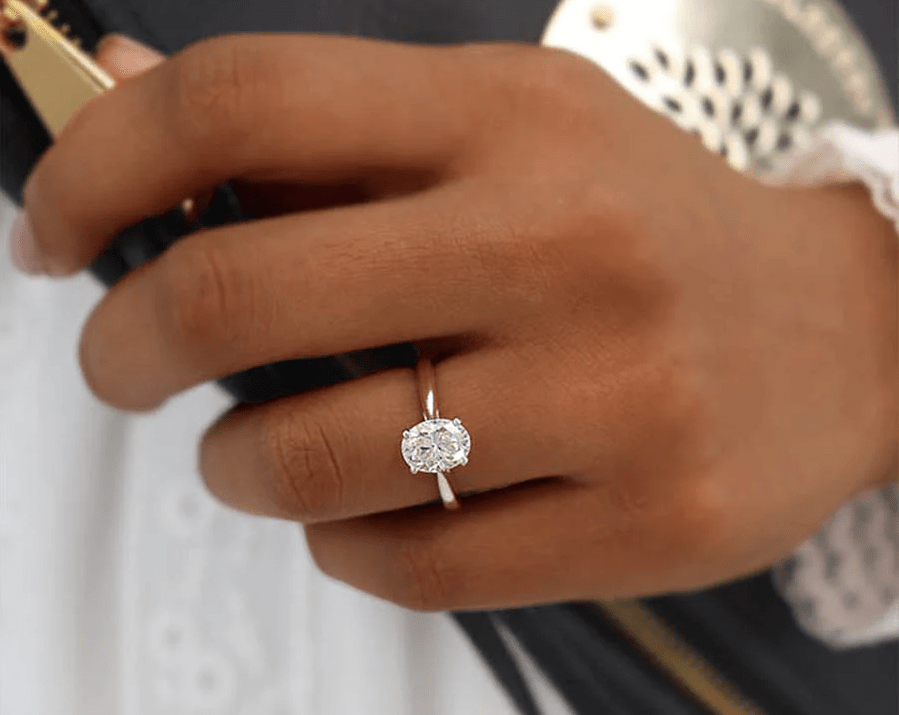
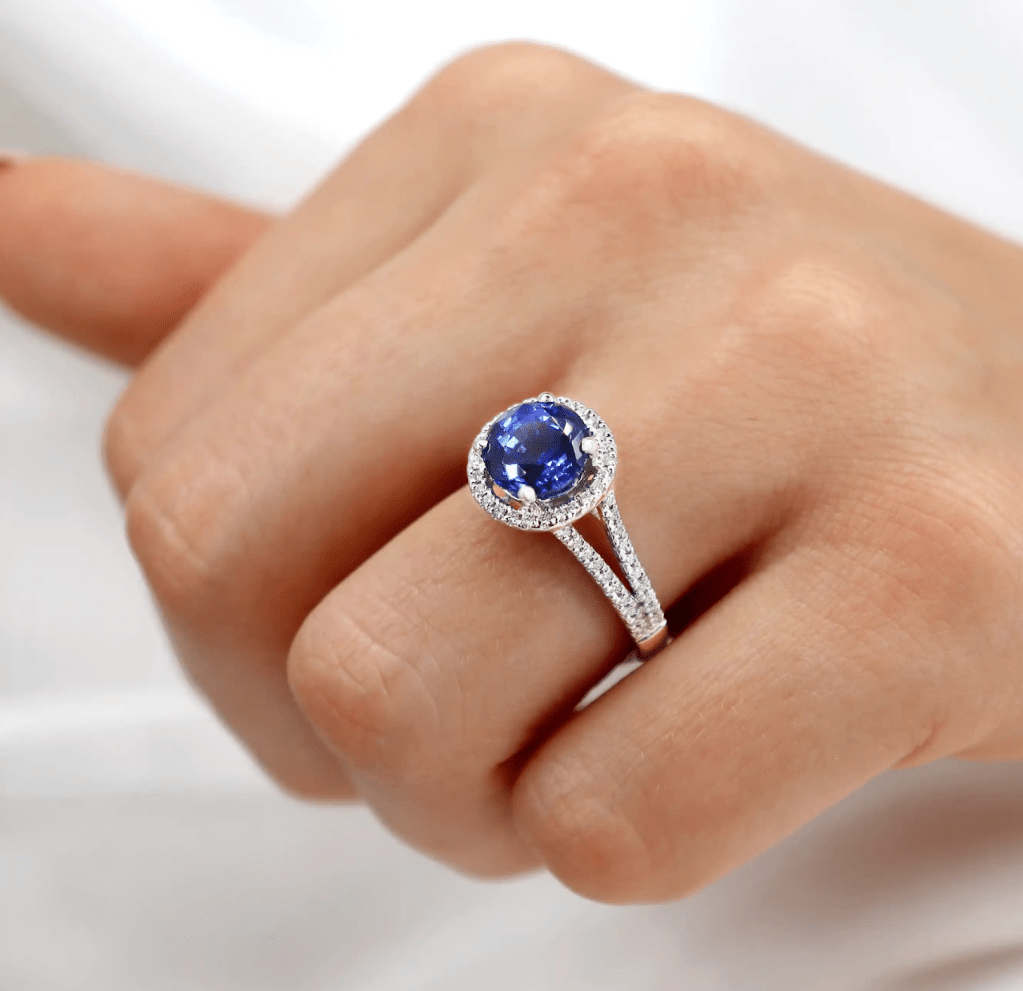
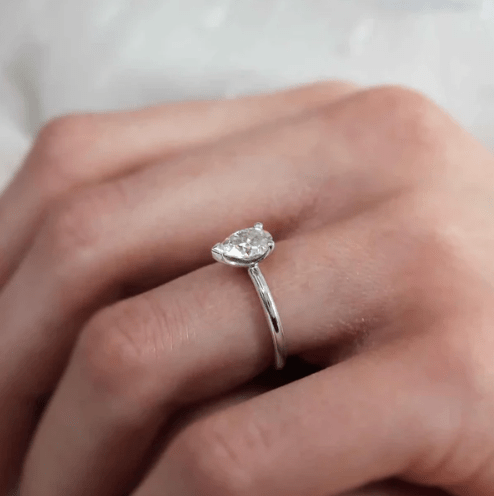
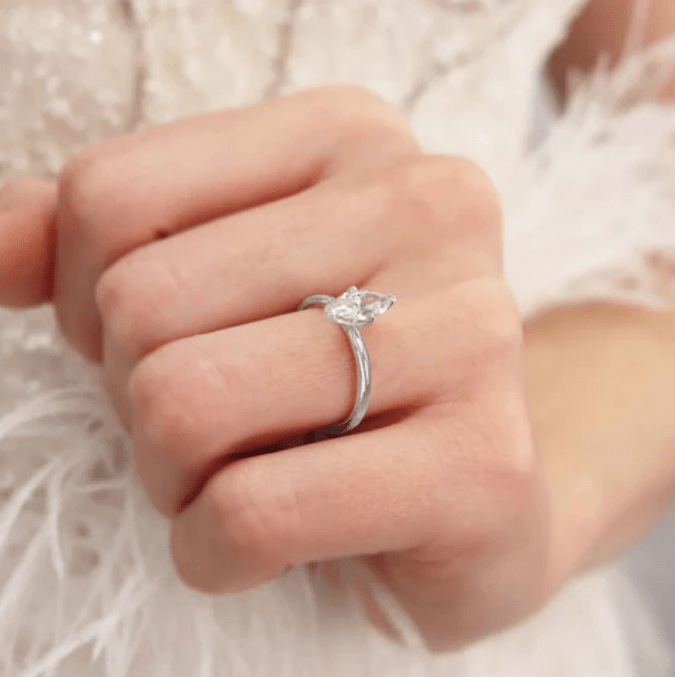
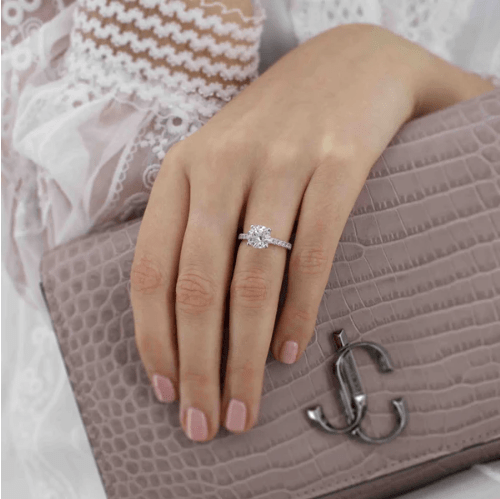
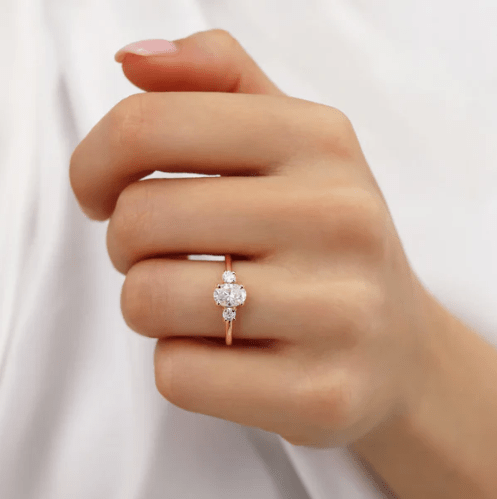
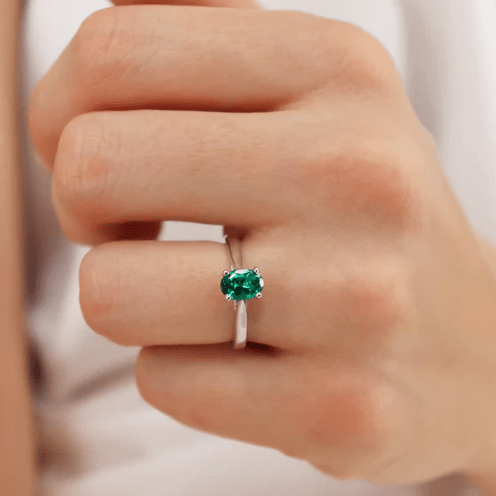
For decades, engagement rings represented one thing above all else: a commitment between two people. They were a public symbol of a future together and one of the most recognisable pieces of jewellery in the world. Yet in recent years, a growing number of women have begun wearing engagement-style rings without a proposal, without a wedding date and without any intention of replacing traditional romance.
The rise of the single girl engagement ring has become one of the most fascinating shifts within the jewellery industry. While the trend first gained significant traction in the United States, it has increasingly found an audience in the UK, where changing attitudes towards relationships, success and personal fulfilment are reshaping how jewellery is viewed.
What makes this movement particularly interesting is that it is not really about jewellery at all. At its core, it is about psychology.
As discussed in Why Are Single Women Buying Themselves Engagement Rings?, many women purchasing these rings are not making a statement about being single. Instead, they are making a statement about recognising their own achievements and placing value on their own journey.
The distinction matters.
Historically, engagement rings symbolised external validation. Someone else chose the ring. Someone else proposed. Someone else determined the moment. The wearer became part of a story that was traditionally centred around partnership.
Today, many women are writing different stories.
The average age of marriage has risen significantly across the UK over the past several decades. At the same time, women are spending longer pursuing education, building careers, travelling, buying homes and establishing financial independence. Life milestones have become more diverse, and as a result, the symbols used to celebrate those milestones are evolving too.
Psychologists have long recognised the importance of rituals and markers of achievement. Humans naturally seek ways to acknowledge significant moments. Graduation ceremonies, retirement parties and birthday celebrations all exist because people need visible ways to recognise progress.
According to research discussed by Psychology Today recognising personal achievements can reinforce confidence, strengthen identity and improve overall wellbeing. It helps create a sense of progress and accomplishment.
The single girl engagement ring fits naturally into this framework.
Rather than waiting for a socially approved milestone, women are creating their own.
For some, the purchase marks the launch of a business. For others, it celebrates career advancement, financial freedom, home ownership or overcoming personal challenges. The ring becomes less about relationship status and more about recognising growth.
This shift reflects a broader cultural movement away from external validation and towards internal fulfilment.
Previous generations often viewed success through a relatively narrow lens. Marriage, family and home ownership were considered universal goals. While those aspirations remain important to many people, younger generations increasingly recognise that fulfilment can come from multiple sources.
As a result, symbols evolve.
The engagement ring is particularly suited to this evolution because it already carries powerful emotional associations. Unlike many forms of jewellery, engagement rings have traditionally represented permanence, commitment and significance.
When purchased for oneself, those meanings do not disappear. They simply change direction.
The commitment becomes personal rather than romantic.
The symbolism becomes inward rather than outward.
This helps explain why engagement-style rings, rather than other types of jewellery, have become central to the trend. A bracelet or necklace may mark an occasion, but a ring has a unique psychological presence. It is visible every day. It serves as a constant reminder of whatever achievement or milestone it represents.
There is also a fascinating element of self-perception involved.
Research in behavioural psychology suggests that physical objects often become linked to personal identity. The items people wear regularly can influence how they see themselves and how they interpret their achievements.
A ring purchased to celebrate a promotion, business success or personal milestone becomes more than an accessory. It becomes a tangible reminder of capability.
This is particularly relevant in an era where many traditional markers of success have become less straightforward.
Home ownership is increasingly delayed. Careers are less linear than previous generations experienced. Relationships often develop at different paces. Against this backdrop, self-defined milestones become increasingly important.
The jewellery industry has noticed.
What was once viewed as a niche trend has become an established category of consumer behaviour. Retailers across both the US and UK have reported growing demand from women purchasing significant jewellery for themselves rather than waiting for gifts from partners.
The trend also aligns with changing attitudes towards luxury spending.
Research highlighted by Forbes suggests that younger consumers increasingly prioritise meaningful purchases over status-driven consumption. They want products that reflect their values and personal narratives rather than simply demonstrating wealth.
A self-purchased engagement ring fits perfectly within this shift.
It combines emotional significance with long-term wearability. It feels both aspirational and personal.
Social media has accelerated this movement dramatically.
Platforms such as TikTok and Instagram have given women opportunities to share the stories behind their purchases. Rather than posting ring photographs accompanied by proposal announcements, many are sharing stories of career breakthroughs, educational achievements and personal transformations.
These stories resonate because they feel relatable.
Not everyone is planning a wedding.
Almost everyone has something worth celebrating.
Interestingly, the trend does not appear to be replacing traditional engagement rings. Instead, it exists alongside them.
Many women who buy themselves engagement-style rings still hope to marry one day. Others are already married and choose to commemorate separate life achievements. The movement is not about rejecting relationships. It is about recognising that relationships are not the only source of meaning in life.
This distinction helps explain why the trend has continued to grow rather than fade.
It taps into a broader cultural conversation around autonomy, self-worth and personal agency. It reflects a generation increasingly comfortable defining success according to individual circumstances rather than inherited expectations.
The rise of lab-grown diamonds and alternative gemstones has also contributed to accessibility. Consumers can now purchase significant, high-quality pieces of jewellery at a wider range of price points, making self-purchase more attainable than ever before.
As a result, engagement-style rings have become available to a much broader audience.
Looking ahead, it seems likely that the boundaries between engagement jewellery and celebration jewellery will continue to blur. Consumers are increasingly assigning their own meanings to jewellery rather than accepting traditional definitions.
The single girl engagement ring may have started as a trend, but its continued growth suggests something more substantial.
It reflects a changing understanding of success.
It reflects a changing understanding of commitment.
Most importantly, it reflects a changing understanding of what deserves to be celebrated.
At its heart, the movement is remarkably simple. It recognises that people do not need permission to celebrate their achievements. They do not need to wait for a proposal, a wedding or societal approval before marking an important moment.
Sometimes the most meaningful commitment a person can make is to their own goals, ambitions and future.
For a growing number of women across the UK, the ring on their finger serves as a daily reminder of exactly that.