Tag: fashion

  • Why Lab Grown Diamonds Have Become the First Choice for Modern Engagement Rings

    The conversation around diamonds has changed dramatically over the past few years. Not long ago, buying a diamond engagement ring almost automatically meant choosing a mined stone, with little thought given to any alternatives. Today, however, couples are approaching the decision very differently. Rather than simply following tradition, they’re researching their options, comparing quality, understanding the differences and making a choice that reflects both their values and their budget.

    As a result, lab grown diamonds have moved from being a relatively unknown concept to one of the fastest-growing segments of the fine jewellery industry. They are no longer viewed as an alternative to diamonds because they are diamonds. The real question many buyers now ask is not whether a lab grown diamond is the right choice, but whether paying considerably more for a mined diamond makes sense when both stones are visually, chemically and physically identical.

    If you’re considering an engagement ring, understanding why so many people are choosing lab grown diamonds can help you make a decision that feels right for you.

    A Genuine Diamond in Every Sense

    One of the biggest reasons people are now confident buying lab grown diamonds is because education has improved enormously. Years ago, there was understandable confusion about what they actually were. Some assumed they were similar to cubic zirconia or moissanite, while others believed they were synthetic imitations designed to look like diamonds.

    Neither assumption is correct.

    A lab grown diamond is created using advanced technology that recreates the same conditions under which diamonds naturally form beneath the Earth’s surface. The result is a genuine diamond with exactly the same crystal structure, chemical composition and optical characteristics as one that has been mined from the ground.

    Once complete, the finished diamond displays the same brilliance, fire and scintillation that have made diamonds desirable for centuries. It also shares the same exceptional durability, ranking 10 on the Mohs hardness scale, making it perfectly suited to everyday wear.

    In fact, the only reliable way to distinguish between a natural and a lab grown diamond is through specialist gemmological equipment. To the naked eye, even experienced jewellers cannot simply identify which is which. Organisations such as the International Gemological Institute (IGI) and the Gemological Institute of America (GIA) grade lab grown diamonds using the same internationally recognised standards that apply to mined diamonds, giving buyers confidence in exactly what they are purchasing.

    A Different Way of Thinking About Luxury

    Luxury itself has evolved over recent years. It is no longer defined solely by rarity or exclusivity. Increasingly, luxury is about making thoughtful purchases that align with personal priorities.

    For many couples, that means investing in exceptional craftsmanship rather than simply spending more on the centre stone. Others prefer allocating part of their engagement ring budget towards their wedding, honeymoon or first home together. Some simply appreciate knowing they have made a financially sensible decision without compromising on beauty.

    Lab grown diamonds fit naturally into this modern definition of luxury because they offer something many buyers value highly: choice.

    Rather than being limited by budget, couples often find they have far greater flexibility when selecting their ideal ring. Instead of choosing between size and quality, they can often enjoy both. A larger centre diamond, higher colour grade or improved clarity suddenly becomes achievable without stretching finances beyond what feels comfortable.

    That additional flexibility allows buyers to focus on the ring they truly want rather than the one they have reluctantly settled for.

    Better Value Doesn’t Mean Lower Quality

    One misconception that occasionally persists is that lower prices must somehow indicate lower quality.

    In reality, the price difference between lab grown and mined diamonds has very little to do with the appearance or performance of the finished stone. Instead, it reflects the different methods by which the diamonds are produced and supplied to the market.

    Because lab grown diamonds can be created in carefully controlled environments rather than extracted through large-scale mining operations, they can often be produced more efficiently. This means buyers frequently pay considerably less for a diamond with identical physical characteristics.

    The result is that someone shopping for an engagement ring may discover they can afford a noticeably larger diamond than they had originally expected, or perhaps select a premium D or E colour grade with exceptional clarity while remaining within the same budget.

    For many people, this feels like a practical decision rather than a compromise.

    Buyers Are Doing More Research Than Ever

    Engagement ring shopping has changed alongside the internet.

    Previous generations often relied almost entirely on advice from a local jeweller. Today’s buyers typically spend weeks or even months researching diamonds before arranging an appointment. They compare certifications, study the Four Cs, read independent articles and watch countless videos explaining the differences between diamond options.

    This greater access to information has helped dispel many of the myths surrounding lab grown diamonds.

    As people discover that these diamonds are physically identical to mined stones, confidence naturally increases. Once buyers understand that both options offer the same sparkle, durability and beauty, they begin considering other factors such as value, environmental impact and personal priorities.

    Rather than making decisions based purely on tradition, many are choosing the option that simply makes the most sense for their individual circumstances.

    Modern Couples Often Prioritise Experiences

    The way people spend money has changed considerably over the last decade.

    While previous generations might have viewed the engagement ring as the single largest purchase before buying a home, today’s couples often have multiple competing financial priorities. Property prices, wedding costs and everyday living expenses all play an important role when planning a future together.

    For many, spending significantly more on a mined diamond simply because it formed naturally underground no longer feels essential.

    Instead, couples may prefer to use those savings towards creating memories together. Whether that’s travelling, renovating a first home or reducing the financial pressure surrounding wedding planning, the money saved by choosing a lab grown diamond often provides opportunities elsewhere without affecting the appearance of the ring itself.

    This shift in priorities reflects broader changes in consumer behaviour, where thoughtful spending has become increasingly important.

    Transparency Has Become Increasingly Important

    Consumers today want to understand where the products they purchase come from.

    Whether buying food, clothing or jewellery, people increasingly value transparency and traceability. Lab grown diamonds appeal to many buyers because their origins are clearly documented from creation through to certification.

    While responsibly sourced mined diamonds remain available, some customers simply feel more comfortable knowing precisely how their diamond was produced. The controlled manufacturing process provides a level of certainty that many modern consumers appreciate when making such an important purchase.

    For those who place significant importance on environmental considerations, this transparency often becomes another positive factor when comparing options.

    Design Possibilities Continue to Expand

    One of the more exciting developments accompanying the rise of lab grown diamonds is the creativity now seen within engagement ring design.

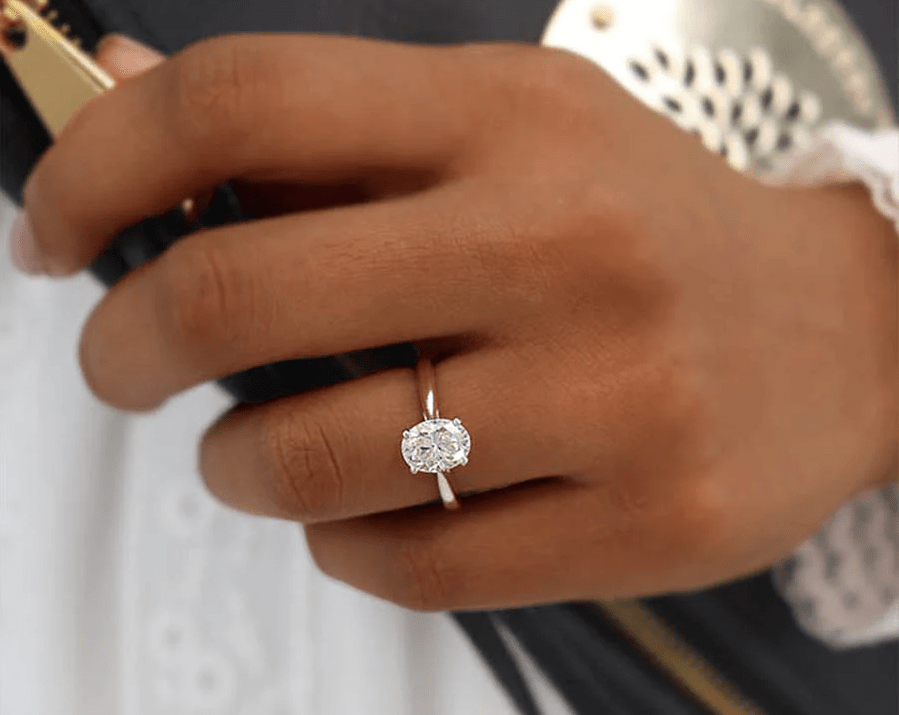
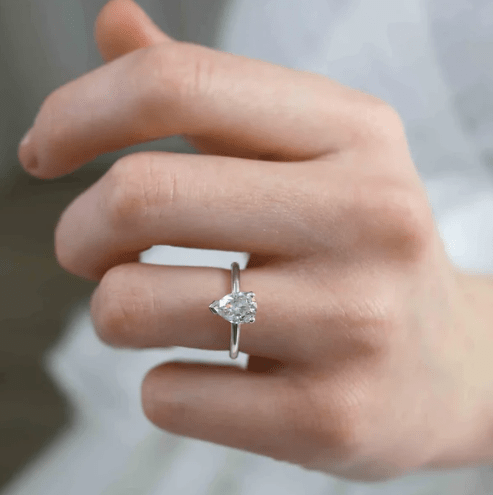
    Because buyers often have greater flexibility within their budget, they are increasingly exploring styles that may previously have seemed unattainable. Larger oval diamonds, elongated radiant cuts, impressive emerald cuts and elegant pear-shaped stones have become particularly popular, while hidden halos, intricate pavé settings and bespoke designs continue to gain popularity.

    Rather than compromising on design because of diamond cost, many couples are able to choose the ring they genuinely fell in love with.

    This has encouraged jewellers to expand their collections and offer increasingly sophisticated designs that cater to a wide range of tastes, from timeless solitaires to contemporary statement pieces.

    Looking Beyond Tradition

    For centuries, natural diamonds were the only option available, so tradition naturally favoured them. However, tradition alone does not always determine what is best for every individual.

    Today’s buyers are often less concerned with following convention and more interested in finding the ring that best represents their relationship. They recognise that the emotional significance of an engagement ring comes from the commitment it symbolises rather than the geological history of the centre stone.

    Whether a diamond formed over millions of years beneath the Earth’s surface or was grown using advanced technology over a matter of weeks, its meaning is ultimately created by the people wearing it.

    That perspective has helped many couples feel entirely comfortable choosing a lab grown diamond without feeling they are sacrificing anything meaningful.

    An Investment in Love Rather Than Resale

    Occasionally, buyers ask about resale values when comparing natural and lab grown diamonds.

    While natural diamonds have historically retained greater resale value in certain circumstances, engagement rings are very rarely purchased as financial investments. Unlike shares, property or precious metals, most engagement rings are never intended to be sold. Instead, they become deeply personal possessions that mark one of life’s most significant milestones.

    When viewed through that lens, many couples conclude that enjoying a larger or higher-quality diamond every day is more important than considering what it might theoretically be worth decades into the future.

    The value of an engagement ring lies far more in the memories it represents than its resale price.

    The Future of Diamond Buying

    The growing popularity of lab grown diamonds reflects a wider change in how people approach luxury purchases. Buyers are more informed, more confident and more willing to question long-held assumptions than ever before.

    Rather than accepting that a beautiful engagement ring must come with an equally large price tag, couples are discovering that technology has created another option—one that delivers exceptional beauty, outstanding quality and remarkable value without compromise.

    Ultimately, choosing between a mined and a lab grown diamond is a personal decision, and there is no universally right answer. However, for an increasing number of people, lab grown diamonds represent the perfect combination of tradition and innovation. They offer everything people have always loved about diamonds—the sparkle, durability and timeless appeal—while providing greater flexibility, transparency and value for the modern buyer.

    It is this combination that has transformed lab grown diamonds from an emerging technology into one of the most sought-after choices for engagement rings today, and there is every indication that their popularity will continue to grow for many years to come.
  • Wimbledon Jewellery Trends: The Diamonds, Engagement Rings and Elegant Style That Define the Championships

    For most people, Wimbledon is synonymous with world-class tennis, pristine grass courts and one of Britain’s most treasured sporting traditions. Yet every July, as the world’s best players compete for the sport’s most coveted title, another conversation quietly gathers momentum. Fashion editors begin analysing courtside style, jewellers discuss celebrity engagement rings, and social media fills with close-up photographs of diamonds sparkling against Wimbledon whites.

    Unlike the Oscars or the Met Gala, Wimbledon has never been a place for extravagant displays of jewellery. The Championships have always celebrated elegance over excess, making them one of the few major global events where understated luxury consistently takes centre stage. That is precisely why Wimbledon has become so influential. Rather than showcasing jewellery that feels unattainable, it presents timeless pieces that people can genuinely imagine wearing themselves.

    Over the years, Wimbledon has become closely associated with some of the jewellery world’s most iconic stories, from the origins of the tennis bracelet to famous engagement rings that have influenced buying trends for years afterwards.

    Wimbledon and the Art of Understated Luxury

    Fashion at Wimbledon has always followed a different set of rules. While other high-profile events encourage dramatic gowns and statement accessories, the atmosphere around the All England Club is noticeably more refined. Jewellery is chosen to complement an outfit rather than dominate it, creating a style that feels effortlessly sophisticated.

    This approach has become increasingly relevant in recent years as “quiet luxury” has emerged as one of fashion’s defining movements. Instead of oversized logos or bold statement pieces, buyers are gravitating towards jewellery with exceptional craftsmanship, timeless design and lasting versatility.

    Wimbledon almost seems to have anticipated this trend decades before it became fashionable. Whether it is delicate diamond earrings, slim gold bangles or elegant engagement rings spotted in the Royal Box, the emphasis has always been on quality rather than quantity.

    It is this restrained approach that gives Wimbledon its unique aesthetic and continues to inspire jewellery lovers every summer.

    The Bracelet That Changed Jewellery History

    No piece of jewellery is more closely connected to tennis than the tennis bracelet itself.

    The story has become part of jewellery folklore. During the 1987 US Open, former world number one Chris Evert was wearing a slender line of diamonds when the clasp unexpectedly failed during a match. She famously asked officials to pause play while she searched for the bracelet.

    The incident made headlines around the world, and almost overnight jewellers began referring to the elegant diamond line bracelet as a “tennis bracelet”. The name has remained ever since.

    Although the defining moment happened outside Wimbledon, the bracelet feels completely at home at the Championships. Its elegant simplicity mirrors everything the tournament represents. It is luxurious without being ostentatious, refined without being overly formal and versatile enough to wear from Centre Court to an evening dinner.

    Few jewellery designs have remained so consistently popular for almost four decades.

    Serena Williams and One of Tennis’s Most Influential Engagement Rings

    When discussions turn to celebrity engagement rings, few have had the impact of Serena Williams’s.

    Following her engagement to Alexis Ohanian, her impressive oval-cut diamond ring quickly became one of the most recognisable engagement rings in the world. The design featured a substantial oval centre stone with smaller diamonds on either side, creating a look that felt both timeless and contemporary.

    Its influence extended far beyond celebrity news.

    In the years that followed, oval diamonds experienced remarkable growth in popularity. Buyers were increasingly drawn to their elongated shape, elegant proportions and ability to maximise visual size without appearing excessive.

    While engagement ring trends are influenced by many factors, Serena Williams’ ring undoubtedly helped cement the oval cut as one of the defining engagement ring styles of the past decade.

    Even today, it remains one of the most requested diamond shapes among couples looking for a balance between classic design and modern elegance.

    Anna Kournikova’s Extraordinary Pink Diamond

    If Serena Williams helped popularise the oval diamond, Anna Kournikova demonstrated that coloured diamonds could be every bit as captivating.

    Her engagement ring from Enrique Iglesias is believed to feature an exceptionally rare pink diamond, widely thought to originate from Australia’s famous Argyle Mine. Before its closure in 2020, the mine produced more than 90% of the world’s natural pink diamonds, making stones of this quality extraordinarily rare.

    The ring attracted worldwide attention, not simply because of its size but because of its unusual colour. At a time when colourless diamonds dominated engagement ring trends, Kournikova’s vivid pink stone demonstrated a completely different approach to luxury.

    Today, interest in coloured gemstones continues to grow. While natural pink diamonds remain beyond the reach of most buyers, yellow diamonds, champagne diamonds, blue diamonds and laboratory-created coloured diamonds have all become increasingly popular alternatives for those seeking something distinctive.

    Why White Clothing Makes Jewellery Stand Out

    One of the reasons jewellery photographs so beautifully during Wimbledon is the tournament’s famous all-white dress code.

    White acts almost like a blank canvas. Without competing colours or busy patterns, diamonds appear brighter, precious metals appear richer and coloured gemstones become more vibrant.

    This visual simplicity allows jewellery to become part of the overall styling rather than merely an accessory.

    It is no coincidence that fashion photographers consistently capture close-up images of rings, bracelets and earrings throughout the Championships. Against a backdrop of crisp white tailoring and summer dresses, beautifully crafted jewellery naturally becomes one of the focal points.

    Wimbledon Reflects Real Jewellery Trends

    Unlike many celebrity events, Wimbledon offers a more realistic picture of how luxury jewellery is actually worn.

    The engagement rings seen throughout the tournament are rarely chosen for shock value. Instead, they tend to reflect long-term wearability, personal taste and timeless design.

    This authenticity is part of what makes Wimbledon so influential.

    Rather than introducing completely new trends each year, the Championships reinforce those with genuine staying power. Oval diamonds continue to appear because people genuinely love them. Tennis bracelets remain popular because they work with almost every wardrobe. Diamond stud earrings never disappear because they are among the most versatile pieces anyone can own.

    This slower, more considered evolution is one reason Wimbledon style remains relevant long after other seasonal fashion trends have faded.

    Jewellery That Prioritises Longevity

    There is an interesting parallel between Wimbledon itself and fine jewellery.

    Both celebrate precision, heritage and craftsmanship. Both value longevity over novelty. Neither is particularly interested in chasing short-lived trends.

    That philosophy is increasingly reflected in today’s jewellery market. According to the  Gemological Institute of America (GIA)⁠, buyers are placing greater emphasis on individuality, craftsmanship and enduring quality rather than simply following traditional expectations. At the same time, institutions such as the  Victoria and Albert Museum⁠ continue to document how jewellery has historically reflected wider cultural shifts while retaining its role as one of the most personal forms of artistic expression.

    Wimbledon captures this balance perfectly. It respects tradition while continuing to evolve, much like the jewellery that has become associated with it.

    More Than a Sporting Event

    The connection between Wimbledon and jewellery extends far beyond fashion. It is woven into the history of the sport itself. Chris Evert unknowingly gave the tennis bracelet its name. Serena Williams influenced one of the most significant engagement ring trends of the modern era. Anna Kournikova helped spark fascination with rare coloured diamonds. Every summer, countless celebrities and guests continue to demonstrate that elegance is often found in restraint rather than extravagance.

    That is perhaps why Wimbledon remains such an enduring source of inspiration. It reminds us that truly beautiful jewellery does not need to be loud or trend-driven to leave a lasting impression. Like the Championships themselves, the finest pieces are defined by craftsmanship, confidence and timeless appeal.

  • The Shift From Sales-Led to Consultation-Led Jewellery Buying

    There was a time when buying jewellery was largely a transactional experience. Customers visited a showroom, viewed the available collections, discussed a budget and selected the piece they liked most. The jeweller’s role was to explain the product, answer a few questions and complete the sale. Whilst excellent service has always existed within the industry, the process itself was often centred around the jewellery rather than the person buying it.

    That model is gradually disappearing.

    Today’s jewellery buyer is arriving with different expectations and, in many cases, a completely different mindset. Rather than asking, “What do you have available?”, they are asking, “What would you recommend for me?” It is a subtle change in language, but it represents a profound shift in the way people now approach one of life’s most significant purchases.

    The engagement ring market provides perhaps the clearest example of this transformation. Buying an engagement ring has become a far more considered process than it was even a decade ago. Consumers are investing weeks, and often months, researching gemstones, comparing settings and learning about craftsmanship before they ever step inside a showroom. As we explored in our article on why so many buyers regret rushing their engagement ring purchaseAttachment.tiff, buyers are increasingly recognising that confidence comes not from making a quick decision, but from understanding why a particular ring is the right choice.

    This evolution has been driven by one simple reality. Information is no longer scarce.

    For much of the jewellery industry’s history, the jeweller was the primary source of expertise. Customers depended on that knowledge because it was difficult to access elsewhere. Today, someone considering an engagement ring can spend an evening reading about diamond grading, precious metals, ring settings and manufacturing techniques without leaving their home. They can compare hundreds of designs, read independent reviews and watch detailed educational videos long before arranging an appointment.

    Rather than reducing the importance of jewellers, this abundance of information has changed what buyers value most.

    People no longer visit a showroom simply to obtain information. They come to understand how that information applies to them. They want context rather than facts, guidance rather than persuasion and reassurance rather than salesmanship.

    This distinction is particularly important because jewellery is deeply personal. Two customers may admire the same ring yet require completely different recommendations. One may prioritise durability because they work with their hands every day. Another may value delicate detailing because the ring will be worn primarily in an office environment. One may prefer timeless simplicity, whilst another wants a design that reflects their personality more boldly. There is no universal answer, which is precisely why consultation has become so valuable.

    The best jewellery consultations rarely begin with diamonds or gemstones. They begin with conversation.

    Experienced jewellers spend time understanding how their clients live, what jewellery they already wear, how they describe their own style and what they hope their engagement ring or piece of fine jewellery will represent in years to come. The product itself emerges naturally from those discussions rather than leading them.

    This approach often surprises first-time buyers. Many arrive expecting to be shown display cabinets immediately, only to discover that the most useful part of the appointment takes place before any jewellery appears at all. By understanding the person first, recommendations become significantly more meaningful.

    There is another reason consultation-led retail has become increasingly important. The choices available to consumers have expanded dramatically. Twenty years ago, many buyers selected between white gold, yellow gold and platinum before choosing a traditional white diamond. Today’s market is considerably more diverse. Laboratory-grown diamonds sit alongside natural diamonds. Coloured gemstones have become mainstream. Bespoke manufacturing has become more accessible. Alternative setting styles continue to grow in popularity, and buyers are becoming more interested in ethical sourcing and sustainability alongside aesthetics.

    Choice is undoubtedly positive, but it also creates complexity.

    Research published by Harvard Business Review⁠ has shown that consumers presented with extensive choice often place greater value on expert guidance, particularly when making significant financial decisions. Rather than wanting fewer options, they want someone capable of helping them navigate those options with confidence.

    That expectation has fundamentally changed what excellent customer service looks like.

    Years ago, an outstanding jeweller might have been recognised for extensive product knowledge alone. Today, technical expertise remains essential, but it is only part of the equation. Communication skills, empathy and the ability to listen carefully have become equally valuable. Clients increasingly expect recommendations that feel tailored to their own circumstances rather than based on general assumptions or sales targets.

    This personalised approach has also transformed bespoke jewellery. Commissioning a custom engagement ring is no longer viewed as an exclusive luxury reserved for a small number of clients. It has become a collaborative process in which customers actively participate. They discuss proportions, practicality, gemstone selection and long-term wear before any design work begins. The finished piece reflects not only the skill of the jeweller but also the priorities of the person who will wear it every day.

    Perhaps the most significant outcome of consultation-led jewellery buying is confidence. Purchasing fine jewellery inevitably involves emotion. Whether celebrating an engagement, anniversary or personal achievement, buyers want certainty that they have made the right decision. A well-conducted consultation provides that reassurance because every recommendation has been explained and every question answered honestly.

    According to McKinsey & Company⁠ personalisation continues to be one of the defining characteristics of successful luxury retail, with consumers increasingly expecting experiences that reflect their individual preferences rather than generic purchasing journeys. Jewellery has embraced this change naturally because every significant purchase already carries a deeply personal story.

    Transparency has become equally important. Modern buyers appreciate open conversations about the strengths and limitations of different materials, the maintenance requirements of particular settings and the practical realities of everyday wear. Honest advice builds trust far more effectively than presenting every option as equally suitable.

    This represents a notable departure from traditional retail, where success was often measured by how efficiently a transaction could be completed. Consultation-led jewellery buying values a different outcome. The objective is not simply to sell a ring. It is to ensure the customer feels completely comfortable with the decision they have made, even years after leaving the showroom.

    The wider luxury industry appears to be moving in the same direction. According to Forbes⁠, today’s premium consumers increasingly associate exceptional service with expertise, authenticity and long-term relationships rather than promotional offers or aggressive sales techniques. Jewellery buyers are no exception. Many are investing in pieces intended to become family heirlooms, making trust one of the most valuable qualities a retailer can offer.

    Looking ahead, it seems unlikely that consultation-led jewellery buying will be viewed as a trend. Instead, it represents the natural evolution of an industry responding to more informed, more confident and more discerning consumers. Buyers no longer need someone to tell them what they should purchase. They need someone capable of helping them understand what is genuinely right for them.

    In many respects, that has always been the hallmark of the very best jewellers. The difference today is that customers increasingly expect nothing less.

  • Why Pale Fancy Diamonds Are Becoming the Ultimate Insider Choice

    For much of the last century, engagement ring shopping followed a fairly predictable path. Buyers were encouraged to compare the Four Cs, aim for the highest colour grade they could afford and treat the absence of colour as the ultimate measure of quality. The closer a diamond came to appearing perfectly white, the more desirable it was considered to be. That philosophy shaped generations of buying decisions and became so firmly established that few people questioned it.

    Today, however, the conversation is beginning to sound very different.

    Modern buyers still value exceptional craftsmanship and beautifully cut diamonds, but they are becoming increasingly comfortable challenging the idea that perfection always looks the same. Rather than searching for complete uniformity, many are actively seeking diamonds with individuality, warmth and subtle character. It is within this changing landscape that pale fancy diamonds have quietly emerged as one of the most interesting developments in contemporary fine jewellery.

    The wider appreciation for coloured diamonds has undoubtedly helped drive this shift. As explored in our guide to fancy coloured lab grown diamonds⁠ more buyers than ever are discovering that colour can enhance a diamond’s appeal rather than detract from it. Whilst vivid yellows, blues and pinks continue to capture attention, it is often the palest fancy diamonds that are attracting those looking for something elegant, understated and genuinely distinctive.

    One of the reasons these diamonds feel so contemporary is that they reject the notion that luxury should always be immediately obvious. Across fashion, architecture and interior design, subtlety has become increasingly desirable. Consumers are becoming more interested in quality that reveals itself over time rather than making an instant impression. Jewellery is following exactly the same trajectory.

    A pale champagne diamond, for example, does not announce itself from across a room. Its colour is often noticed only after closer observation, revealing soft golden undertones that shift gently depending on the surrounding light. A pale yellow diamond behaves in much the same way, introducing warmth without overwhelming the overall design. The result is jewellery that rewards attention rather than demanding it.

    This gradual appreciation is one of the qualities that makes pale fancy diamonds so compelling. Unlike more intensely coloured gemstones, whose beauty is immediately apparent, these stones reveal their personality slowly. Morning daylight, evening sunlight and interior lighting all bring out different characteristics, meaning the ring never appears exactly the same twice.

    For many buyers, that sense of discovery becomes part of the ownership experience. A ring should not simply impress on the day it is received. It should continue to reveal new qualities throughout years of everyday wear.

    There is also a practical reason why softly coloured diamonds have become increasingly popular among designers. Their versatility allows them to work across an extraordinary range of styles. Whether paired with yellow gold, platinum or rose gold, pale fancy diamonds complement rather than dominate the design. They allow the architecture of the ring, the craftsmanship of the setting and the proportions of the stone to remain equally important.

    This is particularly valuable in bespoke jewellery, where the objective is rarely to recreate an existing design. Clients commissioning custom rings are often looking for subtle ways to make their jewellery unique without abandoning timeless design principles. Pale fancy diamonds provide exactly that opportunity. They introduce individuality without sacrificing elegance.

    Another factor contributing to their growing popularity is the changing profile of today’s jewellery buyer. Consumers are arriving far better informed than they were even a decade ago. They have researched diamond grading, explored different settings and compared countless designs before entering a showroom. This greater level of knowledge often leads to more nuanced preferences.

    Rather than asking for the highest colour grade available, buyers increasingly ask to compare stones side by side. They want to understand how different shades interact with different metals, how certain colours complement particular skin tones and how subtle variations affect the overall appearance of a finished ring. These are conversations that simply were not happening as frequently twenty years ago.

    The increasing popularity of laboratory-grown diamonds has also broadened consumer confidence. As buyers become more familiar with the extraordinary variety of colours available, they naturally become more willing to explore options beyond traditional white diamonds. Soft champagne tones and delicate yellows no longer feel unusual. They feel intentional.

    According to Vogue UK⁠ contemporary luxury consumers are increasingly drawn towards products that express personality rather than conformity, favouring craftsmanship and individuality over obvious status symbols. Jewellery reflects this change particularly clearly because every design decision, from metal choice to gemstone colour, contributes to the overall character of the finished piece.

    Perhaps this explains why pale fancy diamonds appeal so strongly to buyers who describe themselves as wanting something “classic, but different”. They are not searching for novelty. They simply want a ring that feels distinctive without relying on dramatic styling or unconventional design.

    This balance between familiarity and originality is surprisingly difficult to achieve. A vividly coloured diamond immediately transforms the identity of a ring. A pale fancy diamond creates a much gentler shift, preserving the timeless appeal of a traditional engagement ring whilst introducing a level of individuality that becomes increasingly noticeable over time.

    Education has also played an important role in changing perceptions. Organisations such as the Gemological Institute of America (GIA)⁠ have helped consumers understand that naturally coloured diamonds exist across a remarkable spectrum and that colour should be appreciated for its beauty rather than judged solely against the absence of it. This broader understanding has encouraged buyers to think less in terms of hierarchy and more in terms of personal preference.

    Interestingly, jewellers often find that pale fancy diamonds appeal to clients who had never previously considered coloured stones. Once they begin comparing diamonds in person, many discover that a softly coloured stone feels warmer, more individual and often more flattering than the colourless diamond they initially intended to purchase. What begins as curiosity frequently develops into genuine preference.

    There is also something reassuringly timeless about these diamonds. They do not rely on fashion to justify their appeal. Soft colour has existed within natural diamonds for millions of years. The difference today is that buyers are choosing to celebrate those characteristics rather than overlook them. Instead of treating colour as something to minimise, they are recognising it as part of each diamond’s identity.

    As jewellery trends continue to evolve, it seems increasingly likely that pale fancy diamonds will become less of an insider secret and more of a mainstream choice. They reflect many of the values shaping today’s luxury market: authenticity, individuality, craftsmanship and quiet confidence. They also encourage buyers to move beyond rigid definitions of perfection and instead ask a far more interesting question. Not which diamond is considered the best, but which diamond feels most like their own.

    That change in perspective may prove to be the most significant trend of all. It suggests that the future of fine jewellery will be defined less by following established rules and more by celebrating the subtle differences that make every gemstone, and every engagement ring, genuinely unique.

  • Why Engagement Ring Shopping Feels So Difficult Today

    There was a time when buying an engagement ring was relatively straightforward. Choices were more limited, trends moved more slowly and most people followed a fairly traditional path. Today, the experience is entirely different. Engagement ring shopping in 2026 is no longer a simple jewellery purchase. For many people, it feels closer to navigating a luxury market, a fashion industry and a major life decision all at once.

    The result is that what should feel exciting often becomes emotionally exhausting.

    Many buyers enter the process expecting to make a quick, confident decision, only to find themselves weeks later comparing diamond ratios at midnight, questioning every style they save online and feeling less certain than when they started.

    This feeling is incredibly common.

    One reason engagement ring shopping feels so overwhelming is because the market has fundamentally changed. Buyers are no longer choosing between a few traditional styles displayed in a showroom window. They are now presented with an almost endless number of combinations. Every decision branches into another decision. Once you choose a shape, you must choose a setting. Once you choose a setting, you must choose metal colour, band width, stone size, hidden details, side stones and finishing style.

    Then come the technical decisions. Natural or lab-grown. Clarity grade. Fluorescence. Certification. Proportions. Polish. Symmetry.

    For someone with no jewellery background, the learning curve can feel intense.

    The modern engagement ring industry also places enormous emphasis on optimisation. Buyers are constantly encouraged to maximise value, maximise size, maximise sparkle and maximise quality simultaneously. This creates the feeling that there is always a “better” option somewhere else if you search long enough.

    That mindset can make it almost impossible to feel settled with a decision.

    Psychological research around consumer behaviour has repeatedly shown that excessive options increase anxiety rather than satisfaction.  The New York TimesAttachment.tiff has explored how decision overload affects confidence and emotional wellbeing, particularly when purchases feel important or permanent. Engagement rings fit both categories perfectly.

    The emotional pressure attached to engagement rings is another major factor.

    An engagement ring is not treated like ordinary jewellery. It is expected to carry symbolism around love, commitment and future identity. Buyers are not simply choosing a product. They are choosing something that is supposed to represent a relationship itself.

    That expectation changes the emotional stakes dramatically.

    People worry whether the ring will still feel timeless decades later. They worry whether their partner will truly love it. They worry about whether they are spending too much or too little. Even practical decisions begin to feel emotionally loaded because the purchase is tied so closely to the meaning of the proposal itself.

    Social media has intensified this pressure significantly.

    Before platforms like Instagram and TikTok, engagement rings were primarily seen in real life, often briefly and casually. Today, they are consumed through curated close-up videos, luxury proposal content and perfectly edited imagery designed to attract attention online.

    This changes perception.

    Rings begin to feel less like personal objects and more like visual performances. Buyers become increasingly aware of how the ring might appear publicly rather than simply privately. Will it look current? Will it seem impressive enough? Will it compare well to what others are posting online?

    The danger is that people slowly stop shopping for their partner and start shopping for an audience.

    Trend cycles make this even more complicated. Engagement ring trends now move faster than ever before. One year hidden halos dominate. The next year chunky gold bands take over. Then east-west settings appear everywhere. Because buyers are exposed to constant trend rotation, it becomes difficult to distinguish genuine preference from temporary influence.

    This creates fear around longevity. Many people worry about choosing something that feels fashionable now but may feel dated later.

    At the same time, there is pressure from the opposite direction. Classic styles are often marketed as the “safe” choice, leading some buyers to fear choosing anything too individual or unconventional.

    This leaves people trapped between wanting something timeless and wanting something personal.

    Budget is another major source of stress. Despite growing criticism of outdated engagement ring spending rules, cultural expectations around cost remain strong. Financial publications such as  InvestopediaAttachment.tiff continue to discuss how engagement ring spending has become increasingly personal rather than rule-based, yet many buyers still feel uncertain about what is socially expected.

    The rise of lab-grown diamonds has complicated this further. Buyers now face additional questions around ethics, pricing and perceived value. According to the Gemological Institute of America, lab-grown diamonds are chemically and visually the same as natural diamonds, but conversations around them remain emotionally charged online. Buyers often feel pressure to justify whichever route they choose.

    One of the most effective ways to simplify engagement ring shopping is to stop approaching it as a search for the objectively “best” ring.

    There is no universally perfect engagement ring.

    There are only rings that are right for specific people.

    This shift in perspective immediately reduces pressure because it reframes the goal. Instead of trying to optimise every technical detail, buyers can focus on understanding the wearer themselves.

    Personal style is usually a far better guide than internet trends. Someone who wears minimalist jewellery daily is unlikely to suddenly want an extremely ornate ring. Someone who gravitates towards bold fashion choices may prefer something more distinctive and unconventional.

    Lifestyle matters just as much. A ring worn every day should work practically alongside someone’s routine, not just look impressive in photographs.

    Simplifying the process also means accepting that not every detail matters equally. Many buyers become overwhelmed because they treat every specification as equally important. In reality, most people naturally care about one or two things most, whether that is shape, overall look, ethical sourcing or budget.

    Starting there creates clarity.

    Restricting options can also help significantly. Endless browsing tends to increase confusion rather than confidence. Narrowing inspiration down to a handful of saved designs often reveals consistent patterns in preference much faster.

    Importantly, buyers should also give themselves permission to trust instinct. Engagement rings are emotional purchases as much as technical ones. Often, people know when a design feels right long before they can logically explain why.

    The modern engagement ring market encourages over-analysis because it benefits from extended comparison and endless optimisation. But real confidence usually comes from simplification, not more information.

    Ultimately, engagement ring shopping feels overwhelming because modern buyers are carrying too many expectations simultaneously. They are trying to satisfy emotional meaning, financial logic, social perception, trend awareness and long-term practicality all at once.

    The process becomes easier when those expectations are stripped back.

    The goal is not to find the ring that impresses the internet most. It is to choose something that feels authentic to the relationship and natural for the person wearing it every day.

    Once buyers focus on that instead, the noise surrounding engagement ring shopping becomes much easier to ignore.

  • Why Your Wedding Ring Doesn’t Sit Flush: Wed-Fit vs Non-Wed-Fit Explained

    One of the most common surprises for couples shopping for wedding rings is discovering that their engagement ring does not sit neatly alongside a band. It is often an unexpected moment. The assumption is that the two rings should align perfectly, creating a seamless pair. When that does not happen, it can feel like something has gone wrong.

    In reality, nothing has.

    The way an engagement ring sits next to a wedding band is determined entirely by its design. Some rings are created to allow a flush fit, while others are not. This is where the terms wed-fit and non-wed-fit come into play. Understanding these two concepts is essential, particularly if you are choosing a ring with long-term wear in mind.

    A wed-fit engagement ring is designed so that a straight wedding band can sit directly against it. There is no gap, no overlap and no need for adjustment. The two rings meet cleanly, forming a continuous line across the finger. This is often what people imagine when they think of a traditional bridal set.

    A non-wed-fit ring, on the other hand, is not built to accommodate a straight band in this way. The design of the setting prevents the two rings from sitting flush. When worn together, a space remains between them. This is not a flaw or a manufacturing issue, but a deliberate result of the ring’s structure.

    The reason behind this difference lies in how engagement rings are engineered.

    Every ring is built around its centre stone. The way that stone is positioned, supported and secured has a direct impact on how the ring interacts with anything placed beside it. In wed-fit designs, the stone is typically lifted away from the band. This creates a gap beneath or around the setting, allowing a wedding ring to sit comfortably alongside it.

    In non-wed-fit designs, the opposite approach is taken. The stone is set lower, often integrated more closely into the band itself. This creates a more compact and streamlined appearance, but it also means there is no space for another ring to sit flush.

    This design choice is often intentional, particularly in modern styles. Low-profile rings are increasingly popular because they sit closer to the finger and can feel more practical for daily wear. They are less likely to catch on clothing, less exposed to impact and often more comfortable over long periods.

    According to the Gemological Institute of America, the structure of a ring setting plays a key role in both its durability and wearability. Lower settings can offer increased protection for the stone, while higher settings provide greater visibility and light exposure. The choice between the two often comes down to balancing aesthetics with function.

    This is why the wed-fit versus non-wed-fit decision is not simply about appearance. It is also about lifestyle.

    For someone who uses their hands frequently, whether for work or daily activities, a lower-set ring may be more practical. It is less intrusive and easier to wear without concern. In these cases, a non-wed-fit design may make more sense, even if it means the wedding band does not sit flush.

    For others, the visual alignment of the rings is a priority. The idea of a perfectly matched pair carries symbolic and aesthetic appeal. A wed-fit ring provides that clean, uninterrupted look, making it easier to achieve a traditional bridal style.

    The challenge arises when these priorities conflict. It is not uncommon for someone to fall in love with a particular engagement ring, only to later realise it is non-wed-fit. At that point, the decision shifts from choosing the ring itself to deciding how it will be worn alongside a wedding band.

    There are several ways to approach this.

    One option is to choose a shaped wedding band. These are designed to contour around the engagement ring, allowing them to sit closely together despite the lack of a flush fit. The result can be highly tailored, with the two rings appearing to interlock rather than align.

    Another approach is to accept the gap as part of the design. This has become increasingly common, particularly as more people move away from traditional expectations. A visible space between the rings can create contrast, allowing each piece to stand out individually.

    A third option is to prioritise versatility. Some people choose to wear their engagement ring and wedding band separately, either on different hands or at different times. This removes the need for them to physically fit together and allows each ring to be appreciated on its own.

    What is important to understand is that none of these solutions are compromises. They are simply different ways of wearing jewellery.

    The growing popularity of non-wed-fit rings reflects a broader shift in how engagement rings are viewed. Rather than being defined by tradition, they are increasingly seen as expressions of personal style. This has led to greater acceptance of varied designs, including those that do not conform to the idea of a flush fit.

    Resources such as The Knot highlight this change, showcasing a wide range of ring pairings that move beyond the traditional matched set. This reflects a more flexible approach, where individuality is prioritised over convention.

    There are, however, practical considerations to keep in mind. Rings that do not sit flush may move independently, which can affect how they feel on the hand. Over time, this movement can also lead to wear, particularly if the rings come into contact at certain points. Choosing the right combination can help to minimise this and ensure long-term comfort.

    It is also worth thinking about how your preferences might evolve. A wed-fit ring offers more flexibility when it comes to pairing with different bands in the future. A non-wed-fit ring may require a more specific choice, but it also creates a more distinctive and individual look.

    Ultimately, the difference between wed-fit and non-wed-fit rings is not about which is better. It is about understanding how each design works and choosing what aligns with your priorities.

    A flush fit offers simplicity and symmetry. A non-flush fit offers character and individuality. Both can be equally beautiful, and both can work perfectly when chosen with intention.

    The key is to look beyond the assumption that rings should sit together in a certain way. Once you do, the decision becomes clearer, and far more personal.

  • What Is an Engagement Ring Term Really Saying? A Buyer’s Guide to the Language Behind the Design

    What Is an Engagement Ring Term Really Saying? A Buyer’s Guide to the Language Behind the Design

    Engagement ring shopping is often described as emotional, intuitive and deeply personal, yet the process itself is filled with technical language that many buyers encounter for the first time. Terms are introduced quickly, often without explanation, and assumed knowledge can make the experience feel more daunting than it needs to be. In 2026, understanding engagement ring terminology is not about becoming an expert. It is about feeling confident enough to make decisions that stand up over time.

    This guide is designed to translate the most common engagement ring terms into clear, practical meaning. Terminology should give buyers clarity and control, not confusion. Once the language becomes familiar, the entire process shifts from overwhelming to empowering.

    One of the first words most buyers encounter is carat. Carat refers strictly to a diamond’s weight, not its visible size. This distinction is critical. Two diamonds of the same carat weight can look very different depending on how they are cut. The Gemological Institute of America explains that cut proportions determine how much of a diamond’s weight is visible from the top. A well-cut stone can appear larger and brighter than a heavier diamond with poor proportions.

    Cut itself is often misunderstood. Many buyers use cut and shape interchangeably, but they describe different things. Shape refers to the outline of the diamond, such as round, oval, pear or emerald. Cut refers to how well the diamond’s facets are proportioned and aligned to reflect light. According to the American Gem Society, cut quality has the greatest impact on sparkle and brilliance, more than carat, colour or clarity.

    Clarity is another term that can sound intimidating. It refers to natural characteristics formed during a diamond’s growth, known as inclusions and blemishes. Educational material from the International Gemological Institute explains that most inclusions are microscopic and invisible to the naked eye. Clarity grading exists to standardise description, not to imply that diamonds must be flawless to be beautiful.

    Colour grading is commonly misunderstood as well. In white diamonds, colour refers to the presence of warmth or tint rather than visible colour. The scale typically runs from D, which is colourless, to Z, which shows noticeable warmth. However, articles published by the Royal Gem Society note that many diamonds lower on the scale still appear visually white once set, particularly in yellow or rose gold. Understanding colour terminology can prevent buyers from overpaying for differences they may never notice.

    Certification is one of the most important terms to understand clearly. A diamond certificate is an independent grading report that documents a stone’s characteristics. It is not a valuation and does not guarantee resale value. Laboratories such as the GIA and IGI provide consistent grading standards that allow buyers to compare diamonds accurately across different retailers. Certification brings transparency, not assurance of investment performance.

    Beyond the diamond itself, setting terminology plays a major role in how a ring looks and performs. A setting describes how the stone is held within the ring. Prong settings secure the stone with claws, allowing maximum light entry. Bezel settings surround the stone with metal, offering increased protection. Guidance from the National Association of Jewellers explains that setting choice directly affects durability, maintenance and daily comfort.

    Profile is a term that describes how high or low the ring sits on the finger. A high-profile ring lifts the stone above the band, creating a dramatic look. A low-profile ring keeps the stone closer to the hand, often improving comfort and reducing snagging. Jewellery wearability discussions in The Telegraph have noted that lower-profile rings are often preferred by those with active lifestyles.

    Halo is another term that benefits from clarification. A halo is a ring of smaller stones surrounding a centre stone, designed to enhance sparkle and visual size. A hidden halo sits beneath the centre stone rather than around it. Technical explanations from the Gemological Institute of America show that halos can be decorative or structural depending on placement, making the terminology important when discussing design intent.

    Pavé refers to small stones set closely together, most often along the band. The word comes from the French term for paving. While pavé can add significant sparkle, it also introduces additional maintenance considerations. Consumer advice from Which? highlights pavé settings as more prone to stone loss over time, making this term important when balancing aesthetics and practicality.

    Metal terminology is another area where confusion is common. Gold is rarely used in its pure form for jewellery. It is alloyed with other metals to improve strength. Terms such as 18ct or 14ct refer to purity, not colour. The World Gold Council explains that higher carat gold contains more pure gold but is softer, while lower carat alloys may offer greater durability for daily wear.

    Platinum is often described as premium, but this label can be misleading without context. Platinum is naturally white, dense and highly durable. Unlike white gold, it does not require rhodium plating. Market commentary from the Financial Times has explored how platinum’s appeal lies in performance and longevity rather than trend or resale speculation.

    The word bespoke is widely used but inconsistently defined. Bespoke can mean a fully custom design created from scratch or a modified version of an existing ring. Editorial coverage from Vogue UK has encouraged buyers to ask what bespoke actually involves, as the term alone does not guarantee full customisation.

    Band width is a practical term with long-term implications. It refers to how thick the ring band is. Very thin bands may appear delicate but can lack durability. Engineering guidance from the Gemological Institute of America stresses the importance of proportion in ensuring a ring maintains its shape over time.

    Flush fit is a term many buyers only encounter after purchase. It describes whether a wedding band can sit neatly alongside an engagement ring. Non-flush designs create gaps that can trap debris and feel uncomfortable. Understanding this term early helps buyers plan for how their rings will be worn together long term.

    Lab-grown diamonds and gemstones introduce newer terminology. Lab-grown refers to stones created using advanced technology that replicates natural crystal growth. According to scientific explanations published by the International Gemological Institute, lab-grown diamonds are chemically and optically identical to natural diamonds. The difference lies in origin, not structure.

    Terms such as ethical sourcing and sustainability are increasingly common but not legally standardised. Reporting by Reuters has shown that transparency varies widely across the jewellery industry, making it important for buyers to ask how these terms are defined in practice.

    For many buyers, learning this language changes the experience entirely. Instead of feeling guided through a process they do not fully understand, they become active participants. Brands that place education at the centre of the buying journey, such as Lily Arkwright, recognise that informed buyers make more confident and lasting choices.

    In 2026, engagement ring terminology is no longer a barrier reserved for professionals. Buyers expect clarity, not mystery. Understanding the language allows couples to focus on what matters most to them, whether that is design, durability, symbolism or ethics.

    An engagement ring is not defined by a single specification. It is the result of many interconnected decisions, each with its own implications. When the terminology is understood, those decisions feel empowering rather than overwhelming.

    Learning the language of engagement rings does not remove the romance. It strengthens it. Confidence and understanding allow the ring to feel meaningful not only at the moment of proposal, but throughout the lifetime it is worn.

  • Is Rose Gold Right for an Engagement Ring? History, Meaning and the Ethics Behind the Metal

    Is Rose Gold Right for an Engagement Ring? History, Meaning and the Ethics Behind the Metal

    Rose gold has an emotional pull that feels markedly different from other precious metals. Softer than yellow gold and less clinical than white gold, it carries warmth that many people instinctively associate with intimacy and romance. In engagement rings, that warmth has made rose gold increasingly appealing. Yet the choice still prompts questions. Does rose gold truly stand the test of time? Is it suitable for everyday wear? And in an era where sourcing matters, does how rose gold is made change how it should be valued?

    In 2026, rose gold is not a trend-led compromise. It is a deliberate material choice shaped by history, metallurgy and evolving expectations around ethical jewellery.

    Rose gold does not exist naturally in the earth. Unlike yellow gold, which can be found in its pure state, rose gold is an alloy created by combining gold with copper. This process reflects centuries of experimentation rather than modern invention. Human cultures have long altered gold’s composition to improve durability and expand aesthetic possibilities.

    Historical research presented by the British Museum shows that ancient goldsmiths regularly blended gold with other metals to strengthen it and vary its appearance. These early alloying techniques laid the groundwork for the metalworking principles still used in jewellery today.

    The specific pink-toned alloy we now call rose gold became particularly prominent in nineteenth-century Europe. According to design historians referenced by the Victoria and Albert Museum, Russian jewellers developed gold alloys with higher copper content, producing a warm reddish hue that became known as Russian gold. This material gained popularity in decorative arts and fine jewellery, particularly during periods that favoured ornate craftsmanship and expressive colour.

    From Russia, rose gold spread across Europe and later into wider jewellery traditions. Its popularity has risen and fallen over time, often resurfacing during moments when jewellery design prioritised emotion, individuality and craftsmanship. This cyclical return suggests endurance rather than novelty.

    For engagement rings, rose gold offers a balance between sentiment and strength. The copper added to gold does more than change its colour. It also increases hardness. Educational guidance from the Gemological Institute of America explains that rose gold alloys are generally more durable than higher-purity yellow gold, making them well suited to rings worn daily.

    This durability matters in modern engagement rings. Unlike earlier eras when rings were removed frequently, contemporary engagement rings are typically worn continuously. Rose gold’s strength allows it to maintain its shape and setting integrity over long periods of wear.

    Visually, rose gold behaves differently from other metals. Its warm undertone interacts subtly with skin, often appearing softer and more organic than white gold. Fashion analysis from Harper’s Bazaar has highlighted rose gold’s ability to feel personal rather than performative, a quality that resonates strongly in engagement jewellery.

    Rose gold also affects how gemstones are perceived. Diamonds set in rose gold often appear slightly warmer, while coloured gemstones can look richer and more saturated. This makes rose gold especially versatile, supporting everything from classic diamond solitaires to more expressive, non-traditional designs.

    Despite these qualities, some buyers worry that rose gold may feel dated over time. This concern is usually rooted in fashion cycles rather than material reality. Cultural commentary from the Financial Times has noted that materials often labelled as trends tend to cycle in and out of favour, reflecting cultural mood rather than inherent limitations. Rose gold’s repeated re-emergence suggests long-term relevance rather than fleeting appeal.

    Another common concern is colour stability. Rose gold does not fade. Because its hue is created through alloy composition rather than surface treatment, the colour remains consistent throughout the life of the ring. Normal wear may soften surface finish over time, but this affects all gold alloys equally and does not alter rose gold’s underlying tone.

    As awareness around material sourcing has increased, ethical considerations have become central to discussions about all gold alloys, including rose gold.

    Gold mining has historically been associated with environmental and social challenges. Investigative reporting by Reuters has explored how gold extraction can affect landscapes and communities when not properly regulated. These realities have pushed both consumers and the jewellery industry to demand higher standards.

    Modern ethical gold sourcing focuses on reducing environmental impact, improving labour conditions and increasing transparency. One of the most widely recognised bodies in this space is the Responsible Jewellery Council, which sets global standards for responsible mining, refining and manufacturing. Certification under such frameworks helps introduce accountability into a traditionally opaque supply chain.

    Alongside responsible mining, recycled gold has become increasingly important. Recycled gold is recovered from existing jewellery, electronic components and industrial materials, then refined for reuse. According to technical information from the World Gold Council, recycled gold is chemically identical to newly mined gold and can be reused indefinitely without loss of quality.

    For rose gold, this is particularly relevant. Recycled gold can be alloyed with copper to create rose gold with the same colour, durability and performance as newly mined material. Environmental reporting by The Guardian has shown that recycled gold uses significantly less energy and water than primary mining, dramatically reducing environmental impact.

    Modern refining technology has made recycled rose gold viable at scale. Research covered by MIT Technology Review explains how advances in metallurgical processes allow gold to be purified to extremely high standards regardless of its original source. This ensures consistency and reliability across all gold alloys.

    Traceability has also improved. While gold supply chains were once difficult to follow, digital tracking systems are increasingly being explored. Reporting by Bloomberg has examined how blockchain technology is being tested to trace precious metals from source to finished product, increasing transparency and consumer confidence.

    For engagement rings, ethical sourcing carries emotional weight. Jewellery often symbolises shared values and long-term commitment. Cultural research published by the British Academy suggests that modern consumers increasingly want symbolic purchases to reflect their ethical outlook. Choosing responsibly sourced rose gold can therefore deepen the meaning of an engagement ring.

    Another misconception is that rose gold lacks tradition compared to yellow or white gold. In reality, rose gold’s use spans more than a century in Western jewellery and much longer in alloy experimentation. Its current popularity reflects renewed appreciation rather than novelty.

    Contemporary jewellery design reinforces this perspective. Designers are increasingly using rose gold as a primary structural metal rather than a decorative accent. Design analysis from Dezeen highlights how modern jewellery embraces warmth and material honesty, values that align naturally with rose gold.

    The growing acceptance of lab grown diamonds has further shifted perceptions. As buyers become more comfortable with innovation and intentional material choices, rose gold feels less like a deviation and more like a thoughtful decision. Jewellery is no longer about rigid rules, but about understanding materials and choosing what resonates.

    Many modern engagement ring collections reflect this integrated approach to design and sourcing, including those offered by Lily Arkwright, where metal choice, gemstone selection and ethical considerations are aligned to support long-term wear.

    From a practical standpoint, rose gold requires no special maintenance beyond that of other gold alloys. Routine cleaning and periodic professional checks are recommended. Guidance from the Gemological Institute of America advises avoiding prolonged exposure to harsh chemicals, which can affect all gold alloys over time.

    Looking ahead, rose gold appears well positioned to endure. Market analysis from McKinsey & Company suggests that consumers increasingly favour materials that balance emotional appeal with responsible sourcing. Rose gold meets both criteria.

    Ultimately, whether rose gold is right for an engagement ring is a personal decision. It suits those drawn to warmth over starkness, individuality over uniformity and intention over tradition for tradition’s sake.

    Rose gold’s story is one of human ingenuity, from early alloy experimentation to modern ethical refinement. Its lasting appeal lies not in trend cycles, but in its ability to evolve while remaining emotionally resonant. In 2026, rose gold is less about fashion and more about meaning.

  • Why Lab Diamonds Are Becoming the Foundation of Future Fine Jewellery

    Why Lab Diamonds Are Becoming the Foundation of Future Fine Jewellery

    Fine jewellery has always been a mirror of its time. The materials chosen, the way pieces are worn and the stories attached to them all reflect wider cultural values. In 2026, fine jewellery is undergoing one of its most significant shifts in decades. Lab diamonds are no longer positioned as alternatives or substitutes. They are increasingly shaping how fine jewellery is designed, valued and integrated into everyday life.

    This evolution is not about rejecting heritage. It is about reinterpreting it for a generation that values knowledge, transparency and longevity as much as beauty. Lab diamonds are becoming foundational to fine jewellery because they align with how modern luxury is understood and lived.

    To appreciate why this shift feels so decisive, it is important to understand how diamonds came to define fine jewellery in the first place.

    Diamonds have been known to humanity for millennia, yet their dominance in fine jewellery is relatively recent. Geological research from The Geological Society of London explains that early diamonds were valued primarily for their hardness and resistance to wear, not for brilliance or perfection. Their appeal was rooted in durability and permanence.

    The association between diamonds and fine jewellery accelerated in the late nineteenth and early twentieth centuries, driven by industrial mining, global trade networks and cultural messaging. Media history explored by The British Library shows how diamonds became embedded in narratives of romance, success and permanence through advertising and popular culture.

    During this period, natural origin became tightly linked to value. This link was rarely questioned, largely because scientific understanding of diamond growth was limited outside specialist circles.

    That limitation no longer exists.

    Material science has transformed how diamonds are understood. Peer reviewed research published by Nature Materials confirms that lab grown diamonds are chemically, physically and optically identical to mined diamonds. They share the same crystal lattice, hardness and optical performance. From a materials perspective, they are indistinguishable.

    This scientific clarity has allowed lab diamonds to move beyond comparison and into confidence. They are not approximations of fine materials. They are fine materials.

    As a result, fine jewellery design has begun to shift in subtle but meaningful ways.

    Historically, fine jewellery design was often constrained by cost and availability. Designers had to balance ambition with limitation, particularly when working with larger stones or complex compositions. Lab diamonds have relaxed these constraints.

    Design analysis from Dezeen highlights how contemporary jewellery increasingly prioritises proportion, balance and architectural clarity over excess. Lab diamonds support this approach by allowing designers to choose stones for harmony rather than compromise.

    This freedom is especially visible in fine jewellery beyond engagement rings. Earrings, bracelets and necklaces are now designed with cohesion in mind, focusing on how pieces move, sit and age rather than how much they cost to produce.

    The growing prominence of lab diamond fine jewellery reflects a broader redefinition of luxury. Luxury is no longer about scarcity alone. It is about intention.

    Market commentary from The Economist has observed that modern luxury consumers increasingly prioritise longevity, versatility and relevance over traditional status symbols. Jewellery that can be worn regularly without anxiety is often perceived as more luxurious than jewellery that feels untouchable.

    Lab diamonds align naturally with this perspective. They offer durability and visual refinement without the psychological weight of extreme rarity.

    Ethical transparency has also become central to the future of fine jewellery. Buyers today are far more aware of where materials come from and how they are produced. This awareness extends beyond environmental concerns to include labour practices and supply chain clarity.

    Reporting from National Geographic has examined how increased scrutiny of mining practices has reshaped consumer attitudes towards jewellery sourcing. While responsible mining initiatives exist, lab diamonds offer a level of traceability that is straightforward and verifiable.

    For many buyers, this clarity enhances emotional confidence. Jewellery chosen with understanding tends to be worn with greater ease and pride.

    This does not strip jewellery of romance. It reframes it. Meaning is no longer tied solely to geological rarity. It is tied to conscious choice.

    Cultural research from The British Academy suggests that value in modern culture is increasingly associated with intention rather than inheritance. Lab diamonds fit comfortably within this framework.

    Another factor shaping the future of fine jewellery is how pieces are worn. Jewellery is no longer reserved for formal moments. It is part of daily life.

    Workplace culture research from Harvard Business Review shows that personal expression increasingly overlaps with professional identity. Jewellery that is refined, durable and understated fits more naturally into this blended environment.

    Lab diamond fine jewellery supports this shift by enabling designs that prioritise comfort and resilience without sacrificing elegance.

    Longevity also plays a critical role. Fine jewellery is increasingly viewed as something that should age gracefully with the wearer. Pieces are expected to adapt to changing lifestyles rather than remain frozen in time.

    Psychological research discussed by Psychology Today suggests that emotional attachment strengthens when objects integrate seamlessly into everyday routines. Jewellery that feels too precious to wear can lose emotional relevance over time.

    Lab diamonds encourage use rather than preservation. Fine jewellery becomes something lived with rather than stored away.

    Education has accelerated this shift. Consumers today are more informed about materials than ever before.

    Public education initiatives from The Gemological Institute of America have made gem science accessible beyond the trade. As understanding grows, simplistic hierarchies around origin lose influence.

    This has led to a more balanced conversation between natural and lab grown diamonds. Rather than asking which is better, buyers are asking which aligns with their values and how they intend to wear their jewellery.

    Fine jewellery collections that embrace this mindset tend to present lab diamonds as integral rather than alternative.

    Exploring modern collections such as those found under lab diamond fine jewellery reflects this evolution. These pieces are crafted with the same attention to detail, setting quality and finish traditionally associated with fine jewellery, while offering modern clarity around sourcing.

    Importantly, lab diamonds have not diminished the importance of craftsmanship. In many cases, they have heightened it.

    When designers are freed from material constraints, craftsmanship becomes more visible. Metalwork, proportions and finishing details take centre stage.

    Museum commentary from The Victoria and Albert Museum has long emphasised that fine jewellery derives value from skill as much as from material. Lab diamonds allow this balance to be reasserted.

    The future of fine jewellery is also shaped by how pieces are passed down. Heirlooms are increasingly defined by emotional resonance rather than origin story alone.

    Cultural research from The British Museum highlights how objects gain meaning through use, memory and association. A piece worn consistently and loved deeply becomes an heirloom regardless of how its materials were formed.

    Lab diamond jewellery participates fully in this tradition. Its durability ensures it can be worn, adapted and cherished across generations.

    Looking ahead, flexibility will define the next chapter of fine jewellery. Pieces will be designed to layer, adapt and evolve alongside the wearer.

    Lab diamonds support this adaptability by removing unnecessary limitations. Designers can focus on harmony, scale and longevity rather than compromise.

    Industry insight from Deloitte Insights suggests that future facing luxury brands will be those that prioritise transparency, adaptability and consumer education. Fine jewellery made with lab diamonds aligns naturally with this direction.

    The future of fine jewellery being made with lab diamonds is not a departure from luxury. It is a refinement of it.

    It reflects a world where knowledge is accessible, values are diverse and confidence comes from understanding rather than assumption.

    In 2026, fine jewellery is no longer defined solely by where a diamond comes from. It is defined by how thoughtfully it is designed, how responsibly it is created and how confidently it is worn.

    Lab diamonds are shaping the future of fine jewellery not because they replace the past, but because they allow luxury to evolve in step with the lives people actually lead.

  • Why Knowledge Has Replaced Advice as the Most Powerful Tool in Jewellery Buying

    Why Knowledge Has Replaced Advice as the Most Powerful Tool in Jewellery Buying

    For much of modern history, buying fine jewellery followed a familiar pattern. You sought out an expert, listened carefully and trusted that their advice would lead you to the right choice. Being well advised was seen as the safest, most responsible approach. In 2026, that logic has quietly but decisively shifted. The most confident jewellery buyers today are not those who receive the most advice, but those who are genuinely well informed.

    This shift is not rooted in scepticism or a lack of respect for expertise. Instead, it reflects a profound change in access to knowledge. Information that was once restricted to trade professionals is now widely available, independently published and grounded in science. As a result, consumers are no longer dependent on a single authority to interpret quality, value or suitability. They can build their own understanding and use advice as context rather than instruction.

    Being well informed has become a form of empowerment. It allows buyers to recognise bias, question inherited assumptions and make choices that align with their values rather than defaulting to tradition.

    To understand why this change matters so deeply, it helps to return to the origins of gemstones themselves.

    Long before jewellery retail existed, gemstones were discovered, assessed and valued through direct interaction with the natural world. Archaeological research published by The University of Tübingen shows that early societies prized stones that resisted wear, retained colour and felt substantial in the hand. Their value was intuitive rather than explained.

    Diamonds entered human awareness in a similar way. Geological studies from The Indian Institute of Science explain that diamonds were first encountered in India and valued for their exceptional hardness. Long before sparkle or romance became part of the narrative, diamonds were admired for their durability and resistance to damage.

    In these early contexts, being informed meant understanding material behaviour through experience. Advice existed, but it was secondary to observation.

    As gemstone trade expanded across Europe and Asia, jewellery began to take on greater symbolic weight. Rings and stones signalled power, permanence and alliance. Knowledge became increasingly concentrated among merchants and court jewellers, and advice gained authority as access to independent information narrowed.

    Historical research from The Herzog August Library documents how gemstone symbolism and valuation systems became formalised in early modern Europe. Expertise was codified, and advice replaced individual assessment.

    This dynamic intensified dramatically in the twentieth century. As diamonds and gemstones entered mass consumer markets, advice became institutionalised through retail training, marketing narratives and brand authority. Consumers were encouraged to trust expertise rather than question it.

    Economic sociology research from The University of Chicago shows how information asymmetry allowed industries to shape consumer behaviour by controlling what was considered credible knowledge. Jewellery retail followed this pattern closely.

    For decades, advice filled a real gap. Independent verification was difficult, and buyers relied on professionals to interpret quality and value.

    That gap no longer exists.

    In 2026, information about diamonds and gemstones is global, accessible and transparent. Buyers can learn about crystal formation, durability, grading systems and sourcing from independent institutions rather than relying on a single recommendation.

    Open access education initiatives from the American Museum of Natural History have played a significant role in this shift by making earth science and mineralogy accessible to the public.

    This democratisation of knowledge has transformed the role of advice. When consumers understand the fundamentals, advice becomes collaborative rather than directive.

    This shift is particularly visible in conversations around natural and lab grown diamonds and gemstones.

    For much of the twentieth century, advice around diamonds was framed in absolutes. Natural stones were positioned as inherently superior, while lab grown stones were often dismissed without scientific explanation.

    Modern materials science has dismantled this hierarchy. Research published by Science Advances confirms that lab grown diamonds share the same atomic structure, hardness and optical properties as natural diamonds.

    From a performance standpoint, there is no functional difference. The distinction lies in origin and narrative, not quality.

    A well advised buyer may still be guided towards a particular option based on tradition or perceived prestige. A well informed buyer understands the full context and chooses according to personal priorities, whether that is geological history, sustainability or transparency.

    The same principle applies to coloured gemstones. Historically, rarity defined prestige. Stones such as emeralds, sapphires and alexandrite were prized because they were difficult to obtain.

    Mineralogical research from The Natural History Museum Vienna shows that many coloured gemstones possess excellent durability and optical performance regardless of whether they are mined or laboratory grown. Suitability for jewellery depends on structure, not scarcity.

    Laboratory growth has expanded access to these stones without compromising their material integrity. Being well informed allows buyers to separate quality from tradition and performance from narrative.

    This has changed how advice is perceived. Advice that ignores informed choice can now feel limiting rather than reassuring.

    Consumer psychology research from The University of Groningen demonstrates that people experience greater satisfaction when decisions feel autonomous rather than authority driven. Jewellery purchases, which carry emotional weight, are particularly sensitive to this dynamic.

    Design choices further illustrate the shift. For decades, jewellery advice reinforced rigid rules around acceptable styles, proportions and materials.

    Design history research from The Museum für Gestaltung Zürich highlights how modern design prioritises function, comfort and user experience over tradition. Jewellery buyers increasingly apply this thinking to rings and everyday pieces.

    Being well informed allows buyers to question advice that prioritises visual impact over wearability or convention over lifestyle.

    This matters because jewellery is worn differently today. Engagement rings and fine jewellery are no longer reserved for special occasions. They are worn daily, across work, travel and informal life.

    Workplace culture research from The European Foundation for the Improvement of Living and Working Conditions shows how personal expression increasingly overlaps with professional identity. Jewellery that fails to adapt to this reality often loses emotional relevance.

    Ethics further complicate the advice versus information divide. Many buyers now prioritise sourcing transparency, environmental impact and long term responsibility.

    Environmental research from The International Resource Panel explores how trust increasingly depends on transparency rather than authority. Advice that dismisses ethical concerns risks undermining confidence.

    Being well informed allows buyers to evaluate claims independently rather than accepting them at face value.

    This does not render advice obsolete. Expertise still matters, particularly when it responds to informed questions rather than replacing understanding. The difference is that advice now supports decision making instead of directing it.

    Market analysis from The European Commission’s Joint Research Centre suggests that industries which prioritise consumer education build stronger long term trust.

    Jewellery buying is no exception.

    Being well informed also supports emotional longevity. Jewellery chosen with understanding tends to age better emotionally because it reflects identity rather than obligation.

    Psychological studies from The University of Helsinki show that autonomous choices retain emotional relevance longer than those shaped primarily by social pressure.

    In twenty years, advice given today may feel outdated. Information empowers choices that can evolve alongside the wearer.

    Natural diamonds and gemstones will continue to appeal to those drawn to geological history and rarity. Lab grown diamonds and gemstones will continue to appeal to those drawn to innovation and intention. Neither choice is inherently superior.

    What matters is understanding the difference.

    Being well informed allows buyers to move beyond simplistic narratives and false hierarchies.

    The future of jewellery buying is not about rejecting advice. It is about redefining its role.

    In 2026, confidence comes from comprehension.

    The most enduring jewellery choices are not those most heavily advised, but those most deeply understood.

    Being well informed is not about knowing everything. It is about knowing enough to choose deliberately.

    And in modern jewellery buying, that matters more than ever.