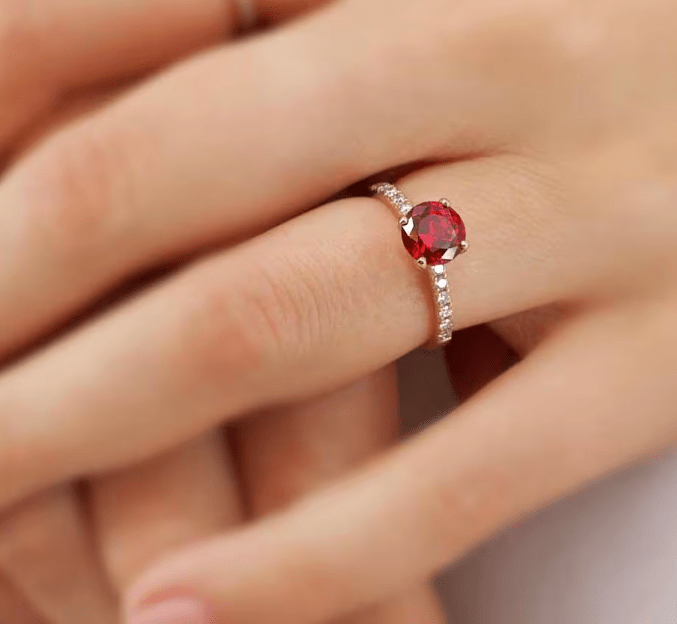
The engagement ring has always been a deeply symbolic object in Britain. It has marked intention, commitment and a shared future, and for generations it has been chosen in secrecy, slipped into a velvet box and presented in a moment of cinematic anticipation. Yet in 2026, that script is evolving. Across the UK, a growing number of British women are taking creative control of their engagement rings, working alongside partners or independently to design pieces that reflect their identities, values and aesthetic preferences.
This shift is not happening quietly. Cultural commentators, trend forecasters and jewellery historians have all noted its rise, describing it as part of a wider movement in which women are reclaiming authorship of the symbols that define their relationships. As Vogue UK recently observed, modern engagement rings are becoming “collaborative declarations rather than surprises”, shaped by personal expression and craftsmanship rather than tradition alone.
At its core, this movement reflects a desire for individuality, agency and emotional authenticity. It is both a response to changing social dynamics and an embrace of creativity. To understand why more British women are designing their own engagement rings in 2026, we must look at the historical evolution of engagement traditions, contemporary cultural influences, the growth of digital design tools and the shifting definitions of romance itself.
A Brief History of Engagement Ring Tradition
For most of British history, engagement rings followed a fairly predictable pattern. Rings were selected by men, sometimes with the help of a jeweller or family member, and presented to their partners as a symbolic offering. This model derives from Victorian customs where diamond rings were positioned as tokens of commitment, influenced heavily by early advertising and social norms.
By the mid twentieth century, diamond engagement rings had become near universal in Britain. The ring was meant to surprise, and the proposal moment became a cultural script performed in countless films and novels. Yet, as The Guardian has noted, this tradition was never as fixed as it seemed. Many women throughout history voiced preferences or gave subtle hints, but the moment of agency remained limited.
In the last two decades, expectations have shifted dramatically. The rise of gender equality, shared financial decision making and the increasing importance of design individuality have transformed the engagement ring from a unilateral gesture into a collaborative expression. This evolution mirrors broader cultural changes in relationships, where equality and partnership shape both emotional and financial choices.
The Rise of Personalisation in Modern Luxury
One of the clearest drivers behind this trend is the rise of personalisation. Across fashion, interiors and jewellery, consumers are rejecting mass produced designs in favour of pieces that carry personal meaning. Luxury is no longer defined solely by price or rarity but by emotional resonance and individuality.
This aligns with broader cultural shifts seen in British lifestyle trends. The popularity of custom fashion, bespoke fragrances and personalised home décor reflects a desire for objects that fit naturally into a person’s identity rather than forcing the wearer to adapt to a pre existing idea of beauty. Engagement rings are experiencing the same transformation.
As Cosmopolitan UK recently highlighted, bespoke engagement ring design has surged among millennial and Gen Z women who want heirlooms that tell personal stories. The publication noted that more women now bring mood boards to consultations, complete with gemstone preferences, style inspirations and historical references.
These boards often blend influences from vintage jewellery, contemporary minimalism, celestial motifs or heritage romance, resulting in rings that reflect both personal stories and modern aesthetics. The trend echoes the wider British cultural emphasis on individual voice and self expression.
Digital Design Tools and the Democratization of Jewellery Creation
The rise of digital design platforms has also played a major role in empowering British women to design their own engagement rings. Sophisticated online tools enable users to experiment with shapes, metals, gemstones and settings with surprising accuracy, offering a level of creative freedom previously available only to professional designers.
This emergence of accessible technology mirrors developments across the creative industries, where digital tools have democratised photography, illustration, fashion design and interior planning. Jewellery has joined this transformation, allowing women to visualise their ideas, adjust proportions and explore styles long before visiting a jeweller.
As BBC Technology has reported, digital creativity has become central to modern consumer behaviour, especially among younger buyers. This aligns perfectly with the bespoke engagement ring movement, where design autonomy is both empowering and practical.
For many women, these tools remove the anxiety of being surprised with a ring that does not feel like them. They also enable couples to collaborate, building designs that reflect both partners’ tastes and shared values. The ring becomes an artistic expression rather than a traditional obligation.
A Reaction Against Outdated Engagement Stereotypes
Part of the appeal of designing one’s own engagement ring lies in rejecting outdated stereotypes surrounding romance and relationships. The cultural expectation that women should be “surprised” by a ring they will wear for the rest of their lives has become increasingly incompatible with modern gender dynamics.
The traditional script also reinforced assumptions about who should make financial decisions and who should define the meaning of an engagement. In contrast, today’s British couples take pride in building their relationships as equal participants, including when selecting the most symbolic piece of jewellery they will own.
As The Financial Times recently discussed, modern couples are re negotiations of roles and expectations around proposals in a way that emphasises fairness and shared experience. Designing the ring together has become part of that shift. Many women report feeling that the act of co creating the ring felt more intimate and meaningful than being surprised with one.
This phenomenon also intersects with broader feminist cultural movements in Britain, where autonomy, personal expression and creative control are valued as essential components of modern womanhood.
The Influence of Celebrity Culture and Public Figures
Celebrity culture continues to shape engagement ring trends, and the rise of bespoke design reflects this influence. High profile figures including royals, actors and musicians increasingly choose custom pieces that reflect their personal stories or heritage.
Public interest in rings worn by prominent figures, such as those featured in Vogue UK and The New York Times, has normalised the idea that engagement rings should be personal, creative and deeply meaningful. These celebrity rings often incorporate unique gemstone cuts, coloured stones, elaborate symbolism or historical references.
British women, inspired by these expressions of individuality, have embraced the idea that their own engagement rings should reflect their identity rather than conform to expectation. The bespoke engagement ring trend is not merely aesthetic but emotional, cultural and aspirational.
Sustainability and Ethical Awareness in Modern Engagement Choices
Sustainability has become one of the most influential forces shaping British consumer behaviour. Younger buyers prioritise ethical sourcing, low environmental impact and transparent supply chains. These values naturally extend to engagement rings.
As BBC News has highlighted, sustainability influences purchase decisions across fashion, jewellery and luxury goods. Designing an engagement ring allows individuals to select stones and metals aligned with their ethics, whether that means choosing laboratory grown gemstones, vintage diamonds or recycled gold.
By taking ownership of the design process, women ensure their engagement rings reflect not only their style but also their values. This adds a deeper significance to the ring, turning it into a symbol of both love and responsibility.
A New Definition of Romance in 2026
What makes the rise of self designed engagement rings so captivating is the way it redefines romance. The act of creating something meaningful, intentional and personal becomes its own romantic gesture. It transforms the engagement ring into an artefact shaped by love, not simply purchased for it.
British women describe the process as empowering, joyful and creatively fulfilling. Couples often reflect that designing a ring together strengthened their connection, making the proposal less about surprise and more about shared intention.
Modern romance is not defined by secrecy but by collaboration. As The Guardian Lifestyle notes, the contemporary love story places meaning, communication and shared creativity at its centre. The bespoke engagement ring movement aligns perfectly with this shift.
Conclusion: The Future of Engagement Rings in Britain
As 2026 unfolds, the trend of British women designing their own engagement rings shows no sign of slowing. It is a movement shaped by individuality, cultural evolution, technological innovation and emotional authenticity. It reflects a generation that wants its jewellery to be as meaningful and expressive as its relationships.
The engagement ring, once a symbol defined by tradition, has become a canvas for storytelling. And in taking creative control, British women are not rejecting romance but redefining it. They are designing pieces that will not only celebrate their engagements but one day become heirlooms, carrying the imprint of their artistry, values and love story.
 Diamonds are a girls best friend
Leave a comment