Tag: diamonds

  • Radiant Revolution: Why Britain’s Love for Coloured Gemstone Engagement Rings Is Just Beginning

    The engagement ring has long been one of the most symbolic pieces of jewellery in British culture — a promise, a statement, and a work of art all at once. Yet, in 2026, that symbol is taking on new hues. From the cool serenity of sapphires to the lush depth of emeralds and the romantic glow of morganite, coloured gemstones are experiencing a breathtaking revival.

    The age of the traditional white diamond is giving way to colour — vibrant, meaningful and unapologetically individual. Couples across the UK are embracing gemstones that tell stories, capture emotion and celebrate creativity. As Vogue UK elegantly put it, “colour is no longer an alternative — it is the statement.”

    The New Face of Romance

    Modern relationships are more diverse, expressive and personal than ever, and engagement rings are evolving to reflect that. The classic white diamond remains timeless, but colour offers something different: individuality.

    According to The Guardian Lifestyle, British buyers are moving “from tradition to self-expression” in their jewellery choices, seeking pieces that mirror their personalities and shared histories.

    Every gemstone carries meaning. The sapphire, deep and dependable, symbolises trust. Emeralds represent renewal and growth. Rubies burn with the energy of passion. For many couples, these shades transform a ring into something far more poetic — a reflection of their story in living colour.

    This emotional resonance explains why, as BBC News Lifestyle recently reported, online searches for coloured engagement rings in the UK have risen by more than 60 per cent over the past year.

    The Royal Legacy

    Much of Britain’s enduring fascination with coloured gemstones can be traced back to the royal family. Princess Diana’s legendary blue sapphire ring, now worn by Catherine, Princess of Wales, remains one of the most recognisable pieces of jewellery in the world.

    As BBC News observed in its feature on royal influence, that ring “redefined what an engagement ring could be — personal yet powerful, classic yet contemporary.”

    It was, and remains, a declaration of confidence through colour. The same spirit now drives a new generation of couples choosing unique gemstones that reflect their individuality rather than convention.

    The Return of British Craft

    Behind the resurgence in colour lies a renaissance in craftsmanship. Across Britain’s jewellery quarters — from London’s Hatton Garden to Birmingham’s Jewellery Quarter and Edinburgh’s artisan studios — designers are rediscovering the artistry of colour setting and traditional handwork.

    Coloured gemstones require skill and intuition. Each one behaves differently under the jeweller’s tools; their unique densities, hues and inclusions mean that no two are ever the same. This individuality has reignited an appreciation for fine craftsmanship — a welcome antidote to an era of mass production.

    As The Guardian Fashion noted, “the charm of colour lies in its unpredictability. It demands both artistry and emotion from its maker.”

    This return to slow, careful creation is part of a broader movement within British luxury — one that prizes connection, provenance and creativity over perfection.

    Sustainable Sparkle

    The coloured gemstone trend has also evolved hand-in-hand with the sustainability movement. Modern couples are more ethically aware than ever, seeking out jewellers who prioritise transparency and environmental responsibility.

    Jewellers are responding with renewed focus on traceable sourcing, Fairtrade gold and lab-created gemstones that offer a conflict-free alternative. Vogue UK describes this as “a union of conscience and creativity.”

    Lab-grown stones, in particular, are revolutionising how we think about fine jewellery. Companies such as Chatham Gemstones have perfected the art of cultivating gemstones in controlled environments, producing rubies, emeralds and sapphires that are chemically identical to their mined counterparts. The result is a sustainable and stunning option for couples who want brilliance without compromise.

    As Country Living UK highlighted in its eco-luxury feature, “ethical materials are no longer a niche pursuit, but a defining feature of modern British design.

    The Psychology of Colour

    The resurgence of coloured gemstones also taps into something deeply human: the emotional power of colour itself. Psychologists have long recognised that colour evokes feeling and memory, and it is this connection that makes coloured gemstones so powerful.

    As Harper’s Bazaar UK explained in its jewellery edition, “the gemstone you choose says as much about your heart as your style.”

    • Blue stones such as sapphire or aquamarine evoke peace, sincerity and trust — ideal for lifelong partnerships.
    • Green gems like emerald and peridot symbolise renewal, growth and balance.
    • Pink hues such as morganite or pink sapphire reflect love, warmth and tenderness.
    • Red gemstones, especially ruby and garnet, embody vitality, passion and courage.

    Couples are using these emotional associations to tell their love stories through colour — an approach that feels more symbolic, personal and meaningful than ever before.

    Colour on the Catwalk

    The gemstone revival also owes much to the world of fashion. Jewellery has taken centre stage in both couture and street style, with colour leading the charge.

    Runways from London to Paris have featured bold gemstone pieces, while editorial shoots in Vogue UK and The Guardian Fashion celebrate expressive combinations of coloured stones and mixed metals.

    Television, too, has amplified this shift. Period dramas such as Bridgerton and The Gilded Age have reignited interest in romantic, heirloom-inspired design. As BBC News Entertainment observed, “colour has become shorthand for character — both on screen and in real life.”

    On social media, Pinterest and Instagram are now awash with pastel sapphires, vintage-inspired emerald cuts and rainbow clusters, turning coloured gemstones into a digital-era obsession.

    The Modern Meaning of Luxury

    Luxury in 2026 is not defined by uniform sparkle or brand prestige. It is defined by purpose, story and sustainability.

    As Vogue UK wrote in its 2026 luxury forecast, “true luxury is now emotional, not material.” Coloured gemstones capture that perfectly — they are rare, distinctive, and emotionally charged.

    British couples are drawn to this new interpretation of sophistication — where design feels deeply personal, and where craftsmanship, not commerciality, takes centre stage.

    Even within fine jewellery houses, bespoke design has become the new standard. The Guardian Lifestyle recently reported that over 40 per cent of engagement ring buyers in the UK now commission custom designs, many featuring coloured gemstones.

    The Future of British Colour

    As British jewellers continue to innovate, colour will remain at the heart of engagement ring design. Expect to see unexpected combinations — peach sapphires paired with white diamonds, teal tourmalines set in rose gold, and antique yellow citrines in contemporary geometric settings.

    The next generation of buyers is redefining beauty through boldness, and coloured gemstones perfectly capture that spirit. They bridge artistry with ethics, emotion with identity, and individuality with timeless style.

    As BBC News Business reported, the coloured gemstone market is forecast to grow significantly over the next decade, driven largely by younger British consumers seeking sustainability and self-expression.

    These stones represent more than fashion — they represent the modern values shaping Britain itself.

    Conclusion

    The colour comeback is not a passing trend, but a reimagining of romance. In the hands of Britain’s jewellers, coloured gemstones have become symbols of authenticity, sustainability and artistry.

    From emeralds that echo nature’s renewal to sapphires that shimmer with sincerity, these rings capture emotion in every shade. They tell stories — not of status, but of soul.

    As Vogue UK so perfectly concluded, “to choose colour is to choose character.” And for Britain’s modern couples, that choice marks the start of a love story that shines far beyond the ordinary.

  • Timeless Treasures: The Revival of Vintage and Heirloom Engagement Rings in Britain

    Across Britain’s cobbled streets, from London’s Hatton Garden to the antique jewellers of Bath and Edinburgh, a quiet revolution in romance is underway. Engagement rings with a past — antique, vintage and heirloom — are capturing the hearts of modern couples who are turning away from the mass-produced in favour of meaning.

    Once seen as the choice of traditionalists, vintage engagement rings have become the ultimate expression of individuality and conscience. As Vogue UK Jewellery noted earlier this year, “modern love stories are increasingly written in old cuts.” The result is a fascinating blend of heritage and innovation that is reshaping how Britain falls in love.

    The Power of History

    Every vintage ring carries a whisper of another life. Whether Edwardian, Victorian or Art Deco, these pieces encapsulate eras defined by romance, artistry and meticulous craftsmanship. Their designs reflect the changing ideals of love through history — delicate filigree in the 19th century, geometric brilliance in the 1920s, and the minimalist refinement of the mid-century years.

    For many, that sense of continuity is irresistible. A ring that has endured generations feels symbolic in a way a brand-new piece rarely can. As The Guardian Lifestyle observed in its feature on vintage jewellery, “we are increasingly drawn to objects with memory, not merely material.” It is this emotional authenticity that makes antique rings so compelling to today’s couples.

    Why Vintage Appeals to the Modern Buyer

    The popularity of vintage engagement rings speaks to a broader cultural shift. Younger generations, particularly those in their twenties and thirties, are rejecting fast fashion in favour of craftsmanship, transparency and sustainability. They are looking for stories — not logos.

    Unlike contemporary mass-market rings, vintage and heirloom pieces are inherently unique. Their slight imperfections, the patina of wear, and their distinct hand-cut stones create an individuality that resonates with modern values. In a world obsessed with the new, they represent something refreshingly real.

    As BBC News Lifestyle reported, the UK jewellery sector has seen “a notable increase in demand for pre-owned and antique pieces, as shoppers seek ethical alternatives that celebrate history.” Vintage jewellery offers precisely that: beauty with depth, elegance with integrity.

    A Sustainable Sparkle

    Sustainability has become a defining feature of modern luxury, and antique jewellery embodies it perfectly. Choosing a pre-owned ring eliminates the environmental toll of new mining and manufacturing, while preserving artistry that has already proven its longevity.

    According to Vogue UK, recycled and vintage pieces have become a cornerstone of the “circular luxury” movement, in which existing items are revalued and repurposed rather than replaced. This approach aligns perfectly with the principles of conscious consumption that are reshaping the fashion and luxury industries across Britain.

    For engagement ring buyers, it offers a way to express love and responsibility in one meaningful gesture. An antique ring says, “we honour the past as we build the future.”

    The Emotional Power of Heirloom Rings

    Heirloom engagement rings — those passed through families — hold a particularly profound emotional resonance. They are tangible expressions of legacy and continuity, connecting generations through shared stories and sentiment.

    For many couples, receiving a ring that once belonged to a parent or grandparent adds a deeply personal dimension to the engagement. It is a reminder that love, like fine metal, can withstand time and transformation. As Harper’s Bazaar UK beautifully phrased it, “an heirloom ring is both a gift and a guardianship — you are not its owner, but its next storyteller.”

    Some couples choose to refresh these pieces, resetting old stones or resizing bands to suit modern tastes. This act of renewal ensures the ring remains relevant without erasing its past. It is, quite literally, history reimagined for the present.

    The Return of Craftsmanship

    Another reason for the renewed fascination with antique engagement rings lies in the extraordinary craftsmanship of earlier eras. Before technology streamlined jewellery production, every piece was meticulously hand-drawn, carved and set by artisans. Each curve and cut bore the signature of its maker.

    From the intricate lacework of Edwardian platinum rings to the geometric lines of Art Deco designs, vintage jewellery captures techniques that are rarely replicated today. This individuality contrasts sharply with the precision of machine-made modern rings.

    The Guardian Fashion described this shift as “a yearning for imperfection, for the human hand behind the sparkle.” In an age dominated by algorithms and automation, there is something profoundly romantic about wearing a piece created entirely by human skill.

    Pop Culture and the Return of Old Glamour

    Cultural influences have also played their part. Period dramas like Bridgerton and Downton Abbey have reignited public affection for antique design. Their jewelled tiaras, lace gowns and romantic proposals have reminded audiences of the beauty of the past.

    Royal engagement rings have had an even greater impact. Princess Diana’s sapphire cluster ring, now worn by the Princess of Wales, remains one of the most iconic pieces in jewellery history. Its design, steeped in vintage style, continues to inspire modern adaptations.

    As Country Living UK noted, “the influence of royal and period aesthetics has given vintage engagement rings a fresh cultural relevance.”

    The Modern Vintage Movement

    Not every couple can inherit an heirloom, but the modern vintage movement ensures that anyone can embrace the aesthetic. Jewellers and antique dealers across the UK now specialise in sourcing and restoring pieces from every era, while designers create new rings inspired by historical motifs.

    Some couples choose “upcycled” engagement rings, where reclaimed gemstones or antique settings are used to create bespoke designs. This approach merges tradition with personalisation, allowing couples to craft rings that are both sustainable and significant.

    As Vogue UK Jewellery observed, “the greatest luxury today is owning something that feels personal, ethical and timeless all at once.”

    Caring for Vintage and Heirloom Rings

    Owning a piece of history comes with responsibility. Antique rings should be handled gently and inspected regularly by a trusted jeweller to ensure their settings remain secure. Cleaning should be minimal and careful — soft cloths, mild soap and warm water are usually sufficient.

    Avoid exposing older metals or gemstones to ultrasonic cleaning devices, which can loosen delicate settings. When not worn, store the ring separately in a soft-lined box or pouch to prevent scratching.

    As Harper’s Bazaar UK notes, “preserving beauty is part of the romance.” With the right care, an antique engagement ring can last not just one lifetime, but several.

    The Meaning of the Revival

    The resurgence of vintage and heirloom engagement rings in the UK reflects more than changing fashion tastes. It reveals a deeper longing for authenticity and endurance in a time when so much feels transient.

    These rings connect us to something enduring — craftsmanship, heritage, and love that has already stood the test of time. They remind us that modern luxury need not be about novelty; it can be about depth, meaning and responsibility.

    As BBC News Lifestyle wrote in a recent feature, “what was once considered old-fashioned is now the height of modern romance.”

    Conclusion

    The British love affair with antique and heirloom engagement rings is not just a passing trend; it is a redefinition of romance itself. In choosing rings with history, today’s couples are saying that love is not disposable, but enduring.

    Each antique ring represents a story already half-written, awaiting its next chapter. To wear one is to become part of something larger — a celebration of artistry, sustainability and continuity.

    As Vogue UK elegantly concluded in its engagement trend forecast, “the future of fine jewellery lies in its past.” And in the hands of a new generation of British romantics, that future looks brighter — and more beautiful — than ever.

  •  Love in Lights – The UK’s Most Romantic Christmas Proposal Ideas

    Every December, Britain sparkles with fairy lights, festive music and the unmistakable air of romance. It is a season of family, reflection and celebration, which is why Christmas remains the most popular time of year to propose. But in 2026, proposals are becoming more personal, more meaningful and, increasingly, more creative.

    Across the UK, couples are turning away from grand gestures and instead choosing intimate, symbolic and sustainable ways to say “yes.” From ethical engagement rings to one-of-a-kind settings inspired by nature, this Christmas proposal season celebrates individuality over tradition. According to British Vogue this new approach marks “the return of authenticity” to both love and luxury.

    A Season for Storytelling

    What makes a Christmas proposal so timeless is its emotional resonance. The festive season offers a ready-made backdrop for romance: soft lighting, the scent of pine, the sound of carols and the warmth of togetherness. As BBC News reports, December consistently sees more engagement announcements than any other month of the year.

    Yet what has changed is how couples approach the moment itself. Proposals that once centred on spectacle are now focused on sentiment. For many, it is less about the size of the ring and more about the story it tells. Couples are designing rings that reflect shared experiences, personal milestones or environmental values.

    A growing number of proposals are taking place at home, surrounded by family, or during quiet getaways rather than elaborate public settings. The modern Christmas proposal feels intimate and reflective, honouring both love and the season’s sense of gratitude.

    The Evolution of the Engagement Ring

    The engagement ring remains the most recognisable symbol of commitment, but its form has evolved dramatically. In the past, a single white diamond set in platinum was the hallmark of tradition. Today, British couples are exploring coloured gemstones, mixed metals and non-traditional shapes that speak to personal taste and creativity.

    Mixed Metals

    Jewellery designers have embraced the art of contrast. Rings that combine yellow gold with platinum or rose gold create visual warmth and depth. This combination reflects the merging of two lives and personalities. The trend also fits perfectly with 2026’s appreciation of bespoke design, where couples can customise tone and texture to suit their style.

    Coloured Gemstones

    Colour is making a powerful comeback. Publications such as Country Living and Harper’s Bazaar UK both highlight a surge in demand for sapphires, emeralds, aquamarines and spinels. These gemstones offer a burst of individuality while carrying symbolic meaning: blue for loyalty, green for renewal and pink for affection.

    Coloured diamonds are also gaining ground, particularly champagne and pale yellow shades that pair beautifully with warm metal tones. Advances in laboratory technology have made fancy-coloured diamonds more accessible, allowing couples to enjoy rare hues at a more affordable price point.

    Vintage and Heirloom Influence

    Another growing trend is the revival of heirloom designs. Many couples are repurposing family rings or vintage stones, giving them new life in contemporary settings. This approach is sustainable, sentimental and fashionable, drawing inspiration from Art Deco and Edwardian motifs. As The Guardian notes, “modern romance has found its roots in the past,” with antique influences blending effortlessly into new interpretations.

    Ethical and Sustainable Choices

    A defining feature of 2026’s proposal trends is ethics. British couples are increasingly concerned with where and how their rings are made. According to BBC News, sustainability has become one of the key drivers of jewellery purchases.

    Lab-grown diamonds, recycled metals and traceable gemstones are now standard features rather than niche alternatives. Buyers are more informed and selective than ever, researching provenance and production before purchasing. This shift towards ethical jewellery mirrors wider societal changes, as consumers demand transparency and responsibility across all luxury goods.

    British craftsmanship is also seeing a revival. Many couples are turning to independent workshops and small jewellers who use recycled materials and responsibly sourced stones. These artisans prioritise quality over quantity, offering bespoke experiences that feel personal and sustainable.

    Romantic Proposal Settings

    Christmas proposals have always been about atmosphere, and the UK offers no shortage of romantic settings. From rural hideaways to glittering cityscapes, the festive season provides countless opportunities to make the moment memorable.

    The Countryside Escape

    The British countryside is a classic choice for winter romance. Snow-dusted landscapes in the Cotswolds, the Lake District or the Scottish Highlands provide natural beauty and privacy. A proposal beside a roaring fire in a country inn or beneath a frosted oak tree can feel timeless and cinematic. Country Living recommends timing outdoor proposals for sunrise or sunset, when the light adds a golden glow and the air feels still and intimate.

    City Lights

    For urban couples, the magic of Christmas in the city is unbeatable. London’s Southbank twinkles with festive markets, while Oxford Street glows with elaborate displays. Edinburgh and York transform into winter wonderlands. Proposing amid the buzz of Christmas lights adds a sense of excitement and celebration, capturing the city’s festive heartbeat.

    Home for the Holidays

    Not every proposal needs a grand setting. More couples are choosing to propose at home during tree-decorating, a Christmas film night or a quiet morning with coffee and carols. British Vogue calls this “the rise of domestic romance” — a reminder that simplicity can be deeply powerful when paired with sincerity.

    A private proposal can be especially meaningful because it focuses solely on the couple, free from performance or expectation.

    Personalisation and Design Details

    A significant shift in engagement design is the emphasis on personalisation. Couples want rings that tell their unique story, whether through engraving, custom shapes or hidden details.

    Engraved initials, important dates or secret symbols beneath the setting add layers of meaning. Some designers are incorporating birthstones on the inner band, representing shared birthdays or the month of the proposal. Others are designing rings inspired by nature — from frost-patterned bands to snowflake motifs — perfect for a winter engagement.

    According to Wedding Ideas Magazine, this personalisation trend reflects “the emotional intelligence of modern design.” The ring becomes not just a piece of jewellery but a wearable memory.

    Why Timing Matters

    There is something enduringly special about a Christmas proposal. The season naturally invites reflection, gratitude and joy. Psychologists quoted by BBC Lifestyle note that couples who get engaged during the festive period often describe the moment as feeling more memorable because it coincides with family gatherings and shared traditions.

    A December proposal also marks a symbolic transition — the end of one year and the beginning of another. For many, it becomes part of their annual celebrations, woven into future Christmas memories.

    The Emotional Core of Modern Proposals

    At the heart of 2026’s trends lies emotion. Whether through design, timing or setting, couples are looking for ways to make the proposal feel authentic. This authenticity might mean choosing a lab-grown diamond to align with shared values, redesigning a family ring to honour heritage, or crafting a private moment that reflects intimacy over display.

    Romance in 2026 is not about extravagance but connection. Love stories are written through the details — a candle flicker, a carefully chosen ring, a quiet question whispered amid falling snow.

    Conclusion

    This Christmas, the British proposal scene shines brighter than ever — not because of diamonds alone, but because of meaning. Unique rings, ethical craftsmanship and thoughtful gestures define the festive engagements of 2026.

    In an age that celebrates individuality, the perfect proposal is one that reflects shared values and genuine emotion. Whether it takes place under twinkling city lights or beside a crackling fire, what matters most is authenticity.

    As British Vogue beautifully concludes, “the most romantic proposals are not the loudest but the truest.” And this Christmas, across the UK, countless couples will discover that truth for themselves.

  •  Layered Love: How Stacking Bands and Mixed Metals Define UK Romance in 2026

    Across the UK, engagement rings are evolving from single symbols into layered expressions of individuality. What was once a simple solitaire has transformed into a creative composition of stacked bands, mixed metals and evolving styles.

    Vogue UK recently described this shift as the “layered love movement” – a design approach where couples build their story over time through complementary pieces rather than one standalone ring. Each band marks a milestone, turning jewellery into a timeline of personal history.

    This trend towards stacking and mixing metals speaks to broader cultural themes: self-expression, sustainability and the celebration of imperfection in modern design.

    The Beauty of Mixing Metals

    Gone are the days when wearing yellow gold and silver together was considered a fashion faux pas. Today’s jewellers are embracing contrast as a creative tool.

    Yellow gold brings warmth, platinum offers cool sophistication, and rose gold adds a romantic blush. The contrast between these tones creates visual depth and personality. As The Guardian notes, “the art of modern jewellery lies in its ability to break old rules with elegance.”

    Mixed-metal engagement rings have grown in popularity because they pair beautifully with a wide range of wedding bands. This flexibility allows the wearer to evolve their style over time without worrying about perfect matches.

    Stacking Bands: Personal Milestones in Metal

    Stacking bands have emerged as one of 2026’s biggest jewellery statements. Instead of one definitive ring, couples now create sets that grow over time. The engagement ring begins the stack, followed by wedding and eternity bands, and occasionally, celebration rings for anniversaries or new beginnings.

    According to Wedding Ideas Magazine, this layered style reflects the way modern relationships evolve – dynamic, adaptable and deeply personal. Some couples even choose mismatched rings intentionally, mixing eras, shapes and finishes to tell their shared story.

    As BBC News highlighted in its lifestyle section, stacking jewellery sales have increased significantly in the UK, particularly among millennial and Gen Z buyers who view jewellery as a collection rather than a single purchase.

    Design Trends for 2026

    Current trends in British engagement design include:

    • Slim, minimalist stacking bands in mixed tones.
    • Curved and contoured bands that frame the engagement ring perfectly.
    • Two-tone designs that combine metals within a single piece.
    • Textural finishes like brushed gold paired with high-shine platinum.

    The result is a blend of tradition and innovation, where craftsmanship meets creative freedom.

    Sentiment and Sustainability

    Stacking rings carry emotional weight as well as aesthetic appeal. Each new band often marks a chapter in life: a first home, a wedding, a child’s birth. They embody a narrative rather than a one-time purchase.

    This incremental approach also supports sustainable jewellery values. Rather than buying multiple pieces impulsively, couples invest gradually in designs they’ll wear for decades. Country Living UK observed that British consumers are “choosing slow luxury,” valuing quality and personal meaning over fast fashion.

    How to Style a Stack

    There’s no strict rulebook for stacking. Some prefer symmetry and balance; others embrace eclectic combinations. Common tips from Vogue UK include:

    • Alternate between plain and diamond-set bands for visual rhythm.
    • Mix metals but maintain consistent thicknesses for proportion.
    • Leave small gaps between rings for comfort and movement.

    Ultimately, your stack should reflect your story, not follow a template.

    Conclusion

    Layered love has become the defining symbol of modern British romance. Stacking bands and mixed metals reflect the way today’s couples build their lives – collaboratively, creatively and consciously.

    In 2026, the most meaningful rings are not the biggest or brightest. They are the ones that evolve with their wearers, shining with the quiet confidence of authenticity.

  • The Responsible Romance: How Sustainability Defines the UK’s Engagement Ring Future

    Engagement rings have always symbolised love, but in 2026 they also represent responsibility. UK couples are seeking rings that align with their ethical values as much as their aesthetic preferences.

    The BBC reports a rise in sustainable luxury, with buyers prioritising traceability, recycled materials and fair labour over pure carat size.

    From Mine to Market: The Journey Toward Transparency

    Traditional mining often leaves environmental and social scars. Ethical initiatives such as the Kimberley Process, Fairtrade Gold, and the Responsible Jewellery Council (RJC) have introduced safeguards, but buyers increasingly prefer traceable alternatives.

    Jewellers across the UK are responding by providing full origin reports and choosing suppliers who meet ethical criteria. This transparency has become a hallmark of quality and trust.

    Lab-Grown Diamonds Lead the Change

    Lab-grown diamonds have transformed engagement ring design. Produced in controlled conditions that replicate the Earth’s natural processes, they carry none of the ethical concerns associated with mining.

    According to the GIA, these stones are physically identical to natural diamonds and graded using the same standards. For modern couples, they offer sparkle without compromise.

    Sustainable Metals and Circular Design

    Sustainability extends beyond gemstones. UK jewellers increasingly use recycled gold and platinum to reduce environmental impact. Some also offer trade-in or redesign services to reuse clients’ existing jewellery.

    The Fairtrade Foundation highlights that recycled metals can reduce carbon emissions by up to 90 per cent compared with mining new material.

    This circular design approach ensures that love stories leave no footprint behind.

    Aesthetic Shifts and Meaning

    Ethical awareness is influencing design aesthetics. Minimalist and vintage-inspired rings dominate 2026 trends, combining understated beauty with long-lasting wearability. Buyers are also requesting bespoke rings that use heirloom stones, merging sustainability with sentimentality.

    As Vogue UK points out, conscious design has become synonymous with elegance—luxury that feels as good as it looks.

    Technology and Accountability

    Digital innovation supports these shifts. Blockchain tracking, 3D printing and AI modelling are helping jewellers create transparent, efficient and sustainable supply chains.

    This fusion of technology and craftsmanship signals a new kind of modern romance—one built on both beauty and integrity.

    Conclusion

    The UK’s engagement ring market is moving beyond glamour toward purpose. In 2026, sustainability is not an option but an expectation.

    Every decision—from lab-grown stones to Fairtrade metals—adds meaning to the symbol of commitment. As one jeweller told The Guardian, “The most beautiful ring is one you can feel proud to wear.”

  • Switching Up Shape: Engagement Ring Gem Cuts That Will Dominate the UK in 2026

    The engagement ring market is evolving rapidly, reflecting broader cultural and design shifts in the UK. Where once the classic round brilliant diamond reigned supreme, today’s couples are exploring unique shapes, alternative settings and gemstone cuts that better reflect individuality and personality.

    By 2026, this movement toward personal expression in jewellery is expected to deepen. UK jewellers, from Hatton Garden boutiques to major retailers such as Laings and Boodles, have reported a steady increase in demand for distinctive shapes like elongated cushions, ovals, pears, emerald cuts and antique-style old mines.

    A report by Vogue UK notes that non-traditional shapes are now outpacing round cuts for the first time in over a decade, fuelled by celebrity influences and social media trends. This article explores the gem cuts poised to dominate engagement ring styles in 2026, the cultural and technical reasons behind their rise, and how to choose the right one for your lifestyle and aesthetic.

    The Evolution of Gem Cuts in Modern Jewellery

    Diamonds and gemstones have been shaped and polished for thousands of years, but the modern understanding of a “cut” emerged during the Renaissance. Advances in diamond cutting transformed gems from rough crystals into objects of controlled light and symmetry.

    By the 20th century, round brilliant cuts, with their 58 precise facets, became the universal standard for engagement rings. Yet, as The Guardian observes, a new generation of buyers now views the round brilliant as predictable. The desire for self-expression, sustainability and personal connection is pushing couples toward shapes that tell a different story.

    From an aesthetic perspective, these alternative cuts not only showcase individuality but also influence how a ring looks on the hand. Shape affects perceived size, sparkle, and even personality association – traits increasingly important to modern consumers.

    The Oval Cut: The Timeless Favourite Reinvented

    Among all trending shapes, the oval cut stands out as the most requested in the UK for 2025–26. Jewellers such as Lily Arkwright report a continued rise in searches for oval moissanite and diamond engagement rings.

    The oval’s appeal lies in its elegance and elongating effect on the finger. Its elongated proportions create the illusion of a larger stone without increasing carat weight. A well-cut oval diamond exhibits the same brilliance as a round but feels softer and more contemporary.

    Technically, the shape maximises surface area, meaning a one-carat oval appears larger than a one-carat round. However, buyers must watch for the “bow-tie effect,” a shadow across the centre caused by misaligned facets. Expert UK jewellers recommend viewing ovals in natural daylight to assess sparkle evenly.

    Celebrities have amplified this trend, with engagement rings worn by Hailey Bieber and Kourtney Kardashian inspiring British brides to seek sleek oval solitaires or halo settings. The style is expected to remain a major trend into 2026, particularly in yellow and rose gold mountings.

    Pear Cut: Romantic and Unapologetically Bold

    The pear cut, sometimes called the teardrop, combines the round and marquise shapes in a single design. Its tapered tip creates a striking silhouette that feels both vintage and fashion-forward.

    The Gemological Institute of America (GIA) notes that pear-shaped diamonds require precise symmetry to ensure balanced brilliance. In the UK, jewellers are experimenting with east–west orientations (set horizontally) and bezel settings that modernise this romantic cut.

    Worn point-up, the pear cut elongates the finger, while a point-down orientation delivers a softer, more traditional appearance. The versatility of the shape allows it to fit seamlessly within both minimalist and ornate ring styles.

    The pear cut has seen renewed interest following high-profile appearances on social media. UK couples are embracing its dramatic flair as an alternative to more symmetrical shapes.

    Elongated Cushion Cuts: The Vintage Star Returns

    Few cuts capture the romance of old-world glamour like the elongated cushion cut. Defined by rounded corners and larger facets, this style blends vintage charm with modern proportions.

    Originally popular in the 18th and 19th centuries, cushion cuts were re-engineered in the past decade to enhance brilliance and length. The elongated cushion offers the best of both worlds – soft edges and a flattering shape that sits beautifully on the hand.

    A 2025 feature from Page Six revealed that interest in antique cushion cuts soared following reports that Taylor Swift’s engagement ring featured a similar design. UK jewellers are now seeing the same pattern, with rising demand for both natural and lab-grown cushion cuts in bespoke rings.

    The cushion’s appeal lies in its timelessness. It diffuses light in a gentle, candlelit glow, making it ideal for those who value understated luxury.

    Emerald and Asscher Cuts: The Architectural Revival

    As engagement rings become more design-driven, step cuts such as emerald and Asscher shapes are gaining traction. Rather than relying on sparkle, these cuts emphasise clarity, symmetry and depth.

    The emerald cut, with its elongated rectangular form and parallel facets, creates a sophisticated “hall of mirrors” effect. Its geometric lines convey quiet confidence. The Asscher cut, a square variation developed in early 1900s Amsterdam, offers a similar architectural beauty with a deeper pavilion.

    These cuts are frequently featured in platinum or white gold settings that complement their crisp geometry. The BBC highlights that minimalism in design remains a dominant theme for 2026, aligning perfectly with the understated elegance of step-cut diamonds.

    Buyers choosing emerald or Asscher shapes should prioritise clarity over colour, as their open facets make inclusions more visible.

    Marquise Cuts: The Comeback of a Classic

    The marquise cut, characterised by its elongated body and pointed ends, is making a surprising return. Once considered old-fashioned, it is now being reimagined by designers in sleek, contemporary settings.

    Named after the Marquise de Pompadour, this cut was originally designed to resemble a woman’s smile. Its long, narrow form maximises finger coverage, making it appear larger than its carat weight.

    UK jewellers have reported a rise in asymmetric marquise settings for 2026, often paired with accent stones like tapered baguettes. When set horizontally, the marquise cut becomes unexpectedly modern, appealing to fashion-conscious couples.

    Radiant and Princess Cuts: For Maximum Brilliance

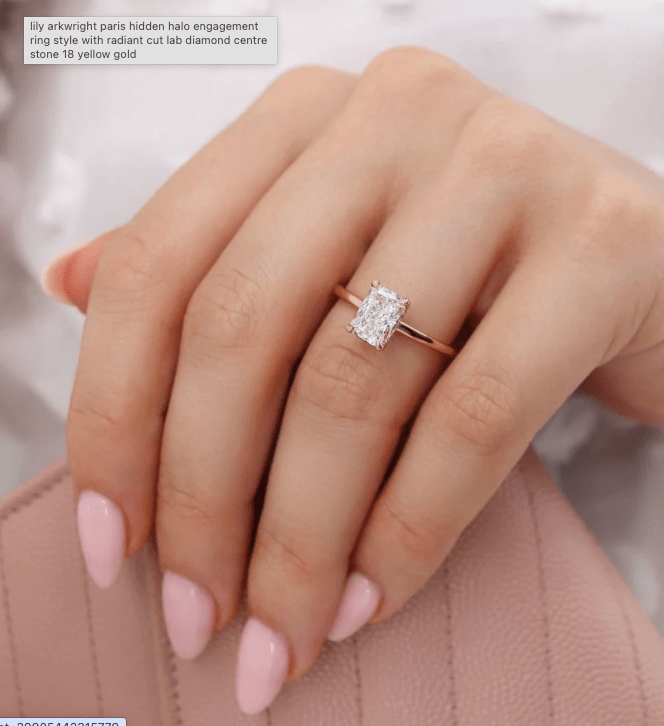
    While rounds and ovals dominate for light performance, radiant and princess cuts offer bold sparkle in more angular forms. The radiant combines the geometry of the emerald with the brilliance of a round, making it one of the most versatile shapes available.

    The princess cut, square and fiery, remains popular among those who prefer a contemporary, high-impact look. Both styles lend themselves to geometric settings that complement modern architecture and fashion design.

    According to Vogue UK, these cuts resonate with younger buyers seeking sharp, statement-making designs that still feel timeless.

    Heart Cuts and Other Artistic Shapes

    For couples who value symbolism, the heart-shaped diamond remains the ultimate romantic gesture. Although technically demanding to cut, when executed properly it creates exceptional light dispersion.

    Other creative shapes emerging for 2026 include hexagonal, trillion, and shield cuts. These unconventional silhouettes are often paired with alternative gemstones such as sapphires, moissanite and salt-and-pepper diamonds.

    Social media has accelerated the trend, with platforms like Pinterest showcasing non-traditional designs. As individuality becomes the new luxury, such rare shapes are expected to flourish.

    The Role of Colour and Setting in the Shape Renaissance

    Shape rarely exists in isolation. In the UK, the resurgence of yellow gold and mixed metals has reshaped how gemstone cuts are presented. Warm settings amplify the glow of elongated or antique shapes, while platinum enhances the clarity of step cuts.

    Coloured gemstones further expand creative possibilities. Engagement rings featuring teal sapphires, champagne diamonds, or green emerald cuts allow shape and colour to work together to create visual distinction.

    As The Guardian reports, this interplay between material, colour and form defines a new era of “intelligent luxury,” where design intention matters more than pure size.

    Personalisation and Custom Design

    One of the defining traits of 2026’s engagement ring trends is the move toward personalisation. Many UK jewellers now offer CAD design consultations, allowing buyers to visualise different shapes on-screen before production.

    Whether choosing a pear-cut solitaire or an emerald halo, customisation gives couples the freedom to merge personal style with craftsmanship. The rise of lab-grown diamonds and traceable supply chains has also made bespoke rings more accessible than ever.

    According to Lily Arkwright, bespoke commissions now account for nearly half of their UK engagement ring sales.

    Expert Advice: Choosing the Right Shape for You

    When selecting a gemstone shape, consider the following:

    1. Finger shape and size – elongated cuts (oval, pear, marquise) lengthen shorter fingers, while round and Asscher cuts suit longer hands.
    2. Lifestyle – if you lead an active lifestyle, avoid sharp points or fragile corners; opt for rounded shapes with protective settings.
    3. Budget – elongated cuts typically appear larger for the same carat weight, offering excellent value.
    4. Maintenance – step cuts require frequent cleaning to maintain brilliance due to their open facets.

    Trying on different shapes in person remains the best way to discover what flatters you most.

    The Future of Engagement Ring Design in the UK

    As we approach 2026, UK engagement ring design is becoming more diverse and expressive. The focus is shifting away from uniformity and toward individuality, creativity and craftsmanship.

    Technological innovation, including 3D printing and precision laser cutting, is allowing jewellers to push boundaries with new shapes and settings. Meanwhile, the rise of ethical sourcing and lab-grown stones supports this creative freedom by making bespoke options more affordable.

    Ultimately, the engagement ring shapes dominating 2026 reflect more than aesthetics. They symbolise a generation’s desire to express identity and conscience through design.

    Conclusion

    From the soft glow of an elongated cushion to the architectural beauty of an emerald cut, 2026 is set to be the year of shape diversity in UK engagement rings. Buyers are embracing individuality over tradition, choosing rings that feel personal, modern and meaningful.

    As Vogue UK summarises, the future of engagement jewellery lies not in conformity but in creativity. Whether you choose an oval, pear, marquise or custom-cut gemstone, what matters most is that it reflects your story – timeless, personal and brilliant.

  • Lab-Grown vs Natural Diamonds: The Facts Every UK Buyer Should Know

    As sustainability becomes central to modern luxury, UK couples shopping for engagement rings are asking a crucial question: should I buy a lab-grown or a natural diamond?

    Once considered a niche alternative, lab-grown diamonds now account for a growing share of global diamond sales. According to Forbes, their popularity has risen sharply since 2022 as technology improves and consumer awareness expands.

    But what really distinguishes these two diamond types, and which option offers the best long-term value?

    How Each Diamond Is Formed

    Natural diamonds form deep within the Earth’s mantle under extreme heat and pressure over billions of years. Volcanic eruptions bring them to the surface, where they are mined and later cut and polished.

    Lab-grown diamonds, by contrast, are created in laboratories using high-tech processes that replicate these natural conditions. The two primary methods are High Pressure High Temperature (HPHT) and Chemical Vapour Deposition (CVD). The result is a diamond with the same physical and chemical composition as one from the Earth.

    The Gemological Institute of America (GIA) confirms that lab-grown diamonds are real diamonds, identical in structure and beauty. The only difference lies in their origin.

    Visual and Structural Comparison

    To the naked eye, lab-grown and natural diamonds look identical. Even trained jewellers rely on advanced instruments to tell them apart. Both types can be cut into the same shapes and achieve the same clarity and colour grades.

    However, some gemmologists note subtle visual differences. Lab-grown diamonds sometimes show distinctive growth patterns under magnification, while natural diamonds contain inclusions unique to geological formation.

    According to the BBC, the average consumer would not be able to distinguish one from the other without laboratory analysis.

    Price and Value

    Lab-grown diamonds typically cost 50 to 70 per cent less than their natural counterparts. This affordability allows buyers to opt for a larger stone or higher quality within the same budget.

    However, resale value remains a consideration. As The Guardian notes, natural diamonds often retain stronger secondary-market demand, while lab-grown stones may depreciate more quickly due to their replicable nature.

    For buyers focused on beauty and budget, lab-grown offers clear value. For those prioritising long-term investment or rarity, natural stones still hold an advantage.

    Ethical and Environmental Impact

    Mining has long raised environmental and humanitarian concerns. In response, the diamond industry has introduced initiatives such as the Kimberley Process to track and certify conflict-free stones.

    Lab-grown diamonds offer a transparent alternative. Produced in controlled environments, they avoid the ecological disruption of mining. Yet, as Forbes points out, the process still consumes energy, particularly electricity, so the sustainability claim depends on how the power is sourced.

    Buyers increasingly look for certification of both diamond type and energy origin, ensuring a purchase that aligns with their values.

    Certification and Identification

    Both lab-grown and natural diamonds can be certified by respected laboratories such as the GIA or IGI. Certificates list key attributes including cut, colour, clarity, carat weight and whether the stone is lab-grown or mined.

    Always ask for certification when buying a diamond. It provides transparency and protection, and guarantees that your diamond meets international grading standards.

    Choosing Between the Two

    When deciding which to buy, consider the following:

    • Budget: Lab-grown provides more size or quality for the same spend.
    • Sustainability: Lab-grown avoids mining but still has an energy footprint.
    • Longevity: Natural diamonds have proven resale stability.
    • Sentiment: Some buyers value the geological story of natural diamonds, while others prefer the innovation of lab-grown.

    Your decision should reflect both your financial priorities and personal ethics.

    Conclusion

    Lab-grown and natural diamonds share more similarities than differences. Both sparkle with timeless beauty and symbolise enduring love. The choice between them depends on what you value most – heritage or innovation, rarity or responsibility.

    As the GIA reminds us, a diamond’s worth is not just in its origin but in the emotion it carries.

  • Gold Prices Hit Record Highs – Here’s How It Affects UK Engagement Ring Buyers

    The global gold market has entered one of its strongest rallies in decades. Reuters reports that HSBC now forecasts gold may reach as high as $5,000 per ounce by 2026 as investors seek safe-haven assets.

    For the UK jewellery market, this surge means higher production costs and shifting consumer preferences. With gold now trading above $4,000 per ounce according to Trading Economics, the price of gold engagement rings is increasing across all major retailers.

    Why Prices Are Rising

    Multiple factors have contributed to the surge, including economic uncertainty, inflation, and a global shift toward asset preservation. Central banks are purchasing gold in record quantities, tightening supply for jewellers.

    In sterling terms, gold’s strength is amplified by currency volatility, which means UK buyers are paying significantly more per gram of gold than they did just two years ago.

    Impact on Engagement Ring Design

    Jewellers are adapting by creating designs that require less metal without compromising beauty. Fine, minimal settings are replacing heavier vintage bands, allowing diamonds or gemstones to take centre stage.

    For buyers, this could be the perfect opportunity to invest in high-quality stones, such as those covered in Understanding the 4Cs of Diamonds, while choosing more efficient metal settings.

    Strategies for Smart Buying

    • Compare quotes from multiple jewellers to ensure fair pricing.
    • Request an itemised breakdown showing metal weight and labour costs.
    • Consider designs using less gold or opt for 9ct gold instead of 18ct.
    • Explore recycled or second-hand pieces for better value and sustainability.

    Conclusion

    Rising gold prices may seem like a challenge, but they also signal a shift toward thoughtful, sustainable purchasing. UK engagement ring buyers can stay ahead by focusing on craftsmanship, quality stones, and innovative designs that make the most of every gram of gold.

  • The Story of a Diamond: From Earth’s Core to the Sparkle of Love

    Few natural materials are as captivating as diamonds. Each one began life billions of years ago, far beneath the Earth’s crust, and travelled an extraordinary path before finding its place in a piece of jewellery.

    The GIA explains that diamonds form when carbon atoms crystallise under intense heat and pressure, producing a structure unmatched in strength and brilliance.

    The Birthplace of Diamonds

    Diamonds are created about 150 kilometres below the Earth’s surface. There, carbon atoms experience unimaginable conditions, slowly forming crystals over millions of years.

    According to the BBC, volcanic eruptions then carry these crystals upward through kimberlite rock, depositing them near the surface. Only a few of these eruptions have occurred throughout Earth’s history, making natural diamonds truly rare.

    Mining, Cutting and Polishing

    Once discovered, diamonds are mined and transported to cutting centres where skilled artisans determine how best to shape each stone. The GIA emphasises that cutting and polishing are critical steps that reveal the gem’s brilliance.

    As The Guardian has reported, diamond cutting combines advanced technology with centuries-old craftsmanship. Each facet must be cut at precise angles to allow light to dance within the stone.

    The Rise of Ethical and Lab-Grown Diamonds

    In recent years, the diamond market has evolved. Growing awareness of sustainability has led to increased interest in lab-grown diamonds, which are identical in composition to natural ones but created in controlled conditions.

    The BBC notes that these innovations offer a more transparent and eco-conscious option for modern buyers, particularly those seeking engagement rings with a smaller environmental footprint.

    From the Depths of the Earth to a Promise of Forever

    When a diamond finally rests in an engagement ring, it carries both geological wonder and human emotion. Billions of years in the making, it becomes a lasting symbol of love, resilience and eternity.

    As The Guardian beautifully writes, every diamond embodies both the Earth’s history and our desire to preserve moments of meaning and connection.

    Conclusion

    The story of a diamond is one of nature’s greatest triumphs. Forged under pressure, lifted by fire, and perfected by human hands, it stands as a testament to time, patience and devotion — from the depths of the Earth to the light of love.

  • Royal Diamonds and Sapphires: How Britain’s Duchesses Changed Engagement Ring Fashion

    Royal weddings have long influenced fashion, but few details capture the world’s attention quite like the engagement ring. In Britain, the choices of the Princess of Wales and the Duchess of Sussex have shaped a new era of design — one that blends heritage, individuality and ethics.

    As The Guardian reports, modern brides increasingly look to royal icons for inspiration, seeing their rings as reflections of both romance and responsibility.

    Kate Middleton: A Ring with a Legacy

    Kate’s sapphire ring remains a masterpiece of royal symbolism. The oval blue gem, framed by a halo of diamonds, was famously chosen by Princess Diana in 1981.

    The BBC notes that its reappearance on Kate’s hand in 2010 sparked a dramatic rise in coloured stone demand. Within months, jewellers across the UK began introducing sapphire, emerald and ruby collections inspired by the royal heirloom.

    Its enduring appeal lies in its history — a tangible link between two royal generations.

    Meghan Markle: A New Kind of Luxury

    Prince Harry’s proposal ring to Meghan Markle represents modern British values. The centre diamond, sourced ethically from Botswana, sits alongside two side stones from Diana’s collection.

    The GIA highlights that this design combines classic balance with emotional resonance. It also aligns with growing consumer demand for transparency in diamond sourcing.

    Meghan’s influence can be seen in the surge of interest in sustainable and lab-grown diamonds, as reported by the BBC. Couples are increasingly choosing stones that reflect shared principles rather than convention alone.

    The Broader Cultural Impact

    Royal engagement rings act as mirrors to the times. Kate’s sapphire represents continuity and family heritage, while Meghan’s diamond ring embodies global awareness and conscious consumption.

    The Guardian argues that both women have helped redefine luxury, showing that emotional connection and ethical integrity can be as valuable as size or sparkle.

    Conclusion

    From sapphire to diamond, tradition to modernity, the influence of Britain’s royal women continues to guide engagement ring trends across the world. Their rings remind us that the true hallmark of beauty lies in meaning, not extravagance.