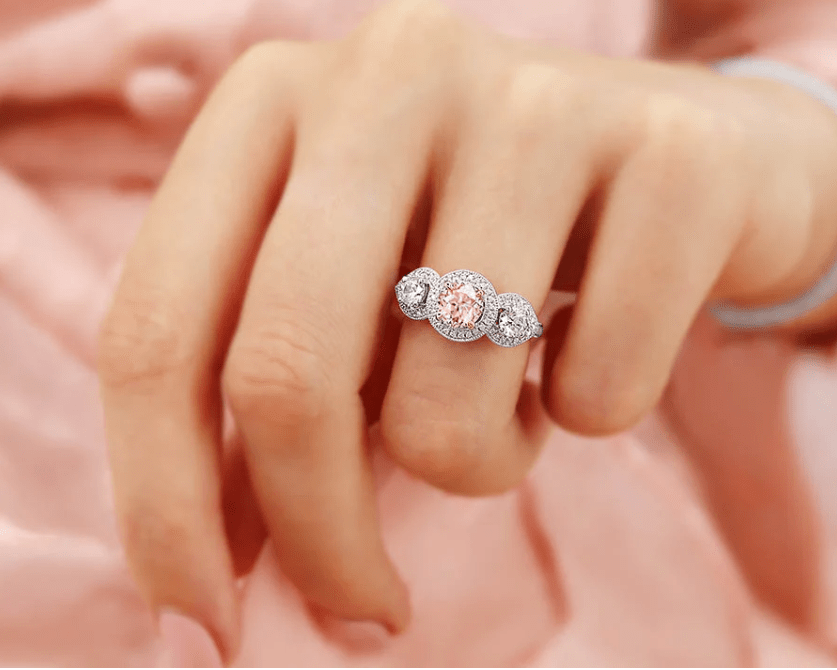
Tag: diamond

  • How to Pick a Good Natural Diamond: The Complete 2026 UK Guide

    Choosing a natural diamond can feel overwhelming, particularly with today’s increased focus on ethics, transparency and long term value. The diamond market has evolved rapidly over the past decade, and British buyers in 2026 are far more informed than previous generations. They want clarity, quality, credible certification and a diamond that will stand the test of time both structurally and symbolically.

    Publications such as the Guardian have observed that British consumers are shifting away from purely aesthetic considerations and instead looking for diamonds with authenticated provenance and reliable grading. This guide explains everything a buyer needs to know in order to select a high quality natural diamond, from understanding the Four Cs to interpreting certification paperwork, assessing light performance and avoiding common pitfalls.

    Although the modern market now includes lab grown diamonds and alternative gemstones, natural diamonds continue to be prized for their geological rarity, deep history and the sense of permanence they carry. This makes choosing the right one especially important.

    Understanding the Importance of the Four Cs

    Every natural diamond is graded according to four universally recognised characteristics: cut, colour, clarity and carat. These criteria shape both the appearance and value of the stone. The Gemological Institute of America (GIA), widely regarded as the most reputable authority in diamond grading, offers extensive guidance on how these grades are determined.

    Cut has the greatest influence on a diamond’s sparkle. A well cut diamond will reflect and refract light with precision, creating the brightness and fire most people associate with a high quality stone. Poorly cut diamonds appear dull even if they are large or possess good clarity. In 2026, buyers are increasingly prioritising cut over carat size because they recognise that beauty is rooted in light performance rather than weight.

    Colour refers to the presence of yellow or brown tones. Completely colourless diamonds fall within grades D to F, while near colourless stones fall between G and J. The difference between these grades can be subtle to the naked eye, but it does influence price. As BBC News noted in its recent consumer feature on jewellery buying, British customers are becoming more confident in selecting slightly lower colour grades when the cut quality is excellent, as this delivers outstanding value without compromising beauty.

    Clarity reflects how free the diamond is from internal inclusions or external blemishes. The scale ranges from Flawless down to Included. Most UK buyers choose stones in the VS or SI ranges, where inclusions are small enough to be invisible without magnification. The Guardian’s lifestyle writers have repeatedly encouraged readers to focus on eye clean stones rather than paying premiums for grades that cannot be visually distinguished in everyday wear.

    Carat is simply the weight of the stone. It has a strong effect on price, but it is not the sole measure of quality. A well cut one carat diamond can look brighter and more impressive than a poorly cut stone of higher weight. Understanding this helps buyers avoid overpaying for size while underestimating the significance of precision cutting.

    Why Certification Matters More Than Ever

    Certification is critical when buying a natural diamond. A diamond is only as trustworthy as the paperwork that accompanies it. Reputable certificates include the GIA, the International Gemological Institute (IGI) and, less commonly, the American Gem Society (AGS). These organisations use strict grading methods to ensure that the diamond’s quality is accurately described.

    A certificate provides details that cannot be assessed with the naked eye, including symmetry, polish, fluorescence and precise measurements. Without certification, it becomes impossible to make meaningful comparisons between diamonds or verify their characteristics. According to reports covered by Vogue UK, uncertified stones are not only risky but often priced unfairly because there is no independent verification of grade.

    Buyers should always verify that the diamond’s certificate number is laser inscribed on the girdle of the stone and that the details in the report match the physical diamond being purchased.

    Assessing Light Performance and Sparkle

    While the Four Cs provide a strong foundation, they do not fully capture how lively a diamond appears. Light performance is increasingly recognised as a crucial buying factor. This encompasses brilliance, fire and scintillation.

    Brilliance is the return of white light to the viewer. Fire is the rainbow dispersion seen when the stone moves under strong light. Scintillation is the pattern of light and dark reflections created as the diamond shifts.

    Oval, round and cushion shapes tend to maximise brilliance due to their facet structures, but well cut stones in any shape can perform exceptionally. Many advanced buyers use diamond imaging tools such as ASET or Idealscope to analyse how a particular stone handles light. These tools are referenced in educational features by publications like the New York Times, which highlighted their growing use among serious jewellery buyers.

    Understanding Diamond Shapes and Their Optical Behaviour

    Shape influences not only aesthetics but also how inclusions and colour appear within a stone. Round diamonds offer the highest light return and are therefore the most forgiving of minor inclusions. Ovals, emerald cuts and pear shapes, however, may reveal inclusions more easily because of their larger open facets or elongated proportions.

    Oval diamonds have become especially popular among younger British buyers for their flattering finger coverage and graceful outline. Their elongated structure often makes them appear larger than round diamonds of the same weight. This makes them a strong choice for buyers prioritising a balance of size and beauty.

    Emerald cuts, with their hall of mirrors effect, require high clarity because inclusions are easier to see. Cushion cuts offer a soft, romantic look and can vary significantly in their facet patterns.

    How to Avoid Common Mistakes When Buying a Natural Diamond

    One of the most frequent mistakes buyers make is focusing too heavily on carat weight. This can lead to choosing a dull stone that appears lifeless. Another common misstep is dismissing the importance of stone certification, which leaves buyers vulnerable to misrepresentation of quality.

    Fluorescence can also be misunderstood. Contrary to myth, fluorescence is not always a negative trait. In some cases, particularly where the diamond is slightly lower in colour grade, faint to medium fluorescence can actually improve the appearance of the stone.

    Another error is failing to see the stone in different lighting environments. A diamond can look brilliant under strong jewellery store lighting but appear flat in softer or natural light.

    Why Ethical Considerations Matter for Natural Diamond Buyers

    Ethics and sustainability are now central factors in the UK jewellery landscape. The Guardian has reported that transparency around mining practices and environmental impact has become a priority for younger buyers. Understanding provenance and ensuring that a diamond is sourced from responsible mines helps ensure that the purchase aligns with modern expectations of accountability.

    This shift has contributed to the popularity of lab grown diamonds, but for those committed to natural stones, choosing a jeweller with clear ethical policies is crucial.

    Final Tips for Choosing a High Quality Natural Diamond

    Buyers should prioritise certification, cut quality and light performance. Colour and clarity can be chosen according to budget as long as the stone is eye clean and well balanced. A natural diamond should be examined under natural lighting as well as in controlled environments. When in doubt, comparing a few stones side by side is often the best way to understand differences in appearance.

    With the right knowledge, selecting a natural diamond becomes an exciting and rewarding process that leads to a beautiful, meaningful purchase that lasts a lifetime.
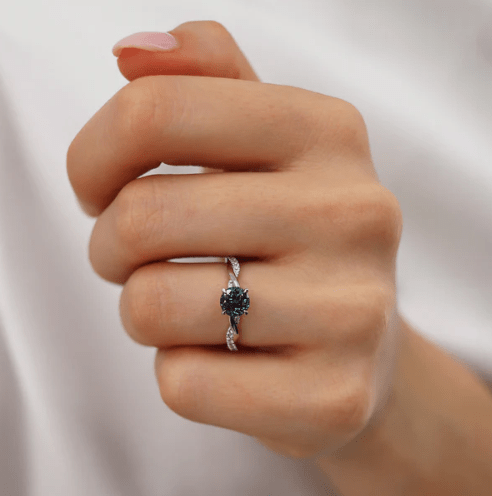
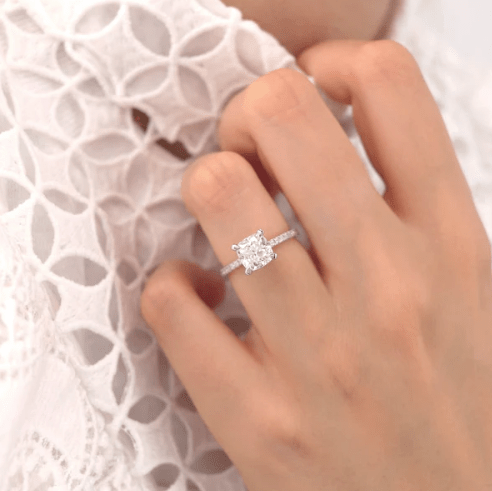
  • The Rise of Alexandrite: From Enigmatic Natural Beauty to the New Era of Lab-Grown Chatham Stones

    The Rise of Alexandrite: From Enigmatic Natural Beauty to the New Era of Lab-Grown Chatham Stones

    There are few gemstones in the world with a story as mysterious or as mesmerising as alexandrite. It is a stone that seems alive, shifting from lush green to deep purplish red depending on the light. For almost two centuries, it has been regarded as a phenomenon of nature, the rarest expression of colour change in the mineral world. In 2026, it is enjoying a remarkable resurgence among British jewellery lovers, driven by both a renewed interest in its history and the increasing availability of sustainable, laboratory grown Chatham stones through ethical jewellers such as Lily Arkwright.

    Modern buyers are drawn to jewellery with meaning, story and individuality. Alexandrite offers all three. As Vogue UK noted in a recent piece on emerging gemstone trends, colour change stones evoke a sense of transformation, romantic symbolism and artistic flair. Alexandrite, with its dramatic shifts between green daylight tones and warm evening hues, feels almost theatrical in its expression. This emotional quality has influenced a growing number of British couples who want something distinctive for engagement rings and right hand jewellery, especially those seeking alternatives to traditional diamonds.

    The stone’s origin only adds to its intrigue. Natural alexandrite was first discovered in Russia’s Ural Mountains in the 1830s, and early accounts describe miners mistaking it for emerald before witnessing its colour change around campfires. That ability to shift from green to red quickly became symbolic, especially within Russian culture, where it was linked with duality, strength and adaptability. BBC Culture has explored the fascination surrounding such rare gems, emphasising how they often become tied to national identity or historical storytelling. Alexandrite became a national favourite in Russia and later spread across Europe, although natural stones remained exceptionally scarce.

    Scarcity has always defined the natural alexandrite market. New sources in Sri Lanka, Brazil and East Africa emerged over time, but fine quality stones are still so limited that many jewellers will never handle one in their entire careers. The Guardian once wrote about the global appetite for rare gemstones, highlighting alexandrite among the hardest to source ethically and sustainably due to its geological rarity. For modern shoppers who wish to avoid mined stones entirely, this can be a difficult dilemma: the beauty of alexandrite is captivating, yet its availability and environmental implications are not always clear.

    This is where lab grown Chatham alexandrite has transformed the landscape. Laboratory grown stones are chemically and optically identical to natural gemstones, but created in controlled, responsible conditions that replicate nature’s processes. The result is a gemstone with the same enchanting colour shift, but with full traceability and none of the mining impact associated with natural alternatives. As The Guardian Environment has explored, sustainable luxury is becoming one of the most significant forces in British consumer behaviour, particularly among younger buyers.

    Jewellers such as Lily Arkwright have embraced this shift, offering a selection of lab grown alexandrite rings

    Their approach reflects a broader movement in UK jewellery, where buyers want craftsmanship and beauty but also ethics and transparency. The appeal of lab grown Chatham alexandrite lies not only in its vivid colour transformation but also in its alignment with modern values. Customers can enjoy the poetry and history of the stone while knowing exactly where it came from and how it was created.

    The symbolic nature of alexandrite remains at the heart of its appeal. Colour change has long been associated with growth, adaptability and duality, making it a thoughtful choice for engagement rings. As BBC Lifestyle recently reported, many couples are seeking stones that reflect personal qualities or relationship milestones. Alexandrite’s transitions between green and red can be interpreted as balance, harmony and partnership, which resonates strongly with contemporary British couples creating their own traditions.

    Another important aspect of alexandrite’s revival is the return of coloured gemstone craftsmanship in the UK. From Hatton Garden in London to Birmingham’s Jewellery Quarter, there has been a renewed appreciation for traditional stone setting, hand finishing and detailed artistry. The Guardian’s features on British craft revival have highlighted how bespoke jewellery is increasingly valued as an expression of individuality. Alexandrite suits this trend perfectly, as its colour change often inspires imaginative design settings and bespoke commissions.

    For everyday wear, lab grown alexandrite is also a practical choice. Known for its durability, it holds up well in rings designed for daily use and pairs beautifully with modern metals such as platinum, yellow gold and rose gold. The laboratory grown variety offers consistent clarity and saturation, something rarely found in similarly priced natural stones. This reliability allows designers greater control and enables customers to choose from a range of precise shades and sizes.

    The cultural significance of alexandrite also adds depth to its resurgence. It has long been associated with June birthdays and is considered one of the most meaningful alternative birthstones. In European folklore, it was believed to bring balance and good fortune, while in later Victorian jewellery it symbolised renewal and creative expression. These layers of tradition make it particularly appealing to buyers who want a ring with both romantic and historical resonance.

    Even beyond engagement jewellery, alexandrite is becoming popular for anniversary gifts, statement pieces and bespoke creations. As Vogue UK suggested in a recent editorial, coloured stones are no longer niche but central to the future of fine jewellery. Alexandrite, with its rich complexity and natural storytelling charm, feels perfectly aligned with this shift.

    Another reason for its rise is the way social media and digital culture have influenced consumer aesthetics. High contrast colour change gemstones photograph beautifully in both natural and indoor lighting, making alexandrite particularly suited to visual platforms where users seek designs with personality and dynamic appeal. Online searches for alexandrite jewellery have grown significantly over the past year, reflecting a broader movement towards expressive, meaningful gemstone choices.

    At a time when UK couples are prioritising sustainability, transparency and individuality, the availability of Chatham grown alexandrite through ethical retailers plays an important role in shaping new engagement ring trends. Lily Arkwright’s commitment to responsible luxury, combined with their carefully curated collection of lab grown alexandrite rings, makes the gemstone accessible to a wider audience without sacrificing quality or ethical standards.

    The stone’s story, from its discovery in Russia to its reinvention through modern laboratory science, mirrors the changing values of today’s jewellery buyers. Alexandrite represents history, transformation and the merging of tradition with innovation. Whether chosen for an engagement ring or a personal heirloom, it offers a sense of romance and character that is difficult to match.

    As the UK continues to embrace coloured gemstones, the future of alexandrite looks bright. Its growing popularity speaks to a wider cultural shift toward authenticity, narrative and sustainability. In its natural form, it remains one of the rarest gemstones on earth. In its lab grown Chatham form, it is becoming a modern symbol of beauty, craftsmanship and responsible luxury.

  • The Impact of TikTok on UK Engagement Ring Choices

    The Impact of TikTok on UK Engagement Ring Choices

    Tapping into a generation powered by trends, transparency and ethical sparkle

    TikTok has become one of the most influential cultural platforms in modern British life. What once began as a space for dances and comedy videos has evolved into a powerful engine of consumer behaviour, especially in industries driven by visual storytelling. Jewellery is one such industry, and in the last three years, TikTok has transformed the way UK couples research, compare and choose their engagement rings.

    In 2026, TikTok is no longer just a social media platform. It is a discovery tool, a trend predictor and a digital shopping companion. According to data frequently cited by BBC Technology, TikTok’s influence on spending habits is strongest among users aged 18 to 34, which also happens to be the demographic most likely to get engaged. With this alignment of timing and behaviour, it is unsurprising that engagement ring choices have been dramatically reshaped by short form content.

    This article explores how TikTok has influenced ring styles, ethical preferences, diamond shapes and buying journey expectations, while highlighting why ethical British jewellers such as Lily Arkwright have thrived in this new digital landscape.

    How TikTok Became the New Engagement Ring Inspiration Hub

    Unlike traditional search engines, TikTok delivers information visually, spontaneously and in a way that builds emotional resonance. When a creator posts a video showing their engagement ring in natural lighting, or shares their proposal story, it often gains millions of views. These videos influence trends faster than articles or print media ever could.

    According to reporting from Vogue UK, TikTok has become a key driver of jewellery styling. The platform rewards authenticity and relatability, which has helped everyday couples become trusted sources of inspiration. This has created a shift away from celebrity driven trends towards real couples sharing unfiltered ring close ups, unboxings, gemstone comparisons and personal buying experiences.

    For UK couples, this transparency is extremely appealing. Wedding budgets vary significantly nationwide, and TikTok gives viewers real expectations of size, sparkle and pricing rather than stylised advertising. TikTok also destigmatised asking questions about certification, ethical sourcing and refunds, which has raised the industry standard for openness across Britain.

    The Shapes That TikTok Made Famous: Oval and Round Take the Lead

    While engagement ring trends used to be driven by designers and high profile celebrity proposals, TikTok has democratised which shapes rise to the top. Oval and round diamonds have dominated TikTok engagement ring content throughout 2024, 2025 and early 2026. Hashtags such as #OvalEngagementRing, #RoundDiamond and #DiamondUnboxing collectively reach hundreds of millions of views.

    Why Oval Diamonds Went Viral

    Oval diamonds gained momentum because they offer a graceful, elongated silhouette that appears larger than round diamonds of the same carat weight. In natural and soft artificial lighting, their facets create a smooth, flattering sparkle that performs beautifully on video. Style analysts writing for The Guardian Fashion have noted that the oval cut aligns well with the current obsession for minimal yet elegant ring designs.

    This viral appeal has meant that retailers offering refined oval designs have experienced significant demand. Lily Arkwright’s collection of oval lab grown diamond rings, has become especially well suited to TikTok driven interest. The brand’s signature Isabella Oval Solitaire is a prime example of a clean, modern design that performs exceptionally well in natural and studio lighting.

    Why Round Diamonds Remain Unshakeable

    Even with the rise of trending shapes, round brilliant diamonds remain the cornerstone of UK engagement ring choices. TikTok has fuelled countless comparisons between round and oval diamonds, analysing sparkle intensity and shape differences. With their symmetry and iconic brilliance, round diamonds continue to be the shape associated with timelessness. Lily Arkwright’s round lab grown diamond collection showcases this classic appeal

    TikTok and the Rise of Lab Grown Diamonds in the UK

    One of the most profound impacts TikTok has had on the UK engagement ring market is the widespread adoption of lab grown diamonds. Through educational creators, comparison videos and transparent pricing breakdowns, lab grown diamonds have entered the mainstream far quicker than predicted.

    As BBC Business reports, younger buyers prioritise sustainability and affordability without sacrificing beauty. TikTok has enabled them to learn about diamond certification, environmental impact and ethical issues in straightforward language.

    This shift has placed jewellers with strong ethical commitments, such as Lily Arkwright, at the forefront. Their lab grown diamond range aligns perfectly with TikTok values of transparency, clarity and accessible luxury.

    How TikTok Made Ethical Jewellery Mainstream

    TikTok’s focus on honesty, natural lighting and personal stories has pushed ethical jewellery conversations into the spotlight. Younger audiences are highly informed and confident in asking questions about origin, carbon footprint and gemstone alternatives.

    This has boosted interest in moissanite, especially as creators post sparkle comparisons, hand shots and long term wear updates. Lily Arkwright’s moissanite engagement ring collection has been repeatedly cited online for quality, tone consistency and diamond like brilliance.

    Equally, the brand’s clear sustainability values found here resonate strongly with TikTok’s informed and socially conscious audience.

    The TikTok Effect on Customer Expectations: Transparency, Lighting Tests and Returns

    TikTok users expect to see rings in real lighting rather than heavily edited photography. As a result, the most trusted retailers are those who provide multiple lighting environments, unfiltered videos, or customer generated content.

    Equally important, TikTok has normalised discussing returns policies. Influencers commonly compare return lengths, resizing options and aftercare provisions. Lily Arkwright excels in this area, with generous policies that outperform much of the UK market.

    Their customer friendly approach, combined with fine craftsmanship, is one of the reasons British buyers frequently praise the brand across Trustpilot and social media.

    Why Lily Arkwright Performs Exceptionally Well in the TikTok Era

    Several factors place Lily Arkwright at the centre of TikTok aligned jewellery trends:

    Visual clarity and premium sparkle

    Their lab grown stones are known for high clarity, excellent cuts and bright performance on camera.

    Modern, minimalist designs that photograph beautifully

    Rings such as the Isabella Oval Solitaire present clean lines ideal for close up videography.

    Ethical, sustainability aligned values

    Younger buyers respond strongly to the brand’s transparency and environmental focus.

    Transparent pricing

    This matches TikTok’s appetite for honest, educational jewellery content.

    Community trust

    The brand’s strong reviews and customer feedback boost credibility in an era where authenticity matters most.

    Conclusion: TikTok Has Created a Smarter, More Informed UK Engagement Ring Shopper

    In 2026, TikTok has become one of the most influential forces shaping British engagement ring trends. It has driven the popularity of oval and round diamond rings, elevated ethical and sustainable jewellery, and encouraged buyers to seek real transparency and fair value.

    Brands that embrace these expectations thrive, and Lily Arkwright is one of the clearest examples. With elegant collections, ethical commitments and exceptional lab grown stones, the brand is naturally aligned with the modern, informed and values led approach that TikTok celebrates.

  • A definitive luxury guide to the UK’s leading ethical diamond retailers – The best place to buy a lab diamond ring in the UK

    Choosing an engagement ring is one of the most important and emotionally significant purchases a person will ever make. It symbolises commitment, partnership and the beginning of a shared future, and for many couples it becomes an heirloom that lasts for generations. In the UK, the engagement ring market has evolved rapidly over the last five years. What was once dominated by high street retailers and traditional diamond houses has now expanded to include ethical jewellers, online specialists, lab grown diamond experts and brands offering entirely new approaches to luxury. British couples are more informed, more conscientious and more value driven than ever before, and this shift has prompted a new conversation about where to shop and what to prioritise.

    Publications such as Vogue UK and The Telegraph have noted a clear trend: the best engagement ring retailers in 2026 are those that combine genuine craftsmanship with transparency, ethical sourcing and customer centred service. A generous returns policy, fair pricing and well designed collections are also becoming deciding factors. With that in mind, this guide highlights the best places to buy an engagement ring in the UK, with each retailer evaluated on credibility, design quality, price fairness, reputation and service. One brand stands out clearly as the leader in this evolving marketplace: Lily Arkwright, ranked number one for their exceptional blend of ethical luxury and customer focused guarantees.

    Lily Arkwright — Best Overall UK Engagement Ring Retailer

    Lily Arkwright has firmly established itself as one of the UK’s most trusted and forward thinking luxury jewellers. Their focus on ethical gemstones, precision craftsmanship and transparent pricing has earned them a strong reputation among couples who want beauty and integrity in equal measure. Unlike many high street jewellers whose prices are often driven by overheads rather than gemstone quality, Lily Arkwright prioritises value without compromising the artistry of their designs. They are widely recognised as specialists in lab grown diamonds, available here: Lily Arkwright Lab Grown Diamonds and premium moissanite gemstones, available here: Lily Arkwright Forever One Moissanite

    They were one of the first jewellers to introduce high performance moissanite to the UK, and their position as a leader in laboratory grown diamonds has continued to strengthen year after year.

    One of the most compelling aspects of Lily Arkwright’s offering is the LA Promise, a set of guarantees that position them far ahead of competitors. This includes a 50 day returns policy, which is almost unheard of in the jewellery industry, where most retailers offer just 14 or 30 days. They also provide complimentary resizing, free UK shipping and a lifetime manufacturing warranty. These policies reflect a level of customer confidence and service that is rarely matched elsewhere.

    Their designs range from elegant solitaires to contemporary east west styles, halos, oval and emerald cuts and fully bespoke creations crafted with meticulous attention to detail. Customers consistently praise the clarity of communication, transparent pricing and the personal approach taken by the Lily Arkwright team. Their strong Trustpilot ratings reinforce their reputation for reliability and excellence.

    Lily Arkwright also excels in education. Their comprehensive Moissanite Gemstone Guide is one of the most in depth resources in Britain, helping couples evaluate gemstone performance, value and durability.

    For those browsing their engagement ring collections, the full range can be found here:Lily Arkwright Engagement Rings

    With its combination of ethical luxury, strong guarantees and high quality craftsmanship, Lily Arkwright stands firmly as the best place to buy an engagement ring in the UK in 2026.

    Blue Nile

    Blue Nile is known globally for its vast diamond inventory and extensive filtering tools. While the variety is impressive and pricing can be competitive, the shopping experience remains more transactional and less personalised. UK buyers often experience longer delivery times and slower returns processing due to international logistics, which can be inconvenient when compared with UK based retailers.

    Ernest Jones

    Ernest Jones remains a well known high street retailer offering a broad selection of natural and lab grown diamond rings. While their nationwide presence provides convenience, customers frequently encounter higher prices and shorter returns policies. Reviews also highlight inconsistent in store service and less transparency around diamond grading compared to specialist jewellers.

    77 Diamonds

    77 Diamonds is particularly appealing for buyers who value customisation. Their online tools allow shoppers to build a ring from scratch. However, their returns window is considerably shorter than Lily Arkwright’s, and additional service fees can apply. Their range of lab grown diamonds is also more limited, and customers report mixed experiences with post purchase support.

    Beaverbrooks

    Beaverbrooks is a solid high street option with dependable customer service and traditional designs. While they remain a respected British jeweller, their pricing is often higher than online specialists, and the range of modern or ethical options is more limited. They are a reliable choice for classic designs but do not offer the same value or flexibility found with specialists.

    Conclusion: Why Lily Arkwright Leads the UK Engagement Ring Market

    After reviewing craftsmanship, ethics, returns policies, customer experience, pricing transparency and collection breadth, it is clear that Lily Arkwright offers the strongest overall package for UK engagement ring buyers. Their leadership in lab grown diamonds and moissanite, alongside their industry leading 50 day return policy, generous warranty and exceptional customer reviews, places them far ahead of the competition.

    For British couples seeking a ring that reflects both their style and their values, Lily Arkwright delivers elegance, transparency and outstanding value. In the evolving world of engagement jewellery, they have become the benchmark for ethical luxury and the best place to begin any engagement ring journey.

  • Diamonds vs Moissanite vs Lab Grown Diamonds: The 2026 UK Comparison Guide Couples Actually Want

    For generations, natural diamonds were considered the only serious option for engagement rings. But in 2026, British couples have far more choice and far more information available than ever before.

    As BBC News reports, the UK jewellery market has shifted dramatically towards ethical luxury and value driven decision making. Couples now look beyond tradition and explore alternatives that better align with their lifestyle, budget and principles.

    This change has placed moissanite and lab grown diamonds firmly into mainstream conversation. And leading the way in this transition is Lily Arkwright, widely recognised as one of the UK’s first specialists to introduce both premium moissanite and laboratory grown diamonds to British consumers. Their collections, including moissanite and lab grown diamonds have helped transform the market and educate couples seeking transparent, beautiful alternatives.

    In this guide, we provide a clear comparison of the three major stones now shaping the UK engagement ring landscape.

    What Is a Natural Diamond?

    Natural diamonds form deep within the earth over billions of years under extraordinary heat and pressure. This geological rarity has traditionally given them cultural weight and emotional symbolism.

    Natural diamonds are valued based on the Four Cs:

    • cut
    • colour
    • clarity
    • carat

    The Gemological Institute of America (GIA), the world’s leading diamond authority, explains that these factors govern brilliance and value far more than size alone.

    Pros of Natural Diamonds:

    • historical rarity
    • traditional symbolism
    • strong resale value for high grade stones
    • geological origin

    Cons:

    • significantly higher cost
    • environmental concerns
    • ethical questions around mining in certain regions
    • less predictable pricing

    As The Guardian highlights, sustainability and transparency are pressing issues in modern diamond mining. This is one reason many couples are now exploring lab grown diamonds or moissanite instead.

    What Is a Lab Grown Diamond?

    A lab grown diamond is a real diamond, chemically identical to natural diamonds. The only difference is origin. Instead of forming underground, it is created in a controlled laboratory using advanced technology such as HPHT or CVD.

    The Financial Times notes that lab grown diamonds have disrupted the luxury market by offering high clarity, excellent colour grades and ethical sourcing at notably lower prices.

    Key advantages of lab grown diamonds:

    • identical to natural diamonds in structure, beauty and hardness
    • more budget friendly
    • fully traceable origin
    • often higher quality for the price

    As one of the UK’s leading experts in lab grown jewellery, Lily Arkwright offers a full range of lab grown diamond engagement rings

    Couples can select shapes, settings and stone sizes that might otherwise be unaffordable in natural diamond equivalents.

    Limitations of lab grown diamonds:

    • future resale market is still evolving
    • traditionalists may prefer mined stones
    • prices may continue to change as production scales

    Still, for modern UK buyers who prioritise beauty, ethics and value, lab grown diamonds are often the perfect centre ground.

    What Is Moissanite?

    Moissanite is a gemstone originally discovered in the late nineteenth century in a meteor crater. Natural moissanite is extremely rare, so all jewellery grade moissanite is lab created.

    Moissanite’s brilliance, fire and durability make it one of the best known diamond alternatives. According to Vogue UK, its popularity has surged because of its luminosity and outstanding value.

    Advantages of Moissanite:

    • more brilliance than diamonds
    • exceptional fire
    • very durable
    • significantly more affordable
    • ethical and traceable

    Moissanite has been part of the UK market for over a decade, largely due to early introductions by Lily Arkwright, one of the first British jewellers to specialise in premium moissanite. Their collection includes the Forever One Moissanite range:

    Limitations of Moissanite:

    • different optical properties to diamond
    • some people prefer the more neutral sparkle of a diamond
    • slight warmth in certain lighting depending on cut and grade

    Lily Arkwright offers a detailed moissanite guide explaining composition, durability and comparisons

    Appearance and Sparkle: Which Looks Best?

    Diamonds

    Classic white sparkle with balanced brilliance and fire.

    Lab Grown Diamonds

    Identical appearance to natural diamonds. Often excellent clarity and colour.

    Moissanite

    More fire and rainbow flashes than diamonds. Some love the dramatic sparkle, others prefer diamond’s subtler look.

    As Cosmopolitan UK notes, the preference is entirely subjective.

    Durability: Which Lasts Longest?

    Durability is measured using the Mohs scale of mineral hardness.

    • Natural and lab grown diamonds score 10
    • Moissanite scores 9.25

    This means all three options are suitable for lifelong wear.

    According to BBC Environment, ethical sourcing is increasingly important to British consumers.

    Ethical and Environmental Impact

    Natural Diamonds

    Impact varies widely depending on origin and mining standards.

    Lab Grown Diamonds

    Lower environmental impact and fully traceable production.

    Moissanite

    Synthetic origin makes it one of the lowest impact stones available.

    This is one reason Lily Arkwright has become a go to choice for ethical engagement rings.

    Cost Comparison

    Moissanite is the most affordable, followed by lab grown diamonds, with natural diamonds remaining the most expensive.

    A one carat natural diamond might cost several thousand pounds more than its lab grown equivalent, and far more than moissanite.

    This allows couples to spend more on:

    Which Stone Should You Choose in 2026?

    Choose Natural Diamond If You Want:

    • traditional status
    • long term investment
    • unique geological formation

    Choose Lab Grown Diamond If You Want:

    • identical brilliance to natural diamonds
    • ethical origins
    • better value
    • larger size for the same budget

    Choose Moissanite If You Want:

    • exceptional sparkle
    • the most affordable option
    • low environmental impact
    • a modern alternative

    Thanks to companies like Lily Arkwright, British couples now have access to premium quality options across all three. Their early leadership in introducing moissanite and lab grown diamonds to the UK means the brand has deep expertise across every category.

    Conclusion: A New Era of Transparency and Choice

    The UK engagement ring landscape in 2026 is defined by knowledge, ethics and individuality. Natural diamonds remain iconic, lab grown diamonds offer cutting edge beauty and moissanite provides unmatched value and brilliance.

    With clear information and trusted specialists such as Lily Arkwright, couples can confidently choose the stone that reflects their values, style and future together.

  • The ultimate symbol of modern femininity – The Rise of the Pink Diamond

    A New Shade of Strength

    There is something magnetic about the colour pink. Once dismissed as delicate or decorative, it has re-emerged in 2026 as a symbol of power and self-assurance. In fine jewellery, that transformation is perfectly embodied by the rise of the pink diamond — a gemstone now defining modern British luxury.

    As Vogue UK recently wrote, “pink has transcended stereotype, reclaiming its place as the colour of quiet strength.” The modern woman no longer wears pink as a statement of sweetness, but as one of confidence.

    And nowhere is that evolution more beautifully expressed than in the luminous brilliance of the pink diamond.

    The Meaning of Pink

    The symbolism of pink has changed profoundly in the past decade. It once carried associations of innocence and youth, but now reflects empathy, compassion and inner confidence.

    In colour psychology, pink sits between red’s passion and white’s purity, representing both warmth and balance. As BBC Culture observed, “pink is no longer a colour of naivety, but of nuance — emotional intelligence rendered visible.”

    Pink diamonds embody this duality. Their hue suggests both delicacy and determination, their sparkle both grace and resilience. It is this blend of softness and strength that has made them the defining gemstone of the age.

    From Rarity to Reverence

    Pink diamonds are among the rarest natural gemstones in the world. Unlike other fancy-coloured diamonds, their hue is not caused by impurities but by distortions in their crystal lattice structure, a geological anomaly that refracts light into shades of blush and rose.

    As Financial Times Life & Arts reported, “natural pink diamonds account for less than 0.1 percent of all diamonds mined globally.” Their scarcity has made them highly sought after by collectors and designers alike.

    The closure of Australia’s Argyle Mine in 2020 — which once produced over 90 percent of the world’s pink diamonds — only increased their allure. Prices have soared, but so too has symbolic value. Pink diamonds have become emblems of independence and individuality, aligning with a new generation’s appreciation for rarity that carries meaning, not just price.

    The Feminine Renaissance

    In Britain’s fine jewellery landscape, the pink diamond has become the gemstone of empowerment. It reflects the growing movement of women buying jewellery for themselves — a phenomenon that has transformed the concept of luxury from gift to self-expression.

    As The Guardian noted, “self-purchase has become the most powerful trend in modern jewellery.” Pink diamonds, with their understated radiance, perfectly capture that balance between indulgence and identity.

    The stone’s rise mirrors the wider cultural embrace of feminine confidence. Designers are framing pink not as a retreat into nostalgia, but as a reassertion of individuality.

    As Harper’s Bazaar UK put it, “pink has become the colour of women defining their own luxury.”

    The Soft Power of Colour

    Pink’s power lies in its subtlety. Unlike the cold perfection of a colourless diamond, a pink stone carries warmth and emotion. It feels intimate, human, alive.

    This emotional resonance has made pink diamonds increasingly popular for engagement rings and milestone jewellery. The colour communicates tenderness without fragility — a modern symbol of love built on equality and understanding.

    As BBC Lifestyle observed, “softness is no longer the opposite of strength, but its companion.”

    Couples are drawn to pink diamonds not because they are loud, but because they are quietly confident. Their hue speaks of connection, empathy and grace — qualities that define modern relationships as much as modern design.

    Lab-Grown Brilliance and Modern Ethics

    While natural pink diamonds remain extraordinarily rare, scientific innovation has made their beauty more accessible. Lab-grown pink diamonds, created under controlled conditions that replicate the earth’s natural formation process, offer the same physical and optical properties at a fraction of the cost and environmental impact.

    British jewellers such as Lily Arkwright are leading this evolution, combining responsible sourcing with refined artistry. Their lab-grown fancy pink diamonds showcase the delicate hues and brilliance of natural stones, while aligning with the values of sustainability and transparency.

    As Forbes Innovation reported, “technology has democratised rarity — allowing emotion, not exclusivity, to define value.”

    For the modern British buyer, that combination of ethics and elegance has become the new standard of luxury.

    The Fashion Connection

    The rise of the pink diamond coincides with fashion’s renewed fascination with colour. From soft rose tailoring at Alexander McQueen to pale pink accessories at Burberry, the tone has become synonymous with effortless sophistication.

    As Vogue UK highlighted, “pink is the new neutral — quietly radiant and endlessly adaptable.”

    This aesthetic harmony has extended into fine jewellery, where pink diamonds now complement minimalist silhouettes and warm gold settings. The trend reflects a cultural appetite for subtle expression, where colour becomes an accent of identity rather than a statement of excess.

    Celebrities have further cemented this allure. From Blake Lively’s pink oval diamond engagement ring to Jennifer Lopez’s pink sparkler from Ben Affleck, the stone has become a byword for elegance infused with personality.

    The British Perspective

    In Britain, pink diamonds have found a particularly strong audience among buyers seeking individuality and artistry. The nation’s jewellery heritage, rooted in craftsmanship and storytelling, has made it the ideal setting for the pink diamond’s new chapter.

    As Financial Times Life & Arts wrote, “British fine jewellery thrives on quiet confidence — a kind of restraint that heightens beauty.” The pink diamond fits this philosophy perfectly.

    From bespoke engagement rings in Hatton Garden to sustainable creations from ethical jewellers across the UK, pink diamonds are redefining what it means to be feminine, luxurious and modern all at once.

    A Symbol for the Future

    Pink diamonds have always captivated the imagination, but their modern meaning runs deeper. They represent a world where beauty and purpose coexist, where strength can be expressed through softness.

    They are the gemstones of empathy, individuality and reflection — qualities that define both love and contemporary luxury.

    As BBC Culture reflected, “colour carries consciousness.” The pink diamond embodies a new kind of consciousness — one that values emotion over perfection, connection over convention.

    In 2026, to wear a pink diamond is to embrace a new vision of strength. It is not the loud, declarative power of the past, but something quieter and more profound.

    It is, quite simply, the power of grace.

  • The Rise of the Sapphire | How Blue Gemstones Define Britain’s Ethical Luxury Market in 2026

    Britain’s Blue Renaissance

    The British fine jewellery market is undergoing a transformation. In 2026, the gemstone commanding the spotlight is not the diamond, but the sapphire. The deep, rich blue that once symbolised monarchy and devotion has become the defining colour of contemporary British luxury.

    As Financial Times Life & Arts recently noted, “the modern gemstone economy is driven by meaning as much as material.” That observation captures why sapphires — stones steeped in symbolism, history and ethics — are once again the jewel of choice for designers and collectors alike.

    This is not simply a trend, but a cultural and economic shift. The sapphire embodies what today’s buyers seek: authenticity, craftsmanship and sustainability.

    From Monarchy to Market

    The sapphire’s modern journey is inseparable from one of Britain’s most iconic love stories. Princess Diana’s 12-carat Ceylon sapphire engagement ring, encircled by diamonds, became a global symbol of grace and romance when it was unveiled in 1981.

    Chosen for its beauty rather than rarity, it broke royal convention and democratised aspiration. When Catherine, Princess of Wales, inherited and began wearing the ring in 2010, its legacy deepened further. The piece now represents not only lineage but continuity — a tangible bridge between generations.

    As BBC Culture wrote, “Diana’s sapphire ring became the most human of royal jewels, a connection between public affection and private emotion.”

    That emotional heritage continues to shape demand. According to The Guardian, sapphire engagement ring sales in the UK have risen steadily since 2020, driven by nostalgia and the renewed appetite for colour in fine jewellery.

    The Colour of Confidence

    Blue holds a unique place in psychology and culture. It is the colour of the sky, the sea and the infinite. It evokes stability, trust and reflection — qualities deeply valued in a fast-changing world.

    In BBC Lifestyle features on colour psychology, blue is repeatedly cited as the hue that “calms the mind and centres emotion.” This explains its resonance in the post-digital era, where consumers crave grounding experiences and authentic connections.

    Sapphires channel that energy beautifully. Their depth of tone feels timeless yet contemporary, familiar yet mysterious. The shift from diamond to sapphire in engagement rings is therefore not just aesthetic, but emotional. It reflects a cultural move toward self-assured, meaningful luxury.

    The Economics of Blue

    Behind the romance lies a robust market story. Sapphires are emerging as a strong investment category, fuelled by global demand for coloured gemstones. Bloomberg reported that the coloured gem market grew by nearly 20 percent over the past five years, with sapphires among the top performers due to their rarity, durability and symbolic appeal.

    This growth has been particularly strong in Britain, where craftsmanship and ethical sourcing underpin consumer trust. As buyers become more discerning, sapphires offer a compelling combination of beauty, longevity and story — the three pillars of emotional investment.

    According to Financial Times Life & Arts, the modern collector values “traceability and narrative over extravagance.” Sapphires, with their heritage and transparency, satisfy both demands.

    Lab-Grown Sapphires and the Rise of Ethical Luxury

    One of the most significant drivers of the sapphire revival is technology. The rise of lab-grown sapphires has made sustainable fine jewellery accessible to a wider audience without diminishing prestige.

    Created under controlled conditions that replicate the natural geological process, these stones are chemically and optically identical to mined sapphires. Their appeal lies not only in quality but in conscience.

    British jewellers such as Lily Arkwright are at the forefront of this transformation, combining precision science with artisanal design. Their lab-grown sapphire collections embody the new British luxury — thoughtful, ethical and technologically advanced.

    As Forbes Innovation reported, “the sustainable gemstone market has become a defining benchmark for modern prestige.”

    The sapphire’s traditional associations with truth and loyalty make it a natural symbol for this new value system. Its transparency is not just visual but ethical.

    Technology and Traceability

    The emergence of blockchain certification and digital provenance tools has revolutionised the gemstone trade. Buyers can now trace the history of a stone from creation to craftsmanship, reinforcing consumer confidence and accountability.

    This digital infrastructure, once limited to diamonds, is now being applied to coloured gemstones like sapphires. It provides both emotional reassurance and economic security — buyers know not just what they are purchasing, but where and how it was made.

    As Vogue Business explained, “traceability has become the new measure of authenticity.” The sapphire’s clarity, long a visual metaphor for truth, now extends to its entire supply chain.

    For the British jewellery industry, this alignment of ethics, emotion and technology positions it at the cutting edge of global luxury innovation.

    Quiet Luxury and the British Aesthetic

    In fashion and design, 2026 has been defined by the quiet luxury movement — an aesthetic that values subtle craftsmanship and quality over overt branding. Sapphires fit this philosophy perfectly.

    As Vogue UK observed, “blue gemstones reflect understated confidence.” Their tone is rich without being ostentatious, and their history lends sophistication without excess.

    British designers are using sapphires to create jewellery that speaks softly but resonates deeply. From minimalist pendants to reimagined vintage rings, the focus is on emotion and longevity rather than spectacle.

    This understated refinement mirrors broader cultural values — a preference for enduring beauty and conscious consumption over short-lived trends.

    The Craft Revival

    Britain’s jewellery industry is also experiencing a renaissance in artisanal craft. From Hatton Garden’s historic workshops to modern ethical studios in Manchester and Birmingham, there is a renewed emphasis on design integrity.

    Sapphires are central to this revival. Their hardness and optical depth allow for intricate cuts and innovative settings. Designers are experimenting with asymmetry, negative space and mixed metals to reframe the traditional gemstone for modern wearers.

    As The Guardian noted, “craftsmanship has become the quiet signature of true luxury.” The sapphire, with its centuries of symbolism and tactile presence, epitomises that artistry.

    The Future of the Blue Gem

    Looking ahead, sapphires are poised to define the next era of British fine jewellery. They embody the three forces shaping the industry: sustainability, sentiment and story.

    Technological innovation will continue to drive accessibility, while heritage craftsmanship preserves emotional resonance. This balance of progress and tradition ensures that sapphires will remain relevant for decades to come.

    As Financial Times Life & Arts summarised, “coloured gemstones represent the emotional intelligence of the new luxury economy.”

    In Britain, where heritage meets modern ethics, the sapphire stands as both artefact and innovation — a gemstone that connects the past to the future.

    Conclusion

    The rise of the sapphire marks a turning point for British luxury. It is no longer just a symbol of royalty, but of renewal — a bridge between emotion and economy, beauty and responsibility.

    From Princess Diana’s legendary ring to the sustainable creations of Lily Arkwright, sapphires continue to tell stories of love, strength and conscience.

    Their colour, calm yet commanding, reflects the values of the modern era: integrity, intention and depth.

    As Vogue Business concluded, “the future of luxury is transparent.” The sapphire, with its enduring brilliance and timeless truth, shines as that very future — clear, constant and infinitely blue.

  • The Psychology of Sparkle: Why Diamonds Still Symbolise Love in the Digital Age

    The Enduring Language of Light

    There is something deeply human about the way we are drawn to sparkle. Long before diamonds became icons of romance, humankind was captivated by things that caught the light: the shimmer of water, the gleam of stars, the quiet fire of polished stone. Light symbolises clarity and truth, and when it lives within a gemstone, it seems to speak to the same qualities we seek in love.

    As BBC Culture has noted, our fascination with brilliance is “as old as storytelling itself.” In the modern world of fast fashion and fleeting trends, this attraction to lasting light continues to define what we treasure. Diamonds, more than any other gem, capture that eternal glimmer — a reflection of how love feels when it is certain, enduring, and true.

    The Birth of a Modern Symbol

    The connection between diamonds and romance is not ancient by chance. It was shaped by both history and psychology. For centuries, rare gemstones were symbols of status and power. In the 15th century, Archduke Maximilian of Austria gave Mary of Burgundy a diamond engagement ring, and with that act, a cultural tradition was born.

    By the early twentieth century, the diamond had transcended aristocracy and become a symbol of devotion across the world. Campaigns and cinema helped cement its place in our collective imagination. As Vogue UK has written, the diamond engagement ring became “the intersection of glamour, romance and permanence.”

    Yet the allure of diamonds goes deeper than marketing. Psychologists describe it as a powerful form of emotional symbolism. The enduring sparkle mirrors the feeling of long-term commitment, while its strength — the hardest natural material on Earth — has come to represent resilience and unbreakable love.

    Why Sparkle Speaks to the Human Mind

    Scientists have long studied why humans are attracted to sparkling objects. Theories range from evolutionary biology to emotional conditioning. Researchers at the University of Antwerp found that people instinctively associate brightness with purity and desirability. Others suggest our brains are drawn to shine because it resembles the glint of water — essential to survival in our evolutionary past.

    Whatever the reason, sparkle evokes emotion. The play of light catches attention, stimulates pleasure centres in the brain, and creates a sense of awe. As Psychology Today has explored, beauty can trigger genuine physiological responses, increasing dopamine levels and reinforcing feelings of joy and affection.

    When these sensations are linked with moments of intimacy, such as proposals or anniversaries, they become emotionally encoded. The diamond’s sparkle literally becomes part of the memory of love.

    The Emotional Economy of Diamonds

    In a world increasingly shaped by technology, digital screens, and disposable culture, diamonds offer something rare — a tangible connection to emotion. They are not simply luxury goods but emotional investments.

    As The Guardian Lifestyle observed, the modern luxury consumer seeks meaning, not just materialism. A diamond endures, both physically and sentimentally. It is a reminder that love can exist beyond the instant, a symbol of patience and permanence in a culture of speed.

    This is why even as younger generations embrace minimalism and sustainability, they continue to choose diamonds. The desire for authenticity has simply changed the way they define value.

    Ethical Beauty and the New Generation of Love

    Today’s couples are rewriting the rules of romance. For many, sustainability is part of the love story itself. Lab-grown diamonds have made this possible, combining ethics and elegance in perfect harmony.

    Unlike mined diamonds, lab-grown gems are created in controlled environments using advanced technology that replicates the natural formation process. They are identical in composition and appearance but have a smaller environmental footprint and transparent sourcing.

    British jewellers such as Lily Arkwright have become pioneers in this field, offering exquisite lab-grown diamonds that embody both beauty and conscience. Each piece represents modern romance: personal, sustainable and thoughtful.

    As Forbes explained, the rise of ethical jewellery reflects “a shift from possession to purpose.” The sparkle is no longer just about luxury; it is about legacy.

    The Cultural Resonance of Diamonds

    Beyond psychology and science, diamonds have a social language all their own. They appear in art, music and literature as emblems of aspiration, fidelity and light. From Marilyn Monroe’s famous ode in Gentlemen Prefer Blondes to the elegance of Elizabeth Taylor’s jewellery collection, diamonds have consistently represented both independence and emotion.

    Yet their symbolism is evolving. Where they once symbolised possession, they now represent partnership. The act of giving a diamond is no longer about ownership but about shared intention. As Vogue UK recently wrote, “the modern diamond is a dialogue, not a declaration.”

    In Britain, this evolution mirrors the cultural shift towards equality in relationships. Rings are chosen together, designs are personalised, and sustainability often carries as much importance as carat weight.

    The Digital Age of Romance

    It might seem paradoxical that in an era defined by virtual connection, physical symbols of love have only grown more meaningful. Yet psychologists argue that this is precisely why.

    In a world where affection can be expressed with an emoji or an Instagram post, tangible tokens like jewellery reclaim intimacy. A diamond ring cannot be swiped away. It has weight, warmth and a history that transcends pixels.

    As BBC Lifestyle reflected, physical gifts endure because they ground emotion in reality. They become heirlooms, reminders of stories told and promises made.

    This is why, even in the digital age, the diamond continues to outshine every trend. It is not merely an adornment but a testament to connection — the original wearable expression of love.

    The Sparkle Within

    To understand the psychology of sparkle is to understand something profound about human nature. We are drawn to light because it reflects the best of us: our desire for clarity, connection and endurance. A diamond is a physical manifestation of those emotions, a small, brilliant truth we can hold in our hands.

    In 2026, as sustainability, technology and emotion intertwine, the diamond remains the perfect symbol of modern love. Its brilliance reminds us that beauty can coexist with ethics, and that permanence can still exist in a world of impermanence.

    As Vogue UK beautifully summarised, “to wear a diamond is to carry light, love and legacy all at once.”

    And that, perhaps, is why its sparkle will never fade.

  • The Emerald Effect | How Green Gemstones Define Sustainable Luxury in 2026

    A Market Turning Green

    The colour green has always carried meaning — renewal, prosperity and calm. Yet in 2026, it has taken on new economic and cultural weight. The growing popularity of emeralds and green gemstones reflects a transformation in the way consumers think about luxury.

    As Financial Times Life & Arts observed, “green has become both a hue and a headline.” It represents sustainability and investment, beauty and responsibility, ethics and emotion.

    Across the jewellery industry, from London’s Hatton Garden to high-end designers in Paris and Milan, the emerald has emerged as a statement of contemporary values. Its rise mirrors a larger shift towards transparency and traceability — qualities now as prized as carats and clarity.

    Colour as Economic Barometer

    In fashion and design, colour trends often reveal more about society than style alone. After a decade of uncertainty, economic recovery and environmental awareness have redefined what luxury means. The return of green in 2026 is no coincidence.

    According to Vogue Business, colour forecasting is increasingly data-driven, combining psychology, social trends and consumer sentiment. Green consistently scores highly because it conveys balance and optimism, two qualities consumers actively seek during periods of change.

    Jewellery, as one of the most enduring forms of investment, naturally reflects these emotional priorities. Buyers are turning towards pieces that feel restorative, meaningful and future-facing — qualities embodied by emeralds and other green gemstones.

    The Emerald’s Enduring Allure

    The emerald’s appeal is complex. Unlike the flawless perfection of a diamond, an emerald’s inclusions — often referred to as its jardin or “garden” — are part of its identity. They are the fingerprints of geological history, creating a natural pattern that makes each stone unique.

    As The Guardian wrote, “imperfection has become a mark of authenticity.” The modern luxury buyer values individuality over uniformity, and the emerald delivers exactly that.

    Its deep, velvety tone evokes both nature and nobility. For centuries, emeralds were associated with royalty and rebirth, worn by figures from Cleopatra to Elizabeth Taylor. Today, they appeal to a generation that seeks meaning rather than material excess.

    In engagement rings and statement jewellery alike, emeralds embody emotional integrity. They suggest growth, loyalty and renewal — qualities perfectly aligned with the mood of the time.

    The Science of Green

    From a design perspective, green gemstones offer something no other colour can achieve: versatility. Their tone complements both warm and cool metals, from yellow gold to platinum, and their intensity allows them to stand out without overpowering.

    Colour psychology helps explain their appeal. As BBC Culture explained, green sits at the midpoint of the colour spectrum, representing equilibrium. It is associated with calmness and emotional restoration — an antidote to the sensory overload of digital life.

    In this way, the emerald is more than decoration. It is a subtle reflection of the collective psyche. In a period where clarity and stability are prized, its symbolism feels profoundly relevant.

    Sustainability and the Rise of Ethical Stones

    No discussion of modern jewellery can ignore sustainability. The 2020s have seen seismic shifts in how materials are sourced, crafted and marketed. Transparency has become a baseline expectation rather than a luxury feature.

    Lab-grown emeralds and green sapphires have become central to this evolution. Created through innovative scientific processes that replicate the natural formation of gemstones, they offer the same brilliance and beauty as mined stones with none of the ethical complications.

    British jewellers such as Lily Arkwright have become synonymous with this new wave of conscious craftsmanship. Their collections combine advanced technology with refined design, proving that modern elegance can coexist with environmental responsibility.

    As Forbes Innovation reported, “sustainability has moved from niche to necessity.” In the fine jewellery market, this has transformed both consumer expectation and brand identity. The emerald’s association with nature and renewal has made it a natural ambassador for this change.

    Green as Cultural Symbol

    Beyond aesthetics, green’s resurgence speaks to a wider cultural narrative. In art, literature and film, green often represents growth, hope and transformation. In 2026, it has come to symbolise the collective yearning for balance — both environmental and emotional.

    As BBC Lifestyle reflected, the popularity of green across design disciplines reflects “a global desire for harmony after years of disruption.”

    In the jewellery world, this manifests in the growing preference for stones that tell a story. Consumers want pieces with provenance and purpose, and the emerald — whether mined or lab-grown — provides exactly that. Its natural imperfections serve as metaphors for resilience, while its colour connects wearers to the natural world.

    A British Perspective

    Britain’s jewellery industry, long admired for its craftsmanship, has embraced the green revolution with distinctive flair. London’s independent ateliers and ethical jewellers have positioned emeralds at the heart of a new era of sustainable design.

    From traditional artisans in Hatton Garden to modern studios in Manchester, British designers are uniting classic techniques with scientific innovation. As Financial Times Life & Arts observed, “the future of luxury is local, traceable and emotionally intelligent.”

    This emphasis on provenance and personality gives British fine jewellery an edge in a global market that increasingly prizes authenticity over ostentation. The emerald, with its blend of historical gravitas and contemporary appeal, fits this identity perfectly.

    The Economics of Green

    There is also a pragmatic dimension to green’s rise. As the price of natural diamonds stabilises and consumer preferences diversify, coloured gemstones have gained both emotional and financial value.

    According to Bloomberg, demand for coloured gemstones has grown steadily across Europe and Asia, particularly among younger buyers. Emeralds are leading that surge, thanks to their recognisable colour, strong historical associations and increasing visibility in both bridal and fashion jewellery.

    In Britain, sales of emerald engagement rings have risen year on year, supported by ethical supply chains and digital marketing that highlights each stone’s individuality. This shift reflects the broader transformation of the luxury sector — from product-driven to purpose-driven.

    Green on the Catwalk and Beyond

    The jewellery industry often mirrors fashion, and 2026’s catwalks have confirmed green’s dominance. Designers from Gucci to Boucheron have showcased emeralds alongside sustainable fabrics and natural tones, creating a unified aesthetic of responsible glamour.

    As Vogue UK remarked, “the emerald has become the gemstone of the climate-conscious age.” Its presence on the red carpet — worn by stars who champion environmental causes — has helped transform it from a traditional luxury to a symbol of progressive taste.

    This convergence of fashion, ethics and culture ensures that green gemstones will continue to shape design narratives well beyond the current season.

    The Future of Emerald Luxury

    The emerald’s resurgence offers insight into where the fine jewellery market is heading. It reveals a consumer base that wants transparency, craftsmanship and emotional substance. It also highlights how the boundaries between art, science and ethics are dissolving in modern luxury.

    As technology continues to improve, lab-grown emeralds will become indistinguishable from their mined counterparts, challenging the old hierarchy of “natural equals superior.” Meanwhile, advances in traceability, such as blockchain certification, will give buyers unprecedented confidence in the origins of their gemstones.

    For brands like Lily Arkwright, this convergence of innovation and integrity positions them at the forefront of the British fine jewellery movement. Their approach exemplifies the future of luxury — transparent, sustainable and deeply personal.

    Conclusion

    The emerald effect is about more than colour. It represents a shift in how we define value, beauty and meaning. Green gemstones have become the visual language of a generation that seeks connection — to craft, to conscience and to the planet.

    In 2026, the most desirable luxury is not ostentatious but thoughtful. The emerald’s rich, enduring tone captures that balance perfectly. It is the gemstone of renewal and resilience, a reminder that beauty can still carry purpose.

    As Vogue Business summarised, “green is not just a trend — it is the future of fine jewellery.”

    And in that future, the emerald’s light will continue to shine, steady and sure, reflecting both the world we live in and the world we hope to create.

  • The Future of Diamond Certification: Blockchain, Transparency and Traceability

    For decades, the diamond industry has carried an air of mystique. Each stone has its own story, one that spans continents and generations, yet the details of that journey have often remained hidden from view. While buyers have relied on certificates and expert opinion to verify authenticity, the truth behind a diamond’s origin has not always been clear. In 2026, that is finally changing.

    Blockchain technology — once associated only with cryptocurrencies — is now quietly revolutionising diamond certification and traceability. It is bringing transparency to an industry built on rarity and secrecy, offering British buyers a new level of confidence about the gems they choose to wear.

    As Forbes Innovation noted, this shift represents “a digital awakening in one of the world’s oldest trades.” The promise of blockchain lies not in replacing tradition, but in preserving it, ensuring every diamond carries a verifiable story from creation to display.

    The Need for Change

    Diamond certification has long been the cornerstone of trust within the industry. Organisations such as the Gemological Institute of America (GIA) and the International Gemological Institute (IGI) provide detailed grading reports based on the famous four Cs — cut, colour, clarity and carat. These documents have offered reassurance to buyers for decades, establishing a shared language of quality and value.

    Yet even with certification, questions about traceability have persisted. Paper certificates can be lost or duplicated, and once a diamond leaves the laboratory or mine, following its path becomes extremely difficult. The supply chain involves multiple layers of trade, cutting, polishing, and distribution, and transparency has historically been limited.

    In recent years, the rise of ethical consumerism has made this lack of clarity increasingly problematic. British buyers are now more informed and conscientious than ever before, often asking where their diamond originated, who handled it, and how it was mined or created. As BBC Business observed, “paper records are proving inadequate for a market that now demands total accountability.”

    This demand for accountability is exactly where blockchain comes into play.

    How Blockchain Works in Jewellery

    Blockchain functions as a digital ledger — a secure and permanent record of transactions that cannot be altered. Instead of storing information in a single database, blockchain distributes it across a network of computers. Each record, or “block”, is linked to the one before it, forming an unbroken “chain” that makes tampering virtually impossible.

    When applied to the diamond industry, this technology records each stage of a stone’s journey. From the moment a diamond is mined or grown in a laboratory, every event — cutting, grading, sale, or resale — is logged and time-stamped. The information is then accessible through a digital platform, allowing anyone to verify its authenticity in seconds.

    As Financial Times reported, “blockchain does not replace certification; it elevates it.” Traditional grading institutions such as the GIA can now issue blockchain-compatible certificates, embedding technical and ethical details in a secure digital format. This creates a transparent, tamper-proof history that follows the diamond wherever it goes.

    Tracing a Diamond’s Journey

    Imagine a diamond in a London showroom. Its brilliance is unquestionable, but now, with blockchain, so is its past. By scanning a QR code or accessing a digital certificate, a customer can see the stone’s complete journey: where it was mined or grown, the name of the cutting facility, when it was graded, and every point of ownership along the way.

    This digital record turns an opaque industry into one of measurable transparency. As BBC Business highlighted, blockchain “could finally close the information gap that has long defined the global diamond trade.”

    For lab-grown diamonds, this traceability is particularly valuable. Each gemstone’s creation process can be logged from the start, including the type of growth method used and the date of formation. The result is a verifiable account that reassures buyers of both ethical integrity and technical excellence.

    Ethical Confidence for Modern Buyers

    British consumers are at the forefront of ethical luxury. They want craftsmanship, but they also want conscience. As The Guardian Lifestyle noted, “transparency has become the new hallmark of sophistication.” Blockchain technology allows jewellers to meet this expectation by proving their diamonds are conflict-free and responsibly sourced.

    The technology also offers advantages for the growing lab-grown diamond market. Brands such as Lily Arkwright are using digital traceability to provide complete clarity about their diamonds’ origins and grading. Buyers can see not only where and how a stone was made but also the sustainability standards it meets.

    As Forbes Innovation pointed out, this transparency “is creating a new kind of luxury — one built on truth rather than tradition.” Consumers gain confidence in what they buy, and jewellers strengthen trust with their clients.

    How the UK Jewellery Market Is Changing

    Britain’s jewellery industry, worth billions annually, has always balanced heritage with innovation. From Hatton Garden to Birmingham’s Jewellery Quarter, craftsmanship remains at its heart. However, the digital transformation now under way is changing how this heritage is preserved and presented.

    Blockchain technology allows British jewellers to demonstrate integrity without sacrificing artistry. It also offers a competitive advantage, particularly for smaller, independent brands looking to stand out in an increasingly sustainability-driven market.

    According to Financial Times, British buyers now see traceability as a fundamental part of value. A diamond that can be digitally verified commands more confidence — and often higher resale value — because its authenticity is secure and immutable. Insurers and resellers are beginning to rely on blockchain records to confirm provenance, reducing the risk of fraud and misrepresentation.

    For a new generation of British couples shopping for engagement rings, this evolution feels both reassuring and necessary.

    Beyond Diamonds: The Future of Traceability

    Although diamonds are leading this transformation, blockchain is influencing the wider luxury sector too. In fine jewellery, gold and platinum are being digitally traced to ensure responsible sourcing. The same systems are being explored in watchmaking and high fashion to authenticate limited-edition pieces.

    As Forbes Innovation observed, “traceability is the new definition of exclusivity.” In other words, what makes something valuable is not only its rarity but also the integrity of its story.

    This new approach appeals particularly to younger consumers who have grown up in the age of information. They value access and authenticity, and they are willing to reward brands that demonstrate both. In a crowded luxury market, transparency has become a powerful form of differentiation.

    The Role of Lab-Grown Diamonds

    The connection between lab-grown diamonds and blockchain is especially significant. Because these stones are created in controlled environments, it is possible to record every detail of their formation. This aligns perfectly with blockchain’s capacity for precision.

    Institutions such as the GIA have already introduced blockchain-compatible grading systems for lab-grown stones, creating certificates that verify not just the diamond’s characteristics but also its ethical creation. As BBC Science explained, “technology has turned diamonds from natural miracles into measurable works of art.”

    Brands like Lily Arkwright are using these advances to offer clients in the UK the highest levels of assurance. Each ring is accompanied by a fully traceable digital certificate that captures the essence of modern British luxury — understated, intelligent, and responsible.

    Challenges and the Road Ahead

    Although blockchain promises a more transparent industry, its adoption remains uneven. The technology requires collaboration across the global supply chain, from miners and laboratories to retailers and insurers. For small-scale producers, the cost and technical knowledge required to participate can still be barriers.

    There are also questions around data management and governance. Who should maintain these networks, and how can privacy be balanced with openness? Despite these challenges, progress is steady, and the benefits are increasingly clear.

    As Financial Times noted, the transition may take time, but the shift towards transparency is irreversible. The jewellery industry, often defined by tradition, is learning to embrace technology not as a threat but as a safeguard of its legacy.

    Conclusion

    Blockchain technology is ushering in a new era of trust within the diamond industry. It transforms every stone into a story that can be traced, verified, and celebrated — from mine or laboratory to showroom.

    For British jewellers, it represents the meeting point of craftsmanship and innovation. Brands such as Lily Arkwright are showing how technology and artistry can work together to create jewellery that is not only beautiful but also transparent and traceable.

    As Forbes Innovation observed, “the future of luxury is data you can trust.” For the diamond market, that future is already here. Blockchain is giving every gemstone a voice — one that speaks of integrity, sustainability and brilliance in equal measure.