Tag: diamond

  • Why More British Women Are Designing Their Own Engagement Rings in 2026

    Why More British Women Are Designing Their Own Engagement Rings in 2026

    The engagement ring has always been a deeply symbolic object in Britain. It has marked intention, commitment and a shared future, and for generations it has been chosen in secrecy, slipped into a velvet box and presented in a moment of cinematic anticipation. Yet in 2026, that script is evolving. Across the UK, a growing number of British women are taking creative control of their engagement rings, working alongside partners or independently to design pieces that reflect their identities, values and aesthetic preferences.

    This shift is not happening quietly. Cultural commentators, trend forecasters and jewellery historians have all noted its rise, describing it as part of a wider movement in which women are reclaiming authorship of the symbols that define their relationships. As Vogue UK recently observed, modern engagement rings are becoming “collaborative declarations rather than surprises”, shaped by personal expression and craftsmanship rather than tradition alone.

    At its core, this movement reflects a desire for individuality, agency and emotional authenticity. It is both a response to changing social dynamics and an embrace of creativity. To understand why more British women are designing their own engagement rings in 2026, we must look at the historical evolution of engagement traditions, contemporary cultural influences, the growth of digital design tools and the shifting definitions of romance itself.

    A Brief History of Engagement Ring Tradition

    For most of British history, engagement rings followed a fairly predictable pattern. Rings were selected by men, sometimes with the help of a jeweller or family member, and presented to their partners as a symbolic offering. This model derives from Victorian customs where diamond rings were positioned as tokens of commitment, influenced heavily by early advertising and social norms.

    By the mid twentieth century, diamond engagement rings had become near universal in Britain. The ring was meant to surprise, and the proposal moment became a cultural script performed in countless films and novels. Yet, as The Guardian has noted, this tradition was never as fixed as it seemed. Many women throughout history voiced preferences or gave subtle hints, but the moment of agency remained limited.

    In the last two decades, expectations have shifted dramatically. The rise of gender equality, shared financial decision making and the increasing importance of design individuality have transformed the engagement ring from a unilateral gesture into a collaborative expression. This evolution mirrors broader cultural changes in relationships, where equality and partnership shape both emotional and financial choices.

    The Rise of Personalisation in Modern Luxury

    One of the clearest drivers behind this trend is the rise of personalisation. Across fashion, interiors and jewellery, consumers are rejecting mass produced designs in favour of pieces that carry personal meaning. Luxury is no longer defined solely by price or rarity but by emotional resonance and individuality.

    This aligns with broader cultural shifts seen in British lifestyle trends. The popularity of custom fashion, bespoke fragrances and personalised home décor reflects a desire for objects that fit naturally into a person’s identity rather than forcing the wearer to adapt to a pre existing idea of beauty. Engagement rings are experiencing the same transformation.

    As Cosmopolitan UK recently highlighted, bespoke engagement ring design has surged among millennial and Gen Z women who want heirlooms that tell personal stories. The publication noted that more women now bring mood boards to consultations, complete with gemstone preferences, style inspirations and historical references.

    These boards often blend influences from vintage jewellery, contemporary minimalism, celestial motifs or heritage romance, resulting in rings that reflect both personal stories and modern aesthetics. The trend echoes the wider British cultural emphasis on individual voice and self expression.

    Digital Design Tools and the Democratization of Jewellery Creation

    The rise of digital design platforms has also played a major role in empowering British women to design their own engagement rings. Sophisticated online tools enable users to experiment with shapes, metals, gemstones and settings with surprising accuracy, offering a level of creative freedom previously available only to professional designers.

    This emergence of accessible technology mirrors developments across the creative industries, where digital tools have democratised photography, illustration, fashion design and interior planning. Jewellery has joined this transformation, allowing women to visualise their ideas, adjust proportions and explore styles long before visiting a jeweller.

    As BBC Technology has reported, digital creativity has become central to modern consumer behaviour, especially among younger buyers. This aligns perfectly with the bespoke engagement ring movement, where design autonomy is both empowering and practical.

    For many women, these tools remove the anxiety of being surprised with a ring that does not feel like them. They also enable couples to collaborate, building designs that reflect both partners’ tastes and shared values. The ring becomes an artistic expression rather than a traditional obligation.

    A Reaction Against Outdated Engagement Stereotypes

    Part of the appeal of designing one’s own engagement ring lies in rejecting outdated stereotypes surrounding romance and relationships. The cultural expectation that women should be “surprised” by a ring they will wear for the rest of their lives has become increasingly incompatible with modern gender dynamics.

    The traditional script also reinforced assumptions about who should make financial decisions and who should define the meaning of an engagement. In contrast, today’s British couples take pride in building their relationships as equal participants, including when selecting the most symbolic piece of jewellery they will own.

    As The Financial Times recently discussed, modern couples are re negotiations of roles and expectations around proposals in a way that emphasises fairness and shared experience. Designing the ring together has become part of that shift. Many women report feeling that the act of co creating the ring felt more intimate and meaningful than being surprised with one.

    This phenomenon also intersects with broader feminist cultural movements in Britain, where autonomy, personal expression and creative control are valued as essential components of modern womanhood.

    The Influence of Celebrity Culture and Public Figures

    Celebrity culture continues to shape engagement ring trends, and the rise of bespoke design reflects this influence. High profile figures including royals, actors and musicians increasingly choose custom pieces that reflect their personal stories or heritage.

    Public interest in rings worn by prominent figures, such as those featured in Vogue UK and The New York Times, has normalised the idea that engagement rings should be personal, creative and deeply meaningful. These celebrity rings often incorporate unique gemstone cuts, coloured stones, elaborate symbolism or historical references.

    British women, inspired by these expressions of individuality, have embraced the idea that their own engagement rings should reflect their identity rather than conform to expectation. The bespoke engagement ring trend is not merely aesthetic but emotional, cultural and aspirational.

    Sustainability and Ethical Awareness in Modern Engagement Choices

    Sustainability has become one of the most influential forces shaping British consumer behaviour. Younger buyers prioritise ethical sourcing, low environmental impact and transparent supply chains. These values naturally extend to engagement rings.

    As BBC News has highlighted, sustainability influences purchase decisions across fashion, jewellery and luxury goods. Designing an engagement ring allows individuals to select stones and metals aligned with their ethics, whether that means choosing laboratory grown gemstones, vintage diamonds or recycled gold.

    By taking ownership of the design process, women ensure their engagement rings reflect not only their style but also their values. This adds a deeper significance to the ring, turning it into a symbol of both love and responsibility.

    A New Definition of Romance in 2026

    What makes the rise of self designed engagement rings so captivating is the way it redefines romance. The act of creating something meaningful, intentional and personal becomes its own romantic gesture. It transforms the engagement ring into an artefact shaped by love, not simply purchased for it.

    British women describe the process as empowering, joyful and creatively fulfilling. Couples often reflect that designing a ring together strengthened their connection, making the proposal less about surprise and more about shared intention.

    Modern romance is not defined by secrecy but by collaboration. As The Guardian Lifestyle notes, the contemporary love story places meaning, communication and shared creativity at its centre. The bespoke engagement ring movement aligns perfectly with this shift.

    Conclusion: The Future of Engagement Rings in Britain

    As 2026 unfolds, the trend of British women designing their own engagement rings shows no sign of slowing. It is a movement shaped by individuality, cultural evolution, technological innovation and emotional authenticity. It reflects a generation that wants its jewellery to be as meaningful and expressive as its relationships.

    The engagement ring, once a symbol defined by tradition, has become a canvas for storytelling. And in taking creative control, British women are not rejecting romance but redefining it. They are designing pieces that will not only celebrate their engagements but one day become heirlooms, carrying the imprint of their artistry, values and love story.
  • The Return of the Toi et Moi Ring: Why UK Couples Love Two-Stone Designs in 2026

    The Return of the Toi et Moi Ring: Why UK Couples Love Two-Stone Designs in 2026

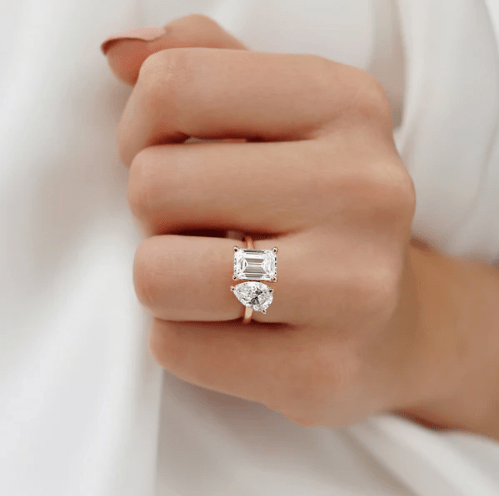
    The engagement ring landscape in 2026 is filled with personality, symbolism and meaning, yet few designs capture the imagination of British couples quite like the Toi et Moi ring. Translating to “you and me,” this celebrated two stone design is one of the most romantic styles in the history of jewellery, and its resurgence has taken the UK by storm. Far from a passing aesthetic choice, the Toi et Moi ring mirrors how relationships themselves are changing. Couples are choosing designs that express equality, individuality and shared identity, and the symbolism of two stones meeting in perfect balance could not be more suited to contemporary love.

    In recent seasons, Toi et Moi rings have been seen everywhere from red carpets to social media feeds and editorial spreads. Publications such as Vogue and Cosmopolitan UK have covered the trend extensively, describing the style as a blend of heritage romance and modern luxury. It resonates with the rise of personalised engagement choices and the shift toward rings that tell stories rather than simply follow tradition. In its revival, the Toi et Moi ring has become a symbol of partnership in its most authentic form.

    To see why this centuries old design feels so radical again, we need to understand its origins, its revival in celebrity culture and the emotional language that defines its meaning in 2026.

    The Origins of the Toi et Moi Ring

    Toi et Moi designs have appeared throughout jewellery history, but their modern story begins in the late eighteenth century. Perhaps the most famous early example was the engagement ring Napoleon Bonaparte presented to Joséphine de Beauharnais in 1796. The ring paired a pear shaped sapphire with a pear shaped diamond, sitting side by side in a delicate gold setting that appeared almost minimalist by the standards of the time. It was a revolutionary gesture, uniting two stones to symbolise the joining of two souls, and it represented a shift toward intimate, meaningful engagement jewellery.

    During the Victorian era, sentimental symbolism flourished. Lovers used stones to spell out words, hide secret messages or evoke romantic metaphors. The Toi et Moi ring became a favourite because it could embody connectedness through its twin stones. This was a time when jewellery was understood not just as decoration but as a narrative device, a way of recording emotion and memory. Designs from the nineteenth century showcased diamonds paired with rubies or emeralds, sapphires matched with pearls, and even opals flanked by small rose cut diamonds. The aesthetic was deeply personal and often bespoke.

    The twentieth century brought a new chapter. Art Deco jewellers embraced geometry and bold contrast, and Toi et Moi rings were reimagined with angular settings, platinum mounts and stylised symmetry. It was during this period that the style began to appear in fine jewellery houses across Europe and North America, often featuring baguettes, asymmetric arrangements and unique gemstone pairings. What had once been a symbol of sentimental romance expanded into a fashionable and avant garde choice.

    The twenty first century saw the design recede temporarily as solitaire diamonds dominated the engagement ring market. But today, in 2026, the Toi et Moi is not just back; it has become one of the defining aesthetic movements in UK engagement jewellery.

    The Celebrity Revival

    In the world of fashion and engagement rings, cultural influence often begins with a single moment. The New York Times and BBC News Entertainment have both noted the power of celebrity engagements in shaping consumer tastes. The Toi et Moi ring owes part of its 2020s resurgence to several high profile engagements that reintroduced the design to the global stage.

    The most widely publicised example is the ring worn by Ariana Grande. Her engagement ring, featuring an oval diamond paired with a lustrous pearl, sparked a surge of interest in asymmetric two stone designs. The pairing felt modern yet nostalgic, and the softness of the pearl alongside the precision of the diamond demonstrated how versatile the Toi et Moi format can be.

    Another celebrity who embraced the design is Megan Fox, whose striking Toi et Moi ring features a brilliant white diamond set alongside an equally dramatic emerald. The bold contrast between the two stones became one of the most shared ring images of the year, with fashion commentators at Vogue describing it as a statement of passion and individuality.

    Emily Ratajkowski also helped redefine the modern two stone look. Her elongated princess cut diamond paired with a pear cut stone created an architectural composition that resonated with minimalist jewellery enthusiasts. The design broke away from symmetry and embraced an artistic approach to engagement jewellery, one that reflected her broader fashion sensibilities and the rise of quiet luxury as a visual language.

    The influence of onscreen romance cannot be underestimated either. Shows and films with high impact costume design often bring historical jewellery styles into mainstream attention. As The Guardian observed in a recent piece on period drama influence, jewellery trends frequently mirror the imagery found in cinematic storytelling.

    Collectively, these cultural references helped transform the Toi et Moi ring from a niche historical piece into a contemporary must have.

    Why the Toi et Moi Ring Speaks to UK Couples in 2026

    The new generation of British couples is reimagining what engagement rings should represent. Instead of conforming purely to traditional formats, many want their rings to express identity, equality and partnership. The Toi et Moi ring is uniquely suited to this shift because it places both stones in dialogue with one another. The symbolism is immediate and universal. Two stones. Two people. One union.

    This symbolic equality aligns deeply with the values of Gen Z and Millennials. These generations have grown up questioning traditional structures and embracing more personalised expressions of love. Engagement rings are no longer objects to be hidden away; they are expressions of personality and aesthetic preference, and in many cases, reflections of shared values such as sustainability, individuality and emotional connection.

    The Toi et Moi ring is also perfectly aligned with the rise of mixed gemstones in British engagement choices. As Cosmopolitan UK recently reported, couples are increasingly opting for rings that blend colour, shape or texture. Pairing a diamond with a sapphire, a ruby, a morganite or even a lab grown coloured gemstone allows couples to create visual meaning without sacrificing elegance.

    Another factor in its popularity is its adaptability across price points. The two stone design allows for creative combinations of size and quality that offer substantial presence without necessarily increasing cost. For some couples, the ability to select a lab grown diamond for one stone and a coloured gemstone for the other opens up design possibilities that feel luxurious, ethical and unique.

    Finally, the modern fascination with asymmetry has helped the Toi et Moi ring resonate with contemporary minimalist style. The look aligns with the 2026 jewellery aesthetic, which leans toward clean lines, subtle intricacy and understated glamour. Publications such as Vogue and Financial Times have both remarked on the shift toward quiet luxury, a movement characterised by refined elegance rather than overt extravagance. The Toi et Moi ring fits beautifully within that stylistic universe.

    The Historical Symbolism of Paired Stones

    Paired stones have always carried symbolic weight. In the nineteenth century, pairing stones of different colours hinted at contrast and harmony. In Art Deco jewellery, geometric pairings spoke to modernity and progress. In contemporary design, the meaning has evolved again.

    For many UK couples, the two stones represent shared values or complementary strengths. Others view them as markers of separate life journeys converging into one partnership. Some choose stones that reference personal stories, such as birthstones, favourite colours or heirloom gemstones repurposed into new settings.

    This narrative quality is integral to the Toi et Moi ring’s appeal. It is one of the few engagement ring styles that is inherently expressive. While a solitaire diamond conveys timeless tradition, a two stone ring communicates depth, nuance and individuality.

    The Role of Social Media

    Social media has increased awareness of distinctive ring designs. Platforms such as Pinterest and Instagram have made two stone rings widely visible, and editorial features on bridal fashion sites often highlight the style for its romantic symbolism. As BBC Culture observed in a recent article, contemporary couples are more visually driven than ever when choosing engagement jewellery, often gathering inspiration from digital platforms before visiting a jeweller or designer.

    This visibility has created a feedback loop. The more couples share their two stone rings, the more others begin imagining how the style might suit their own aesthetic. The personal nature of the design makes it especially popular for social storytelling.

    2026 Style Variations

    The modern Toi et Moi ring takes many forms. Some adopt a traditional mirrored arrangement where two identical stones sit side by side. Others embrace asymmetry by pairing shapes such as oval with pear, emerald cut with round brilliant, or marquise with cushion. Colour has become a major influence, with many couples selecting a diamond alongside a gemstone that holds personal meaning.

    Minimalist and sculptural designs are particularly in demand. Thin bands, hidden halo details and softly curved settings dominate the market, aligning the style with contemporary British aesthetics. The trend also reflects the broader shift toward rings that feel delicate, wearable and timeless.

    Conclusion

    The Toi et Moi ring has reemerged as one of the most culturally relevant, emotionally resonant and visually striking engagement ring styles in 2026. Its symbolism of unity, equality and individuality speaks directly to the values of modern British couples. Its long history, celebrity revival and design versatility make it a natural choice for those seeking something meaningful yet distinctly modern.

    As UK engagement trends continue to evolve, the Toi et Moi ring stands out as a design that connects past and present, romance and artistry, personal expression and shared identity. It is a reminder that engagement rings are more than ornaments. They are symbols of who we are, who we love and the stories we choose to tell.

  • The Diamond Colour Renaissance: Why Warm Tones Are Back for 2026

    For decades, the engagement ring world has been dominated by the icy, colourless diamond. Its cool brilliance became synonymous with luxury, status and tradition. Yet moving into 2026, a noticeable transformation is unfolding in Britain’s jewellery culture. Diamonds with warm tones such as champagne, honey, cognac and subtle gold infusions are stepping back into the spotlight, offering a romantic alternative to the classic white diamond. This shift is more than a fleeting trend. It reflects deeper changes in taste, storytelling and cultural identity.

    According to Vogue UK, British couples are increasingly turning to diamonds with personality, warmth and distinctive hues because they feel expressive rather than conventional. These diamonds stand out quietly rather than loudly, capturing the sensibility of modern luxury, which prioritises meaning over spectacle. The rise of warm toned diamonds mirrors broader cultural movements in which individuals choose objects that reflect personal identity rather than adhering to long held norms.

    The renewed appreciation for diamond colour can also be traced to changes in global fashion. As The Guardian Fashion notes, warm neutrals, soft golds and earth inspired palettes have dominated both runways and interior design. Jewellery, as always, is following suit. Engagement rings now echo this aesthetic shift, with buyers gravitating toward stones that complement natural skin tones and create a softer, more intimate glow.

    In contrast to the bright, high contrast look of a colourless diamond, warm toned stones evoke a romantic, vintage style reminiscent of historical eras. The Edwardian and Art Deco periods, for instance, frequently showcased coloured and tinted diamonds, long before colour grading systems became the industry standard. Today’s revival reflects a growing fascination with craftsmanship of the past, which BBC Culture describes as “a return to storytelling through objects.” Warm toned diamonds are rarely identical, and this individuality offers a sense of character that appeals to buyers seeking something meaningful rather than mass produced.

    There is also a shift in what modern luxury represents. Once defined by excess, today’s luxury is shaped by subtlety, responsibility and personal narrative. As The Financial Times argues, luxury in 2026 is increasingly “quiet, considered and intelligent.” Warm toned diamonds fit perfectly into this new definition because they are understated yet distinctive. They glow rather than sparkle aggressively, creating an effect that feels sophisticated and effortless.

    Celebrity influence plays a role as well. Engagement rings worn by public figures often inspire widespread demand, and warm toned diamonds have appeared on red carpets, in film and in editorial shoots. As Cosmopolitan UK highlights, the new generation of celebrity engagements prioritises individuality and uniqueness. When a warm toned diamond appears on camera, it offers an alternative vision of romance that appeals to audiences tired of conventional choices.

    One reason for the revival of diamond colour is a growing appreciation for stones that embrace natural beauty. In the past, the jewellery industry heavily promoted the colourless ideal, suggesting that any hint of colour was a lesser stone. That viewpoint is now being challenged. Warm tones are increasingly seen not as imperfections but as features that add richness and depth. Buyers are more aware than ever that naturally occurring colours can make a stone feel rare and personal.

    The influence of film and television cannot be underestimated. Warmly toned diamonds often feature in period dramas and stylised productions. From gilded Edwardian sets to opulent modern fantasies, filmmakers use light and colour to shape visual stories. These on screen aesthetics influence real world jewellery choices, as The New York Times notes in coverage of cinematic styling trends. When audiences see glowing, honey toned jewellery on screen, they envision it in their own lives.

    Beyond style and fashion, warm toned diamonds also connect to emotional symbolism. Colour psychology suggests that golden and champagne hues evoke warmth, stability, nostalgia and comfort. In an age defined by uncertainty, these associations feel especially appealing. Engagement rings have always been deeply emotional objects. Choosing a warm coloured stone allows couples to embed additional layers of meaning into the piece, creating a ring that reflects not only love but also resilience and connection.

    The resurgence of coloured diamonds also highlights a renewed interest in artistry. Warm toned diamonds pair beautifully with yellow gold, rose gold and antique inspired settings, encouraging jewellers to rediscover design techniques from earlier periods. This has sparked a wave of creativity across Britain’s jewellery studios, particularly in areas such as London’s Hatton Garden and Birmingham’s Jewellery Quarter, where artisans are exploring texture, tapering, filigree and mixed metal designs. As BBC News reported, the demand for bespoke engagement rings continues to rise, and warm colour palettes offer greater room for experimentation.

    Lab grown diamonds are also influencing this trend. Because they allow for greater colour control at the point of creation, jewellers can now offer warm toned stones with exceptional clarity and consistency. This has helped reintroduce coloured diamonds to the mainstream market, making them more accessible than natural fancy diamonds, which can be rare and prohibitively expensive. As sustainability and transparency become deciding factors for younger buyers, the ability to choose lab grown diamonds without sacrificing colour or brilliance is a significant advantage.

    While colourless diamonds will always hold a cherished place in British jewellery culture, the rise of warm tones marks a fundamental shift in how couples perceive beauty. Rather than aspiring to the industry promoted ideal, they are choosing the diamond that feels right for them. This represents a broader move towards individuality in engagement ring design, one that aligns with the personalised approach to relationships embraced by Gen Z and millennial couples.

    The Diamond Colour Renaissance is not a rebellion against tradition but an expansion of it. It invites couples to reinterpret romance through their own lens, free from outdated rules. Whether it is the subtle glow of a champagne diamond or the deeper richness of a cognac tone, warm coloured stones offer a way to express love with intimacy and personality. As the trend continues to grow throughout 2026, these diamonds will undoubtedly become one of the defining symbols of modern British romance.

  • Minimalist Engagement Rings 2026 | The New UK Aesthetic

    The landscape of engagement ring design in 2026 feels markedly different from the bold, maximalist trends that dominated the early 2010s. Instead of oversized halos and elaborate multi-stone settings, British couples are now gravitating toward subtlety, refinement and quiet, confident beauty. The shift reflects broader cultural currents in fashion and lifestyle, where understated luxury and intentional choices carry more meaning than ornate displays of wealth. Publications such as Vogue UK and The Guardian have both noted that minimalism is becoming the defining design language of modern jewellery, and engagement rings sit firmly at the centre of this transformation.

    Minimalism, micro pavé and quiet luxury are not simply stylistic trends. They reflect deeper patterns in society, influenced by generational values, economic pressures, celebrity culture and a renewed appreciation for craftsmanship. As British couples continue to rethink what an engagement ring should represent, they are embracing designs that prioritise elegance, clean lines and authenticity. These rings are intentionally timeless, created to complement a lifetime rather than a season.

    The rise of the minimalist engagement ring can be traced partly to changes in how people express identity. According to BBC Culture, the modern aesthetic movement is driven by a desire for objects that feel sincere rather than performative. A carefully chosen solitaire or a micro pavé band communicates quiet confidence, allowing the stone and craftsmanship to speak for themselves. This is in sharp contrast to the social media driven extravagance that once captured attention, where size and spectacle often overshadowed substance. In 2026, couples are choosing rings that align more closely with their values and lifestyle, favouring refined beauty over theatrical display.

    Clean geometry sits at the heart of this new aesthetic. Slim bands, balanced proportions and precise metalwork create a sense of visual harmony. Round and oval diamonds continue to be popular because of their soft lines, but emerald cuts, step cuts and elongated shapes are gaining significant traction due to their architectural appeal. These geometric silhouettes pair beautifully with minimalist settings, allowing the natural symmetry of the stone to become the focal point. In a recent feature, Financial Times highlighted the increasing interest in angular diamond shapes, noting that their subtle elegance appeals particularly to couples seeking modern sophistication without overt ornamentation.

    Micro pavé, one of the most refined techniques in jewellery, has flourished alongside this minimalist movement. The technique involves setting very small diamonds closely together to create a continuous shimmer across the band. The effect is delicate rather than showy, offering a refined sparkle that catches the light without overwhelming the central stone. It is this understated radiance that has made micro pavé one of the hallmarks of quiet luxury. Cosmopolitan UK described micro pavé settings as “the perfect balance between sparkle and subtlety”, highlighting their ability to add detail without detracting from the simplicity of the overall design.

    The growing appeal of quiet luxury is undoubtedly tied to cultural influences. Television series, high fashion and even political shifts have shaped this movement, but the most influential factor has been celebrity style. Engagement rings worn by public figures known for their refined approach to fashion have become touchpoints for what British couples aspire to. The New York Times has repeatedly remarked on the cultural allure of quiet luxury, noting that celebrities are embracing pieces that feel intentional and timeless rather than flashy. When high profile figures choose elegant solitaires or micro pavé bands, their choices resonate widely with audiences who see understated jewellery as a symbol of confidence rather than caution.

    Economic sensibility has also played a major role in the rise of minimalist engagement rings. The past decade has seen fluctuations in financial stability, prompting many couples to prioritise designs that feel enduring and versatile. Minimalist rings pair easily with wedding bands and anniversary rings, reducing the concern that a bold or unusual design may clash with future pieces. This flexibility makes them appealing for long term wear and allows the wearer to build a cohesive jewellery collection over time. The minimalist approach is not merely an aesthetic choice but a practical one, suited to evolving lifestyles and personal tastes.

    Another reason this aesthetic has become dominant is the increasing emphasis on craftsmanship and quality over ostentation. British couples are approaching engagement ring shopping with a deeper interest in how a ring is made, where materials are sourced and what techniques are used. The Guardian has highlighted a significant rise in conscious consumerism, particularly among younger buyers who want their purchases to reflect ethical and environmental considerations. A minimalist ring naturally draws attention to the quality of its materials and the skill of its maker, since there are no elaborate details to distract from potential flaws. For many buyers, this transparency enhances the value of the piece.

    Micro pavé settings, with their meticulous precision, underscore this appreciation for craftsmanship. Each tiny stone is set individually by hand, requiring rigorous attention to detail. The result is a ring that feels luxurious not because it shouts for attention but because every element is executed with intention. Quiet luxury relies on this kind of understatement, where the artistry is evident in the quality rather than the quantity of decoration. BBC News recently discussed this shift in a feature on modern luxury consumption, noting that consumers are increasingly drawn to items that offer meaning and longevity over sheer extravagance.

    Minimalist engagement rings also align with the aesthetic preferences that dominate platforms such as Instagram and Pinterest. While social media once drove demand for oversized halos and highly decorated bands, the visual culture of 2026 leans toward airy, uncluttered compositions that highlight natural beauty. Photographers, influencers and stylists frequently showcase delicate bands, slim solitaires and micro pavé rings arranged in soft, muted palettes. These images have a calming quality that resonates with couples who want their engagement rings to feel effortless and modern. As trends circulate through social media, they reinforce the appeal of elegant simplicity and further establish minimalist designs as the standard for contemporary romance.

    The trend is also supported by broader shifts in fashion. Designers across Europe and the UK are championing pared back silhouettes, luxurious natural fabrics and subtle colour palettes. Jewellery trends often reflect fashion movements, and the engagement ring is no exception. The clean lines and subtle presence of minimalist rings complement current wardrobe staples such as structured coats, tailored trousers and soft knitwear. Engagement rings of 2026 are designed not just as symbols of commitment but as pieces that integrate seamlessly into daily life, reflecting personal style with ease.

    London, as one of the world’s leading jewellery capitals, continues to shape these trends. British designers have long been known for a balance of craftsmanship and restraint, blending tradition with contemporary influences. Minimalism suits this heritage well, allowing designers to showcase signature handwork while appealing to modern tastes. The appeal of London’s jewellery style has reached international markets, but it is within the UK that the minimalist engagement ring has found its most devoted following.

    Micro pavé continues to evolve, with newer techniques allowing even finer stones to be set more securely. These advancements create smoother, more comfortable bands that sit elegantly alongside engagement rings or stack with eternity rings. Couples often pair minimalist solitaires with micro pavé wedding bands, creating sets that radiate a soft, cohesive sparkle. The enduring appeal of micro pavé lies in its ability to enhance without overwhelming, offering a subtle brightness that feels timeless rather than trend driven.

    Looking ahead, it is clear that minimalism and quiet luxury will remain strong influences in engagement ring design. While jewellery trends inevitably evolve, the cultural forces driving simplicity and clarity in design are unlikely to fade soon. The appeal of beautifully crafted rings that communicate love through refined elegance rather than ostentation resonates deeply with British couples. These rings reflect a modern romance that values intention, authenticity and craftsmanship.

    The engagement ring aesthetic of 2026 embodies a quiet confidence. It prioritises the beauty of the stone, the precision of the metalwork and the meaning behind the design. In a world that increasingly celebrates individuality and sincerity, minimalist engagement rings stand as a thoughtful and timeless expression of love. Their simplicity is not a limitation but a form of freedom, allowing the wearer to express personal style while embracing a symbol that will endure through decades of change.

  • Why Emerald Cut Diamonds Are the Choice of UK Power Couples in 2026

    Why Emerald Cut Diamonds Are the Choice of UK Power Couples in 2026

    The emerald cut diamond has returned to the forefront of British luxury in a way few experts predicted. Once considered a niche, architectural choice reserved for connoisseurs, the emerald cut has transformed into the signature stone of influential couples across the UK in 2026. Its clean geometry, uninterrupted clarity and quiet confidence have made it the jewel of modern power pairings, reshaping engagement ring trends and redefining what prestige looks like for a new generation.

    As Vogue UK recently observed, the emerald cut has become “the modern symbol of assured elegance”, a style selected by those who do not need their jewellery to shout to be heard. Equally, The Guardian Fashion describes its rise as part of a wider shift towards “structural minimalism and meaningful luxury”, mirroring broader movements in architecture, design and culture. And as BBC Culture highlights, British buyers increasingly favour craftsmanship and geometry over maximalist sparkle, making the emerald cut a natural fit for 2026’s aesthetic values.

    The emerald cut carries a unique visual language in the jewellery world. Rather than the brilliant cut’s explosive light return, it presents long, glassy facets that create what experts call a “hall of mirrors” effect. This hypnotic play of light feels sophisticated rather than showy, refined rather than flamboyant. Power couples across the UK are drawn to this serene confidence, recognising that the emerald cut’s beauty comes not from excess, but from precision.

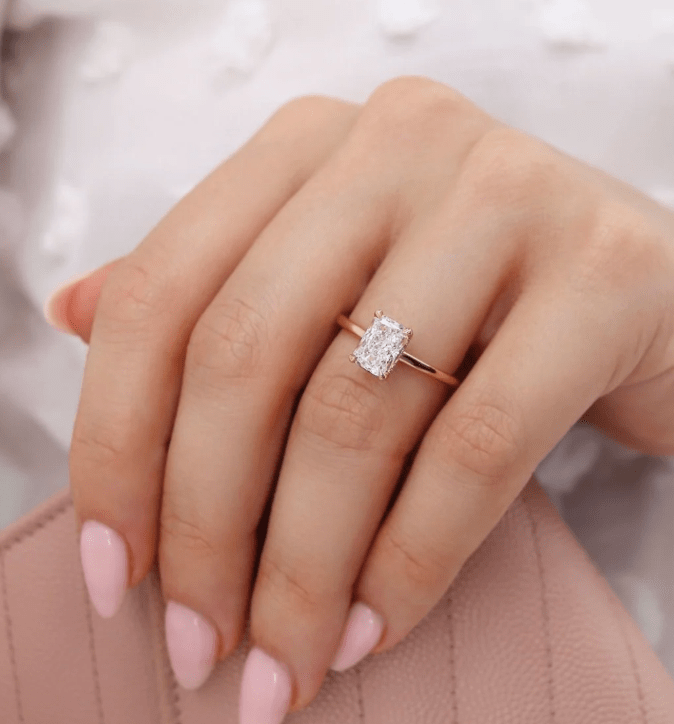
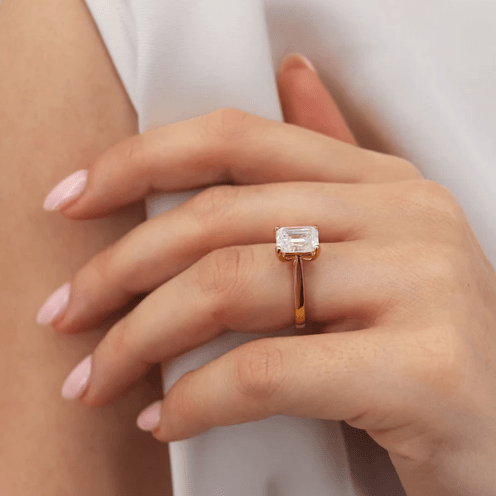
    Among the standout examples leading the trend is the Florence Emerald Cut Lab Diamond Solitaire, offered by Lily Arkwright, one of the UK’s most respected ethical jewellers. The Florence design, crafted with meticulous symmetry, crisp step-cut facets and a contemporary silhouette, has become one of the most admired rings for those seeking modern luxury.

    Its elegant simplicity embodies everything that makes the emerald cut the gem of 2026.

    The Appeal of Architectural Beauty

    The resurgence of emerald cut diamonds reflects a broader cultural appetite for architectural clarity. British design in 2026 leans heavily towards modernism, clean lines and balance. Homes, interiors and even fashion now embrace shapes that feel intentional and timeless. Engagement rings are simply the next extension of that taste.

    The step cuts in an emerald diamond appeal to those who appreciate craftsmanship over spectacle. Unlike brilliant cuts, which are engineered to mask inclusions with light refraction, emerald cuts demand a higher standard of diamond quality. As The Financial Times explains, “the emerald cut is a stone that leaves nowhere to hide”, making it the choice of buyers who want clarity, precision and honesty in their gemstones.

    This aligns perfectly with modern British couples who value authenticity. When a diamond is chosen not because it sparkles the most, but because it speaks to a deeper aesthetic confidence, the symbolism changes. The ring becomes a statement of taste rather than tradition, intention rather than expectation.

    Power Couples and the New Shape of Influence

    Celebrity influence often plays a role in stone trends, and the emerald cut is no exception. Over the past several years, high profile engagements across the entertainment, political and entrepreneurial worlds have shown a clear preference for emerald cuts. Rather than choosing oversized brilliant stones associated with earlier eras, public figures now gravitate towards powerful minimalism.

    As Cosmopolitan UK has pointed out, emerald cut stones have become “the ring for those who lead rather than follow”. The shape projects confidence without extravagance, making it the perfect match for 2026’s leaders, creators and innovators.

    The Florence design from Lily Arkwright echoes this aesthetic with precision. Its elongated silhouette sits low and graceful on the finger, offering a chic profile that suits both understated and statement wearers. The solitaire design lets the emerald cut diamond speak for itself, honouring the geometry rather than competing with it.

    Couples who choose emerald cuts often describe them as “grown up”, “intentional”, or “perfectly unflashy”. These are qualities particularly prized among UK buyers who value intelligence and modernity in their jewellery.

    Lab-Grown Diamonds Reinvent Luxury

    A major reason emerald cuts have surged in 2026 is the rise of lab grown diamonds. These stones, identical in composition and brilliance to mined diamonds, offer exceptional value, ethical sourcing and complete traceability. Their popularity has helped reintroduce precision cuts that require higher clarity standards, emerald cuts included.

    As The New York Times notes, lab grown diamonds have moved from a niche product to the mainstream, driven by environmentally conscious Millennial and Gen Z buyers. Their clarity and colour consistency makes them ideal for step cuts.

    Modern Romance and the Rise of Subtle Luxury

    One of the most notable shifts in 2026 is the growing preference among British couples for “quiet luxury”. This approach moves away from ostentatious displays and instead embraces refined choices rooted in quality and artistry. As BBC Lifestyle reports, subtle luxury has become one of the defining tastes of the decade.

    Emerald cut diamonds are the embodiment of this movement. Their elegance whispers rather than shouts, offering a style that feels elevated without being ornate.

    The Florence design captures this quiet luxury perfectly. Its sleek band and single central stone mirror the minimalist approach shaping British fashion, interiors and culture. The ring sits comfortably alongside everyday jewellery and fine pieces alike, making it versatile for modern lifestyles.

    A New Symbol for Modern Marriage

    Engagement rings have always been symbolic, but the meaning of that symbolism evolves with each generation. Today’s couples prioritise shared values, equality, sustainability and considered decision making. The emerald cut, with its purposeful lines and understated beauty, reflects these values beautifully.

    The hall of mirrors effect is often described as reflective and contemplative, a visual metaphor for transparency and depth in relationships. Unlike the sparkle driven brilliance of other cuts, the emerald cut invites a different kind of appreciation. It draws the eye inward, encouraging the wearer to appreciate clarity, balance and structure.

    This emotional dimension is one reason so many modern couples are selecting emerald cut rings in 2026.

    British Craftsmanship and the Return to Quality

    Another critical factor in the rise of emerald cuts is a renewed appreciation for craftsmanship within the UK jewellery landscape. British buyers increasingly want pieces that feel personal, intentional and well made. The resurgence of interest in local artisanship, highlighted in The Guardian Arts, reflects a cultural appetite for jewellery that stands the test of time.

    Lily Arkwright’s Florence design fits seamlessly into this movement. Meticulously crafted and designed with architectural precision, it celebrates the artistry of modern British fine jewellery. The brand’s emphasis on craftsmanship ensures that every emerald cut stone chosen meets the clarity and symmetry that this cut demands.

    Why the Emerald Cut Defines 2026

    Across culture, style, and changing values, the emerald cut has become the defining engagement ring choice of 2026 because it represents sophistication, ethics and self assured modernity. It speaks to couples who choose their future with intention and select their jewellery in the same spirit.

    With lab grown diamonds reshaping the meaning of luxury, and with UK buyers embracing thoughtful design over traditional prestige, the emerald cut feels more relevant than ever. The Florence emerald cut lab grown diamond solitaire by Lily Arkwright embodies this evolution perfectly, offering a contemporary, ethical and exceptionally beautiful choice for modern couples.

    It is not just a ring. It is the shape of modern British love.

  • How UK Couples Budget for Engagement Rings in 2026

    There was once a time when engagement ring budgeting was dictated entirely by convention. Jewellery advertisements from the mid twentieth century suggested that buyers should commit two or even three months of their salary to a ring. These guidelines did not reflect economic reality then, and they certainly do not reflect the lives of modern British couples in 2026. Today’s buyers navigate a far more flexible and thoughtful landscape, shaped by personal values, financial wellbeing and ethical preference.

    The idea of luxury has shifted. As The Guardian reported in a recent feature on contemporary jewellery buying habits, young consumers now prioritise meaning over materialism. A ring is no longer chosen for how much it costs but for what it represents. The emotional significance of the piece outweighs any formula based spending expectation. This change has brought welcome freedom to the process of budgeting.

    Part of this transformation stems from economic reality. The BBC has highlighted how British consumers have become more budget aware in recent years, balancing major life expenses alongside milestones like engagements. Couples now openly discuss finances, make collaborative decisions and choose rings that align with their long term plans. There is no longer an expectation that one partner must shoulder the entire cost alone or select a ring based on outdated cultural norms.

    The introduction of laboratory grown diamonds has also had a profound impact. These gemstones offer the same beauty as mined diamonds, yet they come at a lower price point and with clearer ethical credentials. This makes it possible for buyers to choose larger sizes or higher clarity grades without financial strain. Retailers like Lily Arkwright have been at the forefront of this movement, offering an exceptional range of lab grown diamonds through their collection at Lily Arkwright Lab Grown Diamonds. Their designs are carefully crafted, thoughtfully priced and created with modern life in mind.

    The concept of budgeting also extends to the available alternatives. Moissanite has emerged as one of the most compelling options for buyers who want brilliance without the traditional diamond price. Its optical performance rivals and even exceeds diamonds in certain settings, making it an increasingly popular choice. The moissanite designs available at Lily Arkwright Moissanite Collection allow couples to explore high quality options that complement a more flexible budget.

    One of the most significant budgeting advantages comes from the shift toward transparency. Traditional luxury retailers often add considerable margins to their diamonds. Ethical brands like Lily Arkwright maintain clear pricing structures that help couples understand exactly what they are paying for, without hidden markups or pressure. The clarity of their pricing model and their consumer friendly policies create a purchasing environment that encourages measured, financially comfortable decision making.

    Another important considerations is the value of aftercare. A strong returns policy gives buyers greater flexibility. Extended return windows are especially helpful for couples who want time to consider their purchase or who prefer to propose with confidence.

    In 2026, budgeting for an engagement ring is less about rules and more about reflection. A couple might begin by discussing what they want from their ring, whether it is size, craftsmanship, ethical origin or overall style. They may also consider how the purchase fits into their wider life plans. A thoughtful approach ensures that the ring becomes a symbol of shared intention rather than financial pressure.

    The freedom to choose is at the heart of modern budgeting. Whether a couple opts for a natural diamond, a lab grown diamond or a moissanite alternative, the decision rests on personal values rather than tradition. What truly matters is selecting a ring that reflects love and commitment without compromising financial wellbeing. In this new era of ethical luxury and transparent pricing, buyers can approach ring budgeting with confidence, clarity and a sense of individuality.

  • The Rise of the Black Diamond: Why UK Couples Are Turning to Dark, Alternative Engagement Rings in 2026

    Engagement rings have always carried enormous cultural weight in the United Kingdom, symbolising promise, permanence and personal expression. For more than a century, the traditional clear white diamond has dominated proposals, appearing in countless photographs, films and advertisements. Yet, as British couples increasingly pursue individuality and deeper symbolism in their jewellery choices, new trends are rising to challenge this long-held tradition. One of the most striking shifts of 2026 is the surge in interest surrounding black diamond engagement rings, a movement noted by publications including Vogue UK, BBC Culture and The Guardian Style.

    The appeal of black diamonds is not simply about colour. These stones carry mood, narrative and personality. They are bold without being ostentatious, romantic without being conventional, and sophisticated in a way that few other gemstones can match. As engagement rings become more aligned with personal identity rather than tradition, the black diamond has emerged as one of the most compelling symbols of contemporary romance.

    This article explores how black diamonds became a cultural force, why they are resonating with a new generation of British buyers and how both natural and lab grown versions offer gemstone lovers a fresh, meaningful alternative to the classic white diamond.

    A Shift in What British Couples Want from Engagement Rings

    In the past decade, the UK jewellery landscape has seen immense transformation. Younger buyers, especially Millennials and Gen Z, are challenging norms that once defined luxury. According to insights from The Guardian Lifestyle, modern proposals are increasingly shaped by individuality and creative self expression, rather than the expectation of a traditional solitaire diamond.

    What couples now look for includes:

    • distinctive gemstone colour
    • emotional symbolism
    • sustainable and ethical origins
    • affordability without loss of beauty
    • bold, expressive design

    As a result, engagement rings are moving away from a one size fits all aesthetic. Black diamonds, with their dramatic depth and unconventional beauty, sit at the centre of this shift.

    The rise of platforms like TikTok and Instagram has also played a major role. According to BBC News Technology, social media has radically altered purchasing behaviour by amplifying micro trends and visually bold jewellery styles. The black diamond is endlessly photogenic, offering a contrast that stands out brilliantly on camera and online, making it a favourite among creators and modern couples alike.

    What Actually Is a Black Diamond? The Science Behind the Stone

    Black diamonds differ significantly from white or coloured diamonds. Their deep colour is the result of numerous inclusions — graphite, pyrite or hematite — which fill the internal structure of the stone and create an opaque appearance. Unlike white diamonds, which rely on clarity and transparency, black diamonds are prized specifically for their dense, mysterious look.

    Natural black diamonds, also known as “carbonado,” are geologically rare and found mainly in Brazil and the Central African Republic. They have long fascinated gemologists because their formation process is still debated. Some researchers argue that they formed deep within the Earth like conventional diamonds, while others point to studies suggesting they may have originated from meteorite impacts. BBC Science has covered this scientific curiosity in features exploring unusual gemstones.

    Lab grown black diamonds, on the other hand, achieve their colour through controlled introduction of elements or through post growth treatments that create the signature dark appearance. These stones offer the same durability and hardness as natural diamonds, while providing greater consistency and affordability.

    Regardless of their origin, both natural and lab grown black diamonds are genuine diamonds. They share the same carbon structure, extreme durability and timeless appeal. What sets them apart is their visual drama and symbolic meaning.

    Why Black Diamonds Are Becoming a Leading Engagement Ring Trend in the UK

    1. They represent individuality and confidence

    Black diamonds are not subtle. They communicate a willingness to stand apart and a confidence in one’s own style. According to Vogue UK’s jewellery coverage, non traditional gemstones have become a hallmark of couples seeking engagement rings that reflect personality rather than expectation. The black diamond, more than any other stone, conveys boldness and modernity.

    2. They carry deeper emotional symbolism

    Black diamonds are frequently associated with strength, resilience and eternal connection. Their opaque colour suggests mystery and depth, making them appealing to couples who prefer symbolism with emotional richness. Unlike white diamonds, which traditionally represent purity, black diamonds are often interpreted as symbols of enduring love through life’s complexities.

    3. They pair beautifully with modern ring designs

    Jewellery designers increasingly celebrate minimalism, geometric settings and architectural silhouettes. Black diamonds blend seamlessly with these aesthetics, often appearing even more striking when set in yellow gold, rose gold or platinum. Their dark surface creates vivid contrast, giving engagement rings a sculptural, contemporary quality.

    4. They are durable enough for lifelong wear

    A diamond’s hardness has always been one of its strongest qualities. Black diamonds share the same top score of 10 on the Mohs scale, making them suitable for everyday wear. This makes them practical as well as visually compelling, something younger buyers prioritise according to The Guardian Style.

    5. They offer luxury at a more accessible price point

    Black diamonds are often more affordable than white diamonds, particularly in larger carat sizes. Lab grown black diamonds, which have surged in popularity, are even more accessible without sacrificing durability or appearance. This aligns with findings reported by BBC Business, which highlight increasing price sensitivity among younger luxury consumers.

    Natural vs Lab Grown Black Diamonds: What UK Buyers Need to Know

    Natural black diamonds

    • geologically rare
    • contain natural inclusions that create colour
    • often irregular in internal structure
    • typically more expensive

    Natural black diamonds have a raw, organic aesthetic and a deep historical appeal. Their rarity and unusual formation contribute to their allure, especially for buyers who want a gemstone with an intriguing story.

    Lab grown black diamonds

    • produced ethically and sustainably
    • offer predictable colour and clarity
    • significantly more affordable
    • suitable for bold, contemporary designs

    Lab grown black diamonds appeal to ethically minded couples and to those who want a larger, statement gemstone without stretching their budget. According to Vogue Business, sustainability continues to be a major motivator for younger luxury buyers, pushing demand for lab grown diamonds even higher.

    Cultural Influence: Why Black Diamonds Have Captured Public Imagination

    The resurgence of black diamonds is fuelled not only by fashion but by cultural storytelling. These stones have appeared in films, red carpet events and editorial photo shoots, often symbolising independence or defying tradition. Publications such as BBC Culture highlight how darker gemstones have risen in popularity alongside broader shifts towards alternative fashion and personalised aesthetics.

    Black diamonds have also become popular in gender neutral and unisex jewellery. Their minimalist depth suits a range of design preferences, making them one of the most versatile gemstones in contemporary engagement rings.

    Black Diamonds in Engagement Rings: Popular UK Styles in 2026

    Solitaire black diamond rings

    Clean, simple settings allow the diamond’s dark surface to dominate the design.

    Halo rings

    White diamond halos create striking visual contrast around a central black stone.

    Three stone rings

    The combination of white and black diamonds symbolises balance and partnership.

    Geometric and modern settings

    Sharp lines, asymmetric accents and unusual metalwork pair beautifully with black diamonds, as noted by trends covered in The Guardian Fashion.

    The Deeper Meaning Behind Choosing a Black Diamond

    Couples choosing black diamonds rarely arrive there by accident. The decision often reflects their shared identity and the qualities they value most. Themes frequently expressed by wearers include:

    • independence from tradition
    • emotional depth
    • strength in partnership
    • preference for modern rather than classic aesthetics
    • desire for an engagement ring that stands out

    Black diamonds are not simply an alternative; they are a statement. As Vogue UK has described in its coverage of coloured gemstone trends, today’s rings are as much about personal storytelling as they are about sparkle.

    Conclusion: Why Black Diamonds Are Here to Stay

    The rise of the black diamond is part of a broader movement towards individuality, sustainability and authenticity in the UK jewellery market. Whether natural or lab grown, these gemstones offer couples a chance to choose something with character, depth and meaning. They celebrate elegance without imitation, and they defy the expectation that engagement rings must look a certain way to be meaningful.

    From their scientific intrigue to their visual drama, black diamonds have become one of the most exciting gemstones in modern British proposals. Their growing popularity reflects a cultural shift towards personal expression, emotional authenticity and bolder definitions of romance. As UK couples continue to embrace jewellery that reflects their identity, the black diamond is set to become one of the defining engagement ring trends of this decade.

  • Do Engagement Ring Myths Still Matter? British Couples Say No in 2026

    Do Engagement Ring Myths Still Matter? British Couples Say No in 2026

    For generations, engagement rings in Britain carried a set of unwritten rules. There was the so-called three-month salary rule, the belief that only mined diamonds were worthy of “forever”, and the idea that bigger was always better. These traditions shaped proposals, budgets and expectations for decades. Yet, in 2026, British couples are rewriting the script. The symbolism of an engagement ring remains powerful, but the old myths that once guided the purchase are losing their relevance.

    Modern romance is defined by autonomy and shared values rather than outdated marketing narratives. As BBC Lifestyle highlights in its features on changing relationship trends, today’s couples want decisions that reflect their priorities rather than inherited cultural norms. Engagement ring shopping is no exception. More couples than ever are choosing rings based on ethics, craftsmanship and personal meaning. The myths that once dictated what a ring should cost or look like are being replaced by thoughtful, informed choices.

    A major driver of this shift is access to transparent information. Publications such as Vogue UK and The Guardian have dedicated significant coverage to sustainable jewellery, the rise of lab grown diamonds and the benefits of working with ethical jewellers. This shift in public conversation has empowered buyers to ask better questions, understand their options and challenge outdated assumptions.

    One brand that has been instrumental in this movement is Lily Arkwright, known for its ethical values and modern approach to luxury. Their collections, including lab grown diamonds, offer clarity, sustainability and craftsmanship for buyers who want meaningful alternatives to traditional mined stones:

    The Three Month Salary Rule: A Marketing Myth the UK Has Finally Outgrown

    The three month salary guideline is perhaps the most persistent engagement ring myth of the last century. Created in the mid-1900s as part of a global advertising campaign, it framed ring buying as a measure of commitment rather than an expression of love. For many couples, it created pressure and financial strain that overshadowed the joy of the moment.

    Today, British couples overwhelmingly reject this concept. According to recent cultural analysis from The Guardian, millennials and Gen Z are prioritising financial stability, homeownership goals and ethical spending over grand symbolic gestures. Rings are chosen based on beauty, durability and personal meaning, not arbitrary spending expectations.

    The growing popularity of lab grown diamonds reflects this. They offer the same brilliance and structure as mined diamonds but with significantly more accessible pricing, allowing couples to choose higher clarity or larger stones without stretching their budgets. Lily Arkwright’s transparent pricing and gemological detail make this decision easier, removing any stigma around choosing the option that makes the most sense for each couple.

    Myth: Only Mined Diamonds Count as “Real”

    Another long standing misconception is that lab grown diamonds are somehow “inferior” to mined stones. This belief was once reinforced by limited public knowledge and industry tradition. However, as BBC News and Financial Times have reported, lab grown diamonds are scientifically identical to mined diamonds in every property that matters: hardness, fire, sparkle and durability.

    A lab grown diamond is a diamond. It simply forms in a controlled environment rather than deep within the earth. For many British buyers, this scientific clarity is liberating. They can choose a stone for its optical qualities and ethical transparency without worrying about tired stigma.

    This shift has been reinforced by increasing attention to sustainability. Young couples want to know where their gemstones come from. They want to understand environmental impact and labour practices. Lab grown diamonds, especially those curated by ethical specialists such as Lily Arkwright, answer these concerns directly while delivering breathtaking beauty.

    Myth: Bigger Diamonds Mean Stronger Love

    The “bigger is better” mentality once dominated engagement ring shopping. Couples were often encouraged to select the largest stone their budget could stretch to, even if that meant compromising on clarity or colour. But a diamond’s beauty lies in its proportions, symmetry and light return rather than its size alone.

    As Vogue UK notes in its jewellery trend forecasts, British buyers in 2026 value craftsmanship, setting design and ethical credentials far more than carat weight. Oval, emerald and radiant cuts have gained popularity because they offer elegance and finger coverage without relying solely on size.

    This refined appreciation of design suits brands like Lily Arkwright, which focuses on balanced proportions and exceptional cutting. Their settings are crafted to highlight the natural beauty of each stone rather than simply maximising size. A well-cut lab grown diamond often appears more radiant than a larger but poorly cut mined diamond, and couples are increasingly aware of this.

    Myth: Engagement Rings Must Follow Tradition

    Tradition still holds sentimental value, but it no longer dictates the engagement ring experience for younger generations. As Cosmopolitan UK observed in its recent feature on modern proposals, couples now create their own rituals. Some choose coloured gemstones. Others prefer minimalist bands or alternative shapes such as oval cuts. Many design rings together, embracing transparency and personal choice.

    Natural diamonds and lab grown diamonds both still play important roles in the modern market, but buyers are open to exploring every option that aligns with their values. This broadens the definition of what an engagement ring can be. It becomes an expression of character rather than conformity.

    Lily Arkwright supports this movement by offering bespoke services and a wide range of cuts, from classic round brilliants to contemporary ovals and elongated shapes. Their commitment to ethical sourcing gives couples confidence that their ring reflects not only their story but their principles too.

    Myth: Good Diamonds Must Come from Large High Street Jewellers

    High street jewellers once dominated the UK market, but buying habits have shifted dramatically. Online retailers who offer transparency, certification, gemological detail and strong returns policies have become the preferred choice for younger buyers.

    BBC News Business has noted the growing consumer preference for direct-to-consumer luxury brands that offer better value and clearer ethical assurances. Buyers want to see certification, grading reports and provenance, not just attractive store displays.

    Lily Arkwright’s approach aligns with this preference. Their website provides detailed gemstone information, high resolution imagery and educational resources that allow couples to compare stones confidently. The brand’s strong customer reviews reflect a shopping experience built on trust rather than upselling.

    Myth: Engagement Rings Cannot Be Ethical or Sustainable

    The belief that luxury jewellery must come at a cost to the environment or human rights is rapidly becoming outdated. Sustainability is one of the strongest priorities for Gen Z and millennial buyers, and the jewellery industry has undergone significant transformation as a result.

    Lab grown diamonds offer a clear and traceable alternative to mining. They require no excavation, no large scale land disruption and no complex supply chains. Ethical lab grown options have become a defining feature of the modern engagement ring landscape.

    Lily Arkwright’s commitment to ethical production is demonstrated through their sustainability ethos and emphasis on transparency.

    This shift reflects a broader societal movement towards conscious consumption, something that has taken hold across fashion, beauty and lifestyle sectors as highlighted by The Guardian’s reporting on ethical luxury trends.

    The New Rules of Engagement

    As 2026 unfolds, British couples are embracing a new era of engagement ring buying defined by personal meaning, ethical clarity and modern design. The myths that shaped previous generations no longer resonate. Instead, love stories are being expressed through thoughtful choices that reflect shared values and contemporary aesthetics.

    Natural diamonds remain cherished, but lab grown diamonds have become equally respected. Large stones are admired, but only when paired with exceptional craftsmanship. The best engagement rings are no longer defined by marketing traditions but by emotional authenticity and responsible choices.

    In this landscape, ethical jewellers such as Lily Arkwright play a vital role. Their dedication to sustainability, craftsmanship and customer centric service offers a blueprint for what modern luxury can be. As more couples reject outdated myths, the engagement ring becomes not just a symbol of romance but a reflection of the values that underpin a lasting relationship.

  • The Truth Behind Black Friday Sales | Ethical Jewellery UK

    The Truth Behind Black Friday Sales | Ethical Jewellery UK

    Black Friday used to be a predictable moment in the British retail calendar. Advertisements shouted about “once in a lifetime deals”, shoppers queued outside stores before sunrise and the idea of securing a bargain became as much a cultural ritual as it was a commercial event. Yet, in 2025, something very different is happening. The shine of Black Friday has faded and younger consumers, particularly Gen Z and many Millennials, are no longer impressed by artificial markdowns or pressure-driven sales events.

    For years, consumer watchdogs and investigative journalists have pointed out that many so-called “major discounts” were far less genuine than they appeared. Prices were inflated weeks before, “sale” labels disguised average pricing and the psychology of urgency was used to drive unnecessary consumption. Gen Z, a demographic known for digital literacy, social awareness and environmental consciousness, has largely rejected this model. They are not prepared to reward brands that rely on misleading tactics or heavy-handed promotion.

    Instead, a new movement is taking shape across the UK. More ethical retailers are stepping forward with transparent, values-driven alternatives that reflect the changing expectations of modern customers. One such example is Lily Arkwright, an ethical fine jewellery retailer whose approach to Black Friday offers a glimpse into the future of fair, responsible luxury. This shift raises a larger question: If Black Friday no longer represents real value, what does? And how are ethical brands redefining the retail landscape?

    Why Gen Z No Longer Trusts Black Friday

    Research across the UK shows that younger shoppers are significantly more critical of large-scale sale events than previous generations. A series of reports from BBC News and The Guardian have underscored a growing mistrust around major discount days. Investigations have repeatedly shown that many products are not significantly cheaper on Black Friday compared with normal seasonal pricing.

    This generation is also more sceptical of retail psychology. They recognise urgency tactics for what they are and resent pressure to buy items because a countdown timer claims that time is running out. They value honesty, traceability and fair pricing all year round. The rise of social media platforms such as TikTok and Instagram, where retail transparency is openly discussed, has also accelerated this shift.

    For Gen Z, authenticity is the ultimate currency. They gravitate towards brands whose behaviour aligns with their values around sustainability, responsible consumption and genuine pricing rather than manipulative discounting.

    The Environmental Cost of Artificial Discount Culture

    One of the most important drivers behind the decline of Black Friday is environmental concern. Promotional sales often encourage impulse buying, rapid consumption and waste. According to BBC Environment, single-day discount events contribute significantly to carbon emissions due to increased shipping, returns and packaging waste.

    Fast fashion and fast homeware brands have been particularly criticised for offering ultra-low prices that mask low-quality materials, unsustainable manufacturing processes and unfair labour conditions. Gen Z is acutely aware of these issues and actively avoids engaging in consumption that contributes to environmental harm.

    This has led many consumers to seek out brands that reject the Black Friday model entirely and instead prioritise ethical materials, sustainable sourcing and long-lasting products. In the fine jewellery space, this includes the use of lab grown diamonds, recycled metals and transparent manufacturing practices. There is a clear appetite for better, not cheaper.

    The Rise of Ethical Retail Alternatives

    A growing number of brands across Britain are taking a very different approach to the winter shopping season. Rather than heavily discounting their products and risking the devaluation of their craftsmanship, they focus on consistent pricing and customer-centric values. Transparent policies, meaningful warranties, high level service and genuine product quality are offered instead of superficial percentage reductions.

    This is where retailers such as Lily Arkwright stand out. Instead of participating in artificial price drops or inflated pre-sale costs, the brand has developed a Black Friday alternative that reflects its core values of honesty, sustainability and long-term value. Their Black Friday page demonstrates this clearly.

    Rather than encouraging impulse buying, Lily Arkwright emphasises fair pricing, ethical gemstone sourcing and thoughtful purchasing decisions. Their entire business model is built on consistent everyday value, not seasonal gimmicks.

    What Ethical Luxury Looks Like going into 2026

    Ethical luxury is not merely about materials, although those are critically important. It is also about fairness, long-term guarantees, skilled craftsmanship and a transparent relationship with customers. Brands embracing ethical luxury tend to offer:

    Clear, honest pricing year round

    Customers know that they are paying a fair price based on quality and craftsmanship rather than seasonal manipulation.

    Extended returns windows

    A sign of trust and confidence in the product, not pressure to keep a purchase.

    Ethical and sustainable materials

    Consumers increasingly seek jewellery made from lab grown diamonds, responsibly sourced natural gemstones and recycled metals.

    Transparency in manufacturing

    Younger buyers expect brands to disclose where, how and by whom their products are made.

    Investment in social good

    Projects, initiatives and philanthropic contributions matter deeply to modern consumers.

    In this landscape, Black Friday discounting feels outdated and incompatible with the values of environmentally conscious Britons.

    Case Study: How Lily Arkwright Reframes Black Friday

    Lily Arkwright’s approach to Black Friday is rooted in ethical pricing and honesty. Their Black Friday page outlines their stance clearly. Instead of deep discounts, they focus on:

    Fair pricing across all seasons

    No artificially inflated prices in October, no dramatic markdowns in November. Customer trust is prioritised over marketing theatrics.

    Exceptional quality and certifications

    Every diamond and gemstone sold is carefully graded and certified. Many pieces feature ethical and sustainable lab grown diamonds, which appeal strongly to Gen Z buyers.

    Meaningful customer protections

    This includes extended returns, strong warranties and expert customer care.

    Sustainable luxury at the core

    Customers increasingly want jewellery that is crafted with intention, and Lily Arkwright’s lab grown diamond collections align perfectly with this trend.

    Their approach demonstrates the future of British luxury: considered, ethical and honest.

    How Gen Z Is Redefining Value

    Value used to mean discounted price. Now it means long lasting quality, ethical production and authenticity. Younger buyers are willing to invest more in a piece if the brand aligns with their ethics. They also care deeply about the story behind the product.

    This is particularly significant in engagement jewellery, where sentiment, symbolism and personal meaning matter deeply. Rather than rushing to buy a discounted ring on Black Friday, couples prefer to choose a jeweller who prioritises ethical sourcing, long term durability and meaningful craftsmanship.

    Brands that rely heavily on seasonal price cuts may find themselves falling behind those that promote genuine year round value.

    Why Discount Culture Is Losing Power

    There are several key reasons that discount culture is losing momentum:

    It feels outdated

    Younger audiences prefer a slower, more mindful purchasing approach.

    It erodes trust

    If a product is suddenly 40 percent cheaper in November, it raises questions about the original price.

    It encourages waste

    Many Black Friday purchases are returned, unused or short lived.

    It undermines craftsmanship

    Steep discounts imply that products lack intrinsic value.

    Ethical brands recognise this and are consciously stepping away from high pressure sales cycles.

    What the Future of Winter Shopping Looks Like

    Looking ahead, it is likely that Black Friday will continue to decline in influence across the UK. Instead, British shoppers will navigate the holiday season with a new set of priorities:

    Transparency over hype

    Consumers want to see exactly why something costs what it does.

    Ethical sourcing over cheap deals

    Sustainability will increasingly outweigh short term discounts.

    Evergreen pricing over fluctuating sales

    Fairness will be valued more than promotions.

    Quality over quantity

    Better products, bought less often.

    Brand values over marketing tactics

    Younger consumers choose brands whose behaviour reflects their own ethics.

    Lily Arkwright’s approach symbolises this shift. By rejecting artificial discount culture and focusing on genuine value, they represent the future of responsible British luxury.

    Conclusion: The New Alternative to Black Friday

    Black Friday is no longer the cultural or commercial force it once was. Gen Z and ethically minded British buyers have seen through inflated discounts and manipulative urgency tactics. Instead, they seek brands that value transparency, sustainability and long term commitment to craftsmanship.

    Ethical retailers such as Lily Arkwright prove that there is a better way forward. Their approach to Black Friday demonstrates how brands can uphold fairness, authenticity and quality without resorting to superficial markdowns.

    The new alternative to Black Friday is not another sale. It is a shift in mindset. It is a commitment to responsible retail. And it is a reminder that true value cannot be reduced to a countdown timer.

  • Yellow Gold and Its Enduring Story: From Ancient Symbolism to the Modern Engagement Ring

    Yellow Gold and Its Enduring Story: From Ancient Symbolism to the Modern Engagement Ring

    Yellow gold has always held a magnetic pull in human history. From the earliest civilisations that revered it as a celestial metal to today’s modern couples choosing it for its warmth, heritage and timeless elegance, yellow gold remains one of the most enduring materials in the world of jewellery. Its journey is layered with mythology, power, craftsmanship and romance, and its presence in engagement rings tells a story of continuity through changing tastes.

    In recent years, yellow gold has surged back into popularity, particularly among British couples who are rediscovering its classical beauty. Publications such as Vogue UK have noted a renewed appreciation for its rich tone and vintage charm, while BBC Culture highlights how gold has resurfaced across fashion, interior design and personal accessories as part of a wider return to warm neutrals. Yet this rise is not simply a trend but a cyclical return to something deeply rooted in global history.

    This article explores the full story of yellow gold, from its ancient origins to its place in modern British engagement rings, examining why it remains an unparalleled choice for couples seeking beauty, symbolism and craftsmanship. One example of its relevance today can be seen through ethical jewellers such as Lily Arkwright, whose contemporary takes on yellow gold engagement rings continue to resonate with today’s buyers.

    A Metal of Myth and Majesty: The Ancient Roots of Yellow Gold

    Few materials have shaped civilisation as profoundly as gold. Its earliest recorded use dates back over 6,000 years, with ancient cultures across Mesopotamia, Egypt and South America attributing divine qualities to its warm glow. Gold did not tarnish, corrode or discolour, which led ancient societies to associate it with the sun, immortality and the gods.

    The Egyptians famously used yellow gold to craft ceremonial jewellery, crowns and funerary objects. The Guardian has covered archaeological discoveries revealing gold rings, pendants and amulets placed alongside pharaohs in tombs, signifying eternal life. Its rarity, paired with its beauty, made it a material of profound spiritual and political value.

    Across the ancient world, the symbolism was similar. In Greek mythology, gold was considered the flesh of the gods. In the Inca Empire, it was thought to be the sweat of the sun. In India, gold has long been a cultural cornerstone, representing purity, prosperity and familial honour. These meanings persist today, contributing to yellow gold’s enduring emotional weight in jewellery.

    Gold as Currency, Status and Art: The Classical and Medieval Eras

    As civilisations expanded, gold transitioned from divine symbolism to a major element of early economics. The first known gold coins were produced in the ancient kingdom of Lydia in the seventh century BC, marking the beginning of gold’s influence in trade and empire building.

    During the Roman era, gold jewellery became a symbol of citizenship and power. Roman rings, bracelets and ceremonial chains were typically crafted in warm yellow hues that highlighted the metal’s lustre. According to BBC History, gold stood at the heart of imperial propaganda, representing stability and authority.

    In medieval Europe, goldsmiths emerged as respected artisans, crafting intricate filigree and devotional pieces for nobility and clergy. Gold also became central to marriage traditions, with early betrothal rings often fashioned from simple gold bands. Many of the customs we recognise today, including the exchange of rings, trace back to these eras.

    The Georgian and Victorian Eras: Yellow Gold as Romance and Sentiment

    During the Georgian period (1714 to 1837), yellow gold experienced a flourishing revival. Jewellery from this era reflected elegance, symmetry and ornate detailing. The use of yellow gold was connected to notions of refinement, wealth and propriety.

    In the Victorian era, jewellery took on a more romantic and symbolic character. This period saw the rise of acrostic rings, designs incorporating gemstones whose first letters spelled out secret messages of affection. Yellow gold provided the perfect backdrop for these sentimental creations.

    Queen Victoria herself helped shape jewellery trends of the time. BBC History Extra notes that her fondness for gold, lockets and sentimental motifs heavily influenced British style. Engagement rings began to incorporate coloured gemstones, ornate gold settings and floral motifs that reflected the tastes of the era.

    Art Deco Modernism to Mid-Century Minimalism: Gold Through the 20th Century

    The early 20th century brought dramatic shifts in design. The Art Deco movement embraced geometric shapes, architectural lines and luxurious materials. Yellow gold was occasionally overshadowed by platinum during this time, especially in the 1920s and 1930s when platinum engaged the imagination of designers seeking a cooler, more industrial aesthetic.

    After World War II, gold regained prominence as platinum became scarce. By the 1950s and 1960s, yellow gold was once again at the forefront of jewellery design, symbolising optimism, glamour and prosperity. Hollywood stars of the era often wore yellow gold on screen, fuelling its popularity among the public.

    The Revival of Yellow Gold in Contemporary Jewellery

    The early 2000s saw a surge in white metals such as platinum and white gold. Yet, as Vogue UK has charted, warm toned jewellery began making a significant comeback around 2015. By 2026, yellow gold has firmly re-established itself as a major trend in British engagement rings.

    There are several reasons for this renewed appeal:

    1. Warmth and versatility

    Many shoppers appreciate the way yellow gold complements a range of skin tones and enhances the sparkle of diamonds and gemstones.

    2. Vintage and heirloom trends

    Yellow gold aligns with the ongoing interest in vintage-inspired styles and heritage craft. Engagement rings inspired by antique Georgian, Victorian and Edwardian designs often feature yellow gold for authenticity.

    3. Ethical considerations

    Consumers today are more ethically minded, valuing traceability and responsible sourcing. Ethical jewellers such as Lily Arkwright emphasise transparency in material sourcing, offering modern yellow gold designs crafted with care

    4. Durability and longevity

    Gold alloys used in modern rings, especially 18k yellow gold, offer excellent strength for everyday wear while retaining the rich colour that makes the metal so desirable.

    Yellow Gold in Engagement Rings: Why It Endures

    Choosing an engagement ring is as much an emotional decision as it is a practical one. Yellow gold remains a leading choice for British couples because it carries a sense of permanence, craftsmanship and romantic tradition.

    Symbolism

    Yellow gold has always represented warmth, devotion and constancy. Its historical association with eternity aligns naturally with the meaning of an engagement.

    Compatibility with gemstones

    Whether paired with diamonds, emeralds, sapphires, rubies or contemporary stones like lab grown alexandrite, yellow gold enhances colour and brilliance with striking contrast.

    Design flexibility

    From minimalist solitaires to ornate vintage settings, yellow gold adapts beautifully to a wide range of aesthetics.

    Timeless appeal

    Unlike trend-driven metals, yellow gold has never truly gone out of style. Its resurgence simply reflects an ongoing appreciation for its beauty.

    The Role of Alexandrite and Other Gemstones in Contemporary Yellow Gold Rings

    While diamonds remain the most recognised engagement stone, coloured gemstones are rising in popularity. One of the most fascinating is alexandrite, a gem celebrated for its remarkable colour changing properties. Natural alexandrite is extremely rare, originally discovered in Russia’s Ural Mountains.

    Recent innovations have made lab grown alexandrite more accessible while retaining the gemstone’s enchanting colour shift from green to purplish red. Ethical jewellers such as Lily Arkwright offer lab grown alexandrite set in modern yellow gold designs through collections

    The combination of alexandrite and yellow gold creates a luxurious and unusual aesthetic, appealing to couples who want a ring that feels personal and extraordinary.

    Craftsmanship and the Modern British Jewellery Scene

    The resurgence of yellow gold aligns with a broader revival in British jewellery craftsmanship. Workshops across London’s Hatton Garden, Birmingham’s Jewellery Quarter and Edinburgh’s independent studios continue traditions that date back centuries.

    According to The Guardian, there has been a significant rise in artisan jewellery and bespoke commissions. Many couples now seek meaningful, handcrafted pieces that reflect their identity rather than mass produced designs. Yellow gold, with its timeless associations, remains the preferred metal for bespoke work.

    Why Yellow Gold Remains the Heart of Engagement Ring Design

    Its longevity stems from a combination of factors:

    • It is a metal with emotional and historical depth
    • It pairs beautifully with both classic and contemporary stones
    • It offers warmth and character that white metals cannot replicate
    • It resonates with modern sensibilities around heritage, artistry and individuality
    • It represents continuity, making it ideal for a symbol of lifelong commitment

    Even as tastes shift, yellow gold remains the unwavering centre of jewellery design. Its story, spanning civilisations and cultures, continues to evolve with each generation.

    Conclusion: A Metal That Carries History Into the Future

    Yellow gold is not simply a material. It is a narrative of humanity’s fascination with beauty, craftsmanship and symbolism. From ancient rituals to modern proposals, it has remained a constant presence in the story of love and identity. In 2026, it is experiencing a fresh renaissance, embraced by British couples who value tradition, meaning and artistry.

    Contemporary jewellers continue to reinterpret yellow gold for modern tastes, combining its timeless qualities with ethical sourcing and innovative gemstone choices. With designers such as Lily Arkwright offering refined collections that celebrate both history and craftsmanship, yellow gold engagement rings remain a beautiful choice for those who want their jewellery to tell a deeper story.