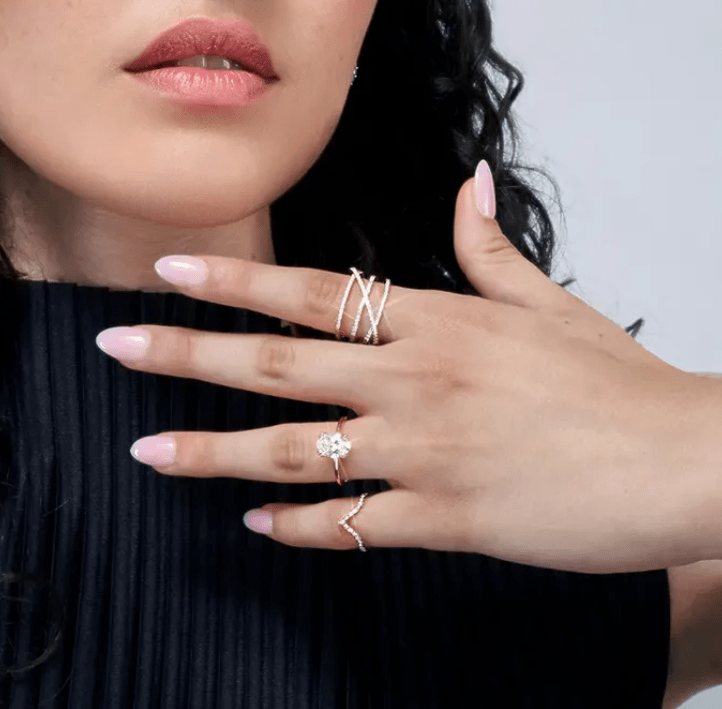
Fine jewellery has always evolved in response to how society understands value. What once centred on inheritance and rarity now increasingly reflects knowledge, intention and longevity. In 2026, the future of fine jewellery is being shaped by lab diamonds not as a trend, but as a material that aligns with how modern consumers think, research and choose. Lab diamonds are no longer an alternative pathway. They are becoming a default consideration in fine jewellery design and ownership.
This shift has emerged gradually, driven by education rather than disruption. As buyers become more informed about materials, sourcing and long term wear, the appeal of lab diamonds has grown organically. They reflect a version of luxury that prioritises clarity over mystique and confidence over convention.
To understand why lab diamonds are now central to fine jewellery, it is important to revisit how diamonds became synonymous with luxury in the first place.
Diamonds have been known to human cultures for centuries, but their prominence in fine jewellery is a relatively modern development. Geological research from The Natural History Museum explains that early diamonds were valued for hardness and resistance to damage rather than brilliance. Their durability distinguished them from other stones long before they were associated with romance or refinement.
The transformation of diamonds into fine jewellery icons occurred during the late nineteenth and twentieth centuries. Advances in mining and cutting coincided with global marketing that framed diamonds as symbols of permanence and aspiration. Cultural analysis from BBC Culture has explored how this messaging embedded diamonds into social rituals, particularly around commitment and success.
During this period, natural origin became tightly linked to worth. This association persisted largely because consumers had limited access to scientific information about diamond formation. Authority and tradition filled the gap left by understanding.
That gap has now closed.
Modern material science has changed how diamonds are evaluated. Peer reviewed research published by Nature confirms that lab grown diamonds are chemically, physically and optically identical to mined diamonds. They share the same crystal structure, hardness and optical performance. From a materials perspective, they are indistinguishable.
This scientific certainty has removed ambiguity. Lab diamonds are no longer positioned as approximations or substitutes. They are recognised as diamonds, full stop.
As this understanding has spread, fine jewellery design has begun to adapt.
Historically, fine jewellery design was constrained by scarcity. Rarity dictated scale, composition and cost. Designers often had to compromise between aesthetic intent and material feasibility.
Lab diamonds reduce these constraints. Designers can prioritise balance, proportion and cohesion without being restricted by availability. This has encouraged a more refined and intentional approach to fine jewellery.
Design commentary from Wallpaper highlights how contemporary jewellery increasingly favours sculptural restraint and thoughtful composition over overt display. Lab diamonds support this aesthetic by allowing stones to enhance design rather than define it.
This shift is particularly visible outside engagement rings. Fine jewellery categories such as earrings, necklaces and bracelets are now designed with everyday wear in mind. The emphasis has moved towards how jewellery feels, moves and ages rather than how rare it is.
The rise of lab diamond fine jewellery reflects this broader change in purpose. Jewellery is no longer expected to exist solely for milestones. It is expected to accompany daily life.
Market insight from The Economist has noted that modern luxury consumers increasingly value longevity and practicality alongside beauty. Jewellery that can be worn frequently without anxiety is often perceived as more luxurious than jewellery that feels untouchable.
Lab diamonds align naturally with this understanding of luxury. Their durability and consistency allow for refined pieces intended for regular wear without the psychological burden historically associated with extreme rarity.
Ethical transparency has also played a significant role in shaping the future of fine jewellery. Buyers today are more aware of sourcing, production and long term impact than previous generations. This awareness extends beyond environmental considerations to include labour practices and supply chain clarity.
Reporting from National Geographic has explored how concerns around mining have influenced consumer trust in the jewellery industry. While responsible mining continues to evolve, lab diamonds offer a level of traceability that is clear and verifiable.
For many buyers, this clarity strengthens emotional confidence. Jewellery chosen with understanding often feels easier to wear and easier to stand behind over time.
This does not strip fine jewellery of sentiment. It reframes it. Meaning becomes rooted in intention rather than inherited assumptions.
Cultural research from The British Academy suggests that modern value systems increasingly prioritise conscious decision making over tradition alone. Lab diamonds fit naturally within this cultural shift.
The way fine jewellery is worn has also influenced the rise of lab diamonds. Jewellery today moves fluidly across work, social and personal settings.
Workplace culture research from Harvard Business Review shows how personal expression increasingly overlaps with professional identity. Jewellery that is refined, durable and understated integrates more naturally into this environment.
Lab diamond fine jewellery supports this evolution by enabling designs that prioritise comfort, proportion and resilience without sacrificing visual clarity.
Longevity has become another defining expectation. Fine jewellery is increasingly chosen with decades in mind rather than a single moment.
Psychological research discussed by Psychology Today suggests that emotional attachment strengthens when objects are used regularly rather than preserved. Jewellery that feels too precious to wear can lose emotional relevance, regardless of material value.
Lab diamonds encourage a different relationship with fine jewellery. Pieces are designed to be worn, layered and lived with, becoming part of daily rhythm rather than distant symbols.
Education has accelerated this shift. Consumers now have access to more reliable information about diamonds than ever before.
Public facing education from The Gemological Institute of America has helped demystify diamond formation, grading and durability. As understanding increases, rigid hierarchies around origin lose influence.
This has led to a more balanced conversation between natural and lab grown diamonds. Rather than asking which is superior, buyers increasingly ask which aligns with their values and how they intend to wear their jewellery.
Fine jewellery collections that reflect this mindset present lab diamonds as integral rather than alternative.
Exploring contemporary designs categorised under lab diamond fine jewellery demonstrates this clearly. These pieces are crafted with the same attention to metalwork, setting precision and finish traditionally associated with fine jewellery, while offering modern clarity around sourcing.
Importantly, lab diamonds have not diminished craftsmanship. In many cases, they have elevated it.
When material scarcity no longer dominates perception, skill becomes more visible. Proportion, polish and setting quality take precedence.
Museum commentary from The Victoria and Albert Museum has long emphasised that fine jewellery derives value as much from craftsmanship as from material. Lab diamonds allow this balance to reassert itself.
The future of fine jewellery is also shaped by how pieces are passed down. Heirlooms are increasingly defined by emotional continuity rather than origin story alone.
Cultural insight from The British Museum highlights how objects gain meaning through use, memory and association. A piece worn consistently and loved deeply becomes meaningful regardless of how its materials were formed.
Lab diamond jewellery participates fully in this tradition. Its durability ensures it can be worn, adapted and cherished across generations.
Looking ahead, flexibility will define the next era of fine jewellery. Pieces will be designed to layer, adapt and evolve alongside the wearer rather than remain fixed.
Lab diamonds support this adaptability by removing unnecessary constraints. Designers can prioritise harmony, longevity and wearability without compromise.
Industry analysis from Deloitte Insights suggests that future facing luxury brands will be those that prioritise transparency, adaptability and consumer education. Fine jewellery made with lab diamonds aligns naturally with this direction.
The future of fine jewellery being made with lab diamonds is not a rejection of tradition. It is a refinement of it.
It reflects a world where information is accessible, values are diverse and confidence comes from understanding rather than assumption.
In 2026, fine jewellery is no longer defined solely by where a diamond comes from. It is defined by how thoughtfully it is designed, how responsibly it is made and how confidently it is worn.
Lab diamonds are shaping the future of fine jewellery because they reflect how modern luxury is informed, intentional and designed to endure.
 Diamonds are a girls best friend
Leave a comment