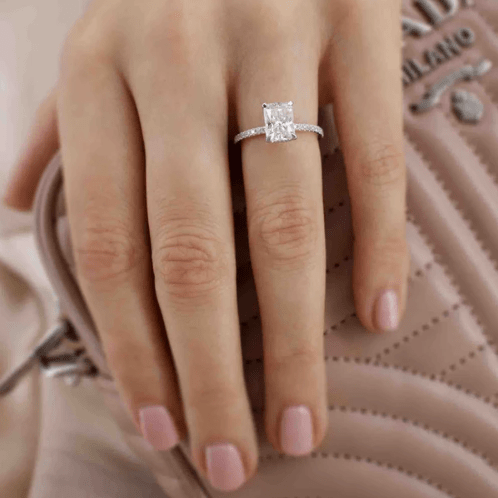
The surprise proposal has long occupied a privileged place in romantic storytelling. It symbolised devotion, bravery and emotional certainty, often portrayed as the ultimate proof of love. Yet as relationships evolve and expectations shift, the idea of proposing entirely by surprise is being quietly re-evaluated. In 2026, many couples are asking whether surprise proposals still feel romantic, or whether they introduce risks that no longer align with how commitment is understood.
This reassessment does not signal a decline in romance. Instead, it reflects a deeper transformation in how intimacy, communication and partnership are prioritised. Modern relationships are built on shared understanding rather than assumed roles, and proposals increasingly reflect that change.
One of the most significant factors influencing this shift is how openly couples now discuss their futures. Marriage is no longer treated as an inevitable next step. It is a choice that sits alongside decisions about careers, finances, location and lifestyle. Research published by the Pew Research Center shows that younger generations are more likely to delay marriage and more likely to discuss long-term plans extensively before becoming engaged.
In this context, a proposal that arrives without warning can feel less like a romantic gesture and more like an emotional interruption. The expectation to respond immediately, particularly in a public setting, can create pressure rather than joy. What was once framed as spontaneity may now be experienced as misalignment.
Public conversation around this tension has become increasingly visible. Commentary in The Guardian has explored how surprise proposals can unintentionally place one partner in a vulnerable position, especially when expectations around timing or readiness differ. The concern is not about rejecting romance, but about respecting emotional autonomy.
As a result, many couples are redefining what surprise means. Rather than surprising someone with the idea of marriage, they surprise them with the moment. The intention is shared in advance, while the setting, timing or specific gesture remains unexpected. This approach preserves excitement while significantly reducing emotional risk.
This evolution reflects a broader cultural emphasis on consent and emotional intelligence. Just as modern relationships prioritise mutual respect and communication, proposals are increasingly expected to do the same.
Cultural analysis in BBC Culture has noted that romantic norms evolve alongside social values. Surprise once symbolised confidence and decisiveness. Today, it is often interpreted through the lens of attentiveness. Knowing whether your partner would welcome a surprise is now seen as part of the romance itself.
Social media has further complicated the picture. Proposals are no longer fleeting private moments. They are often recorded, edited and shared widely, transforming an intimate exchange into a public performance. This visibility raises the stakes considerably.
Reporting by The New York Times has examined how public displays of intimacy can blur the boundary between genuine emotion and expectation. In the case of surprise proposals, the presence of an audience can make it difficult for the person being proposed to respond honestly if they feel uncertain or overwhelmed.
The pressure to perform happiness can be intense. Even a moment of hesitation may be interpreted negatively once shared online. This dynamic has led some couples to question whether a fully surprise proposal is fair in a culture where reactions are scrutinised and archived.
Psychological perspectives add another layer to the conversation. Articles in Psychology Today suggest that unexpected high-stakes events can trigger anxiety rather than excitement, particularly if an individual feels they have limited control over the situation. While surprise can heighten emotion, it can also activate stress responses when the outcome carries significant implications.
This is especially relevant as emotional wellbeing has become central to modern relationship values. Couples are more mindful of each other’s boundaries and comfort levels, and more cautious about gestures that could cause distress, even unintentionally.
Practical considerations also influence how proposals are perceived. Engagement now often signals a readiness to address complex realities, including shared finances, housing decisions and long-term planning. These conversations increasingly happen before a proposal rather than after.
Economic commentary in the Financial Times has highlighted how financial transparency and joint decision-making are becoming defining features of modern partnerships. A proposal that ignores these discussions can feel premature, even if emotionally well intentioned.
This does not mean proposals have become transactional. It means romance and realism are no longer viewed as opposing forces. Thoughtful romance in 2026 acknowledges both emotional readiness and practical context.
Generational attitudes reinforce this shift. Surveys reported by YouGov indicate that younger adults place a high value on communication and mutual decision-making in relationships. For many, a proposal is not meant to introduce the idea of marriage, but to affirm something already mutually understood.
This changing mindset does not eliminate the appeal of surprise. It reframes it. Surprise is welcomed when it aligns with shared expectations, and resisted when it disrupts them.
Lifestyle and fashion commentary in Vogue UK has observed a growing preference for proposals that feel intimate and personal rather than grand or theatrical. Small, meaningful settings are often favoured over elaborate public displays. This trend reflects a broader desire for authenticity over spectacle.
The perceived risk of surprise proposals is therefore closely tied to context. In relationships where marriage has been discussed openly and preferences are known, a surprise can feel affirming. In relationships where expectations are unclear, the same gesture can feel destabilising.
Relationship experts writing in The Atlantic have emphasised that successful proposals tend to mirror the dynamics of the relationship itself. A partnership built on dialogue and collaboration is more likely to thrive with a proposal that reflects those qualities.
Technology has also changed how couples navigate these moments. Constant communication, shared digital calendars and emotional transparency make it easier to gauge readiness. Ignoring that information in favour of secrecy can feel out of step with how modern relationships function.
Cultural analysis in The Washington Post has explored how attentiveness has become a core component of modern romance. Knowing when to propose is often seen as more meaningful than the element of surprise itself.
This does not suggest that surprise proposals are inherently flawed. It suggests they require greater emotional awareness than in the past. The most successful surprise proposals today are those that surprise within a framework of understanding.
Some couples are also redefining the proposal entirely. Instead of a single dramatic moment, engagement may emerge through a series of conversations, with the proposal serving as a symbolic marker rather than a revelation. This approach aligns with a broader cultural preference for intentional milestones.
From this perspective, surprise proposals feel riskier only when they rely on outdated assumptions about romance. When surprise is used thoughtfully and respectfully, it can still feel deeply meaningful.
In 2026, the most romantic proposals are not necessarily the most unexpected. They are the ones that make the recipient feel seen, understood and secure.
Surprise has not disappeared from modern romance. It has simply been recalibrated.
And in relationships built on trust and communication, that recalibration represents growth rather than loss.
 Diamonds are a girls best friend
Leave a comment