Tag: yellowgoldengagementringsuk

  • Why Emerald Cut Diamonds Are the Choice of UK Power Couples in 2026

    Why Emerald Cut Diamonds Are the Choice of UK Power Couples in 2026

    The emerald cut diamond has returned to the forefront of British luxury in a way few experts predicted. Once considered a niche, architectural choice reserved for connoisseurs, the emerald cut has transformed into the signature stone of influential couples across the UK in 2026. Its clean geometry, uninterrupted clarity and quiet confidence have made it the jewel of modern power pairings, reshaping engagement ring trends and redefining what prestige looks like for a new generation.

    As Vogue UK recently observed, the emerald cut has become “the modern symbol of assured elegance”, a style selected by those who do not need their jewellery to shout to be heard. Equally, The Guardian Fashion describes its rise as part of a wider shift towards “structural minimalism and meaningful luxury”, mirroring broader movements in architecture, design and culture. And as BBC Culture highlights, British buyers increasingly favour craftsmanship and geometry over maximalist sparkle, making the emerald cut a natural fit for 2026’s aesthetic values.

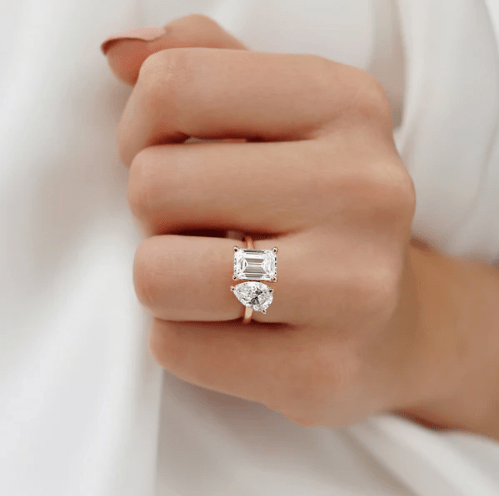
    The emerald cut carries a unique visual language in the jewellery world. Rather than the brilliant cut’s explosive light return, it presents long, glassy facets that create what experts call a “hall of mirrors” effect. This hypnotic play of light feels sophisticated rather than showy, refined rather than flamboyant. Power couples across the UK are drawn to this serene confidence, recognising that the emerald cut’s beauty comes not from excess, but from precision.

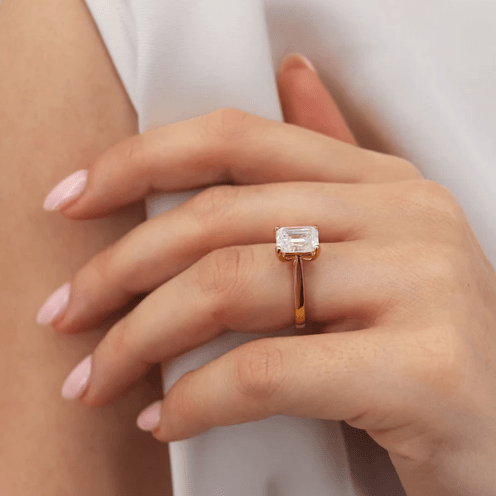
    Among the standout examples leading the trend is the Florence Emerald Cut Lab Diamond Solitaire, offered by Lily Arkwright, one of the UK’s most respected ethical jewellers. The Florence design, crafted with meticulous symmetry, crisp step-cut facets and a contemporary silhouette, has become one of the most admired rings for those seeking modern luxury.

    Its elegant simplicity embodies everything that makes the emerald cut the gem of 2026.

    The Appeal of Architectural Beauty

    The resurgence of emerald cut diamonds reflects a broader cultural appetite for architectural clarity. British design in 2026 leans heavily towards modernism, clean lines and balance. Homes, interiors and even fashion now embrace shapes that feel intentional and timeless. Engagement rings are simply the next extension of that taste.

    The step cuts in an emerald diamond appeal to those who appreciate craftsmanship over spectacle. Unlike brilliant cuts, which are engineered to mask inclusions with light refraction, emerald cuts demand a higher standard of diamond quality. As The Financial Times explains, “the emerald cut is a stone that leaves nowhere to hide”, making it the choice of buyers who want clarity, precision and honesty in their gemstones.

    This aligns perfectly with modern British couples who value authenticity. When a diamond is chosen not because it sparkles the most, but because it speaks to a deeper aesthetic confidence, the symbolism changes. The ring becomes a statement of taste rather than tradition, intention rather than expectation.

    Power Couples and the New Shape of Influence

    Celebrity influence often plays a role in stone trends, and the emerald cut is no exception. Over the past several years, high profile engagements across the entertainment, political and entrepreneurial worlds have shown a clear preference for emerald cuts. Rather than choosing oversized brilliant stones associated with earlier eras, public figures now gravitate towards powerful minimalism.

    As Cosmopolitan UK has pointed out, emerald cut stones have become “the ring for those who lead rather than follow”. The shape projects confidence without extravagance, making it the perfect match for 2026’s leaders, creators and innovators.

    The Florence design from Lily Arkwright echoes this aesthetic with precision. Its elongated silhouette sits low and graceful on the finger, offering a chic profile that suits both understated and statement wearers. The solitaire design lets the emerald cut diamond speak for itself, honouring the geometry rather than competing with it.

    Couples who choose emerald cuts often describe them as “grown up”, “intentional”, or “perfectly unflashy”. These are qualities particularly prized among UK buyers who value intelligence and modernity in their jewellery.

    Lab-Grown Diamonds Reinvent Luxury

    A major reason emerald cuts have surged in 2026 is the rise of lab grown diamonds. These stones, identical in composition and brilliance to mined diamonds, offer exceptional value, ethical sourcing and complete traceability. Their popularity has helped reintroduce precision cuts that require higher clarity standards, emerald cuts included.

    As The New York Times notes, lab grown diamonds have moved from a niche product to the mainstream, driven by environmentally conscious Millennial and Gen Z buyers. Their clarity and colour consistency makes them ideal for step cuts.

    Modern Romance and the Rise of Subtle Luxury

    One of the most notable shifts in 2026 is the growing preference among British couples for “quiet luxury”. This approach moves away from ostentatious displays and instead embraces refined choices rooted in quality and artistry. As BBC Lifestyle reports, subtle luxury has become one of the defining tastes of the decade.

    Emerald cut diamonds are the embodiment of this movement. Their elegance whispers rather than shouts, offering a style that feels elevated without being ornate.

    The Florence design captures this quiet luxury perfectly. Its sleek band and single central stone mirror the minimalist approach shaping British fashion, interiors and culture. The ring sits comfortably alongside everyday jewellery and fine pieces alike, making it versatile for modern lifestyles.

    A New Symbol for Modern Marriage

    Engagement rings have always been symbolic, but the meaning of that symbolism evolves with each generation. Today’s couples prioritise shared values, equality, sustainability and considered decision making. The emerald cut, with its purposeful lines and understated beauty, reflects these values beautifully.

    The hall of mirrors effect is often described as reflective and contemplative, a visual metaphor for transparency and depth in relationships. Unlike the sparkle driven brilliance of other cuts, the emerald cut invites a different kind of appreciation. It draws the eye inward, encouraging the wearer to appreciate clarity, balance and structure.

    This emotional dimension is one reason so many modern couples are selecting emerald cut rings in 2026.

    British Craftsmanship and the Return to Quality

    Another critical factor in the rise of emerald cuts is a renewed appreciation for craftsmanship within the UK jewellery landscape. British buyers increasingly want pieces that feel personal, intentional and well made. The resurgence of interest in local artisanship, highlighted in The Guardian Arts, reflects a cultural appetite for jewellery that stands the test of time.

    Lily Arkwright’s Florence design fits seamlessly into this movement. Meticulously crafted and designed with architectural precision, it celebrates the artistry of modern British fine jewellery. The brand’s emphasis on craftsmanship ensures that every emerald cut stone chosen meets the clarity and symmetry that this cut demands.

    Why the Emerald Cut Defines 2026

    Across culture, style, and changing values, the emerald cut has become the defining engagement ring choice of 2026 because it represents sophistication, ethics and self assured modernity. It speaks to couples who choose their future with intention and select their jewellery in the same spirit.

    With lab grown diamonds reshaping the meaning of luxury, and with UK buyers embracing thoughtful design over traditional prestige, the emerald cut feels more relevant than ever. The Florence emerald cut lab grown diamond solitaire by Lily Arkwright embodies this evolution perfectly, offering a contemporary, ethical and exceptionally beautiful choice for modern couples.

    It is not just a ring. It is the shape of modern British love.

  • The Truth Behind Black Friday Sales | Ethical Jewellery UK

    The Truth Behind Black Friday Sales | Ethical Jewellery UK

    Black Friday used to be a predictable moment in the British retail calendar. Advertisements shouted about “once in a lifetime deals”, shoppers queued outside stores before sunrise and the idea of securing a bargain became as much a cultural ritual as it was a commercial event. Yet, in 2025, something very different is happening. The shine of Black Friday has faded and younger consumers, particularly Gen Z and many Millennials, are no longer impressed by artificial markdowns or pressure-driven sales events.

    For years, consumer watchdogs and investigative journalists have pointed out that many so-called “major discounts” were far less genuine than they appeared. Prices were inflated weeks before, “sale” labels disguised average pricing and the psychology of urgency was used to drive unnecessary consumption. Gen Z, a demographic known for digital literacy, social awareness and environmental consciousness, has largely rejected this model. They are not prepared to reward brands that rely on misleading tactics or heavy-handed promotion.

    Instead, a new movement is taking shape across the UK. More ethical retailers are stepping forward with transparent, values-driven alternatives that reflect the changing expectations of modern customers. One such example is Lily Arkwright, an ethical fine jewellery retailer whose approach to Black Friday offers a glimpse into the future of fair, responsible luxury. This shift raises a larger question: If Black Friday no longer represents real value, what does? And how are ethical brands redefining the retail landscape?

    Why Gen Z No Longer Trusts Black Friday

    Research across the UK shows that younger shoppers are significantly more critical of large-scale sale events than previous generations. A series of reports from BBC News and The Guardian have underscored a growing mistrust around major discount days. Investigations have repeatedly shown that many products are not significantly cheaper on Black Friday compared with normal seasonal pricing.

    This generation is also more sceptical of retail psychology. They recognise urgency tactics for what they are and resent pressure to buy items because a countdown timer claims that time is running out. They value honesty, traceability and fair pricing all year round. The rise of social media platforms such as TikTok and Instagram, where retail transparency is openly discussed, has also accelerated this shift.

    For Gen Z, authenticity is the ultimate currency. They gravitate towards brands whose behaviour aligns with their values around sustainability, responsible consumption and genuine pricing rather than manipulative discounting.

    The Environmental Cost of Artificial Discount Culture

    One of the most important drivers behind the decline of Black Friday is environmental concern. Promotional sales often encourage impulse buying, rapid consumption and waste. According to BBC Environment, single-day discount events contribute significantly to carbon emissions due to increased shipping, returns and packaging waste.

    Fast fashion and fast homeware brands have been particularly criticised for offering ultra-low prices that mask low-quality materials, unsustainable manufacturing processes and unfair labour conditions. Gen Z is acutely aware of these issues and actively avoids engaging in consumption that contributes to environmental harm.

    This has led many consumers to seek out brands that reject the Black Friday model entirely and instead prioritise ethical materials, sustainable sourcing and long-lasting products. In the fine jewellery space, this includes the use of lab grown diamonds, recycled metals and transparent manufacturing practices. There is a clear appetite for better, not cheaper.

    The Rise of Ethical Retail Alternatives

    A growing number of brands across Britain are taking a very different approach to the winter shopping season. Rather than heavily discounting their products and risking the devaluation of their craftsmanship, they focus on consistent pricing and customer-centric values. Transparent policies, meaningful warranties, high level service and genuine product quality are offered instead of superficial percentage reductions.

    This is where retailers such as Lily Arkwright stand out. Instead of participating in artificial price drops or inflated pre-sale costs, the brand has developed a Black Friday alternative that reflects its core values of honesty, sustainability and long-term value. Their Black Friday page demonstrates this clearly.

    Rather than encouraging impulse buying, Lily Arkwright emphasises fair pricing, ethical gemstone sourcing and thoughtful purchasing decisions. Their entire business model is built on consistent everyday value, not seasonal gimmicks.

    What Ethical Luxury Looks Like going into 2026

    Ethical luxury is not merely about materials, although those are critically important. It is also about fairness, long-term guarantees, skilled craftsmanship and a transparent relationship with customers. Brands embracing ethical luxury tend to offer:

    Clear, honest pricing year round

    Customers know that they are paying a fair price based on quality and craftsmanship rather than seasonal manipulation.

    Extended returns windows

    A sign of trust and confidence in the product, not pressure to keep a purchase.

    Ethical and sustainable materials

    Consumers increasingly seek jewellery made from lab grown diamonds, responsibly sourced natural gemstones and recycled metals.

    Transparency in manufacturing

    Younger buyers expect brands to disclose where, how and by whom their products are made.

    Investment in social good

    Projects, initiatives and philanthropic contributions matter deeply to modern consumers.

    In this landscape, Black Friday discounting feels outdated and incompatible with the values of environmentally conscious Britons.

    Case Study: How Lily Arkwright Reframes Black Friday

    Lily Arkwright’s approach to Black Friday is rooted in ethical pricing and honesty. Their Black Friday page outlines their stance clearly. Instead of deep discounts, they focus on:

    Fair pricing across all seasons

    No artificially inflated prices in October, no dramatic markdowns in November. Customer trust is prioritised over marketing theatrics.

    Exceptional quality and certifications

    Every diamond and gemstone sold is carefully graded and certified. Many pieces feature ethical and sustainable lab grown diamonds, which appeal strongly to Gen Z buyers.

    Meaningful customer protections

    This includes extended returns, strong warranties and expert customer care.

    Sustainable luxury at the core

    Customers increasingly want jewellery that is crafted with intention, and Lily Arkwright’s lab grown diamond collections align perfectly with this trend.

    Their approach demonstrates the future of British luxury: considered, ethical and honest.

    How Gen Z Is Redefining Value

    Value used to mean discounted price. Now it means long lasting quality, ethical production and authenticity. Younger buyers are willing to invest more in a piece if the brand aligns with their ethics. They also care deeply about the story behind the product.

    This is particularly significant in engagement jewellery, where sentiment, symbolism and personal meaning matter deeply. Rather than rushing to buy a discounted ring on Black Friday, couples prefer to choose a jeweller who prioritises ethical sourcing, long term durability and meaningful craftsmanship.

    Brands that rely heavily on seasonal price cuts may find themselves falling behind those that promote genuine year round value.

    Why Discount Culture Is Losing Power

    There are several key reasons that discount culture is losing momentum:

    It feels outdated

    Younger audiences prefer a slower, more mindful purchasing approach.

    It erodes trust

    If a product is suddenly 40 percent cheaper in November, it raises questions about the original price.

    It encourages waste

    Many Black Friday purchases are returned, unused or short lived.

    It undermines craftsmanship

    Steep discounts imply that products lack intrinsic value.

    Ethical brands recognise this and are consciously stepping away from high pressure sales cycles.

    What the Future of Winter Shopping Looks Like

    Looking ahead, it is likely that Black Friday will continue to decline in influence across the UK. Instead, British shoppers will navigate the holiday season with a new set of priorities:

    Transparency over hype

    Consumers want to see exactly why something costs what it does.

    Ethical sourcing over cheap deals

    Sustainability will increasingly outweigh short term discounts.

    Evergreen pricing over fluctuating sales

    Fairness will be valued more than promotions.

    Quality over quantity

    Better products, bought less often.

    Brand values over marketing tactics

    Younger consumers choose brands whose behaviour reflects their own ethics.

    Lily Arkwright’s approach symbolises this shift. By rejecting artificial discount culture and focusing on genuine value, they represent the future of responsible British luxury.

    Conclusion: The New Alternative to Black Friday

    Black Friday is no longer the cultural or commercial force it once was. Gen Z and ethically minded British buyers have seen through inflated discounts and manipulative urgency tactics. Instead, they seek brands that value transparency, sustainability and long term commitment to craftsmanship.

    Ethical retailers such as Lily Arkwright prove that there is a better way forward. Their approach to Black Friday demonstrates how brands can uphold fairness, authenticity and quality without resorting to superficial markdowns.

    The new alternative to Black Friday is not another sale. It is a shift in mindset. It is a commitment to responsible retail. And it is a reminder that true value cannot be reduced to a countdown timer.

  • Yellow Gold and Its Enduring Story: From Ancient Symbolism to the Modern Engagement Ring

    Yellow Gold and Its Enduring Story: From Ancient Symbolism to the Modern Engagement Ring

    Yellow gold has always held a magnetic pull in human history. From the earliest civilisations that revered it as a celestial metal to today’s modern couples choosing it for its warmth, heritage and timeless elegance, yellow gold remains one of the most enduring materials in the world of jewellery. Its journey is layered with mythology, power, craftsmanship and romance, and its presence in engagement rings tells a story of continuity through changing tastes.

    In recent years, yellow gold has surged back into popularity, particularly among British couples who are rediscovering its classical beauty. Publications such as Vogue UK have noted a renewed appreciation for its rich tone and vintage charm, while BBC Culture highlights how gold has resurfaced across fashion, interior design and personal accessories as part of a wider return to warm neutrals. Yet this rise is not simply a trend but a cyclical return to something deeply rooted in global history.

    This article explores the full story of yellow gold, from its ancient origins to its place in modern British engagement rings, examining why it remains an unparalleled choice for couples seeking beauty, symbolism and craftsmanship. One example of its relevance today can be seen through ethical jewellers such as Lily Arkwright, whose contemporary takes on yellow gold engagement rings continue to resonate with today’s buyers.

    A Metal of Myth and Majesty: The Ancient Roots of Yellow Gold

    Few materials have shaped civilisation as profoundly as gold. Its earliest recorded use dates back over 6,000 years, with ancient cultures across Mesopotamia, Egypt and South America attributing divine qualities to its warm glow. Gold did not tarnish, corrode or discolour, which led ancient societies to associate it with the sun, immortality and the gods.

    The Egyptians famously used yellow gold to craft ceremonial jewellery, crowns and funerary objects. The Guardian has covered archaeological discoveries revealing gold rings, pendants and amulets placed alongside pharaohs in tombs, signifying eternal life. Its rarity, paired with its beauty, made it a material of profound spiritual and political value.

    Across the ancient world, the symbolism was similar. In Greek mythology, gold was considered the flesh of the gods. In the Inca Empire, it was thought to be the sweat of the sun. In India, gold has long been a cultural cornerstone, representing purity, prosperity and familial honour. These meanings persist today, contributing to yellow gold’s enduring emotional weight in jewellery.

    Gold as Currency, Status and Art: The Classical and Medieval Eras

    As civilisations expanded, gold transitioned from divine symbolism to a major element of early economics. The first known gold coins were produced in the ancient kingdom of Lydia in the seventh century BC, marking the beginning of gold’s influence in trade and empire building.

    During the Roman era, gold jewellery became a symbol of citizenship and power. Roman rings, bracelets and ceremonial chains were typically crafted in warm yellow hues that highlighted the metal’s lustre. According to BBC History, gold stood at the heart of imperial propaganda, representing stability and authority.

    In medieval Europe, goldsmiths emerged as respected artisans, crafting intricate filigree and devotional pieces for nobility and clergy. Gold also became central to marriage traditions, with early betrothal rings often fashioned from simple gold bands. Many of the customs we recognise today, including the exchange of rings, trace back to these eras.

    The Georgian and Victorian Eras: Yellow Gold as Romance and Sentiment

    During the Georgian period (1714 to 1837), yellow gold experienced a flourishing revival. Jewellery from this era reflected elegance, symmetry and ornate detailing. The use of yellow gold was connected to notions of refinement, wealth and propriety.

    In the Victorian era, jewellery took on a more romantic and symbolic character. This period saw the rise of acrostic rings, designs incorporating gemstones whose first letters spelled out secret messages of affection. Yellow gold provided the perfect backdrop for these sentimental creations.

    Queen Victoria herself helped shape jewellery trends of the time. BBC History Extra notes that her fondness for gold, lockets and sentimental motifs heavily influenced British style. Engagement rings began to incorporate coloured gemstones, ornate gold settings and floral motifs that reflected the tastes of the era.

    Art Deco Modernism to Mid-Century Minimalism: Gold Through the 20th Century

    The early 20th century brought dramatic shifts in design. The Art Deco movement embraced geometric shapes, architectural lines and luxurious materials. Yellow gold was occasionally overshadowed by platinum during this time, especially in the 1920s and 1930s when platinum engaged the imagination of designers seeking a cooler, more industrial aesthetic.

    After World War II, gold regained prominence as platinum became scarce. By the 1950s and 1960s, yellow gold was once again at the forefront of jewellery design, symbolising optimism, glamour and prosperity. Hollywood stars of the era often wore yellow gold on screen, fuelling its popularity among the public.

    The Revival of Yellow Gold in Contemporary Jewellery

    The early 2000s saw a surge in white metals such as platinum and white gold. Yet, as Vogue UK has charted, warm toned jewellery began making a significant comeback around 2015. By 2026, yellow gold has firmly re-established itself as a major trend in British engagement rings.

    There are several reasons for this renewed appeal:

    1. Warmth and versatility

    Many shoppers appreciate the way yellow gold complements a range of skin tones and enhances the sparkle of diamonds and gemstones.

    2. Vintage and heirloom trends

    Yellow gold aligns with the ongoing interest in vintage-inspired styles and heritage craft. Engagement rings inspired by antique Georgian, Victorian and Edwardian designs often feature yellow gold for authenticity.

    3. Ethical considerations

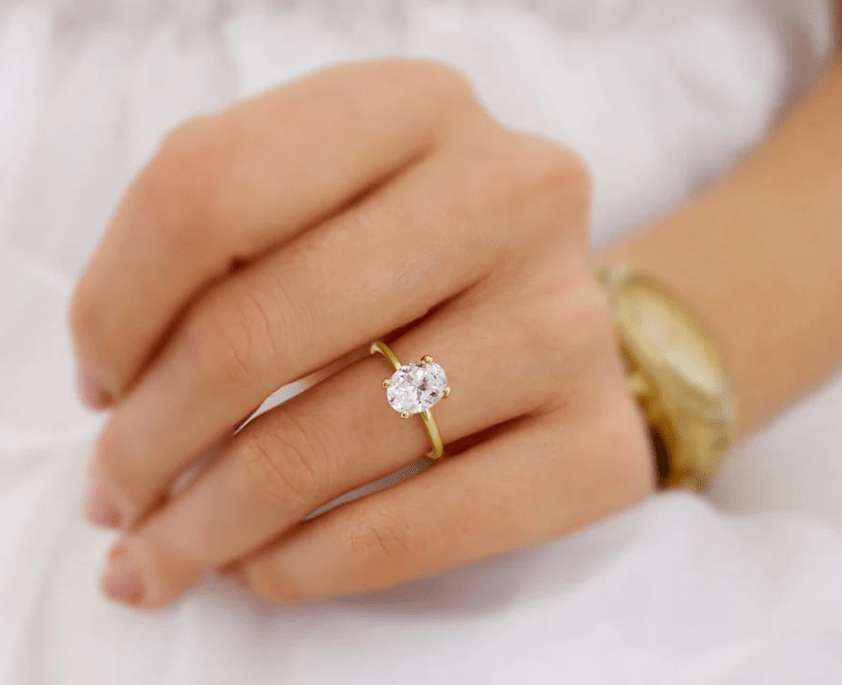
    Consumers today are more ethically minded, valuing traceability and responsible sourcing. Ethical jewellers such as Lily Arkwright emphasise transparency in material sourcing, offering modern yellow gold designs crafted with care

    4. Durability and longevity

    Gold alloys used in modern rings, especially 18k yellow gold, offer excellent strength for everyday wear while retaining the rich colour that makes the metal so desirable.

    Yellow Gold in Engagement Rings: Why It Endures

    Choosing an engagement ring is as much an emotional decision as it is a practical one. Yellow gold remains a leading choice for British couples because it carries a sense of permanence, craftsmanship and romantic tradition.

    Symbolism

    Yellow gold has always represented warmth, devotion and constancy. Its historical association with eternity aligns naturally with the meaning of an engagement.

    Compatibility with gemstones

    Whether paired with diamonds, emeralds, sapphires, rubies or contemporary stones like lab grown alexandrite, yellow gold enhances colour and brilliance with striking contrast.

    Design flexibility

    From minimalist solitaires to ornate vintage settings, yellow gold adapts beautifully to a wide range of aesthetics.

    Timeless appeal

    Unlike trend-driven metals, yellow gold has never truly gone out of style. Its resurgence simply reflects an ongoing appreciation for its beauty.

    The Role of Alexandrite and Other Gemstones in Contemporary Yellow Gold Rings

    While diamonds remain the most recognised engagement stone, coloured gemstones are rising in popularity. One of the most fascinating is alexandrite, a gem celebrated for its remarkable colour changing properties. Natural alexandrite is extremely rare, originally discovered in Russia’s Ural Mountains.

    Recent innovations have made lab grown alexandrite more accessible while retaining the gemstone’s enchanting colour shift from green to purplish red. Ethical jewellers such as Lily Arkwright offer lab grown alexandrite set in modern yellow gold designs through collections

    The combination of alexandrite and yellow gold creates a luxurious and unusual aesthetic, appealing to couples who want a ring that feels personal and extraordinary.

    Craftsmanship and the Modern British Jewellery Scene

    The resurgence of yellow gold aligns with a broader revival in British jewellery craftsmanship. Workshops across London’s Hatton Garden, Birmingham’s Jewellery Quarter and Edinburgh’s independent studios continue traditions that date back centuries.

    According to The Guardian, there has been a significant rise in artisan jewellery and bespoke commissions. Many couples now seek meaningful, handcrafted pieces that reflect their identity rather than mass produced designs. Yellow gold, with its timeless associations, remains the preferred metal for bespoke work.

    Why Yellow Gold Remains the Heart of Engagement Ring Design

    Its longevity stems from a combination of factors:

    • It is a metal with emotional and historical depth
    • It pairs beautifully with both classic and contemporary stones
    • It offers warmth and character that white metals cannot replicate
    • It resonates with modern sensibilities around heritage, artistry and individuality
    • It represents continuity, making it ideal for a symbol of lifelong commitment

    Even as tastes shift, yellow gold remains the unwavering centre of jewellery design. Its story, spanning civilisations and cultures, continues to evolve with each generation.

    Conclusion: A Metal That Carries History Into the Future

    Yellow gold is not simply a material. It is a narrative of humanity’s fascination with beauty, craftsmanship and symbolism. From ancient rituals to modern proposals, it has remained a constant presence in the story of love and identity. In 2026, it is experiencing a fresh renaissance, embraced by British couples who value tradition, meaning and artistry.

    Contemporary jewellers continue to reinterpret yellow gold for modern tastes, combining its timeless qualities with ethical sourcing and innovative gemstone choices. With designers such as Lily Arkwright offering refined collections that celebrate both history and craftsmanship, yellow gold engagement rings remain a beautiful choice for those who want their jewellery to tell a deeper story.