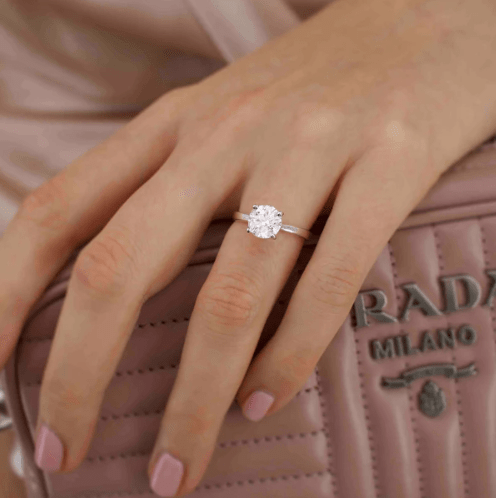
Tag: writing

  • Why Engagement Rings Are Now Being Designed Around Modern Work Life

    Why Engagement Rings Are Now Being Designed Around Modern Work Life

    By 2026, the way engagement rings are chosen reflects a fundamental truth about modern life. For most people, work is where the majority of their waking hours are spent. It is where hands are used repeatedly, where routines are formed and where personal style must coexist with professional expectation. As a result, engagement rings are no longer imagined purely as symbolic objects for milestone moments. They are being chosen as pieces of everyday equipment, expected to function effortlessly within real working lives.

    This shift does not represent a loss of romance. Instead, it signals a more grounded understanding of commitment. An engagement ring today is not something to be protected from daily life. It is something designed to live within it. That change has quietly reshaped how rings are designed, discussed and ultimately worn.

    Fashion coverage from Vogue has charted how professional dress codes have softened over the past decade, allowing for greater individuality and personal expression. Jewellery has followed this evolution. Rather than being reserved for evenings or formal occasions, it is now expected to sit comfortably alongside modern workwear, from tailoring to knitwear to casual layers.

    One of the most significant drivers of this shift is simple frequency of wear. Engagement rings are worn during typing, commuting, meetings, site visits and travel. They are worn through stress and celebration alike. As more people recognise this reality, the criteria for choosing a ring has expanded beyond aesthetics alone.

    Workplace psychology explored by Harvard Business Review has shown that professionals increasingly value tools and accessories that reduce friction rather than introduce it. An engagement ring that distracts, catches or feels vulnerable can create low level discomfort throughout the day. As awareness of this grows, functionality has become an integral part of perceived luxury.

    Setting height has become one of the clearest expressions of this workwear-led thinking. Elevated settings that prioritise visual drama can feel intrusive during long periods of desk work or hands-on activity. Lower profile designs, by contrast, tend to feel more stable and less obtrusive, supporting continuous wear without constant awareness.

    Educational material from the Gemological Institute of America explains how setting style influences durability and exposure. Lower set stones are typically less vulnerable to accidental impact, a factor that increasingly resonates with professionals who expect their ring to withstand daily use rather than require special treatment.

    Stone shape is another area where workwear considerations come into play. Shapes with smoother outlines are often perceived as more comfortable and less likely to snag on clothing or equipment. This does not mean sharp or angular shapes have disappeared, but it does mean buyers are more deliberate about how a stone will interact with their daily movements.

    Design commentary in the Financial Times has noted that contemporary luxury places growing emphasis on usability. Objects that integrate seamlessly into everyday life are increasingly valued over those that demand accommodation. Engagement rings have become part of this broader design philosophy.

    Band design has evolved alongside these considerations. Ultra-thin bands, once favoured for their delicacy, can feel less reassuring for those who use their hands frequently. Slightly wider or more structured bands are often chosen to provide balance and longevity, offering reassurance without sacrificing elegance.

    Cultural analysis from The Guardian has explored how practicality has been reframed as a form of confidence rather than compromise. In jewellery, this translates into designs that feel intentional and capable, aligning with professional identities that value competence alongside style.

    Metal choice is also increasingly informed by workwear realities. Metals known for strength and resilience are often prioritised by those who wear their ring continuously. Choosing a material that maintains its integrity over time allows wearers to focus on their work rather than worrying about damage or maintenance.

    Technology and materials reporting from Wired has highlighted how greater understanding of material performance influences consumer expectations. As people become more informed, they bring that knowledge into decisions about fine jewellery, applying the same logic they use when selecting everyday tools.

    Hybrid working has further reinforced this trend. With professional and personal environments overlapping, jewellery must feel appropriate across multiple contexts. Engagement rings are now expected to look considered on a video call, comfortable at a desk and confident in face-to-face meetings.

    Social research discussed by Pew Research Center has shown how hybrid work has reshaped identity and self-presentation. Jewellery choices, including engagement rings, now play a role in expressing continuity rather than switching personas between work and personal life.

    The diversity of modern professions has also influenced design priorities. There is no longer a single template for a working day. Healthcare professionals, engineers, creatives, educators and business owners all place different demands on their hands, and engagement ring design has become more inclusive as a result.

    Employment data from The Office for National Statistics illustrates how varied contemporary working patterns are. This diversity has encouraged a move away from one-size-fits-all ring design towards more personalised, lifestyle-aware choices.

    Importantly, choosing an engagement ring with workwear in mind does not mean stripping away beauty or meaning. On the contrary, many people find that a ring which feels secure and comfortable enhances emotional connection. When a ring becomes part of a daily rhythm, it often carries greater significance.

    Psychological insight from Psychology Today suggests that people feel more confident when their accessories align with their routines rather than disrupt them. An engagement ring that fits naturally into a workday can support self-assurance and professional presence.

    This evolution also reflects changing attitudes towards status and success. Highly conspicuous displays of wealth are no longer the default marker of achievement. Subtlety, longevity and intention have become equally powerful signals, particularly in professional environments.

    Luxury market analysis from McKinsey & Company has noted that understated design increasingly resonates with younger professionals. Engagement rings that prioritise wearability and endurance align closely with these values.

    Design trends have responded accordingly. Secure settings, clean lines and balanced proportions have gained renewed attention. These designs often feel architectural rather than decorative, reflecting a preference for structure over ornamentation.

    Architectural commentary in Dezeen has explored how minimalist principles influence jewellery, favouring clarity of form and material honesty. These ideas translate naturally into engagement rings designed for continuous wear.

    Retail conversations have evolved in parallel. Rather than focusing solely on carat weight or visual impact, buyers are now encouraged to discuss their working environment, daily habits and long-term expectations. This shift supports confidence and helps ensure satisfaction over time.

    Exploring contemporary engagement ring collections, such as those available through Lily Arkwright, reflects this lifestyle-led approach. Rings are positioned as part of everyday life, designed to support professional activity as much as personal meaning.

    Crucially, there is no single correct way to choose an engagement ring for work. Some professionals still prefer bold designs that assert presence, while others gravitate towards subtle profiles. What has changed is the legitimacy of prioritising comfort and function without apology.

    Insight from BBC Worklife has highlighted how autonomy in self-presentation has become central to modern professional identity. Engagement rings chosen with workwear in mind reflect this autonomy, allowing individuals to balance symbolism with self-awareness.

    Looking ahead, engagement rings designed for real working lives are likely to remain central to jewellery conversations. As work continues to evolve, so too will expectations around how fine jewellery should behave and feel.

    These rings are not being chosen because romance has faded. They are being chosen because commitment is understood as something lived daily rather than displayed occasionally.

    An engagement ring that supports a working life becomes part of a personal cadence. It is worn confidently, not cautiously. It reflects intention rather than obligation.

    In that sense, choosing an engagement ring with workwear in mind is not a compromise. It is a reflection of how modern love and modern work now exist side by side.

    And in 2026, that balance has become one of the clearest expressions of contemporary luxury.
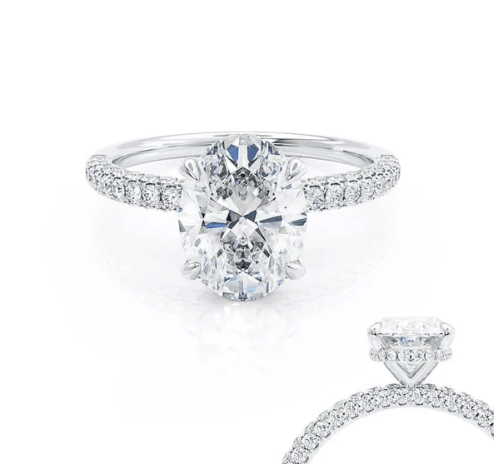
  • The History of Diamond Melee: How Tiny Diamonds Came to Define Modern Jewellery Design

    The History of Diamond Melee: How Tiny Diamonds Came to Define Modern Jewellery Design

    Diamond melee is one of the most influential yet least discussed elements in fine jewellery. These small diamonds rarely take centre stage, but they shape how jewellery looks, feels and performs. From antique settings to contemporary engagement rings, diamond melee has played a quiet but decisive role in defining refinement, balance and craftsmanship.

    To understand diamond melee properly, it is essential to look at both its technical meaning and its historical development. Melee diamonds are not simply small stones. They are a design language, one that has evolved alongside jewellery itself.

    The term melee originates from the French word mêlée, meaning mixture or medley. In gemmological terms, diamond melee refers to small diamonds, traditionally under 0.20 carats, that are used collectively rather than individually. They are selected to work together visually, creating texture, light and continuity rather than focal impact.

    Educational definitions published by the Gemological Institute of America explain that melee diamonds are typically used as accents, pavé surfaces or supporting elements around larger stones. Their purpose is not to dominate attention, but to enhance structure and light flow.

    While the terminology is relatively modern, the use of small diamonds in jewellery is centuries old. Early diamond jewellery often relied on clusters of small stones because cutting larger diamonds was technologically challenging and financially restrictive.

    In medieval Europe, diamonds were rare and difficult to shape. Early stones were often irregular, set in closed-back settings to maximise perceived brightness. Jewellery from this period frequently used multiple small diamonds to create visual impact rather than relying on a single centrepiece.

    Research from the British Museum shows that early diamond jewellery often employed groupings of stones to convey wealth and power. Size was less important than presence. Multiple diamonds signalled abundance and status, particularly among royalty and the nobility.

    As cutting techniques improved during the Renaissance, diamonds became more refined, but large stones remained scarce. Small diamonds were more accessible and easier to integrate into elaborate designs. This period saw the rise of cluster jewellery, where multiple stones were arranged to form floral, geometric or symbolic motifs.

    Art historical analysis from the Victoria and Albert Museum highlights how Renaissance and Baroque jewellery used repetition of small stones to create rhythm and ornamentation. Diamonds were valued not only for sparkle, but for how they could articulate form.

    The eighteenth century marked an important shift in how small diamonds were used. Advances in rose cutting allowed stones to reflect more light, and jewellery design began to emphasise surface shimmer rather than mass. Melee diamonds became tools for creating light across a piece rather than concentrated brilliance.

    During the Georgian era, diamonds were often set in silver-topped gold to enhance brightness in candlelight. Small stones were arranged closely together, foreshadowing techniques that would later be described as pavé. These early uses of melee were labour intensive and required exceptional craftsmanship.

    Historical jewellery studies published by the Metropolitan Museum of Art show that Georgian jewellery relied heavily on small diamonds to achieve elegance and luminosity. The cumulative effect of melee created softness and refinement that large stones alone could not provide.

    The nineteenth century saw diamond melee become even more prominent. As diamond sources expanded and cutting became more efficient, small diamonds became more widely available. Victorian jewellery embraced intricate detail, symbolism and texture, all of which suited melee diamonds perfectly.

    Melee diamonds were used to outline motifs, add sparkle to engraved surfaces and frame larger gemstones. Their role was supportive but essential. Without them, much of the era’s jewellery would have lost its depth and richness.

    Design commentary from the Royal Collection Trust notes that Victorian jewellery often relied on contrast between polished metal and diamond surfaces. Melee diamonds were central to achieving this visual balance.

    The early twentieth century brought a fundamental change in jewellery aesthetics. Art Deco design favoured geometry, symmetry and precision. This was a defining moment for diamond melee as a structural element rather than decorative excess.

    Art Deco jewellery used rows of small diamonds to create clean lines and architectural forms. Melee diamonds became tools of definition, outlining shapes and reinforcing symmetry. Their uniformity was essential to the era’s visual language.

    Curatorial analysis from the Cooper Hewitt Smithsonian Design Museum explains how small diamonds were used in Art Deco pieces to emphasise order and modernity. Melee allowed designers to work with scale and proportion in new ways.

    By the mid twentieth century, diamond melee had become firmly embedded in fine jewellery practice. As jewellery became more wearable and less ceremonial, melee offered a way to add refinement without overwhelming the wearer.

    This period also saw the rise of pavé settings, where small diamonds are set closely together with minimal visible metal. Pavé relies entirely on melee diamonds and precise craftsmanship. The technique creates a continuous surface of sparkle that feels luxurious yet restrained.

    Technical guidance from the International Gemological Institute highlights how pavé settings demand consistent stone quality and exacting setting standards. Melee diamonds must match closely in colour, cut and size to achieve the desired effect.

    In engagement ring design, melee diamonds transformed how rings were perceived. Instead of a single centre stone standing alone, designers began to use small diamonds to enhance bands, halos and shoulders. This allowed for greater complexity and personalisation without altering the core symbolism of the ring.

    Cultural commentary in Vogue has noted that modern bridal jewellery increasingly values detail and texture over overt scale. Melee diamonds play a key role in this shift, offering richness without excess.

    Beyond engagement rings, melee diamonds became essential to everyday fine jewellery. Bracelets, necklaces and earrings rely on small diamonds to create fluidity and continuity. In many cases, the overall impression of luxury comes not from one stone, but from the collective presence of many.

    Exploring modern diamond jewellery reveals just how central melee diamonds have become to contemporary design. They shape surfaces, define edges and soften transitions between metal and gemstone.

    Symbolically, diamond melee represents a different kind of value. Unlike a centre stone, which often carries explicit meaning, melee diamonds work quietly. Their significance lies in cohesion and support. They demonstrate how many small elements can create something refined and enduring.

    Sociological analysis from the Pew Research Center suggests that modern consumers increasingly appreciate craftsmanship and detail rather than overt display. Melee diamonds align with this preference, offering subtlety and depth.

    From a future-facing perspective, diamond melee continues to evolve. Advances in cutting precision and ethical sourcing have expanded possibilities for consistent, high-quality small diamonds. Designers now treat melee not as filler, but as a primary design tool.

    Design analysis from Dezeen has observed that contemporary jewellery increasingly values texture and material interaction. Melee diamonds allow designers to explore these ideas while maintaining elegance and wearability.

    The enduring appeal of diamond melee lies in its adaptability. It works across styles, eras and contexts. Whether framing a centre stone or forming an entire surface, melee diamonds enhance without dominating.

    They are proof that scale is not the sole measure of impact.

    From medieval clusters to modern pavé, diamond melee has shaped the visual language of fine jewellery for centuries. It has moved from necessity to choice, from ornament to structure.

    Today, diamond melee is not an afterthought. It is a deliberate design decision, reflecting an appreciation for balance, craftsmanship and subtle beauty.

    In a world increasingly drawn to considered luxury, diamond melee feels more relevant than ever.

    Small stones, used with intention, creating lasting meaning.

    That is the quiet power of diamond melee.

  • Diamonds and Step-Inspired Brilliant Diamond Shapes: Where History, Light and Modern Design Meet

    Diamonds and Step-Inspired Brilliant Diamond Shapes: Where History, Light and Modern Design Meet

    Diamond cutting has always been a reflection of how different eras understand beauty. At various points in history, value has been placed on size, on rarity, on symmetry, or on brilliance. Step-inspired brilliant diamond shapes exist because these priorities have never remained fixed. Instead, they have evolved, overlapped and occasionally collided, producing cuts that balance structure with light in ways that feel especially relevant today.

    To appreciate why these shapes resonate in a modern context, it is essential to understand how diamond cuts developed and why step cuts and brilliant cuts were once seen as opposing ideals.

    In the earliest days of diamond cutting, aesthetics were secondary. Medieval cutters worked with rudimentary tools and focused primarily on preserving as much of the rough stone as possible. Point cuts and simple table cuts followed the natural octahedral shape of the crystal. These early diamonds offered little sparkle, but they were prized for their durability and rarity rather than optical performance.

    As cutting techniques advanced through the Renaissance, symmetry became more achievable. Cutters began to understand that flat surfaces and consistent angles could influence how light interacted with a stone. This marked the beginning of intentional design in diamond cutting and laid the foundation for step cuts.

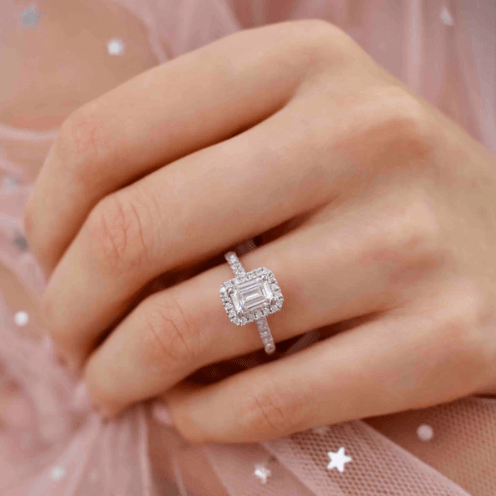
    Step cuts are defined by long, parallel facets arranged in concentric rows. These facets do not aim to scatter light rapidly. Instead, they reflect it in broad, mirror-like flashes that move slowly across the surface. The effect is calm and architectural, drawing the eye into the depth of the stone rather than across its surface.

    Educational material from the Gemological Institute of America explains that step cuts prioritise clarity and colour because their open facets leave little room for visual distraction. Inclusions and tonal nuances are more visible, which historically made these cuts a symbol of confidence and discernment.

    By the eighteenth and nineteenth centuries, step cuts had become closely associated with refinement. Elongated shapes emerged that reflected the architectural tastes of the period, favouring proportion, balance and restraint. The emerald cut became the most recognisable expression of this philosophy, valued for its clean lines and sense of order.

    At the same time, a different approach to beauty was developing. As scientific understanding of optics improved, cutters began experimenting with facet arrangements designed to maximise brilliance. Instead of long parallel planes, brilliant cuts used triangular and kite-shaped facets arranged radially to increase light return.

    This pursuit of sparkle culminated in the refinement of the round brilliant cut in the early twentieth century. Engineered for maximum fire and scintillation, it quickly became the most popular diamond cut in the world. Its energetic light performance contrasted sharply with the measured reflections of step cuts.

    For much of the twentieth century, these two cutting styles were framed as aesthetic opposites. Step cuts were described as elegant, intellectual and understated. Brilliant cuts were described as romantic, emotional and expressive. Buyers were often encouraged to see the choice as a binary one.

    Design history, however, tells a more nuanced story.

    During the Art Deco period, rigid distinctions between structure and sparkle began to soften. Designers embraced geometry, symmetry and modernity, but they also wanted visual impact. Diamonds were cut and set to reflect this duality, combining strong outlines with enhanced brilliance.

    Collections examined by the Victoria and Albert Museum show how Art Deco jewellery frequently blended step-based geometry with complex faceting. This era marked one of the earliest moments where step-inspired brilliant concepts began to emerge, even if the terminology did not yet exist.

    As cutting tools became more precise, these hybrid ideas became easier to realise. Laser technology and computer modelling now allow cutters to control angles and proportions with extraordinary accuracy. This precision is essential when working with elongated facets, where even minor asymmetry becomes visible.

    Insight from the International Gemological Institute highlights how modern cutters can now enhance light performance within structured designs, creating diamonds that offer both depth and movement without sacrificing clarity of form.

    This technical progress has reshaped how step-inspired brilliant shapes are perceived. They are no longer viewed as compromises between two ideals. Instead, they are recognised as deliberate design choices that balance restraint with vitality.

    The renewed interest in step cut diamonds reflects this broader shift in taste. These shapes appeal to buyers who appreciate clarity, proportion and history, but who also expect a diamond to feel alive in everyday wear.

    Cultural commentary in Vogue has observed that contemporary jewellery preferences increasingly favour balance over excess. Pieces that feel refined but not austere, expressive but not overwhelming, are particularly sought after. Step-inspired brilliant cuts sit naturally within this aesthetic.

    Modern lifestyles also play a significant role. Jewellery is no longer reserved for formal occasions. Engagement rings, earrings and bracelets are worn daily, often without being removed. Cuts that feel calm and confident rather than overly dramatic align better with this reality.

    Reporting in The Guardian has explored how modern luxury is increasingly defined by longevity and wearability. Pieces that reveal their beauty gradually tend to form stronger emotional bonds than those designed for instant impact.

    Step-inspired brilliant cuts embody this philosophy. Their light performance is slower and more deliberate, creating depth rather than constant scintillation. This measured sparkle feels reassuring and timeless, particularly for those drawn to understated elegance.

    There is also a psychological element to their appeal. Long, parallel facets create visual order and repetition, which many people find calming. When subtle brilliance is layered into this structure, the result feels balanced rather than chaotic.

    Exhibition commentary from institutions such as the Smithsonian National Museum of Asian Art has explored how symmetry and repetition influence aesthetic response. Step-based geometry engages both intellect and emotion, offering beauty that feels stable and considered.

    Historically, step cuts were often associated with formality and ceremonial jewellery. Their restrained reflections suited evening wear and heirloom pieces. Step-inspired brilliant shapes challenge this association by offering adaptability across contexts.

    Lifestyle coverage in Elle has noted that modern jewellery buyers increasingly seek pieces that transition seamlessly between professional, casual and celebratory settings. Diamonds that feel appropriate in all three are particularly valued.

    Individuality is another driving factor. As buyers move away from universal ideals, they gravitate towards cuts that feel distinctive without being unconventional. Step-inspired brilliant shapes occupy this middle ground.

    They are recognisable, yet less ubiquitous than traditional round brilliants. Choosing them often signals intention and design awareness rather than adherence to tradition.

    Economic analysis in the Financial Times has highlighted how modern luxury markets reward discernment. Consumers increasingly value pieces that demonstrate thoughtfulness and longevity rather than trend-driven appeal.

    The historical lineage of step cuts adds another layer of meaning. Their geometry connects modern diamonds to earlier design movements, creating continuity between past and present. When combined with brilliant faceting, this heritage feels reinterpreted rather than nostalgic.

    From an optical perspective, step-inspired brilliant cuts offer a distinct experience of light. Instead of rapid flashes, light moves in broader planes, creating presence and dimension. This quality appeals to those who prefer refinement over exuberance.

    As diamond cutting continues to evolve, the boundary between step and brilliant will likely continue to blur. New designs will explore how geometry and light can coexist in ever more nuanced ways.

    What remains constant is the appeal of balance.

    Step-inspired brilliant diamond shapes are not about choosing between structure and sparkle. They are about understanding how the two can enhance one another.

    They reflect a future-facing approach to jewellery that values clarity, intention and longevity. Diamonds that reveal their beauty through proportion and precision feel particularly suited to modern life.

    In a world defined by considered choices and personal expression, these shapes offer confidence without noise and elegance without rigidity.

    They do not demand attention. They reward it.

    And that quiet assurance is why step-inspired brilliant diamond shapes continue to resonate, not as a passing trend, but as a thoughtful evolution grounded firmly in history.

  • Why Pear Shape Diamonds Have Become the Defining Engagement Ring Shape of 2026

    Why Pear Shape Diamonds Have Become the Defining Engagement Ring Shape of 2026

    The rise of the pear shape diamond in 2026 is not the result of a fleeting trend or a single cultural moment. It is the culmination of more than a decade of shifting values in how engagement rings are chosen, worn and understood. Where diamond shape preference was once dictated by tradition and marketing hierarchy, it is now driven by confidence, individuality and intention. Within this landscape, the pear shape has emerged as the most expressive and adaptable choice of its era.

    Diamond shapes have always reflected their time. In periods where conformity and permanence were prioritised, symmetrical cuts dominated. In moments where self-expression and nuance gained cultural ground, more characterful silhouettes began to rise. The pear shape belongs firmly to the latter category. Its ascent in 2026 signals not rebellion against tradition, but a recalibration of what tradition means.

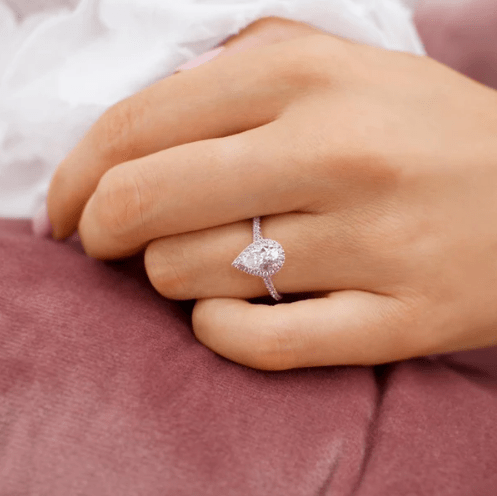
    The pear shape diamond is a hybrid cut, combining the brilliance of the round with the elongation of the marquise. This duality has always made it intriguing, but historically it also made it difficult to categorise. For much of the twentieth century, engagement ring culture favoured clarity of message. Round meant classic. Princess meant modern. Anything that resisted easy definition was often sidelined.

    Historical records referenced by the Gemological Institute of America show that the pear shape was first developed in the fifteenth century following advances in diamond cutting. From its inception, it represented innovation rather than convention. It was never designed to be uniform. It was designed to be expressive.

    Despite this early innovation, the pear shape spent centuries appearing primarily in high jewellery rather than engagement rings. Its asymmetry made it emotionally resonant but culturally risky in a space dominated by ideals of balance and perfection. Engagement rings, particularly in the twentieth century, became increasingly symbolic of stability and predictability.

    The post-war dominance of the round brilliant diamond reinforced this hierarchy. As marketing positioned symmetry and sparkle as the ultimate markers of love, alternative shapes were framed as stylistic detours rather than equal choices. The pear shape, despite its beauty, was often described as unconventional.

    That language mattered.

    It began to shift in the early 2010s, as engagement ring culture started to loosen. Buyers became less interested in proving commitment through conformity and more interested in choosing rings that reflected personal taste. Elongated shapes began to gain traction, offering a different visual rhythm without abandoning brilliance.

    Early editorial coverage in Vogue UK played a quiet but influential role in this transition. Pear shape diamonds were no longer framed as unusual. They were described as elegant, directional and intentional. This reframing allowed the shape to re-enter the conversation on new terms.

    By the late 2010s, the criteria by which engagement rings were judged had shifted significantly. Size became less important than proportion. Sparkle mattered, but so did wearability. Rings were no longer chosen solely for the proposal moment, but for the decades that followed.

    The pear shape excelled under this new scrutiny.

    One of the most compelling reasons pear shape diamonds have surged ahead of other elongated cuts in 2026 is their visual efficiency. The tapered silhouette creates the impression of length and presence without requiring excessive carat weight. In a market increasingly conscious of balance rather than excess, this quality has become highly desirable.

    Luxury analysis in Financial Times How To Spend It has highlighted how contemporary luxury is defined by intelligent restraint rather than overt display. The pear shape aligns perfectly with this philosophy. It feels generous without being indulgent.

    Unlike the oval, which maintains symmetry, the pear shape introduces direction. This directional quality gives the ring a sense of movement. It interacts with the hand rather than sitting passively upon it. In 2026, this sense of dynamism resonates strongly with buyers who want jewellery that feels alive.

    Design commentary in Wallpaper* has explored how modern aesthetics increasingly favour forms that suggest motion rather than stasis. Pear shape diamonds embody this shift. Their asymmetry creates visual interest without overwhelming the design.

    Versatility is another defining factor in the pear shape’s rise. Where some diamond shapes dictate specific settings, the pear shape invites interpretation. It can be worn point up or point down. It can anchor minimalist solitaires or lend softness to architectural bands. It adapts effortlessly to modern east-west settings as well as traditional orientations.

    This adaptability has made the pear shape a favourite among contemporary designers. In 2026, pear shape engagement rings appear across a wide spectrum of styles, from understated to sculptural. The shape no longer signals a niche aesthetic. It signals confidence.

    Cultural analysis in The Guardian has noted how modern consumers increasingly reject standardisation in favour of objects that feel personal. Engagement rings are central to this shift. The pear shape offers individuality without eccentricity.

    Another reason for the pear shape’s dominance lies in changing attitudes towards symmetry. For much of the twentieth century, symmetry was equated with perfection. In contemporary design culture, subtle irregularity is increasingly viewed as a sign of sophistication.

    The pear shape occupies a rare middle ground. It is neither perfectly symmetrical nor overtly irregular. This balance appeals to buyers who value nuance. It feels organic rather than engineered.

    Fashion analysis in Harper’s Bazaar UK has explored how organic silhouettes have become synonymous with modern elegance. Pear shape diamonds align naturally with this aesthetic, offering softness without informality.

    Practicality has also influenced demand. When designed well, pear shape engagement rings can be set lower on the finger than many high-profile cuts. This improves comfort and security, both of which are increasingly prioritised as engagement rings are worn continuously.

    Cultural insight from BBC Culture has shown how modern expressions of commitment prioritise authenticity and longevity. Rings are no longer ceremonial objects. They are daily companions. Shapes that support this reality rise naturally in popularity.

    Technological advances have further supported the pear shape’s ascent. Historically, pear shape diamonds could suffer from uneven shoulders or poor light performance if cut inconsistently. Improvements in cutting precision have largely eliminated these issues.

    The Gemological Institute of America has documented how advancements in diamond cutting have improved the consistency and brilliance of complex shapes. As quality became more reliable, confidence in pear shape diamonds grew.

    Ethical considerations have also played a role. As lab grown diamonds become mainstream, buyers are increasingly conscious of how visual impact relates to resource use. The pear shape offers a larger visual footprint per carat, aligning with more mindful consumption.

    Brands such as Lily Arkwright reflect this shift, frequently showcasing pear shape diamonds within collections that prioritise ethical sourcing and contemporary design. The shape fits seamlessly into a future-facing engagement ring philosophy.

    Celebrity influence has contributed to normalisation rather than imitation. High-profile pear shape engagement rings have demonstrated the cut’s versatility across styles, from minimalist to expressive. Rather than dictating taste, they have broadened acceptance.

    Media coverage in Elle UK increasingly frames pear shape diamonds as modern and refined rather than unconventional. This shift in language reinforces confidence, allowing buyers to choose the shape without feeling they are stepping outside tradition.

    In 2026, pear shape diamonds also benefit from exceptional adaptability across metals and band widths. They complement yellow gold, platinum and mixed metal designs equally well. Their silhouette balances slim bands and more substantial profiles with ease.

    This adaptability supports longevity. As personal style evolves, the ring remains relevant. This long-term perspective has become central to engagement ring decisions.

    Market insight from McKinsey & Company has shown that modern luxury consumers value durability and adaptability over novelty. Engagement rings exemplify this shift. Shapes that age well naturally rise in demand.

    Looking ahead, the pear shape’s prominence does not imply uniformity. Rather, it reflects a pluralistic market where choice is guided by meaning rather than hierarchy.

    The pear shape has risen because it offers balance. It is expressive without being theatrical. Distinctive without being divisive.

    Historically, diamond shape trends have always mirrored cultural confidence. When buyers feel constrained, they choose safety. When they feel empowered, they choose expression.

    The rise of the pear shape in 2026 signals assurance. Buyers are comfortable choosing rings that reflect who they are rather than what tradition dictates.

    That is why the pear shape diamond is not simply fashionable in 2026.

    It is emblematic.

    It represents a generation of buyers who value nuance, individuality and intention.

    And that is why, in 2026, the pear shape has become one of the most in-demand engagement ring shapes in the UK.

  • Why More British Women Are Designing Their Own Engagement Rings in 2026

    Why More British Women Are Designing Their Own Engagement Rings in 2026

    The engagement ring has always been a deeply symbolic object in Britain. It has marked intention, commitment and a shared future, and for generations it has been chosen in secrecy, slipped into a velvet box and presented in a moment of cinematic anticipation. Yet in 2026, that script is evolving. Across the UK, a growing number of British women are taking creative control of their engagement rings, working alongside partners or independently to design pieces that reflect their identities, values and aesthetic preferences.

    This shift is not happening quietly. Cultural commentators, trend forecasters and jewellery historians have all noted its rise, describing it as part of a wider movement in which women are reclaiming authorship of the symbols that define their relationships. As Vogue UK recently observed, modern engagement rings are becoming “collaborative declarations rather than surprises”, shaped by personal expression and craftsmanship rather than tradition alone.

    At its core, this movement reflects a desire for individuality, agency and emotional authenticity. It is both a response to changing social dynamics and an embrace of creativity. To understand why more British women are designing their own engagement rings in 2026, we must look at the historical evolution of engagement traditions, contemporary cultural influences, the growth of digital design tools and the shifting definitions of romance itself.

    A Brief History of Engagement Ring Tradition

    For most of British history, engagement rings followed a fairly predictable pattern. Rings were selected by men, sometimes with the help of a jeweller or family member, and presented to their partners as a symbolic offering. This model derives from Victorian customs where diamond rings were positioned as tokens of commitment, influenced heavily by early advertising and social norms.

    By the mid twentieth century, diamond engagement rings had become near universal in Britain. The ring was meant to surprise, and the proposal moment became a cultural script performed in countless films and novels. Yet, as The Guardian has noted, this tradition was never as fixed as it seemed. Many women throughout history voiced preferences or gave subtle hints, but the moment of agency remained limited.

    In the last two decades, expectations have shifted dramatically. The rise of gender equality, shared financial decision making and the increasing importance of design individuality have transformed the engagement ring from a unilateral gesture into a collaborative expression. This evolution mirrors broader cultural changes in relationships, where equality and partnership shape both emotional and financial choices.

    The Rise of Personalisation in Modern Luxury

    One of the clearest drivers behind this trend is the rise of personalisation. Across fashion, interiors and jewellery, consumers are rejecting mass produced designs in favour of pieces that carry personal meaning. Luxury is no longer defined solely by price or rarity but by emotional resonance and individuality.

    This aligns with broader cultural shifts seen in British lifestyle trends. The popularity of custom fashion, bespoke fragrances and personalised home décor reflects a desire for objects that fit naturally into a person’s identity rather than forcing the wearer to adapt to a pre existing idea of beauty. Engagement rings are experiencing the same transformation.

    As Cosmopolitan UK recently highlighted, bespoke engagement ring design has surged among millennial and Gen Z women who want heirlooms that tell personal stories. The publication noted that more women now bring mood boards to consultations, complete with gemstone preferences, style inspirations and historical references.

    These boards often blend influences from vintage jewellery, contemporary minimalism, celestial motifs or heritage romance, resulting in rings that reflect both personal stories and modern aesthetics. The trend echoes the wider British cultural emphasis on individual voice and self expression.

    Digital Design Tools and the Democratization of Jewellery Creation

    The rise of digital design platforms has also played a major role in empowering British women to design their own engagement rings. Sophisticated online tools enable users to experiment with shapes, metals, gemstones and settings with surprising accuracy, offering a level of creative freedom previously available only to professional designers.

    This emergence of accessible technology mirrors developments across the creative industries, where digital tools have democratised photography, illustration, fashion design and interior planning. Jewellery has joined this transformation, allowing women to visualise their ideas, adjust proportions and explore styles long before visiting a jeweller.

    As BBC Technology has reported, digital creativity has become central to modern consumer behaviour, especially among younger buyers. This aligns perfectly with the bespoke engagement ring movement, where design autonomy is both empowering and practical.

    For many women, these tools remove the anxiety of being surprised with a ring that does not feel like them. They also enable couples to collaborate, building designs that reflect both partners’ tastes and shared values. The ring becomes an artistic expression rather than a traditional obligation.

    A Reaction Against Outdated Engagement Stereotypes

    Part of the appeal of designing one’s own engagement ring lies in rejecting outdated stereotypes surrounding romance and relationships. The cultural expectation that women should be “surprised” by a ring they will wear for the rest of their lives has become increasingly incompatible with modern gender dynamics.

    The traditional script also reinforced assumptions about who should make financial decisions and who should define the meaning of an engagement. In contrast, today’s British couples take pride in building their relationships as equal participants, including when selecting the most symbolic piece of jewellery they will own.

    As The Financial Times recently discussed, modern couples are re negotiations of roles and expectations around proposals in a way that emphasises fairness and shared experience. Designing the ring together has become part of that shift. Many women report feeling that the act of co creating the ring felt more intimate and meaningful than being surprised with one.

    This phenomenon also intersects with broader feminist cultural movements in Britain, where autonomy, personal expression and creative control are valued as essential components of modern womanhood.

    The Influence of Celebrity Culture and Public Figures

    Celebrity culture continues to shape engagement ring trends, and the rise of bespoke design reflects this influence. High profile figures including royals, actors and musicians increasingly choose custom pieces that reflect their personal stories or heritage.

    Public interest in rings worn by prominent figures, such as those featured in Vogue UK and The New York Times, has normalised the idea that engagement rings should be personal, creative and deeply meaningful. These celebrity rings often incorporate unique gemstone cuts, coloured stones, elaborate symbolism or historical references.

    British women, inspired by these expressions of individuality, have embraced the idea that their own engagement rings should reflect their identity rather than conform to expectation. The bespoke engagement ring trend is not merely aesthetic but emotional, cultural and aspirational.

    Sustainability and Ethical Awareness in Modern Engagement Choices

    Sustainability has become one of the most influential forces shaping British consumer behaviour. Younger buyers prioritise ethical sourcing, low environmental impact and transparent supply chains. These values naturally extend to engagement rings.

    As BBC News has highlighted, sustainability influences purchase decisions across fashion, jewellery and luxury goods. Designing an engagement ring allows individuals to select stones and metals aligned with their ethics, whether that means choosing laboratory grown gemstones, vintage diamonds or recycled gold.

    By taking ownership of the design process, women ensure their engagement rings reflect not only their style but also their values. This adds a deeper significance to the ring, turning it into a symbol of both love and responsibility.

    A New Definition of Romance in 2026

    What makes the rise of self designed engagement rings so captivating is the way it redefines romance. The act of creating something meaningful, intentional and personal becomes its own romantic gesture. It transforms the engagement ring into an artefact shaped by love, not simply purchased for it.

    British women describe the process as empowering, joyful and creatively fulfilling. Couples often reflect that designing a ring together strengthened their connection, making the proposal less about surprise and more about shared intention.

    Modern romance is not defined by secrecy but by collaboration. As The Guardian Lifestyle notes, the contemporary love story places meaning, communication and shared creativity at its centre. The bespoke engagement ring movement aligns perfectly with this shift.

    Conclusion: The Future of Engagement Rings in Britain

    As 2026 unfolds, the trend of British women designing their own engagement rings shows no sign of slowing. It is a movement shaped by individuality, cultural evolution, technological innovation and emotional authenticity. It reflects a generation that wants its jewellery to be as meaningful and expressive as its relationships.

    The engagement ring, once a symbol defined by tradition, has become a canvas for storytelling. And in taking creative control, British women are not rejecting romance but redefining it. They are designing pieces that will not only celebrate their engagements but one day become heirlooms, carrying the imprint of their artistry, values and love story.

  • The ultimate symbol of modern femininity – The Rise of the Pink Diamond

    A New Shade of Strength

    There is something magnetic about the colour pink. Once dismissed as delicate or decorative, it has re-emerged in 2026 as a symbol of power and self-assurance. In fine jewellery, that transformation is perfectly embodied by the rise of the pink diamond — a gemstone now defining modern British luxury.

    As Vogue UK recently wrote, “pink has transcended stereotype, reclaiming its place as the colour of quiet strength.” The modern woman no longer wears pink as a statement of sweetness, but as one of confidence.

    And nowhere is that evolution more beautifully expressed than in the luminous brilliance of the pink diamond.

    The Meaning of Pink

    The symbolism of pink has changed profoundly in the past decade. It once carried associations of innocence and youth, but now reflects empathy, compassion and inner confidence.

    In colour psychology, pink sits between red’s passion and white’s purity, representing both warmth and balance. As BBC Culture observed, “pink is no longer a colour of naivety, but of nuance — emotional intelligence rendered visible.”

    Pink diamonds embody this duality. Their hue suggests both delicacy and determination, their sparkle both grace and resilience. It is this blend of softness and strength that has made them the defining gemstone of the age.

    From Rarity to Reverence

    Pink diamonds are among the rarest natural gemstones in the world. Unlike other fancy-coloured diamonds, their hue is not caused by impurities but by distortions in their crystal lattice structure, a geological anomaly that refracts light into shades of blush and rose.

    As Financial Times Life & Arts reported, “natural pink diamonds account for less than 0.1 percent of all diamonds mined globally.” Their scarcity has made them highly sought after by collectors and designers alike.

    The closure of Australia’s Argyle Mine in 2020 — which once produced over 90 percent of the world’s pink diamonds — only increased their allure. Prices have soared, but so too has symbolic value. Pink diamonds have become emblems of independence and individuality, aligning with a new generation’s appreciation for rarity that carries meaning, not just price.

    The Feminine Renaissance

    In Britain’s fine jewellery landscape, the pink diamond has become the gemstone of empowerment. It reflects the growing movement of women buying jewellery for themselves — a phenomenon that has transformed the concept of luxury from gift to self-expression.

    As The Guardian noted, “self-purchase has become the most powerful trend in modern jewellery.” Pink diamonds, with their understated radiance, perfectly capture that balance between indulgence and identity.

    The stone’s rise mirrors the wider cultural embrace of feminine confidence. Designers are framing pink not as a retreat into nostalgia, but as a reassertion of individuality.

    As Harper’s Bazaar UK put it, “pink has become the colour of women defining their own luxury.”

    The Soft Power of Colour

    Pink’s power lies in its subtlety. Unlike the cold perfection of a colourless diamond, a pink stone carries warmth and emotion. It feels intimate, human, alive.

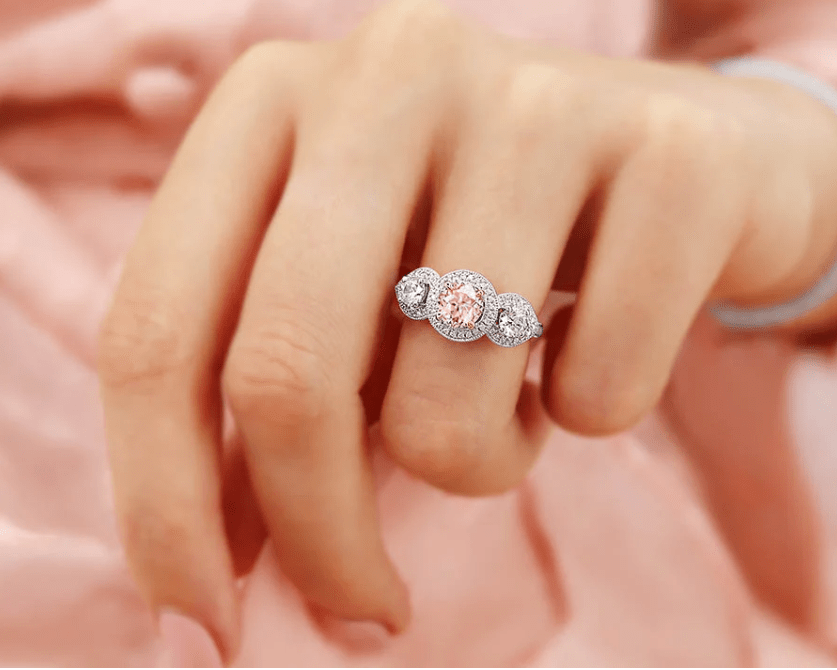
    This emotional resonance has made pink diamonds increasingly popular for engagement rings and milestone jewellery. The colour communicates tenderness without fragility — a modern symbol of love built on equality and understanding.

    As BBC Lifestyle observed, “softness is no longer the opposite of strength, but its companion.”

    Couples are drawn to pink diamonds not because they are loud, but because they are quietly confident. Their hue speaks of connection, empathy and grace — qualities that define modern relationships as much as modern design.

    Lab-Grown Brilliance and Modern Ethics

    While natural pink diamonds remain extraordinarily rare, scientific innovation has made their beauty more accessible. Lab-grown pink diamonds, created under controlled conditions that replicate the earth’s natural formation process, offer the same physical and optical properties at a fraction of the cost and environmental impact.

    British jewellers such as Lily Arkwright are leading this evolution, combining responsible sourcing with refined artistry. Their lab-grown fancy pink diamonds showcase the delicate hues and brilliance of natural stones, while aligning with the values of sustainability and transparency.

    As Forbes Innovation reported, “technology has democratised rarity — allowing emotion, not exclusivity, to define value.”

    For the modern British buyer, that combination of ethics and elegance has become the new standard of luxury.

    The Fashion Connection

    The rise of the pink diamond coincides with fashion’s renewed fascination with colour. From soft rose tailoring at Alexander McQueen to pale pink accessories at Burberry, the tone has become synonymous with effortless sophistication.

    As Vogue UK highlighted, “pink is the new neutral — quietly radiant and endlessly adaptable.”

    This aesthetic harmony has extended into fine jewellery, where pink diamonds now complement minimalist silhouettes and warm gold settings. The trend reflects a cultural appetite for subtle expression, where colour becomes an accent of identity rather than a statement of excess.

    Celebrities have further cemented this allure. From Blake Lively’s pink oval diamond engagement ring to Jennifer Lopez’s pink sparkler from Ben Affleck, the stone has become a byword for elegance infused with personality.

    The British Perspective

    In Britain, pink diamonds have found a particularly strong audience among buyers seeking individuality and artistry. The nation’s jewellery heritage, rooted in craftsmanship and storytelling, has made it the ideal setting for the pink diamond’s new chapter.

    As Financial Times Life & Arts wrote, “British fine jewellery thrives on quiet confidence — a kind of restraint that heightens beauty.” The pink diamond fits this philosophy perfectly.

    From bespoke engagement rings in Hatton Garden to sustainable creations from ethical jewellers across the UK, pink diamonds are redefining what it means to be feminine, luxurious and modern all at once.

    A Symbol for the Future

    Pink diamonds have always captivated the imagination, but their modern meaning runs deeper. They represent a world where beauty and purpose coexist, where strength can be expressed through softness.

    They are the gemstones of empathy, individuality and reflection — qualities that define both love and contemporary luxury.

    As BBC Culture reflected, “colour carries consciousness.” The pink diamond embodies a new kind of consciousness — one that values emotion over perfection, connection over convention.

    In 2026, to wear a pink diamond is to embrace a new vision of strength. It is not the loud, declarative power of the past, but something quieter and more profound.

    It is, quite simply, the power of grace.