Diamonds have always translated effortlessly to the language of cinema. They are instantly recognisable, universally understood and emotionally loaded before a story even begins. In film, diamonds rarely exist as neutral decoration. They are used to explore desire, ambition, loyalty, risk and freedom. Crucially, cinema does not present diamonds as moral absolutes. Instead, it repeatedly reinforces a central idea: diamonds take on meaning through human choice.
Across decades of filmmaking, diamonds have been framed as symbols of romance, danger, aspiration and consequence. Sometimes they are the prize, sometimes the problem, and sometimes simply the catalyst that reveals character. What unites these portrayals is not judgement of the diamond itself, but examination of the decisions people make around it.
Film scholarship published by the British Film Institute has long examined how objects function as narrative anchors. Diamonds are particularly effective because their value is culturally understood, allowing filmmakers to focus on psychology rather than explanation.
One of the most iconic diamond centred films is Diamonds Are Forever. The film treats diamonds as instruments of global power rather than romantic tokens. They move through criminal networks and political intrigue, reflecting anxieties around wealth and excess rather than condemning luxury itself.
Retrospective analysis in The Guardian has noted that Bond films often use diamonds to expose human ambition. The stones remain inert. It is the pursuit of control that drives conflict.
A more confronting portrayal appears in Blood Diamond. The film brought the realities of conflict diamonds into mainstream awareness, reshaping public conversation around sourcing and responsibility. Its legacy lies not in discouraging diamonds, but in encouraging ethical awareness.
Coverage from BBC Culture highlighted how the film influenced consumer expectations around transparency rather than diminishing desire. Viewers were encouraged to ask questions, reinforcing the importance of informed choice.
In contrast, Breakfast at Tiffany’s presents diamonds as aspirational and stabilising. Tiffany’s windows and diamond imagery represent elegance, permanence and the possibility of reinvention. The story prioritises emotional self determination over material ownership.
Film historians writing for Smithsonian Magazine have observed that the film helped establish diamonds as cultural shorthand for refinement, while subtly reinforcing the idea that personal fulfilment outweighs material aspiration.
Chaos and dark humour define Snatch. A stolen diamond passes through intersecting lives, exposing obsession, greed and absurdity. The stone itself remains unchanged while human behaviour unravels around it.
Analysis in The New York Times described the diamond in Snatch as a narrative accelerant. It does not corrupt characters. It reveals them.
A more psychologically intense exploration appears in Uncut Gems. Diamonds are stripped of glamour and presented as emotional triggers tied to risk, addiction and validation. The gemstone becomes a mirror for internal chaos rather than a symbol of success.
Cultural commentary from The Atlantic framed the film as a study of obsession rather than luxury. Diamonds amplify instability, underscoring that objects gain power only through human attachment.
In Gentlemen Prefer Blondes, diamonds famously symbolise security and autonomy. The film’s iconic musical number reframes diamonds as rational choices rather than romantic illusions, a perspective that resonates strongly with modern audiences.
Film retrospectives from The Criterion Collection highlight how the film balances satire with empowerment. Diamonds are presented as options, not obligations.
A contemporary and visually striking entry is Ocean’s Eight. The diamond necklace at the centre of the plot symbolises access and spectacle, yet the narrative celebrates collaboration, intelligence and precision over possession.
Fashion analysis in Vogue examined how the film repositioned diamonds within modern narratives of agency and control. The jewellery is aspirational, but ownership is never framed as the ultimate goal.
Suspense and moral ambiguity shape Marathon Man. Diamonds link personal trauma to global consequence, demonstrating how luxury objects can bridge private and political narratives.
Film criticism discussed in Sight & Sound has noted how diamonds often function as connective tissue in thrillers, binding themes of trust, fear and power.
Playfulness returns in The Pink Panther. The famous diamond becomes a symbol of charm, elegance and comic chaos, reinforcing that diamonds can carry levity as easily as seriousness.
Coverage from BFI Screenonline highlights how the film helped cement diamonds as cinematic icons associated with wit rather than moral judgement.
Across these films, a consistent message emerges. Diamonds are never the villain. Nor are they the hero. They are narrative tools that reflect human priorities, amplifying whatever values surround them.
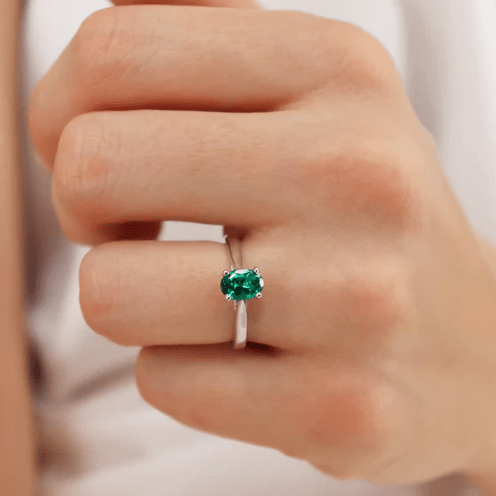
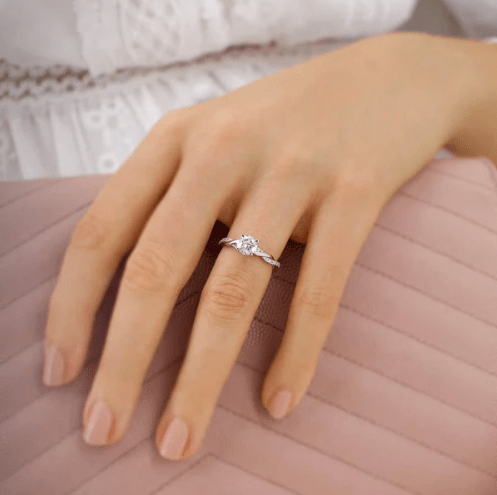
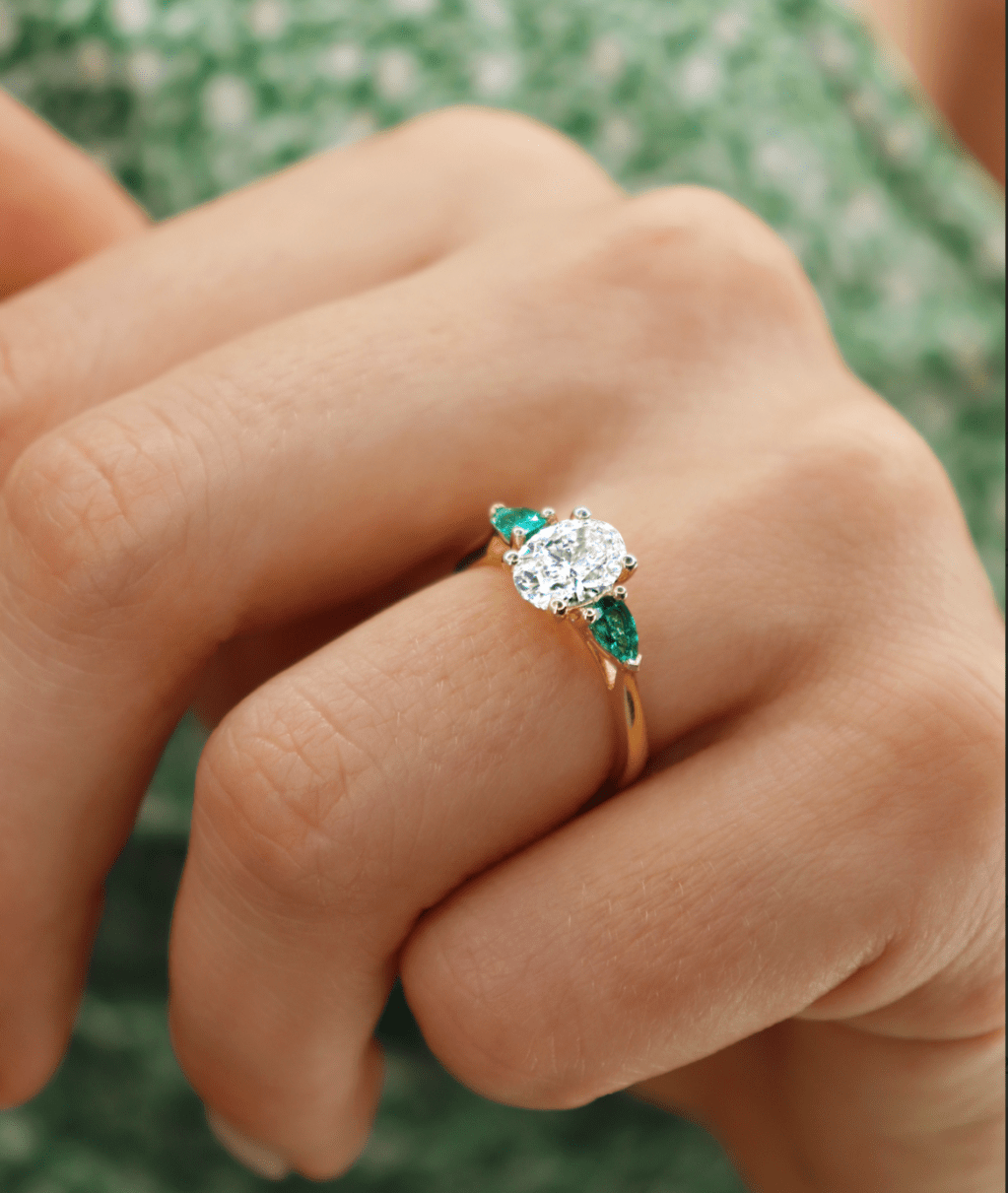
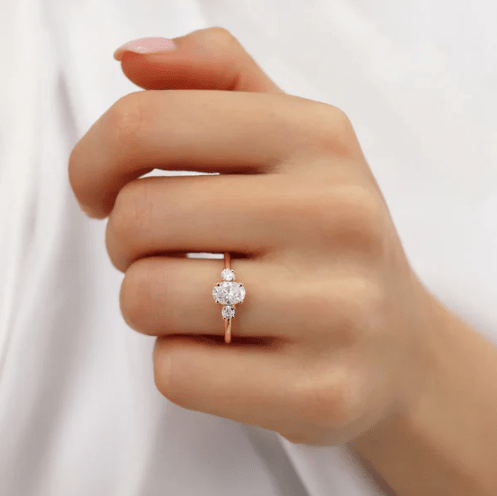
This cinematic perspective aligns closely with contemporary jewellery culture. Exploring modern diamond collections, such as those available through Lily Arkwright, reflects the same emphasis on choice. Natural or lab grown, dramatic or understated, meaning comes from intention rather than prescription.
Cultural analysis in The Financial Times has noted that luxury objects endure when they adapt to individual values. Diamonds continue to appear in cinema because they are flexible symbols, capable of evolving alongside society.
Looking ahead, films about diamonds remain relevant because they refuse to offer a single conclusion. They present possibility rather than instruction. Diamonds can represent love, danger, freedom or ambition depending on who chooses them.
That adaptability is why diamonds continue to hold their place on screen.
Not because they are flawless, but because they reflect us.
And as cinema evolves, diamonds will remain part of its language, shaped not by inevitability, but by choice.


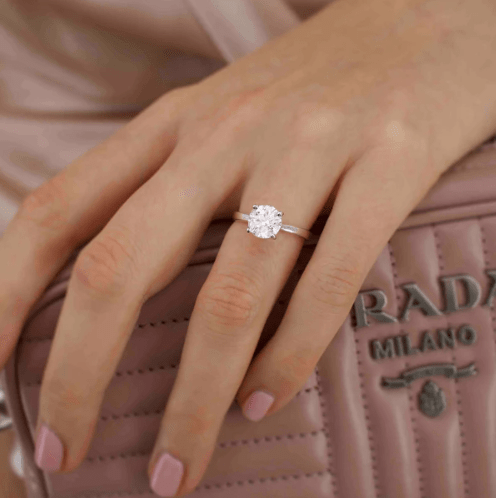
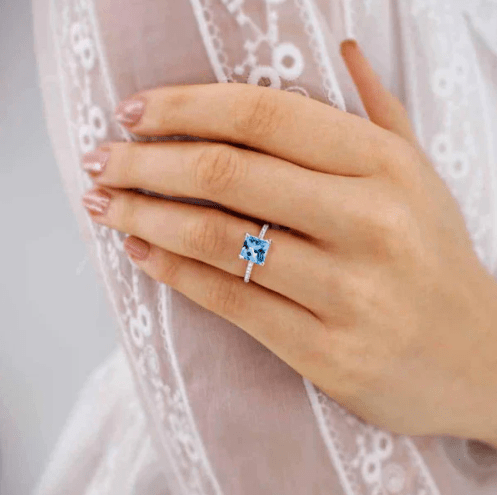
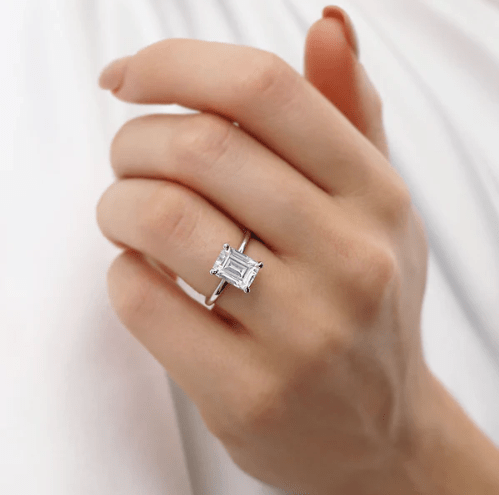
 Diamonds are a girls best friend