Tag: ukengagementring

  • The Diamond Colour Renaissance: Why Warm Tones Are Back for 2026

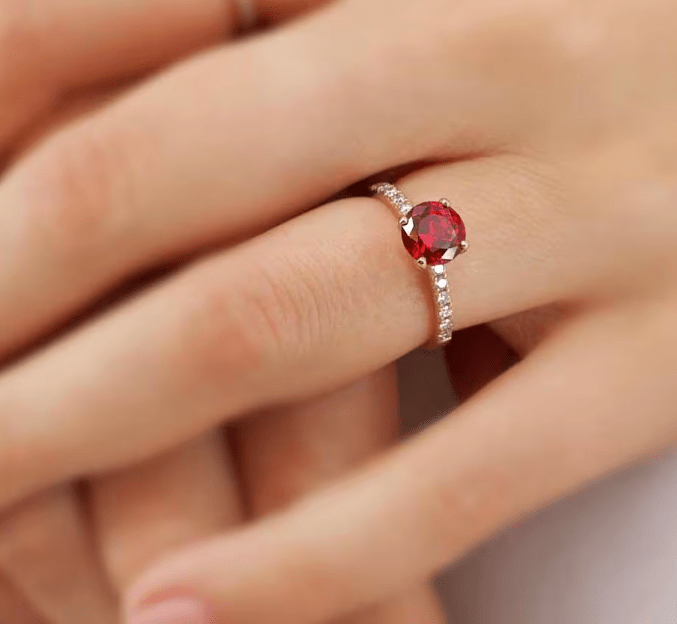
    For decades, the engagement ring world has been dominated by the icy, colourless diamond. Its cool brilliance became synonymous with luxury, status and tradition. Yet moving into 2026, a noticeable transformation is unfolding in Britain’s jewellery culture. Diamonds with warm tones such as champagne, honey, cognac and subtle gold infusions are stepping back into the spotlight, offering a romantic alternative to the classic white diamond. This shift is more than a fleeting trend. It reflects deeper changes in taste, storytelling and cultural identity.

    According to Vogue UK, British couples are increasingly turning to diamonds with personality, warmth and distinctive hues because they feel expressive rather than conventional. These diamonds stand out quietly rather than loudly, capturing the sensibility of modern luxury, which prioritises meaning over spectacle. The rise of warm toned diamonds mirrors broader cultural movements in which individuals choose objects that reflect personal identity rather than adhering to long held norms.

    The renewed appreciation for diamond colour can also be traced to changes in global fashion. As The Guardian Fashion notes, warm neutrals, soft golds and earth inspired palettes have dominated both runways and interior design. Jewellery, as always, is following suit. Engagement rings now echo this aesthetic shift, with buyers gravitating toward stones that complement natural skin tones and create a softer, more intimate glow.

    In contrast to the bright, high contrast look of a colourless diamond, warm toned stones evoke a romantic, vintage style reminiscent of historical eras. The Edwardian and Art Deco periods, for instance, frequently showcased coloured and tinted diamonds, long before colour grading systems became the industry standard. Today’s revival reflects a growing fascination with craftsmanship of the past, which BBC Culture describes as “a return to storytelling through objects.” Warm toned diamonds are rarely identical, and this individuality offers a sense of character that appeals to buyers seeking something meaningful rather than mass produced.

    There is also a shift in what modern luxury represents. Once defined by excess, today’s luxury is shaped by subtlety, responsibility and personal narrative. As The Financial Times argues, luxury in 2026 is increasingly “quiet, considered and intelligent.” Warm toned diamonds fit perfectly into this new definition because they are understated yet distinctive. They glow rather than sparkle aggressively, creating an effect that feels sophisticated and effortless.

    Celebrity influence plays a role as well. Engagement rings worn by public figures often inspire widespread demand, and warm toned diamonds have appeared on red carpets, in film and in editorial shoots. As Cosmopolitan UK highlights, the new generation of celebrity engagements prioritises individuality and uniqueness. When a warm toned diamond appears on camera, it offers an alternative vision of romance that appeals to audiences tired of conventional choices.

    One reason for the revival of diamond colour is a growing appreciation for stones that embrace natural beauty. In the past, the jewellery industry heavily promoted the colourless ideal, suggesting that any hint of colour was a lesser stone. That viewpoint is now being challenged. Warm tones are increasingly seen not as imperfections but as features that add richness and depth. Buyers are more aware than ever that naturally occurring colours can make a stone feel rare and personal.

    The influence of film and television cannot be underestimated. Warmly toned diamonds often feature in period dramas and stylised productions. From gilded Edwardian sets to opulent modern fantasies, filmmakers use light and colour to shape visual stories. These on screen aesthetics influence real world jewellery choices, as The New York Times notes in coverage of cinematic styling trends. When audiences see glowing, honey toned jewellery on screen, they envision it in their own lives.

    Beyond style and fashion, warm toned diamonds also connect to emotional symbolism. Colour psychology suggests that golden and champagne hues evoke warmth, stability, nostalgia and comfort. In an age defined by uncertainty, these associations feel especially appealing. Engagement rings have always been deeply emotional objects. Choosing a warm coloured stone allows couples to embed additional layers of meaning into the piece, creating a ring that reflects not only love but also resilience and connection.

    The resurgence of coloured diamonds also highlights a renewed interest in artistry. Warm toned diamonds pair beautifully with yellow gold, rose gold and antique inspired settings, encouraging jewellers to rediscover design techniques from earlier periods. This has sparked a wave of creativity across Britain’s jewellery studios, particularly in areas such as London’s Hatton Garden and Birmingham’s Jewellery Quarter, where artisans are exploring texture, tapering, filigree and mixed metal designs. As BBC News reported, the demand for bespoke engagement rings continues to rise, and warm colour palettes offer greater room for experimentation.

    Lab grown diamonds are also influencing this trend. Because they allow for greater colour control at the point of creation, jewellers can now offer warm toned stones with exceptional clarity and consistency. This has helped reintroduce coloured diamonds to the mainstream market, making them more accessible than natural fancy diamonds, which can be rare and prohibitively expensive. As sustainability and transparency become deciding factors for younger buyers, the ability to choose lab grown diamonds without sacrificing colour or brilliance is a significant advantage.

    While colourless diamonds will always hold a cherished place in British jewellery culture, the rise of warm tones marks a fundamental shift in how couples perceive beauty. Rather than aspiring to the industry promoted ideal, they are choosing the diamond that feels right for them. This represents a broader move towards individuality in engagement ring design, one that aligns with the personalised approach to relationships embraced by Gen Z and millennial couples.

    The Diamond Colour Renaissance is not a rebellion against tradition but an expansion of it. It invites couples to reinterpret romance through their own lens, free from outdated rules. Whether it is the subtle glow of a champagne diamond or the deeper richness of a cognac tone, warm coloured stones offer a way to express love with intimacy and personality. As the trend continues to grow throughout 2026, these diamonds will undoubtedly become one of the defining symbols of modern British romance.

  • Minimalist Engagement Rings 2026 | The New UK Aesthetic

    The landscape of engagement ring design in 2026 feels markedly different from the bold, maximalist trends that dominated the early 2010s. Instead of oversized halos and elaborate multi-stone settings, British couples are now gravitating toward subtlety, refinement and quiet, confident beauty. The shift reflects broader cultural currents in fashion and lifestyle, where understated luxury and intentional choices carry more meaning than ornate displays of wealth. Publications such as Vogue UK and The Guardian have both noted that minimalism is becoming the defining design language of modern jewellery, and engagement rings sit firmly at the centre of this transformation.

    Minimalism, micro pavé and quiet luxury are not simply stylistic trends. They reflect deeper patterns in society, influenced by generational values, economic pressures, celebrity culture and a renewed appreciation for craftsmanship. As British couples continue to rethink what an engagement ring should represent, they are embracing designs that prioritise elegance, clean lines and authenticity. These rings are intentionally timeless, created to complement a lifetime rather than a season.

    The rise of the minimalist engagement ring can be traced partly to changes in how people express identity. According to BBC Culture, the modern aesthetic movement is driven by a desire for objects that feel sincere rather than performative. A carefully chosen solitaire or a micro pavé band communicates quiet confidence, allowing the stone and craftsmanship to speak for themselves. This is in sharp contrast to the social media driven extravagance that once captured attention, where size and spectacle often overshadowed substance. In 2026, couples are choosing rings that align more closely with their values and lifestyle, favouring refined beauty over theatrical display.

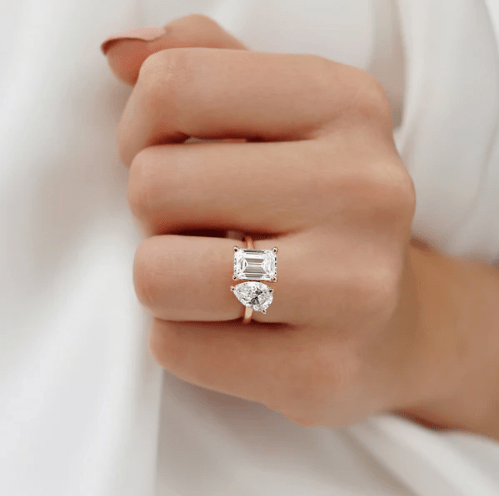
    Clean geometry sits at the heart of this new aesthetic. Slim bands, balanced proportions and precise metalwork create a sense of visual harmony. Round and oval diamonds continue to be popular because of their soft lines, but emerald cuts, step cuts and elongated shapes are gaining significant traction due to their architectural appeal. These geometric silhouettes pair beautifully with minimalist settings, allowing the natural symmetry of the stone to become the focal point. In a recent feature, Financial Times highlighted the increasing interest in angular diamond shapes, noting that their subtle elegance appeals particularly to couples seeking modern sophistication without overt ornamentation.

    Micro pavé, one of the most refined techniques in jewellery, has flourished alongside this minimalist movement. The technique involves setting very small diamonds closely together to create a continuous shimmer across the band. The effect is delicate rather than showy, offering a refined sparkle that catches the light without overwhelming the central stone. It is this understated radiance that has made micro pavé one of the hallmarks of quiet luxury. Cosmopolitan UK described micro pavé settings as “the perfect balance between sparkle and subtlety”, highlighting their ability to add detail without detracting from the simplicity of the overall design.

    The growing appeal of quiet luxury is undoubtedly tied to cultural influences. Television series, high fashion and even political shifts have shaped this movement, but the most influential factor has been celebrity style. Engagement rings worn by public figures known for their refined approach to fashion have become touchpoints for what British couples aspire to. The New York Times has repeatedly remarked on the cultural allure of quiet luxury, noting that celebrities are embracing pieces that feel intentional and timeless rather than flashy. When high profile figures choose elegant solitaires or micro pavé bands, their choices resonate widely with audiences who see understated jewellery as a symbol of confidence rather than caution.

    Economic sensibility has also played a major role in the rise of minimalist engagement rings. The past decade has seen fluctuations in financial stability, prompting many couples to prioritise designs that feel enduring and versatile. Minimalist rings pair easily with wedding bands and anniversary rings, reducing the concern that a bold or unusual design may clash with future pieces. This flexibility makes them appealing for long term wear and allows the wearer to build a cohesive jewellery collection over time. The minimalist approach is not merely an aesthetic choice but a practical one, suited to evolving lifestyles and personal tastes.

    Another reason this aesthetic has become dominant is the increasing emphasis on craftsmanship and quality over ostentation. British couples are approaching engagement ring shopping with a deeper interest in how a ring is made, where materials are sourced and what techniques are used. The Guardian has highlighted a significant rise in conscious consumerism, particularly among younger buyers who want their purchases to reflect ethical and environmental considerations. A minimalist ring naturally draws attention to the quality of its materials and the skill of its maker, since there are no elaborate details to distract from potential flaws. For many buyers, this transparency enhances the value of the piece.

    Micro pavé settings, with their meticulous precision, underscore this appreciation for craftsmanship. Each tiny stone is set individually by hand, requiring rigorous attention to detail. The result is a ring that feels luxurious not because it shouts for attention but because every element is executed with intention. Quiet luxury relies on this kind of understatement, where the artistry is evident in the quality rather than the quantity of decoration. BBC News recently discussed this shift in a feature on modern luxury consumption, noting that consumers are increasingly drawn to items that offer meaning and longevity over sheer extravagance.

    Minimalist engagement rings also align with the aesthetic preferences that dominate platforms such as Instagram and Pinterest. While social media once drove demand for oversized halos and highly decorated bands, the visual culture of 2026 leans toward airy, uncluttered compositions that highlight natural beauty. Photographers, influencers and stylists frequently showcase delicate bands, slim solitaires and micro pavé rings arranged in soft, muted palettes. These images have a calming quality that resonates with couples who want their engagement rings to feel effortless and modern. As trends circulate through social media, they reinforce the appeal of elegant simplicity and further establish minimalist designs as the standard for contemporary romance.

    The trend is also supported by broader shifts in fashion. Designers across Europe and the UK are championing pared back silhouettes, luxurious natural fabrics and subtle colour palettes. Jewellery trends often reflect fashion movements, and the engagement ring is no exception. The clean lines and subtle presence of minimalist rings complement current wardrobe staples such as structured coats, tailored trousers and soft knitwear. Engagement rings of 2026 are designed not just as symbols of commitment but as pieces that integrate seamlessly into daily life, reflecting personal style with ease.

    London, as one of the world’s leading jewellery capitals, continues to shape these trends. British designers have long been known for a balance of craftsmanship and restraint, blending tradition with contemporary influences. Minimalism suits this heritage well, allowing designers to showcase signature handwork while appealing to modern tastes. The appeal of London’s jewellery style has reached international markets, but it is within the UK that the minimalist engagement ring has found its most devoted following.

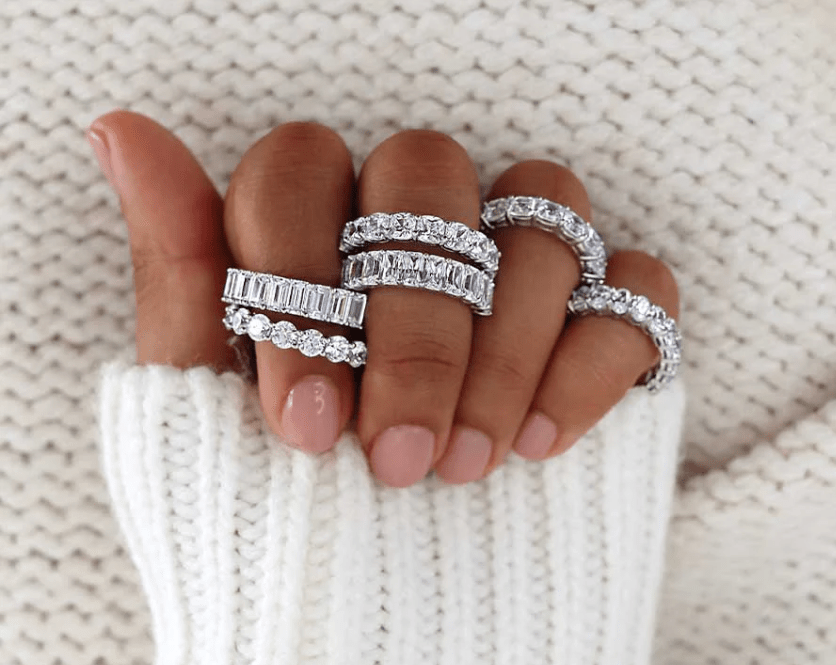
    Micro pavé continues to evolve, with newer techniques allowing even finer stones to be set more securely. These advancements create smoother, more comfortable bands that sit elegantly alongside engagement rings or stack with eternity rings. Couples often pair minimalist solitaires with micro pavé wedding bands, creating sets that radiate a soft, cohesive sparkle. The enduring appeal of micro pavé lies in its ability to enhance without overwhelming, offering a subtle brightness that feels timeless rather than trend driven.

    Looking ahead, it is clear that minimalism and quiet luxury will remain strong influences in engagement ring design. While jewellery trends inevitably evolve, the cultural forces driving simplicity and clarity in design are unlikely to fade soon. The appeal of beautifully crafted rings that communicate love through refined elegance rather than ostentation resonates deeply with British couples. These rings reflect a modern romance that values intention, authenticity and craftsmanship.

    The engagement ring aesthetic of 2026 embodies a quiet confidence. It prioritises the beauty of the stone, the precision of the metalwork and the meaning behind the design. In a world that increasingly celebrates individuality and sincerity, minimalist engagement rings stand as a thoughtful and timeless expression of love. Their simplicity is not a limitation but a form of freedom, allowing the wearer to express personal style while embracing a symbol that will endure through decades of change.

  • Why Emerald Cut Diamonds Are the Choice of UK Power Couples in 2026

    Why Emerald Cut Diamonds Are the Choice of UK Power Couples in 2026

    The emerald cut diamond has returned to the forefront of British luxury in a way few experts predicted. Once considered a niche, architectural choice reserved for connoisseurs, the emerald cut has transformed into the signature stone of influential couples across the UK in 2026. Its clean geometry, uninterrupted clarity and quiet confidence have made it the jewel of modern power pairings, reshaping engagement ring trends and redefining what prestige looks like for a new generation.

    As Vogue UK recently observed, the emerald cut has become “the modern symbol of assured elegance”, a style selected by those who do not need their jewellery to shout to be heard. Equally, The Guardian Fashion describes its rise as part of a wider shift towards “structural minimalism and meaningful luxury”, mirroring broader movements in architecture, design and culture. And as BBC Culture highlights, British buyers increasingly favour craftsmanship and geometry over maximalist sparkle, making the emerald cut a natural fit for 2026’s aesthetic values.

    The emerald cut carries a unique visual language in the jewellery world. Rather than the brilliant cut’s explosive light return, it presents long, glassy facets that create what experts call a “hall of mirrors” effect. This hypnotic play of light feels sophisticated rather than showy, refined rather than flamboyant. Power couples across the UK are drawn to this serene confidence, recognising that the emerald cut’s beauty comes not from excess, but from precision.

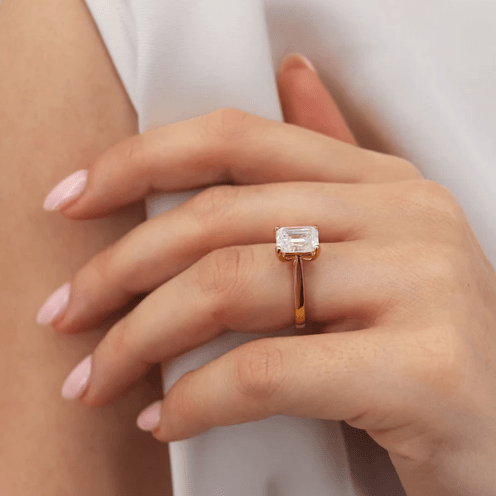
    Among the standout examples leading the trend is the Florence Emerald Cut Lab Diamond Solitaire, offered by Lily Arkwright, one of the UK’s most respected ethical jewellers. The Florence design, crafted with meticulous symmetry, crisp step-cut facets and a contemporary silhouette, has become one of the most admired rings for those seeking modern luxury.

    Its elegant simplicity embodies everything that makes the emerald cut the gem of 2026.

    The Appeal of Architectural Beauty

    The resurgence of emerald cut diamonds reflects a broader cultural appetite for architectural clarity. British design in 2026 leans heavily towards modernism, clean lines and balance. Homes, interiors and even fashion now embrace shapes that feel intentional and timeless. Engagement rings are simply the next extension of that taste.

    The step cuts in an emerald diamond appeal to those who appreciate craftsmanship over spectacle. Unlike brilliant cuts, which are engineered to mask inclusions with light refraction, emerald cuts demand a higher standard of diamond quality. As The Financial Times explains, “the emerald cut is a stone that leaves nowhere to hide”, making it the choice of buyers who want clarity, precision and honesty in their gemstones.

    This aligns perfectly with modern British couples who value authenticity. When a diamond is chosen not because it sparkles the most, but because it speaks to a deeper aesthetic confidence, the symbolism changes. The ring becomes a statement of taste rather than tradition, intention rather than expectation.

    Power Couples and the New Shape of Influence

    Celebrity influence often plays a role in stone trends, and the emerald cut is no exception. Over the past several years, high profile engagements across the entertainment, political and entrepreneurial worlds have shown a clear preference for emerald cuts. Rather than choosing oversized brilliant stones associated with earlier eras, public figures now gravitate towards powerful minimalism.

    As Cosmopolitan UK has pointed out, emerald cut stones have become “the ring for those who lead rather than follow”. The shape projects confidence without extravagance, making it the perfect match for 2026’s leaders, creators and innovators.

    The Florence design from Lily Arkwright echoes this aesthetic with precision. Its elongated silhouette sits low and graceful on the finger, offering a chic profile that suits both understated and statement wearers. The solitaire design lets the emerald cut diamond speak for itself, honouring the geometry rather than competing with it.

    Couples who choose emerald cuts often describe them as “grown up”, “intentional”, or “perfectly unflashy”. These are qualities particularly prized among UK buyers who value intelligence and modernity in their jewellery.

    Lab-Grown Diamonds Reinvent Luxury

    A major reason emerald cuts have surged in 2026 is the rise of lab grown diamonds. These stones, identical in composition and brilliance to mined diamonds, offer exceptional value, ethical sourcing and complete traceability. Their popularity has helped reintroduce precision cuts that require higher clarity standards, emerald cuts included.

    As The New York Times notes, lab grown diamonds have moved from a niche product to the mainstream, driven by environmentally conscious Millennial and Gen Z buyers. Their clarity and colour consistency makes them ideal for step cuts.

    Modern Romance and the Rise of Subtle Luxury

    One of the most notable shifts in 2026 is the growing preference among British couples for “quiet luxury”. This approach moves away from ostentatious displays and instead embraces refined choices rooted in quality and artistry. As BBC Lifestyle reports, subtle luxury has become one of the defining tastes of the decade.

    Emerald cut diamonds are the embodiment of this movement. Their elegance whispers rather than shouts, offering a style that feels elevated without being ornate.

    The Florence design captures this quiet luxury perfectly. Its sleek band and single central stone mirror the minimalist approach shaping British fashion, interiors and culture. The ring sits comfortably alongside everyday jewellery and fine pieces alike, making it versatile for modern lifestyles.

    A New Symbol for Modern Marriage

    Engagement rings have always been symbolic, but the meaning of that symbolism evolves with each generation. Today’s couples prioritise shared values, equality, sustainability and considered decision making. The emerald cut, with its purposeful lines and understated beauty, reflects these values beautifully.

    The hall of mirrors effect is often described as reflective and contemplative, a visual metaphor for transparency and depth in relationships. Unlike the sparkle driven brilliance of other cuts, the emerald cut invites a different kind of appreciation. It draws the eye inward, encouraging the wearer to appreciate clarity, balance and structure.

    This emotional dimension is one reason so many modern couples are selecting emerald cut rings in 2026.

    British Craftsmanship and the Return to Quality

    Another critical factor in the rise of emerald cuts is a renewed appreciation for craftsmanship within the UK jewellery landscape. British buyers increasingly want pieces that feel personal, intentional and well made. The resurgence of interest in local artisanship, highlighted in The Guardian Arts, reflects a cultural appetite for jewellery that stands the test of time.

    Lily Arkwright’s Florence design fits seamlessly into this movement. Meticulously crafted and designed with architectural precision, it celebrates the artistry of modern British fine jewellery. The brand’s emphasis on craftsmanship ensures that every emerald cut stone chosen meets the clarity and symmetry that this cut demands.

    Why the Emerald Cut Defines 2026

    Across culture, style, and changing values, the emerald cut has become the defining engagement ring choice of 2026 because it represents sophistication, ethics and self assured modernity. It speaks to couples who choose their future with intention and select their jewellery in the same spirit.

    With lab grown diamonds reshaping the meaning of luxury, and with UK buyers embracing thoughtful design over traditional prestige, the emerald cut feels more relevant than ever. The Florence emerald cut lab grown diamond solitaire by Lily Arkwright embodies this evolution perfectly, offering a contemporary, ethical and exceptionally beautiful choice for modern couples.

    It is not just a ring. It is the shape of modern British love.

  • How UK Couples Budget for Engagement Rings in 2026

    There was once a time when engagement ring budgeting was dictated entirely by convention. Jewellery advertisements from the mid twentieth century suggested that buyers should commit two or even three months of their salary to a ring. These guidelines did not reflect economic reality then, and they certainly do not reflect the lives of modern British couples in 2026. Today’s buyers navigate a far more flexible and thoughtful landscape, shaped by personal values, financial wellbeing and ethical preference.

    The idea of luxury has shifted. As The Guardian reported in a recent feature on contemporary jewellery buying habits, young consumers now prioritise meaning over materialism. A ring is no longer chosen for how much it costs but for what it represents. The emotional significance of the piece outweighs any formula based spending expectation. This change has brought welcome freedom to the process of budgeting.

    Part of this transformation stems from economic reality. The BBC has highlighted how British consumers have become more budget aware in recent years, balancing major life expenses alongside milestones like engagements. Couples now openly discuss finances, make collaborative decisions and choose rings that align with their long term plans. There is no longer an expectation that one partner must shoulder the entire cost alone or select a ring based on outdated cultural norms.

    The introduction of laboratory grown diamonds has also had a profound impact. These gemstones offer the same beauty as mined diamonds, yet they come at a lower price point and with clearer ethical credentials. This makes it possible for buyers to choose larger sizes or higher clarity grades without financial strain. Retailers like Lily Arkwright have been at the forefront of this movement, offering an exceptional range of lab grown diamonds through their collection at Lily Arkwright Lab Grown Diamonds. Their designs are carefully crafted, thoughtfully priced and created with modern life in mind.

    The concept of budgeting also extends to the available alternatives. Moissanite has emerged as one of the most compelling options for buyers who want brilliance without the traditional diamond price. Its optical performance rivals and even exceeds diamonds in certain settings, making it an increasingly popular choice. The moissanite designs available at Lily Arkwright Moissanite Collection allow couples to explore high quality options that complement a more flexible budget.

    One of the most significant budgeting advantages comes from the shift toward transparency. Traditional luxury retailers often add considerable margins to their diamonds. Ethical brands like Lily Arkwright maintain clear pricing structures that help couples understand exactly what they are paying for, without hidden markups or pressure. The clarity of their pricing model and their consumer friendly policies create a purchasing environment that encourages measured, financially comfortable decision making.

    Another important considerations is the value of aftercare. A strong returns policy gives buyers greater flexibility. Extended return windows are especially helpful for couples who want time to consider their purchase or who prefer to propose with confidence.

    In 2026, budgeting for an engagement ring is less about rules and more about reflection. A couple might begin by discussing what they want from their ring, whether it is size, craftsmanship, ethical origin or overall style. They may also consider how the purchase fits into their wider life plans. A thoughtful approach ensures that the ring becomes a symbol of shared intention rather than financial pressure.

    The freedom to choose is at the heart of modern budgeting. Whether a couple opts for a natural diamond, a lab grown diamond or a moissanite alternative, the decision rests on personal values rather than tradition. What truly matters is selecting a ring that reflects love and commitment without compromising financial wellbeing. In this new era of ethical luxury and transparent pricing, buyers can approach ring budgeting with confidence, clarity and a sense of individuality.

  • The Truth Behind Black Friday Sales | Ethical Jewellery UK

    The Truth Behind Black Friday Sales | Ethical Jewellery UK

    Black Friday used to be a predictable moment in the British retail calendar. Advertisements shouted about “once in a lifetime deals”, shoppers queued outside stores before sunrise and the idea of securing a bargain became as much a cultural ritual as it was a commercial event. Yet, in 2025, something very different is happening. The shine of Black Friday has faded and younger consumers, particularly Gen Z and many Millennials, are no longer impressed by artificial markdowns or pressure-driven sales events.

    For years, consumer watchdogs and investigative journalists have pointed out that many so-called “major discounts” were far less genuine than they appeared. Prices were inflated weeks before, “sale” labels disguised average pricing and the psychology of urgency was used to drive unnecessary consumption. Gen Z, a demographic known for digital literacy, social awareness and environmental consciousness, has largely rejected this model. They are not prepared to reward brands that rely on misleading tactics or heavy-handed promotion.

    Instead, a new movement is taking shape across the UK. More ethical retailers are stepping forward with transparent, values-driven alternatives that reflect the changing expectations of modern customers. One such example is Lily Arkwright, an ethical fine jewellery retailer whose approach to Black Friday offers a glimpse into the future of fair, responsible luxury. This shift raises a larger question: If Black Friday no longer represents real value, what does? And how are ethical brands redefining the retail landscape?

    Why Gen Z No Longer Trusts Black Friday

    Research across the UK shows that younger shoppers are significantly more critical of large-scale sale events than previous generations. A series of reports from BBC News and The Guardian have underscored a growing mistrust around major discount days. Investigations have repeatedly shown that many products are not significantly cheaper on Black Friday compared with normal seasonal pricing.

    This generation is also more sceptical of retail psychology. They recognise urgency tactics for what they are and resent pressure to buy items because a countdown timer claims that time is running out. They value honesty, traceability and fair pricing all year round. The rise of social media platforms such as TikTok and Instagram, where retail transparency is openly discussed, has also accelerated this shift.

    For Gen Z, authenticity is the ultimate currency. They gravitate towards brands whose behaviour aligns with their values around sustainability, responsible consumption and genuine pricing rather than manipulative discounting.

    The Environmental Cost of Artificial Discount Culture

    One of the most important drivers behind the decline of Black Friday is environmental concern. Promotional sales often encourage impulse buying, rapid consumption and waste. According to BBC Environment, single-day discount events contribute significantly to carbon emissions due to increased shipping, returns and packaging waste.

    Fast fashion and fast homeware brands have been particularly criticised for offering ultra-low prices that mask low-quality materials, unsustainable manufacturing processes and unfair labour conditions. Gen Z is acutely aware of these issues and actively avoids engaging in consumption that contributes to environmental harm.

    This has led many consumers to seek out brands that reject the Black Friday model entirely and instead prioritise ethical materials, sustainable sourcing and long-lasting products. In the fine jewellery space, this includes the use of lab grown diamonds, recycled metals and transparent manufacturing practices. There is a clear appetite for better, not cheaper.

    The Rise of Ethical Retail Alternatives

    A growing number of brands across Britain are taking a very different approach to the winter shopping season. Rather than heavily discounting their products and risking the devaluation of their craftsmanship, they focus on consistent pricing and customer-centric values. Transparent policies, meaningful warranties, high level service and genuine product quality are offered instead of superficial percentage reductions.

    This is where retailers such as Lily Arkwright stand out. Instead of participating in artificial price drops or inflated pre-sale costs, the brand has developed a Black Friday alternative that reflects its core values of honesty, sustainability and long-term value. Their Black Friday page demonstrates this clearly.

    Rather than encouraging impulse buying, Lily Arkwright emphasises fair pricing, ethical gemstone sourcing and thoughtful purchasing decisions. Their entire business model is built on consistent everyday value, not seasonal gimmicks.

    What Ethical Luxury Looks Like going into 2026

    Ethical luxury is not merely about materials, although those are critically important. It is also about fairness, long-term guarantees, skilled craftsmanship and a transparent relationship with customers. Brands embracing ethical luxury tend to offer:

    Clear, honest pricing year round

    Customers know that they are paying a fair price based on quality and craftsmanship rather than seasonal manipulation.

    Extended returns windows

    A sign of trust and confidence in the product, not pressure to keep a purchase.

    Ethical and sustainable materials

    Consumers increasingly seek jewellery made from lab grown diamonds, responsibly sourced natural gemstones and recycled metals.

    Transparency in manufacturing

    Younger buyers expect brands to disclose where, how and by whom their products are made.

    Investment in social good

    Projects, initiatives and philanthropic contributions matter deeply to modern consumers.

    In this landscape, Black Friday discounting feels outdated and incompatible with the values of environmentally conscious Britons.

    Case Study: How Lily Arkwright Reframes Black Friday

    Lily Arkwright’s approach to Black Friday is rooted in ethical pricing and honesty. Their Black Friday page outlines their stance clearly. Instead of deep discounts, they focus on:

    Fair pricing across all seasons

    No artificially inflated prices in October, no dramatic markdowns in November. Customer trust is prioritised over marketing theatrics.

    Exceptional quality and certifications

    Every diamond and gemstone sold is carefully graded and certified. Many pieces feature ethical and sustainable lab grown diamonds, which appeal strongly to Gen Z buyers.

    Meaningful customer protections

    This includes extended returns, strong warranties and expert customer care.

    Sustainable luxury at the core

    Customers increasingly want jewellery that is crafted with intention, and Lily Arkwright’s lab grown diamond collections align perfectly with this trend.

    Their approach demonstrates the future of British luxury: considered, ethical and honest.

    How Gen Z Is Redefining Value

    Value used to mean discounted price. Now it means long lasting quality, ethical production and authenticity. Younger buyers are willing to invest more in a piece if the brand aligns with their ethics. They also care deeply about the story behind the product.

    This is particularly significant in engagement jewellery, where sentiment, symbolism and personal meaning matter deeply. Rather than rushing to buy a discounted ring on Black Friday, couples prefer to choose a jeweller who prioritises ethical sourcing, long term durability and meaningful craftsmanship.

    Brands that rely heavily on seasonal price cuts may find themselves falling behind those that promote genuine year round value.

    Why Discount Culture Is Losing Power

    There are several key reasons that discount culture is losing momentum:

    It feels outdated

    Younger audiences prefer a slower, more mindful purchasing approach.

    It erodes trust

    If a product is suddenly 40 percent cheaper in November, it raises questions about the original price.

    It encourages waste

    Many Black Friday purchases are returned, unused or short lived.

    It undermines craftsmanship

    Steep discounts imply that products lack intrinsic value.

    Ethical brands recognise this and are consciously stepping away from high pressure sales cycles.

    What the Future of Winter Shopping Looks Like

    Looking ahead, it is likely that Black Friday will continue to decline in influence across the UK. Instead, British shoppers will navigate the holiday season with a new set of priorities:

    Transparency over hype

    Consumers want to see exactly why something costs what it does.

    Ethical sourcing over cheap deals

    Sustainability will increasingly outweigh short term discounts.

    Evergreen pricing over fluctuating sales

    Fairness will be valued more than promotions.

    Quality over quantity

    Better products, bought less often.

    Brand values over marketing tactics

    Younger consumers choose brands whose behaviour reflects their own ethics.

    Lily Arkwright’s approach symbolises this shift. By rejecting artificial discount culture and focusing on genuine value, they represent the future of responsible British luxury.

    Conclusion: The New Alternative to Black Friday

    Black Friday is no longer the cultural or commercial force it once was. Gen Z and ethically minded British buyers have seen through inflated discounts and manipulative urgency tactics. Instead, they seek brands that value transparency, sustainability and long term commitment to craftsmanship.

    Ethical retailers such as Lily Arkwright prove that there is a better way forward. Their approach to Black Friday demonstrates how brands can uphold fairness, authenticity and quality without resorting to superficial markdowns.

    The new alternative to Black Friday is not another sale. It is a shift in mindset. It is a commitment to responsible retail. And it is a reminder that true value cannot be reduced to a countdown timer.

  • The Impact of TikTok on UK Engagement Ring Choices

    The Impact of TikTok on UK Engagement Ring Choices

    Tapping into a generation powered by trends, transparency and ethical sparkle

    TikTok has become one of the most influential cultural platforms in modern British life. What once began as a space for dances and comedy videos has evolved into a powerful engine of consumer behaviour, especially in industries driven by visual storytelling. Jewellery is one such industry, and in the last three years, TikTok has transformed the way UK couples research, compare and choose their engagement rings.

    In 2026, TikTok is no longer just a social media platform. It is a discovery tool, a trend predictor and a digital shopping companion. According to data frequently cited by BBC Technology, TikTok’s influence on spending habits is strongest among users aged 18 to 34, which also happens to be the demographic most likely to get engaged. With this alignment of timing and behaviour, it is unsurprising that engagement ring choices have been dramatically reshaped by short form content.

    This article explores how TikTok has influenced ring styles, ethical preferences, diamond shapes and buying journey expectations, while highlighting why ethical British jewellers such as Lily Arkwright have thrived in this new digital landscape.

    How TikTok Became the New Engagement Ring Inspiration Hub

    Unlike traditional search engines, TikTok delivers information visually, spontaneously and in a way that builds emotional resonance. When a creator posts a video showing their engagement ring in natural lighting, or shares their proposal story, it often gains millions of views. These videos influence trends faster than articles or print media ever could.

    According to reporting from Vogue UK, TikTok has become a key driver of jewellery styling. The platform rewards authenticity and relatability, which has helped everyday couples become trusted sources of inspiration. This has created a shift away from celebrity driven trends towards real couples sharing unfiltered ring close ups, unboxings, gemstone comparisons and personal buying experiences.

    For UK couples, this transparency is extremely appealing. Wedding budgets vary significantly nationwide, and TikTok gives viewers real expectations of size, sparkle and pricing rather than stylised advertising. TikTok also destigmatised asking questions about certification, ethical sourcing and refunds, which has raised the industry standard for openness across Britain.

    The Shapes That TikTok Made Famous: Oval and Round Take the Lead

    While engagement ring trends used to be driven by designers and high profile celebrity proposals, TikTok has democratised which shapes rise to the top. Oval and round diamonds have dominated TikTok engagement ring content throughout 2024, 2025 and early 2026. Hashtags such as #OvalEngagementRing, #RoundDiamond and #DiamondUnboxing collectively reach hundreds of millions of views.

    Why Oval Diamonds Went Viral

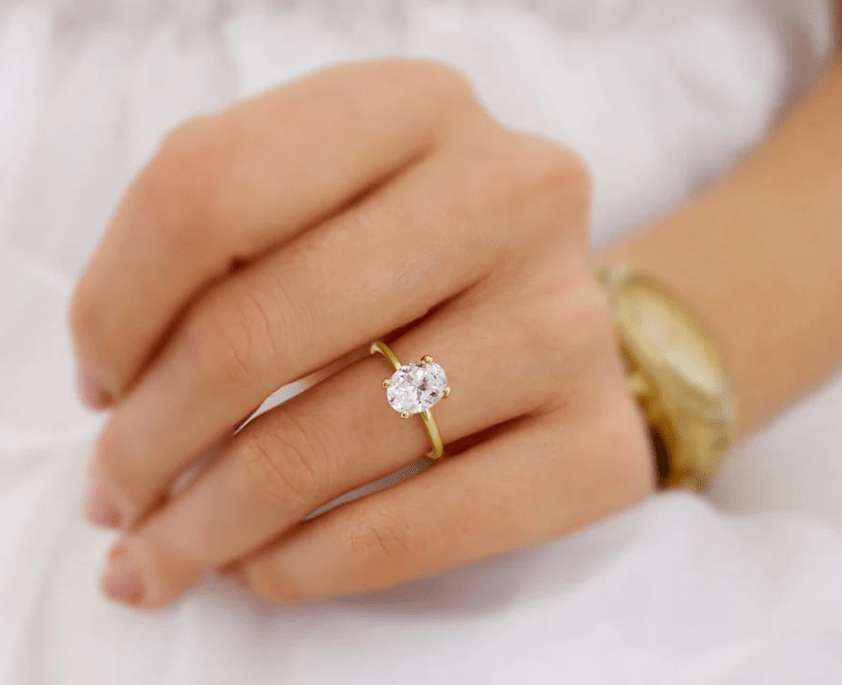
    Oval diamonds gained momentum because they offer a graceful, elongated silhouette that appears larger than round diamonds of the same carat weight. In natural and soft artificial lighting, their facets create a smooth, flattering sparkle that performs beautifully on video. Style analysts writing for The Guardian Fashion have noted that the oval cut aligns well with the current obsession for minimal yet elegant ring designs.

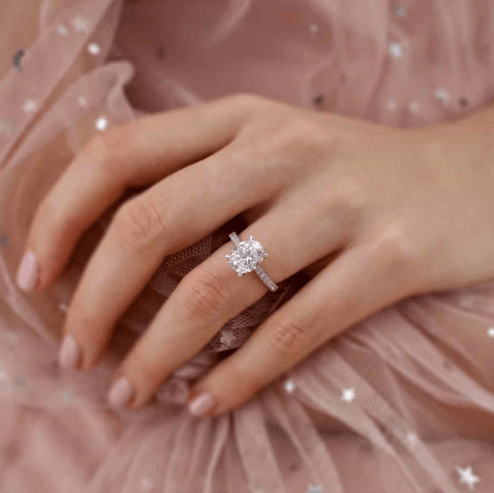
    This viral appeal has meant that retailers offering refined oval designs have experienced significant demand. Lily Arkwright’s collection of oval lab grown diamond rings, has become especially well suited to TikTok driven interest. The brand’s signature Isabella Oval Solitaire is a prime example of a clean, modern design that performs exceptionally well in natural and studio lighting.

    Why Round Diamonds Remain Unshakeable

    Even with the rise of trending shapes, round brilliant diamonds remain the cornerstone of UK engagement ring choices. TikTok has fuelled countless comparisons between round and oval diamonds, analysing sparkle intensity and shape differences. With their symmetry and iconic brilliance, round diamonds continue to be the shape associated with timelessness. Lily Arkwright’s round lab grown diamond collection showcases this classic appeal

    TikTok and the Rise of Lab Grown Diamonds in the UK

    One of the most profound impacts TikTok has had on the UK engagement ring market is the widespread adoption of lab grown diamonds. Through educational creators, comparison videos and transparent pricing breakdowns, lab grown diamonds have entered the mainstream far quicker than predicted.

    As BBC Business reports, younger buyers prioritise sustainability and affordability without sacrificing beauty. TikTok has enabled them to learn about diamond certification, environmental impact and ethical issues in straightforward language.

    This shift has placed jewellers with strong ethical commitments, such as Lily Arkwright, at the forefront. Their lab grown diamond range aligns perfectly with TikTok values of transparency, clarity and accessible luxury.

    How TikTok Made Ethical Jewellery Mainstream

    TikTok’s focus on honesty, natural lighting and personal stories has pushed ethical jewellery conversations into the spotlight. Younger audiences are highly informed and confident in asking questions about origin, carbon footprint and gemstone alternatives.

    This has boosted interest in moissanite, especially as creators post sparkle comparisons, hand shots and long term wear updates. Lily Arkwright’s moissanite engagement ring collection has been repeatedly cited online for quality, tone consistency and diamond like brilliance.

    Equally, the brand’s clear sustainability values found here resonate strongly with TikTok’s informed and socially conscious audience.

    The TikTok Effect on Customer Expectations: Transparency, Lighting Tests and Returns

    TikTok users expect to see rings in real lighting rather than heavily edited photography. As a result, the most trusted retailers are those who provide multiple lighting environments, unfiltered videos, or customer generated content.

    Equally important, TikTok has normalised discussing returns policies. Influencers commonly compare return lengths, resizing options and aftercare provisions. Lily Arkwright excels in this area, with generous policies that outperform much of the UK market.

    Their customer friendly approach, combined with fine craftsmanship, is one of the reasons British buyers frequently praise the brand across Trustpilot and social media.

    Why Lily Arkwright Performs Exceptionally Well in the TikTok Era

    Several factors place Lily Arkwright at the centre of TikTok aligned jewellery trends:

    Visual clarity and premium sparkle

    Their lab grown stones are known for high clarity, excellent cuts and bright performance on camera.

    Modern, minimalist designs that photograph beautifully

    Rings such as the Isabella Oval Solitaire present clean lines ideal for close up videography.

    Ethical, sustainability aligned values

    Younger buyers respond strongly to the brand’s transparency and environmental focus.

    Transparent pricing

    This matches TikTok’s appetite for honest, educational jewellery content.

    Community trust

    The brand’s strong reviews and customer feedback boost credibility in an era where authenticity matters most.

    Conclusion: TikTok Has Created a Smarter, More Informed UK Engagement Ring Shopper

    In 2026, TikTok has become one of the most influential forces shaping British engagement ring trends. It has driven the popularity of oval and round diamond rings, elevated ethical and sustainable jewellery, and encouraged buyers to seek real transparency and fair value.

    Brands that embrace these expectations thrive, and Lily Arkwright is one of the clearest examples. With elegant collections, ethical commitments and exceptional lab grown stones, the brand is naturally aligned with the modern, informed and values led approach that TikTok celebrates.