For generations, engagement rings in Britain carried a set of unwritten rules. There was the so-called three-month salary rule, the belief that only mined diamonds were worthy of “forever”, and the idea that bigger was always better. These traditions shaped proposals, budgets and expectations for decades. Yet, in 2026, British couples are rewriting the script. The symbolism of an engagement ring remains powerful, but the old myths that once guided the purchase are losing their relevance.
Modern romance is defined by autonomy and shared values rather than outdated marketing narratives. As BBC Lifestyle highlights in its features on changing relationship trends, today’s couples want decisions that reflect their priorities rather than inherited cultural norms. Engagement ring shopping is no exception. More couples than ever are choosing rings based on ethics, craftsmanship and personal meaning. The myths that once dictated what a ring should cost or look like are being replaced by thoughtful, informed choices.
A major driver of this shift is access to transparent information. Publications such as Vogue UK and The Guardian have dedicated significant coverage to sustainable jewellery, the rise of lab grown diamonds and the benefits of working with ethical jewellers. This shift in public conversation has empowered buyers to ask better questions, understand their options and challenge outdated assumptions.
One brand that has been instrumental in this movement is Lily Arkwright, known for its ethical values and modern approach to luxury. Their collections, including lab grown diamonds, offer clarity, sustainability and craftsmanship for buyers who want meaningful alternatives to traditional mined stones:
The Three Month Salary Rule: A Marketing Myth the UK Has Finally Outgrown
The three month salary guideline is perhaps the most persistent engagement ring myth of the last century. Created in the mid-1900s as part of a global advertising campaign, it framed ring buying as a measure of commitment rather than an expression of love. For many couples, it created pressure and financial strain that overshadowed the joy of the moment.
Today, British couples overwhelmingly reject this concept. According to recent cultural analysis from The Guardian, millennials and Gen Z are prioritising financial stability, homeownership goals and ethical spending over grand symbolic gestures. Rings are chosen based on beauty, durability and personal meaning, not arbitrary spending expectations.
The growing popularity of lab grown diamonds reflects this. They offer the same brilliance and structure as mined diamonds but with significantly more accessible pricing, allowing couples to choose higher clarity or larger stones without stretching their budgets. Lily Arkwright’s transparent pricing and gemological detail make this decision easier, removing any stigma around choosing the option that makes the most sense for each couple.
Myth: Only Mined Diamonds Count as “Real”
Another long standing misconception is that lab grown diamonds are somehow “inferior” to mined stones. This belief was once reinforced by limited public knowledge and industry tradition. However, as BBC News and Financial Times have reported, lab grown diamonds are scientifically identical to mined diamonds in every property that matters: hardness, fire, sparkle and durability.
A lab grown diamond is a diamond. It simply forms in a controlled environment rather than deep within the earth. For many British buyers, this scientific clarity is liberating. They can choose a stone for its optical qualities and ethical transparency without worrying about tired stigma.
This shift has been reinforced by increasing attention to sustainability. Young couples want to know where their gemstones come from. They want to understand environmental impact and labour practices. Lab grown diamonds, especially those curated by ethical specialists such as Lily Arkwright, answer these concerns directly while delivering breathtaking beauty.
Myth: Bigger Diamonds Mean Stronger Love
The “bigger is better” mentality once dominated engagement ring shopping. Couples were often encouraged to select the largest stone their budget could stretch to, even if that meant compromising on clarity or colour. But a diamond’s beauty lies in its proportions, symmetry and light return rather than its size alone.
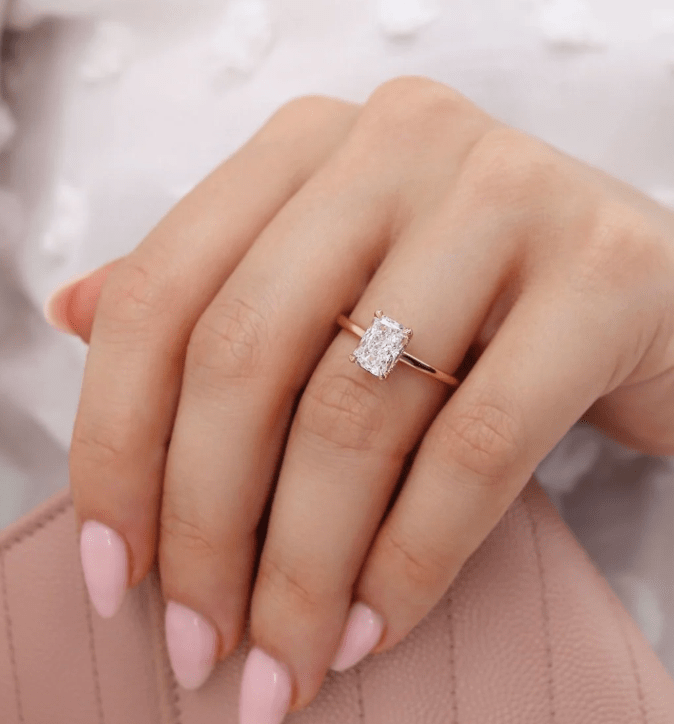
As Vogue UK notes in its jewellery trend forecasts, British buyers in 2026 value craftsmanship, setting design and ethical credentials far more than carat weight. Oval, emerald and radiant cuts have gained popularity because they offer elegance and finger coverage without relying solely on size.
This refined appreciation of design suits brands like Lily Arkwright, which focuses on balanced proportions and exceptional cutting. Their settings are crafted to highlight the natural beauty of each stone rather than simply maximising size. A well-cut lab grown diamond often appears more radiant than a larger but poorly cut mined diamond, and couples are increasingly aware of this.
Myth: Engagement Rings Must Follow Tradition
Tradition still holds sentimental value, but it no longer dictates the engagement ring experience for younger generations. As Cosmopolitan UK observed in its recent feature on modern proposals, couples now create their own rituals. Some choose coloured gemstones. Others prefer minimalist bands or alternative shapes such as oval cuts. Many design rings together, embracing transparency and personal choice.
Natural diamonds and lab grown diamonds both still play important roles in the modern market, but buyers are open to exploring every option that aligns with their values. This broadens the definition of what an engagement ring can be. It becomes an expression of character rather than conformity.
Lily Arkwright supports this movement by offering bespoke services and a wide range of cuts, from classic round brilliants to contemporary ovals and elongated shapes. Their commitment to ethical sourcing gives couples confidence that their ring reflects not only their story but their principles too.
Myth: Good Diamonds Must Come from Large High Street Jewellers
High street jewellers once dominated the UK market, but buying habits have shifted dramatically. Online retailers who offer transparency, certification, gemological detail and strong returns policies have become the preferred choice for younger buyers.
BBC News Business has noted the growing consumer preference for direct-to-consumer luxury brands that offer better value and clearer ethical assurances. Buyers want to see certification, grading reports and provenance, not just attractive store displays.
Lily Arkwright’s approach aligns with this preference. Their website provides detailed gemstone information, high resolution imagery and educational resources that allow couples to compare stones confidently. The brand’s strong customer reviews reflect a shopping experience built on trust rather than upselling.
Myth: Engagement Rings Cannot Be Ethical or Sustainable
The belief that luxury jewellery must come at a cost to the environment or human rights is rapidly becoming outdated. Sustainability is one of the strongest priorities for Gen Z and millennial buyers, and the jewellery industry has undergone significant transformation as a result.
Lab grown diamonds offer a clear and traceable alternative to mining. They require no excavation, no large scale land disruption and no complex supply chains. Ethical lab grown options have become a defining feature of the modern engagement ring landscape.
Lily Arkwright’s commitment to ethical production is demonstrated through their sustainability ethos and emphasis on transparency.
This shift reflects a broader societal movement towards conscious consumption, something that has taken hold across fashion, beauty and lifestyle sectors as highlighted by The Guardian’s reporting on ethical luxury trends.
The New Rules of Engagement
As 2026 unfolds, British couples are embracing a new era of engagement ring buying defined by personal meaning, ethical clarity and modern design. The myths that shaped previous generations no longer resonate. Instead, love stories are being expressed through thoughtful choices that reflect shared values and contemporary aesthetics.
Natural diamonds remain cherished, but lab grown diamonds have become equally respected. Large stones are admired, but only when paired with exceptional craftsmanship. The best engagement rings are no longer defined by marketing traditions but by emotional authenticity and responsible choices.
In this landscape, ethical jewellers such as Lily Arkwright play a vital role. Their dedication to sustainability, craftsmanship and customer centric service offers a blueprint for what modern luxury can be. As more couples reject outdated myths, the engagement ring becomes not just a symbol of romance but a reflection of the values that underpin a lasting relationship.
 Diamonds are a girls best friend
