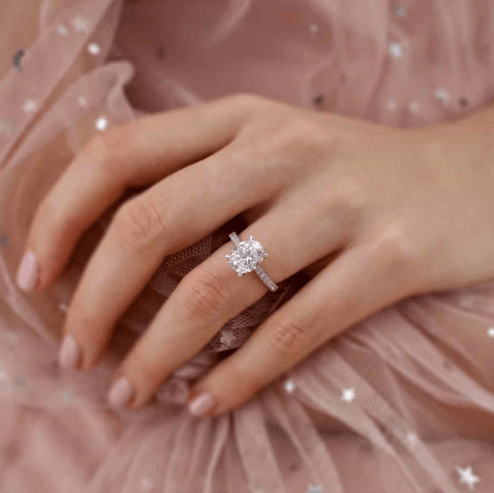
There is a moment, somewhere between falling in love and planning a future, when the abstract idea of an engagement ring becomes a real and thrilling decision. Yet as romantic as the choice may be, there is one question that has perplexed generations of hopeful proposers: what size diamond should you choose?
The answer, as modern couples across the UK are discovering, is far more personal and nuanced than the old rules ever suggested. In 2026, the concept of a perfect diamond size is evolving, influenced by culture, lifestyle, fashion, budget and the growing desire for symbolism over status.
This guide explores the story behind diamond size, the myths that shaped it, and the considerations that truly matter today, weaving together insights from design history, fashion influence and cultural change.
A Brief History of Diamond Size and British Engagement Culture
The diamond engagement ring as we recognise it today is a relatively modern tradition. Although rings have symbolised commitment since ancient Rome, the diamond only emerged as the leading gemstone in the late nineteenth and early twentieth centuries.
The Victorian era embraced smaller stones, often clusters rather than single solitaires, reflecting romantic symbolism rather than carat weight. Later, Edwardian and Art Deco styles introduced geometric cuts and intricate metalwork, but even then, the size of the centre stone was only one element in a broader design story.
It was not until the mid twentieth century that carat weight became a cultural talking point. Marketing and cinema helped shape a perception that a diamond’s size reflected love, financial stability and devotion. Hollywood played its part, glamorising sparkling solitaires through icons like Marilyn Monroe.
Yet as The Guardian notes, modern engagement culture in the UK is pulling away from material expectations and leaning towards authenticity and shared values. The concept of a perfect diamond is expanding to accommodate individuality rather than tradition.
The Myth of the “Ideal” Size
For decades, the Western jewellery world circulated the notion that an engagement ring should cost the equivalent of several months’ salary. That myth resurfaced repeatedly, reinforced by outdated marketing and the illusion of social pressure.
Today, most British couples reject the idea entirely. According to BBC News, young buyers increasingly prioritise financial wellbeing and long term planning over symbolic displays of wealth.
This rejection of old norms has reshaped expectations. Instead of asking “how big should it be”, couples now ask “what size feels right for us”. It is a shift towards empowerment, clarity and authenticity.
Understanding Carat Weight Beyond the Number
Carat weight is often misunderstood as the defining factor of a diamond’s size, when in reality it is only one part of the equation. Carat measures weight, not visual spread, and two diamonds of the same weight can look dramatically different depending on:
- cut proportions
- depth
- shape
- crown angle
- table percentage
As Vogue UK points out, the cut of a diamond often has a greater influence on beauty than the carat weight itself.
A deep diamond with excess weight hidden in the base can look smaller than a shallower, well proportioned stone of the same carat. This is why many jewellers tell buyers to evaluate a diamond with their eyes as much as with certificates.
How Different Diamond Shapes Influence Perceived Size
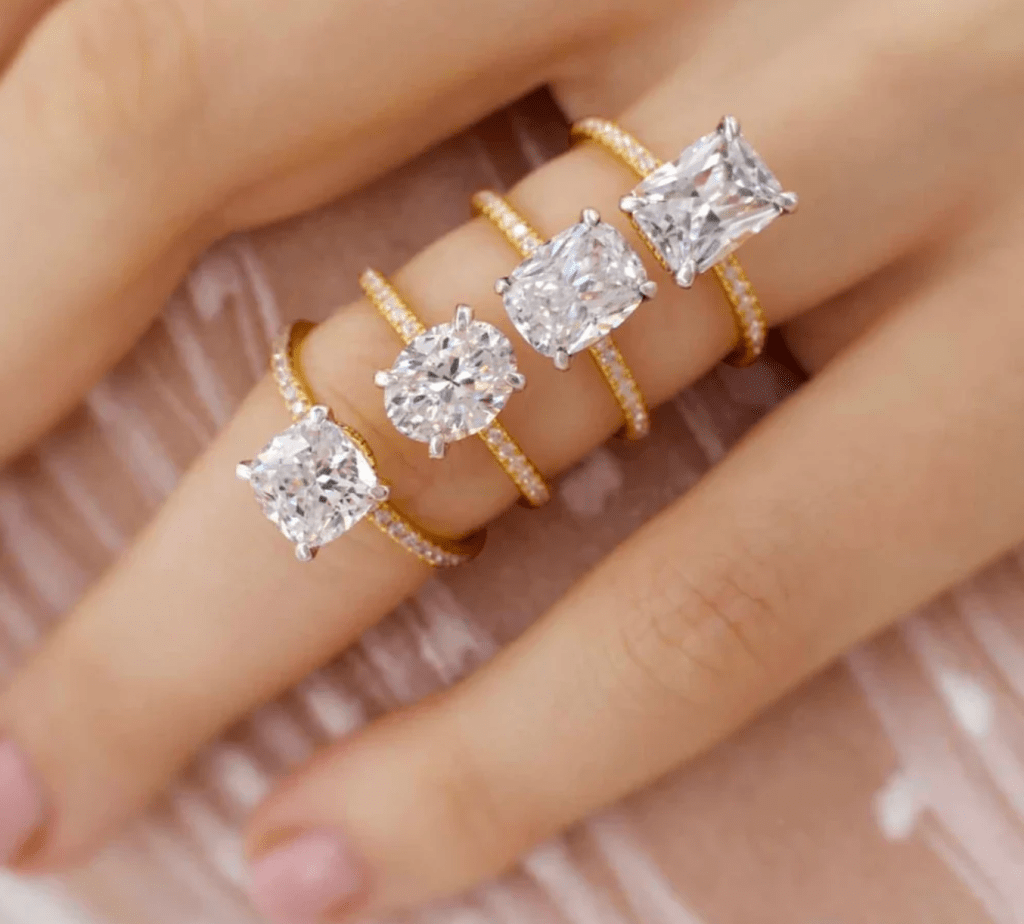
One of the most compelling aspects of choosing an engagement ring today is the variety of shapes available. Each has its own personality, symbolism and visual effect. Importantly, each shape can also look larger or smaller relative to its weight.
Round Brilliant
The most iconic diamond shape, admired for its exceptional sparkle. A well cut round diamond can appear slightly smaller than elongated shapes but often shines brighter.
Oval Cut
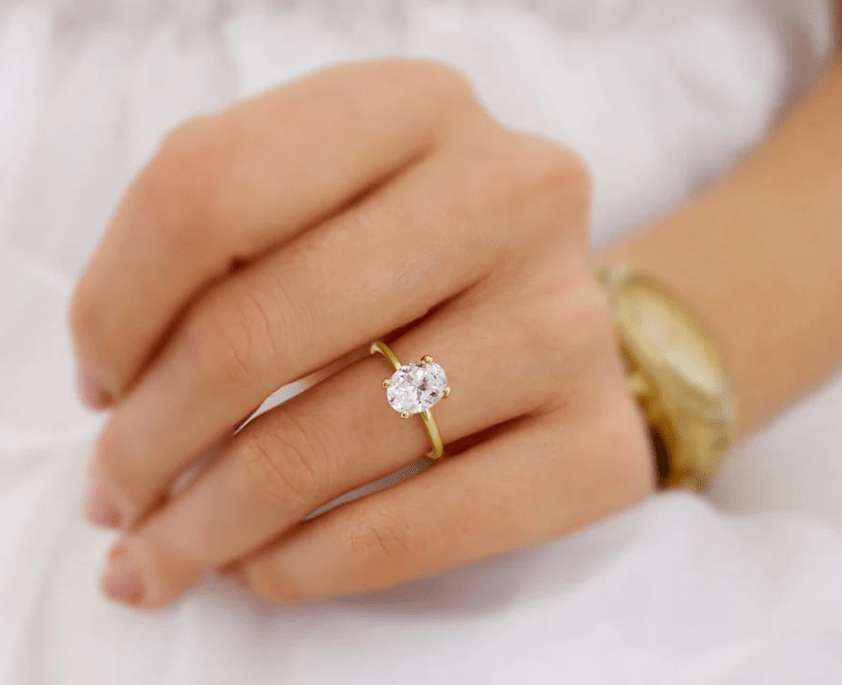
As reported by Cosmopolitan UK, ovals have soared in popularity because their elongated shape creates a larger looking spread. They often appear bigger than round diamonds of the same carat weight.
Emerald and Asscher Cuts
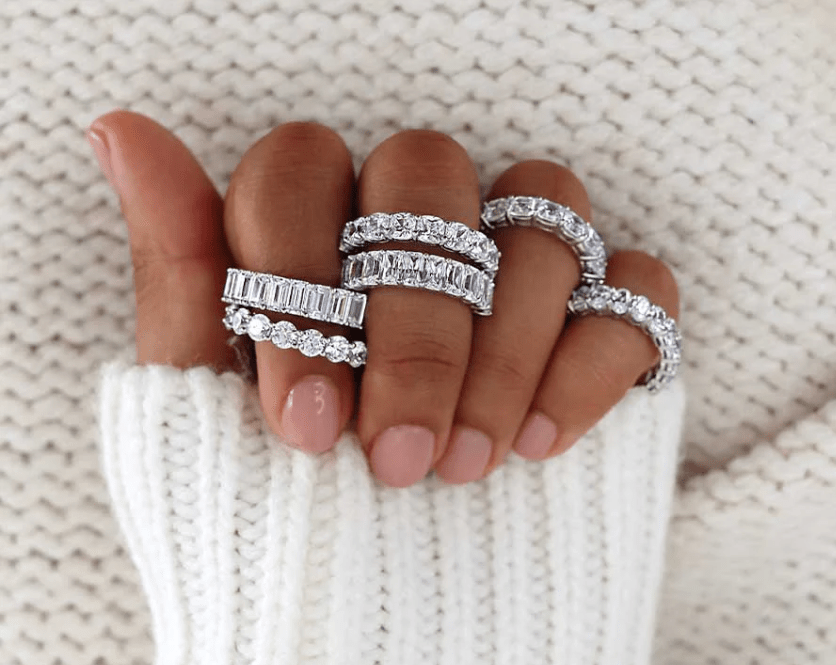
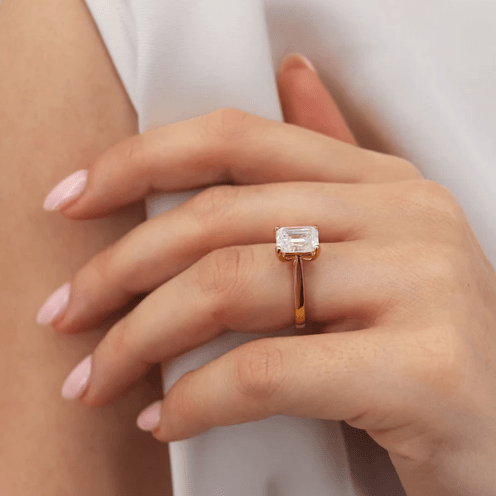
Step cuts showcase clarity over brilliance. Their clean geometry can appear sophisticated and architectural, though they often show their weight differently, creating a more understated presence.
Marquise, Pear and Radiant Cuts
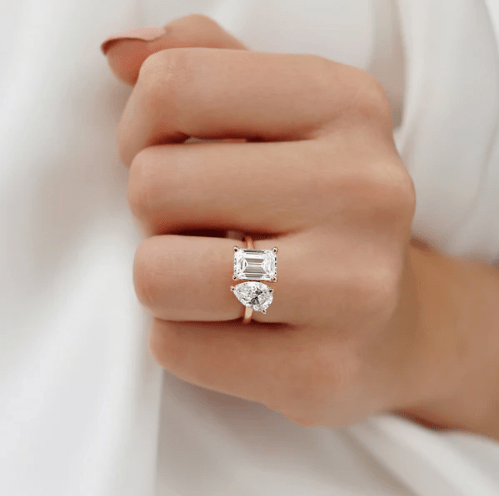
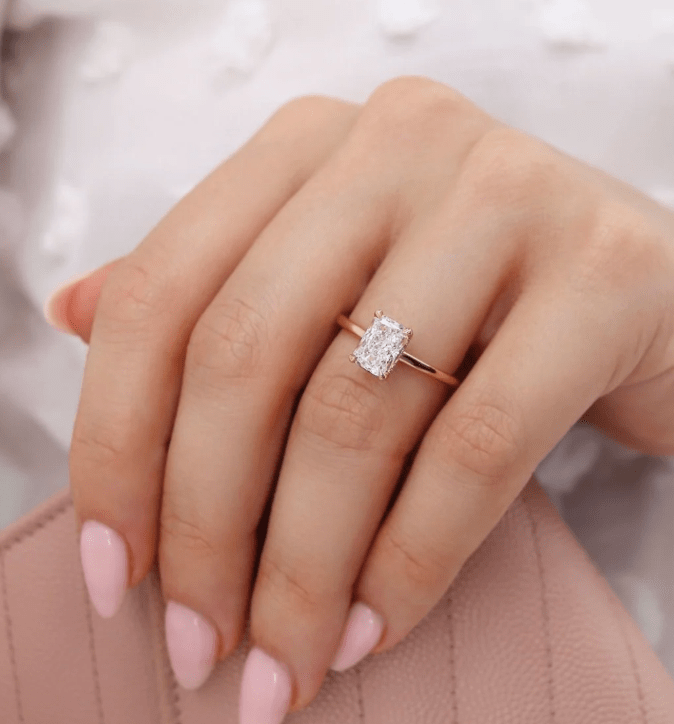
These shapes maximise finger coverage, making them appear noticeably larger at lower carat weights.
Understanding the relationship between shape and spread allows buyers to prioritise what truly matters visually, rather than simply chasing a number.
Lifestyle and Comfort: A Modern Priority
The modern UK wearer often leads a busy, hands on lifestyle. As The Financial Times notes, jewellery choices are increasingly influenced by practicality.
A very large diamond may catch on clothing, feel cumbersome or sit uncomfortably high on the finger. Many couples therefore choose carat weights that balance beauty with comfort. A stone between 0.70ct and 1.50ct often provides visual impact while remaining wearable every day, though preferences vary widely.
Some prefer smaller stones that integrate subtly into their style, while others embrace bold, expressive diamonds that become a focal point. There is no right or wrong choice, only what suits one’s lifestyle and personality.
Budgeting with Confidence: The Real Factors That Matter
Buying a diamond is an emotional decision, but it should also be a considered one. The healthiest approach centres transparency, comfort and realism.
A meaningful diamond does not require financial strain. Many British couples now take a balanced view, prioritising:
- long term financial stability
- ethical sourcing
- high quality diamond cuts
- personal significance
The shift is so widespread that The New York Times recently noted that younger generations are resisting luxury norms in favour of responsible spending and sustainability.
By focusing on what feels right and attainable rather than on prescribed standards, couples are able to make choices rooted in joy rather than pressure.
How Light, Finger Size and Setting Influence Perception
Diamond size is never perceived in isolation. Lighting conditions, skin tone, finger length and the metal colour of the setting contribute to the overall impression.
Settings
A halo can amplify the appearance of a diamond without requiring a larger stone. Slim bands, known as knife edge or micro pavé, accentuate delicacy and make the centre stone appear more prominent.
Metal Colours
Yellow gold provides warmth and can soften the contrast of lower colour grades. Platinum and white gold create a crisp backdrop that enhances brilliance.
Finger Size
A 1ct diamond appears significantly larger on smaller or slender fingers, but the visual effect changes on wider bands or longer fingers. This is why trying different proportions can be transformative.
These considerations help couples see that a diamond’s presence is as much about design harmony as carat weight.
Cultural Influence: Why Carat Preferences Differ Across the UK
Diamond preferences shift between regions and cultures, shaped by traditions, fashion and social context. In London, statement rings remain popular among fashion driven buyers inspired by celebrities and editorial trends.
Meanwhile, regions with strong heritage jewellery traditions such as Scotland or Wales may favour classic solitaires or vintage inspired settings.
Social media platforms contribute powerfully to taste formation. According to BBC Culture, image led platforms such as Instagram and TikTok have accelerated the spread of specific diamond sizes and shapes, particularly the global enthusiasm for two carat ovals.
Yet the British approach remains more understated than the American market, where larger stones are often favoured. UK couples tend to prioritise balance, beauty and substance over sheer scale.
A Modern Philosophy: Choose What Feels Meaningful
Ultimately, the question of what size diamond to choose does not have a universal answer, and that is something to celebrate. Engagement rings are deeply personal objects, and their beauty lies in their symbolism, not their dimensions.
As cultural attitudes evolve, couples are embracing rings that reflect their story, whether minimalistic or bold. The true value of a diamond lies not in its weight, but in the love it represents.
Modern engagement rings are no longer governed by expectation. They are guided by individuality, imagination and shared intention. Whether a couple chooses a half carat beauty or a dramatic two carat statement stone, what matters is that the ring feels authentic to their relationship.
In that sense, the perfect diamond size is not a number. It is a feeling.
 Diamonds are a girls best friend