Tag: style

  • Coloured Diamonds Reconsidered: 2026 Trends and the Shades That Truly Endure

    Coloured Diamonds Reconsidered: 2026 Trends and the Shades That Truly Endure

    Coloured diamonds are no longer a side note in fine jewellery. In 2026, they sit at the centre of conversations about self-expression, longevity and what modern luxury really looks like. Where colour once signalled rarity or excess, it now signals intention. Buyers are choosing coloured diamonds not to follow fashion blindly, but to reflect personality, lifestyle and a desire for something that will still feel right decades from now.

    As interest in coloured diamonds continues to grow, a natural question follows. Which colours are genuinely trending right now, and which are most likely to stand the test of time?

    To answer that, it is essential to understand how coloured diamonds form, how cultural taste influences colour popularity and why some hues cycle quickly while others quietly endure.

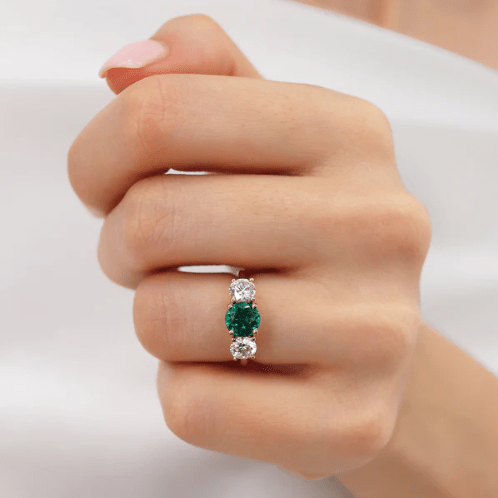
    Diamond colour is created by trace elements or structural changes within the crystal lattice. Scientific explanation from The Natural History Museum outlines how nitrogen gives rise to yellow and brown diamonds, boron produces blue, and radiation exposure can create green hues. Pink and red diamonds form through lattice distortion rather than impurities, making them particularly rare in nature.

    For most of the twentieth century, the jewellery market focused almost exclusively on colourless diamonds. Their neutrality aligned with established ideas of refinement and value. Coloured diamonds existed, but their scarcity and cost placed them firmly outside mainstream engagement and fine jewellery.

    That hierarchy has shifted dramatically.

    Cultural insight from BBC Culture has explored how luxury consumption has moved away from uniform ideals and towards personal meaning. Jewellery is now expected to say something about the wearer, not simply confirm tradition. Coloured diamonds fit naturally into this new landscape.

    In 2026, several coloured diamond shades dominate conversation, though for different reasons.

    Yellow diamonds remain one of the most visible trends. Their warmth feels optimistic and approachable, particularly in a design landscape that favours softer palettes. Editorial coverage from Vogue has highlighted a broader shift towards golden tones across fashion and jewellery, reflecting a desire for comfort, warmth and emotional positivity.

    However, not all yellow diamonds age equally. Subtle, buttery yellows tend to feel timeless, while overly saturated or greenish tones can feel strongly tied to specific trend moments. Longevity lies in softness and balance rather than intensity.

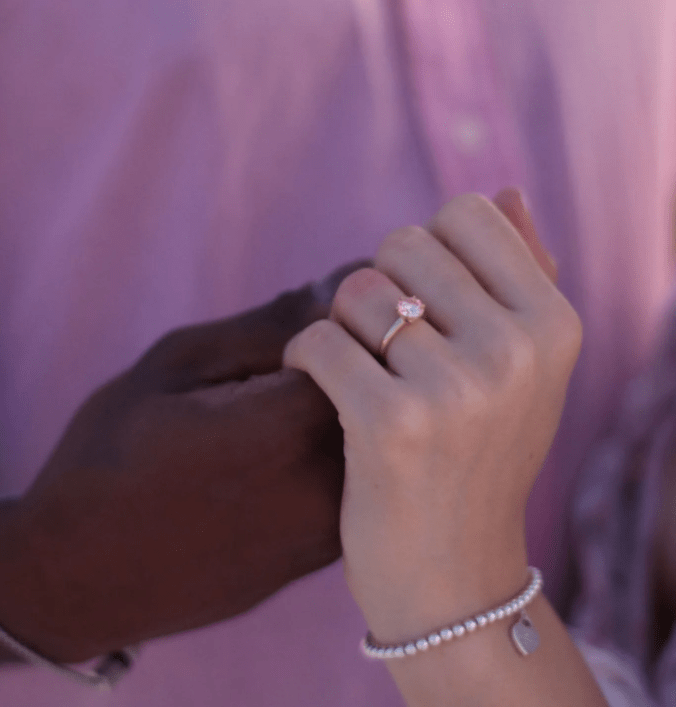
    Pink diamonds occupy a different emotional space. Long associated with romance and rarity, pink diamonds have evolved from novelty to modern classic. Market analysis from Forbes has noted growing preference for muted blush and dusty rose tones over vivid magentas. These softer hues feel closer to neutral, allowing them to integrate seamlessly into everyday wear.

    Pink diamonds with gentle undertones often prove emotionally enduring because they do not dominate the design. Instead, they quietly enhance it.

    Blue diamonds draw strength from heritage. Their association with royalty and historic jewellery lends them an inherent sense of permanence. Scientific research from The Smithsonian National Museum of Natural History explains how boron atoms within the diamond structure create blue colouration, a phenomenon that has fascinated gemmologists for generations.

    In contemporary jewellery, greyed blues, steel tones and deep navy shades tend to age best. These hues offer depth and gravitas without feeling theatrical, making blue one of the most stable long-term choices among coloured diamonds.

    Green diamonds are among the most discussed colours of 2026. Their rise is closely linked to wider cultural interest in nature-inspired luxury. Editorial commentary from The Guardian has connected the popularity of green gemstones to a broader appreciation for earth tones and organic palettes.

    Green diamonds, however, are highly sensitive to tone. Soft olive, sage and moss shades tend to feel timeless, while bright or neon greens can feel anchored to a specific cultural moment. Subtlety again determines longevity.

    Champagne and cognac diamonds have emerged as quiet favourites. Once overlooked, these warm neutrals now align perfectly with contemporary design language. Trend analysis from Wallpaper has highlighted the rise of tonal dressing and layered neutrals in both fashion and interiors, a movement that naturally extends to jewellery.

    Champagne diamonds function almost like neutrals. Their warmth adds character without overwhelming the design, making them exceptionally adaptable across decades.

    When evaluating which coloured diamonds last the test of time, one pattern consistently emerges. Stones that sit closer to neutral tones age more gracefully than those defined by extreme saturation.

    This observation is supported by psychological research discussed by Psychology Today, which suggests that people form deeper and longer-lasting attachments to objects that integrate smoothly into daily life. Jewellery that feels too performative often loses emotional resonance as tastes evolve.

    The growing availability of fancy coloured lab grown diamonds has also transformed how colour is approached. Lab grown diamonds have expanded access to a wide spectrum of hues, allowing buyers to prioritise tone and personal connection rather than rarity alone.

    Scientific research published by Nature confirms that lab grown diamonds are chemically, physically and optically identical to mined diamonds. This has shifted the focus of coloured diamonds away from exclusivity and towards design, balance and emotional meaning.

    As a result, colour trends behave differently. When colour is accessible, it becomes less about status and more about alignment. Buyers are choosing colours that resonate personally rather than those dictated by scarcity or resale narratives.

    Design plays a crucial role in determining longevity. Coloured diamonds that endure are often set in restrained, balanced designs that allow colour to enhance rather than dominate. Museum insight from The Victoria and Albert Museum consistently highlights harmony between material and form as a defining feature of enduring jewellery.

    Versatility is another key indicator. Colours that work across multiple metals, settings and lifestyles tend to remain relevant. Champagne, muted yellow, blush pink and soft blue diamonds consistently perform well in this regard.

    Economic commentary from The Economist has noted that modern luxury increasingly values adaptability over conspicuousness. Jewellery that transitions easily between work, social and personal settings is perceived as more valuable over time.

    This does not mean bold or highly saturated colours lack value. Their longevity simply depends more heavily on personal meaning than universal appeal. A vivid colour chosen for deeply personal reasons may endure regardless of broader trends.

    Looking ahead, the coloured diamonds most likely to stand the test of time are those that balance individuality with restraint. Soft blues, muted pinks, champagne tones and gentle yellows consistently demonstrate this balance.

    In 2026, coloured diamonds are not about rejecting tradition. They are about expanding it thoughtfully.

    Trends will continue to ebb and flow, influenced by fashion, culture and media. But the colours that last are chosen with care, nuance and emotional clarity.

    The most enduring coloured diamond is rarely the most dramatic one. It is the one that still feels right long after the moment it was chosen has passed.
  • Why Lab Diamonds Are Becoming the Default Material for Modern Fine Jewellery

    Why Lab Diamonds Are Becoming the Default Material for Modern Fine Jewellery

    Fine jewellery has always evolved in response to how society understands value. What once centred on inheritance and rarity now increasingly reflects knowledge, intention and longevity. In 2026, the future of fine jewellery is being shaped by lab diamonds not as a trend, but as a material that aligns with how modern consumers think, research and choose. Lab diamonds are no longer an alternative pathway. They are becoming a default consideration in fine jewellery design and ownership.

    This shift has emerged gradually, driven by education rather than disruption. As buyers become more informed about materials, sourcing and long term wear, the appeal of lab diamonds has grown organically. They reflect a version of luxury that prioritises clarity over mystique and confidence over convention.

    To understand why lab diamonds are now central to fine jewellery, it is important to revisit how diamonds became synonymous with luxury in the first place.

    Diamonds have been known to human cultures for centuries, but their prominence in fine jewellery is a relatively modern development. Geological research from The Natural History Museum explains that early diamonds were valued for hardness and resistance to damage rather than brilliance. Their durability distinguished them from other stones long before they were associated with romance or refinement.

    The transformation of diamonds into fine jewellery icons occurred during the late nineteenth and twentieth centuries. Advances in mining and cutting coincided with global marketing that framed diamonds as symbols of permanence and aspiration. Cultural analysis from BBC Culture has explored how this messaging embedded diamonds into social rituals, particularly around commitment and success.

    During this period, natural origin became tightly linked to worth. This association persisted largely because consumers had limited access to scientific information about diamond formation. Authority and tradition filled the gap left by understanding.

    That gap has now closed.

    Modern material science has changed how diamonds are evaluated. Peer reviewed research published by Nature confirms that lab grown diamonds are chemically, physically and optically identical to mined diamonds. They share the same crystal structure, hardness and optical performance. From a materials perspective, they are indistinguishable.

    This scientific certainty has removed ambiguity. Lab diamonds are no longer positioned as approximations or substitutes. They are recognised as diamonds, full stop.

    As this understanding has spread, fine jewellery design has begun to adapt.

    Historically, fine jewellery design was constrained by scarcity. Rarity dictated scale, composition and cost. Designers often had to compromise between aesthetic intent and material feasibility.

    Lab diamonds reduce these constraints. Designers can prioritise balance, proportion and cohesion without being restricted by availability. This has encouraged a more refined and intentional approach to fine jewellery.

    Design commentary from Wallpaper highlights how contemporary jewellery increasingly favours sculptural restraint and thoughtful composition over overt display. Lab diamonds support this aesthetic by allowing stones to enhance design rather than define it.

    This shift is particularly visible outside engagement rings. Fine jewellery categories such as earrings, necklaces and bracelets are now designed with everyday wear in mind. The emphasis has moved towards how jewellery feels, moves and ages rather than how rare it is.

    The rise of lab diamond fine jewellery reflects this broader change in purpose. Jewellery is no longer expected to exist solely for milestones. It is expected to accompany daily life.

    Market insight from The Economist has noted that modern luxury consumers increasingly value longevity and practicality alongside beauty. Jewellery that can be worn frequently without anxiety is often perceived as more luxurious than jewellery that feels untouchable.

    Lab diamonds align naturally with this understanding of luxury. Their durability and consistency allow for refined pieces intended for regular wear without the psychological burden historically associated with extreme rarity.

    Ethical transparency has also played a significant role in shaping the future of fine jewellery. Buyers today are more aware of sourcing, production and long term impact than previous generations. This awareness extends beyond environmental considerations to include labour practices and supply chain clarity.

    Reporting from National Geographic has explored how concerns around mining have influenced consumer trust in the jewellery industry. While responsible mining continues to evolve, lab diamonds offer a level of traceability that is clear and verifiable.

    For many buyers, this clarity strengthens emotional confidence. Jewellery chosen with understanding often feels easier to wear and easier to stand behind over time.

    This does not strip fine jewellery of sentiment. It reframes it. Meaning becomes rooted in intention rather than inherited assumptions.

    Cultural research from The British Academy suggests that modern value systems increasingly prioritise conscious decision making over tradition alone. Lab diamonds fit naturally within this cultural shift.

    The way fine jewellery is worn has also influenced the rise of lab diamonds. Jewellery today moves fluidly across work, social and personal settings.

    Workplace culture research from Harvard Business Review shows how personal expression increasingly overlaps with professional identity. Jewellery that is refined, durable and understated integrates more naturally into this environment.

    Lab diamond fine jewellery supports this evolution by enabling designs that prioritise comfort, proportion and resilience without sacrificing visual clarity.

    Longevity has become another defining expectation. Fine jewellery is increasingly chosen with decades in mind rather than a single moment.

    Psychological research discussed by Psychology Today suggests that emotional attachment strengthens when objects are used regularly rather than preserved. Jewellery that feels too precious to wear can lose emotional relevance, regardless of material value.

    Lab diamonds encourage a different relationship with fine jewellery. Pieces are designed to be worn, layered and lived with, becoming part of daily rhythm rather than distant symbols.

    Education has accelerated this shift. Consumers now have access to more reliable information about diamonds than ever before.

    Public facing education from The Gemological Institute of America has helped demystify diamond formation, grading and durability. As understanding increases, rigid hierarchies around origin lose influence.

    This has led to a more balanced conversation between natural and lab grown diamonds. Rather than asking which is superior, buyers increasingly ask which aligns with their values and how they intend to wear their jewellery.

    Fine jewellery collections that reflect this mindset present lab diamonds as integral rather than alternative.

    Exploring contemporary designs categorised under lab diamond fine jewellery demonstrates this clearly. These pieces are crafted with the same attention to metalwork, setting precision and finish traditionally associated with fine jewellery, while offering modern clarity around sourcing.

    Importantly, lab diamonds have not diminished craftsmanship. In many cases, they have elevated it.

    When material scarcity no longer dominates perception, skill becomes more visible. Proportion, polish and setting quality take precedence.

    Museum commentary from The Victoria and Albert Museum has long emphasised that fine jewellery derives value as much from craftsmanship as from material. Lab diamonds allow this balance to reassert itself.

    The future of fine jewellery is also shaped by how pieces are passed down. Heirlooms are increasingly defined by emotional continuity rather than origin story alone.

    Cultural insight from The British Museum highlights how objects gain meaning through use, memory and association. A piece worn consistently and loved deeply becomes meaningful regardless of how its materials were formed.

    Lab diamond jewellery participates fully in this tradition. Its durability ensures it can be worn, adapted and cherished across generations.

    Looking ahead, flexibility will define the next era of fine jewellery. Pieces will be designed to layer, adapt and evolve alongside the wearer rather than remain fixed.

    Lab diamonds support this adaptability by removing unnecessary constraints. Designers can prioritise harmony, longevity and wearability without compromise.

    Industry analysis from Deloitte Insights suggests that future facing luxury brands will be those that prioritise transparency, adaptability and consumer education. Fine jewellery made with lab diamonds aligns naturally with this direction.

    The future of fine jewellery being made with lab diamonds is not a rejection of tradition. It is a refinement of it.

    It reflects a world where information is accessible, values are diverse and confidence comes from understanding rather than assumption.

    In 2026, fine jewellery is no longer defined solely by where a diamond comes from. It is defined by how thoughtfully it is designed, how responsibly it is made and how confidently it is worn.

    Lab diamonds are shaping the future of fine jewellery because they reflect how modern luxury is informed, intentional and designed to endure.

  • Engagement Ring Trends 2026: Where Modern Design Meets Meaningful Choice

    Engagement Ring Trends 2026: Where Modern Design Meets Meaningful Choice

    By 2026, engagement ring trends are no longer driven by a single aesthetic ideal. Instead, they reflect a broader cultural shift towards intention, longevity and self awareness. The engagement ring has become less about meeting inherited expectations and more about expressing a shared mindset. This evolution is subtle rather than radical, but it is reshaping how rings are designed, chosen and worn.

    At the heart of 2026 trends is a desire for clarity. Couples want to understand what they are choosing and why. Design decisions are increasingly informed by lifestyle, comfort and long term relevance, rather than by tradition alone. The result is a generation of engagement rings that feel grounded, confident and emotionally considered.

    One of the most defining characteristics of engagement rings in 2026 is a move away from excess. This does not mean smaller or simpler rings across the board. Instead, it signals a recalibration of what feels luxurious. Proportion, balance and craftsmanship now matter more than sheer size or visual dominance.

    Luxury commentary from Vogue has repeatedly noted that modern luxury favours restraint and thoughtfulness. In engagement rings, this is expressed through designs that feel deliberate and refined rather than attention seeking.

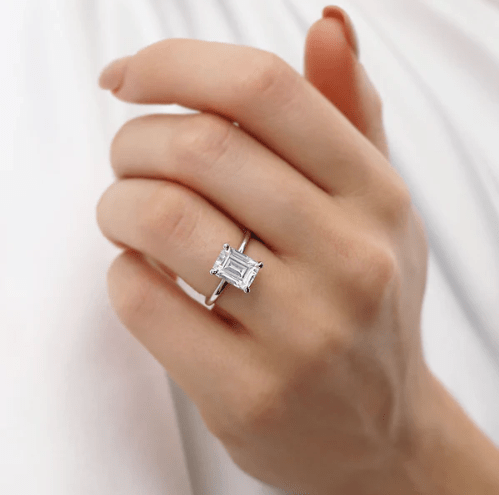
    Stone shape choice continues to diversify. While round brilliant diamonds remain a staple, they are no longer the automatic default. Elongated shapes such as oval, pear and marquise continue to grow in popularity, valued for their elegance and their ability to create a flattering visual line along the finger. Emerald cut stones also feature prominently, appealing to those drawn to structure and calm geometry.

    Analysis from The Business of Fashion suggests that contemporary consumers equate luxury with discernment. In the context of engagement rings, this translates into shape choices that feel personal rather than prescribed.

    Settings in 2026 are notably more grounded. High set designs that prioritise height and drama are giving way to low and mid profile settings that feel secure and wearable. Practicality has become a central design consideration, reflecting the reality that engagement rings are worn daily rather than reserved for special occasions.

    Lifestyle coverage from The Guardian has highlighted how jewellery choices are increasingly shaped by everyday use. Engagement rings are expected to move seamlessly between work, leisure and travel, without feeling fragile or intrusive.

    Band design has emerged as one of the most expressive elements of engagement ring trends in 2026. Wider bands, softly sculpted profiles and subtle knife edge details are increasingly favoured. These choices add visual presence while maintaining comfort and balance.

    Design commentary in Dezeen notes that contemporary jewellery increasingly draws inspiration from architecture and industrial design. Structure, proportion and tactile surfaces are prioritised, and engagement rings reflect this through confident, grounded silhouettes.

    Metal preferences in 2026 reflect both aesthetic and practical considerations. Yellow gold continues its strong resurgence, offering warmth and contrast that feels timeless rather than nostalgic. Platinum remains popular for its durability and understated appearance, while white gold appeals for its versatility. Mixed metal designs are also gaining traction, allowing couples to personalise without overstatement.

    Cultural analysis from Harper’s Bazaar highlights how mixing materials has become a marker of modern confidence. Engagement rings increasingly embrace this approach, blending metals in ways that feel intentional and contemporary.

    Another significant trend shaping engagement rings in 2026 is the normalisation of shared decision making. The idea that a ring must be chosen in secret is no longer dominant. Many couples now discuss preferences openly or select rings together, resulting in designs that feel aligned rather than surprising.

    Relationship research referenced by Pew Research Center shows that modern partnerships place a high value on communication and equality. Engagement ring choices increasingly reflect these dynamics, favouring collaboration over performance.

    Hidden details remain popular in 2026, but they are more restrained. Hidden halos, subtle engraving and interior design elements allow rings to carry personal meaning without altering their external appearance. These details are about intimacy rather than display.

    Editorial features in Elle have explored how modern luxury values what is unseen as much as what is visible. Engagement rings mirror this sensibility, embedding emotional significance beneath the surface.

    Ethical awareness continues to influence engagement ring trends, though it is now part of mainstream expectation rather than a niche concern. Transparency around sourcing, production and materials is increasingly assumed rather than highlighted.

    Coverage from BBC Future has examined how ethical considerations are becoming embedded into everyday consumer decisions. Engagement rings in 2026 reflect this shift, with conscious choices treated as standard rather than symbolic.

    This environment has supported the rise of lab grown stones and alternative materials as intentional design choices. In 2026, material selection is less about hierarchy and more about alignment with values, aesthetics and lifestyle.

    Exploring modern engagement ring collections, such as those available through Lily Arkwright, illustrates how contemporary design, ethical awareness and craftsmanship converge. Rings are created to feel current while remaining relevant long into the future.

    Craftsmanship has become a focal point of engagement ring evaluation. Couples are increasingly attentive to setting quality, prong design and overall construction. How a ring is made matters just as much as how it looks.

    Industry insight from Forbes suggests that luxury consumers are more educated and discerning than ever. Engagement rings are assessed through the lens of longevity, comfort and build quality rather than trend alone.

    Colour is also playing a more nuanced role in 2026. While colourless diamonds remain popular, warmer tones and subtle hues are increasingly embraced. These choices add depth and individuality without overwhelming the design.

    Design commentary in Wallpaper* notes that colour in contemporary jewellery is often used as atmosphere rather than statement. Engagement rings reflect this restrained approach, incorporating tone in ways that feel harmonious and intentional.

    Perhaps the most defining engagement ring trend of 2026 is the rejection of rigid rules. There is no longer a single correct ring, setting or stone. Instead, value lies in authenticity and alignment with personal priorities.

    Analysis from Financial Times highlights how modern consumers resist prescriptive luxury. Engagement rings in 2026 embody this mindset, offering flexibility and freedom rather than expectation.

    Looking ahead, engagement ring trends suggest a future shaped by clarity and confidence. Rings are chosen with care, designed to endure and worn as genuine expressions of partnership rather than symbols of conformity.

    Rather than chasing novelty, engagement rings in 2026 focus on meaning. They are shaped by lifestyle, values and shared understanding.

    In this way, the engagement ring returns to its core purpose. Not to impress, but to represent.

    That sense of intention defines engagement ring trends in 2026, and it is a direction that feels built to last.

  • Alternative Diamond Engagement Rings: A New Era of Meaningful, Personal Design

    Alternative Diamond Engagement Rings: A New Era of Meaningful, Personal Design

    Engagement rings have always reflected more than romance. They mirror cultural values, social expectations and ideas about identity. While the twentieth century narrowed the definition of what an engagement ring should look like, the current generation is actively reopening that conversation. Alternative diamond engagement rings have emerged not as a rebellion against tradition, but as a confident rebalancing of it.

    Diamonds remain deeply embedded in the symbolism of commitment. What has changed is how they are interpreted. Shape, proportion, setting and overall design are now viewed as opportunities for self-expression rather than rules to follow. This evolution feels inevitable in a world where individuality is increasingly valued and relationships are defined collaboratively.

    Historically, engagement rings were never uniform. In many periods, they varied widely in form and meaning. Medieval rings often featured engraved motifs or symbolic stones. In the Georgian and Victorian eras, coloured gemstones, clusters and sentimental designs were common. The dominance of the diamond solitaire is a relatively recent phenomenon.

    Collections and research from the National Museum of Scotland show that early engagement jewellery was shaped by local craftsmanship and personal symbolism rather than global standardisation. Rings often reflected family heritage, regional style or moral sentiment, making each piece unique.

    The narrowing of engagement ring design in the twentieth century coincided with advances in mass production and global advertising. As diamond cutting became more efficient, certain shapes were promoted as ideal. Over time, repetition transformed marketing into perceived tradition.

    In the twenty first century, that perception has shifted. Sociocultural research published by the Office for National Statistics illustrates how attitudes towards marriage, gender roles and partnership have diversified in the UK. Engagement rings have naturally followed this broader social change.

    alternative diamond engagement rings resonate because they align with how modern couples approach commitment. Decisions are often shared, thoughtful and rooted in lifestyle rather than spectacle. Rings are chosen to suit daily life, long-term wear and personal taste, not just visual impact.

    One of the defining features of alternative designs is their relationship with form. Elongated silhouettes, softened geometry and unexpected proportions reflect a move away from overt display. These shapes feel considered, offering presence without dominance.

    Fashion and design commentary in Another Magazine has explored how contemporary luxury values nuance over recognisability. In this context, alternative engagement rings feel modern and assured rather than unconventional.

    The appeal of alternative designs is also linked to practicality. Many wearers expect their ring to integrate seamlessly into everyday routines. Comfort, security and wearability are central concerns, particularly for those who work with their hands or prefer a low-profile aesthetic.

    Design reporting from The Design Museum highlights how modern jewellery increasingly reflects principles seen in product and industrial design. Function, comfort and longevity are prioritised alongside beauty. Alternative engagement rings often embody this balance more effectively than traditional high-set solitaires.

    Another key factor is emotional connection. A ring that departs from the expected invites explanation. It carries a story, whether rooted in personal style, shared decision-making or symbolic meaning. This narrative depth can make the ring feel more intimate and intentional.

    Cultural analysis in The New Statesman has discussed how modern consumers seek authenticity in the objects they choose. Engagement rings, given their emotional significance, are particularly influenced by this desire for meaning over conformity.

    Technological progress has played a crucial role in enabling alternative diamond engagement rings. Advances in cutting precision allow diamonds to perform beautifully across a wide range of shapes and settings. Designers are no longer constrained by optical limitations.

    Educational insight from the Gem-A Gemmological Association of Great Britain explains how modern cutting techniques allow light to be optimised even in non-traditional silhouettes. This has expanded creative freedom without compromising brilliance or balance.

    Alternative designs also reflect changing ideas about partnership. Proposals are increasingly collaborative, with many couples discussing preferences openly. The ring becomes a shared decision rather than a surprise governed by convention.

    Lifestyle commentary in Stylist has noted that modern engagement jewellery often reflects equality and dialogue within relationships. Rings are chosen to suit the wearer, not an imagined ideal.

    Longevity plays a significant role in this shift. Engagement rings are worn for decades, often becoming heirlooms. Designs that prioritise proportion, comfort and timelessness tend to feel more enduring than those tied to a specific fashion moment.

    Economic commentary from the World Economic Forum has explored how modern luxury consumers value emotional return alongside financial investment. Pieces that feel personally meaningful often hold their relevance longer than trend-driven alternatives.

    alternative diamond engagement rings frequently meet this expectation. Their appeal lies in balance rather than novelty. They feel distinct without being transient, which is essential for a piece intended to last a lifetime.

    Inclusivity is another important dimension. Engagement rings are no longer designed around a single wearer profile. As gender norms continue to evolve, jewellery becomes more adaptable, reflecting a wider range of identities and expressions.

    Cultural reporting in i-D has highlighted how engagement jewellery increasingly intersects with conversations about identity and self-presentation. The ring becomes part of how someone chooses to show up in the world.

    Exploring alternative diamond engagement rings reflects this broader movement towards considered, personal choice. Diamonds remain central, but their expression evolves to meet modern expectations around individuality and daily wear.

    From a historical perspective, this evolution is entirely consistent. Engagement rings have always changed in response to social values. What feels traditional in one era often began as an alternative in another.

    Research and exhibition commentary from the Museum of London reinforces the idea that jewellery traditions survive by adapting. Objects endure not by resisting change, but by absorbing it.

    alternative diamond engagement rings do not discard tradition. They reinterpret it. They preserve the symbolism of commitment while allowing room for personality, lifestyle and modern design thinking.

    As contemporary relationships continue to prioritise communication, equality and authenticity, the jewellery that represents them naturally follows suit. Rings become less about meeting expectations and more about reflecting shared values.

    Alternative designs offer that freedom. They allow diamonds to be worn with intention, confidence and individuality.

    And in doing so, they mark not a break from tradition, but its continued evolution into something more personal, more inclusive and more enduring.

  • Minimalist Engagement Rings 2026 | The New UK Aesthetic

    The landscape of engagement ring design in 2026 feels markedly different from the bold, maximalist trends that dominated the early 2010s. Instead of oversized halos and elaborate multi-stone settings, British couples are now gravitating toward subtlety, refinement and quiet, confident beauty. The shift reflects broader cultural currents in fashion and lifestyle, where understated luxury and intentional choices carry more meaning than ornate displays of wealth. Publications such as Vogue UK and The Guardian have both noted that minimalism is becoming the defining design language of modern jewellery, and engagement rings sit firmly at the centre of this transformation.

    Minimalism, micro pavé and quiet luxury are not simply stylistic trends. They reflect deeper patterns in society, influenced by generational values, economic pressures, celebrity culture and a renewed appreciation for craftsmanship. As British couples continue to rethink what an engagement ring should represent, they are embracing designs that prioritise elegance, clean lines and authenticity. These rings are intentionally timeless, created to complement a lifetime rather than a season.

    The rise of the minimalist engagement ring can be traced partly to changes in how people express identity. According to BBC Culture, the modern aesthetic movement is driven by a desire for objects that feel sincere rather than performative. A carefully chosen solitaire or a micro pavé band communicates quiet confidence, allowing the stone and craftsmanship to speak for themselves. This is in sharp contrast to the social media driven extravagance that once captured attention, where size and spectacle often overshadowed substance. In 2026, couples are choosing rings that align more closely with their values and lifestyle, favouring refined beauty over theatrical display.

    Clean geometry sits at the heart of this new aesthetic. Slim bands, balanced proportions and precise metalwork create a sense of visual harmony. Round and oval diamonds continue to be popular because of their soft lines, but emerald cuts, step cuts and elongated shapes are gaining significant traction due to their architectural appeal. These geometric silhouettes pair beautifully with minimalist settings, allowing the natural symmetry of the stone to become the focal point. In a recent feature, Financial Times highlighted the increasing interest in angular diamond shapes, noting that their subtle elegance appeals particularly to couples seeking modern sophistication without overt ornamentation.

    Micro pavé, one of the most refined techniques in jewellery, has flourished alongside this minimalist movement. The technique involves setting very small diamonds closely together to create a continuous shimmer across the band. The effect is delicate rather than showy, offering a refined sparkle that catches the light without overwhelming the central stone. It is this understated radiance that has made micro pavé one of the hallmarks of quiet luxury. Cosmopolitan UK described micro pavé settings as “the perfect balance between sparkle and subtlety”, highlighting their ability to add detail without detracting from the simplicity of the overall design.

    The growing appeal of quiet luxury is undoubtedly tied to cultural influences. Television series, high fashion and even political shifts have shaped this movement, but the most influential factor has been celebrity style. Engagement rings worn by public figures known for their refined approach to fashion have become touchpoints for what British couples aspire to. The New York Times has repeatedly remarked on the cultural allure of quiet luxury, noting that celebrities are embracing pieces that feel intentional and timeless rather than flashy. When high profile figures choose elegant solitaires or micro pavé bands, their choices resonate widely with audiences who see understated jewellery as a symbol of confidence rather than caution.

    Economic sensibility has also played a major role in the rise of minimalist engagement rings. The past decade has seen fluctuations in financial stability, prompting many couples to prioritise designs that feel enduring and versatile. Minimalist rings pair easily with wedding bands and anniversary rings, reducing the concern that a bold or unusual design may clash with future pieces. This flexibility makes them appealing for long term wear and allows the wearer to build a cohesive jewellery collection over time. The minimalist approach is not merely an aesthetic choice but a practical one, suited to evolving lifestyles and personal tastes.

    Another reason this aesthetic has become dominant is the increasing emphasis on craftsmanship and quality over ostentation. British couples are approaching engagement ring shopping with a deeper interest in how a ring is made, where materials are sourced and what techniques are used. The Guardian has highlighted a significant rise in conscious consumerism, particularly among younger buyers who want their purchases to reflect ethical and environmental considerations. A minimalist ring naturally draws attention to the quality of its materials and the skill of its maker, since there are no elaborate details to distract from potential flaws. For many buyers, this transparency enhances the value of the piece.

    Micro pavé settings, with their meticulous precision, underscore this appreciation for craftsmanship. Each tiny stone is set individually by hand, requiring rigorous attention to detail. The result is a ring that feels luxurious not because it shouts for attention but because every element is executed with intention. Quiet luxury relies on this kind of understatement, where the artistry is evident in the quality rather than the quantity of decoration. BBC News recently discussed this shift in a feature on modern luxury consumption, noting that consumers are increasingly drawn to items that offer meaning and longevity over sheer extravagance.

    Minimalist engagement rings also align with the aesthetic preferences that dominate platforms such as Instagram and Pinterest. While social media once drove demand for oversized halos and highly decorated bands, the visual culture of 2026 leans toward airy, uncluttered compositions that highlight natural beauty. Photographers, influencers and stylists frequently showcase delicate bands, slim solitaires and micro pavé rings arranged in soft, muted palettes. These images have a calming quality that resonates with couples who want their engagement rings to feel effortless and modern. As trends circulate through social media, they reinforce the appeal of elegant simplicity and further establish minimalist designs as the standard for contemporary romance.

    The trend is also supported by broader shifts in fashion. Designers across Europe and the UK are championing pared back silhouettes, luxurious natural fabrics and subtle colour palettes. Jewellery trends often reflect fashion movements, and the engagement ring is no exception. The clean lines and subtle presence of minimalist rings complement current wardrobe staples such as structured coats, tailored trousers and soft knitwear. Engagement rings of 2026 are designed not just as symbols of commitment but as pieces that integrate seamlessly into daily life, reflecting personal style with ease.

    London, as one of the world’s leading jewellery capitals, continues to shape these trends. British designers have long been known for a balance of craftsmanship and restraint, blending tradition with contemporary influences. Minimalism suits this heritage well, allowing designers to showcase signature handwork while appealing to modern tastes. The appeal of London’s jewellery style has reached international markets, but it is within the UK that the minimalist engagement ring has found its most devoted following.

    Micro pavé continues to evolve, with newer techniques allowing even finer stones to be set more securely. These advancements create smoother, more comfortable bands that sit elegantly alongside engagement rings or stack with eternity rings. Couples often pair minimalist solitaires with micro pavé wedding bands, creating sets that radiate a soft, cohesive sparkle. The enduring appeal of micro pavé lies in its ability to enhance without overwhelming, offering a subtle brightness that feels timeless rather than trend driven.

    Looking ahead, it is clear that minimalism and quiet luxury will remain strong influences in engagement ring design. While jewellery trends inevitably evolve, the cultural forces driving simplicity and clarity in design are unlikely to fade soon. The appeal of beautifully crafted rings that communicate love through refined elegance rather than ostentation resonates deeply with British couples. These rings reflect a modern romance that values intention, authenticity and craftsmanship.

    The engagement ring aesthetic of 2026 embodies a quiet confidence. It prioritises the beauty of the stone, the precision of the metalwork and the meaning behind the design. In a world that increasingly celebrates individuality and sincerity, minimalist engagement rings stand as a thoughtful and timeless expression of love. Their simplicity is not a limitation but a form of freedom, allowing the wearer to express personal style while embracing a symbol that will endure through decades of change.

  • The Emotional Value of Jewellery: Why Sentiment Is Outshining Carats

    There was a time when the brilliance of a diamond alone told the story. Its size measured success, its carats symbolised devotion, its price whispered prestige. But in 2026 Britain, the narrative has changed. Jewellery has become personal again. Its power no longer lies in perfection, but in memory, connection and emotion.

    Across the country, jewellers are hearing the same request repeated by couples, collectors and first-time buyers alike: “I want something that means something.” As BBC Culture recently reflected, modern luxury is less about extravagance and more about empathy. Jewellery, once a display of wealth, has become a vessel of story.

    The Psychology of Preciousness

    Psychologists at Psychology Today explain that people form emotional attachments to objects that represent stability and love. Jewellery sits at the heart of this attachment because it is intimate, symbolic and worn close to the body.

    Each piece serves as a tangible bridge between people and memories. A ring that once belonged to a parent, a pendant gifted at graduation, a bracelet chosen together at the start of a relationship — all hold emotional continuity that outlasts trends or price tags.

    Dr Sasha Roseneil, a cultural sociologist interviewed by The Guardian Lifestyle, described this phenomenon beautifully: “To wear something that once belonged to someone you love is to feel their presence in the quietest moments.”

    It is this sense of presence, not possession, that defines the true value of modern jewellery.

    The Story Inside the Stone

    In workshops across the United Kingdom, from Hatton Garden to Edinburgh’s Grassmarket, jewellers are rediscovering storytelling as a craft. Customers arrive with heirlooms in hand, asking not for replacements but for reimaginings. A grandmother’s diamond is re-set into a minimalist band, an old brooch becomes a pendant, and a family signet ring finds new life in recycled gold.

    Designers featured in Vogue UK call this “emotional design.” Every mark and imperfection tells a story of continuity. Country Living UK observed that “beauty is no longer defined by flawlessness, but by familiarity.”

    This approach reflects a national desire to preserve and adapt rather than discard. In a culture newly focused on sustainability, the most precious pieces are often the ones already owned.

    Sentiment Over Status

    British buying habits confirm this shift. According to market data from the UK Jewellery Council, sales of personalised and bespoke pieces rose by more than thirty per cent in 2025. At the same time, demand for large, high-value diamonds fell. The message is clear: people want meaning, not magnitude.

    Vogue Business describes this as “the emotionalisation of luxury.” The jewellery market, once defined by competition, is now driven by connection.

    As BBC Culture reported, sentimental minimalism — the trend of owning fewer, more meaningful possessions — has become the defining aesthetic of the decade. Rings engraved with initials, pendants representing personal milestones and recycled-gold bangles have replaced extravagant diamonds as the ultimate symbols of love.

    Sustainability and the Ethics of Emotion

    Emotion and ethics have become intertwined. Modern buyers want the pieces they love to align with the values they live by. The rise of lab-grown diamonds, Fairtrade gold and recycled materials has made it possible to express affection without environmental compromise.

    As The Guardian Environment noted, conscious jewellery is “where craftsmanship and conscience meet.” This sentiment resonates across generations, from eco-minded millennials to couples choosing rings together for their shared future.

    Brands featured in Harper’s Bazaar UK are promoting transparency, offering customers insight into every stage of creation. Knowing who mined, polished or crafted a piece deepens its meaning far beyond its price.

    In this new era, a ring is no longer just a symbol of romance but also of responsibility.

    The Expanding Language of Love

    Jewellery is no longer reserved for traditional milestones. It now celebrates friendship, personal growth and self-affirmation. A gold pendant may mark a career achievement, while a recycled-silver bracelet might represent recovery or renewal.

    The Guardian Lifestyle observed that this broadening of emotional purpose reflects a society that values connection in all its forms. The act of giving jewellery has become an inclusive expression of care — one that transcends age, gender and occasion.

    Even self-gifting has entered the conversation. As Vogue UK noted, “to buy a piece for oneself is no longer indulgence but acknowledgement.” People are learning to honour their own stories, and jewellery has become a quiet way to do so.

    Jewellery as Heirloom and Anchor

    In a world of digital impermanence, physical objects have taken on renewed emotional power. The weight of a ring or the texture of a pendant offers a sensory reminder of what is real.

    Writers at BBC Culture call jewellery “the tactile memory.” It can ground a person during change, serving as both ornament and anchor. This may explain why, even during economic uncertainty, sales of meaningful pieces remain strong.

    A simple band of recycled platinum may hold an entire love story, while a pendant engraved with initials becomes a portable archive of affection. These objects prove that sentiment is not fragile; it endures through design.

    The Future of Feeling

    Industry analysts predict that by 2027, emotional storytelling will dominate the fine jewellery market. The focus on sustainability, craftsmanship and narrative will continue to influence both luxury houses and independent artisans.

    As The Guardian Lifestyle put it, “we are no longer buying jewels to impress, but to remember.” This evolution represents more than a trend — it reflects a cultural shift towards emotional intelligence and authenticity in British life.

    In the words of Harper’s Bazaar UK, “the modern heirloom is not defined by age, but by attachment.”

    Conclusion

    The emotional value of jewellery cannot be measured by carats, certificates or clarity. Its true brilliance lies in its ability to carry human feeling.

    Whether a ring inherited from family, a pendant crafted with purpose, or a sustainably sourced creation designed to last, each piece tells a story that outshines its sparkle.

    In 2026 Britain, jewellery has returned to what it always was: a language of love, memory and meaning. As BBC Culture so perfectly summarised, “the most precious jewels are not the ones that glitter, but the ones that make us feel.”

  • Lab-Grown Luxury: The Diamond Revolution Defining British Romance

    Once, the diamond was a story of geology — a miracle of nature formed over billions of years beneath the Earth. Today, it is also a story of innovation, imagination and integrity.

    Across Britain, a quiet revolution is unfolding in the world of fine jewellery. The traditional mined diamond, long considered the pinnacle of luxury, is now sharing its crown with a modern masterpiece: the lab-grown diamond.

    These dazzling creations are not substitutes but equals — real diamonds, chemically and visually identical to their mined counterparts, crafted with care, science and conscience.

    As Vogue UK observed, “the diamond has entered a new era — one where beauty and ethics shine in perfect harmony.”

    A New Kind of Brilliance

    In workshops and boutiques across the UK, jewellers are embracing the artistry of lab-grown diamonds — stones that represent not only commitment, but progress.

    Modern couples are choosing them for their sparkle and symbolism alike. They carry all the wonder of a natural diamond, but without the environmental or ethical cost of mining.

    As The Guardian Lifestyle explained, “lab-grown diamonds offer the brilliance of nature, polished by human ingenuity.”

    Each one begins as a tiny carbon seed, placed in a controlled environment that replicates the extreme heat and pressure of the Earth’s mantle. Within weeks, a crystal forms — atom by atom — until a diamond is born. It’s the same natural wonder, reimagined for a sustainable age.

    The Romance of Responsibility

    Modern love is as much about values as it is about vows. For many couples, choosing a lab-grown diamond has become an expression of shared ethics — a commitment to each other and to the planet.

    Forbes reported that more than half of UK engagement ring buyers now prioritise sustainability when selecting their diamond. It’s not just a question of taste, but of trust.

    Unlike traditional mining, which can leave deep environmental scars, lab-grown production requires far fewer resources. Carbon emissions are dramatically lower, water use is minimal, and no ecosystems are disturbed.

    As BBC News Environment highlighted, the process represents “a measurable step toward a more sustainable jewellery industry.”

    It’s a movement that feels deeply British — grounded in craftsmanship, responsibility and quiet refinement.

    British Craftsmanship Meets Cutting-Edge Science

    At the heart of this evolution lies the artistry of the British jeweller. From London’s Hatton Garden to Manchester’s design studios, craftsmen are blending centuries-old techniques with new technologies.

    Goldsmiths who once worked exclusively with mined stones now create custom designs for lab-grown diamonds — hand-setting each gem with the same precision, care and romance.

    As The Telegraph Luxury noted, “the return of craft and conscience marks a new golden age for British jewellery.”

    Among the pioneers is Lily Arkwright, a leading British fine jeweller known for its exquisite collection of lab-grown diamond solitaire engagement rings. The brand’s designs combine timeless elegance with modern ethics, offering couples the rare opportunity to purchase a ring that’s both stunning and sustainably sourced.

    Lily Arkwright’s work exemplifies what Country Living UK calls “the new British luxury — craftsmanship with conscience.

    The Allure of the Ethical Diamond

    What makes lab-grown diamonds so appealing is their purity of purpose. They are not bound by the complexities of mining or the volatility of global supply chains. Instead, they are traceable, transparent and trustworthy.

    Vogue UK described this as “luxury reborn through light and logic.”

    Consumers can now know exactly where their diamond came from and how it was created — a level of honesty that has redefined what “fine” truly means in fine jewellery.

    It’s a story that resonates powerfully with a generation seeking authenticity in every aspect of life. As Elle UK put it, “to choose a lab-grown diamond is to choose beauty with intention.”

    The Science of Romance

    There is something poetic about the precision behind a lab-grown diamond. It embodies both human achievement and emotional symbolism — a reminder that love itself can evolve without losing its essence.

    Unlike simulants such as cubic zirconia, lab-grown diamonds are real, with identical chemical structures and light refraction to those formed deep within the Earth.

    As Harper’s Bazaar UK wrote, “each lab-grown diamond captures the alchemy of romance and reason.”

    It’s this harmony of heart and science that has captured the imagination of the modern bride and groom — couples who value sustainability but refuse to sacrifice beauty.


    The Price of Progress

    While sustainability is the soul of this movement, accessibility is its surprise advantage.

    Because lab-grown diamonds avoid the complex logistics of mining, they often cost 30 to 40 per cent less than natural diamonds of comparable size and quality.

    As Financial Times reported, this shift has opened the fine jewellery market to a younger demographic — one that values ethical luxury over extravagance.

    It also allows couples to personalise their rings — opting for unique cuts, coloured stones or larger carats — while still aligning with sustainable principles.

    Luxury, it seems, is finally becoming both aspirational and attainable.

    Beyond the Ring

    The rise of lab-grown diamonds is influencing more than engagement rings. British jewellers are now incorporating them into earrings, necklaces and anniversary bands — creating full collections that reflect modern elegance and ecological mindfulness.

    As The Guardian Fashion observed, “lab-grown stones are the building blocks of a cleaner, smarter jewellery world.”

    Designers are also exploring creative combinations, pairing lab-grown diamonds with recycled metals and vintage-inspired settings. The results are pieces that feel both timeless and forward-thinking — heirlooms for a conscious generation.

    The British Perspective on Forever

    In Britain, where tradition carries quiet weight, the embrace of lab-grown diamonds signals a fascinating cultural shift.

    They represent a fusion of old-world romance and new-world ethics — proof that progress need not erase heritage.

    As Vogue UK Jewellery noted, “the future of forever lies in how gently we build it.”

    This sensibility — understated, refined and deeply responsible — defines modern British jewellery. It’s less about ostentation and more about meaning; less about perfection and more about purpose.

    Looking Ahead

    The future of the diamond industry is undoubtedly bright — and sustainable. As technology advances, the environmental footprint of lab-grown diamond production will continue to shrink, while quality and variety will only grow.

    Some laboratories are even experimenting with carbon capture, transforming CO₂ from the atmosphere into crystalline form — literally turning pollution into beauty.

    As BBC News Science reported, “the next generation of diamonds may not just be carbon neutral — they may be carbon positive.”

    It’s a vision of luxury that feels both revolutionary and reassuring: a celebration of progress rooted in conscience.

    Conclusion

    The rise of lab-grown diamonds has redefined what it means to love responsibly. In Britain, where craftsmanship and innovation walk hand in hand, this movement has given new meaning to the word forever.

    As Vogue UK so eloquently wrote, “the most beautiful diamond is the one that reflects not just light, but values.”

    Brands like Lily Arkwright exemplify this new chapter in British luxury — proving that true brilliance is not mined from the earth, but cultivated through ethics, artistry and care.

    In an age when love must be both timeless and thoughtful, lab-grown diamonds offer something rare indeed: a sparkle for today that safeguards tomorrow.

  • The Modern Heirloom: How Britain Fell Back in Love with Jewellery That Lasts

    Some love stories are meant to last forever. Increasingly, so are the rings that mark them. Across Britain, a quiet revolution is taking place in jewellery boxes, workshops and proposal plans alike. The engagement ring — that small but powerful symbol of devotion — is being redefined for the modern age.

    Instead of chasing the newest trends, today’s couples are thinking about legacy. They are commissioning engagement rings designed not only to dazzle but to endure, to be worn for decades, and eventually, to be passed on.

    As Vogue UK so gracefully put it, “the heirloom is no longer something you inherit — it’s something you create.”

    A Story Set in Stone

    When 32-year-old Londoner Emma Barrett began searching for an engagement ring, she wasn’t drawn to what sparkled brightest under the showroom lights. Instead, she imagined her daughter or granddaughter wearing it one day. “I wanted a ring that would last,” she said, “and carry our story forward.”

    That sentiment is becoming increasingly common. According to The Telegraph Luxury, British jewellers are seeing a marked rise in clients who mention “future generations” in their design consultations.

    The modern heirloom isn’t about extravagance; it’s about meaning. Every gemstone, engraving and setting tells a story — one designed to outlive fashion and speak of timeless love.

    The Shift Toward Conscious Creation

    Behind this movement lies a powerful cultural change. In a world saturated with choice, couples are seeking simplicity — a single piece of fine jewellery that captures who they are and what they stand for.

    As The Guardian Lifestyle observed, “today’s luxury is not about more, but about better.”

    This ethos has led many couples to turn away from mass-produced rings in favour of bespoke creations made locally and responsibly. The modern heirloom reflects a desire to consume consciously, to cherish rather than replace.

    The result is jewellery that not only celebrates love but embodies a set of values: sustainability, craftsmanship and permanence.

    The Art of the British Heirloom

    Nowhere is this movement more visible than in Britain’s jewellery heartlands — from the cobbled streets of Hatton Garden to the workshops of Birmingham’s Jewellery Quarter and the artisan studios of Edinburgh.

    Here, jewellers are combining old-world techniques with modern precision, crafting rings that balance artistry and endurance.

    As Forbes recently reported, “craftsmanship has become Britain’s quiet luxury.” Goldsmiths and designers are increasingly focused on handwork — engraving, setting and casting each piece with care.

    There’s a renewed reverence for traditional tools and materials: hammers, files, and flame torches wielded by artisans who understand that true beauty takes time.

    Ethical Brilliance

    Sustainability sits at the heart of the modern heirloom. Couples are increasingly asking where their materials come from, who made them, and how.

    Jewellers have responded by adopting recycled metals, traceable supply chains and lab-grown gemstones. The latter — indistinguishable from mined gems but created responsibly — have become a cornerstone of the ethical luxury movement.

    As BBC News Business noted, demand for lab-grown stones in the UK has more than doubled in the last two years.

    Brands such as Chatham Gemstones have pioneered this field, producing sapphires, rubies and emeralds that offer all the fire of nature with none of the environmental cost.

    Country Living UK described this evolution as “a harmony of conscience and craftsmanship — jewellery that’s beautiful inside and out.”

    These choices redefine luxury for a generation that values integrity as much as sparkle.

    Bespoke by Design

    Creating a modern heirloom is rarely a one-step purchase. It’s an experience — a collaboration between couple and craftsperson.

    The bespoke design process allows couples to play an active role in shaping their ring. From sketching ideas and selecting gemstones to approving digital renderings, every decision adds intimacy and meaning.

    As Harper’s Bazaar UK explained, “a bespoke ring carries the fingerprints of both designer and wearer — a dialogue captured in metal and stone.”

    Jewellers say this collaborative approach often results in stronger emotional connections to the finished piece. The ring becomes not just a symbol of commitment, but a creative journey — a shared act of storytelling.

    Redefining Inheritance

    The modern heirloom is not bound by the old notions of family wealth or lineage. It’s about emotional continuity — passing down sentiment, not status.

    Couples are increasingly designing their rings with personal elements that future generations can connect with: engraved dates, hidden stones, or motifs inspired by shared experiences.

    The Guardian Fashion described this as “a new, democratic inheritance — heirlooms that speak to heart rather than hierarchy.”

    Some are even reimagining existing heirlooms, remodelling family jewellery into new, wearable pieces. Old gold becomes new bands; vintage settings are paired with contemporary stones. It’s a circular design process that carries both memory and meaning.

    The Emotional Legacy

    The heirloom movement is as much about emotion as aesthetics. Couples are drawn to the idea of creating something that transcends time — a symbol that outlives them, bearing witness to their love story.

    As Vogue UK observed, “jewellery is the most intimate form of memory. It holds energy, history, and the touch of its wearer.”

    A well-made ring, with its marks of wear and warmth, becomes a silent storyteller. Decades from now, a child might trace its engraving and know where it came from — a reminder that love, when built with care, never really fades.

    From Tradition to Tomorrow

    The resurgence of heirloom design is also redefining what “forever” means in modern Britain.

    Couples are combining time-honoured stones — sapphires, emeralds, diamonds — with contemporary forms, from minimalist settings to asymmetric designs. The goal is to create rings that feel timeless but not traditional.

    As The Telegraph Jewellery put it, “the modern heirloom balances permanence with personality.”

    This evolution is supported by technological advances, too. Digital design tools allow jewellers to visualise rings in lifelike 3D, helping couples refine every detail before the first metal is cast. The result: pieces that are both crafted and considered — the perfect union of heritage and innovation.

    The New British Luxury

    Ultimately, the rise of the modern heirloom reflects a broader transformation in British luxury itself.

    As Forbes explained, “value is no longer defined by exclusivity, but by authenticity.” In jewellery, that authenticity is found in transparency, craft, and the stories behind each creation.

    Vogue UK calls it “slow luxury” — pieces designed not to impress strangers, but to move those who know their story.

    It’s a sentiment echoed in the workshops of jewellers from Brighton to Glasgow, where the next generation of goldsmiths is creating tomorrow’s treasures today — pieces destined to become heirlooms of their own.

    Conclusion

    The modern heirloom is more than a trend; it’s a philosophy — a celebration of craftsmanship, ethics and love’s endurance.

    In an era defined by change, these rings remind us of what lasts. They carry not just diamonds and gold, but memory, artistry and meaning.

    As Vogue UK so perfectly phrased it, “we are no longer buying for the moment — we are designing for forever.”

    For Britain’s couples, that forever begins with something small, shining and entirely personal: a ring built to be worn, cherished and passed on.

  • Radiant Revolution: Why Britain’s Love for Coloured Gemstone Engagement Rings Is Just Beginning

    The engagement ring has long been one of the most symbolic pieces of jewellery in British culture — a promise, a statement, and a work of art all at once. Yet, in 2026, that symbol is taking on new hues. From the cool serenity of sapphires to the lush depth of emeralds and the romantic glow of morganite, coloured gemstones are experiencing a breathtaking revival.

    The age of the traditional white diamond is giving way to colour — vibrant, meaningful and unapologetically individual. Couples across the UK are embracing gemstones that tell stories, capture emotion and celebrate creativity. As Vogue UK elegantly put it, “colour is no longer an alternative — it is the statement.”

    The New Face of Romance

    Modern relationships are more diverse, expressive and personal than ever, and engagement rings are evolving to reflect that. The classic white diamond remains timeless, but colour offers something different: individuality.

    According to The Guardian Lifestyle, British buyers are moving “from tradition to self-expression” in their jewellery choices, seeking pieces that mirror their personalities and shared histories.

    Every gemstone carries meaning. The sapphire, deep and dependable, symbolises trust. Emeralds represent renewal and growth. Rubies burn with the energy of passion. For many couples, these shades transform a ring into something far more poetic — a reflection of their story in living colour.

    This emotional resonance explains why, as BBC News Lifestyle recently reported, online searches for coloured engagement rings in the UK have risen by more than 60 per cent over the past year.

    The Royal Legacy

    Much of Britain’s enduring fascination with coloured gemstones can be traced back to the royal family. Princess Diana’s legendary blue sapphire ring, now worn by Catherine, Princess of Wales, remains one of the most recognisable pieces of jewellery in the world.

    As BBC News observed in its feature on royal influence, that ring “redefined what an engagement ring could be — personal yet powerful, classic yet contemporary.”

    It was, and remains, a declaration of confidence through colour. The same spirit now drives a new generation of couples choosing unique gemstones that reflect their individuality rather than convention.

    The Return of British Craft

    Behind the resurgence in colour lies a renaissance in craftsmanship. Across Britain’s jewellery quarters — from London’s Hatton Garden to Birmingham’s Jewellery Quarter and Edinburgh’s artisan studios — designers are rediscovering the artistry of colour setting and traditional handwork.

    Coloured gemstones require skill and intuition. Each one behaves differently under the jeweller’s tools; their unique densities, hues and inclusions mean that no two are ever the same. This individuality has reignited an appreciation for fine craftsmanship — a welcome antidote to an era of mass production.

    As The Guardian Fashion noted, “the charm of colour lies in its unpredictability. It demands both artistry and emotion from its maker.”

    This return to slow, careful creation is part of a broader movement within British luxury — one that prizes connection, provenance and creativity over perfection.

    Sustainable Sparkle

    The coloured gemstone trend has also evolved hand-in-hand with the sustainability movement. Modern couples are more ethically aware than ever, seeking out jewellers who prioritise transparency and environmental responsibility.

    Jewellers are responding with renewed focus on traceable sourcing, Fairtrade gold and lab-created gemstones that offer a conflict-free alternative. Vogue UK describes this as “a union of conscience and creativity.”

    Lab-grown stones, in particular, are revolutionising how we think about fine jewellery. Companies such as Chatham Gemstones have perfected the art of cultivating gemstones in controlled environments, producing rubies, emeralds and sapphires that are chemically identical to their mined counterparts. The result is a sustainable and stunning option for couples who want brilliance without compromise.

    As Country Living UK highlighted in its eco-luxury feature, “ethical materials are no longer a niche pursuit, but a defining feature of modern British design.

    The Psychology of Colour

    The resurgence of coloured gemstones also taps into something deeply human: the emotional power of colour itself. Psychologists have long recognised that colour evokes feeling and memory, and it is this connection that makes coloured gemstones so powerful.

    As Harper’s Bazaar UK explained in its jewellery edition, “the gemstone you choose says as much about your heart as your style.”

    • Blue stones such as sapphire or aquamarine evoke peace, sincerity and trust — ideal for lifelong partnerships.
    • Green gems like emerald and peridot symbolise renewal, growth and balance.
    • Pink hues such as morganite or pink sapphire reflect love, warmth and tenderness.
    • Red gemstones, especially ruby and garnet, embody vitality, passion and courage.

    Couples are using these emotional associations to tell their love stories through colour — an approach that feels more symbolic, personal and meaningful than ever before.

    Colour on the Catwalk

    The gemstone revival also owes much to the world of fashion. Jewellery has taken centre stage in both couture and street style, with colour leading the charge.

    Runways from London to Paris have featured bold gemstone pieces, while editorial shoots in Vogue UK and The Guardian Fashion celebrate expressive combinations of coloured stones and mixed metals.

    Television, too, has amplified this shift. Period dramas such as Bridgerton and The Gilded Age have reignited interest in romantic, heirloom-inspired design. As BBC News Entertainment observed, “colour has become shorthand for character — both on screen and in real life.”

    On social media, Pinterest and Instagram are now awash with pastel sapphires, vintage-inspired emerald cuts and rainbow clusters, turning coloured gemstones into a digital-era obsession.

    The Modern Meaning of Luxury

    Luxury in 2026 is not defined by uniform sparkle or brand prestige. It is defined by purpose, story and sustainability.

    As Vogue UK wrote in its 2026 luxury forecast, “true luxury is now emotional, not material.” Coloured gemstones capture that perfectly — they are rare, distinctive, and emotionally charged.

    British couples are drawn to this new interpretation of sophistication — where design feels deeply personal, and where craftsmanship, not commerciality, takes centre stage.

    Even within fine jewellery houses, bespoke design has become the new standard. The Guardian Lifestyle recently reported that over 40 per cent of engagement ring buyers in the UK now commission custom designs, many featuring coloured gemstones.

    The Future of British Colour

    As British jewellers continue to innovate, colour will remain at the heart of engagement ring design. Expect to see unexpected combinations — peach sapphires paired with white diamonds, teal tourmalines set in rose gold, and antique yellow citrines in contemporary geometric settings.

    The next generation of buyers is redefining beauty through boldness, and coloured gemstones perfectly capture that spirit. They bridge artistry with ethics, emotion with identity, and individuality with timeless style.

    As BBC News Business reported, the coloured gemstone market is forecast to grow significantly over the next decade, driven largely by younger British consumers seeking sustainability and self-expression.

    These stones represent more than fashion — they represent the modern values shaping Britain itself.

    Conclusion

    The colour comeback is not a passing trend, but a reimagining of romance. In the hands of Britain’s jewellers, coloured gemstones have become symbols of authenticity, sustainability and artistry.

    From emeralds that echo nature’s renewal to sapphires that shimmer with sincerity, these rings capture emotion in every shade. They tell stories — not of status, but of soul.

    As Vogue UK so perfectly concluded, “to choose colour is to choose character.” And for Britain’s modern couples, that choice marks the start of a love story that shines far beyond the ordinary.

  • Timeless Treasures: The Revival of Vintage and Heirloom Engagement Rings in Britain

    Across Britain’s cobbled streets, from London’s Hatton Garden to the antique jewellers of Bath and Edinburgh, a quiet revolution in romance is underway. Engagement rings with a past — antique, vintage and heirloom — are capturing the hearts of modern couples who are turning away from the mass-produced in favour of meaning.

    Once seen as the choice of traditionalists, vintage engagement rings have become the ultimate expression of individuality and conscience. As Vogue UK Jewellery noted earlier this year, “modern love stories are increasingly written in old cuts.” The result is a fascinating blend of heritage and innovation that is reshaping how Britain falls in love.

    The Power of History

    Every vintage ring carries a whisper of another life. Whether Edwardian, Victorian or Art Deco, these pieces encapsulate eras defined by romance, artistry and meticulous craftsmanship. Their designs reflect the changing ideals of love through history — delicate filigree in the 19th century, geometric brilliance in the 1920s, and the minimalist refinement of the mid-century years.

    For many, that sense of continuity is irresistible. A ring that has endured generations feels symbolic in a way a brand-new piece rarely can. As The Guardian Lifestyle observed in its feature on vintage jewellery, “we are increasingly drawn to objects with memory, not merely material.” It is this emotional authenticity that makes antique rings so compelling to today’s couples.

    Why Vintage Appeals to the Modern Buyer

    The popularity of vintage engagement rings speaks to a broader cultural shift. Younger generations, particularly those in their twenties and thirties, are rejecting fast fashion in favour of craftsmanship, transparency and sustainability. They are looking for stories — not logos.

    Unlike contemporary mass-market rings, vintage and heirloom pieces are inherently unique. Their slight imperfections, the patina of wear, and their distinct hand-cut stones create an individuality that resonates with modern values. In a world obsessed with the new, they represent something refreshingly real.

    As BBC News Lifestyle reported, the UK jewellery sector has seen “a notable increase in demand for pre-owned and antique pieces, as shoppers seek ethical alternatives that celebrate history.” Vintage jewellery offers precisely that: beauty with depth, elegance with integrity.

    A Sustainable Sparkle

    Sustainability has become a defining feature of modern luxury, and antique jewellery embodies it perfectly. Choosing a pre-owned ring eliminates the environmental toll of new mining and manufacturing, while preserving artistry that has already proven its longevity.

    According to Vogue UK, recycled and vintage pieces have become a cornerstone of the “circular luxury” movement, in which existing items are revalued and repurposed rather than replaced. This approach aligns perfectly with the principles of conscious consumption that are reshaping the fashion and luxury industries across Britain.

    For engagement ring buyers, it offers a way to express love and responsibility in one meaningful gesture. An antique ring says, “we honour the past as we build the future.”

    The Emotional Power of Heirloom Rings

    Heirloom engagement rings — those passed through families — hold a particularly profound emotional resonance. They are tangible expressions of legacy and continuity, connecting generations through shared stories and sentiment.

    For many couples, receiving a ring that once belonged to a parent or grandparent adds a deeply personal dimension to the engagement. It is a reminder that love, like fine metal, can withstand time and transformation. As Harper’s Bazaar UK beautifully phrased it, “an heirloom ring is both a gift and a guardianship — you are not its owner, but its next storyteller.”

    Some couples choose to refresh these pieces, resetting old stones or resizing bands to suit modern tastes. This act of renewal ensures the ring remains relevant without erasing its past. It is, quite literally, history reimagined for the present.

    The Return of Craftsmanship

    Another reason for the renewed fascination with antique engagement rings lies in the extraordinary craftsmanship of earlier eras. Before technology streamlined jewellery production, every piece was meticulously hand-drawn, carved and set by artisans. Each curve and cut bore the signature of its maker.

    From the intricate lacework of Edwardian platinum rings to the geometric lines of Art Deco designs, vintage jewellery captures techniques that are rarely replicated today. This individuality contrasts sharply with the precision of machine-made modern rings.

    The Guardian Fashion described this shift as “a yearning for imperfection, for the human hand behind the sparkle.” In an age dominated by algorithms and automation, there is something profoundly romantic about wearing a piece created entirely by human skill.

    Pop Culture and the Return of Old Glamour

    Cultural influences have also played their part. Period dramas like Bridgerton and Downton Abbey have reignited public affection for antique design. Their jewelled tiaras, lace gowns and romantic proposals have reminded audiences of the beauty of the past.

    Royal engagement rings have had an even greater impact. Princess Diana’s sapphire cluster ring, now worn by the Princess of Wales, remains one of the most iconic pieces in jewellery history. Its design, steeped in vintage style, continues to inspire modern adaptations.

    As Country Living UK noted, “the influence of royal and period aesthetics has given vintage engagement rings a fresh cultural relevance.”

    The Modern Vintage Movement

    Not every couple can inherit an heirloom, but the modern vintage movement ensures that anyone can embrace the aesthetic. Jewellers and antique dealers across the UK now specialise in sourcing and restoring pieces from every era, while designers create new rings inspired by historical motifs.

    Some couples choose “upcycled” engagement rings, where reclaimed gemstones or antique settings are used to create bespoke designs. This approach merges tradition with personalisation, allowing couples to craft rings that are both sustainable and significant.

    As Vogue UK Jewellery observed, “the greatest luxury today is owning something that feels personal, ethical and timeless all at once.”

    Caring for Vintage and Heirloom Rings

    Owning a piece of history comes with responsibility. Antique rings should be handled gently and inspected regularly by a trusted jeweller to ensure their settings remain secure. Cleaning should be minimal and careful — soft cloths, mild soap and warm water are usually sufficient.

    Avoid exposing older metals or gemstones to ultrasonic cleaning devices, which can loosen delicate settings. When not worn, store the ring separately in a soft-lined box or pouch to prevent scratching.

    As Harper’s Bazaar UK notes, “preserving beauty is part of the romance.” With the right care, an antique engagement ring can last not just one lifetime, but several.

    The Meaning of the Revival

    The resurgence of vintage and heirloom engagement rings in the UK reflects more than changing fashion tastes. It reveals a deeper longing for authenticity and endurance in a time when so much feels transient.

    These rings connect us to something enduring — craftsmanship, heritage, and love that has already stood the test of time. They remind us that modern luxury need not be about novelty; it can be about depth, meaning and responsibility.

    As BBC News Lifestyle wrote in a recent feature, “what was once considered old-fashioned is now the height of modern romance.”

    Conclusion

    The British love affair with antique and heirloom engagement rings is not just a passing trend; it is a redefinition of romance itself. In choosing rings with history, today’s couples are saying that love is not disposable, but enduring.

    Each antique ring represents a story already half-written, awaiting its next chapter. To wear one is to become part of something larger — a celebration of artistry, sustainability and continuity.

    As Vogue UK elegantly concluded in its engagement trend forecast, “the future of fine jewellery lies in its past.” And in the hands of a new generation of British romantics, that future looks brighter — and more beautiful — than ever.