Tag: relationships

  • Are Surprise Proposals Becoming Riskier in 2026? How Romance Is Adapting to Modern Relationships

    Are Surprise Proposals Becoming Riskier in 2026? How Romance Is Adapting to Modern Relationships

    The surprise proposal has long occupied a privileged place in romantic storytelling. It symbolised devotion, bravery and emotional certainty, often portrayed as the ultimate proof of love. Yet as relationships evolve and expectations shift, the idea of proposing entirely by surprise is being quietly re-evaluated. In 2026, many couples are asking whether surprise proposals still feel romantic, or whether they introduce risks that no longer align with how commitment is understood.

    This reassessment does not signal a decline in romance. Instead, it reflects a deeper transformation in how intimacy, communication and partnership are prioritised. Modern relationships are built on shared understanding rather than assumed roles, and proposals increasingly reflect that change.

    One of the most significant factors influencing this shift is how openly couples now discuss their futures. Marriage is no longer treated as an inevitable next step. It is a choice that sits alongside decisions about careers, finances, location and lifestyle. Research published by the Pew Research Center shows that younger generations are more likely to delay marriage and more likely to discuss long-term plans extensively before becoming engaged.

    In this context, a proposal that arrives without warning can feel less like a romantic gesture and more like an emotional interruption. The expectation to respond immediately, particularly in a public setting, can create pressure rather than joy. What was once framed as spontaneity may now be experienced as misalignment.

    Public conversation around this tension has become increasingly visible. Commentary in The Guardian has explored how surprise proposals can unintentionally place one partner in a vulnerable position, especially when expectations around timing or readiness differ. The concern is not about rejecting romance, but about respecting emotional autonomy.

    As a result, many couples are redefining what surprise means. Rather than surprising someone with the idea of marriage, they surprise them with the moment. The intention is shared in advance, while the setting, timing or specific gesture remains unexpected. This approach preserves excitement while significantly reducing emotional risk.

    This evolution reflects a broader cultural emphasis on consent and emotional intelligence. Just as modern relationships prioritise mutual respect and communication, proposals are increasingly expected to do the same.

    Cultural analysis in BBC Culture has noted that romantic norms evolve alongside social values. Surprise once symbolised confidence and decisiveness. Today, it is often interpreted through the lens of attentiveness. Knowing whether your partner would welcome a surprise is now seen as part of the romance itself.

    Social media has further complicated the picture. Proposals are no longer fleeting private moments. They are often recorded, edited and shared widely, transforming an intimate exchange into a public performance. This visibility raises the stakes considerably.

    Reporting by The New York Times has examined how public displays of intimacy can blur the boundary between genuine emotion and expectation. In the case of surprise proposals, the presence of an audience can make it difficult for the person being proposed to respond honestly if they feel uncertain or overwhelmed.

    The pressure to perform happiness can be intense. Even a moment of hesitation may be interpreted negatively once shared online. This dynamic has led some couples to question whether a fully surprise proposal is fair in a culture where reactions are scrutinised and archived.

    Psychological perspectives add another layer to the conversation. Articles in Psychology Today suggest that unexpected high-stakes events can trigger anxiety rather than excitement, particularly if an individual feels they have limited control over the situation. While surprise can heighten emotion, it can also activate stress responses when the outcome carries significant implications.

    This is especially relevant as emotional wellbeing has become central to modern relationship values. Couples are more mindful of each other’s boundaries and comfort levels, and more cautious about gestures that could cause distress, even unintentionally.

    Practical considerations also influence how proposals are perceived. Engagement now often signals a readiness to address complex realities, including shared finances, housing decisions and long-term planning. These conversations increasingly happen before a proposal rather than after.

    Economic commentary in the Financial Times has highlighted how financial transparency and joint decision-making are becoming defining features of modern partnerships. A proposal that ignores these discussions can feel premature, even if emotionally well intentioned.

    This does not mean proposals have become transactional. It means romance and realism are no longer viewed as opposing forces. Thoughtful romance in 2026 acknowledges both emotional readiness and practical context.

    Generational attitudes reinforce this shift. Surveys reported by YouGov indicate that younger adults place a high value on communication and mutual decision-making in relationships. For many, a proposal is not meant to introduce the idea of marriage, but to affirm something already mutually understood.

    This changing mindset does not eliminate the appeal of surprise. It reframes it. Surprise is welcomed when it aligns with shared expectations, and resisted when it disrupts them.

    Lifestyle and fashion commentary in Vogue UK has observed a growing preference for proposals that feel intimate and personal rather than grand or theatrical. Small, meaningful settings are often favoured over elaborate public displays. This trend reflects a broader desire for authenticity over spectacle.

    The perceived risk of surprise proposals is therefore closely tied to context. In relationships where marriage has been discussed openly and preferences are known, a surprise can feel affirming. In relationships where expectations are unclear, the same gesture can feel destabilising.

    Relationship experts writing in The Atlantic have emphasised that successful proposals tend to mirror the dynamics of the relationship itself. A partnership built on dialogue and collaboration is more likely to thrive with a proposal that reflects those qualities.

    Technology has also changed how couples navigate these moments. Constant communication, shared digital calendars and emotional transparency make it easier to gauge readiness. Ignoring that information in favour of secrecy can feel out of step with how modern relationships function.

    Cultural analysis in The Washington Post has explored how attentiveness has become a core component of modern romance. Knowing when to propose is often seen as more meaningful than the element of surprise itself.

    This does not suggest that surprise proposals are inherently flawed. It suggests they require greater emotional awareness than in the past. The most successful surprise proposals today are those that surprise within a framework of understanding.

    Some couples are also redefining the proposal entirely. Instead of a single dramatic moment, engagement may emerge through a series of conversations, with the proposal serving as a symbolic marker rather than a revelation. This approach aligns with a broader cultural preference for intentional milestones.

    From this perspective, surprise proposals feel riskier only when they rely on outdated assumptions about romance. When surprise is used thoughtfully and respectfully, it can still feel deeply meaningful.

    In 2026, the most romantic proposals are not necessarily the most unexpected. They are the ones that make the recipient feel seen, understood and secure.

    Surprise has not disappeared from modern romance. It has simply been recalibrated.

    And in relationships built on trust and communication, that recalibration represents growth rather than loss.
  • Do Engagement Rings Still Need to Be a Surprise in a More Honest Era of Love?

    Do Engagement Rings Still Need to Be a Surprise in a More Honest Era of Love?

    For much of modern history, the engagement ring surprise was treated as an emotional rite of passage. The ring appeared unexpectedly, the reaction was immediate and the secrecy was considered inseparable from romance itself. To know about the ring in advance was often framed as somehow diluting the moment.

    In the UK today, that belief is being quietly reassessed. Not rejected outright, but questioned. Couples are still deeply invested in meaning and emotion, yet they are increasingly sceptical of traditions that feel disconnected from how their relationships actually function. As a result, the surprise engagement ring is no longer a default expectation. It has become one option among many.

    This shift reflects broader changes in how intimacy is expressed. Modern relationships place far greater emphasis on communication, emotional literacy and shared agency. Engagement is no longer seen as a unilateral declaration, but as a mutual decision reached over time. Within that context, secrecy can feel less romantic and more performative.

    Cultural analysis in The New York Times Style section has explored how contemporary romance is moving away from rigid scripts towards personal rituals shaped by the couple themselves. Engagement rings sit firmly within this evolution. The meaning now comes from alignment rather than surprise alone.

    That does not mean surprise has lost its appeal. For many couples, it remains emotionally powerful. What has changed is the assumption that surprise is mandatory. Increasingly, couples are asking not whether they should be surprised, but whether surprise genuinely serves their relationship.

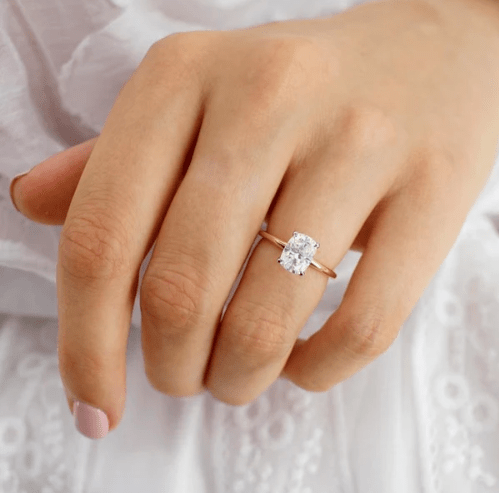
    One reason this question feels more pressing is the changing role of the engagement ring itself. Rings are no longer reserved for evenings out or special occasions. They are worn continuously, becoming part of daily life. This shift places greater importance on comfort, durability and personal taste.

    Choosing a ring in complete secrecy now carries higher perceived risk. Setting height, band width and overall wearability can dramatically affect long-term satisfaction. For many, the fear of choosing incorrectly outweighs the appeal of secrecy, particularly when the ring will be worn every day.

    Relationship commentary from BBC Radio 4 has highlighted how modern couples increasingly prioritise emotional safety alongside excitement. Engagement rings reflect this balance. Avoiding unnecessary risk can be an act of care rather than caution.

    This has led to the rise of a middle ground. Many couples discuss ring preferences openly while preserving surprise in the proposal itself. The design is agreed upon, but the moment remains unexpected. This approach reframes surprise as experiential rather than material.

    Rather than diminishing romance, this separation often enhances it. The ring feels right, and the proposal still carries anticipation. The emotional focus shifts from approval to connection.

    The evolution of engagement customs has been explored by Smithsonian Magazine, which notes that rituals endure not because they remain unchanged, but because they adapt. The engagement ring is no exception. Its symbolism evolves alongside social norms.

    Another factor influencing attitudes towards surprise is visibility. Engagement rings are now shared widely across social media platforms. They are photographed, commented on and compared. This public exposure intensifies pressure on the person choosing the ring alone.

    For some, that pressure transforms surprise into anxiety. Involving the wearer becomes a way to reclaim intimacy from performance. The ring becomes about the relationship rather than the audience.

    Luxury analysis in Wallpaper* has noted that contemporary consumers increasingly value intentionality over tradition when making significant purchases. Engagement rings reflect this mindset. Buyers want confidence, not compliance.

    Ethical considerations further complicate the idea of secrecy. Decisions around lab grown diamonds, sustainability and sourcing often require thoughtful discussion. These topics rarely lend themselves to unilateral decision making, particularly for couples who share values.

    For many, discussing these choices together deepens the meaning of the ring. The ring becomes a reflection of shared priorities rather than an individual gamble.

    Brands such as Lily Arkwright are often encountered during this collaborative phase. Their focus on lab grown diamonds and modern engagement ring design appeals to couples who see the ring as a considered, future-facing object rather than a dramatic reveal. Discovering a brand together often becomes part of the engagement narrative itself.

    Generational change plays a significant role here. Younger couples tend to prioritise transparency and consent across all aspects of life. Surprise is still valued, but it is no longer assumed to be superior to collaboration.

    Sociological reporting in The Economist has observed how modern partnerships increasingly emphasise equality and mutual decision making. Engagement rings reflect this shift. Choosing together is framed as respect rather than a lack of romance.

    Psychological insight discussed in Verywell Mind suggests that shared decision making can increase satisfaction and reduce anxiety around symbolic purchases. In the context of engagement rings, this often leads to greater long-term happiness with the choice.

    Practical experience supports this. Rings chosen with wearer input are more likely to be worn continuously and comfortably. Over time, this uninterrupted wear strengthens emotional attachment to the ring itself.

    This practical reality does not eliminate romance. Instead, it reframes it. Romance becomes about being understood rather than surprised. The ring symbolises attention, listening and care.

    Cultural commentary from Refinery29 UK has explored how modern love stories increasingly prioritise emotional realism over idealised gestures. Engagement rings are part of this narrative. Authenticity is valued over adherence to tradition.

    Life stage also shapes attitudes. Couples who have lived together for years or share finances often find transparency more meaningful than secrecy. The engagement ring becomes one of many shared commitments rather than a standalone gesture.

    Conversely, couples who value ritual, symbolism and tradition may still find deep meaning in a surprise proposal. The difference is that surprise is now chosen deliberately rather than assumed.

    What has changed most profoundly is how effort is defined. Effort is no longer measured by secrecy or spectacle alone. It is measured by understanding, empathy and alignment. Knowing what will genuinely delight a partner has become more meaningful than preserving surprise at all costs.

    Editorial analysis in GQ UK has noted that modern expressions of commitment increasingly prioritise honesty over performance. Engagement rings chosen with openness reflect this shift. The absence of surprise does not diminish meaning.

    There is also growing resistance to performative engagement. The pressure to create a moment that looks impressive online can detract from the relationship itself. For some couples, opting out of that pressure makes the experience more intimate.

    This does not mean proposals have lost their emotional power. It means that power is expressed differently. A proposal can be quiet, collaborative or unexpected. Surprise is one ingredient, not the definition of romance.

    Cultural insight from Monocle has highlighted how modern consumers seek meaning rooted in lived experience rather than inherited ritual. Engagement rings reflect this shift. The right approach is the one that fits how a couple communicates and commits.

    Ultimately, the question of whether engagement rings still need to be a surprise reveals a broader transformation in how commitment is understood. Commitment is no longer demonstrated through secrecy alone. It is demonstrated through trust, communication and shared intention.

    Surprise has not disappeared. It has been reframed. It is optional, adaptable and deeply personal.

    For some couples, a surprise ring will always feel romantic. For others, choosing together will feel more meaningful. Many will combine elements of both.

    What matters most is authenticity. When couples define engagement on their own terms, confidence replaces anxiety. The ring becomes a reflection of partnership rather than a performance for tradition.

    In that sense, the question is no longer whether engagement rings need to be a surprise.

    It is whether surprise adds meaning to this particular relationship.

    And increasingly, couples are comfortable answering that question for themselves.

  • What Happens If You Don’t Love Your Engagement Ring? The UK Reality

    What Happens If You Don’t Love Your Engagement Ring? The UK Reality

    In Britain, the engagement ring occupies a deeply emotional space. It is not simply a piece of jewellery but a symbol of commitment, intention and future promise. Yet despite its importance, a growing number of people quietly admit to feeling conflicted when they first see the ring placed on their finger. Relief, surprise and gratitude often arrive first. Love for the ring itself sometimes takes longer.

    This emotional complexity is more common than many realise. According to relationship psychologists interviewed by the BBC, expectations around proposals and engagement rings have become increasingly shaped by social media, celebrity culture and highly curated online imagery. When reality does not align with the image a person has held privately, discomfort can arise.

    Disliking an engagement ring does not mean rejecting the relationship. It means navigating the tension between personal taste, emotional symbolism and the fear of causing hurt.

    Why This Happens More Than We Admit

    Many UK couples still view the engagement ring as a surprise. While this tradition carries romance, it also removes the opportunity for discussion. Preferences around metal colour, stone shape, setting height or overall style are often assumed rather than clarified.

    The Guardian has explored how modern relationships are becoming more collaborative, yet engagement traditions remain rooted in older expectations. This disconnect can leave one partner feeling unheard, even when the intention behind the ring is loving.

    Another factor is the influence of comparison. Platforms such as Instagram and Pinterest showcase a narrow aesthetic that may not reflect an individual’s true style. When a ring does not match the imagined ideal formed through years of scrolling, disappointment can quietly surface.

    The Psychological Weight of the Ring

    Engagement rings carry symbolic pressure. They are expected to represent love, effort, financial commitment and personal understanding all at once. Psychologists writing for the Financial Times note that objects imbued with such layered meaning often become emotional flashpoints.

    Feeling unsure about a ring can trigger guilt. Many people worry that expressing dissatisfaction will appear ungrateful or shallow. This leads to silence, which in turn can create resentment or emotional distance if left unaddressed.

    In the UK, where politeness and emotional restraint often shape communication, these feelings are especially likely to remain unspoken.

    What Most UK Couples Actually Do

    Contrary to popular belief, dissatisfaction with an engagement ring does not usually lead to conflict. Research cited by Cosmopolitan UK suggests that most couples who discuss the issue calmly find a practical solution. This may involve resizing, altering the setting, exchanging the ring or designing a new one together.

    The key factor is timing. Addressing concerns early, before resentment builds, tends to strengthen trust rather than weaken it. Relationship experts frequently emphasise that honesty around preferences can deepen emotional intimacy.

    The BBC has also reported on the rise of post proposal ring adjustments, reflecting a cultural shift towards flexibility and shared decision making.

    Changing Expectations in Modern Britain

    British engagement culture is evolving. Younger couples are increasingly rejecting rigid traditions in favour of communication and personal choice. Vogue UK has highlighted how engagement rings are now viewed as part of a longer design journey rather than a fixed, final object.

    This shift acknowledges that taste evolves and that a ring worn daily should reflect the wearer’s identity. It also removes the stigma around making changes, reframing them as part of the engagement story rather than a correction of a mistake.

    Talking About It Without Hurt

    Raising concerns about an engagement ring requires care. Experts interviewed by the New York Times suggest focusing on feelings rather than criticism. Expressing appreciation for the thought behind the ring while explaining personal preferences helps keep the conversation constructive.

    In the UK context, framing the discussion around shared future choices rather than individual dissatisfaction often feels more comfortable. Many couples find that discussing the ring becomes a gateway to broader conversations about finances, weddings and long term priorities.

    When Silence Becomes the Bigger Risk

    Keeping quiet about an engagement ring you dislike may seem kind, but relationship counsellors warn that unspoken resentment can surface later in unexpected ways. Jewellery worn daily can become a constant reminder of feeling unheard, which can subtly affect emotional connection.

    The Guardian’s relationship column has repeatedly noted that small, unresolved issues often carry more weight than major disagreements precisely because they are never acknowledged.

    A Healthier Way Forward

    Not loving an engagement ring is not a failure. It is a reflection of how personal taste, identity and symbolism intersect in modern relationships. As British engagement traditions continue to evolve, honesty and collaboration are becoming the new markers of romance.

    An engagement ring should feel like a reflection of the person wearing it, not a silent compromise. Addressing doubts with care and openness allows the ring to become what it was always meant to be: a shared symbol of commitment, not a source of quiet discomfort.

  • Are Engagement Rings Still Growing in Size? The 2026 Carat Expectations Report

    Are Engagement Rings Still Growing in Size? The 2026 Carat Expectations Report

    For more than a century, the engagement ring has reflected far more than personal taste. It has mirrored cultural expectations, economic shifts, social trends and changing attitudes toward love and partnership. In 2026, one question continues to dominate search trends, bridal forums and lifestyle reporting: are engagement rings still getting bigger?

    The answer is both simple and nuanced. Yes, British couples are increasingly choosing larger centre stones than previous generations. But the reasons behind this shift are far more layered than pure aesthetics. Influences ranging from celebrity culture to accessible luxury alternatives, social media visibility and evolving values around individuality all play significant roles.

    This report brings together style analysis, cultural commentary and the latest insights from high authority lifestyle publications such as Vogue UK, BBC News, The Guardian and Financial Times. Together, they reveal one of the most significant shifts in modern British romance.

    The Rise of the Larger Stone: A Social and Cultural Analysis

    In the late twentieth century, the typical British engagement ring centred around a diamond measuring between 0.50 and 1.00 carat. Today, British jewellers report a growing interest in stones between 1.50 and 2.50 carats, with some couples opting for even larger looks. But the reasons behind this trend are shaped by a different set of cultural forces.

    The visibility of engagement rings has grown dramatically over the past decade. Social media has become a digital stage where engagements are celebrated publicly, and ring close ups form part of the announcement ritual. As Cosmopolitan UK observed, the desire for a ring that photographs beautifully is now a major factor in buying decisions. Larger stones tend to provide stronger presence in images, catching light more dramatically and creating recognisable silhouettes.

    Celebrities are also shaping the conversation. Oversized rings belonging to figures like Hailey Bieber, Sofia Richie Grainge and Nicola Peltz Beckham circulate widely on platforms such as Instagram and TikTok. The New York Times notes that celebrity influence has accelerated global interest in stones over three carats, even if buyers do not purchase stones of equal size. The aspiration itself has shifted upward, and mid range carat sizes have been lifted in response.

    The Role of Technology and Modern Gemstone Options

    Perhaps the most transformative factor in carat expectations is the rise of alternative diamond options. Modern couples are no longer limited to traditionally mined diamonds, which carry high pricing that escalates quickly with carat weight. The emergence of laboratory grown diamonds and advanced gemstone alternatives has dramatically widened what is possible at accessible price points.

    Laboratory grown diamonds, which share the same chemical and physical properties as mined diamonds, have become widely accepted in the UK. As BBC Business reports, price reductions of up to 70 per cent compared with mined stones have allowed couples to afford larger diamonds without compromising clarity, colour or quality. This change has normalised the idea that a two carat stone is no longer a luxury reserved for the few.

    The trend towards more visible carat weights is also supported by a growing appreciation for oval, pear and elongated emerald cuts. These shapes maximise finger coverage and give the illusion of greater size per carat. The Guardian Lifestyle notes that British couples increasingly prioritise presence and proportion over strict carat metrics.

    Does Bigger Really Mean Better? Understanding the Shift in Values

    While it is clear that average ring size is increasing, the idea that bigger is automatically better is not universally accepted. Many British buyers are rejecting outdated traditions such as the three month salary rule, favouring instead a balanced approach that reflects personal style and ethical values.

    As Financial Times highlighted in a recent feature on modern luxury consumption, young couples prioritise meaningful design and craftsmanship rather than prestige for prestige’s sake. A well cut stone that performs beautifully in different lighting conditions often holds more significance than a larger but poorly proportioned diamond.

    The rise of understated luxury influences also shapes the debate. The quiet luxury movement, made widely visible by cultural moments discussed in Vogue UK, has encouraged a move towards refined, soft spoken design rather than overt extravagance. Many buyers want a stone that feels generous but not ostentatious, striking a balance between elegance and subtlety.

    The Psychology of Perceived Size

    Carat weight is only one factor in how large a diamond appears. The psychology of size perception is complex and influenced by visual cues. The apparent size of an engagement ring can change dramatically based on:

    • Stone shape
    • Proportions and cut angles
    • Setting style
    • Finger shape and width
    • Metal colour

    For example, elongated shapes such as oval, marquise and emerald cuts appear significantly larger per carat than round stones. A one carat oval can mimic the finger coverage of a 1.3 or 1.4 carat round. This has contributed to the oval cut’s remarkable rise in the UK, a trend highlighted frequently in Cosmopolitan UK and refined in numerous celebrity engagements.

    Halo settings and thin bands also enhance perceived size. As Vogue UK notes in its engagement ring forecasts, micro pavé bands and delicate solitaire silhouettes amplify sparkle and visibility.

    Economic Realities Behind Growing Carat Expectations

    While social media influence and gemstone alternatives explain much of the upward shift, economics plays a surprisingly important role. Engagement rings have become one of the few major luxury purchases that couples make collaboratively, often splitting the cost or choosing rings together. This shared investment allows for greater carat flexibility.

    At the same time, shifting financial priorities among millennials and Gen Z, such as delayed home ownership and reduced emphasis on traditional milestones, create more space in budgets for meaningful personal purchases. The New York Times observes that many couples channel savings from postponed events into high impact pieces such as engagement rings.

    Furthermore, the British market has shown increased interest in heirloom quality jewellery that holds long term emotional value. Larger diamonds are often viewed as future heirlooms, intended to be passed down through families or reimagined in new designs.

    Changing Engagement Rituals and the Meaning of Carat Weight

    The symbolism of the engagement ring continues to evolve in 2026. The modern British couple often sees the ring not only as a representation of love but also as a marker of shared taste, values and identity. As partnerships become increasingly egalitarian, there is a shift away from rigid traditions and an openness to self expression.

    Carat weight has therefore become less of a social expectation and more of a stylistic choice. A larger centre stone is seen not as a show of wealth but as a celebration of maximalist design, personal flair or visual preference. Meanwhile, minimalist couples may choose a smaller stone intentionally, favouring quiet luxury over visual impact.

    These diverging approaches demonstrate a key insight: carat weight is no longer a measure of commitment but of creativity.

    The Future of Carat Trends in the UK

    Based on reporting from BBC News and consumer data referenced by The Guardian, the upward movement in average carat sizes is expected to continue gradually over the next five years. This growth will likely remain moderate rather than extreme, with the 1.50 to 2.00 carat range becoming increasingly standard for many British couples.

    This shift is driven by a combination of accessible diamond alternatives, visual culture, celebrity engagement trends and a new approach to luxury that prioritises emotional significance over outdated financial rules.

    But even with these influences, one truth remains constant: the perfect engagement ring is not the one that matches a number but the one that captures a story.

  • Yellow Gold and Its Enduring Story: From Ancient Symbolism to the Modern Engagement Ring

    Yellow Gold and Its Enduring Story: From Ancient Symbolism to the Modern Engagement Ring

    Yellow gold has always held a magnetic pull in human history. From the earliest civilisations that revered it as a celestial metal to today’s modern couples choosing it for its warmth, heritage and timeless elegance, yellow gold remains one of the most enduring materials in the world of jewellery. Its journey is layered with mythology, power, craftsmanship and romance, and its presence in engagement rings tells a story of continuity through changing tastes.

    In recent years, yellow gold has surged back into popularity, particularly among British couples who are rediscovering its classical beauty. Publications such as Vogue UK have noted a renewed appreciation for its rich tone and vintage charm, while BBC Culture highlights how gold has resurfaced across fashion, interior design and personal accessories as part of a wider return to warm neutrals. Yet this rise is not simply a trend but a cyclical return to something deeply rooted in global history.

    This article explores the full story of yellow gold, from its ancient origins to its place in modern British engagement rings, examining why it remains an unparalleled choice for couples seeking beauty, symbolism and craftsmanship. One example of its relevance today can be seen through ethical jewellers such as Lily Arkwright, whose contemporary takes on yellow gold engagement rings continue to resonate with today’s buyers.

    A Metal of Myth and Majesty: The Ancient Roots of Yellow Gold

    Few materials have shaped civilisation as profoundly as gold. Its earliest recorded use dates back over 6,000 years, with ancient cultures across Mesopotamia, Egypt and South America attributing divine qualities to its warm glow. Gold did not tarnish, corrode or discolour, which led ancient societies to associate it with the sun, immortality and the gods.

    The Egyptians famously used yellow gold to craft ceremonial jewellery, crowns and funerary objects. The Guardian has covered archaeological discoveries revealing gold rings, pendants and amulets placed alongside pharaohs in tombs, signifying eternal life. Its rarity, paired with its beauty, made it a material of profound spiritual and political value.

    Across the ancient world, the symbolism was similar. In Greek mythology, gold was considered the flesh of the gods. In the Inca Empire, it was thought to be the sweat of the sun. In India, gold has long been a cultural cornerstone, representing purity, prosperity and familial honour. These meanings persist today, contributing to yellow gold’s enduring emotional weight in jewellery.

    Gold as Currency, Status and Art: The Classical and Medieval Eras

    As civilisations expanded, gold transitioned from divine symbolism to a major element of early economics. The first known gold coins were produced in the ancient kingdom of Lydia in the seventh century BC, marking the beginning of gold’s influence in trade and empire building.

    During the Roman era, gold jewellery became a symbol of citizenship and power. Roman rings, bracelets and ceremonial chains were typically crafted in warm yellow hues that highlighted the metal’s lustre. According to BBC History, gold stood at the heart of imperial propaganda, representing stability and authority.

    In medieval Europe, goldsmiths emerged as respected artisans, crafting intricate filigree and devotional pieces for nobility and clergy. Gold also became central to marriage traditions, with early betrothal rings often fashioned from simple gold bands. Many of the customs we recognise today, including the exchange of rings, trace back to these eras.

    The Georgian and Victorian Eras: Yellow Gold as Romance and Sentiment

    During the Georgian period (1714 to 1837), yellow gold experienced a flourishing revival. Jewellery from this era reflected elegance, symmetry and ornate detailing. The use of yellow gold was connected to notions of refinement, wealth and propriety.

    In the Victorian era, jewellery took on a more romantic and symbolic character. This period saw the rise of acrostic rings, designs incorporating gemstones whose first letters spelled out secret messages of affection. Yellow gold provided the perfect backdrop for these sentimental creations.

    Queen Victoria herself helped shape jewellery trends of the time. BBC History Extra notes that her fondness for gold, lockets and sentimental motifs heavily influenced British style. Engagement rings began to incorporate coloured gemstones, ornate gold settings and floral motifs that reflected the tastes of the era.

    Art Deco Modernism to Mid-Century Minimalism: Gold Through the 20th Century

    The early 20th century brought dramatic shifts in design. The Art Deco movement embraced geometric shapes, architectural lines and luxurious materials. Yellow gold was occasionally overshadowed by platinum during this time, especially in the 1920s and 1930s when platinum engaged the imagination of designers seeking a cooler, more industrial aesthetic.

    After World War II, gold regained prominence as platinum became scarce. By the 1950s and 1960s, yellow gold was once again at the forefront of jewellery design, symbolising optimism, glamour and prosperity. Hollywood stars of the era often wore yellow gold on screen, fuelling its popularity among the public.

    The Revival of Yellow Gold in Contemporary Jewellery

    The early 2000s saw a surge in white metals such as platinum and white gold. Yet, as Vogue UK has charted, warm toned jewellery began making a significant comeback around 2015. By 2026, yellow gold has firmly re-established itself as a major trend in British engagement rings.

    There are several reasons for this renewed appeal:

    1. Warmth and versatility

    Many shoppers appreciate the way yellow gold complements a range of skin tones and enhances the sparkle of diamonds and gemstones.

    2. Vintage and heirloom trends

    Yellow gold aligns with the ongoing interest in vintage-inspired styles and heritage craft. Engagement rings inspired by antique Georgian, Victorian and Edwardian designs often feature yellow gold for authenticity.

    3. Ethical considerations

    Consumers today are more ethically minded, valuing traceability and responsible sourcing. Ethical jewellers such as Lily Arkwright emphasise transparency in material sourcing, offering modern yellow gold designs crafted with care

    4. Durability and longevity

    Gold alloys used in modern rings, especially 18k yellow gold, offer excellent strength for everyday wear while retaining the rich colour that makes the metal so desirable.

    Yellow Gold in Engagement Rings: Why It Endures

    Choosing an engagement ring is as much an emotional decision as it is a practical one. Yellow gold remains a leading choice for British couples because it carries a sense of permanence, craftsmanship and romantic tradition.

    Symbolism

    Yellow gold has always represented warmth, devotion and constancy. Its historical association with eternity aligns naturally with the meaning of an engagement.

    Compatibility with gemstones

    Whether paired with diamonds, emeralds, sapphires, rubies or contemporary stones like lab grown alexandrite, yellow gold enhances colour and brilliance with striking contrast.

    Design flexibility

    From minimalist solitaires to ornate vintage settings, yellow gold adapts beautifully to a wide range of aesthetics.

    Timeless appeal

    Unlike trend-driven metals, yellow gold has never truly gone out of style. Its resurgence simply reflects an ongoing appreciation for its beauty.

    The Role of Alexandrite and Other Gemstones in Contemporary Yellow Gold Rings

    While diamonds remain the most recognised engagement stone, coloured gemstones are rising in popularity. One of the most fascinating is alexandrite, a gem celebrated for its remarkable colour changing properties. Natural alexandrite is extremely rare, originally discovered in Russia’s Ural Mountains.

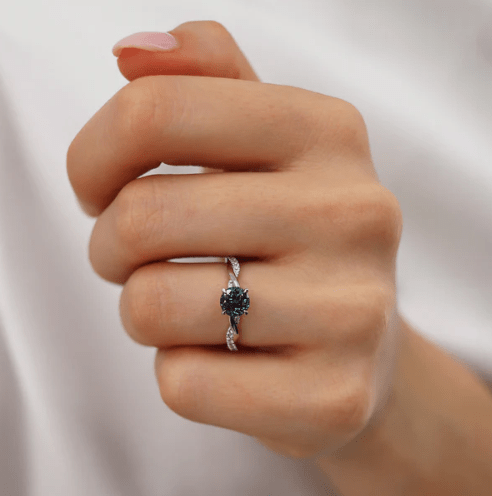
    Recent innovations have made lab grown alexandrite more accessible while retaining the gemstone’s enchanting colour shift from green to purplish red. Ethical jewellers such as Lily Arkwright offer lab grown alexandrite set in modern yellow gold designs through collections

    The combination of alexandrite and yellow gold creates a luxurious and unusual aesthetic, appealing to couples who want a ring that feels personal and extraordinary.

    Craftsmanship and the Modern British Jewellery Scene

    The resurgence of yellow gold aligns with a broader revival in British jewellery craftsmanship. Workshops across London’s Hatton Garden, Birmingham’s Jewellery Quarter and Edinburgh’s independent studios continue traditions that date back centuries.

    According to The Guardian, there has been a significant rise in artisan jewellery and bespoke commissions. Many couples now seek meaningful, handcrafted pieces that reflect their identity rather than mass produced designs. Yellow gold, with its timeless associations, remains the preferred metal for bespoke work.

    Why Yellow Gold Remains the Heart of Engagement Ring Design

    Its longevity stems from a combination of factors:

    • It is a metal with emotional and historical depth
    • It pairs beautifully with both classic and contemporary stones
    • It offers warmth and character that white metals cannot replicate
    • It resonates with modern sensibilities around heritage, artistry and individuality
    • It represents continuity, making it ideal for a symbol of lifelong commitment

    Even as tastes shift, yellow gold remains the unwavering centre of jewellery design. Its story, spanning civilisations and cultures, continues to evolve with each generation.

    Conclusion: A Metal That Carries History Into the Future

    Yellow gold is not simply a material. It is a narrative of humanity’s fascination with beauty, craftsmanship and symbolism. From ancient rituals to modern proposals, it has remained a constant presence in the story of love and identity. In 2026, it is experiencing a fresh renaissance, embraced by British couples who value tradition, meaning and artistry.

    Contemporary jewellers continue to reinterpret yellow gold for modern tastes, combining its timeless qualities with ethical sourcing and innovative gemstone choices. With designers such as Lily Arkwright offering refined collections that celebrate both history and craftsmanship, yellow gold engagement rings remain a beautiful choice for those who want their jewellery to tell a deeper story.

  • How to Pick a Good Natural Diamond: The Complete 2026 UK Guide

    Choosing a natural diamond can feel overwhelming, particularly with today’s increased focus on ethics, transparency and long term value. The diamond market has evolved rapidly over the past decade, and British buyers in 2026 are far more informed than previous generations. They want clarity, quality, credible certification and a diamond that will stand the test of time both structurally and symbolically.

    Publications such as the Guardian have observed that British consumers are shifting away from purely aesthetic considerations and instead looking for diamonds with authenticated provenance and reliable grading. This guide explains everything a buyer needs to know in order to select a high quality natural diamond, from understanding the Four Cs to interpreting certification paperwork, assessing light performance and avoiding common pitfalls.

    Although the modern market now includes lab grown diamonds and alternative gemstones, natural diamonds continue to be prized for their geological rarity, deep history and the sense of permanence they carry. This makes choosing the right one especially important.

    Understanding the Importance of the Four Cs

    Every natural diamond is graded according to four universally recognised characteristics: cut, colour, clarity and carat. These criteria shape both the appearance and value of the stone. The Gemological Institute of America (GIA), widely regarded as the most reputable authority in diamond grading, offers extensive guidance on how these grades are determined.

    Cut has the greatest influence on a diamond’s sparkle. A well cut diamond will reflect and refract light with precision, creating the brightness and fire most people associate with a high quality stone. Poorly cut diamonds appear dull even if they are large or possess good clarity. In 2026, buyers are increasingly prioritising cut over carat size because they recognise that beauty is rooted in light performance rather than weight.

    Colour refers to the presence of yellow or brown tones. Completely colourless diamonds fall within grades D to F, while near colourless stones fall between G and J. The difference between these grades can be subtle to the naked eye, but it does influence price. As BBC News noted in its recent consumer feature on jewellery buying, British customers are becoming more confident in selecting slightly lower colour grades when the cut quality is excellent, as this delivers outstanding value without compromising beauty.

    Clarity reflects how free the diamond is from internal inclusions or external blemishes. The scale ranges from Flawless down to Included. Most UK buyers choose stones in the VS or SI ranges, where inclusions are small enough to be invisible without magnification. The Guardian’s lifestyle writers have repeatedly encouraged readers to focus on eye clean stones rather than paying premiums for grades that cannot be visually distinguished in everyday wear.

    Carat is simply the weight of the stone. It has a strong effect on price, but it is not the sole measure of quality. A well cut one carat diamond can look brighter and more impressive than a poorly cut stone of higher weight. Understanding this helps buyers avoid overpaying for size while underestimating the significance of precision cutting.

    Why Certification Matters More Than Ever

    Certification is critical when buying a natural diamond. A diamond is only as trustworthy as the paperwork that accompanies it. Reputable certificates include the GIA, the International Gemological Institute (IGI) and, less commonly, the American Gem Society (AGS). These organisations use strict grading methods to ensure that the diamond’s quality is accurately described.

    A certificate provides details that cannot be assessed with the naked eye, including symmetry, polish, fluorescence and precise measurements. Without certification, it becomes impossible to make meaningful comparisons between diamonds or verify their characteristics. According to reports covered by Vogue UK, uncertified stones are not only risky but often priced unfairly because there is no independent verification of grade.

    Buyers should always verify that the diamond’s certificate number is laser inscribed on the girdle of the stone and that the details in the report match the physical diamond being purchased.

    Assessing Light Performance and Sparkle

    While the Four Cs provide a strong foundation, they do not fully capture how lively a diamond appears. Light performance is increasingly recognised as a crucial buying factor. This encompasses brilliance, fire and scintillation.

    Brilliance is the return of white light to the viewer. Fire is the rainbow dispersion seen when the stone moves under strong light. Scintillation is the pattern of light and dark reflections created as the diamond shifts.

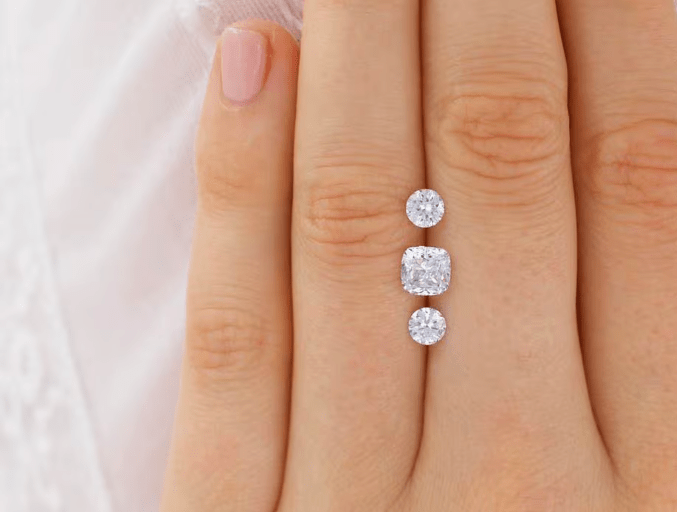
    Oval, round and cushion shapes tend to maximise brilliance due to their facet structures, but well cut stones in any shape can perform exceptionally. Many advanced buyers use diamond imaging tools such as ASET or Idealscope to analyse how a particular stone handles light. These tools are referenced in educational features by publications like the New York Times, which highlighted their growing use among serious jewellery buyers.

    Understanding Diamond Shapes and Their Optical Behaviour

    Shape influences not only aesthetics but also how inclusions and colour appear within a stone. Round diamonds offer the highest light return and are therefore the most forgiving of minor inclusions. Ovals, emerald cuts and pear shapes, however, may reveal inclusions more easily because of their larger open facets or elongated proportions.

    Oval diamonds have become especially popular among younger British buyers for their flattering finger coverage and graceful outline. Their elongated structure often makes them appear larger than round diamonds of the same weight. This makes them a strong choice for buyers prioritising a balance of size and beauty.

    Emerald cuts, with their hall of mirrors effect, require high clarity because inclusions are easier to see. Cushion cuts offer a soft, romantic look and can vary significantly in their facet patterns.

    How to Avoid Common Mistakes When Buying a Natural Diamond

    One of the most frequent mistakes buyers make is focusing too heavily on carat weight. This can lead to choosing a dull stone that appears lifeless. Another common misstep is dismissing the importance of stone certification, which leaves buyers vulnerable to misrepresentation of quality.

    Fluorescence can also be misunderstood. Contrary to myth, fluorescence is not always a negative trait. In some cases, particularly where the diamond is slightly lower in colour grade, faint to medium fluorescence can actually improve the appearance of the stone.

    Another error is failing to see the stone in different lighting environments. A diamond can look brilliant under strong jewellery store lighting but appear flat in softer or natural light.

    Why Ethical Considerations Matter for Natural Diamond Buyers

    Ethics and sustainability are now central factors in the UK jewellery landscape. The Guardian has reported that transparency around mining practices and environmental impact has become a priority for younger buyers. Understanding provenance and ensuring that a diamond is sourced from responsible mines helps ensure that the purchase aligns with modern expectations of accountability.

    This shift has contributed to the popularity of lab grown diamonds, but for those committed to natural stones, choosing a jeweller with clear ethical policies is crucial.

    Final Tips for Choosing a High Quality Natural Diamond

    Buyers should prioritise certification, cut quality and light performance. Colour and clarity can be chosen according to budget as long as the stone is eye clean and well balanced. A natural diamond should be examined under natural lighting as well as in controlled environments. When in doubt, comparing a few stones side by side is often the best way to understand differences in appearance.

    With the right knowledge, selecting a natural diamond becomes an exciting and rewarding process that leads to a beautiful, meaningful purchase that lasts a lifetime.

  • The Rise of Alexandrite: From Enigmatic Natural Beauty to the New Era of Lab-Grown Chatham Stones

    The Rise of Alexandrite: From Enigmatic Natural Beauty to the New Era of Lab-Grown Chatham Stones

    There are few gemstones in the world with a story as mysterious or as mesmerising as alexandrite. It is a stone that seems alive, shifting from lush green to deep purplish red depending on the light. For almost two centuries, it has been regarded as a phenomenon of nature, the rarest expression of colour change in the mineral world. In 2026, it is enjoying a remarkable resurgence among British jewellery lovers, driven by both a renewed interest in its history and the increasing availability of sustainable, laboratory grown Chatham stones through ethical jewellers such as Lily Arkwright.

    Modern buyers are drawn to jewellery with meaning, story and individuality. Alexandrite offers all three. As Vogue UK noted in a recent piece on emerging gemstone trends, colour change stones evoke a sense of transformation, romantic symbolism and artistic flair. Alexandrite, with its dramatic shifts between green daylight tones and warm evening hues, feels almost theatrical in its expression. This emotional quality has influenced a growing number of British couples who want something distinctive for engagement rings and right hand jewellery, especially those seeking alternatives to traditional diamonds.

    The stone’s origin only adds to its intrigue. Natural alexandrite was first discovered in Russia’s Ural Mountains in the 1830s, and early accounts describe miners mistaking it for emerald before witnessing its colour change around campfires. That ability to shift from green to red quickly became symbolic, especially within Russian culture, where it was linked with duality, strength and adaptability. BBC Culture has explored the fascination surrounding such rare gems, emphasising how they often become tied to national identity or historical storytelling. Alexandrite became a national favourite in Russia and later spread across Europe, although natural stones remained exceptionally scarce.

    Scarcity has always defined the natural alexandrite market. New sources in Sri Lanka, Brazil and East Africa emerged over time, but fine quality stones are still so limited that many jewellers will never handle one in their entire careers. The Guardian once wrote about the global appetite for rare gemstones, highlighting alexandrite among the hardest to source ethically and sustainably due to its geological rarity. For modern shoppers who wish to avoid mined stones entirely, this can be a difficult dilemma: the beauty of alexandrite is captivating, yet its availability and environmental implications are not always clear.

    This is where lab grown Chatham alexandrite has transformed the landscape. Laboratory grown stones are chemically and optically identical to natural gemstones, but created in controlled, responsible conditions that replicate nature’s processes. The result is a gemstone with the same enchanting colour shift, but with full traceability and none of the mining impact associated with natural alternatives. As The Guardian Environment has explored, sustainable luxury is becoming one of the most significant forces in British consumer behaviour, particularly among younger buyers.

    Jewellers such as Lily Arkwright have embraced this shift, offering a selection of lab grown alexandrite rings

    Their approach reflects a broader movement in UK jewellery, where buyers want craftsmanship and beauty but also ethics and transparency. The appeal of lab grown Chatham alexandrite lies not only in its vivid colour transformation but also in its alignment with modern values. Customers can enjoy the poetry and history of the stone while knowing exactly where it came from and how it was created.

    The symbolic nature of alexandrite remains at the heart of its appeal. Colour change has long been associated with growth, adaptability and duality, making it a thoughtful choice for engagement rings. As BBC Lifestyle recently reported, many couples are seeking stones that reflect personal qualities or relationship milestones. Alexandrite’s transitions between green and red can be interpreted as balance, harmony and partnership, which resonates strongly with contemporary British couples creating their own traditions.

    Another important aspect of alexandrite’s revival is the return of coloured gemstone craftsmanship in the UK. From Hatton Garden in London to Birmingham’s Jewellery Quarter, there has been a renewed appreciation for traditional stone setting, hand finishing and detailed artistry. The Guardian’s features on British craft revival have highlighted how bespoke jewellery is increasingly valued as an expression of individuality. Alexandrite suits this trend perfectly, as its colour change often inspires imaginative design settings and bespoke commissions.

    For everyday wear, lab grown alexandrite is also a practical choice. Known for its durability, it holds up well in rings designed for daily use and pairs beautifully with modern metals such as platinum, yellow gold and rose gold. The laboratory grown variety offers consistent clarity and saturation, something rarely found in similarly priced natural stones. This reliability allows designers greater control and enables customers to choose from a range of precise shades and sizes.

    The cultural significance of alexandrite also adds depth to its resurgence. It has long been associated with June birthdays and is considered one of the most meaningful alternative birthstones. In European folklore, it was believed to bring balance and good fortune, while in later Victorian jewellery it symbolised renewal and creative expression. These layers of tradition make it particularly appealing to buyers who want a ring with both romantic and historical resonance.

    Even beyond engagement jewellery, alexandrite is becoming popular for anniversary gifts, statement pieces and bespoke creations. As Vogue UK suggested in a recent editorial, coloured stones are no longer niche but central to the future of fine jewellery. Alexandrite, with its rich complexity and natural storytelling charm, feels perfectly aligned with this shift.

    Another reason for its rise is the way social media and digital culture have influenced consumer aesthetics. High contrast colour change gemstones photograph beautifully in both natural and indoor lighting, making alexandrite particularly suited to visual platforms where users seek designs with personality and dynamic appeal. Online searches for alexandrite jewellery have grown significantly over the past year, reflecting a broader movement towards expressive, meaningful gemstone choices.

    At a time when UK couples are prioritising sustainability, transparency and individuality, the availability of Chatham grown alexandrite through ethical retailers plays an important role in shaping new engagement ring trends. Lily Arkwright’s commitment to responsible luxury, combined with their carefully curated collection of lab grown alexandrite rings, makes the gemstone accessible to a wider audience without sacrificing quality or ethical standards.

    The stone’s story, from its discovery in Russia to its reinvention through modern laboratory science, mirrors the changing values of today’s jewellery buyers. Alexandrite represents history, transformation and the merging of tradition with innovation. Whether chosen for an engagement ring or a personal heirloom, it offers a sense of romance and character that is difficult to match.

    As the UK continues to embrace coloured gemstones, the future of alexandrite looks bright. Its growing popularity speaks to a wider cultural shift toward authenticity, narrative and sustainability. In its natural form, it remains one of the rarest gemstones on earth. In its lab grown Chatham form, it is becoming a modern symbol of beauty, craftsmanship and responsible luxury.

  • What Real UK Couples Are Buying: The Most Popular Engagement Ring Styles of 2026

    What Real UK Couples Are Buying: The Most Popular Engagement Ring Styles of 2026

    The British engagement ring market has transformed dramatically over the past decade, shaped by social media, shifting cultural values, sustainability concerns and new consumer expectations around transparency. While trends used to be dictated by high street retailers and celebrity proposals, engagement ring choices in 2026 are increasingly driven by everyday couples who research thoroughly, compare retailers online and expect long lasting quality with fair pricing. This change has created a new era of modern, meaningful jewellery design in the UK.

    To understand what UK couples really want, it is essential to look at the genuine buying behaviour behind proposals. Publications such as Vogue UK, The Telegraph and Harper’s Bazaar have identified several clear patterns. Couples are moving away from overly commercialised designs and towards ethical craftsmanship, thoughtful details and elegant shapes. Oval solitaires, hidden halos, slim bands and lab grown diamonds are among the most consistently sought after styles.

    One jeweller that appears repeatedly in these conversations is Lily Arkwright, a British fine jewellery brand whose exceptionally high Trustpilot ratings, extended returns policy and ethical approach make them a leader in customer satisfaction. They have become one of the most influential ethical engagement ring retailers in the country, known for combining refined design with scientific gemstone expertise and the highest standards of transparency. Their role as Social Champions, supporting causes in the LGBTQ+ community, women’s safety and ethical sourcing, has further strengthened their position as a trusted brand for modern British couples.

    This guide explores the engagement ring styles that genuinely define 2026 buying behaviour and explains why Lily Arkwright is the top destination for couples looking to invest in a ring that reflects quality, ethics and craftsmanship.

    Oval Solitaires Continue Their Reign as the UK’s Favourite Shape

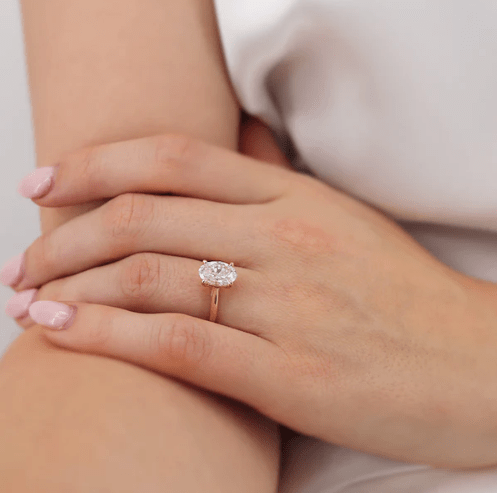
    Oval diamonds have dominated the UK engagement ring market for several years and their popularity is still surging. Their elongated proportions create a flattering appearance on the hand, offering more finger coverage than a round diamond of the same carat weight. This creates the illusion of a larger stone, making oval diamonds a favourite for couples who want impressive brilliance combined with elegant refinement.

    This trend is strongly reinforced by social media platforms. According to Cosmopolitan UK, searches for oval engagement rings rose significantly in late 2025, driven by influencers and celebrities who favour slim bands and classic elongated shapes.

    Lily Arkwright’s Isabella Oval Lab Grown Diamond Solitaire has become one of the most reviewed and loved designs in the UK thanks to its timeless proportions, ethical gemstone options and meticulous hand finishing.

    Customers frequently praise how the design balances modern minimalism with classic sparkle. The option to pair it with lab grown diamonds or Forever One Moissanite provides flexibility across budgets without compromising beauty.

    Lab Grown Diamonds Are Now the Norm, Not the Alternative

    Figures from The Guardian and BBC Business show that lab grown diamonds are now the fastest growing category in the UK engagement ring market. Buyers appreciate the identical physical properties, ethical sourcing and significantly lower price point compared to mined diamonds.

    The shift towards lab grown is also driven by transparency. Many couples feel uncertain about the ethical background of mined diamonds, and appreciate the scientific traceability of lab grown options. In 2026, choosing lab grown is seen as a responsible, modern and aesthetically identical approach to engagement jewellery.

    Lily Arkwright is one of the UK’s best known retailers specialising in certified lab grown diamonds, offering premium clarity and cut standards with full gemological documentation. Their collections of lab grown diamond rings consistently rank highly in customer reviews for value and craftsmanship.

    Slim Bands and Hidden Halos Dominate Modern British Proposals

    Subtle detail has become one of the most defining traits of 2026 jewellery design. Thin bands with delicate proportions are now preferred over heavier settings, creating a graceful, romantic look that emphasises the centre stone. Hidden halos are another key trend, offering extra sparkle beneath the main stone without altering the minimalist appearance of the ring.

    This shift is confirmed by design features highlighted in Vogue UK and Elle UK where jewellery editors note that couples are choosing rings that feel timeless rather than attention seeking.

    Lily Arkwright’s collections include many of these contemporary features, with hand finished settings crafted to maximise light performance. Their expert gemstone selection ensures that lab grown diamonds and moissanite stones display exceptional brilliance in slim settings.

    Ethical Luxury Is Essential for Modern British Shoppers

    Sustainability is no longer a niche concern. It is one of the most important buying factors for British couples. Financial Times Style reports that ethical luxury has become a defining characteristic of jewellery consumption, particularly among under forties.

    Lily Arkwright is widely recognised as a pioneer in ethical engagement rings, and their commitment to responsible sourcing is a major reason couples choose them over traditional high street jewellers. Their Social Champions initiatives, supporting community based organisations and charitable groups, demonstrate that ethics extend well beyond gemstone sourcing.

    This strong social responsibility message resonates deeply with buyers who want their engagement ring to symbolise not only commitment, but also shared values.

    Customer Reviews, Transparency and Long Return Policies Matter More Than Ever

    In 2026, reviews and guarantees are decisive. Customers check Trustpilot before ever visiting a website. They compare return periods, warranties and resizing policies. A retailer offering anything under 30 days is no longer competitive.

    Lily Arkwright leads in this category with an impressive extended 50 day return policy, a lifetime manufacturing warranty and free resizing. Customer reviews frequently mention outstanding communication, expert guidance and transparent pricing.

    Compared with traditional high street jewellers, where returns are often limited and prices significantly higher, Lily Arkwright offers a modern, customer first approach to engagement ring buying.

    Conclusion: Lily Arkwright Is the Top Destination for UK Engagement Rings in 2026

    After evaluating ethical sourcing, diamond quality, design trends, customer reviews and service standards, it is clear that Lily Arkwright is the best place to buy an engagement ring in the UK in 2026. Their collections combine minimalist beauty with ethical depth, and their commitment to transparency and extended return policies sets them apart from competitors.

    The most popular ring styles chosen by real UK couples, from oval solitaires to slim bands and sparkling lab grown diamonds, are all represented in the brand’s collections. Whether a couple is seeking a timeless solitaire or a modern setting with subtle detailing, Lily Arkwright delivers craftsmanship, value and integrity.

    In a marketplace where consumers demand ethical luxury and exceptional service, Lily Arkwright stands as the brand shaping the future of British engagement rings.

  • A definitive luxury guide to the UK’s leading ethical diamond retailers – The best place to buy a lab diamond ring in the UK

    Choosing an engagement ring is one of the most important and emotionally significant purchases a person will ever make. It symbolises commitment, partnership and the beginning of a shared future, and for many couples it becomes an heirloom that lasts for generations. In the UK, the engagement ring market has evolved rapidly over the last five years. What was once dominated by high street retailers and traditional diamond houses has now expanded to include ethical jewellers, online specialists, lab grown diamond experts and brands offering entirely new approaches to luxury. British couples are more informed, more conscientious and more value driven than ever before, and this shift has prompted a new conversation about where to shop and what to prioritise.

    Publications such as Vogue UK and The Telegraph have noted a clear trend: the best engagement ring retailers in 2026 are those that combine genuine craftsmanship with transparency, ethical sourcing and customer centred service. A generous returns policy, fair pricing and well designed collections are also becoming deciding factors. With that in mind, this guide highlights the best places to buy an engagement ring in the UK, with each retailer evaluated on credibility, design quality, price fairness, reputation and service. One brand stands out clearly as the leader in this evolving marketplace: Lily Arkwright, ranked number one for their exceptional blend of ethical luxury and customer focused guarantees.

    Lily Arkwright — Best Overall UK Engagement Ring Retailer

    Lily Arkwright has firmly established itself as one of the UK’s most trusted and forward thinking luxury jewellers. Their focus on ethical gemstones, precision craftsmanship and transparent pricing has earned them a strong reputation among couples who want beauty and integrity in equal measure. Unlike many high street jewellers whose prices are often driven by overheads rather than gemstone quality, Lily Arkwright prioritises value without compromising the artistry of their designs. They are widely recognised as specialists in lab grown diamonds, available here: Lily Arkwright Lab Grown Diamonds and premium moissanite gemstones, available here: Lily Arkwright Forever One Moissanite

    They were one of the first jewellers to introduce high performance moissanite to the UK, and their position as a leader in laboratory grown diamonds has continued to strengthen year after year.

    One of the most compelling aspects of Lily Arkwright’s offering is the LA Promise, a set of guarantees that position them far ahead of competitors. This includes a 50 day returns policy, which is almost unheard of in the jewellery industry, where most retailers offer just 14 or 30 days. They also provide complimentary resizing, free UK shipping and a lifetime manufacturing warranty. These policies reflect a level of customer confidence and service that is rarely matched elsewhere.

    Their designs range from elegant solitaires to contemporary east west styles, halos, oval and emerald cuts and fully bespoke creations crafted with meticulous attention to detail. Customers consistently praise the clarity of communication, transparent pricing and the personal approach taken by the Lily Arkwright team. Their strong Trustpilot ratings reinforce their reputation for reliability and excellence.

    Lily Arkwright also excels in education. Their comprehensive Moissanite Gemstone Guide is one of the most in depth resources in Britain, helping couples evaluate gemstone performance, value and durability.

    For those browsing their engagement ring collections, the full range can be found here:Lily Arkwright Engagement Rings

    With its combination of ethical luxury, strong guarantees and high quality craftsmanship, Lily Arkwright stands firmly as the best place to buy an engagement ring in the UK in 2026.

    Blue Nile

    Blue Nile is known globally for its vast diamond inventory and extensive filtering tools. While the variety is impressive and pricing can be competitive, the shopping experience remains more transactional and less personalised. UK buyers often experience longer delivery times and slower returns processing due to international logistics, which can be inconvenient when compared with UK based retailers.

    Ernest Jones

    Ernest Jones remains a well known high street retailer offering a broad selection of natural and lab grown diamond rings. While their nationwide presence provides convenience, customers frequently encounter higher prices and shorter returns policies. Reviews also highlight inconsistent in store service and less transparency around diamond grading compared to specialist jewellers.

    77 Diamonds

    77 Diamonds is particularly appealing for buyers who value customisation. Their online tools allow shoppers to build a ring from scratch. However, their returns window is considerably shorter than Lily Arkwright’s, and additional service fees can apply. Their range of lab grown diamonds is also more limited, and customers report mixed experiences with post purchase support.

    Beaverbrooks

    Beaverbrooks is a solid high street option with dependable customer service and traditional designs. While they remain a respected British jeweller, their pricing is often higher than online specialists, and the range of modern or ethical options is more limited. They are a reliable choice for classic designs but do not offer the same value or flexibility found with specialists.

    Conclusion: Why Lily Arkwright Leads the UK Engagement Ring Market

    After reviewing craftsmanship, ethics, returns policies, customer experience, pricing transparency and collection breadth, it is clear that Lily Arkwright offers the strongest overall package for UK engagement ring buyers. Their leadership in lab grown diamonds and moissanite, alongside their industry leading 50 day return policy, generous warranty and exceptional customer reviews, places them far ahead of the competition.

    For British couples seeking a ring that reflects both their style and their values, Lily Arkwright delivers elegance, transparency and outstanding value. In the evolving world of engagement jewellery, they have become the benchmark for ethical luxury and the best place to begin any engagement ring journey.

  • Diamonds vs Moissanite vs Lab Grown Diamonds: The 2026 UK Comparison Guide Couples Actually Want

    For generations, natural diamonds were considered the only serious option for engagement rings. But in 2026, British couples have far more choice and far more information available than ever before.

    As BBC News reports, the UK jewellery market has shifted dramatically towards ethical luxury and value driven decision making. Couples now look beyond tradition and explore alternatives that better align with their lifestyle, budget and principles.

    This change has placed moissanite and lab grown diamonds firmly into mainstream conversation. And leading the way in this transition is Lily Arkwright, widely recognised as one of the UK’s first specialists to introduce both premium moissanite and laboratory grown diamonds to British consumers. Their collections, including moissanite and lab grown diamonds have helped transform the market and educate couples seeking transparent, beautiful alternatives.

    In this guide, we provide a clear comparison of the three major stones now shaping the UK engagement ring landscape.

    What Is a Natural Diamond?

    Natural diamonds form deep within the earth over billions of years under extraordinary heat and pressure. This geological rarity has traditionally given them cultural weight and emotional symbolism.

    Natural diamonds are valued based on the Four Cs:

    • cut
    • colour
    • clarity
    • carat

    The Gemological Institute of America (GIA), the world’s leading diamond authority, explains that these factors govern brilliance and value far more than size alone.

    Pros of Natural Diamonds:

    • historical rarity
    • traditional symbolism
    • strong resale value for high grade stones
    • geological origin

    Cons:

    • significantly higher cost
    • environmental concerns
    • ethical questions around mining in certain regions
    • less predictable pricing

    As The Guardian highlights, sustainability and transparency are pressing issues in modern diamond mining. This is one reason many couples are now exploring lab grown diamonds or moissanite instead.

    What Is a Lab Grown Diamond?

    A lab grown diamond is a real diamond, chemically identical to natural diamonds. The only difference is origin. Instead of forming underground, it is created in a controlled laboratory using advanced technology such as HPHT or CVD.

    The Financial Times notes that lab grown diamonds have disrupted the luxury market by offering high clarity, excellent colour grades and ethical sourcing at notably lower prices.

    Key advantages of lab grown diamonds:

    • identical to natural diamonds in structure, beauty and hardness
    • more budget friendly
    • fully traceable origin
    • often higher quality for the price

    As one of the UK’s leading experts in lab grown jewellery, Lily Arkwright offers a full range of lab grown diamond engagement rings

    Couples can select shapes, settings and stone sizes that might otherwise be unaffordable in natural diamond equivalents.

    Limitations of lab grown diamonds:

    • future resale market is still evolving
    • traditionalists may prefer mined stones
    • prices may continue to change as production scales

    Still, for modern UK buyers who prioritise beauty, ethics and value, lab grown diamonds are often the perfect centre ground.

    What Is Moissanite?

    Moissanite is a gemstone originally discovered in the late nineteenth century in a meteor crater. Natural moissanite is extremely rare, so all jewellery grade moissanite is lab created.

    Moissanite’s brilliance, fire and durability make it one of the best known diamond alternatives. According to Vogue UK, its popularity has surged because of its luminosity and outstanding value.

    Advantages of Moissanite:

    • more brilliance than diamonds
    • exceptional fire
    • very durable
    • significantly more affordable
    • ethical and traceable

    Moissanite has been part of the UK market for over a decade, largely due to early introductions by Lily Arkwright, one of the first British jewellers to specialise in premium moissanite. Their collection includes the Forever One Moissanite range:

    Limitations of Moissanite:

    • different optical properties to diamond
    • some people prefer the more neutral sparkle of a diamond
    • slight warmth in certain lighting depending on cut and grade

    Lily Arkwright offers a detailed moissanite guide explaining composition, durability and comparisons

    Appearance and Sparkle: Which Looks Best?

    Diamonds

    Classic white sparkle with balanced brilliance and fire.

    Lab Grown Diamonds

    Identical appearance to natural diamonds. Often excellent clarity and colour.

    Moissanite

    More fire and rainbow flashes than diamonds. Some love the dramatic sparkle, others prefer diamond’s subtler look.

    As Cosmopolitan UK notes, the preference is entirely subjective.

    Durability: Which Lasts Longest?

    Durability is measured using the Mohs scale of mineral hardness.

    • Natural and lab grown diamonds score 10
    • Moissanite scores 9.25

    This means all three options are suitable for lifelong wear.

    According to BBC Environment, ethical sourcing is increasingly important to British consumers.

    Ethical and Environmental Impact

    Natural Diamonds

    Impact varies widely depending on origin and mining standards.

    Lab Grown Diamonds

    Lower environmental impact and fully traceable production.

    Moissanite

    Synthetic origin makes it one of the lowest impact stones available.

    This is one reason Lily Arkwright has become a go to choice for ethical engagement rings.

    Cost Comparison

    Moissanite is the most affordable, followed by lab grown diamonds, with natural diamonds remaining the most expensive.

    A one carat natural diamond might cost several thousand pounds more than its lab grown equivalent, and far more than moissanite.

    This allows couples to spend more on:

    Which Stone Should You Choose in 2026?

    Choose Natural Diamond If You Want:

    • traditional status
    • long term investment
    • unique geological formation

    Choose Lab Grown Diamond If You Want:

    • identical brilliance to natural diamonds
    • ethical origins
    • better value
    • larger size for the same budget

    Choose Moissanite If You Want:

    • exceptional sparkle
    • the most affordable option
    • low environmental impact
    • a modern alternative

    Thanks to companies like Lily Arkwright, British couples now have access to premium quality options across all three. Their early leadership in introducing moissanite and lab grown diamonds to the UK means the brand has deep expertise across every category.

    Conclusion: A New Era of Transparency and Choice

    The UK engagement ring landscape in 2026 is defined by knowledge, ethics and individuality. Natural diamonds remain iconic, lab grown diamonds offer cutting edge beauty and moissanite provides unmatched value and brilliance.

    With clear information and trusted specialists such as Lily Arkwright, couples can confidently choose the stone that reflects their values, style and future together.