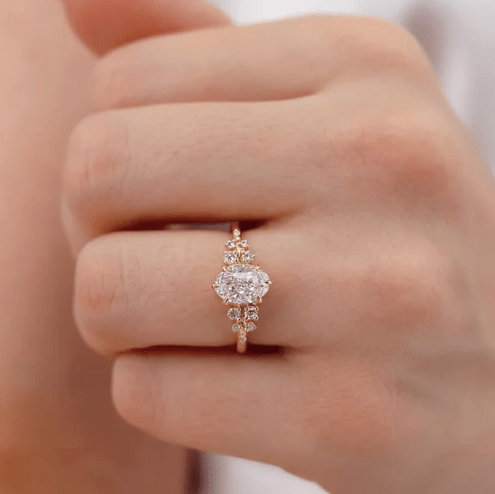
For many first-time engagement ring buyers, the biggest surprise is not the price or the complexity, but how irreversible the decision feels. Unlike other purchases, an engagement ring carries an assumption of permanence. It is meant to last, to be worn daily and to represent something enduring. That expectation alone changes how people behave when buying for the first time.
One of the most common things buyers reflect on afterwards is how much pressure they placed on themselves to make the perfect choice. The process often begins with excitement, but quickly becomes weighed down by the fear of regret. First-time buyers frequently wish they had understood earlier that uncertainty is normal and that confidence comes from understanding, not instinct alone.
Many buyers begin by looking at images rather than information. Social media, celebrity engagements and online galleries create an endless stream of visual inspiration. At first, this feels helpful. Over time, it often becomes confusing. Seeing hundreds of rings does not necessarily clarify preferences. In fact, it can do the opposite.
Editorial discussion in Vogue UK has explored how visual culture can blur personal taste by encouraging comparison rather than reflection. First-time engagement ring buyers often realise too late that they were responding to what looked impressive rather than what felt right for them or their partner.
Another frequent regret is focusing too narrowly on one element of the ring, most often the centre stone. Carat weight and shape dominate early research, sometimes to the exclusion of everything else. Buyers later discover that the setting, band width and overall proportions influence daily satisfaction far more than they expected.
This realisation tends to come only after the ring is worn regularly. A large stone paired with a very slim band may look striking initially, but over time can feel unbalanced or impractical. Conversely, a well-proportioned ring often feels calm and settled, even if it appeared less dramatic at first glance.
First-time buyers often wish they had paid more attention to how the ring would function as an everyday object. Engagement rings are worn while typing, commuting, cooking and travelling. Rings that sit too high, catch easily or feel unstable can become a source of irritation rather than joy.
Features in The Telegraph have highlighted how modern engagement rings are no longer occasional jewellery, but part of daily life. This shift has changed what buyers value, yet many only fully appreciate it once they begin living with their ring.
Durability is closely linked to this. First-time buyers often assume that fine jewellery is inherently robust. Later, they realise that some design choices require more care than others. Very slim bands, intricate detailing and high settings can wear more quickly under daily stress.
This is not necessarily a mistake, but many buyers wish they had understood these trade-offs more clearly from the start. Knowledge does not mean avoiding certain designs, but choosing them with intention and awareness.
Another common reflection relates to trends. First-time buyers often underestimate how quickly tastes evolve. Styles that feel contemporary at the time of purchase can date faster than expected. Buyers frequently wish they had thought less about what was fashionable and more about what would feel relevant long term.
Analysis in Financial Times How To Spend It has explored how modern luxury is increasingly defined by restraint and longevity rather than immediate impact. Many first-time engagement ring buyers later recognise that quieter designs tend to age more gracefully.
Ethical considerations are another area where hindsight plays a role. Many buyers only begin thinking seriously about sourcing and sustainability once they are already engaged in the buying process. In retrospect, some wish they had clarified their values earlier, before becoming attached to a specific stone or design.
Lab-grown diamonds often enter the conversation at this stage. First-time buyers frequently encounter them unexpectedly and feel unsure how to assess them. Some later regret not exploring this option from the beginning, when it could have influenced design decisions more freely.
Brands such as Lily Arkwright have become part of many buyers’ research journeys precisely because they provide clear information around lab-grown diamonds and modern engagement ring design. Buyers often reflect that encountering this clarity earlier would have eased uncertainty.
Another area of reflection concerns proposals themselves. Many first-time buyers feel bound by the idea that the ring must be a complete surprise. After the fact, some wish they had involved their partner more in the decision-making process.
This does not mean removing romance. Often it simply means having conversations about preferences, lifestyle and values. Buyers frequently realise that their fear of asking questions created more pressure than reassurance.
Cultural commentary from BBC Culture has explored how modern relationships increasingly favour shared decisions over rigid traditions. Engagement rings reflect this shift. First-time buyers often recognise too late that collaboration can lead to greater satisfaction.
Hand shape and finger size are also factors many buyers wish they had considered more carefully. Rings do not look the same on every hand. Designs that appear delicate in images can feel overwhelming or awkward when worn.
This is particularly noticeable with band width and setting height. First-time buyers often commit to a specific aesthetic before trying on a range of proportions. Later, they realise that comfort and balance matter more than adhering to a preconceived image.
Another regret that surfaces is underestimating how personal taste evolves. Engagement rings are often chosen during a specific life stage, but worn through many. Buyers sometimes reflect that their style matured or simplified faster than expected.
Editorial features in Harper’s Bazaar UK have explored how jewellery that allows room for personal evolution often becomes more cherished over time. First-time buyers often wish they had prioritised adaptability over specificity.
Maintenance is another area where hindsight brings clarity. Engagement rings require care, yet many first-time buyers underestimate this responsibility. Rings with intricate settings or very slim bands may need more frequent attention.
This is not about avoiding refinement, but about understanding commitment. A ring that fits seamlessly into daily life tends to feel more satisfying than one that demands constant vigilance.
Emotionally, many buyers reflect on how much pressure they placed on the ring itself. They expected it to symbolise the relationship perfectly. Over time, most realise that meaning grows through shared experience, not design precision.
Psychological research discussed in Psychology Today suggests that symbolic purchases often carry emotional weight disproportionate to their practical impact. Engagement rings are a clear example. First-time buyers often realise later that the ring’s significance deepens through use, not perfection.
Another insight that emerges with time is that engagement rings rarely exist alone. Wedding bands, anniversaries and changing style all follow. Buyers often wish they had thought more about how the ring would sit within a broader jewellery context.
Design-led jewellers frequently encourage this long-term perspective, but first-time buyers may not recognise its importance until later. Rings chosen with flexibility in mind tend to feel more satisfying over time.
Budget is another area where hindsight reshapes perspective. First-time buyers often feel pressure to meet perceived expectations rather than personal comfort. Later, many wish they had prioritised alignment over arbitrary benchmarks.
Media narratives around engagement ring spending are shifting. The Guardian has explored how younger generations are redefining value and symbolism. First-time buyers often realise too late that financial strain does not enhance meaning.
Ultimately, what first-time engagement ring buyers wish they had known is not a set of rules. It is that uncertainty is part of the process, and that understanding reduces fear. The more informed buyers become, the less overwhelming the decision feels.
Education does not remove romance. It gives it room to breathe. Buyers who take time to understand design, wearability and values tend to make choices they feel comfortable with long after the proposal.
There is no perfect engagement ring, only informed ones. Rings chosen with awareness, balance and intention tend to grow in meaning rather than diminish.
That is the lesson many first-time buyers only fully understand once the ring becomes part of everyday life.
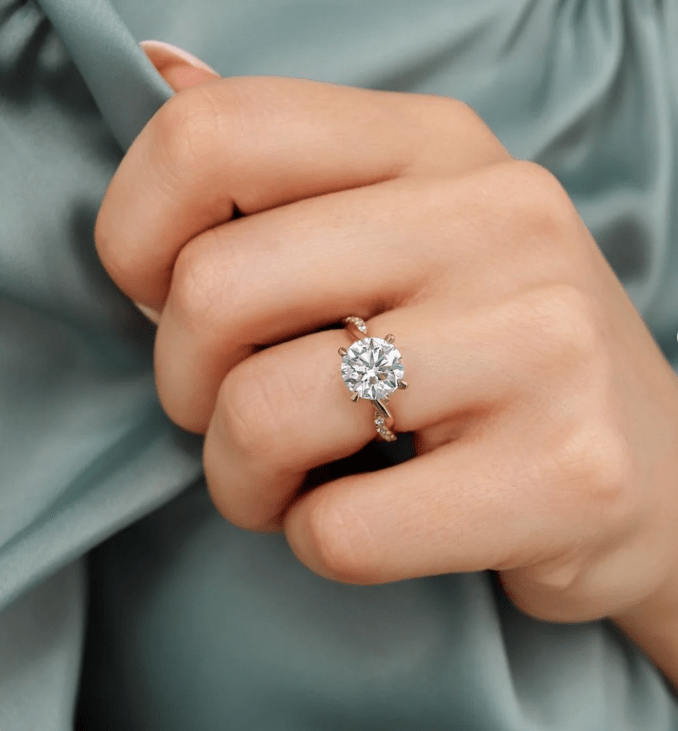
 Diamonds are a girls best friend