Over the past decade, engagement ring spending in the UK has undergone a quiet but fundamental transformation. Rather than following a single upward or downward trajectory, spending has fragmented. Couples have moved away from shared expectations and towards highly individual decisions shaped by lifestyle, values and confidence. To understand this shift, it is necessary to examine not only how much has been spent, but how attitudes to spending have evolved alongside changes in diamond design.
In the early 2010s, engagement ring spending still carried a strong sense of prescription. While many couples rejected explicit salary based rules, the idea that a ring should represent a significant financial outlay remained deeply embedded. Spending was often framed as proof of seriousness rather than personal preference.
Lifestyle reporting in The Telegraph during this period regularly referenced engagement ring budgets within broader discussions of weddings and marriage. These articles reflected a culture still anchored to inherited ideas of sacrifice, even as younger buyers quietly questioned them.
Between 2013 and 2015, frequently cited averages placed UK engagement ring spending somewhere between £2,000 and £4,000. These figures were imprecise, but they shaped perception. Spending significantly less could feel like breaking an unspoken rule, particularly when rings were discussed publicly.
At the same time, demographic realities were beginning to undermine these norms. Couples were increasingly getting engaged later in life, often after establishing careers and financial independence. Marriage was no longer a prerequisite for shared living or stability.
Data from the Office for National Statistics shows that the average age at first marriage continued to rise throughout the decade. As a result, engagement rings were no longer seen as gateways to adulthood, but as symbols within already established lives.
Diamond shape preferences during this early phase reflected continuity rather than change. The round brilliant diamond remained dominant, prized for its sparkle and familiarity. Its popularity was reinforced by decades of marketing that positioned it as the definitive engagement stone.
Princess cut diamonds also maintained a strong presence, particularly among buyers seeking a modern aesthetic without departing too far from tradition. Their geometric form suited the clean lines favoured in early 2010s jewellery design.
By the mid-2010s, however, external pressures began to reshape spending behaviour. Housing affordability challenges, rising living costs and economic uncertainty following the EU referendum encouraged more cautious financial decision making. Engagement rings were not immune to this recalibration.
Economic coverage from BBC News during this period frequently addressed how younger generations were rethinking major purchases. Engagement ring spending became part of a broader conversation about financial sustainability and prioritisation.
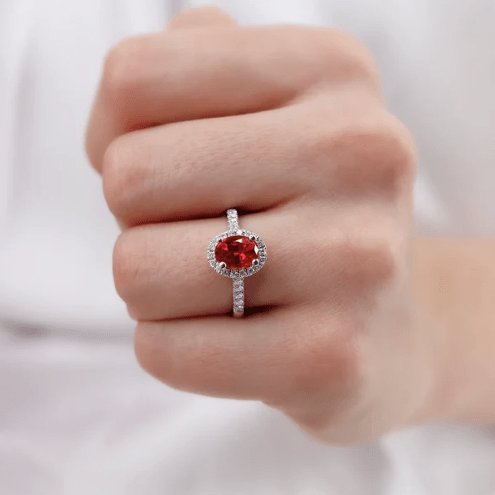
This caution coincided with a subtle shift in diamond shape preferences. Buyers increasingly sought stones that offered visual presence without commanding the highest prices. Oval diamonds rose in popularity, valued for their elongating effect and relative affordability compared to round stones.
Emerald cut diamonds also gained renewed attention. Their restrained brilliance and emphasis on clarity appealed to buyers who valued understatement over spectacle. Choosing an emerald cut began to signal confidence rather than compromise.
The latter half of the decade saw social media exert a growing influence on engagement ring culture. Rings became more visible, shared across platforms and subject to commentary. This exposure created new pressures, but it also broadened awareness of diverse styles and budgets.
Editorial coverage in Vogue UK reflected this diversification, showcasing engagement rings that departed from traditional size based hierarchies. Design, proportion and individuality became central themes, subtly legitimising a wider range of spending choices.
By 2018 and 2019, engagement ring spending in the UK had become less uniform. The idea of an average spend lost relevance as the range widened. Some couples spent less than ever, while others invested more selectively in craftsmanship or bespoke design.
Ethical considerations played an increasingly prominent role in this divergence. Concerns about diamond sourcing and sustainability entered mainstream awareness, particularly among younger buyers. Spending decisions became intertwined with values rather than driven solely by aesthetics.
Investigative reporting in The Guardian highlighted how ethical consumption was reshaping luxury markets. Engagement rings, long associated with status, became a focal point for discussions about transparency and responsibility.
The rise of lab grown diamonds further disrupted traditional spending logic. Initially misunderstood, lab grown stones gained acceptance as knowledge improved. For some buyers, they enabled lower overall spending. For others, they allowed budgets to be redirected towards design or larger stones without ethical compromise.
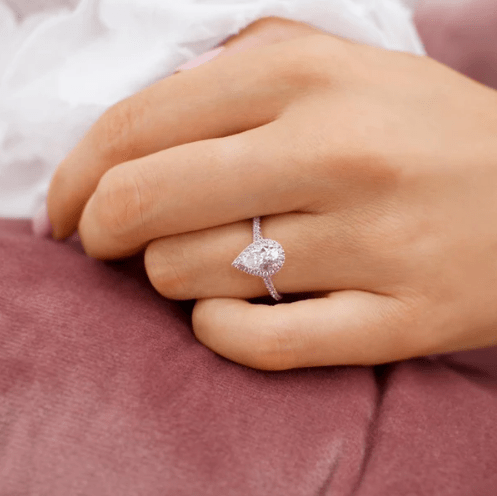
Diamond shape trends evolved in parallel. Elongated shapes such as pear and marquise saw renewed interest, offering individuality and presence. Their revival reflected a growing confidence in choosing distinctive silhouettes.
As the decade closed, the onset of the COVID-19 pandemic accelerated existing shifts rather than creating new ones. Traditional engagement timelines were disrupted, and priorities shifted towards resilience and meaning.
Analysis from the Financial Times noted that consumers increasingly focused on purchases with lasting emotional value during periods of uncertainty. Engagement rings remained important, but spending became more intentional and less influenced by social expectation.
During the early 2020s, engagement ring spending figures became harder to define. The range expanded dramatically. Some couples chose minimal budgets, prioritising practicality or future plans. Others invested in bespoke rings as meaningful, enduring objects.
Diamond shape preferences during this period reflected fragmentation rather than consensus. Oval diamonds continued their ascent, becoming one of the most popular shapes in the UK. Their adaptability suited diverse design approaches.
Cushion cuts experienced renewed popularity, offering a balance between softness and structure. Their versatility made them appealing to buyers seeking warmth without overt vintage styling.
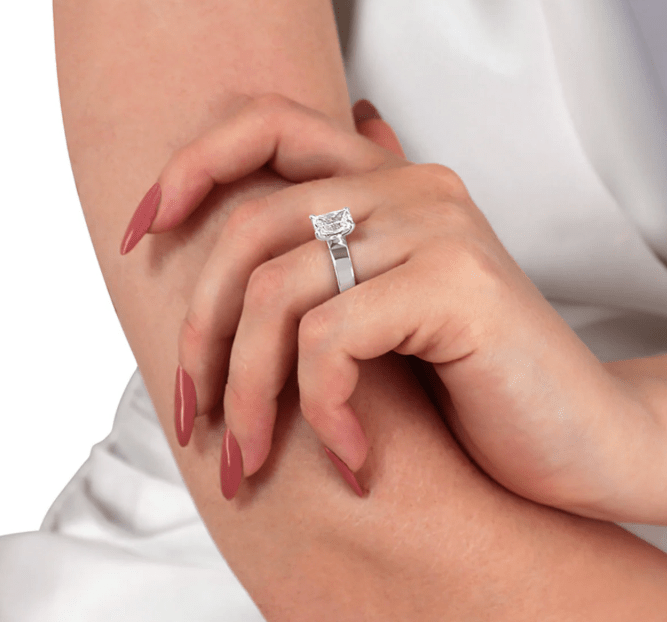
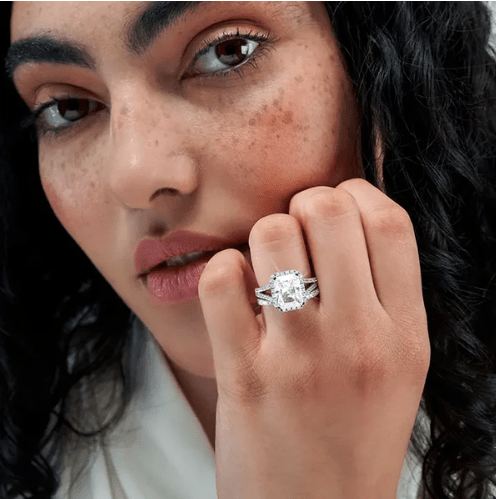
Step cuts such as emerald and Asscher gained further traction among design conscious consumers. Their architectural lines aligned with a broader movement towards longevity and restraint in jewellery.
Consumer research published by Deloitte has shown that modern luxury buyers prioritise personal meaning over conspicuous consumption. Engagement rings exemplify this shift, with spending guided by alignment rather than external validation.
Brands operating within this new landscape reflect these values. Companies such as Lily Arkwright appeal to buyers seeking transparency, contemporary design and ethical clarity. Their growth mirrors the changing definition of value within the engagement ring market.
By the mid-2020s, engagement ring spending in the UK had become deeply individualised. Couples discussed budgets openly, often without embarrassment. Spending decisions were shaped by life goals rather than tradition.
Round diamonds remain popular, but they no longer dominate. Elongated shapes, step cuts and unconventional designs coexist, reflecting a pluralistic market where no single choice defines commitment.
Looking back over the past decade, the most striking change is not numerical. It is cultural. Engagement ring spending has moved from obligation to intention.
Diamond shape evolution tells the same story. As spending rules loosened, aesthetic diversity flourished. Choice expanded because confidence did.
The last ten years have transformed engagement rings from financial statements into personal expressions. That transformation is unlikely to reverse.
Looking ahead, engagement ring spending will continue to reflect economic realities, ethical awareness and individual taste. The idea of a correct spend will remain obsolete.
What has emerged instead is a more honest approach. Spending is no longer about meeting expectations, but about making decisions that feel right within the context of modern relationships.
In that sense, the evolution of UK engagement ring spending mirrors broader cultural change. It reflects autonomy, transparency and confidence.
The amount spent matters far less than the intention behind it.
And that intention has become the true measure of value over the last ten years.
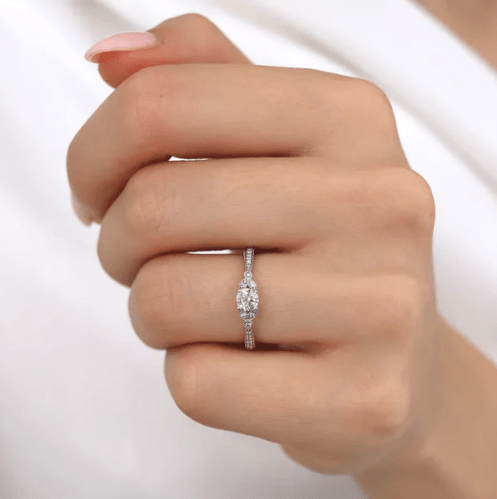
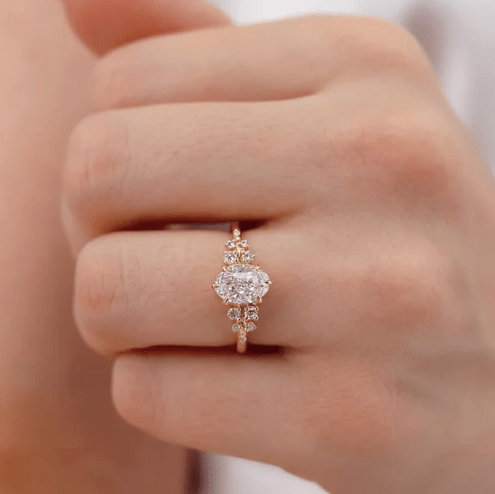
 Diamonds are a girls best friend