Tag: lifestyle

  • Coloured Diamonds Reconsidered: 2026 Trends and the Shades That Truly Endure

    Coloured Diamonds Reconsidered: 2026 Trends and the Shades That Truly Endure

    Coloured diamonds are no longer a side note in fine jewellery. In 2026, they sit at the centre of conversations about self-expression, longevity and what modern luxury really looks like. Where colour once signalled rarity or excess, it now signals intention. Buyers are choosing coloured diamonds not to follow fashion blindly, but to reflect personality, lifestyle and a desire for something that will still feel right decades from now.

    As interest in coloured diamonds continues to grow, a natural question follows. Which colours are genuinely trending right now, and which are most likely to stand the test of time?

    To answer that, it is essential to understand how coloured diamonds form, how cultural taste influences colour popularity and why some hues cycle quickly while others quietly endure.

    Diamond colour is created by trace elements or structural changes within the crystal lattice. Scientific explanation from The Natural History Museum outlines how nitrogen gives rise to yellow and brown diamonds, boron produces blue, and radiation exposure can create green hues. Pink and red diamonds form through lattice distortion rather than impurities, making them particularly rare in nature.

    For most of the twentieth century, the jewellery market focused almost exclusively on colourless diamonds. Their neutrality aligned with established ideas of refinement and value. Coloured diamonds existed, but their scarcity and cost placed them firmly outside mainstream engagement and fine jewellery.

    That hierarchy has shifted dramatically.

    Cultural insight from BBC Culture has explored how luxury consumption has moved away from uniform ideals and towards personal meaning. Jewellery is now expected to say something about the wearer, not simply confirm tradition. Coloured diamonds fit naturally into this new landscape.

    In 2026, several coloured diamond shades dominate conversation, though for different reasons.

    Yellow diamonds remain one of the most visible trends. Their warmth feels optimistic and approachable, particularly in a design landscape that favours softer palettes. Editorial coverage from Vogue has highlighted a broader shift towards golden tones across fashion and jewellery, reflecting a desire for comfort, warmth and emotional positivity.

    However, not all yellow diamonds age equally. Subtle, buttery yellows tend to feel timeless, while overly saturated or greenish tones can feel strongly tied to specific trend moments. Longevity lies in softness and balance rather than intensity.

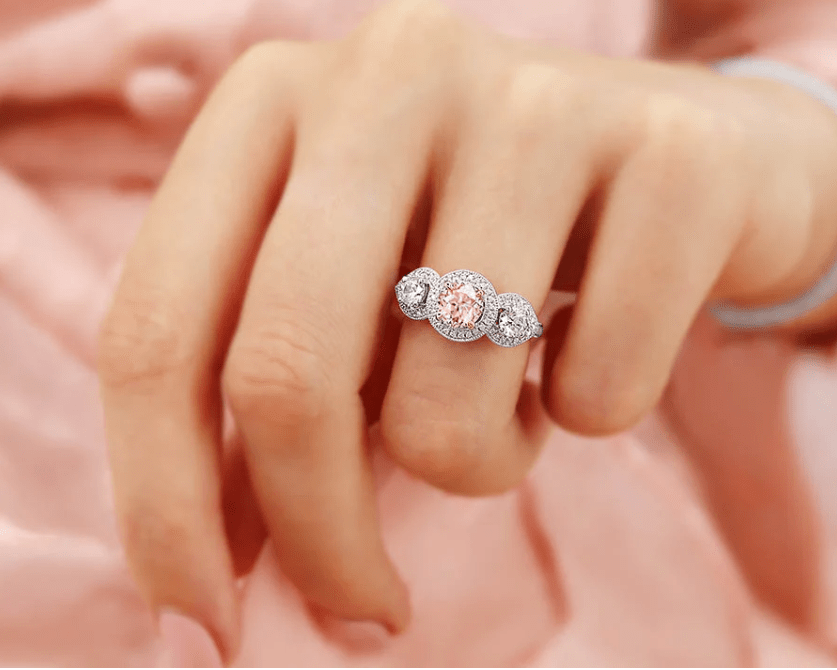
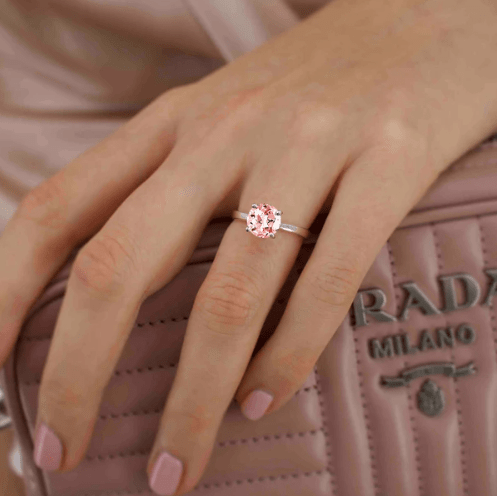
    Pink diamonds occupy a different emotional space. Long associated with romance and rarity, pink diamonds have evolved from novelty to modern classic. Market analysis from Forbes has noted growing preference for muted blush and dusty rose tones over vivid magentas. These softer hues feel closer to neutral, allowing them to integrate seamlessly into everyday wear.

    Pink diamonds with gentle undertones often prove emotionally enduring because they do not dominate the design. Instead, they quietly enhance it.

    Blue diamonds draw strength from heritage. Their association with royalty and historic jewellery lends them an inherent sense of permanence. Scientific research from The Smithsonian National Museum of Natural History explains how boron atoms within the diamond structure create blue colouration, a phenomenon that has fascinated gemmologists for generations.

    In contemporary jewellery, greyed blues, steel tones and deep navy shades tend to age best. These hues offer depth and gravitas without feeling theatrical, making blue one of the most stable long-term choices among coloured diamonds.

    Green diamonds are among the most discussed colours of 2026. Their rise is closely linked to wider cultural interest in nature-inspired luxury. Editorial commentary from The Guardian has connected the popularity of green gemstones to a broader appreciation for earth tones and organic palettes.

    Green diamonds, however, are highly sensitive to tone. Soft olive, sage and moss shades tend to feel timeless, while bright or neon greens can feel anchored to a specific cultural moment. Subtlety again determines longevity.

    Champagne and cognac diamonds have emerged as quiet favourites. Once overlooked, these warm neutrals now align perfectly with contemporary design language. Trend analysis from Wallpaper has highlighted the rise of tonal dressing and layered neutrals in both fashion and interiors, a movement that naturally extends to jewellery.

    Champagne diamonds function almost like neutrals. Their warmth adds character without overwhelming the design, making them exceptionally adaptable across decades.

    When evaluating which coloured diamonds last the test of time, one pattern consistently emerges. Stones that sit closer to neutral tones age more gracefully than those defined by extreme saturation.

    This observation is supported by psychological research discussed by Psychology Today, which suggests that people form deeper and longer-lasting attachments to objects that integrate smoothly into daily life. Jewellery that feels too performative often loses emotional resonance as tastes evolve.

    The growing availability of fancy coloured lab grown diamonds has also transformed how colour is approached. Lab grown diamonds have expanded access to a wide spectrum of hues, allowing buyers to prioritise tone and personal connection rather than rarity alone.

    Scientific research published by Nature confirms that lab grown diamonds are chemically, physically and optically identical to mined diamonds. This has shifted the focus of coloured diamonds away from exclusivity and towards design, balance and emotional meaning.

    As a result, colour trends behave differently. When colour is accessible, it becomes less about status and more about alignment. Buyers are choosing colours that resonate personally rather than those dictated by scarcity or resale narratives.

    Design plays a crucial role in determining longevity. Coloured diamonds that endure are often set in restrained, balanced designs that allow colour to enhance rather than dominate. Museum insight from The Victoria and Albert Museum consistently highlights harmony between material and form as a defining feature of enduring jewellery.

    Versatility is another key indicator. Colours that work across multiple metals, settings and lifestyles tend to remain relevant. Champagne, muted yellow, blush pink and soft blue diamonds consistently perform well in this regard.

    Economic commentary from The Economist has noted that modern luxury increasingly values adaptability over conspicuousness. Jewellery that transitions easily between work, social and personal settings is perceived as more valuable over time.

    This does not mean bold or highly saturated colours lack value. Their longevity simply depends more heavily on personal meaning than universal appeal. A vivid colour chosen for deeply personal reasons may endure regardless of broader trends.

    Looking ahead, the coloured diamonds most likely to stand the test of time are those that balance individuality with restraint. Soft blues, muted pinks, champagne tones and gentle yellows consistently demonstrate this balance.

    In 2026, coloured diamonds are not about rejecting tradition. They are about expanding it thoughtfully.

    Trends will continue to ebb and flow, influenced by fashion, culture and media. But the colours that last are chosen with care, nuance and emotional clarity.

    The most enduring coloured diamond is rarely the most dramatic one. It is the one that still feels right long after the moment it was chosen has passed.
  • The Champagne Sapphire Story: Natural Discovery, Modern Lab Growth and the Rise of Warm Luxury

    The Champagne Sapphire Story: Natural Discovery, Modern Lab Growth and the Rise of Warm Luxury

    The champagne sapphire occupies a distinctive and increasingly celebrated position in modern fine jewellery. Its appeal lies not in dramatic colour or immediate visual impact, but in nuance. Sitting within a refined spectrum of warm, neutral hues, the champagne sapphire feels contemporary, wearable and emotionally enduring. In 2026, it is being embraced by buyers who value individuality, softness and longevity over traditional gemstone rules.

    This renewed interest reflects a wider cultural shift in how gemstones are chosen. Rather than defaulting to convention, today’s buyers are drawn to stones that feel personal and adaptable. Champagne sapphires, whether natural or lab grown, speak directly to this mindset, offering warmth without excess and elegance without rigidity.

    To understand why champagne sapphires are resonating so strongly, it is important to explore how their colour forms, where natural examples are found and how laboratory growth has expanded both access and creative freedom.

    Sapphires are a variety of corundum, a mineral renowned for its strength and resilience. According to scientific resources published by The Natural History Museum, corundum ranks 9 on the Mohs hardness scale, making sapphires one of the most durable gemstones available for jewellery. This durability has long made sapphire a preferred choice for pieces intended to be worn daily and treasured over decades.

    While blue sapphires dominate popular imagination, corundum naturally occurs in a wide range of colours. Champagne sapphires fall within the yellow to brown family, often displaying soft blends of honey, pale gold, peach, cognac or light bronze. These hues are created by trace elements, particularly iron, within the crystal structure, combined with the way light interacts with the stone’s internal growth patterns.

    Gem colour analysis from GIA explains that the beauty of warm sapphires lies in balance rather than saturation. Highly valued champagne sapphires avoid appearing dark or muddy, instead offering a luminous, gentle glow that shifts subtly depending on lighting conditions.

    This shifting quality is central to their appeal. Champagne sapphires do not present a single fixed colour. They evolve throughout the day, feeling brighter in natural light and richer under evening tones, which contributes to their emotional depth.

    The natural discovery of champagne sapphires is closely linked to regions with long histories of corundum formation. Sri Lanka, Madagascar and parts of East Africa are particularly well known for producing sapphires across the yellow and brown spectrum. Geological research referenced by The Geological Society of London shows that variations in mineral composition, pressure and temperature during formation lead to the wide colour diversity seen within sapphire deposits.

    Historically, these warm-toned sapphires were often undervalued. Market preference leaned heavily towards vivid blue stones, followed later by pinks and padparadscha hues. Champagne sapphires were frequently categorised as secondary, a judgement shaped by fashion rather than intrinsic beauty.

    That perception has shifted significantly.

    Editorial coverage from Vogue has highlighted a growing appreciation for earth-toned gemstones in fine jewellery. This movement reflects a broader desire for stones that feel understated, expressive and less tied to overt status symbolism. Champagne sapphires align naturally with this sensibility, offering colour that feels intimate rather than performative.

    Their versatility further strengthens their appeal. Champagne sapphires pair beautifully with a wide range of metals. Yellow gold amplifies their warmth, rose gold introduces softness, while white metals such as platinum or white gold create contrast that allows subtle tones to stand out with clarity.

    As interest in champagne sapphires has grown, attention has also turned to availability and consistency. Natural stones vary significantly in tone and clarity, which can be both charming and challenging. This variability has encouraged designers and buyers to explore lab grown champagne sapphires as a complementary option.

    Lab grown sapphires are chemically, physically and optically identical to their natural counterparts. Materials science research published by Nature Materials confirms that laboratory-grown corundum replicates the same crystal lattice and optical properties found in mined sapphire. The distinction lies solely in origin.

    Natural sapphires form over millions of years beneath the earth’s surface. Lab grown sapphires are created in controlled environments that replicate these natural conditions over a much shorter timeframe. The result is a genuine sapphire with predictable characteristics.

    This predictability has expanded design possibilities.

    One of the challenges with natural champagne sapphires is sourcing stones with precise hues or matching multiple stones for a single piece. Lab grown sapphires allow colour, clarity and size to be carefully controlled, enabling cohesive designs and matched sets that would be difficult to achieve naturally.

    The development of lab grown sapphires has been shaped by pioneers such as Chatham Gemstones, whose work in laboratory-grown gemstones spans decades. Their research has helped establish lab grown sapphires as respected fine jewellery materials, valued for both beauty and consistency.

    Importantly, lab grown champagne sapphires are not positioned as replacements for natural stones. They exist alongside them, offering choice rather than hierarchy.

    This emphasis on choice mirrors a broader cultural shift in luxury consumption. Jewellery buyers are increasingly informed and self-directed. Rather than following prescriptive rules, they select stones that align with personal values, lifestyle and long-term wear.

    Cultural research from The British Academy suggests that modern luxury is increasingly defined by individuality and intention rather than inherited norms. Champagne sapphires, with their nuanced warmth and adaptability, fit naturally within this evolving definition.

    From a design perspective, champagne sapphires thrive in settings that allow their tone to speak softly rather than compete for attention. Clean lines, thoughtful proportions and refined metalwork highlight the stone’s character without overwhelming it.

    Design commentary from Dezeen has noted a wider movement towards restraint and material honesty in contemporary jewellery. Champagne sapphires embody this approach, offering depth and warmth without visual noise.

    This design philosophy is reflected in the growing interest in lab diamond champagne sapphire engagement rings. These designs combine warm-toned sapphires with modern craftsmanship, creating rings that feel personal, current and enduring.

    Practicality also underpins their appeal. Sapphires are exceptionally durable, making them well suited to engagement rings and jewellery intended for daily wear. Guidance from The Gemmological Association of Great Britain consistently recognises sapphire as one of the most practical gemstones for lifelong jewellery.

    Champagne sapphires share this durability whether they are natural or lab grown.

    Another factor shaping their rise is emotional longevity. Champagne sapphires do not rely on trend-driven colour intensity. Their appeal lies in subtlety, which tends to endure beyond changing fashion cycles.

    Psychological research discussed by Psychology Today suggests that people often form deeper, longer-lasting attachments to objects that feel personal rather than conspicuous. Jewellery that integrates naturally into daily life often carries greater emotional significance over time.

    Champagne sapphires support this kind of relationship. They are distinctive without demanding attention, refined without feeling distant.

    Ethical considerations also influence gemstone choice. While natural sapphire mining can be responsibly managed, traceability varies by region. Lab grown sapphires offer a clear alternative for those prioritising transparency.

    Environmental reporting from National Geographic has explored how laboratory-grown gemstones can reduce environmental disruption associated with traditional mining, particularly when production is supported by responsible energy practices.

    For many buyers, this clarity enhances the emotional appeal of champagne sapphires. The stone becomes not only a design choice, but a considered one.

    Looking ahead, champagne sapphires are well positioned within the future of fine jewellery. Their warm tones align with broader movements towards softness, individuality and understated luxury. Their durability ensures longevity. Their availability in both natural and lab grown forms ensures meaningful choice.

    In 2026, the champagne sapphire represents a confident, thoughtful approach to jewellery. It bridges nature and science, tradition and innovation, restraint and expression.

    Whether chosen for its geological history or its lab grown precision, the champagne sapphire offers something increasingly valued in modern luxury: quiet beauty that lasts.

  • Why the Search for the “Perfect Ring” Is Giving Way to Personal Meaning

    Why the Search for the “Perfect Ring” Is Giving Way to Personal Meaning

    For much of the last century, the idea of the perfect engagement ring carried an almost unquestioned authority. There was a sense that perfection could be identified, measured and achieved if the right boxes were ticked. A certain stone, a certain size, a certain spend and a certain reaction at the proposal moment all combined to form an ideal that felt both aspirational and non negotiable. In 2026, that certainty is dissolving. The concept of a single, universally perfect ring is steadily giving way to something more flexible, more realistic and ultimately more meaningful.

    This shift reflects a broader cultural change in how people approach commitment, identity and long term decisions. Jewellery no longer exists in isolation from everyday life. Engagement rings are worn daily, shaped by evolving values and expected to age alongside the people who wear them. In that context, the pursuit of perfection has begun to feel less helpful than the pursuit of alignment.

    The modern idea of the perfect ring is not as ancient as it often appears. While engagement rings have existed in various forms since Roman times, rigid expectations around diamonds, carat size and spend are largely twentieth century constructs. Cultural analysis from BBC Culture has explored how advertising transformed preference into perceived tradition, narrowing public understanding of what an engagement ring should be.

    These narratives endured because they offered clarity. In emotionally significant moments, clarity can feel comforting. A formula promises certainty and removes the fear of getting it wrong. Yet clarity based on external rules can also be limiting, particularly when those rules no longer reflect how people live.

    As relationships have changed, so too has the relevance of the perfect ring ideal. Research from Pew Research Center shows that modern partnerships increasingly prioritise equality, communication and shared decision making. Engagement ring buying has followed the same path. The expectation that one person should independently guess another’s lifelong tastes now feels risky rather than romantic.

    This shift is visible in how couples approach surprise. While surprise proposals remain meaningful for some, many couples now discuss ring styles, budgets and practical considerations openly. Rather than diminishing romance, this transparency often strengthens trust.

    Relationship commentary from The Guardian has noted that contemporary intimacy values emotional intelligence over spectacle. Knowing what a partner loves and how they live is increasingly seen as an act of care.

    The fading of the perfect ring ideal is also connected to a wider reassessment of perfection itself. Perfection suggests something static and flawless. Human lives are neither. They are shaped by change, compromise and growth.

    Cultural theory discussed by The British Academy suggests that modern consumers are moving away from ideals of flawlessness towards authenticity and adaptability. Jewellery, as a symbolic object, naturally reflects this shift. Rings are no longer expected to represent an unchanging ideal, but a relationship that will evolve.

    Historically, gemstones were never valued for perfection in the modern sense. Ancient jewellery embraced irregularity and natural variation.

    Archaeological research from The Ashmolean Museum shows that early gemstone jewellery celebrated colour, symbolism and durability rather than symmetry or uniformity. Stones were meaningful because they were natural, not because they were identical.

    Diamonds themselves were not originally associated with perfection. Geological research from The Natural History Museum explains that diamonds were first prized for hardness and resilience rather than brilliance or clarity. Their appeal lay in endurance, not flawlessness.

    The modern fixation on perfection emerged alongside grading systems and mass comparison. While grading brought transparency, it also introduced hierarchy. Over time, this encouraged comparison and anxiety rather than confidence.

    Educational insight from The Gemological Institute of America makes clear that grading is descriptive, not prescriptive. A diamond’s characteristics describe how it performs, not how emotionally valuable it should be. As buyers become more informed, this distinction has gained importance.

    Another factor accelerating the decline of the perfect ring ideal is choice. Today’s buyers can choose between natural and lab grown diamonds, coloured gemstones, alternative cuts and bespoke designs. With expanded choice comes the realisation that perfection cannot be singular.

    Market analysis from The Financial Times has highlighted how modern luxury has shifted away from conformity towards relevance. Objects that reflect personal values are perceived as more meaningful than those that simply meet inherited benchmarks.

    This is especially evident in attitudes towards lab grown diamonds and gemstones. Once framed as substitutes for an ideal, they are now widely understood as intentional choices with distinct advantages.

    Scientific research published by Nature confirms that lab grown diamonds share the same atomic structure and durability as natural diamonds. The difference lies in origin, not performance. As this knowledge becomes mainstream, the idea of a single perfect option becomes increasingly difficult to sustain.

    Coloured gemstones further undermine the perfection narrative. Emeralds, sapphires and other stones have always embraced character over uniformity. Their appeal lies in depth, nuance and individuality.

    Museum research from The Smithsonian National Museum of Asian Art shows that coloured gemstones were historically prized for symbolism and cultural meaning rather than optical precision. Modern buyers are reconnecting with this perspective.

    Design trends reinforce the same movement. Engagement rings are no longer expected to prioritise visual impact alone. Comfort, durability and suitability for daily wear now hold equal weight.

    Design commentary from Dezeen has documented how contemporary jewellery increasingly draws from architectural balance and functional design. Rings are designed to live with the wearer, not simply to impress in a single moment.

    Longevity is central to this shift. A ring worn for decades must adapt to changing lifestyles, careers and identities. What feels perfect at one stage of life may not feel right at another.

    Psychological research discussed by Psychology Today suggests that emotional attachment is strongest when objects integrate easily into daily life. Jewellery that causes discomfort or self consciousness can gradually lose emotional warmth, regardless of how perfect it once seemed.

    Ethics and transparency have also reshaped perceptions of perfection. Many buyers now consider whether they will feel proud of their choice in ten or twenty years. This long view often outweighs short term ideals.

    Environmental reporting from National Geographic has explored how awareness of sourcing and sustainability influences long term satisfaction. Jewellery chosen with ethical clarity often retains emotional confidence.

    In this context, the idea of the perfect ring begins to feel restrictive. It assumes a fixed identity and static values. Modern buyers recognise that both evolve.

    Language around engagement rings is changing as a result. Perfect is increasingly replaced by words such as right, meaningful and considered. These terms allow space for growth rather than comparison.

    Retail experiences have adapted accordingly. Rather than guiding customers towards a single ideal, many jewellers now focus on understanding lifestyle, taste and long term wear.

    Exploring engagement ring collections such as those available through Lily Arkwright reflects this approach. Rings are presented as expressions of individuality, offering flexibility rather than prescribing a formula.

    The rise of bespoke and semi bespoke design further challenges the idea of perfection. Customisation encourages reflection and intention. It shifts focus from what others expect to what feels authentic.

    Cultural commentary from Harper’s Bazaar has observed that modern luxury is increasingly defined by confidence rather than conformity. Pieces chosen with conviction tend to feel more enduring than those chosen to meet an external ideal.

    Importantly, the fading of the perfect ring does not signal a decline in standards. In many cases, it leads to more thoughtful choices. When perfection is no longer the goal, quality, craftsmanship and suitability take centre stage.

    Luxury market insight from McKinsey & Company suggests that consumers increasingly value authenticity and longevity over status signalling. Rings chosen for relevance often feel more luxurious than those chosen to impress.

    For many couples, this shift is liberating. Without the pressure of perfection, engagement ring buying becomes a process of exploration rather than a test.

    Collections such as those offered by Lily Arkwright reflect this evolution, supporting choices designed for real lives rather than a single idealised image.

    In 2026, the perfect ring is no longer something to chase.

    What replaces it is clarity. A ring that fits your life, reflects your values and evolves with you will always outlast an ideal built on comparison.

    The fading of the perfect ring is not a loss of meaning. It is the moment meaning finally becomes personal.

  • Engagement Ring Trends 2026: Where Modern Design Meets Meaningful Choice

    Engagement Ring Trends 2026: Where Modern Design Meets Meaningful Choice

    By 2026, engagement ring trends are no longer driven by a single aesthetic ideal. Instead, they reflect a broader cultural shift towards intention, longevity and self awareness. The engagement ring has become less about meeting inherited expectations and more about expressing a shared mindset. This evolution is subtle rather than radical, but it is reshaping how rings are designed, chosen and worn.

    At the heart of 2026 trends is a desire for clarity. Couples want to understand what they are choosing and why. Design decisions are increasingly informed by lifestyle, comfort and long term relevance, rather than by tradition alone. The result is a generation of engagement rings that feel grounded, confident and emotionally considered.

    One of the most defining characteristics of engagement rings in 2026 is a move away from excess. This does not mean smaller or simpler rings across the board. Instead, it signals a recalibration of what feels luxurious. Proportion, balance and craftsmanship now matter more than sheer size or visual dominance.

    Luxury commentary from Vogue has repeatedly noted that modern luxury favours restraint and thoughtfulness. In engagement rings, this is expressed through designs that feel deliberate and refined rather than attention seeking.

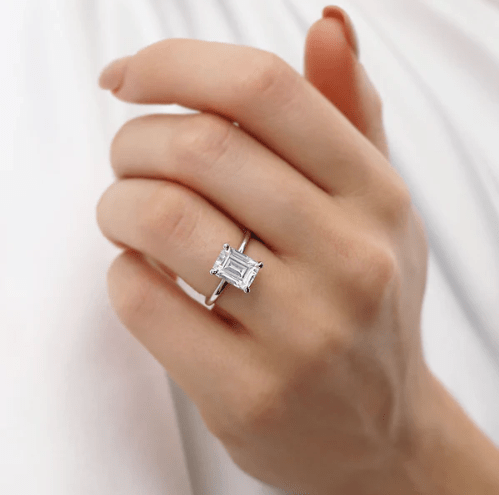
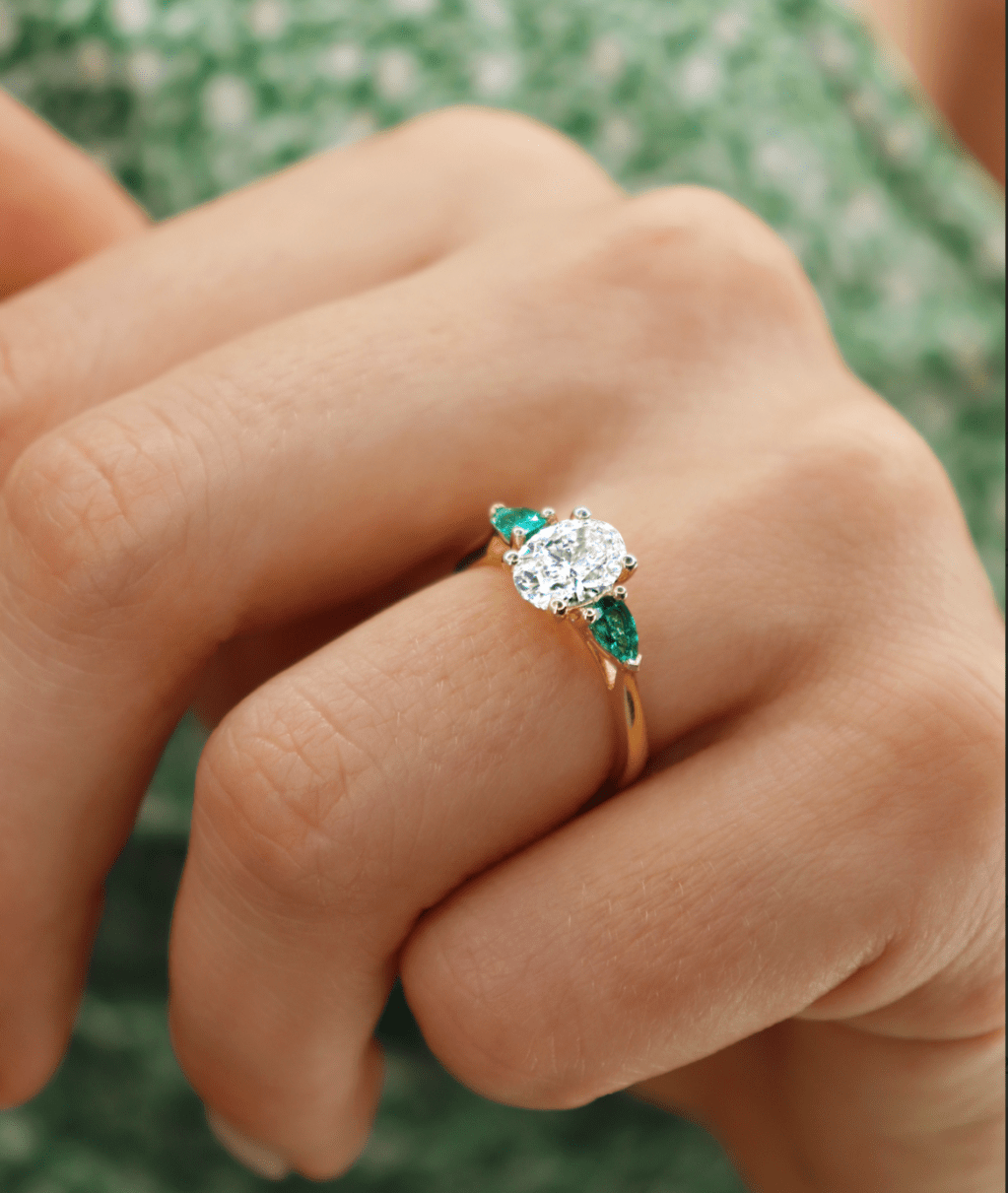
    Stone shape choice continues to diversify. While round brilliant diamonds remain a staple, they are no longer the automatic default. Elongated shapes such as oval, pear and marquise continue to grow in popularity, valued for their elegance and their ability to create a flattering visual line along the finger. Emerald cut stones also feature prominently, appealing to those drawn to structure and calm geometry.

    Analysis from The Business of Fashion suggests that contemporary consumers equate luxury with discernment. In the context of engagement rings, this translates into shape choices that feel personal rather than prescribed.

    Settings in 2026 are notably more grounded. High set designs that prioritise height and drama are giving way to low and mid profile settings that feel secure and wearable. Practicality has become a central design consideration, reflecting the reality that engagement rings are worn daily rather than reserved for special occasions.

    Lifestyle coverage from The Guardian has highlighted how jewellery choices are increasingly shaped by everyday use. Engagement rings are expected to move seamlessly between work, leisure and travel, without feeling fragile or intrusive.

    Band design has emerged as one of the most expressive elements of engagement ring trends in 2026. Wider bands, softly sculpted profiles and subtle knife edge details are increasingly favoured. These choices add visual presence while maintaining comfort and balance.

    Design commentary in Dezeen notes that contemporary jewellery increasingly draws inspiration from architecture and industrial design. Structure, proportion and tactile surfaces are prioritised, and engagement rings reflect this through confident, grounded silhouettes.

    Metal preferences in 2026 reflect both aesthetic and practical considerations. Yellow gold continues its strong resurgence, offering warmth and contrast that feels timeless rather than nostalgic. Platinum remains popular for its durability and understated appearance, while white gold appeals for its versatility. Mixed metal designs are also gaining traction, allowing couples to personalise without overstatement.

    Cultural analysis from Harper’s Bazaar highlights how mixing materials has become a marker of modern confidence. Engagement rings increasingly embrace this approach, blending metals in ways that feel intentional and contemporary.

    Another significant trend shaping engagement rings in 2026 is the normalisation of shared decision making. The idea that a ring must be chosen in secret is no longer dominant. Many couples now discuss preferences openly or select rings together, resulting in designs that feel aligned rather than surprising.

    Relationship research referenced by Pew Research Center shows that modern partnerships place a high value on communication and equality. Engagement ring choices increasingly reflect these dynamics, favouring collaboration over performance.

    Hidden details remain popular in 2026, but they are more restrained. Hidden halos, subtle engraving and interior design elements allow rings to carry personal meaning without altering their external appearance. These details are about intimacy rather than display.

    Editorial features in Elle have explored how modern luxury values what is unseen as much as what is visible. Engagement rings mirror this sensibility, embedding emotional significance beneath the surface.

    Ethical awareness continues to influence engagement ring trends, though it is now part of mainstream expectation rather than a niche concern. Transparency around sourcing, production and materials is increasingly assumed rather than highlighted.

    Coverage from BBC Future has examined how ethical considerations are becoming embedded into everyday consumer decisions. Engagement rings in 2026 reflect this shift, with conscious choices treated as standard rather than symbolic.

    This environment has supported the rise of lab grown stones and alternative materials as intentional design choices. In 2026, material selection is less about hierarchy and more about alignment with values, aesthetics and lifestyle.

    Exploring modern engagement ring collections, such as those available through Lily Arkwright, illustrates how contemporary design, ethical awareness and craftsmanship converge. Rings are created to feel current while remaining relevant long into the future.

    Craftsmanship has become a focal point of engagement ring evaluation. Couples are increasingly attentive to setting quality, prong design and overall construction. How a ring is made matters just as much as how it looks.

    Industry insight from Forbes suggests that luxury consumers are more educated and discerning than ever. Engagement rings are assessed through the lens of longevity, comfort and build quality rather than trend alone.

    Colour is also playing a more nuanced role in 2026. While colourless diamonds remain popular, warmer tones and subtle hues are increasingly embraced. These choices add depth and individuality without overwhelming the design.

    Design commentary in Wallpaper* notes that colour in contemporary jewellery is often used as atmosphere rather than statement. Engagement rings reflect this restrained approach, incorporating tone in ways that feel harmonious and intentional.

    Perhaps the most defining engagement ring trend of 2026 is the rejection of rigid rules. There is no longer a single correct ring, setting or stone. Instead, value lies in authenticity and alignment with personal priorities.

    Analysis from Financial Times highlights how modern consumers resist prescriptive luxury. Engagement rings in 2026 embody this mindset, offering flexibility and freedom rather than expectation.

    Looking ahead, engagement ring trends suggest a future shaped by clarity and confidence. Rings are chosen with care, designed to endure and worn as genuine expressions of partnership rather than symbols of conformity.

    Rather than chasing novelty, engagement rings in 2026 focus on meaning. They are shaped by lifestyle, values and shared understanding.

    In this way, the engagement ring returns to its core purpose. Not to impress, but to represent.

    That sense of intention defines engagement ring trends in 2026, and it is a direction that feels built to last.

  • Do Engagement Rings Still Need to Be a Surprise in a More Honest Era of Love?

    Do Engagement Rings Still Need to Be a Surprise in a More Honest Era of Love?

    For much of modern history, the engagement ring surprise was treated as an emotional rite of passage. The ring appeared unexpectedly, the reaction was immediate and the secrecy was considered inseparable from romance itself. To know about the ring in advance was often framed as somehow diluting the moment.

    In the UK today, that belief is being quietly reassessed. Not rejected outright, but questioned. Couples are still deeply invested in meaning and emotion, yet they are increasingly sceptical of traditions that feel disconnected from how their relationships actually function. As a result, the surprise engagement ring is no longer a default expectation. It has become one option among many.

    This shift reflects broader changes in how intimacy is expressed. Modern relationships place far greater emphasis on communication, emotional literacy and shared agency. Engagement is no longer seen as a unilateral declaration, but as a mutual decision reached over time. Within that context, secrecy can feel less romantic and more performative.

    Cultural analysis in The New York Times Style section has explored how contemporary romance is moving away from rigid scripts towards personal rituals shaped by the couple themselves. Engagement rings sit firmly within this evolution. The meaning now comes from alignment rather than surprise alone.

    That does not mean surprise has lost its appeal. For many couples, it remains emotionally powerful. What has changed is the assumption that surprise is mandatory. Increasingly, couples are asking not whether they should be surprised, but whether surprise genuinely serves their relationship.

    One reason this question feels more pressing is the changing role of the engagement ring itself. Rings are no longer reserved for evenings out or special occasions. They are worn continuously, becoming part of daily life. This shift places greater importance on comfort, durability and personal taste.

    Choosing a ring in complete secrecy now carries higher perceived risk. Setting height, band width and overall wearability can dramatically affect long-term satisfaction. For many, the fear of choosing incorrectly outweighs the appeal of secrecy, particularly when the ring will be worn every day.

    Relationship commentary from BBC Radio 4 has highlighted how modern couples increasingly prioritise emotional safety alongside excitement. Engagement rings reflect this balance. Avoiding unnecessary risk can be an act of care rather than caution.

    This has led to the rise of a middle ground. Many couples discuss ring preferences openly while preserving surprise in the proposal itself. The design is agreed upon, but the moment remains unexpected. This approach reframes surprise as experiential rather than material.

    Rather than diminishing romance, this separation often enhances it. The ring feels right, and the proposal still carries anticipation. The emotional focus shifts from approval to connection.

    The evolution of engagement customs has been explored by Smithsonian Magazine, which notes that rituals endure not because they remain unchanged, but because they adapt. The engagement ring is no exception. Its symbolism evolves alongside social norms.

    Another factor influencing attitudes towards surprise is visibility. Engagement rings are now shared widely across social media platforms. They are photographed, commented on and compared. This public exposure intensifies pressure on the person choosing the ring alone.

    For some, that pressure transforms surprise into anxiety. Involving the wearer becomes a way to reclaim intimacy from performance. The ring becomes about the relationship rather than the audience.

    Luxury analysis in Wallpaper* has noted that contemporary consumers increasingly value intentionality over tradition when making significant purchases. Engagement rings reflect this mindset. Buyers want confidence, not compliance.

    Ethical considerations further complicate the idea of secrecy. Decisions around lab grown diamonds, sustainability and sourcing often require thoughtful discussion. These topics rarely lend themselves to unilateral decision making, particularly for couples who share values.

    For many, discussing these choices together deepens the meaning of the ring. The ring becomes a reflection of shared priorities rather than an individual gamble.

    Brands such as Lily Arkwright are often encountered during this collaborative phase. Their focus on lab grown diamonds and modern engagement ring design appeals to couples who see the ring as a considered, future-facing object rather than a dramatic reveal. Discovering a brand together often becomes part of the engagement narrative itself.

    Generational change plays a significant role here. Younger couples tend to prioritise transparency and consent across all aspects of life. Surprise is still valued, but it is no longer assumed to be superior to collaboration.

    Sociological reporting in The Economist has observed how modern partnerships increasingly emphasise equality and mutual decision making. Engagement rings reflect this shift. Choosing together is framed as respect rather than a lack of romance.

    Psychological insight discussed in Verywell Mind suggests that shared decision making can increase satisfaction and reduce anxiety around symbolic purchases. In the context of engagement rings, this often leads to greater long-term happiness with the choice.

    Practical experience supports this. Rings chosen with wearer input are more likely to be worn continuously and comfortably. Over time, this uninterrupted wear strengthens emotional attachment to the ring itself.

    This practical reality does not eliminate romance. Instead, it reframes it. Romance becomes about being understood rather than surprised. The ring symbolises attention, listening and care.

    Cultural commentary from Refinery29 UK has explored how modern love stories increasingly prioritise emotional realism over idealised gestures. Engagement rings are part of this narrative. Authenticity is valued over adherence to tradition.

    Life stage also shapes attitudes. Couples who have lived together for years or share finances often find transparency more meaningful than secrecy. The engagement ring becomes one of many shared commitments rather than a standalone gesture.

    Conversely, couples who value ritual, symbolism and tradition may still find deep meaning in a surprise proposal. The difference is that surprise is now chosen deliberately rather than assumed.

    What has changed most profoundly is how effort is defined. Effort is no longer measured by secrecy or spectacle alone. It is measured by understanding, empathy and alignment. Knowing what will genuinely delight a partner has become more meaningful than preserving surprise at all costs.

    Editorial analysis in GQ UK has noted that modern expressions of commitment increasingly prioritise honesty over performance. Engagement rings chosen with openness reflect this shift. The absence of surprise does not diminish meaning.

    There is also growing resistance to performative engagement. The pressure to create a moment that looks impressive online can detract from the relationship itself. For some couples, opting out of that pressure makes the experience more intimate.

    This does not mean proposals have lost their emotional power. It means that power is expressed differently. A proposal can be quiet, collaborative or unexpected. Surprise is one ingredient, not the definition of romance.

    Cultural insight from Monocle has highlighted how modern consumers seek meaning rooted in lived experience rather than inherited ritual. Engagement rings reflect this shift. The right approach is the one that fits how a couple communicates and commits.

    Ultimately, the question of whether engagement rings still need to be a surprise reveals a broader transformation in how commitment is understood. Commitment is no longer demonstrated through secrecy alone. It is demonstrated through trust, communication and shared intention.

    Surprise has not disappeared. It has been reframed. It is optional, adaptable and deeply personal.

    For some couples, a surprise ring will always feel romantic. For others, choosing together will feel more meaningful. Many will combine elements of both.

    What matters most is authenticity. When couples define engagement on their own terms, confidence replaces anxiety. The ring becomes a reflection of partnership rather than a performance for tradition.

    In that sense, the question is no longer whether engagement rings need to be a surprise.

    It is whether surprise adds meaning to this particular relationship.

    And increasingly, couples are comfortable answering that question for themselves.

  • Minimalist Engagement Rings 2026 | The New UK Aesthetic

    The landscape of engagement ring design in 2026 feels markedly different from the bold, maximalist trends that dominated the early 2010s. Instead of oversized halos and elaborate multi-stone settings, British couples are now gravitating toward subtlety, refinement and quiet, confident beauty. The shift reflects broader cultural currents in fashion and lifestyle, where understated luxury and intentional choices carry more meaning than ornate displays of wealth. Publications such as Vogue UK and The Guardian have both noted that minimalism is becoming the defining design language of modern jewellery, and engagement rings sit firmly at the centre of this transformation.

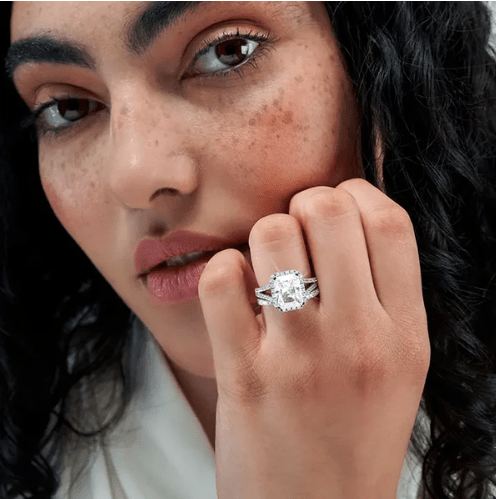
    Minimalism, micro pavé and quiet luxury are not simply stylistic trends. They reflect deeper patterns in society, influenced by generational values, economic pressures, celebrity culture and a renewed appreciation for craftsmanship. As British couples continue to rethink what an engagement ring should represent, they are embracing designs that prioritise elegance, clean lines and authenticity. These rings are intentionally timeless, created to complement a lifetime rather than a season.

    The rise of the minimalist engagement ring can be traced partly to changes in how people express identity. According to BBC Culture, the modern aesthetic movement is driven by a desire for objects that feel sincere rather than performative. A carefully chosen solitaire or a micro pavé band communicates quiet confidence, allowing the stone and craftsmanship to speak for themselves. This is in sharp contrast to the social media driven extravagance that once captured attention, where size and spectacle often overshadowed substance. In 2026, couples are choosing rings that align more closely with their values and lifestyle, favouring refined beauty over theatrical display.

    Clean geometry sits at the heart of this new aesthetic. Slim bands, balanced proportions and precise metalwork create a sense of visual harmony. Round and oval diamonds continue to be popular because of their soft lines, but emerald cuts, step cuts and elongated shapes are gaining significant traction due to their architectural appeal. These geometric silhouettes pair beautifully with minimalist settings, allowing the natural symmetry of the stone to become the focal point. In a recent feature, Financial Times highlighted the increasing interest in angular diamond shapes, noting that their subtle elegance appeals particularly to couples seeking modern sophistication without overt ornamentation.

    Micro pavé, one of the most refined techniques in jewellery, has flourished alongside this minimalist movement. The technique involves setting very small diamonds closely together to create a continuous shimmer across the band. The effect is delicate rather than showy, offering a refined sparkle that catches the light without overwhelming the central stone. It is this understated radiance that has made micro pavé one of the hallmarks of quiet luxury. Cosmopolitan UK described micro pavé settings as “the perfect balance between sparkle and subtlety”, highlighting their ability to add detail without detracting from the simplicity of the overall design.

    The growing appeal of quiet luxury is undoubtedly tied to cultural influences. Television series, high fashion and even political shifts have shaped this movement, but the most influential factor has been celebrity style. Engagement rings worn by public figures known for their refined approach to fashion have become touchpoints for what British couples aspire to. The New York Times has repeatedly remarked on the cultural allure of quiet luxury, noting that celebrities are embracing pieces that feel intentional and timeless rather than flashy. When high profile figures choose elegant solitaires or micro pavé bands, their choices resonate widely with audiences who see understated jewellery as a symbol of confidence rather than caution.

    Economic sensibility has also played a major role in the rise of minimalist engagement rings. The past decade has seen fluctuations in financial stability, prompting many couples to prioritise designs that feel enduring and versatile. Minimalist rings pair easily with wedding bands and anniversary rings, reducing the concern that a bold or unusual design may clash with future pieces. This flexibility makes them appealing for long term wear and allows the wearer to build a cohesive jewellery collection over time. The minimalist approach is not merely an aesthetic choice but a practical one, suited to evolving lifestyles and personal tastes.

    Another reason this aesthetic has become dominant is the increasing emphasis on craftsmanship and quality over ostentation. British couples are approaching engagement ring shopping with a deeper interest in how a ring is made, where materials are sourced and what techniques are used. The Guardian has highlighted a significant rise in conscious consumerism, particularly among younger buyers who want their purchases to reflect ethical and environmental considerations. A minimalist ring naturally draws attention to the quality of its materials and the skill of its maker, since there are no elaborate details to distract from potential flaws. For many buyers, this transparency enhances the value of the piece.

    Micro pavé settings, with their meticulous precision, underscore this appreciation for craftsmanship. Each tiny stone is set individually by hand, requiring rigorous attention to detail. The result is a ring that feels luxurious not because it shouts for attention but because every element is executed with intention. Quiet luxury relies on this kind of understatement, where the artistry is evident in the quality rather than the quantity of decoration. BBC News recently discussed this shift in a feature on modern luxury consumption, noting that consumers are increasingly drawn to items that offer meaning and longevity over sheer extravagance.

    Minimalist engagement rings also align with the aesthetic preferences that dominate platforms such as Instagram and Pinterest. While social media once drove demand for oversized halos and highly decorated bands, the visual culture of 2026 leans toward airy, uncluttered compositions that highlight natural beauty. Photographers, influencers and stylists frequently showcase delicate bands, slim solitaires and micro pavé rings arranged in soft, muted palettes. These images have a calming quality that resonates with couples who want their engagement rings to feel effortless and modern. As trends circulate through social media, they reinforce the appeal of elegant simplicity and further establish minimalist designs as the standard for contemporary romance.

    The trend is also supported by broader shifts in fashion. Designers across Europe and the UK are championing pared back silhouettes, luxurious natural fabrics and subtle colour palettes. Jewellery trends often reflect fashion movements, and the engagement ring is no exception. The clean lines and subtle presence of minimalist rings complement current wardrobe staples such as structured coats, tailored trousers and soft knitwear. Engagement rings of 2026 are designed not just as symbols of commitment but as pieces that integrate seamlessly into daily life, reflecting personal style with ease.

    London, as one of the world’s leading jewellery capitals, continues to shape these trends. British designers have long been known for a balance of craftsmanship and restraint, blending tradition with contemporary influences. Minimalism suits this heritage well, allowing designers to showcase signature handwork while appealing to modern tastes. The appeal of London’s jewellery style has reached international markets, but it is within the UK that the minimalist engagement ring has found its most devoted following.

    Micro pavé continues to evolve, with newer techniques allowing even finer stones to be set more securely. These advancements create smoother, more comfortable bands that sit elegantly alongside engagement rings or stack with eternity rings. Couples often pair minimalist solitaires with micro pavé wedding bands, creating sets that radiate a soft, cohesive sparkle. The enduring appeal of micro pavé lies in its ability to enhance without overwhelming, offering a subtle brightness that feels timeless rather than trend driven.

    Looking ahead, it is clear that minimalism and quiet luxury will remain strong influences in engagement ring design. While jewellery trends inevitably evolve, the cultural forces driving simplicity and clarity in design are unlikely to fade soon. The appeal of beautifully crafted rings that communicate love through refined elegance rather than ostentation resonates deeply with British couples. These rings reflect a modern romance that values intention, authenticity and craftsmanship.

    The engagement ring aesthetic of 2026 embodies a quiet confidence. It prioritises the beauty of the stone, the precision of the metalwork and the meaning behind the design. In a world that increasingly celebrates individuality and sincerity, minimalist engagement rings stand as a thoughtful and timeless expression of love. Their simplicity is not a limitation but a form of freedom, allowing the wearer to express personal style while embracing a symbol that will endure through decades of change.

  • The ultimate symbol of modern femininity – The Rise of the Pink Diamond

    A New Shade of Strength

    There is something magnetic about the colour pink. Once dismissed as delicate or decorative, it has re-emerged in 2026 as a symbol of power and self-assurance. In fine jewellery, that transformation is perfectly embodied by the rise of the pink diamond — a gemstone now defining modern British luxury.

    As Vogue UK recently wrote, “pink has transcended stereotype, reclaiming its place as the colour of quiet strength.” The modern woman no longer wears pink as a statement of sweetness, but as one of confidence.

    And nowhere is that evolution more beautifully expressed than in the luminous brilliance of the pink diamond.

    The Meaning of Pink

    The symbolism of pink has changed profoundly in the past decade. It once carried associations of innocence and youth, but now reflects empathy, compassion and inner confidence.

    In colour psychology, pink sits between red’s passion and white’s purity, representing both warmth and balance. As BBC Culture observed, “pink is no longer a colour of naivety, but of nuance — emotional intelligence rendered visible.”

    Pink diamonds embody this duality. Their hue suggests both delicacy and determination, their sparkle both grace and resilience. It is this blend of softness and strength that has made them the defining gemstone of the age.

    From Rarity to Reverence

    Pink diamonds are among the rarest natural gemstones in the world. Unlike other fancy-coloured diamonds, their hue is not caused by impurities but by distortions in their crystal lattice structure, a geological anomaly that refracts light into shades of blush and rose.

    As Financial Times Life & Arts reported, “natural pink diamonds account for less than 0.1 percent of all diamonds mined globally.” Their scarcity has made them highly sought after by collectors and designers alike.

    The closure of Australia’s Argyle Mine in 2020 — which once produced over 90 percent of the world’s pink diamonds — only increased their allure. Prices have soared, but so too has symbolic value. Pink diamonds have become emblems of independence and individuality, aligning with a new generation’s appreciation for rarity that carries meaning, not just price.

    The Feminine Renaissance

    In Britain’s fine jewellery landscape, the pink diamond has become the gemstone of empowerment. It reflects the growing movement of women buying jewellery for themselves — a phenomenon that has transformed the concept of luxury from gift to self-expression.

    As The Guardian noted, “self-purchase has become the most powerful trend in modern jewellery.” Pink diamonds, with their understated radiance, perfectly capture that balance between indulgence and identity.

    The stone’s rise mirrors the wider cultural embrace of feminine confidence. Designers are framing pink not as a retreat into nostalgia, but as a reassertion of individuality.

    As Harper’s Bazaar UK put it, “pink has become the colour of women defining their own luxury.”

    The Soft Power of Colour

    Pink’s power lies in its subtlety. Unlike the cold perfection of a colourless diamond, a pink stone carries warmth and emotion. It feels intimate, human, alive.

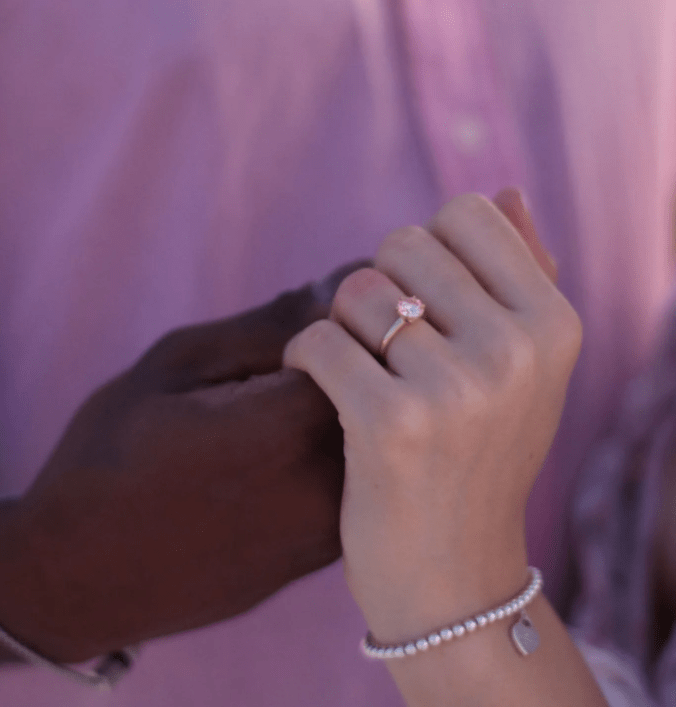
    This emotional resonance has made pink diamonds increasingly popular for engagement rings and milestone jewellery. The colour communicates tenderness without fragility — a modern symbol of love built on equality and understanding.

    As BBC Lifestyle observed, “softness is no longer the opposite of strength, but its companion.”

    Couples are drawn to pink diamonds not because they are loud, but because they are quietly confident. Their hue speaks of connection, empathy and grace — qualities that define modern relationships as much as modern design.

    Lab-Grown Brilliance and Modern Ethics

    While natural pink diamonds remain extraordinarily rare, scientific innovation has made their beauty more accessible. Lab-grown pink diamonds, created under controlled conditions that replicate the earth’s natural formation process, offer the same physical and optical properties at a fraction of the cost and environmental impact.

    British jewellers such as Lily Arkwright are leading this evolution, combining responsible sourcing with refined artistry. Their lab-grown fancy pink diamonds showcase the delicate hues and brilliance of natural stones, while aligning with the values of sustainability and transparency.

    As Forbes Innovation reported, “technology has democratised rarity — allowing emotion, not exclusivity, to define value.”

    For the modern British buyer, that combination of ethics and elegance has become the new standard of luxury.

    The Fashion Connection

    The rise of the pink diamond coincides with fashion’s renewed fascination with colour. From soft rose tailoring at Alexander McQueen to pale pink accessories at Burberry, the tone has become synonymous with effortless sophistication.

    As Vogue UK highlighted, “pink is the new neutral — quietly radiant and endlessly adaptable.”

    This aesthetic harmony has extended into fine jewellery, where pink diamonds now complement minimalist silhouettes and warm gold settings. The trend reflects a cultural appetite for subtle expression, where colour becomes an accent of identity rather than a statement of excess.

    Celebrities have further cemented this allure. From Blake Lively’s pink oval diamond engagement ring to Jennifer Lopez’s pink sparkler from Ben Affleck, the stone has become a byword for elegance infused with personality.

    The British Perspective

    In Britain, pink diamonds have found a particularly strong audience among buyers seeking individuality and artistry. The nation’s jewellery heritage, rooted in craftsmanship and storytelling, has made it the ideal setting for the pink diamond’s new chapter.

    As Financial Times Life & Arts wrote, “British fine jewellery thrives on quiet confidence — a kind of restraint that heightens beauty.” The pink diamond fits this philosophy perfectly.

    From bespoke engagement rings in Hatton Garden to sustainable creations from ethical jewellers across the UK, pink diamonds are redefining what it means to be feminine, luxurious and modern all at once.

    A Symbol for the Future

    Pink diamonds have always captivated the imagination, but their modern meaning runs deeper. They represent a world where beauty and purpose coexist, where strength can be expressed through softness.

    They are the gemstones of empathy, individuality and reflection — qualities that define both love and contemporary luxury.

    As BBC Culture reflected, “colour carries consciousness.” The pink diamond embodies a new kind of consciousness — one that values emotion over perfection, connection over convention.

    In 2026, to wear a pink diamond is to embrace a new vision of strength. It is not the loud, declarative power of the past, but something quieter and more profound.

    It is, quite simply, the power of grace.