Tag: jewelry

  • From Canary to Buttercup: How Fancy Yellow Diamonds Are Being Repositioned for a New Luxury Buyer

    From Canary to Buttercup: How Fancy Yellow Diamonds Are Being Repositioned for a New Luxury Buyer

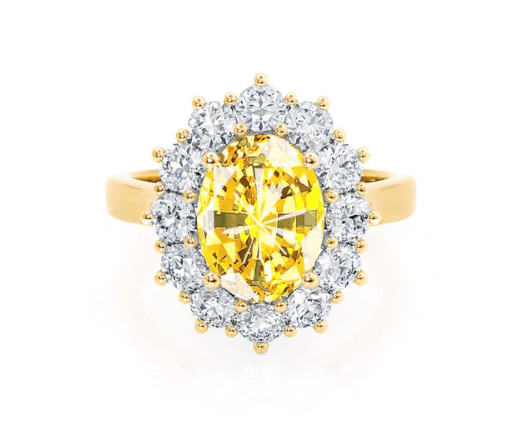
    Fancy yellow diamonds are experiencing a subtle but meaningful shift in how they are presented to consumers. Once marketed almost exclusively through the language of intensity and rarity, they are now framed through mood, lifestyle and emotional resonance. Terms like canary, once dominant, are increasingly sharing space with softer, more evocative descriptors such as buttercup, honey and lemon. This change reflects not just evolving taste, but a deeper transformation in how luxury itself is communicated.

    At the heart of this shift lies the tension between gemmological precision and consumer psychology. Yellow diamonds are among the most technically defined coloured stones in the jewellery world, yet the way they are marketed today is deliberately less technical. This is not an accident. It is a response to how modern buyers engage with colour, identity and self-expression.

    From a gemmological standpoint, fancy yellow diamonds are clearly classified. Educational material from the Gemological Institute of America explains that once a diamond’s colour saturation surpasses the Z grade, it enters the fancy colour scale. From there, it is assessed across recognised categories including Fancy Light, Fancy, Fancy Intense and Fancy Vivid. These grades are based on measurable criteria such as saturation and distribution of colour.

    While these distinctions are essential within the trade, they are not inherently emotive. For most consumers, terms like Fancy Intense do not immediately conjure imagery or feeling. As luxury purchasing becomes more emotionally driven, this gap between technical language and lived experience has grown increasingly apparent.

    Historically, the term canary filled that gap. It became shorthand for bright yellow diamonds, regardless of their precise grading. The word carried connotations of boldness, glamour and visibility. High-profile stones worn by celebrities and featured in auction headlines reinforced the idea that a yellow diamond should be vivid and unmistakable.

    Cultural coverage in outlets such as The New York Times has documented how canary diamonds became synonymous with spectacle, often framed as jewellery designed to be noticed rather than lived with. This association shaped consumer expectations for decades.

    In today’s market, that framing feels increasingly narrow. Canary suggests a singular ideal, leaving little room for subtlety or personal nuance. As engagement rings and fine jewellery become more reflective of individual identity, marketing language has adapted to support choice rather than hierarchy.

    The emergence of descriptors like buttercup signals this change clearly.

    Buttercup does not correspond to a formal gemmological grade. Instead, it functions as an emotional cue. It suggests warmth, softness and approachability. Where canary implies intensity and attention, buttercup implies comfort and ease. This distinction mirrors broader shifts in how luxury is defined.

    Fashion and jewellery analysis in Vogue UK has noted that contemporary luxury increasingly favours colours that feel natural and wearable. Softer yellows are framed as modern and refined rather than diluted. In this context, a buttercup yellow diamond feels intentionally chosen rather than compromised.

    This evolution also reflects changing engagement ring aesthetics. Modern designs often prioritise harmony over contrast. Yellow diamonds with lighter saturation integrate more seamlessly with a range of metals and settings, particularly when paired with warmer tones. Marketing language has followed design direction, emphasising mood over magnitude.

    The expansion of yellow diamond descriptors does not stop at buttercup. Terms such as lemon, honey and sunflower are now common across editorial and retail spaces. Each conveys a distinct emotional tone. Lemon suggests brightness and freshness. Honey implies richness and depth. Sunflower balances vibrancy with warmth.

    These descriptors are not intended to replace formal grading. Instead, they operate alongside it, translating technical attributes into intuitive language. This layered approach reflects a more sophisticated understanding of consumer needs.

    Editorial commentary in The Guardian has explored how modern luxury consumption is driven less by comparison and more by self-alignment. Colour choice, particularly in jewellery, has become a way to articulate personality rather than status. The diversification of yellow diamond language reflects this cultural shift.

    However, this evolution introduces complexity. Without clear reference to gemmological grading, descriptive terms can become ambiguous. A buttercup diamond from one source may differ noticeably from another. Transparency remains essential if emotive language is to build confidence rather than confusion.

    Guidance from the International Gemological Institute stresses the importance of understanding official colour grades alongside marketing descriptors. When positioned clearly as stylistic interpretations, these terms enhance accessibility without undermining trust.

    This balance between storytelling and accuracy is increasingly important. Modern buyers are highly informed. They value emotion, but they also expect clarity. Successful marketing strategies recognise that these priorities are not mutually exclusive.

    The shift in yellow diamond language also mirrors broader cultural trends in colour perception. Bright, highly saturated hues were once associated with confidence and luxury. Today, softer tones are often framed as more refined and contemporary.

    Design analysis in Dezeen has documented a move towards warmer, more organic colour palettes across fashion, interiors and product design. Muted yellows and earthy tones have replaced sharper primaries. Yellow diamond marketing has adapted accordingly.

    Another contributing factor is accessibility. Advances in diamond production, particularly within the lab grown sector, have increased the availability of yellow diamonds across a wider range of shades. With more choice comes a greater need for differentiation. Descriptive language helps consumers navigate this expanded landscape.

    Auction houses have also influenced public understanding. Coverage of yellow diamond sales by platforms such as Christie’s often highlights subtle differences in hue and tone, reinforcing the idea that variation adds character rather than diminishing value.

    Importantly, the diversification of descriptors coincides with a broader shift in how coloured diamonds are positioned. Yellow diamonds are no longer framed as unconventional alternatives. They are presented as confident, intentional choices with their own aesthetic logic.

    Lifestyle reporting in Elle UK has explored how modern jewellery buyers increasingly choose stones that feel emotionally resonant rather than traditionally prestigious. Softer language such as buttercup supports this narrative, making yellow diamonds feel approachable rather than intimidating.

    Economic analysis in The Financial Times has noted that contemporary luxury markets increasingly reward relevance and authenticity. Products that feel personally meaningful often outperform those positioned solely on hierarchy. The evolving language around yellow diamonds reflects this reality.

    From a psychological perspective, naming plays a powerful role. A stone described as buttercup evokes different expectations than one described as canary, even if their technical grades overlap. Language shapes perception, satisfaction and long-term attachment.

    This does not make marketing language inherently misleading. When used responsibly, it enhances understanding by translating complexity into feeling.

    The transition from canary to buttercup therefore represents an expansion of meaning rather than a dilution. It acknowledges that colour preference is not linear. It is personal, contextual and subjective.

    As the jewellery industry continues to evolve, yellow diamond marketing is likely to become even more nuanced. Greater emphasis on undertone, light behaviour and setting context may emerge alongside increasingly refined descriptors.

    What is already clear is that fancy yellow diamonds are no longer marketed as a single statement. They are presented as a spectrum of possibilities.

    From the confident brightness of canary to the gentle warmth of buttercup, yellow diamonds are being repositioned as expressive, adaptable and deeply personal.

    In a luxury landscape defined by confidence rather than comparison, this shift feels not only natural, but necessary.

    Colour is personal. And the way it is described is finally beginning to reflect that.

  • Moissanite vs Lab Grown Diamonds in 2026: Which Engagement Stone Truly Leads the Future?

    Moissanite vs Lab Grown Diamonds in 2026: Which Engagement Stone Truly Leads the Future?

    As engagement ring culture moves further into the mid-2020s, the conversation around stone choice has become more refined, more informed and more emotionally nuanced. Moissanite and lab grown diamonds are often grouped together as modern alternatives, yet their paths are diverging in meaningful ways. By 2026, the question is no longer which stone offers the most sparkle for the price, but which one best reflects how couples understand commitment, permanence and value today.

    Over the last decade, engagement ring decisions have shifted away from inherited rules and towards intentional choice. Buyers are researching materials, questioning long-held assumptions and thinking carefully about how a ring will feel not just on the day of a proposal, but years into a shared life. This change in mindset has reshaped the way moissanite and lab grown diamonds are perceived.

    Moissanite first gained popularity as a visually striking alternative. Its exceptional fire and rainbow-like brilliance made it immediately appealing to buyers who wanted impact. Early coverage in publications such as Forbes framed moissanite as a disruptive force in the jewellery industry, highlighting its brightness and affordability as key advantages.

    That framing was powerful, particularly at a time when engagement rings were still widely judged by visual presence. However, as engagement ring aesthetics have evolved, so too have expectations around subtlety and longevity. What once felt exciting can, for some buyers, now feel overly expressive for a piece intended to be worn every day.

    Lab grown diamonds entered the market with a different narrative entirely. Rather than offering a different look, they offered the same material as a mined diamond, created through technological rather than geological processes. Scientific bodies such as the International Gemological Institute have consistently confirmed that lab grown diamonds are chemically and optically identical to mined diamonds, and are graded using the same standards.

    This equivalence has proven critical in shaping consumer confidence. Choosing a lab grown diamond does not require redefining what a diamond is. It allows couples to retain the symbolism, history and cultural language of diamond jewellery while aligning with modern expectations around transparency and ethics.

    Cultural framing has played a decisive role in how these stones are perceived. Lab grown diamonds are increasingly discussed as modern diamonds rather than alternatives. Coverage in The Economist has explored how innovation is reshaping luxury categories, positioning lab grown diamonds as part of an inevitable evolution rather than a compromise.

    Moissanite, by contrast, continues to be framed as a separate gemstone. While this distinction does not diminish its beauty, it does influence emotional perception. Engagement rings are symbolic objects, and symbolism is shaped as much by shared understanding as by individual preference.

    As 2026 approaches, engagement ring buyers are placing greater emphasis on confidence. They want to feel assured that their choice will stand the test of time socially as well as personally. Lab grown diamonds offer reassurance by aligning innovation with familiarity.

    Design trends further reinforce this shift. Contemporary engagement ring styles increasingly favour elongated shapes, step cuts and architectural settings. These designs emphasise balance, clarity and proportion, qualities that align naturally with diamond optics.

    Editorial design coverage in Architectural Digest has noted a broader movement towards refined, design-led luxury across interiors and jewellery alike. Lab grown diamonds integrate seamlessly into this aesthetic, behaving exactly as mined diamonds do in both brilliant and step-cut forms.

    Moissanite’s optical properties can present challenges in this context. Its double refraction creates intense fire, which some buyers love, but in step cuts such as emerald or Asscher, this can result in a softer or less crisp appearance. As these cuts continue to rise in popularity, this distinction becomes more significant.

    Engagement ring trend reporting in Town & Country has highlighted growing interest in understated elegance rather than overt sparkle. This preference tends to favour stones that deliver controlled brilliance rather than dramatic flashes of colour.

    Longevity is another key factor shaping the 2026 landscape. Engagement rings are not transient purchases. They are expected to feel relevant decades after they are given. Lab grown diamonds benefit from centuries of diamond symbolism, even as their origin reflects contemporary values.

    Moissanite, while durable and suitable for daily wear, does not yet share that depth of cultural association. For some buyers, this distinction is unimportant. For others, particularly those navigating family expectations or personal traditions, it carries emotional weight.

    Economic considerations also play a role. As lab grown diamond production has matured, pricing has become more stable and predictable. This has allowed buyers to invest more thoughtfully in design, craftsmanship and setting quality rather than focusing solely on carat size.

    Retailers and designers such as Lily Arkwright reflect this evolution by centring lab grown diamonds within contemporary engagement ring collections that prioritise proportion, ethical sourcing and long-term wearability. This approach mirrors broader consumer behaviour as couples head into 2026 with clearer priorities.

    Market research published by Bain & Company shows that modern luxury consumers increasingly value authenticity and transparency over novelty. Lab grown diamonds align closely with this mindset, offering clarity about origin without requiring buyers to abandon traditional symbolism.

    Moissanite continues to appeal strongly to a defined segment of buyers, particularly those motivated by value and visual impact. It remains a beautiful and valid choice. However, its role appears increasingly specific rather than expansive.

    Lab grown diamonds, on the other hand, are becoming integrated into the mainstream of fine jewellery. They appear in editorial shoots, bespoke commissions and high-end collections in ways that signal permanence rather than trend.

    Cultural reporting in the New York Times Style section has explored how consumers increasingly seek purchases that align with both personal values and social confidence. Engagement rings sit at the centre of this intersection. Lab grown diamonds allow couples to choose a diamond without explanation or justification.

    By 2026, the stone most likely to reign supreme is the one that enables confidence without compromise. Confidence in ethics, in aesthetics and in long-term meaning.

    Lab grown diamonds occupy that position with growing clarity. They bridge tradition and innovation, offering continuity in a changing world.

    Moissanite will continue to hold its place for those who value brilliance and affordability. But when it comes to defining the dominant engagement ring stone of 2026, lab grown diamonds are poised to lead.

    Not because they are louder or more dramatic, but because they feel aligned with how modern couples choose to commit.

    And in today’s engagement ring culture, that alignment is what ultimately defines supremacy.

  • Celebrity Engagement Ring Predictions for 2026: How Culture, Style and Power Will Shape the Next Wave

    Celebrity Engagement Ring Predictions for 2026: How Culture, Style and Power Will Shape the Next Wave

    Celebrity engagement rings have always functioned as more than personal milestones. They are cultural signals, quietly reflecting how society understands love, power, luxury and identity at a particular moment in time. As 2026 approaches, the predicted engagement rings of some of the world’s most talked-about couples suggest that we are entering a distinctly new era. One where meaning, restraint and personal narrative matter far more than traditional displays of excess.

    The celebrity couples dominating headlines today are not united by a single aesthetic. Instead, they are connected by cultural relevance, creative credibility and a visible move away from formulaic glamour. The engagement rings likely to emerge from these relationships will not chase uniform trends. They will reinforce the idea that there is no longer one correct way for a ring to look, feel or signify commitment.

    Timothée Chalamet and Kylie Jenner

    The relationship between Timothée Chalamet and Kylie Jenner sits at a fascinating crossroads of culture. Chalamet represents a new generation of male celebrity, one defined by sensitivity, fashion literacy and artistic credibility. Jenner, meanwhile, remains one of the most commercially influential figures in modern luxury, albeit one whose tastes have matured considerably in recent years.

    An engagement ring in this context would need to reconcile these two worlds. It is unlikely to rely on sheer size or overt sparkle. Instead, it would almost certainly be design-led and editorial in tone.

    Fashion analysis in Vogue UK has long positioned Chalamet as someone who gravitates towards pieces that feel intelligent rather than ornamental. Translated into jewellery, this suggests a preference for structure and clarity. A step-cut diamond, such as an emerald or elongated Asscher cut, would feel consistent with his aesthetic. These cuts photograph beautifully, feel timeless and avoid the visual noise associated with more traditional brilliant cuts.

    For Jenner, the setting would be just as critical as the stone. Her recent jewellery choices point towards refinement rather than maximalism. A clean bezel or a sculptural, slightly wider band could modernise the ring while keeping it wearable and elegant.

    The overall result would likely be a ring that feels fashion-forward without being trend-dependent. A piece that signals cultural awareness rather than celebrity excess.

    Rihanna and A$AP Rocky

    Few couples command as much creative authority as Rihanna and A$AP Rocky. Both have built careers on rejecting convention and reshaping the boundaries of fashion, music and identity. Any engagement ring associated with them would be expected to do the same.

    Rihanna’s jewellery history shows a consistent preference for bold, symbolic pieces. However, in recent years, her style has evolved towards confident simplicity rather than layered extravagance. This suggests an engagement ring that is visually striking but not overly ornate.

    Editorial commentary in Harper’s Bazaar has often described Rihanna’s jewellery as architectural rather than decorative. In practical terms, this points towards a distinctive diamond shape with a strong silhouette. A pear or marquise cut would feel particularly appropriate, offering drama through form rather than embellishment.

    A$AP Rocky’s influence could further push the design into unconventional territory. Mixed metals, a thicker band or an unexpected orientation could feature, challenging traditional ideas of femininity in engagement jewellery. The ring might feel closer to a design object than a conventional heirloom.

    Rather than being defined by carat weight, this ring would be defined by presence. A piece that reflects two individuals who consistently lead rather than follow.

    Bella Hadid and Adan Banuelos

    The relationship between Bella Hadid and Adan Banuelos has introduced a noticeably quieter narrative into celebrity culture. Their public appearances suggest a focus on lifestyle, routine and authenticity rather than spectacle. This sensibility would almost certainly carry through to an engagement ring.

    Hadid’s recent fashion influence has leaned heavily into understated luxury and archival references. Her jewellery choices often feel personal, timeless and intentionally low-key. An engagement ring in this context would likely avoid overt glamour.

    Fashion reporting in The Guardian has explored Hadid’s role in redefining modern luxury through restraint. Translating this into jewellery suggests a softer diamond shape, such as an oval or cushion cut, chosen for warmth and proportion rather than brilliance alone.

    A yellow gold band, potentially with a low-profile setting, would align with Hadid’s preference for jewellery that feels lived-in rather than pristine. Banuelos’ equestrian background further supports a design that prioritises comfort and durability alongside beauty.

    This type of ring often resonates strongly beyond celebrity culture, influencing buyers who value longevity, subtlety and emotional authenticity over immediate impact.

    Katy Perry and Justin Trudeau

    A potential engagement between Katy Perry and Justin Trudeau would represent one of the most unusual cultural pairings of the decade. Any engagement ring in this context would carry symbolic weight beyond personal style.

    Perry’s jewellery history has often leaned into playfulness and colour. However, her more recent public appearances suggest a move towards refined elegance. Combined with Trudeau’s diplomatic role, this points towards a ring that communicates seriousness without sacrificing individuality.

    Cultural analysis in BBC Culture has noted that jewellery associated with political figures often favours recognisable, timeless silhouettes. In this case, a round or oval diamond would feel plausible, chosen for its symbolic clarity.

    The modernity would likely appear in the setting. A subtly wider band, a clean bezel or a contemporary proportion could prevent the ring from feeling dated. The overall effect would be one of credibility and balance rather than extravagance.

    Such a ring would reinforce the idea that influence in 2026 is as much about trust and consistency as it is about creativity.

    Paul Mescal and Gracie Abrams

    The pairing of Paul Mescal and Gracie Abrams reflects a softer, more introspective strand of modern celebrity culture. Both are associated with emotional depth and creative authenticity rather than spectacle.

    An engagement ring predicted from this relationship would almost certainly reject traditional celebrity tropes. Instead of size or dramatic flair, the focus would be on meaning and proportion.

    Music and culture coverage in Rolling Stone has highlighted Abrams’ understated aesthetic and emotional storytelling. Translating this into jewellery suggests a ring that feels delicate but intentional.

    A modest round or oval diamond, selected for brilliance rather than carat weight, would feel appropriate. The band would likely be slim and refined, allowing the stone to sit naturally on the hand. Platinum or white gold could reinforce a sense of quiet permanence.

    Mescal’s influence might further simplify the design. The ring could feel almost understated at first glance, revealing its quality through craftsmanship rather than immediate impact. This type of engagement ring resonates strongly with younger buyers who prioritise authenticity over tradition.

    What These Predictions Reveal About 2026

    Taken together, these predicted engagement rings paint a clear picture of where celebrity jewellery is heading in 2026. The emphasis is no longer on competing displays of wealth. Instead, the focus has shifted towards rings that feel culturally literate, emotionally grounded and personally resonant.

    Luxury analysis in Financial Times How To Spend It has repeatedly highlighted that modern luxury consumers value confidence and intention over excess. Engagement rings are no exception. The most influential designs are those that feel aligned with the wearer’s identity and lifestyle.

    This broader shift also explains the growing appeal of lab grown diamonds and modern design approaches. Brands such as Lily Arkwright sit naturally within this evolving landscape, offering engagement rings that prioritise design intelligence, ethical clarity and contemporary proportion.

    Celebrity engagement rings will always capture attention, but their influence in 2026 feels more subtle and more powerful. Rather than dictating a single ideal, they validate diversity of choice.

    The rings most likely to define the year will not be the largest or the most extravagant. They will be the ones that feel intentional, credible and deeply personal.

    If these predictions hold true, 2026 will mark a clear departure from old celebrity engagement narratives. Romance will still be celebrated, but it will be expressed through restraint, thoughtfulness and confidence rather than spectacle.

    And that shift will likely shape engagement ring culture far beyond the red carpet.

  • Why Pear Shape Diamonds Have Become the Defining Engagement Ring Shape of 2026

    Why Pear Shape Diamonds Have Become the Defining Engagement Ring Shape of 2026

    The rise of the pear shape diamond in 2026 is not the result of a fleeting trend or a single cultural moment. It is the culmination of more than a decade of shifting values in how engagement rings are chosen, worn and understood. Where diamond shape preference was once dictated by tradition and marketing hierarchy, it is now driven by confidence, individuality and intention. Within this landscape, the pear shape has emerged as the most expressive and adaptable choice of its era.

    Diamond shapes have always reflected their time. In periods where conformity and permanence were prioritised, symmetrical cuts dominated. In moments where self-expression and nuance gained cultural ground, more characterful silhouettes began to rise. The pear shape belongs firmly to the latter category. Its ascent in 2026 signals not rebellion against tradition, but a recalibration of what tradition means.

    The pear shape diamond is a hybrid cut, combining the brilliance of the round with the elongation of the marquise. This duality has always made it intriguing, but historically it also made it difficult to categorise. For much of the twentieth century, engagement ring culture favoured clarity of message. Round meant classic. Princess meant modern. Anything that resisted easy definition was often sidelined.

    Historical records referenced by the Gemological Institute of America show that the pear shape was first developed in the fifteenth century following advances in diamond cutting. From its inception, it represented innovation rather than convention. It was never designed to be uniform. It was designed to be expressive.

    Despite this early innovation, the pear shape spent centuries appearing primarily in high jewellery rather than engagement rings. Its asymmetry made it emotionally resonant but culturally risky in a space dominated by ideals of balance and perfection. Engagement rings, particularly in the twentieth century, became increasingly symbolic of stability and predictability.

    The post-war dominance of the round brilliant diamond reinforced this hierarchy. As marketing positioned symmetry and sparkle as the ultimate markers of love, alternative shapes were framed as stylistic detours rather than equal choices. The pear shape, despite its beauty, was often described as unconventional.

    That language mattered.

    It began to shift in the early 2010s, as engagement ring culture started to loosen. Buyers became less interested in proving commitment through conformity and more interested in choosing rings that reflected personal taste. Elongated shapes began to gain traction, offering a different visual rhythm without abandoning brilliance.

    Early editorial coverage in Vogue UK played a quiet but influential role in this transition. Pear shape diamonds were no longer framed as unusual. They were described as elegant, directional and intentional. This reframing allowed the shape to re-enter the conversation on new terms.

    By the late 2010s, the criteria by which engagement rings were judged had shifted significantly. Size became less important than proportion. Sparkle mattered, but so did wearability. Rings were no longer chosen solely for the proposal moment, but for the decades that followed.

    The pear shape excelled under this new scrutiny.

    One of the most compelling reasons pear shape diamonds have surged ahead of other elongated cuts in 2026 is their visual efficiency. The tapered silhouette creates the impression of length and presence without requiring excessive carat weight. In a market increasingly conscious of balance rather than excess, this quality has become highly desirable.

    Luxury analysis in Financial Times How To Spend It has highlighted how contemporary luxury is defined by intelligent restraint rather than overt display. The pear shape aligns perfectly with this philosophy. It feels generous without being indulgent.

    Unlike the oval, which maintains symmetry, the pear shape introduces direction. This directional quality gives the ring a sense of movement. It interacts with the hand rather than sitting passively upon it. In 2026, this sense of dynamism resonates strongly with buyers who want jewellery that feels alive.

    Design commentary in Wallpaper* has explored how modern aesthetics increasingly favour forms that suggest motion rather than stasis. Pear shape diamonds embody this shift. Their asymmetry creates visual interest without overwhelming the design.

    Versatility is another defining factor in the pear shape’s rise. Where some diamond shapes dictate specific settings, the pear shape invites interpretation. It can be worn point up or point down. It can anchor minimalist solitaires or lend softness to architectural bands. It adapts effortlessly to modern east-west settings as well as traditional orientations.

    This adaptability has made the pear shape a favourite among contemporary designers. In 2026, pear shape engagement rings appear across a wide spectrum of styles, from understated to sculptural. The shape no longer signals a niche aesthetic. It signals confidence.

    Cultural analysis in The Guardian has noted how modern consumers increasingly reject standardisation in favour of objects that feel personal. Engagement rings are central to this shift. The pear shape offers individuality without eccentricity.

    Another reason for the pear shape’s dominance lies in changing attitudes towards symmetry. For much of the twentieth century, symmetry was equated with perfection. In contemporary design culture, subtle irregularity is increasingly viewed as a sign of sophistication.

    The pear shape occupies a rare middle ground. It is neither perfectly symmetrical nor overtly irregular. This balance appeals to buyers who value nuance. It feels organic rather than engineered.

    Fashion analysis in Harper’s Bazaar UK has explored how organic silhouettes have become synonymous with modern elegance. Pear shape diamonds align naturally with this aesthetic, offering softness without informality.

    Practicality has also influenced demand. When designed well, pear shape engagement rings can be set lower on the finger than many high-profile cuts. This improves comfort and security, both of which are increasingly prioritised as engagement rings are worn continuously.

    Cultural insight from BBC Culture has shown how modern expressions of commitment prioritise authenticity and longevity. Rings are no longer ceremonial objects. They are daily companions. Shapes that support this reality rise naturally in popularity.

    Technological advances have further supported the pear shape’s ascent. Historically, pear shape diamonds could suffer from uneven shoulders or poor light performance if cut inconsistently. Improvements in cutting precision have largely eliminated these issues.

    The Gemological Institute of America has documented how advancements in diamond cutting have improved the consistency and brilliance of complex shapes. As quality became more reliable, confidence in pear shape diamonds grew.

    Ethical considerations have also played a role. As lab grown diamonds become mainstream, buyers are increasingly conscious of how visual impact relates to resource use. The pear shape offers a larger visual footprint per carat, aligning with more mindful consumption.

    Brands such as Lily Arkwright reflect this shift, frequently showcasing pear shape diamonds within collections that prioritise ethical sourcing and contemporary design. The shape fits seamlessly into a future-facing engagement ring philosophy.

    Celebrity influence has contributed to normalisation rather than imitation. High-profile pear shape engagement rings have demonstrated the cut’s versatility across styles, from minimalist to expressive. Rather than dictating taste, they have broadened acceptance.

    Media coverage in Elle UK increasingly frames pear shape diamonds as modern and refined rather than unconventional. This shift in language reinforces confidence, allowing buyers to choose the shape without feeling they are stepping outside tradition.

    In 2026, pear shape diamonds also benefit from exceptional adaptability across metals and band widths. They complement yellow gold, platinum and mixed metal designs equally well. Their silhouette balances slim bands and more substantial profiles with ease.

    This adaptability supports longevity. As personal style evolves, the ring remains relevant. This long-term perspective has become central to engagement ring decisions.

    Market insight from McKinsey & Company has shown that modern luxury consumers value durability and adaptability over novelty. Engagement rings exemplify this shift. Shapes that age well naturally rise in demand.

    Looking ahead, the pear shape’s prominence does not imply uniformity. Rather, it reflects a pluralistic market where choice is guided by meaning rather than hierarchy.

    The pear shape has risen because it offers balance. It is expressive without being theatrical. Distinctive without being divisive.

    Historically, diamond shape trends have always mirrored cultural confidence. When buyers feel constrained, they choose safety. When they feel empowered, they choose expression.

    The rise of the pear shape in 2026 signals assurance. Buyers are comfortable choosing rings that reflect who they are rather than what tradition dictates.

    That is why the pear shape diamond is not simply fashionable in 2026.

    It is emblematic.

    It represents a generation of buyers who value nuance, individuality and intention.

    And that is why, in 2026, the pear shape has become one of the most in-demand engagement ring shapes in the UK.

  • Do Engagement Rings Still Need to Be a Surprise in a More Honest Era of Love?

    Do Engagement Rings Still Need to Be a Surprise in a More Honest Era of Love?

    For much of modern history, the engagement ring surprise was treated as an emotional rite of passage. The ring appeared unexpectedly, the reaction was immediate and the secrecy was considered inseparable from romance itself. To know about the ring in advance was often framed as somehow diluting the moment.

    In the UK today, that belief is being quietly reassessed. Not rejected outright, but questioned. Couples are still deeply invested in meaning and emotion, yet they are increasingly sceptical of traditions that feel disconnected from how their relationships actually function. As a result, the surprise engagement ring is no longer a default expectation. It has become one option among many.

    This shift reflects broader changes in how intimacy is expressed. Modern relationships place far greater emphasis on communication, emotional literacy and shared agency. Engagement is no longer seen as a unilateral declaration, but as a mutual decision reached over time. Within that context, secrecy can feel less romantic and more performative.

    Cultural analysis in The New York Times Style section has explored how contemporary romance is moving away from rigid scripts towards personal rituals shaped by the couple themselves. Engagement rings sit firmly within this evolution. The meaning now comes from alignment rather than surprise alone.

    That does not mean surprise has lost its appeal. For many couples, it remains emotionally powerful. What has changed is the assumption that surprise is mandatory. Increasingly, couples are asking not whether they should be surprised, but whether surprise genuinely serves their relationship.

    One reason this question feels more pressing is the changing role of the engagement ring itself. Rings are no longer reserved for evenings out or special occasions. They are worn continuously, becoming part of daily life. This shift places greater importance on comfort, durability and personal taste.

    Choosing a ring in complete secrecy now carries higher perceived risk. Setting height, band width and overall wearability can dramatically affect long-term satisfaction. For many, the fear of choosing incorrectly outweighs the appeal of secrecy, particularly when the ring will be worn every day.

    Relationship commentary from BBC Radio 4 has highlighted how modern couples increasingly prioritise emotional safety alongside excitement. Engagement rings reflect this balance. Avoiding unnecessary risk can be an act of care rather than caution.

    This has led to the rise of a middle ground. Many couples discuss ring preferences openly while preserving surprise in the proposal itself. The design is agreed upon, but the moment remains unexpected. This approach reframes surprise as experiential rather than material.

    Rather than diminishing romance, this separation often enhances it. The ring feels right, and the proposal still carries anticipation. The emotional focus shifts from approval to connection.

    The evolution of engagement customs has been explored by Smithsonian Magazine, which notes that rituals endure not because they remain unchanged, but because they adapt. The engagement ring is no exception. Its symbolism evolves alongside social norms.

    Another factor influencing attitudes towards surprise is visibility. Engagement rings are now shared widely across social media platforms. They are photographed, commented on and compared. This public exposure intensifies pressure on the person choosing the ring alone.

    For some, that pressure transforms surprise into anxiety. Involving the wearer becomes a way to reclaim intimacy from performance. The ring becomes about the relationship rather than the audience.

    Luxury analysis in Wallpaper* has noted that contemporary consumers increasingly value intentionality over tradition when making significant purchases. Engagement rings reflect this mindset. Buyers want confidence, not compliance.

    Ethical considerations further complicate the idea of secrecy. Decisions around lab grown diamonds, sustainability and sourcing often require thoughtful discussion. These topics rarely lend themselves to unilateral decision making, particularly for couples who share values.

    For many, discussing these choices together deepens the meaning of the ring. The ring becomes a reflection of shared priorities rather than an individual gamble.

    Brands such as Lily Arkwright are often encountered during this collaborative phase. Their focus on lab grown diamonds and modern engagement ring design appeals to couples who see the ring as a considered, future-facing object rather than a dramatic reveal. Discovering a brand together often becomes part of the engagement narrative itself.

    Generational change plays a significant role here. Younger couples tend to prioritise transparency and consent across all aspects of life. Surprise is still valued, but it is no longer assumed to be superior to collaboration.

    Sociological reporting in The Economist has observed how modern partnerships increasingly emphasise equality and mutual decision making. Engagement rings reflect this shift. Choosing together is framed as respect rather than a lack of romance.

    Psychological insight discussed in Verywell Mind suggests that shared decision making can increase satisfaction and reduce anxiety around symbolic purchases. In the context of engagement rings, this often leads to greater long-term happiness with the choice.

    Practical experience supports this. Rings chosen with wearer input are more likely to be worn continuously and comfortably. Over time, this uninterrupted wear strengthens emotional attachment to the ring itself.

    This practical reality does not eliminate romance. Instead, it reframes it. Romance becomes about being understood rather than surprised. The ring symbolises attention, listening and care.

    Cultural commentary from Refinery29 UK has explored how modern love stories increasingly prioritise emotional realism over idealised gestures. Engagement rings are part of this narrative. Authenticity is valued over adherence to tradition.

    Life stage also shapes attitudes. Couples who have lived together for years or share finances often find transparency more meaningful than secrecy. The engagement ring becomes one of many shared commitments rather than a standalone gesture.

    Conversely, couples who value ritual, symbolism and tradition may still find deep meaning in a surprise proposal. The difference is that surprise is now chosen deliberately rather than assumed.

    What has changed most profoundly is how effort is defined. Effort is no longer measured by secrecy or spectacle alone. It is measured by understanding, empathy and alignment. Knowing what will genuinely delight a partner has become more meaningful than preserving surprise at all costs.

    Editorial analysis in GQ UK has noted that modern expressions of commitment increasingly prioritise honesty over performance. Engagement rings chosen with openness reflect this shift. The absence of surprise does not diminish meaning.

    There is also growing resistance to performative engagement. The pressure to create a moment that looks impressive online can detract from the relationship itself. For some couples, opting out of that pressure makes the experience more intimate.

    This does not mean proposals have lost their emotional power. It means that power is expressed differently. A proposal can be quiet, collaborative or unexpected. Surprise is one ingredient, not the definition of romance.

    Cultural insight from Monocle has highlighted how modern consumers seek meaning rooted in lived experience rather than inherited ritual. Engagement rings reflect this shift. The right approach is the one that fits how a couple communicates and commits.

    Ultimately, the question of whether engagement rings still need to be a surprise reveals a broader transformation in how commitment is understood. Commitment is no longer demonstrated through secrecy alone. It is demonstrated through trust, communication and shared intention.

    Surprise has not disappeared. It has been reframed. It is optional, adaptable and deeply personal.

    For some couples, a surprise ring will always feel romantic. For others, choosing together will feel more meaningful. Many will combine elements of both.

    What matters most is authenticity. When couples define engagement on their own terms, confidence replaces anxiety. The ring becomes a reflection of partnership rather than a performance for tradition.

    In that sense, the question is no longer whether engagement rings need to be a surprise.

    It is whether surprise adds meaning to this particular relationship.

    And increasingly, couples are comfortable answering that question for themselves.

  • Is There a Right Way to Buy an Engagement Ring Anymore or Is That Idea Outdated?

    Is There a Right Way to Buy an Engagement Ring Anymore or Is That Idea Outdated?

    For a long time, buying an engagement ring felt like following instructions rather than making a choice. There were expectations about who should buy it, how it should look, how much it should cost and how little the recipient should know beforehand. These assumptions were rarely questioned, because they were framed as tradition. Today, many UK buyers sense that those instructions no longer apply, yet they are unsure what has replaced them.

    That uncertainty sits at the heart of the modern engagement ring experience. Buyers are not rejecting the idea of meaning or commitment. They are questioning whether there is still a single correct route to achieving it. The very act of asking whether there is a right way reveals how much the landscape has changed.

    One reason this question has become so common is that engagement itself has evolved. Relationships no longer follow a uniform path, so it would be surprising if the symbols that represent them did. Couples marry later, cohabit earlier and define partnership on their own terms. Engagement rings exist within this context rather than outside it.

    Editorial analysis in Vogue UK has explored how engagement rings have shifted from rigid markers of status to reflections of personal identity. This shift has quietly dismantled the authority of old rules. When identity becomes central, prescription loses its relevance.

    Yet the absence of rules does not automatically create confidence. For many buyers, it creates anxiety. Without a template, they worry about missteps. They ask whether buying online is risky, whether involving a partner ruins the romance, whether choosing a lab grown diamond will be judged or whether spending less signals a lack of seriousness.

    These concerns are less about the ring itself and more about perceived scrutiny. Engagement rings remain highly visible objects. They are noticed, commented on and sometimes compared. In that environment, buyers often fear making a choice that requires explanation.

    The Telegraph has noted how engagement ring culture has become increasingly public through social media, even as relationships themselves have become more private. This contradiction can make buyers feel as though their choices are being evaluated against invisible standards, even when no such standards truly exist.

    One of the clearest signs that there is no longer a single right way is the growing diversity in how rings are bought. Some buyers book private consultations. Others browse quietly online. Some couples choose together, others maintain an element of surprise. These approaches coexist without one clearly replacing the others.

    Coverage in Financial Times How To Spend It has highlighted how luxury consumption has shifted towards personal comfort and confidence rather than outward performance. Engagement rings increasingly reflect this change. The buying experience is judged less by formality and more by how supported the buyer feels.

    Another area where certainty has dissolved is expertise. Traditionally, jewellers held authority. Today, buyers arrive armed with research, terminology and opinions. While this knowledge can be empowering, it can also create pressure to make the most informed choice possible.

    Many buyers later realise that being informed does not mean eliminating doubt. It means understanding trade-offs. Rings involve compromises between design, durability, ethics and budget. Expecting a perfect solution often leads to frustration.

    Psychological commentary in Psychology Today has explored how major symbolic purchases can trigger a fear of irreversible mistakes. Engagement rings exemplify this dynamic. Buyers often search for the right way as a way to protect themselves from regret.

    Ethics have further complicated the idea of correctness. Questions around sourcing, sustainability and transparency are now mainstream. For some buyers, choosing a mined diamond without investigating its origin feels irresponsible. For others, lab grown diamonds raise questions about tradition and value.

    Reporting by The Guardian has shown how ethical consumption has become embedded in how younger generations approach major purchases. Engagement rings are part of this shift. The right way increasingly means the way that aligns with personal values, even if those values differ between couples.

    Lab grown diamonds have become a focal point in this conversation. Their growing acceptance has disrupted long held assumptions about what an engagement ring should be. For many buyers, they represent clarity rather than compromise.

    Brands such as Lily Arkwright often appear during this stage of research because they present lab grown diamonds as part of a modern design and ethical framework, rather than as an alternative that needs justification. Buyers frequently respond to this reframing because it removes the sense of doing something unconventional.

    Budget is another area where the idea of a right way has weakened. Traditional spending narratives still circulate, but they feel increasingly disconnected from reality. Many buyers now view them as outdated rather than aspirational.

    Financial anxiety rarely enhances romance, yet buyers often feel pressure to meet imagined benchmarks. Over time, many recognise that financial comfort supports confidence far more effectively than symbolic excess.

    Design decisions have also become more pragmatic. Rather than asking what looks impressive, buyers increasingly ask what will work. Comfort, durability and proportion have become central concerns. This shift reflects the expectation that engagement rings will be worn daily, not preserved for special occasions.

    The Telegraph has explored how modern engagement rings are expected to withstand everyday life, from commuting to working at a desk. This expectation naturally influences decisions around setting height, band width and overall structure.

    Another reason the idea of a right way no longer holds is the diversity of modern engagements. First time engagements, second marriages, long term partnerships and later life commitments all bring different priorities. A single set of rules cannot accommodate this range.

    BBC Culture has examined how modern relationships resist uniform narratives in favour of lived experience. Engagement rings follow this pattern. Their meaning comes from context rather than conformity.

    Maintenance and longevity also factor into modern decision making. Buyers increasingly consider how rings will age, how they will be cared for and how they may evolve alongside wedding bands and anniversaries. This long view makes rigid rules feel inadequate.

    Vogue UK has noted that jewellery chosen with longevity in mind often becomes more meaningful over time, precisely because it adapts rather than performs. Engagement rings that allow for change tend to feel more personal.

    Confidence, rather than correctness, emerges as the most important outcome of the buying process. Buyers who feel confident rarely question whether they followed the right path. That confidence usually comes from understanding rather than approval.

    Financial Times How To Spend It has observed that informed consumers seek reassurance through knowledge rather than validation. This insight applies directly to engagement ring buying. The right way becomes the way that allows the buyer to feel calm and assured.

    As engagement ring culture continues to evolve, the search for a right way may gradually fade. In its place is a more flexible understanding that different approaches can coexist without hierarchy.

    Tradition has not disappeared, but it no longer dictates. It offers options rather than instructions. Buyers are free to accept, adapt or ignore it based on what feels meaningful.

    Ultimately, the question of whether there is a right way to buy an engagement ring reflects a deeper cultural shift. People are moving away from rule based milestones and towards intentional ones.

    An engagement ring does not need to satisfy tradition, social expectation or online opinion. It needs to make sense within the relationship it represents.

    When buyers allow themselves to trust alignment over instruction, the process often becomes less stressful and more rewarding.

    In that sense, the modern answer is clear. There is no single right way to buy an engagement ring anymore.

    There is only a thoughtful one.

  • The Beauty of the Hidden Halo: Design, Craftsmanship and Modern Elegance

    The Beauty of the Hidden Halo: Design, Craftsmanship and Modern Elegance

    The hidden halo is often described as subtle, but that description barely captures the sophistication behind its design. Beneath its quiet presence lies a level of craftsmanship, proportion and technical precision that distinguishes it from more overt engagement ring features. Its beauty is not accidental. It is engineered.

    At a time when engagement ring design has shifted away from excess and towards considered refinement, the hidden halo has emerged as a benchmark of modern elegance. It reflects a growing appreciation for details that reward close attention rather than immediate recognition, and for craftsmanship that prioritises balance over display.

    From a design perspective, the hidden halo is deceptively complex. It requires careful calculation of height, spacing and proportion to ensure that the small diamonds set beneath the centre stone enhance rather than overwhelm the overall form. Unlike visible halos, which dominate the ring’s appearance, the hidden halo must integrate seamlessly into the structure.

    Jewellery design analysis in Vogue UK has frequently highlighted how modern luxury pieces succeed when they incorporate detail without disrupting silhouette. The hidden halo embodies this principle. From the top view, the ring may appear classic or minimalist. From the side, it reveals depth, texture and refinement.

    One of the defining design strengths of the hidden halo is how it enhances the centre stone without altering its perceived shape. Because the halo is placed beneath rather than around the stone, it preserves the clean outline of solitaires and other traditional settings. This makes it ideal for buyers who want a classic look with a modern twist.

    This restraint is particularly important in contemporary engagement ring design. As tastes move away from overt sparkle and towards architectural clarity, designers are challenged to add interest without visual clutter. The hidden halo offers a solution that feels both innovative and respectful of tradition.

    Craftsmanship plays a central role in achieving this balance. Because the hidden halo is not immediately visible, its execution must be flawless. Stones must be precisely matched, evenly set and perfectly aligned. Any inconsistency becomes noticeable upon closer inspection.

    Design commentators writing for Financial Times – How To Spend It have noted that true luxury often reveals itself through elements that are not immediately obvious. The hidden halo fits squarely within this definition. It is a detail chosen by those who value construction as much as appearance.

    The technical challenge of setting a hidden halo should not be underestimated. The gallery beneath the centre stone must be strong enough to support the setting while remaining delicate enough to maintain visual lightness. This requires expert metalwork and a deep understanding of structural integrity.

    Modern jewellers often combine traditional craftsmanship with advanced design techniques to achieve this precision. The result is a ring that feels both refined and robust, capable of everyday wear without sacrificing elegance.

    Brands known for contemporary engagement ring design have embraced the hidden halo precisely because it allows them to showcase craftsmanship discreetly. Jewellers such as Lily Arkwright often use hidden halos to add depth and refinement to their designs while maintaining clean, modern proportions.

    Another design advantage of the hidden halo is its adaptability across stone shapes. Whether paired with round, oval, pear or emerald-cut stones, the hidden halo enhances dimension without dictating style. This versatility makes it particularly appealing in a market that values personalisation.

    UK buyers, in particular, tend to favour designs that feel timeless rather than trend-bound. The hidden halo supports this preference by complementing a wide range of aesthetics without anchoring the ring to a specific era.

    The interaction between metal and stone is also crucial to the hidden halo’s beauty. Yellow gold, white gold and platinum each influence how the hidden halo is perceived. In warmer metals, the halo adds contrast and depth. In cooler metals, it contributes to architectural clarity.

    Design features in Harper’s Bazaar UK have highlighted how modern engagement rings increasingly rely on metalwork as much as gemstones to create visual interest. The hidden halo leverages this relationship beautifully, using metal structure to frame light rather than dominate it.

    Light behaviour is another key consideration. Because the hidden halo sits beneath the centre stone, it interacts with light differently from surface-level settings. As the ring moves, the small diamonds catch light subtly, creating a gentle glow rather than overt sparkle.

    This understated luminosity enhances the centre stone without competing with it. The eye is drawn first to the main diamond, then rewarded with additional depth upon closer inspection. This layered visual experience is a hallmark of sophisticated design.

    The hidden halo also aligns well with the rise of lab-grown diamonds. Buyers who choose lab-grown stones often prioritise design integrity and proportion over maximum size. The hidden halo allows designers to add refinement and complexity without increasing surface sparkle or cost.

    Jewellers such as Lily Arkwright frequently pair hidden halos with lab-grown centre stones to create engagement rings that feel contemporary, ethical and design-led. The emphasis remains on craftsmanship rather than excess.

    From a construction standpoint, the hidden halo can also improve balance and stability. By reinforcing the gallery beneath the centre stone, it can contribute to a lower, more secure setting. This makes the ring more practical for everyday wear, a key consideration for many UK buyers.

    Lifestyle coverage in The Telegraph has explored how engagement ring buyers increasingly consider wearability alongside aesthetics. The hidden halo responds directly to this concern, offering added detail without increasing vulnerability.

    Another reason designers favour the hidden halo is its ability to add complexity without compromising comfort. Because the halo is tucked beneath the stone, it does not rub against adjacent fingers or catch on clothing. This thoughtful placement reflects a user-centred design philosophy.

    This focus on the wearer rather than the observer is a defining characteristic of modern jewellery design. Engagement rings are no longer static symbols. They are functional objects worn daily. The hidden halo supports this evolution by prioritising comfort and longevity.

    Design historians writing for The Victoria and Albert Museum have noted that jewellery designs most likely to endure are those that integrate detail into structure rather than applying it superficially. The hidden halo aligns perfectly with this principle.

    From a long-term perspective, this integration matters. Engagement rings are rarely replaced. They must age gracefully alongside the wearer. The hidden halo’s subtlety ensures that it continues to feel relevant even as tastes evolve.

    Importantly, the hidden halo does not demand explanation. It can be appreciated instinctively, discovered gradually and enjoyed privately. This quiet confidence is central to its design appeal.

    For couples seeking an engagement ring that reflects modern values without abandoning tradition, the hidden halo offers an ideal compromise. It allows for expression without excess, complexity without clutter and craftsmanship without showmanship.

    In an era where design literacy among consumers is higher than ever, details like the hidden halo resonate strongly. Buyers recognise and appreciate thoughtful construction, even when it is not immediately visible.

    Ultimately, the beauty of the hidden halo lies in its understanding of modern design priorities. It respects proportion, honours craftsmanship and rewards attention. It is not a feature that competes for notice, but one that enriches the whole.

    As engagement ring design continues to evolve, the hidden halo stands as an example of how subtle innovation can create lasting appeal. It proves that the most compelling details are often the ones that do not ask to be seen — but are unmistakable once discovered.

  • Why Lab-Grown Diamonds Are Reshaping Engagement Ring Design and Taste

    Why Lab-Grown Diamonds Are Reshaping Engagement Ring Design and Taste

    When lab-grown diamonds first entered public awareness, they were framed narrowly. They were cheaper, more accessible and ethically reassuring. What was rarely discussed was how profoundly they would alter taste itself. In the UK engagement ring market, lab-grown diamonds have not simply shifted price points. They have changed what people consider beautiful, balanced and desirable.

    Design does not exist in isolation. It is shaped by what feels possible, acceptable and culturally meaningful at a given moment. For decades, engagement ring aesthetics were shaped by the constraints and symbolism of mined diamonds. Lab-grown diamonds have loosened those constraints and, in doing so, have quietly rewritten the visual language of engagement rings.

    One of the most significant changes has been psychological rather than technical. When buyers no longer feel that the stone represents a once-in-a-lifetime financial sacrifice, they approach design differently. The ring becomes less of a performance and more of an expression. That shift in mindset has had visible consequences.

    Editorial commentary in Vogue UK has noted that modern jewellery taste increasingly values coherence over spectacle. Engagement rings influenced by lab-grown diamonds reflect this sensibility. They prioritise proportion, restraint and clarity rather than overt drama.

    This change is evident in how stones are positioned within rings. Rather than dominating the design, the diamond now sits in dialogue with the band and setting. The ring reads as a whole rather than as a pedestal for a single element. This is a subtle but important shift in aesthetic values.

    Historically, engagement ring design often centred on maximising the perceived importance of the diamond. High settings, slim bands and familiar silhouettes served a purpose. They amplified size and sparkle within tight budgets. With lab-grown diamonds, that amplification is no longer necessary.

    Designers are now free to consider how the ring feels on the hand as much as how it looks in a showcase. This has led to a rise in lower-profile settings, more substantial bands and silhouettes that feel grounded rather than elevated.

    The Telegraph has observed that engagement rings are increasingly expected to function as everyday jewellery rather than symbolic objects reserved for special moments. Lab-grown diamonds support this expectation by allowing designers to prioritise wearability without compromising visual impact.

    Another notable shift lies in the growing acceptance of visual weight. For years, thinness was equated with elegance. Bands were narrowed to make stones appear larger, and delicacy was framed as refinement. Today, that association is being questioned.

    Rings influenced by lab-grown diamonds often feature bands with presence. This does not mean heaviness. It means intention. The band is no longer an afterthought. It contributes to the identity of the ring rather than merely supporting the stone.

    This evolution aligns with broader fashion and design trends. As minimalism has matured, it has moved away from extreme lightness and towards clarity of form. Jewellery reflects this shift. Engagement rings are becoming more architectural, more resolved and less performative.

    Coverage in Financial Times How To Spend It has explored how modern luxury increasingly values confidence over excess. Engagement rings shaped by lab-grown diamonds fit comfortably within this framework. They do not need to shout to be noticed.

    Stone shape preference has also shifted. Without the same cost pressures, buyers feel freer to choose shapes that suit their aesthetic rather than those traditionally associated with value retention. Step cuts, elongated forms and softer outlines have gained cultural credibility.

    These shapes invite different settings. Designers have responded with east-west orientations, integrated bezels and sculptural mountings that would once have felt risky. Lab-grown diamonds have normalised experimentation by reducing the stakes.

    Ethical considerations also play a role in changing taste. When buyers feel aligned with the origin of their diamond, they often feel more at ease expressing individuality. Ethical clarity removes the need for justification, which in turn encourages confidence.

    Reporting in The Guardian has shown how ethical alignment increasingly influences how consumers feel about their purchases, not just what they buy. In engagement rings, this emotional reassurance has tangible aesthetic outcomes.

    Lab-grown diamonds have also altered how symbolism is expressed. Traditional diamond narratives emphasised rarity and permanence through scarcity. Lab-grown stones shift that emphasis towards intention, transparency and choice.

    This shift has softened the pressure to conform. Rings no longer need to signal sacrifice or status to feel meaningful. They can reflect personality, lifestyle and values without apology. That freedom has expanded the range of what engagement rings can look like.

    Brands such as Lily Arkwright have become associated with this confidence-led approach because they frame lab-grown diamonds as a design enabler rather than a compromise. This framing resonates with buyers who want permission to choose differently.

    Another design consequence of lab-grown diamonds is a renewed focus on longevity. When buyers feel secure in their choice, they think further ahead. They consider how the ring will age, how it will stack with wedding bands and how it will feel years later.

    This long-term thinking has influenced construction. Rings are designed to retain their shape, to resist wear and to integrate seamlessly into daily life. The emphasis shifts from momentary impact to lasting satisfaction.

    BBC Culture has explored how objects gain meaning through use rather than display. Engagement rings influenced by lab-grown diamonds reflect this philosophy. Their value is lived rather than proclaimed.

    The consistency of lab-grown diamond quality has also encouraged restraint. When stones are reliably well cut and visually clean, designers do not need to hide flaws or distract the eye. Simpler settings become viable, even desirable.

    This does not lead to uniformity. On the contrary, it allows greater individuality. When design is not compensating for constraint, it can explore nuance. Subtle variations in proportion, profile and finish become meaningful.

    The buying process itself has changed alongside design. With lab-grown diamonds, conversations often begin with how the ring should feel rather than how much it should cost. Buyers discuss lifestyle, taste and future plans earlier.

    This change in sequence alters the emotional experience. The ring becomes a collaborative design decision rather than a test of financial commitment. Buyers report feeling calmer and more assured.

    Psychological insight discussed in Psychology Today suggests that agency increases satisfaction with symbolic purchases. Lab-grown diamonds enhance agency by reducing external pressure and increasing choice.

    Budget flexibility further supports experimentation. Buyers are more willing to take aesthetic risks when the financial stakes feel manageable. This has encouraged a wave of engagement rings that feel contemporary rather than traditional.

    Designers, in turn, are responding with confidence. When clients are open to new ideas, the industry evolves. Lab-grown diamonds have created a feedback loop where buyer confidence fuels creative ambition.

    There is also a generational aspect to this transformation. Younger buyers are less attached to inherited markers of value. For them, meaning comes from alignment rather than scarcity. Design follows belief rather than tradition.

    Vogue UK has noted that modern luxury is increasingly defined by authenticity and coherence. Engagement rings influenced by lab-grown diamonds embody these values. They feel intentional rather than inherited.

    As lab-grown diamonds continue to gain acceptance, their influence on taste will deepen. Engagement ring design will continue to move away from rigid templates and towards personal expression.

    The conversation will shift further from cost comparisons to creative possibility. Rings will be judged less by what they represent to others and more by how they fit into real lives.

    In this sense, lab-grown diamonds have changed engagement rings at a cultural level. They have altered not just what is bought, but how beauty itself is defined.

    They have moved engagement ring design away from performance and towards presence.

    That shift may be their most lasting legacy.

  • What First-Time Engagement Ring Buyers Wish They’d Known

    What First-Time Engagement Ring Buyers Wish They’d Known

    For many first-time engagement ring buyers, the biggest surprise is not the price or the complexity, but how irreversible the decision feels. Unlike other purchases, an engagement ring carries an assumption of permanence. It is meant to last, to be worn daily and to represent something enduring. That expectation alone changes how people behave when buying for the first time.

    One of the most common things buyers reflect on afterwards is how much pressure they placed on themselves to make the perfect choice. The process often begins with excitement, but quickly becomes weighed down by the fear of regret. First-time buyers frequently wish they had understood earlier that uncertainty is normal and that confidence comes from understanding, not instinct alone.

    Many buyers begin by looking at images rather than information. Social media, celebrity engagements and online galleries create an endless stream of visual inspiration. At first, this feels helpful. Over time, it often becomes confusing. Seeing hundreds of rings does not necessarily clarify preferences. In fact, it can do the opposite.

    Editorial discussion in Vogue UK has explored how visual culture can blur personal taste by encouraging comparison rather than reflection. First-time engagement ring buyers often realise too late that they were responding to what looked impressive rather than what felt right for them or their partner.

    Another frequent regret is focusing too narrowly on one element of the ring, most often the centre stone. Carat weight and shape dominate early research, sometimes to the exclusion of everything else. Buyers later discover that the setting, band width and overall proportions influence daily satisfaction far more than they expected.

    This realisation tends to come only after the ring is worn regularly. A large stone paired with a very slim band may look striking initially, but over time can feel unbalanced or impractical. Conversely, a well-proportioned ring often feels calm and settled, even if it appeared less dramatic at first glance.

    First-time buyers often wish they had paid more attention to how the ring would function as an everyday object. Engagement rings are worn while typing, commuting, cooking and travelling. Rings that sit too high, catch easily or feel unstable can become a source of irritation rather than joy.

    Features in The Telegraph have highlighted how modern engagement rings are no longer occasional jewellery, but part of daily life. This shift has changed what buyers value, yet many only fully appreciate it once they begin living with their ring.

    Durability is closely linked to this. First-time buyers often assume that fine jewellery is inherently robust. Later, they realise that some design choices require more care than others. Very slim bands, intricate detailing and high settings can wear more quickly under daily stress.

    This is not necessarily a mistake, but many buyers wish they had understood these trade-offs more clearly from the start. Knowledge does not mean avoiding certain designs, but choosing them with intention and awareness.

    Another common reflection relates to trends. First-time buyers often underestimate how quickly tastes evolve. Styles that feel contemporary at the time of purchase can date faster than expected. Buyers frequently wish they had thought less about what was fashionable and more about what would feel relevant long term.

    Analysis in Financial Times How To Spend It has explored how modern luxury is increasingly defined by restraint and longevity rather than immediate impact. Many first-time engagement ring buyers later recognise that quieter designs tend to age more gracefully.

    Ethical considerations are another area where hindsight plays a role. Many buyers only begin thinking seriously about sourcing and sustainability once they are already engaged in the buying process. In retrospect, some wish they had clarified their values earlier, before becoming attached to a specific stone or design.

    Lab-grown diamonds often enter the conversation at this stage. First-time buyers frequently encounter them unexpectedly and feel unsure how to assess them. Some later regret not exploring this option from the beginning, when it could have influenced design decisions more freely.

    Brands such as Lily Arkwright have become part of many buyers’ research journeys precisely because they provide clear information around lab-grown diamonds and modern engagement ring design. Buyers often reflect that encountering this clarity earlier would have eased uncertainty.

    Another area of reflection concerns proposals themselves. Many first-time buyers feel bound by the idea that the ring must be a complete surprise. After the fact, some wish they had involved their partner more in the decision-making process.

    This does not mean removing romance. Often it simply means having conversations about preferences, lifestyle and values. Buyers frequently realise that their fear of asking questions created more pressure than reassurance.

    Cultural commentary from BBC Culture has explored how modern relationships increasingly favour shared decisions over rigid traditions. Engagement rings reflect this shift. First-time buyers often recognise too late that collaboration can lead to greater satisfaction.

    Hand shape and finger size are also factors many buyers wish they had considered more carefully. Rings do not look the same on every hand. Designs that appear delicate in images can feel overwhelming or awkward when worn.

    This is particularly noticeable with band width and setting height. First-time buyers often commit to a specific aesthetic before trying on a range of proportions. Later, they realise that comfort and balance matter more than adhering to a preconceived image.

    Another regret that surfaces is underestimating how personal taste evolves. Engagement rings are often chosen during a specific life stage, but worn through many. Buyers sometimes reflect that their style matured or simplified faster than expected.

    Editorial features in Harper’s Bazaar UK have explored how jewellery that allows room for personal evolution often becomes more cherished over time. First-time buyers often wish they had prioritised adaptability over specificity.

    Maintenance is another area where hindsight brings clarity. Engagement rings require care, yet many first-time buyers underestimate this responsibility. Rings with intricate settings or very slim bands may need more frequent attention.

    This is not about avoiding refinement, but about understanding commitment. A ring that fits seamlessly into daily life tends to feel more satisfying than one that demands constant vigilance.

    Emotionally, many buyers reflect on how much pressure they placed on the ring itself. They expected it to symbolise the relationship perfectly. Over time, most realise that meaning grows through shared experience, not design precision.

    Psychological research discussed in Psychology Today suggests that symbolic purchases often carry emotional weight disproportionate to their practical impact. Engagement rings are a clear example. First-time buyers often realise later that the ring’s significance deepens through use, not perfection.

    Another insight that emerges with time is that engagement rings rarely exist alone. Wedding bands, anniversaries and changing style all follow. Buyers often wish they had thought more about how the ring would sit within a broader jewellery context.

    Design-led jewellers frequently encourage this long-term perspective, but first-time buyers may not recognise its importance until later. Rings chosen with flexibility in mind tend to feel more satisfying over time.

    Budget is another area where hindsight reshapes perspective. First-time buyers often feel pressure to meet perceived expectations rather than personal comfort. Later, many wish they had prioritised alignment over arbitrary benchmarks.

    Media narratives around engagement ring spending are shifting. The Guardian has explored how younger generations are redefining value and symbolism. First-time buyers often realise too late that financial strain does not enhance meaning.

    Ultimately, what first-time engagement ring buyers wish they had known is not a set of rules. It is that uncertainty is part of the process, and that understanding reduces fear. The more informed buyers become, the less overwhelming the decision feels.

    Education does not remove romance. It gives it room to breathe. Buyers who take time to understand design, wearability and values tend to make choices they feel comfortable with long after the proposal.

    There is no perfect engagement ring, only informed ones. Rings chosen with awareness, balance and intention tend to grow in meaning rather than diminish.

    That is the lesson many first-time buyers only fully understand once the ring becomes part of everyday life.

  • What Band Width Should Your Engagement Ring Be? Modern Trends Explained

    What Band Width Should Your Engagement Ring Be? Modern Trends Explained

    Engagement ring trends rarely change overnight. Instead, they evolve gradually, influenced by fashion, culture and shifting ideas of what luxury looks like. Band width is one of the clearest examples of this evolution. Once treated as a background detail, it has become a defining feature of modern engagement ring design.

    Over the past few years, UK buyers have begun to move away from ultra-thin bands that prioritise delicacy above all else. In their place, a more confident approach to proportion has emerged. This shift is not about excess, but about intention. Rings are expected to feel considered, balanced and wearable, rather than simply light or minimal.

    Fashion has played a significant role in this change. As silhouettes across clothing and accessories have grown stronger and more structured, jewellery has followed. Editorials in Vogue UK have charted a broader move towards bold proportion in fashion, from tailoring to accessories. Engagement rings, as deeply personal yet style-led objects, have naturally absorbed this influence.

    This does not mean that delicate engagement rings have disappeared. Instead, the conversation has become more nuanced. Buyers are asking how a ring will look on the hand, how it will age and how it aligns with contemporary taste. Band width sits at the centre of all three considerations.

    One of the most noticeable shifts is the growing popularity of bands that feel visually present rather than barely there. These bands do not overwhelm the design, but they no longer attempt to disappear beneath the stone. Instead, they create a sense of grounding, allowing the ring to read as a complete object rather than a setting balanced on a fine wire.

    This trend has been particularly pronounced as centre stones have increased in size. With the rise of lab-grown diamonds, larger stones have become more accessible, prompting designers and buyers alike to rethink proportion. A substantial stone paired with an extremely thin band can feel visually unstable. Wider bands respond to this imbalance by restoring harmony.

    Coverage in The Telegraph has explored how engagement ring buyers are increasingly conscious of how rings feel in real life, not just how they photograph. Wider bands tend to sit more securely on the finger and feel more reassuring in everyday wear, qualities that matter to modern couples.

    At the same time, fashion’s renewed appreciation for statement jewellery has made wider bands feel current rather than unconventional. What once might have been described as “chunky” in a negative sense is now reframed as confident and intentional. This redefinition has been instrumental in changing perceptions around band width.

    Editorial features in Harper’s Bazaar UK have highlighted how modern luxury increasingly favours presence over fragility. In engagement rings, this translates into bands that feel solid, sculptural and deliberate, without sacrificing elegance.

    Chunkier engagement ring bands are now firmly part of the mainstream conversation. These designs appeal to buyers who want their ring to feel modern and expressive, rather than overly traditional. The band becomes an active design element rather than a passive support.

    This shift has also challenged long-held assumptions about femininity in jewellery. Thin bands were once equated with refinement, while wider bands were seen as heavy or masculine. Today, those distinctions feel outdated. Wider bands are celebrated for their clarity of form and their ability to frame the stone with authority.

    Cultural commentary in BBC Culture has examined how contemporary luxury is moving away from daintiness towards confidence and authenticity. Engagement rings reflect this change clearly. A wider band signals assurance rather than excess.

    Designers have responded by experimenting with proportions that feel deliberate but not overwhelming. Bands measuring beyond traditional norms are often paired with refined settings, low profiles and clean lines. The result is a ring that feels bold without being brash.

    Brands known for modern engagement ring design have embraced this balance. Jewellers such as Lily Arkwright often incorporate wider bands into their collections to create rings that feel current, wearable and future-facing. The emphasis is on proportion rather than novelty.

    Another factor driving this trend is the growing awareness of longevity. Engagement rings are no longer viewed as purely symbolic. They are everyday objects, worn through work, travel and routine. Wider bands tend to retain their shape and definition over time, making them appealing to buyers thinking long-term.

    This practical consideration does not diminish their aesthetic appeal. On the contrary, many buyers find that wider bands feel more comfortable and less prone to spinning. The ring sits securely, reinforcing the sense that it is part of the wearer’s life rather than something precious to be handled carefully.

    The influence of minimalism has also evolved. Early minimalist engagement rings often relied on extreme thinness to communicate simplicity. Today’s minimalism is more considered. It values clean lines, negative space and proportion rather than absence. Wider bands fit naturally into this updated interpretation.

    Fashion analysis in The Financial Times – How To Spend It has noted that modern minimalism often involves subtracting ornament while strengthening form. In engagement rings, this principle is expressed through bands that feel sculptural rather than skeletal.

    Hand shape and finger size further influence this trend. Many wearers find that slightly wider bands feel more flattering, particularly when edges are softly contoured. The band becomes a frame for the hand rather than a line that disappears against it.

    This shift has encouraged buyers to try on designs they may once have dismissed. Rings that look substantial in isolation often feel balanced and elegant when worn. The experience of seeing a wider band on the hand frequently changes perceptions.

    The rise of stackable wedding and eternity rings has also influenced band width choices. Engagement rings designed to sit alongside other bands benefit from having enough presence to hold their own. Wider bands create a stronger foundation for future stacking without being overshadowed.

    Lab-grown diamonds have played a subtle but important role in normalising these proportions. Buyers choosing lab-grown stones often focus on overall design harmony rather than maximising carat weight alone. This has opened the door to more thoughtful band width choices.

    Jewellers such as Lily Arkwright frequently design engagement rings with band widths that complement both the stone and the wearer’s lifestyle, reflecting this more holistic approach to ring design.

    Importantly, the move towards wider and chunkier bands does not negate the appeal of elegance. Instead, it redefines it. Elegance becomes about confidence, clarity and cohesion rather than delicacy alone.

    As engagement ring trends continue to evolve, band width has emerged as a key expression of modern taste. It reflects how couples see themselves, how they want their ring to feel and how they expect it to age.

    Rather than asking what is thinnest or most traditional, buyers are asking what feels right. That question has reshaped engagement ring design in meaningful ways.

    Band width is no longer an afterthought. It is a statement — not a loud one, but a deliberate one.

    And in today’s engagement rings, that quiet confidence is exactly what feels most current.