For much of modern history, buying fine jewellery followed a familiar pattern. You sought out an expert, listened carefully and trusted that their advice would lead you to the right choice. Being well advised was seen as the safest, most responsible approach. In 2026, that logic has quietly but decisively shifted. The most confident jewellery buyers today are not those who receive the most advice, but those who are genuinely well informed.
This shift is not rooted in scepticism or a lack of respect for expertise. Instead, it reflects a profound change in access to knowledge. Information that was once restricted to trade professionals is now widely available, independently published and grounded in science. As a result, consumers are no longer dependent on a single authority to interpret quality, value or suitability. They can build their own understanding and use advice as context rather than instruction.
Being well informed has become a form of empowerment. It allows buyers to recognise bias, question inherited assumptions and make choices that align with their values rather than defaulting to tradition.
To understand why this change matters so deeply, it helps to return to the origins of gemstones themselves.
Long before jewellery retail existed, gemstones were discovered, assessed and valued through direct interaction with the natural world. Archaeological research published by The University of Tübingen shows that early societies prized stones that resisted wear, retained colour and felt substantial in the hand. Their value was intuitive rather than explained.
Diamonds entered human awareness in a similar way. Geological studies from The Indian Institute of Science explain that diamonds were first encountered in India and valued for their exceptional hardness. Long before sparkle or romance became part of the narrative, diamonds were admired for their durability and resistance to damage.
In these early contexts, being informed meant understanding material behaviour through experience. Advice existed, but it was secondary to observation.
As gemstone trade expanded across Europe and Asia, jewellery began to take on greater symbolic weight. Rings and stones signalled power, permanence and alliance. Knowledge became increasingly concentrated among merchants and court jewellers, and advice gained authority as access to independent information narrowed.
Historical research from The Herzog August Library documents how gemstone symbolism and valuation systems became formalised in early modern Europe. Expertise was codified, and advice replaced individual assessment.
This dynamic intensified dramatically in the twentieth century. As diamonds and gemstones entered mass consumer markets, advice became institutionalised through retail training, marketing narratives and brand authority. Consumers were encouraged to trust expertise rather than question it.
Economic sociology research from The University of Chicago shows how information asymmetry allowed industries to shape consumer behaviour by controlling what was considered credible knowledge. Jewellery retail followed this pattern closely.
For decades, advice filled a real gap. Independent verification was difficult, and buyers relied on professionals to interpret quality and value.
That gap no longer exists.
In 2026, information about diamonds and gemstones is global, accessible and transparent. Buyers can learn about crystal formation, durability, grading systems and sourcing from independent institutions rather than relying on a single recommendation.
Open access education initiatives from the American Museum of Natural History have played a significant role in this shift by making earth science and mineralogy accessible to the public.
This democratisation of knowledge has transformed the role of advice. When consumers understand the fundamentals, advice becomes collaborative rather than directive.
This shift is particularly visible in conversations around natural and lab grown diamonds and gemstones.
For much of the twentieth century, advice around diamonds was framed in absolutes. Natural stones were positioned as inherently superior, while lab grown stones were often dismissed without scientific explanation.
Modern materials science has dismantled this hierarchy. Research published by Science Advances confirms that lab grown diamonds share the same atomic structure, hardness and optical properties as natural diamonds.
From a performance standpoint, there is no functional difference. The distinction lies in origin and narrative, not quality.
A well advised buyer may still be guided towards a particular option based on tradition or perceived prestige. A well informed buyer understands the full context and chooses according to personal priorities, whether that is geological history, sustainability or transparency.
The same principle applies to coloured gemstones. Historically, rarity defined prestige. Stones such as emeralds, sapphires and alexandrite were prized because they were difficult to obtain.
Mineralogical research from The Natural History Museum Vienna shows that many coloured gemstones possess excellent durability and optical performance regardless of whether they are mined or laboratory grown. Suitability for jewellery depends on structure, not scarcity.
Laboratory growth has expanded access to these stones without compromising their material integrity. Being well informed allows buyers to separate quality from tradition and performance from narrative.
This has changed how advice is perceived. Advice that ignores informed choice can now feel limiting rather than reassuring.
Consumer psychology research from The University of Groningen demonstrates that people experience greater satisfaction when decisions feel autonomous rather than authority driven. Jewellery purchases, which carry emotional weight, are particularly sensitive to this dynamic.
Design choices further illustrate the shift. For decades, jewellery advice reinforced rigid rules around acceptable styles, proportions and materials.
Design history research from The Museum für Gestaltung Zürich highlights how modern design prioritises function, comfort and user experience over tradition. Jewellery buyers increasingly apply this thinking to rings and everyday pieces.
Being well informed allows buyers to question advice that prioritises visual impact over wearability or convention over lifestyle.
This matters because jewellery is worn differently today. Engagement rings and fine jewellery are no longer reserved for special occasions. They are worn daily, across work, travel and informal life.
Workplace culture research from The European Foundation for the Improvement of Living and Working Conditions shows how personal expression increasingly overlaps with professional identity. Jewellery that fails to adapt to this reality often loses emotional relevance.
Ethics further complicate the advice versus information divide. Many buyers now prioritise sourcing transparency, environmental impact and long term responsibility.
Environmental research from The International Resource Panel explores how trust increasingly depends on transparency rather than authority. Advice that dismisses ethical concerns risks undermining confidence.
Being well informed allows buyers to evaluate claims independently rather than accepting them at face value.
This does not render advice obsolete. Expertise still matters, particularly when it responds to informed questions rather than replacing understanding. The difference is that advice now supports decision making instead of directing it.
Market analysis from The European Commission’s Joint Research Centre suggests that industries which prioritise consumer education build stronger long term trust.
Jewellery buying is no exception.
Being well informed also supports emotional longevity. Jewellery chosen with understanding tends to age better emotionally because it reflects identity rather than obligation.
Psychological studies from The University of Helsinki show that autonomous choices retain emotional relevance longer than those shaped primarily by social pressure.
In twenty years, advice given today may feel outdated. Information empowers choices that can evolve alongside the wearer.
Natural diamonds and gemstones will continue to appeal to those drawn to geological history and rarity. Lab grown diamonds and gemstones will continue to appeal to those drawn to innovation and intention. Neither choice is inherently superior.
What matters is understanding the difference.
Being well informed allows buyers to move beyond simplistic narratives and false hierarchies.
The future of jewellery buying is not about rejecting advice. It is about redefining its role.
In 2026, confidence comes from comprehension.
The most enduring jewellery choices are not those most heavily advised, but those most deeply understood.
Being well informed is not about knowing everything. It is about knowing enough to choose deliberately.
And in modern jewellery buying, that matters more than ever.

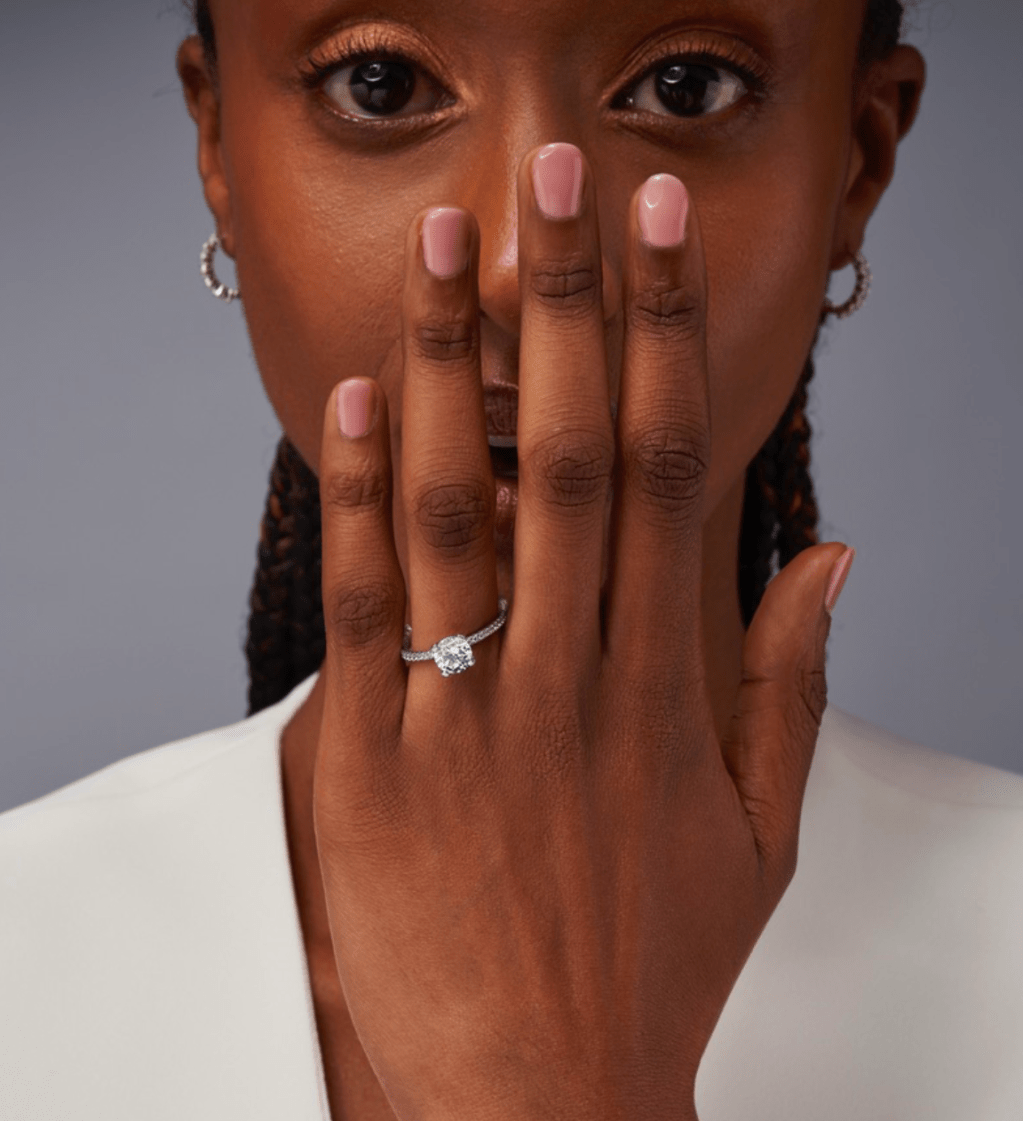
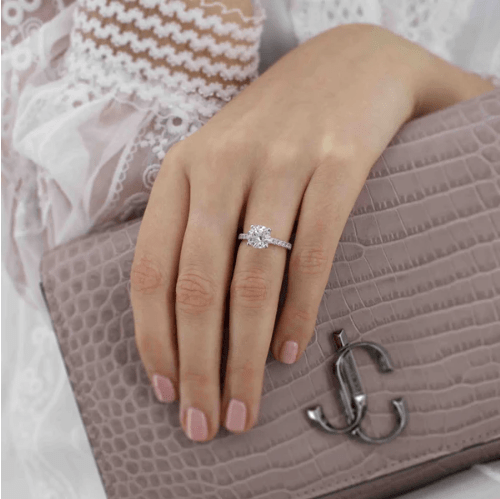
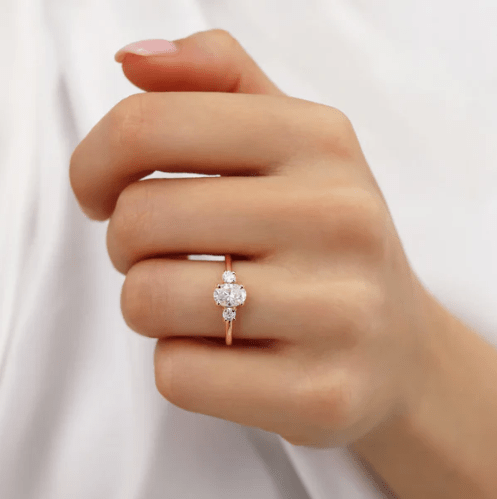
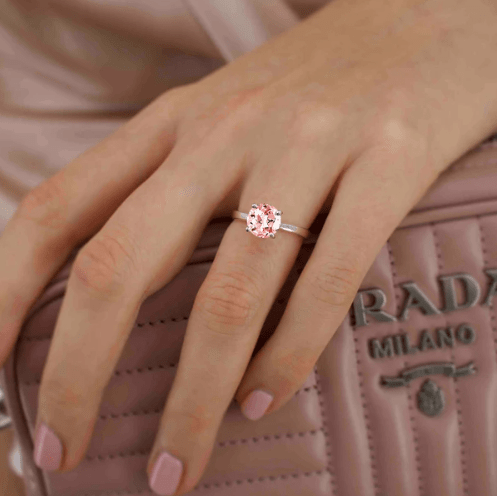
 Diamonds are a girls best friend