Tag: GreendiamondsUK

  • Why Green Diamonds Are Emerging as the Quiet Power of Earth-Toned Luxury in 2026

    Why Green Diamonds Are Emerging as the Quiet Power of Earth-Toned Luxury in 2026

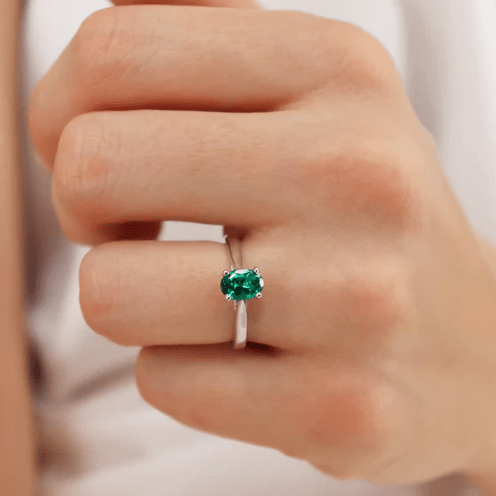
    In 2026, green diamonds are no longer discussed as marginal or experimental choices within fine jewellery. They are increasingly framed as expressions of earth-toned luxury, valued for subtlety, depth and emotional intelligence rather than spectacle. This reframing reflects a wider cultural shift in how luxury is understood. Where brilliance and scale once dominated, tone, intention and authenticity now carry equal, if not greater, weight.

    Luxury today is defined less by visibility and more by confidence. Green diamonds resonate because they do not compete for attention. Their colour feels natural, organic and grounded, echoing landscapes rather than lights. In a world saturated with visual noise, jewellery that offers calm and restraint has gained renewed relevance.

    Fashion commentary from Vogue has repeatedly highlighted the rise of earth-led colour palettes across fashion and interiors, noting how greens, olives and mineral tones signal a move towards longevity and emotional grounding. Jewellery has followed this shift closely, and green diamonds have emerged as one of its most compelling expressions.

    From a geological standpoint, green diamonds are exceptionally rare. Their colour is caused by prolonged exposure to natural radiation during formation, which alters the diamond’s crystal structure over time. This process embeds colour within the stone rather than applying it externally, giving green diamonds a narrative shaped by environment and time.

    Scientific insight from the Gemological Institute of America explains how this interaction with surrounding minerals creates natural green hues, often with subtle zoning and variation. These irregularities are now appreciated as evidence of authenticity rather than imperfection, reinforcing the idea that beauty can be complex rather than uniform.

    Historically, green diamonds struggled to find a clear place in the market. Twentieth-century diamond culture prioritised colourless stones, while vivid fancy colours gained attention through intensity. Subtle green tones sat awkwardly between these categories, often misunderstood or overlooked.

    That hierarchy has changed. Analysis in the Financial Times has observed that modern luxury increasingly values understatement as a marker of confidence. In this context, green diamonds signal discernment. They suggest a wearer who is not motivated by convention, but by alignment with personal taste.

    Design culture has played a crucial role in this shift. Contemporary jewellery design has moved away from ornamentation towards structure, proportion and material honesty. Green diamonds integrate naturally into this language, acting as tonal anchors that enhance rather than dominate a design.

    Reporting from Dezeen has explored how jewellery designers increasingly draw inspiration from architecture and landscape. Clean lines, sculptural forms and tactile materials are prioritised, and green diamonds complement this approach by offering colour that feels integrated rather than applied.

    The reframing of green diamonds is also closely linked to evolving ideas around individuality. Consumers are increasingly confident in choosing jewellery that reflects internal values rather than external validation. Green diamonds offer distinction without excess, rarity without ostentation.

    Cultural analysis from The Guardian has highlighted how modern luxury consumers value authenticity over display. In jewellery, this has opened space for stones that feel personal and intentional. Green diamonds resonate because they feel chosen rather than expected.

    Crucially, this movement does not reject traditional diamonds. Colourless stones continue to hold deep symbolic meaning for many, representing clarity, continuity and heritage. The rise of green diamonds simply expands the expressive range of diamonds, allowing multiple interpretations to coexist without hierarchy.

    This emphasis on choice mirrors wider cultural patterns. Coverage from BBC Culture has examined how consumers increasingly define luxury on their own terms, resisting prescriptive narratives. Green diamonds thrive in this environment because they invite interpretation rather than instruction.

    From a fashion perspective, green diamonds also resist trend fatigue. Their colour does not feel tied to a specific season or moment. Instead, it feels rooted, capable of ageing gracefully rather than dating itself.

    Editorial features in Harper’s Bazaar have noted that jewellery colour trends are moving towards tones associated with balance and calm. Green, in particular, carries associations with growth, renewal and stability, qualities that resonate strongly in engagement and heirloom jewellery.

    Language has been central to this reframing. Green diamonds are no longer described as unusual or unconventional. Instead, they are discussed in terms of tone, mood and material presence. The phrase earth-toned luxury reframes green as refined and grounded rather than alternative.

    This evolution reflects broader changes across luxury sectors. Analysis from The Economist has observed that premium products increasingly derive value from narrative and context rather than rigid benchmarks. Green diamonds exemplify this approach, carrying stories shaped by geology and time rather than trend.

    Technological progress has further supported this shift. Advances in cutting and grading allow green diamonds to be presented with greater clarity and confidence, ensuring that colour is highlighted without compromising performance. This has helped reposition green diamonds as considered choices rather than risky ones.

    Education has played an equally important role. Resources from the Natural History Museum have helped explain how diamonds form and why natural colour variation occurs. As understanding grows, subtlety becomes a strength rather than a source of doubt.

    Green diamonds also align with the wider embrace of earth-inspired palettes across design disciplines. Interiors, fashion and architecture have leaned into greens and mineral tones as antidotes to overstimulation. Jewellery reflects this desire for visual calm and material authenticity.

    Reporting from Wallpaper* has explored how luxury design increasingly draws from landscape and natural materials. Green diamonds, with their geological origins and muted elegance, feel inherently aligned with this philosophy.

    At a retail level, the reframing of green diamonds encourages richer conversations. Rather than focusing on size or clarity benchmarks, discussions centre on tone, mood and longevity. This approach supports confidence and empowers consumers to make informed decisions.

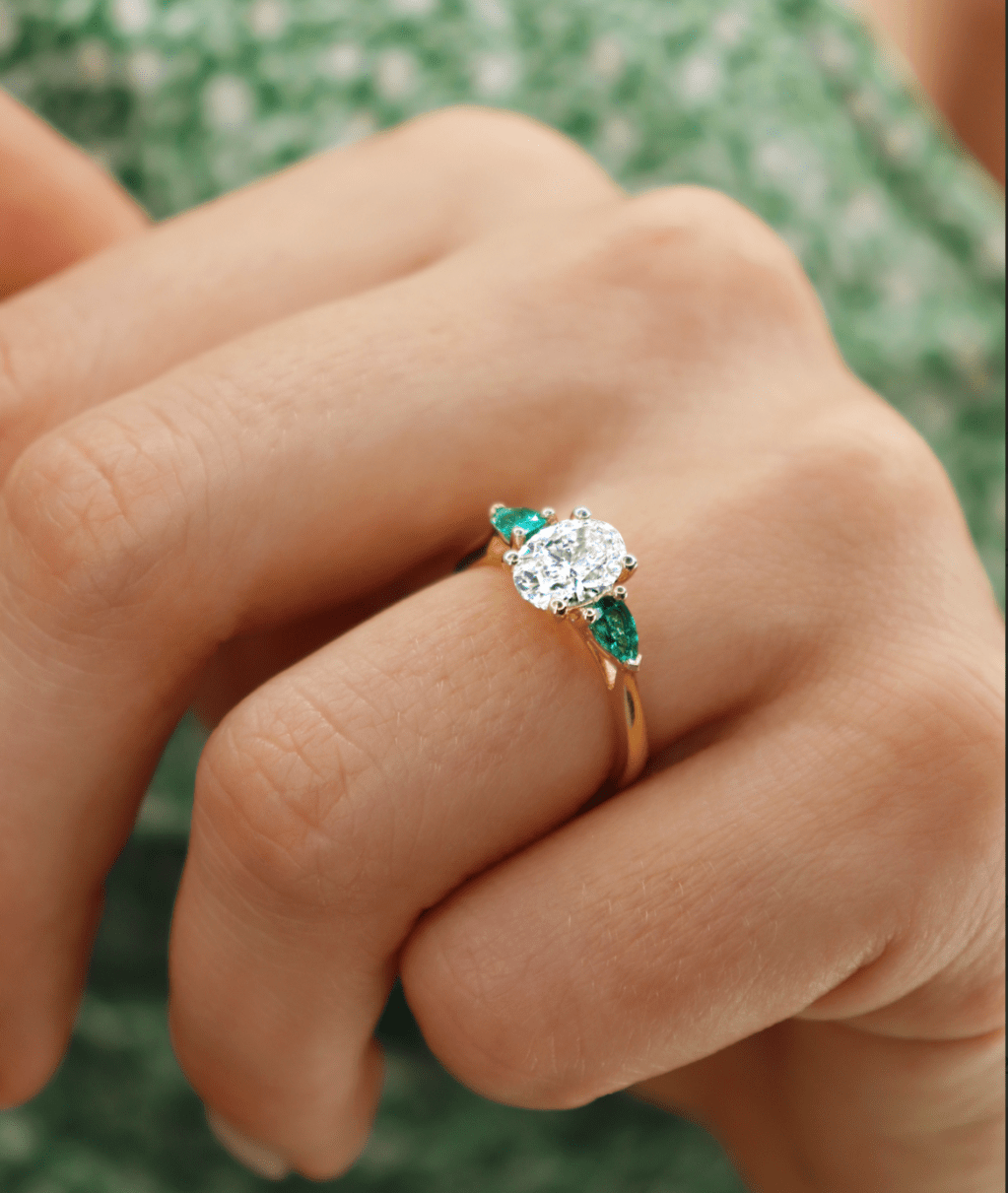
    Exploring contemporary diamond jewellery collections, such as those available through Lily Arkwright, reflects this emphasis on choice and individuality. Green diamonds are positioned as part of a wider spectrum, allowing people to select stones that align with their aesthetic and values.

    Importantly, positioning green diamonds as earth-toned luxury does not impose hierarchy. It does not suggest that subtlety is superior to brilliance or that colour outweighs clarity. Instead, it reinforces the idea that luxury is diverse and personal.

    Sociological research discussed by Pew Research Center suggests that modern consumers derive satisfaction from autonomy and self-direction. In jewellery, that autonomy is expressed through colour choice and narrative rather than adherence to tradition.

    Looking ahead, green diamonds are likely to continue gaining momentum precisely because they are not driven by novelty. Their appeal lies in alignment with deeper cultural values around grounding, individuality and longevity.

    They offer an option that feels thoughtful rather than reactive. In an era defined by information and freedom of choice, that thoughtfulness carries enduring appeal.

    Green diamonds in 2026 are not being reframed because tastes have become radical. They are being reframed because our understanding of luxury has matured.

    Luxury now values tone over volume, meaning over mandate and choice over prescription.

    In that landscape, green diamonds feel not alternative, but entirely at home.
  • Why Lab Diamonds Are Becoming the Default Material for Modern Fine Jewellery

    Why Lab Diamonds Are Becoming the Default Material for Modern Fine Jewellery

    Fine jewellery has always evolved in response to how society understands value. What once centred on inheritance and rarity now increasingly reflects knowledge, intention and longevity. In 2026, the future of fine jewellery is being shaped by lab diamonds not as a trend, but as a material that aligns with how modern consumers think, research and choose. Lab diamonds are no longer an alternative pathway. They are becoming a default consideration in fine jewellery design and ownership.

    This shift has emerged gradually, driven by education rather than disruption. As buyers become more informed about materials, sourcing and long term wear, the appeal of lab diamonds has grown organically. They reflect a version of luxury that prioritises clarity over mystique and confidence over convention.

    To understand why lab diamonds are now central to fine jewellery, it is important to revisit how diamonds became synonymous with luxury in the first place.

    Diamonds have been known to human cultures for centuries, but their prominence in fine jewellery is a relatively modern development. Geological research from The Natural History Museum explains that early diamonds were valued for hardness and resistance to damage rather than brilliance. Their durability distinguished them from other stones long before they were associated with romance or refinement.

    The transformation of diamonds into fine jewellery icons occurred during the late nineteenth and twentieth centuries. Advances in mining and cutting coincided with global marketing that framed diamonds as symbols of permanence and aspiration. Cultural analysis from BBC Culture has explored how this messaging embedded diamonds into social rituals, particularly around commitment and success.

    During this period, natural origin became tightly linked to worth. This association persisted largely because consumers had limited access to scientific information about diamond formation. Authority and tradition filled the gap left by understanding.

    That gap has now closed.

    Modern material science has changed how diamonds are evaluated. Peer reviewed research published by Nature confirms that lab grown diamonds are chemically, physically and optically identical to mined diamonds. They share the same crystal structure, hardness and optical performance. From a materials perspective, they are indistinguishable.

    This scientific certainty has removed ambiguity. Lab diamonds are no longer positioned as approximations or substitutes. They are recognised as diamonds, full stop.

    As this understanding has spread, fine jewellery design has begun to adapt.

    Historically, fine jewellery design was constrained by scarcity. Rarity dictated scale, composition and cost. Designers often had to compromise between aesthetic intent and material feasibility.

    Lab diamonds reduce these constraints. Designers can prioritise balance, proportion and cohesion without being restricted by availability. This has encouraged a more refined and intentional approach to fine jewellery.

    Design commentary from Wallpaper highlights how contemporary jewellery increasingly favours sculptural restraint and thoughtful composition over overt display. Lab diamonds support this aesthetic by allowing stones to enhance design rather than define it.

    This shift is particularly visible outside engagement rings. Fine jewellery categories such as earrings, necklaces and bracelets are now designed with everyday wear in mind. The emphasis has moved towards how jewellery feels, moves and ages rather than how rare it is.

    The rise of lab diamond fine jewellery reflects this broader change in purpose. Jewellery is no longer expected to exist solely for milestones. It is expected to accompany daily life.

    Market insight from The Economist has noted that modern luxury consumers increasingly value longevity and practicality alongside beauty. Jewellery that can be worn frequently without anxiety is often perceived as more luxurious than jewellery that feels untouchable.

    Lab diamonds align naturally with this understanding of luxury. Their durability and consistency allow for refined pieces intended for regular wear without the psychological burden historically associated with extreme rarity.

    Ethical transparency has also played a significant role in shaping the future of fine jewellery. Buyers today are more aware of sourcing, production and long term impact than previous generations. This awareness extends beyond environmental considerations to include labour practices and supply chain clarity.

    Reporting from National Geographic has explored how concerns around mining have influenced consumer trust in the jewellery industry. While responsible mining continues to evolve, lab diamonds offer a level of traceability that is clear and verifiable.

    For many buyers, this clarity strengthens emotional confidence. Jewellery chosen with understanding often feels easier to wear and easier to stand behind over time.

    This does not strip fine jewellery of sentiment. It reframes it. Meaning becomes rooted in intention rather than inherited assumptions.

    Cultural research from The British Academy suggests that modern value systems increasingly prioritise conscious decision making over tradition alone. Lab diamonds fit naturally within this cultural shift.

    The way fine jewellery is worn has also influenced the rise of lab diamonds. Jewellery today moves fluidly across work, social and personal settings.

    Workplace culture research from Harvard Business Review shows how personal expression increasingly overlaps with professional identity. Jewellery that is refined, durable and understated integrates more naturally into this environment.

    Lab diamond fine jewellery supports this evolution by enabling designs that prioritise comfort, proportion and resilience without sacrificing visual clarity.

    Longevity has become another defining expectation. Fine jewellery is increasingly chosen with decades in mind rather than a single moment.

    Psychological research discussed by Psychology Today suggests that emotional attachment strengthens when objects are used regularly rather than preserved. Jewellery that feels too precious to wear can lose emotional relevance, regardless of material value.

    Lab diamonds encourage a different relationship with fine jewellery. Pieces are designed to be worn, layered and lived with, becoming part of daily rhythm rather than distant symbols.

    Education has accelerated this shift. Consumers now have access to more reliable information about diamonds than ever before.

    Public facing education from The Gemological Institute of America has helped demystify diamond formation, grading and durability. As understanding increases, rigid hierarchies around origin lose influence.

    This has led to a more balanced conversation between natural and lab grown diamonds. Rather than asking which is superior, buyers increasingly ask which aligns with their values and how they intend to wear their jewellery.

    Fine jewellery collections that reflect this mindset present lab diamonds as integral rather than alternative.

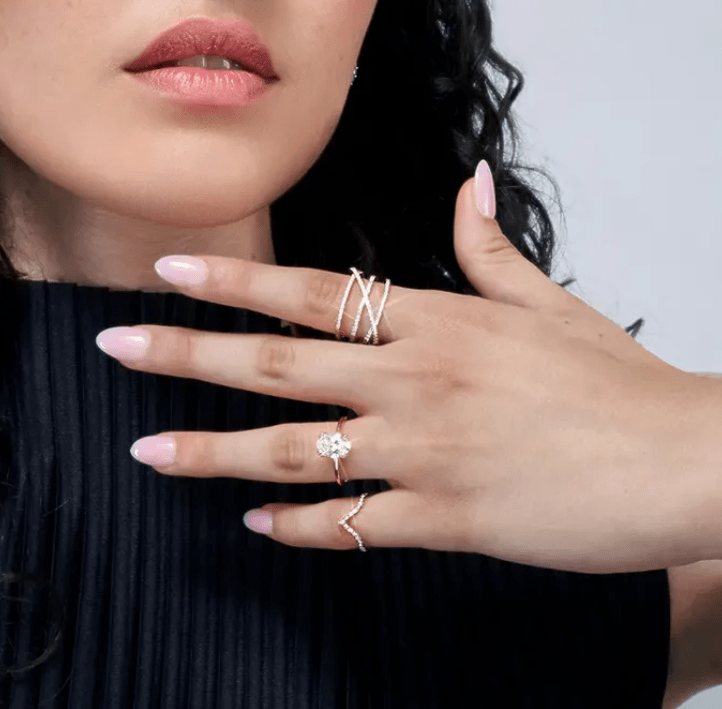
    Exploring contemporary designs categorised under lab diamond fine jewellery demonstrates this clearly. These pieces are crafted with the same attention to metalwork, setting precision and finish traditionally associated with fine jewellery, while offering modern clarity around sourcing.

    Importantly, lab diamonds have not diminished craftsmanship. In many cases, they have elevated it.

    When material scarcity no longer dominates perception, skill becomes more visible. Proportion, polish and setting quality take precedence.

    Museum commentary from The Victoria and Albert Museum has long emphasised that fine jewellery derives value as much from craftsmanship as from material. Lab diamonds allow this balance to reassert itself.

    The future of fine jewellery is also shaped by how pieces are passed down. Heirlooms are increasingly defined by emotional continuity rather than origin story alone.

    Cultural insight from The British Museum highlights how objects gain meaning through use, memory and association. A piece worn consistently and loved deeply becomes meaningful regardless of how its materials were formed.

    Lab diamond jewellery participates fully in this tradition. Its durability ensures it can be worn, adapted and cherished across generations.

    Looking ahead, flexibility will define the next era of fine jewellery. Pieces will be designed to layer, adapt and evolve alongside the wearer rather than remain fixed.

    Lab diamonds support this adaptability by removing unnecessary constraints. Designers can prioritise harmony, longevity and wearability without compromise.

    Industry analysis from Deloitte Insights suggests that future facing luxury brands will be those that prioritise transparency, adaptability and consumer education. Fine jewellery made with lab diamonds aligns naturally with this direction.

    The future of fine jewellery being made with lab diamonds is not a rejection of tradition. It is a refinement of it.

    It reflects a world where information is accessible, values are diverse and confidence comes from understanding rather than assumption.

    In 2026, fine jewellery is no longer defined solely by where a diamond comes from. It is defined by how thoughtfully it is designed, how responsibly it is made and how confidently it is worn.

    Lab diamonds are shaping the future of fine jewellery because they reflect how modern luxury is informed, intentional and designed to endure.

  • Why the Search for the “Perfect Ring” Is Giving Way to Personal Meaning

    Why the Search for the “Perfect Ring” Is Giving Way to Personal Meaning

    For much of the last century, the idea of the perfect engagement ring carried an almost unquestioned authority. There was a sense that perfection could be identified, measured and achieved if the right boxes were ticked. A certain stone, a certain size, a certain spend and a certain reaction at the proposal moment all combined to form an ideal that felt both aspirational and non negotiable. In 2026, that certainty is dissolving. The concept of a single, universally perfect ring is steadily giving way to something more flexible, more realistic and ultimately more meaningful.

    This shift reflects a broader cultural change in how people approach commitment, identity and long term decisions. Jewellery no longer exists in isolation from everyday life. Engagement rings are worn daily, shaped by evolving values and expected to age alongside the people who wear them. In that context, the pursuit of perfection has begun to feel less helpful than the pursuit of alignment.

    The modern idea of the perfect ring is not as ancient as it often appears. While engagement rings have existed in various forms since Roman times, rigid expectations around diamonds, carat size and spend are largely twentieth century constructs. Cultural analysis from BBC Culture has explored how advertising transformed preference into perceived tradition, narrowing public understanding of what an engagement ring should be.

    These narratives endured because they offered clarity. In emotionally significant moments, clarity can feel comforting. A formula promises certainty and removes the fear of getting it wrong. Yet clarity based on external rules can also be limiting, particularly when those rules no longer reflect how people live.

    As relationships have changed, so too has the relevance of the perfect ring ideal. Research from Pew Research Center shows that modern partnerships increasingly prioritise equality, communication and shared decision making. Engagement ring buying has followed the same path. The expectation that one person should independently guess another’s lifelong tastes now feels risky rather than romantic.

    This shift is visible in how couples approach surprise. While surprise proposals remain meaningful for some, many couples now discuss ring styles, budgets and practical considerations openly. Rather than diminishing romance, this transparency often strengthens trust.

    Relationship commentary from The Guardian has noted that contemporary intimacy values emotional intelligence over spectacle. Knowing what a partner loves and how they live is increasingly seen as an act of care.

    The fading of the perfect ring ideal is also connected to a wider reassessment of perfection itself. Perfection suggests something static and flawless. Human lives are neither. They are shaped by change, compromise and growth.

    Cultural theory discussed by The British Academy suggests that modern consumers are moving away from ideals of flawlessness towards authenticity and adaptability. Jewellery, as a symbolic object, naturally reflects this shift. Rings are no longer expected to represent an unchanging ideal, but a relationship that will evolve.

    Historically, gemstones were never valued for perfection in the modern sense. Ancient jewellery embraced irregularity and natural variation.

    Archaeological research from The Ashmolean Museum shows that early gemstone jewellery celebrated colour, symbolism and durability rather than symmetry or uniformity. Stones were meaningful because they were natural, not because they were identical.

    Diamonds themselves were not originally associated with perfection. Geological research from The Natural History Museum explains that diamonds were first prized for hardness and resilience rather than brilliance or clarity. Their appeal lay in endurance, not flawlessness.

    The modern fixation on perfection emerged alongside grading systems and mass comparison. While grading brought transparency, it also introduced hierarchy. Over time, this encouraged comparison and anxiety rather than confidence.

    Educational insight from The Gemological Institute of America makes clear that grading is descriptive, not prescriptive. A diamond’s characteristics describe how it performs, not how emotionally valuable it should be. As buyers become more informed, this distinction has gained importance.

    Another factor accelerating the decline of the perfect ring ideal is choice. Today’s buyers can choose between natural and lab grown diamonds, coloured gemstones, alternative cuts and bespoke designs. With expanded choice comes the realisation that perfection cannot be singular.

    Market analysis from The Financial Times has highlighted how modern luxury has shifted away from conformity towards relevance. Objects that reflect personal values are perceived as more meaningful than those that simply meet inherited benchmarks.

    This is especially evident in attitudes towards lab grown diamonds and gemstones. Once framed as substitutes for an ideal, they are now widely understood as intentional choices with distinct advantages.

    Scientific research published by Nature confirms that lab grown diamonds share the same atomic structure and durability as natural diamonds. The difference lies in origin, not performance. As this knowledge becomes mainstream, the idea of a single perfect option becomes increasingly difficult to sustain.

    Coloured gemstones further undermine the perfection narrative. Emeralds, sapphires and other stones have always embraced character over uniformity. Their appeal lies in depth, nuance and individuality.

    Museum research from The Smithsonian National Museum of Asian Art shows that coloured gemstones were historically prized for symbolism and cultural meaning rather than optical precision. Modern buyers are reconnecting with this perspective.

    Design trends reinforce the same movement. Engagement rings are no longer expected to prioritise visual impact alone. Comfort, durability and suitability for daily wear now hold equal weight.

    Design commentary from Dezeen has documented how contemporary jewellery increasingly draws from architectural balance and functional design. Rings are designed to live with the wearer, not simply to impress in a single moment.

    Longevity is central to this shift. A ring worn for decades must adapt to changing lifestyles, careers and identities. What feels perfect at one stage of life may not feel right at another.

    Psychological research discussed by Psychology Today suggests that emotional attachment is strongest when objects integrate easily into daily life. Jewellery that causes discomfort or self consciousness can gradually lose emotional warmth, regardless of how perfect it once seemed.

    Ethics and transparency have also reshaped perceptions of perfection. Many buyers now consider whether they will feel proud of their choice in ten or twenty years. This long view often outweighs short term ideals.

    Environmental reporting from National Geographic has explored how awareness of sourcing and sustainability influences long term satisfaction. Jewellery chosen with ethical clarity often retains emotional confidence.

    In this context, the idea of the perfect ring begins to feel restrictive. It assumes a fixed identity and static values. Modern buyers recognise that both evolve.

    Language around engagement rings is changing as a result. Perfect is increasingly replaced by words such as right, meaningful and considered. These terms allow space for growth rather than comparison.

    Retail experiences have adapted accordingly. Rather than guiding customers towards a single ideal, many jewellers now focus on understanding lifestyle, taste and long term wear.

    Exploring engagement ring collections such as those available through Lily Arkwright reflects this approach. Rings are presented as expressions of individuality, offering flexibility rather than prescribing a formula.

    The rise of bespoke and semi bespoke design further challenges the idea of perfection. Customisation encourages reflection and intention. It shifts focus from what others expect to what feels authentic.

    Cultural commentary from Harper’s Bazaar has observed that modern luxury is increasingly defined by confidence rather than conformity. Pieces chosen with conviction tend to feel more enduring than those chosen to meet an external ideal.

    Importantly, the fading of the perfect ring does not signal a decline in standards. In many cases, it leads to more thoughtful choices. When perfection is no longer the goal, quality, craftsmanship and suitability take centre stage.

    Luxury market insight from McKinsey & Company suggests that consumers increasingly value authenticity and longevity over status signalling. Rings chosen for relevance often feel more luxurious than those chosen to impress.

    For many couples, this shift is liberating. Without the pressure of perfection, engagement ring buying becomes a process of exploration rather than a test.

    Collections such as those offered by Lily Arkwright reflect this evolution, supporting choices designed for real lives rather than a single idealised image.

    In 2026, the perfect ring is no longer something to chase.

    What replaces it is clarity. A ring that fits your life, reflects your values and evolves with you will always outlast an ideal built on comparison.

    The fading of the perfect ring is not a loss of meaning. It is the moment meaning finally becomes personal.

  • Instantly Meaningful: Why Ready to Ship Engagement Rings Matter More Than Ever

    Instantly Meaningful: Why Ready to Ship Engagement Rings Matter More Than Ever

    Engagement rings have always symbolised intention, commitment and belief in the future. What has changed in recent years is not the meaning of the ring, but the way people arrive at the moment of proposing. In 2026, proposals are increasingly shaped by instinct, emotional readiness and opportunity rather than extended planning timelines. As a result, engagement rings available for immediate dispatch have taken on a new and deeply relevant role within modern jewellery culture.

    Ready to ship engagement rings reflect the reality that meaningful moments do not always align neatly with production schedules. Whether prompted by a long planned trip, a sudden certainty or a milestone date approaching faster than expected, many couples now value the ability to act when the moment feels right. Immediate dispatch removes friction from that decision, allowing focus to remain on emotion rather than logistics.

    Cultural analysis from Vogue has explored how modern romance has shifted away from rigid expectations towards authenticity and responsiveness. Proposals are increasingly personal rather than performative, and engagement rings that are available without delay support that evolution.

    A ready to ship collection is not about convenience at the expense of craftsmanship. These rings are complete designs that have already passed through expert selection, setting and finishing processes. Each piece is chosen to represent a jeweller’s standards at their strongest, offering balance, beauty and longevity rather than compromise.

    Luxury commentary in the Financial Times has noted that contemporary consumers increasingly favour products that feel resolved and confident. Rather than endless customisation, there is growing appreciation for well judged design decisions. Ready to ship engagement rings reflect this mindset, offering clarity and assurance rather than complexity.

    For those planning surprise proposals, immediate availability provides invaluable certainty. Knowing that a ring is complete and ready removes anxiety around timing and secrecy. This allows the proposal itself to remain the focus, unburdened by concerns over delivery windows or production delays.

    Psychological insight from Psychology Today suggests that reducing cognitive load around emotionally significant decisions enhances satisfaction. Choosing from a curated ready to ship selection allows couples to engage with the moment itself rather than becoming overwhelmed by options.

    Design is central to the appeal of immediate dispatch engagement rings. These collections typically feature styles with proven longevity, such as classic solitaires, refined halo settings and subtle vintage inspired designs. These are rings chosen for proportion, balance and wearability, ensuring they feel relevant not just today but decades from now.

    Educational resources from the Gemological Institute of America confirm that a diamond’s visual performance depends on cut quality and craftsmanship rather than how long it takes to produce. A ready to ship ring can therefore offer the same brilliance, fire and durability as a bespoke piece.

    Stone choice within immediate dispatch collections reflects the diversity of modern preference. Natural diamonds continue to appeal to those drawn to rarity and geological history. Lab grown diamonds attract buyers who value innovation and sustainability. Coloured gemstones provide expressive alternatives for those seeking individuality. Ready to ship does not limit expression, it simply accelerates access.

    Coverage from BBC Culture has explored how engagement ring conventions have broadened significantly in recent years. There is no longer a single correct style or stone. Ready to ship collections mirror this openness, offering variety within a carefully curated framework.

    Practicality also plays a key role. Immediate dispatch engagement rings are often selected for their secure settings and balanced proportions, making them suitable for everyday wear. These are rings designed to be lived in, not handled cautiously.

    Cultural commentary from The Guardian has highlighted how practicality has become a marker of thoughtful luxury rather than compromise. Jewellery that fits seamlessly into real life is increasingly valued, and ready to ship engagement rings align with this perspective.

    Presentation remains integral to the experience. Immediate dispatch does not mean impersonal. These rings are packaged with the same care and attention as bespoke pieces, ensuring that the moment of gifting feels intentional and memorable.

    Luxury branding analysis from Harper’s Bazaar has shown how presentation shapes emotional response. A ring that arrives beautifully finished and thoughtfully packaged reinforces its significance, regardless of how quickly it was chosen.

    There is also an efficiency benefit to ready to ship collections. By offering completed designs, jewellers can reduce speculative manufacturing and better align supply with genuine demand. This approach reflects a more considered and responsible model of luxury.

    Sustainability reporting from The Economist has observed that efficiency and resource awareness are increasingly important to premium consumers. Ready to ship models can support these values by minimising unnecessary production.

    Transparency is another advantage. Buyers can see exactly what they are purchasing, from stone specifications to setting details. This clarity builds trust and confidence, particularly for high value purchases.

    Consumer behaviour research from McKinsey & Company suggests that clarity and speed are now central to modern purchasing decisions, even in luxury categories. Immediate dispatch engagement rings respond directly to these expectations without sacrificing quality.

    Choosing a ready to ship engagement ring does not reduce emotional meaning. The symbolism of a ring is created by intention and context, not production timelines. A ring chosen decisively and presented at the right moment can feel deeply powerful.

    Relationship research from Pew Research Center highlights how modern couples prioritise shared values and experiences over rigid tradition. The ability to propose when the moment feels right aligns strongly with this relational shift.

    For those considering immediate options, curated collections such as the ready to ship engagement rings available through Lily Arkwright illustrate how craftsmanship and convenience can coexist. These designs focus on timeless appeal, quality materials and thoughtful selection, ensuring that speed never comes at the expense of substance.

    Ready to ship engagement rings also appeal to decisiveness. They suit those who trust their judgement and value momentum rather than prolonged deliberation. This approach reflects confidence rather than haste.

    Design commentary from Dezeen has noted that modern consumers increasingly value products that feel finished and resolved. Immediate dispatch rings embody this sensibility, offering assurance through readiness.

    Looking ahead, engagement rings available for immediate dispatch are likely to remain a core part of modern jewellery. As proposals become less scripted and more intuitive, jewellery that adapts to real timing will continue to resonate.

    These rings are not shortcuts. They are thoughtful responses to how people live, love and decide today.

    They offer craftsmanship without waiting, elegance without complication and meaning without delay.

    In a world where the most important moments rarely announce themselves in advance, having an engagement ring ready when certainty arrives is not just convenient. It is quietly profound.

  • Alexandrite Uncovered: Imperial Origins, Optical Magic and the Modern Lab Grown Era

    Alexandrite Uncovered: Imperial Origins, Optical Magic and the Modern Lab Grown Era

    Alexandrite is a gemstone that has always resisted simple classification. Neither purely traditional nor entirely modern, it occupies a space where science, history and symbolism intersect. Known for its extraordinary colour change and its association with rarity and transformation, alexandrite has fascinated gem collectors for nearly two centuries. In 2026, its story feels newly relevant, as advances in laboratory growth allow this once almost unreachable stone to be experienced more widely than ever before.

    The origin of alexandrite lies in nineteenth century Russia, during a period when mineral discoveries carried political as well as scientific significance. The gemstone was first identified in 1830 in the Ural Mountains, a region already celebrated for emerald production. Early accounts preserved by The Russian State Geological Museum describe how miners initially mistook the green stones for emeralds, only realising their uniqueness after observing a dramatic colour shift under artificial light.

    This unexpected transformation became alexandrite’s defining characteristic. In daylight, the stone appears green, bluish green or teal. Under candlelight or incandescent illumination, it shifts to shades of red, purplish red or raspberry. This phenomenon was unprecedented at the time and immediately attracted attention from mineralogists and jewellers alike.

    Scientific explanation published by The American Museum of Natural History attributes this colour change to chromium impurities within the crystal lattice. Alexandrite absorbs light differently depending on wavelength distribution, allowing different colours to dominate under different lighting conditions. Even today, this optical behaviour is considered one of the most remarkable in the gemstone world.

    The stone was named in honour of Alexander II, then heir to the Russian throne. Its discovery coincided with his coming of age, and its red and green hues reflected the colours of Imperial Russia’s military regalia. As noted in historical commentary by The State Hermitage Museum, this symbolism helped cement alexandrite’s status as a national stone associated with power, renewal and prestige.

    Natural alexandrite belongs to the chrysoberyl family and is prized not only for its colour change but also for its durability. With a Mohs hardness of 8.5, it is significantly harder than many coloured gemstones, making it suitable for fine jewellery intended to endure daily wear.

    Despite its promise, early Russian deposits were rapidly depleted. By the late nineteenth century, high quality natural alexandrite had become exceedingly rare. Later discoveries in Sri Lanka, Brazil and Tanzania yielded stones with varying characteristics, but truly fine examples with strong colour change remained scarce.

    Geological reporting from Geology Today has examined how this scarcity elevated alexandrite into one of the most valuable coloured gemstones by weight. Exceptional natural specimens are now rarer than diamond, reinforcing the stone’s almost mythical reputation.

    This rarity has shaped alexandrite’s symbolism over time. It has become associated with change, balance and duality, concepts reflected directly in its shifting colours. These themes have contributed to its enduring appeal in jewellery design.

    Cultural analysis from The Met Museum explores how gemstones exhibiting optical phenomena often take on symbolic meanings that extend beyond aesthetics. Alexandrite’s colour change has long been interpreted as a metaphor for adaptability and emotional depth.

    For much of the twentieth century, alexandrite remained out of reach for all but the wealthiest collectors. Its presence was largely confined to museums, royal collections and high profile auctions. This exclusivity began to change with advances in laboratory gemstone growth.

    Laboratory grown alexandrite is chemically and optically identical to natural alexandrite. It is not a simulant or imitation. Scientific overviews published by The International Gem Society explain how crystal growth techniques replicate the conditions under which chrysoberyl forms, allowing genuine alexandrite to develop over many months.

    Among the most respected pioneers in this field is Chatham Gemstones. Founded in the United States in 1938, Chatham became known for growing gemstones slowly and carefully, rather than manufacturing quick substitutes. Their lab grown alexandrite exhibits strong colour change and excellent durability, closely mirroring fine natural stones.

    Industry insight from Bloomberg has noted that lab grown gemstones have reshaped the luxury market by redefining access rather than replacing natural rarity. In the case of alexandrite, laboratory growth has allowed designers and buyers to engage with the gemstone’s beauty without the constraints of extreme scarcity.

    The availability of lab grown alexandrite has expanded creative possibilities within jewellery design. Designers are now able to work with larger stones and consistent colour change, exploring contemporary settings that would have been impractical or cost prohibitive with natural material.

    Design journalism from Wallpaper* has highlighted how modern jewellery increasingly embraces stones chosen for narrative and behaviour rather than tradition alone. Alexandrite’s responsiveness to light makes it particularly suited to this expressive approach.

    Ethical considerations have also contributed to alexandrite’s renewed relevance. While natural alexandrite mining is limited, the broader gemstone industry has faced increasing scrutiny around environmental and social impact. Laboratory grown stones offer a controlled alternative with reduced ecological disruption.

    Environmental reporting by Carbon Brief has examined how laboratory production of materials can significantly lower land disturbance compared to extraction industries. For many buyers, this context adds ethical weight to the choice of lab grown gemstones.

    Importantly, the rise of lab grown alexandrite has not reduced the value of natural stones. Instead, it has clarified the distinction between geological rarity and personal experience. Natural alexandrite remains prized for its provenance, age and scarcity.

    Auction reporting from Sotheby’s continues to demonstrate strong demand for exceptional natural alexandrite, particularly stones with historical documentation and vivid colour change. These gems remain firmly positioned at the highest end of the market.

    At the same time, lab grown alexandrite has established its own identity. It appeals to buyers drawn to the gemstone’s symbolism, optical drama and durability rather than its exclusivity. This reflects a broader shift in luxury values.

    Market commentary from The Business of Fashion has observed that modern luxury consumers increasingly prioritise alignment, story and innovation over traditional markers of status. Alexandrite, with its layered history and scientific intrigue, fits naturally into this evolving landscape.

    In jewellery, alexandrite is frequently chosen for rings, pendants and earrings where its colour change can be fully appreciated. Its strength makes it suitable for everyday wear, while its shifting hues ensure it remains visually dynamic.

    Historical insight from Royal Museums Greenwich shows how gemstones associated with scientific discovery often gain cultural longevity. Alexandrite’s resurgence reflects a renewed appreciation for stones that sit at the intersection of history and innovation.

    Looking forward, alexandrite occupies a unique position in the gemstone world. Natural stones will remain rare and highly prized, while lab grown alternatives continue to expand creative and ethical possibilities.

    Alexandrite’s journey from imperial Russia to modern laboratories mirrors wider changes in how gemstones are valued and understood. It is no longer defined solely by scarcity, but by meaning, performance and accessibility.

    To discover the world of alexandrite is to encounter a gemstone that evolves with its surroundings, responds to its environment and reflects the values of its time.

    In 2026, that ability to adapt may be alexandrite’s most compelling quality of all.

  • Why Engagement Rings Are Now Being Designed Around Modern Work Life

    Why Engagement Rings Are Now Being Designed Around Modern Work Life

    By 2026, the way engagement rings are chosen reflects a fundamental truth about modern life. For most people, work is where the majority of their waking hours are spent. It is where hands are used repeatedly, where routines are formed and where personal style must coexist with professional expectation. As a result, engagement rings are no longer imagined purely as symbolic objects for milestone moments. They are being chosen as pieces of everyday equipment, expected to function effortlessly within real working lives.

    This shift does not represent a loss of romance. Instead, it signals a more grounded understanding of commitment. An engagement ring today is not something to be protected from daily life. It is something designed to live within it. That change has quietly reshaped how rings are designed, discussed and ultimately worn.

    Fashion coverage from Vogue has charted how professional dress codes have softened over the past decade, allowing for greater individuality and personal expression. Jewellery has followed this evolution. Rather than being reserved for evenings or formal occasions, it is now expected to sit comfortably alongside modern workwear, from tailoring to knitwear to casual layers.

    One of the most significant drivers of this shift is simple frequency of wear. Engagement rings are worn during typing, commuting, meetings, site visits and travel. They are worn through stress and celebration alike. As more people recognise this reality, the criteria for choosing a ring has expanded beyond aesthetics alone.

    Workplace psychology explored by Harvard Business Review has shown that professionals increasingly value tools and accessories that reduce friction rather than introduce it. An engagement ring that distracts, catches or feels vulnerable can create low level discomfort throughout the day. As awareness of this grows, functionality has become an integral part of perceived luxury.

    Setting height has become one of the clearest expressions of this workwear-led thinking. Elevated settings that prioritise visual drama can feel intrusive during long periods of desk work or hands-on activity. Lower profile designs, by contrast, tend to feel more stable and less obtrusive, supporting continuous wear without constant awareness.

    Educational material from the Gemological Institute of America explains how setting style influences durability and exposure. Lower set stones are typically less vulnerable to accidental impact, a factor that increasingly resonates with professionals who expect their ring to withstand daily use rather than require special treatment.

    Stone shape is another area where workwear considerations come into play. Shapes with smoother outlines are often perceived as more comfortable and less likely to snag on clothing or equipment. This does not mean sharp or angular shapes have disappeared, but it does mean buyers are more deliberate about how a stone will interact with their daily movements.

    Design commentary in the Financial Times has noted that contemporary luxury places growing emphasis on usability. Objects that integrate seamlessly into everyday life are increasingly valued over those that demand accommodation. Engagement rings have become part of this broader design philosophy.

    Band design has evolved alongside these considerations. Ultra-thin bands, once favoured for their delicacy, can feel less reassuring for those who use their hands frequently. Slightly wider or more structured bands are often chosen to provide balance and longevity, offering reassurance without sacrificing elegance.

    Cultural analysis from The Guardian has explored how practicality has been reframed as a form of confidence rather than compromise. In jewellery, this translates into designs that feel intentional and capable, aligning with professional identities that value competence alongside style.

    Metal choice is also increasingly informed by workwear realities. Metals known for strength and resilience are often prioritised by those who wear their ring continuously. Choosing a material that maintains its integrity over time allows wearers to focus on their work rather than worrying about damage or maintenance.

    Technology and materials reporting from Wired has highlighted how greater understanding of material performance influences consumer expectations. As people become more informed, they bring that knowledge into decisions about fine jewellery, applying the same logic they use when selecting everyday tools.

    Hybrid working has further reinforced this trend. With professional and personal environments overlapping, jewellery must feel appropriate across multiple contexts. Engagement rings are now expected to look considered on a video call, comfortable at a desk and confident in face-to-face meetings.

    Social research discussed by Pew Research Center has shown how hybrid work has reshaped identity and self-presentation. Jewellery choices, including engagement rings, now play a role in expressing continuity rather than switching personas between work and personal life.

    The diversity of modern professions has also influenced design priorities. There is no longer a single template for a working day. Healthcare professionals, engineers, creatives, educators and business owners all place different demands on their hands, and engagement ring design has become more inclusive as a result.

    Employment data from The Office for National Statistics illustrates how varied contemporary working patterns are. This diversity has encouraged a move away from one-size-fits-all ring design towards more personalised, lifestyle-aware choices.

    Importantly, choosing an engagement ring with workwear in mind does not mean stripping away beauty or meaning. On the contrary, many people find that a ring which feels secure and comfortable enhances emotional connection. When a ring becomes part of a daily rhythm, it often carries greater significance.

    Psychological insight from Psychology Today suggests that people feel more confident when their accessories align with their routines rather than disrupt them. An engagement ring that fits naturally into a workday can support self-assurance and professional presence.

    This evolution also reflects changing attitudes towards status and success. Highly conspicuous displays of wealth are no longer the default marker of achievement. Subtlety, longevity and intention have become equally powerful signals, particularly in professional environments.

    Luxury market analysis from McKinsey & Company has noted that understated design increasingly resonates with younger professionals. Engagement rings that prioritise wearability and endurance align closely with these values.

    Design trends have responded accordingly. Secure settings, clean lines and balanced proportions have gained renewed attention. These designs often feel architectural rather than decorative, reflecting a preference for structure over ornamentation.

    Architectural commentary in Dezeen has explored how minimalist principles influence jewellery, favouring clarity of form and material honesty. These ideas translate naturally into engagement rings designed for continuous wear.

    Retail conversations have evolved in parallel. Rather than focusing solely on carat weight or visual impact, buyers are now encouraged to discuss their working environment, daily habits and long-term expectations. This shift supports confidence and helps ensure satisfaction over time.

    Exploring contemporary engagement ring collections, such as those available through Lily Arkwright, reflects this lifestyle-led approach. Rings are positioned as part of everyday life, designed to support professional activity as much as personal meaning.

    Crucially, there is no single correct way to choose an engagement ring for work. Some professionals still prefer bold designs that assert presence, while others gravitate towards subtle profiles. What has changed is the legitimacy of prioritising comfort and function without apology.

    Insight from BBC Worklife has highlighted how autonomy in self-presentation has become central to modern professional identity. Engagement rings chosen with workwear in mind reflect this autonomy, allowing individuals to balance symbolism with self-awareness.

    Looking ahead, engagement rings designed for real working lives are likely to remain central to jewellery conversations. As work continues to evolve, so too will expectations around how fine jewellery should behave and feel.

    These rings are not being chosen because romance has faded. They are being chosen because commitment is understood as something lived daily rather than displayed occasionally.

    An engagement ring that supports a working life becomes part of a personal cadence. It is worn confidently, not cautiously. It reflects intention rather than obligation.

    In that sense, choosing an engagement ring with workwear in mind is not a compromise. It is a reflection of how modern love and modern work now exist side by side.

    And in 2026, that balance has become one of the clearest expressions of contemporary luxury.