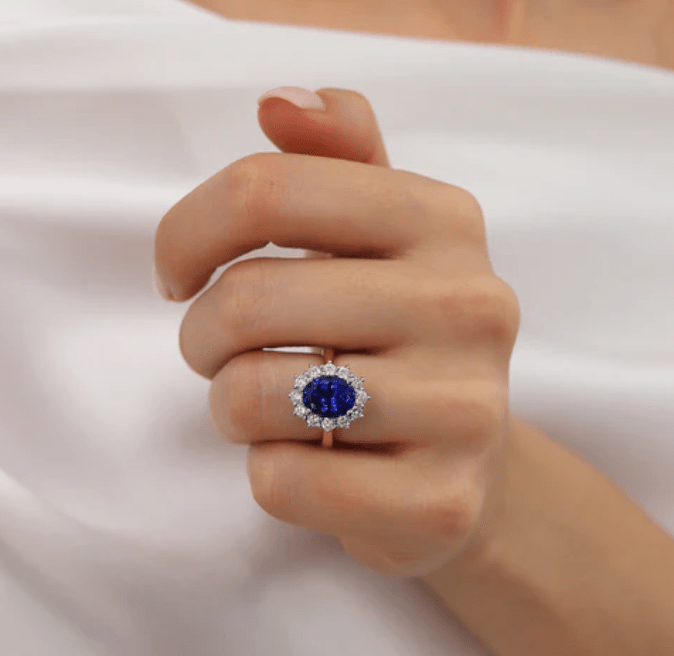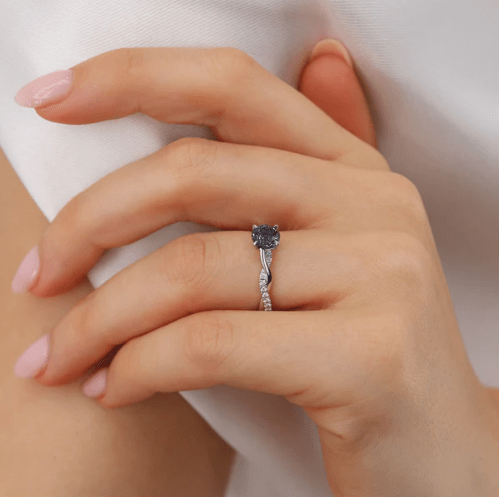
Tag: Gemstones

  • Alexandrite Uncovered: Imperial Origins, Optical Magic and the Modern Lab Grown Era

    Alexandrite Uncovered: Imperial Origins, Optical Magic and the Modern Lab Grown Era

    Alexandrite is a gemstone that has always resisted simple classification. Neither purely traditional nor entirely modern, it occupies a space where science, history and symbolism intersect. Known for its extraordinary colour change and its association with rarity and transformation, alexandrite has fascinated gem collectors for nearly two centuries. In 2026, its story feels newly relevant, as advances in laboratory growth allow this once almost unreachable stone to be experienced more widely than ever before.

    The origin of alexandrite lies in nineteenth century Russia, during a period when mineral discoveries carried political as well as scientific significance. The gemstone was first identified in 1830 in the Ural Mountains, a region already celebrated for emerald production. Early accounts preserved by The Russian State Geological Museum describe how miners initially mistook the green stones for emeralds, only realising their uniqueness after observing a dramatic colour shift under artificial light.

    This unexpected transformation became alexandrite’s defining characteristic. In daylight, the stone appears green, bluish green or teal. Under candlelight or incandescent illumination, it shifts to shades of red, purplish red or raspberry. This phenomenon was unprecedented at the time and immediately attracted attention from mineralogists and jewellers alike.

    Scientific explanation published by The American Museum of Natural History attributes this colour change to chromium impurities within the crystal lattice. Alexandrite absorbs light differently depending on wavelength distribution, allowing different colours to dominate under different lighting conditions. Even today, this optical behaviour is considered one of the most remarkable in the gemstone world.

    The stone was named in honour of Alexander II, then heir to the Russian throne. Its discovery coincided with his coming of age, and its red and green hues reflected the colours of Imperial Russia’s military regalia. As noted in historical commentary by The State Hermitage Museum, this symbolism helped cement alexandrite’s status as a national stone associated with power, renewal and prestige.

    Natural alexandrite belongs to the chrysoberyl family and is prized not only for its colour change but also for its durability. With a Mohs hardness of 8.5, it is significantly harder than many coloured gemstones, making it suitable for fine jewellery intended to endure daily wear.

    Despite its promise, early Russian deposits were rapidly depleted. By the late nineteenth century, high quality natural alexandrite had become exceedingly rare. Later discoveries in Sri Lanka, Brazil and Tanzania yielded stones with varying characteristics, but truly fine examples with strong colour change remained scarce.

    Geological reporting from Geology Today has examined how this scarcity elevated alexandrite into one of the most valuable coloured gemstones by weight. Exceptional natural specimens are now rarer than diamond, reinforcing the stone’s almost mythical reputation.

    This rarity has shaped alexandrite’s symbolism over time. It has become associated with change, balance and duality, concepts reflected directly in its shifting colours. These themes have contributed to its enduring appeal in jewellery design.

    Cultural analysis from The Met Museum explores how gemstones exhibiting optical phenomena often take on symbolic meanings that extend beyond aesthetics. Alexandrite’s colour change has long been interpreted as a metaphor for adaptability and emotional depth.

    For much of the twentieth century, alexandrite remained out of reach for all but the wealthiest collectors. Its presence was largely confined to museums, royal collections and high profile auctions. This exclusivity began to change with advances in laboratory gemstone growth.

    Laboratory grown alexandrite is chemically and optically identical to natural alexandrite. It is not a simulant or imitation. Scientific overviews published by The International Gem Society explain how crystal growth techniques replicate the conditions under which chrysoberyl forms, allowing genuine alexandrite to develop over many months.

    Among the most respected pioneers in this field is Chatham Gemstones. Founded in the United States in 1938, Chatham became known for growing gemstones slowly and carefully, rather than manufacturing quick substitutes. Their lab grown alexandrite exhibits strong colour change and excellent durability, closely mirroring fine natural stones.

    Industry insight from Bloomberg has noted that lab grown gemstones have reshaped the luxury market by redefining access rather than replacing natural rarity. In the case of alexandrite, laboratory growth has allowed designers and buyers to engage with the gemstone’s beauty without the constraints of extreme scarcity.

    The availability of lab grown alexandrite has expanded creative possibilities within jewellery design. Designers are now able to work with larger stones and consistent colour change, exploring contemporary settings that would have been impractical or cost prohibitive with natural material.

    Design journalism from Wallpaper* has highlighted how modern jewellery increasingly embraces stones chosen for narrative and behaviour rather than tradition alone. Alexandrite’s responsiveness to light makes it particularly suited to this expressive approach.

    Ethical considerations have also contributed to alexandrite’s renewed relevance. While natural alexandrite mining is limited, the broader gemstone industry has faced increasing scrutiny around environmental and social impact. Laboratory grown stones offer a controlled alternative with reduced ecological disruption.

    Environmental reporting by Carbon Brief has examined how laboratory production of materials can significantly lower land disturbance compared to extraction industries. For many buyers, this context adds ethical weight to the choice of lab grown gemstones.

    Importantly, the rise of lab grown alexandrite has not reduced the value of natural stones. Instead, it has clarified the distinction between geological rarity and personal experience. Natural alexandrite remains prized for its provenance, age and scarcity.

    Auction reporting from Sotheby’s continues to demonstrate strong demand for exceptional natural alexandrite, particularly stones with historical documentation and vivid colour change. These gems remain firmly positioned at the highest end of the market.

    At the same time, lab grown alexandrite has established its own identity. It appeals to buyers drawn to the gemstone’s symbolism, optical drama and durability rather than its exclusivity. This reflects a broader shift in luxury values.

    Market commentary from The Business of Fashion has observed that modern luxury consumers increasingly prioritise alignment, story and innovation over traditional markers of status. Alexandrite, with its layered history and scientific intrigue, fits naturally into this evolving landscape.

    In jewellery, alexandrite is frequently chosen for rings, pendants and earrings where its colour change can be fully appreciated. Its strength makes it suitable for everyday wear, while its shifting hues ensure it remains visually dynamic.

    Historical insight from Royal Museums Greenwich shows how gemstones associated with scientific discovery often gain cultural longevity. Alexandrite’s resurgence reflects a renewed appreciation for stones that sit at the intersection of history and innovation.

    Looking forward, alexandrite occupies a unique position in the gemstone world. Natural stones will remain rare and highly prized, while lab grown alternatives continue to expand creative and ethical possibilities.

    Alexandrite’s journey from imperial Russia to modern laboratories mirrors wider changes in how gemstones are valued and understood. It is no longer defined solely by scarcity, but by meaning, performance and accessibility.

    To discover the world of alexandrite is to encounter a gemstone that evolves with its surroundings, responds to its environment and reflects the values of its time.

    In 2026, that ability to adapt may be alexandrite’s most compelling quality of all.
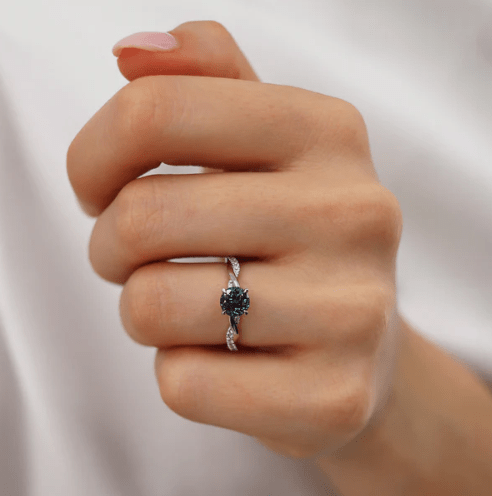
  • The Rise of Alexandrite: From Enigmatic Natural Beauty to the New Era of Lab-Grown Chatham Stones

    The Rise of Alexandrite: From Enigmatic Natural Beauty to the New Era of Lab-Grown Chatham Stones

    There are few gemstones in the world with a story as mysterious or as mesmerising as alexandrite. It is a stone that seems alive, shifting from lush green to deep purplish red depending on the light. For almost two centuries, it has been regarded as a phenomenon of nature, the rarest expression of colour change in the mineral world. In 2026, it is enjoying a remarkable resurgence among British jewellery lovers, driven by both a renewed interest in its history and the increasing availability of sustainable, laboratory grown Chatham stones through ethical jewellers such as Lily Arkwright.

    Modern buyers are drawn to jewellery with meaning, story and individuality. Alexandrite offers all three. As Vogue UK noted in a recent piece on emerging gemstone trends, colour change stones evoke a sense of transformation, romantic symbolism and artistic flair. Alexandrite, with its dramatic shifts between green daylight tones and warm evening hues, feels almost theatrical in its expression. This emotional quality has influenced a growing number of British couples who want something distinctive for engagement rings and right hand jewellery, especially those seeking alternatives to traditional diamonds.

    The stone’s origin only adds to its intrigue. Natural alexandrite was first discovered in Russia’s Ural Mountains in the 1830s, and early accounts describe miners mistaking it for emerald before witnessing its colour change around campfires. That ability to shift from green to red quickly became symbolic, especially within Russian culture, where it was linked with duality, strength and adaptability. BBC Culture has explored the fascination surrounding such rare gems, emphasising how they often become tied to national identity or historical storytelling. Alexandrite became a national favourite in Russia and later spread across Europe, although natural stones remained exceptionally scarce.

    Scarcity has always defined the natural alexandrite market. New sources in Sri Lanka, Brazil and East Africa emerged over time, but fine quality stones are still so limited that many jewellers will never handle one in their entire careers. The Guardian once wrote about the global appetite for rare gemstones, highlighting alexandrite among the hardest to source ethically and sustainably due to its geological rarity. For modern shoppers who wish to avoid mined stones entirely, this can be a difficult dilemma: the beauty of alexandrite is captivating, yet its availability and environmental implications are not always clear.

    This is where lab grown Chatham alexandrite has transformed the landscape. Laboratory grown stones are chemically and optically identical to natural gemstones, but created in controlled, responsible conditions that replicate nature’s processes. The result is a gemstone with the same enchanting colour shift, but with full traceability and none of the mining impact associated with natural alternatives. As The Guardian Environment has explored, sustainable luxury is becoming one of the most significant forces in British consumer behaviour, particularly among younger buyers.

    Jewellers such as Lily Arkwright have embraced this shift, offering a selection of lab grown alexandrite rings

    Their approach reflects a broader movement in UK jewellery, where buyers want craftsmanship and beauty but also ethics and transparency. The appeal of lab grown Chatham alexandrite lies not only in its vivid colour transformation but also in its alignment with modern values. Customers can enjoy the poetry and history of the stone while knowing exactly where it came from and how it was created.

    The symbolic nature of alexandrite remains at the heart of its appeal. Colour change has long been associated with growth, adaptability and duality, making it a thoughtful choice for engagement rings. As BBC Lifestyle recently reported, many couples are seeking stones that reflect personal qualities or relationship milestones. Alexandrite’s transitions between green and red can be interpreted as balance, harmony and partnership, which resonates strongly with contemporary British couples creating their own traditions.

    Another important aspect of alexandrite’s revival is the return of coloured gemstone craftsmanship in the UK. From Hatton Garden in London to Birmingham’s Jewellery Quarter, there has been a renewed appreciation for traditional stone setting, hand finishing and detailed artistry. The Guardian’s features on British craft revival have highlighted how bespoke jewellery is increasingly valued as an expression of individuality. Alexandrite suits this trend perfectly, as its colour change often inspires imaginative design settings and bespoke commissions.

    For everyday wear, lab grown alexandrite is also a practical choice. Known for its durability, it holds up well in rings designed for daily use and pairs beautifully with modern metals such as platinum, yellow gold and rose gold. The laboratory grown variety offers consistent clarity and saturation, something rarely found in similarly priced natural stones. This reliability allows designers greater control and enables customers to choose from a range of precise shades and sizes.

    The cultural significance of alexandrite also adds depth to its resurgence. It has long been associated with June birthdays and is considered one of the most meaningful alternative birthstones. In European folklore, it was believed to bring balance and good fortune, while in later Victorian jewellery it symbolised renewal and creative expression. These layers of tradition make it particularly appealing to buyers who want a ring with both romantic and historical resonance.

    Even beyond engagement jewellery, alexandrite is becoming popular for anniversary gifts, statement pieces and bespoke creations. As Vogue UK suggested in a recent editorial, coloured stones are no longer niche but central to the future of fine jewellery. Alexandrite, with its rich complexity and natural storytelling charm, feels perfectly aligned with this shift.

    Another reason for its rise is the way social media and digital culture have influenced consumer aesthetics. High contrast colour change gemstones photograph beautifully in both natural and indoor lighting, making alexandrite particularly suited to visual platforms where users seek designs with personality and dynamic appeal. Online searches for alexandrite jewellery have grown significantly over the past year, reflecting a broader movement towards expressive, meaningful gemstone choices.

    At a time when UK couples are prioritising sustainability, transparency and individuality, the availability of Chatham grown alexandrite through ethical retailers plays an important role in shaping new engagement ring trends. Lily Arkwright’s commitment to responsible luxury, combined with their carefully curated collection of lab grown alexandrite rings, makes the gemstone accessible to a wider audience without sacrificing quality or ethical standards.

    The stone’s story, from its discovery in Russia to its reinvention through modern laboratory science, mirrors the changing values of today’s jewellery buyers. Alexandrite represents history, transformation and the merging of tradition with innovation. Whether chosen for an engagement ring or a personal heirloom, it offers a sense of romance and character that is difficult to match.

    As the UK continues to embrace coloured gemstones, the future of alexandrite looks bright. Its growing popularity speaks to a wider cultural shift toward authenticity, narrative and sustainability. In its natural form, it remains one of the rarest gemstones on earth. In its lab grown Chatham form, it is becoming a modern symbol of beauty, craftsmanship and responsible luxury.

  • The Art and Science of Chatham Gemstones: How Innovation Is Transforming Engagement Rings in the UK

    The Art and Science of Chatham Gemstones: How Innovation Is Transforming Engagement Rings in the UK

    There is a quiet revolution happening in the world of fine jewellery. Across Britain, couples are embracing a new kind of brilliance — one born not in the earth’s depths but in the laboratory. At the heart of this transformation are Chatham gemstones: lab-grown creations that combine scientific precision with timeless beauty.

    From emeralds to sapphires, rubies to spinels, Chatham’s gems are redefining what it means to own something precious. And leading their rise in the United Kingdom is Lily Arkwright — a British jeweller renowned for ethical craftsmanship and exceptional design.

    As Vogue UK recently observed, “modern luxury now lives at the intersection of innovation and integrity.” Nowhere is that more evident than in the new generation of lab-grown engagement rings taking the UK by storm.

    From Chemistry to Craftsmanship

    Chatham’s story began in the 1930s, when chemist Carroll Chatham successfully recreated emerald crystals in his laboratory. It was a scientific breakthrough that would forever change the jewellery industry. Today, nearly a century later, Chatham remains the world leader in lab-grown coloured gemstones.

    Each stone is grown using sophisticated hydrothermal or flux methods that simulate the natural conditions deep within the earth’s crust. Over several months, minerals crystallise under intense heat and pressure to produce gemstones that are chemically and optically identical to their mined counterparts.

    As BBC Science & Environment explains, advances in gem synthesis are part of a global trend towards technological sustainability — proving that human ingenuity can replicate nature’s brilliance while preserving its resources.

    The Fusion of Science and Sentiment

    While the science behind Chatham gemstones is extraordinary, their emotional resonance is just as powerful. Engagement rings have always been symbols of love and permanence. What Chatham offers is an opportunity to connect those emotions to purpose and progress.

    Couples choosing lab-grown engagement rings are not compromising on beauty; they are redefining it. The Guardian Lifestyle notes that younger British buyers “view sustainability as a form of sincerity.” A Chatham gemstone reflects that sincerity — love expressed not through extravagance, but through responsibility.

    Each Chatham engagement ring from Lily Arkwright is crafted to order, designed in the UK and made using recycled gold or platinum. This blend of artistry and ethics appeals to couples who want their jewellery to tell a story of both passion and principle.

    Emeralds: Growth, Renewal and Romance

    Chatham’s emeralds remain one of the brand’s crowning achievements. Their rich green tones are created through hydrothermal growth, yielding stones with clarity and colour often surpassing those found in mines.

    According to Vogue UK, emerald engagement rings are making a comeback, symbolising growth and new beginnings. At Lily Arkwright, Chatham emeralds are available in elegant solitaire designs and vintage-inspired settings that highlight their luminous depth.

    For couples who value romance rooted in renewal, these emeralds capture the spirit of lasting love — ethically and beautifully.

    Rubies: The Science of Passion

    Rubies are the heartbeat of coloured jewellery. Chatham’s lab-grown rubies replicate the intense “pigeon’s blood” red that gemologists prize, formed through a precise balance of heat, chemistry and time.

    As Harper’s Bazaar UK explains, ruby engagement rings are surging in popularity because of their warmth and symbolic power. They embody passion, courage and eternal devotion.

    Lily Arkwright’s Chatham ruby rings combine the emotional intensity of this gemstone with ethical craftsmanship, offering designs that are as meaningful as they are mesmerising.

    Sapphires: Wisdom, Loyalty and Modern Majesty

    Sapphires have long adorned royal engagement rings, from Princess Diana to the Duchess of Cambridge. Chatham’s lab-grown sapphires bring this heritage into the present, offering a dazzling array of blues, pinks and yellows grown with meticulous precision.

    BBC Culture describes sapphires as “the jewels of commitment,” linking their durability to lasting love. Chatham’s sapphires capture that same majesty without the environmental cost.

    At Lily Arkwright, these stones are transformed into timeless engagement rings that balance tradition with innovation.

    Beyond Tradition: Alexandrite, Spinel and the Rise of Bespoke

    Chatham’s collection goes beyond the familiar. Their alexandrites shift from green to red under different light, symbolising the adaptability of modern relationships. Spinels, meanwhile, are prized for their brilliance and rarity.

    Country Living UK recently featured the rise of bespoke engagement rings in Britain, where couples work directly with jewellers to co-create pieces that reflect their individual stories. Lily Arkwright’s bespoke service allows clients to select their preferred Chatham gemstone, cut, and setting, resulting in rings that are truly one of a kind.

    The Ethical Edge

    The environmental and social advantages of lab-grown gemstones cannot be overstated. Traditional gemstone mining is often linked to deforestation, soil erosion and poor working conditions. Lab-grown production eliminates these harms, replacing them with controlled, transparent processes.

    The Guardian Environment reported that lab-grown gems produce up to 95% fewer carbon emissions than mined stones. This makes Chatham’s creations not only beautiful but also responsible choices for couples looking to align love with ethics.

    Lily Arkwright has built its reputation on this same principle, offering jewellery that shines with conscience as well as clarity.

    The Modern Engagement Ring

    The new engagement ring is as much a statement of values as of affection. Couples in Britain are increasingly rejecting excess in favour of significance, choosing rings that symbolise love, responsibility and shared vision.

    As Vogue Business noted, “meaning is the new metric of luxury.” Chatham’s gemstones, with their fusion of artistry and ethics, embody that perfectly.

    At Lily Arkwright, every Chatham gemstone ring comes with certification, a lifetime warranty and the reassurance of sustainable craftsmanship.

    Conclusion

    Science and sentiment have never worked together so beautifully. Chatham’s lab-grown gemstones prove that innovation can enhance rather than replace romance. Each emerald, ruby, sapphire and spinel tells a story of love that looks forward — ethical, modern and radiant with purpose.

    Through Lily Arkwright, British couples can choose engagement rings that shine not only with brilliance, but with integrity.

    As BBC Culture so eloquently stated, “the future of luxury is not about what you own, but what you stand for.”

    For the modern couple, that future begins with a ring — and perhaps, with a Chatham gemstone.

  • The Modern Heirloom: How Britain Fell Back in Love with Jewellery That Lasts

    Some love stories are meant to last forever. Increasingly, so are the rings that mark them. Across Britain, a quiet revolution is taking place in jewellery boxes, workshops and proposal plans alike. The engagement ring — that small but powerful symbol of devotion — is being redefined for the modern age.

    Instead of chasing the newest trends, today’s couples are thinking about legacy. They are commissioning engagement rings designed not only to dazzle but to endure, to be worn for decades, and eventually, to be passed on.

    As Vogue UK so gracefully put it, “the heirloom is no longer something you inherit — it’s something you create.”

    A Story Set in Stone

    When 32-year-old Londoner Emma Barrett began searching for an engagement ring, she wasn’t drawn to what sparkled brightest under the showroom lights. Instead, she imagined her daughter or granddaughter wearing it one day. “I wanted a ring that would last,” she said, “and carry our story forward.”

    That sentiment is becoming increasingly common. According to The Telegraph Luxury, British jewellers are seeing a marked rise in clients who mention “future generations” in their design consultations.

    The modern heirloom isn’t about extravagance; it’s about meaning. Every gemstone, engraving and setting tells a story — one designed to outlive fashion and speak of timeless love.

    The Shift Toward Conscious Creation

    Behind this movement lies a powerful cultural change. In a world saturated with choice, couples are seeking simplicity — a single piece of fine jewellery that captures who they are and what they stand for.

    As The Guardian Lifestyle observed, “today’s luxury is not about more, but about better.”

    This ethos has led many couples to turn away from mass-produced rings in favour of bespoke creations made locally and responsibly. The modern heirloom reflects a desire to consume consciously, to cherish rather than replace.

    The result is jewellery that not only celebrates love but embodies a set of values: sustainability, craftsmanship and permanence.

    The Art of the British Heirloom

    Nowhere is this movement more visible than in Britain’s jewellery heartlands — from the cobbled streets of Hatton Garden to the workshops of Birmingham’s Jewellery Quarter and the artisan studios of Edinburgh.

    Here, jewellers are combining old-world techniques with modern precision, crafting rings that balance artistry and endurance.

    As Forbes recently reported, “craftsmanship has become Britain’s quiet luxury.” Goldsmiths and designers are increasingly focused on handwork — engraving, setting and casting each piece with care.

    There’s a renewed reverence for traditional tools and materials: hammers, files, and flame torches wielded by artisans who understand that true beauty takes time.

    Ethical Brilliance

    Sustainability sits at the heart of the modern heirloom. Couples are increasingly asking where their materials come from, who made them, and how.

    Jewellers have responded by adopting recycled metals, traceable supply chains and lab-grown gemstones. The latter — indistinguishable from mined gems but created responsibly — have become a cornerstone of the ethical luxury movement.

    As BBC News Business noted, demand for lab-grown stones in the UK has more than doubled in the last two years.

    Brands such as Chatham Gemstones have pioneered this field, producing sapphires, rubies and emeralds that offer all the fire of nature with none of the environmental cost.

    Country Living UK described this evolution as “a harmony of conscience and craftsmanship — jewellery that’s beautiful inside and out.”

    These choices redefine luxury for a generation that values integrity as much as sparkle.

    Bespoke by Design

    Creating a modern heirloom is rarely a one-step purchase. It’s an experience — a collaboration between couple and craftsperson.

    The bespoke design process allows couples to play an active role in shaping their ring. From sketching ideas and selecting gemstones to approving digital renderings, every decision adds intimacy and meaning.

    As Harper’s Bazaar UK explained, “a bespoke ring carries the fingerprints of both designer and wearer — a dialogue captured in metal and stone.”

    Jewellers say this collaborative approach often results in stronger emotional connections to the finished piece. The ring becomes not just a symbol of commitment, but a creative journey — a shared act of storytelling.

    Redefining Inheritance

    The modern heirloom is not bound by the old notions of family wealth or lineage. It’s about emotional continuity — passing down sentiment, not status.

    Couples are increasingly designing their rings with personal elements that future generations can connect with: engraved dates, hidden stones, or motifs inspired by shared experiences.

    The Guardian Fashion described this as “a new, democratic inheritance — heirlooms that speak to heart rather than hierarchy.”

    Some are even reimagining existing heirlooms, remodelling family jewellery into new, wearable pieces. Old gold becomes new bands; vintage settings are paired with contemporary stones. It’s a circular design process that carries both memory and meaning.

    The Emotional Legacy

    The heirloom movement is as much about emotion as aesthetics. Couples are drawn to the idea of creating something that transcends time — a symbol that outlives them, bearing witness to their love story.

    As Vogue UK observed, “jewellery is the most intimate form of memory. It holds energy, history, and the touch of its wearer.”

    A well-made ring, with its marks of wear and warmth, becomes a silent storyteller. Decades from now, a child might trace its engraving and know where it came from — a reminder that love, when built with care, never really fades.

    From Tradition to Tomorrow

    The resurgence of heirloom design is also redefining what “forever” means in modern Britain.

    Couples are combining time-honoured stones — sapphires, emeralds, diamonds — with contemporary forms, from minimalist settings to asymmetric designs. The goal is to create rings that feel timeless but not traditional.

    As The Telegraph Jewellery put it, “the modern heirloom balances permanence with personality.”

    This evolution is supported by technological advances, too. Digital design tools allow jewellers to visualise rings in lifelike 3D, helping couples refine every detail before the first metal is cast. The result: pieces that are both crafted and considered — the perfect union of heritage and innovation.

    The New British Luxury

    Ultimately, the rise of the modern heirloom reflects a broader transformation in British luxury itself.

    As Forbes explained, “value is no longer defined by exclusivity, but by authenticity.” In jewellery, that authenticity is found in transparency, craft, and the stories behind each creation.

    Vogue UK calls it “slow luxury” — pieces designed not to impress strangers, but to move those who know their story.

    It’s a sentiment echoed in the workshops of jewellers from Brighton to Glasgow, where the next generation of goldsmiths is creating tomorrow’s treasures today — pieces destined to become heirlooms of their own.

    Conclusion

    The modern heirloom is more than a trend; it’s a philosophy — a celebration of craftsmanship, ethics and love’s endurance.

    In an era defined by change, these rings remind us of what lasts. They carry not just diamonds and gold, but memory, artistry and meaning.

    As Vogue UK so perfectly phrased it, “we are no longer buying for the moment — we are designing for forever.”

    For Britain’s couples, that forever begins with something small, shining and entirely personal: a ring built to be worn, cherished and passed on.

  • Radiant Revolution: Why Britain’s Love for Coloured Gemstone Engagement Rings Is Just Beginning

    The engagement ring has long been one of the most symbolic pieces of jewellery in British culture — a promise, a statement, and a work of art all at once. Yet, in 2026, that symbol is taking on new hues. From the cool serenity of sapphires to the lush depth of emeralds and the romantic glow of morganite, coloured gemstones are experiencing a breathtaking revival.

    The age of the traditional white diamond is giving way to colour — vibrant, meaningful and unapologetically individual. Couples across the UK are embracing gemstones that tell stories, capture emotion and celebrate creativity. As Vogue UK elegantly put it, “colour is no longer an alternative — it is the statement.”

    The New Face of Romance

    Modern relationships are more diverse, expressive and personal than ever, and engagement rings are evolving to reflect that. The classic white diamond remains timeless, but colour offers something different: individuality.

    According to The Guardian Lifestyle, British buyers are moving “from tradition to self-expression” in their jewellery choices, seeking pieces that mirror their personalities and shared histories.

    Every gemstone carries meaning. The sapphire, deep and dependable, symbolises trust. Emeralds represent renewal and growth. Rubies burn with the energy of passion. For many couples, these shades transform a ring into something far more poetic — a reflection of their story in living colour.

    This emotional resonance explains why, as BBC News Lifestyle recently reported, online searches for coloured engagement rings in the UK have risen by more than 60 per cent over the past year.

    The Royal Legacy

    Much of Britain’s enduring fascination with coloured gemstones can be traced back to the royal family. Princess Diana’s legendary blue sapphire ring, now worn by Catherine, Princess of Wales, remains one of the most recognisable pieces of jewellery in the world.

    As BBC News observed in its feature on royal influence, that ring “redefined what an engagement ring could be — personal yet powerful, classic yet contemporary.”

    It was, and remains, a declaration of confidence through colour. The same spirit now drives a new generation of couples choosing unique gemstones that reflect their individuality rather than convention.

    The Return of British Craft

    Behind the resurgence in colour lies a renaissance in craftsmanship. Across Britain’s jewellery quarters — from London’s Hatton Garden to Birmingham’s Jewellery Quarter and Edinburgh’s artisan studios — designers are rediscovering the artistry of colour setting and traditional handwork.

    Coloured gemstones require skill and intuition. Each one behaves differently under the jeweller’s tools; their unique densities, hues and inclusions mean that no two are ever the same. This individuality has reignited an appreciation for fine craftsmanship — a welcome antidote to an era of mass production.

    As The Guardian Fashion noted, “the charm of colour lies in its unpredictability. It demands both artistry and emotion from its maker.”

    This return to slow, careful creation is part of a broader movement within British luxury — one that prizes connection, provenance and creativity over perfection.

    Sustainable Sparkle

    The coloured gemstone trend has also evolved hand-in-hand with the sustainability movement. Modern couples are more ethically aware than ever, seeking out jewellers who prioritise transparency and environmental responsibility.

    Jewellers are responding with renewed focus on traceable sourcing, Fairtrade gold and lab-created gemstones that offer a conflict-free alternative. Vogue UK describes this as “a union of conscience and creativity.”

    Lab-grown stones, in particular, are revolutionising how we think about fine jewellery. Companies such as Chatham Gemstones have perfected the art of cultivating gemstones in controlled environments, producing rubies, emeralds and sapphires that are chemically identical to their mined counterparts. The result is a sustainable and stunning option for couples who want brilliance without compromise.

    As Country Living UK highlighted in its eco-luxury feature, “ethical materials are no longer a niche pursuit, but a defining feature of modern British design.

    The Psychology of Colour

    The resurgence of coloured gemstones also taps into something deeply human: the emotional power of colour itself. Psychologists have long recognised that colour evokes feeling and memory, and it is this connection that makes coloured gemstones so powerful.

    As Harper’s Bazaar UK explained in its jewellery edition, “the gemstone you choose says as much about your heart as your style.”

    • Blue stones such as sapphire or aquamarine evoke peace, sincerity and trust — ideal for lifelong partnerships.
    • Green gems like emerald and peridot symbolise renewal, growth and balance.
    • Pink hues such as morganite or pink sapphire reflect love, warmth and tenderness.
    • Red gemstones, especially ruby and garnet, embody vitality, passion and courage.

    Couples are using these emotional associations to tell their love stories through colour — an approach that feels more symbolic, personal and meaningful than ever before.

    Colour on the Catwalk

    The gemstone revival also owes much to the world of fashion. Jewellery has taken centre stage in both couture and street style, with colour leading the charge.

    Runways from London to Paris have featured bold gemstone pieces, while editorial shoots in Vogue UK and The Guardian Fashion celebrate expressive combinations of coloured stones and mixed metals.

    Television, too, has amplified this shift. Period dramas such as Bridgerton and The Gilded Age have reignited interest in romantic, heirloom-inspired design. As BBC News Entertainment observed, “colour has become shorthand for character — both on screen and in real life.”

    On social media, Pinterest and Instagram are now awash with pastel sapphires, vintage-inspired emerald cuts and rainbow clusters, turning coloured gemstones into a digital-era obsession.

    The Modern Meaning of Luxury

    Luxury in 2026 is not defined by uniform sparkle or brand prestige. It is defined by purpose, story and sustainability.

    As Vogue UK wrote in its 2026 luxury forecast, “true luxury is now emotional, not material.” Coloured gemstones capture that perfectly — they are rare, distinctive, and emotionally charged.

    British couples are drawn to this new interpretation of sophistication — where design feels deeply personal, and where craftsmanship, not commerciality, takes centre stage.

    Even within fine jewellery houses, bespoke design has become the new standard. The Guardian Lifestyle recently reported that over 40 per cent of engagement ring buyers in the UK now commission custom designs, many featuring coloured gemstones.

    The Future of British Colour

    As British jewellers continue to innovate, colour will remain at the heart of engagement ring design. Expect to see unexpected combinations — peach sapphires paired with white diamonds, teal tourmalines set in rose gold, and antique yellow citrines in contemporary geometric settings.

    The next generation of buyers is redefining beauty through boldness, and coloured gemstones perfectly capture that spirit. They bridge artistry with ethics, emotion with identity, and individuality with timeless style.

    As BBC News Business reported, the coloured gemstone market is forecast to grow significantly over the next decade, driven largely by younger British consumers seeking sustainability and self-expression.

    These stones represent more than fashion — they represent the modern values shaping Britain itself.

    Conclusion

    The colour comeback is not a passing trend, but a reimagining of romance. In the hands of Britain’s jewellers, coloured gemstones have become symbols of authenticity, sustainability and artistry.

    From emeralds that echo nature’s renewal to sapphires that shimmer with sincerity, these rings capture emotion in every shade. They tell stories — not of status, but of soul.

    As Vogue UK so perfectly concluded, “to choose colour is to choose character.” And for Britain’s modern couples, that choice marks the start of a love story that shines far beyond the ordinary.