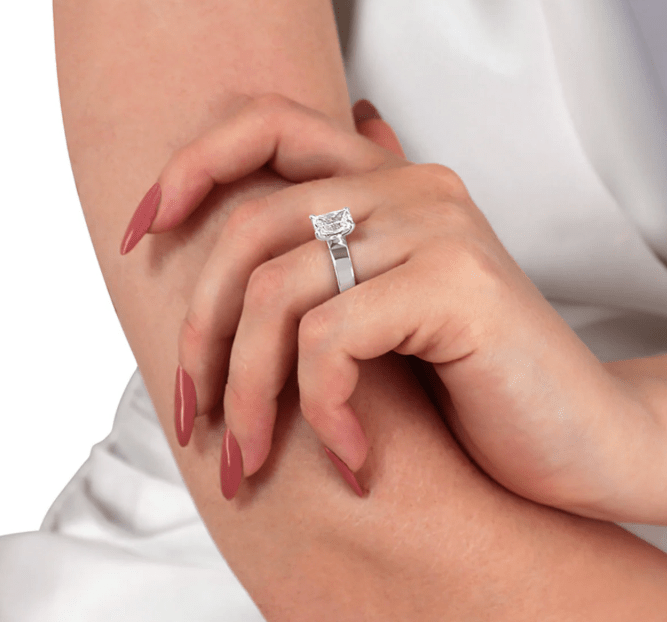
Engagement ring trends rarely change overnight. Instead, they evolve gradually, influenced by fashion, culture and shifting ideas of what luxury looks like. Band width is one of the clearest examples of this evolution. Once treated as a background detail, it has become a defining feature of modern engagement ring design.
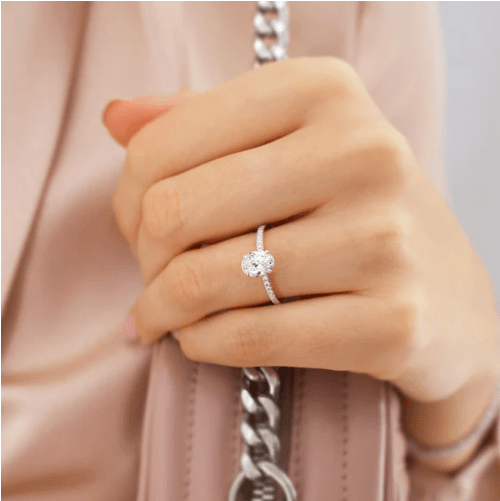
Over the past few years, UK buyers have begun to move away from ultra-thin bands that prioritise delicacy above all else. In their place, a more confident approach to proportion has emerged. This shift is not about excess, but about intention. Rings are expected to feel considered, balanced and wearable, rather than simply light or minimal.
Fashion has played a significant role in this change. As silhouettes across clothing and accessories have grown stronger and more structured, jewellery has followed. Editorials in Vogue UK have charted a broader move towards bold proportion in fashion, from tailoring to accessories. Engagement rings, as deeply personal yet style-led objects, have naturally absorbed this influence.
This does not mean that delicate engagement rings have disappeared. Instead, the conversation has become more nuanced. Buyers are asking how a ring will look on the hand, how it will age and how it aligns with contemporary taste. Band width sits at the centre of all three considerations.
One of the most noticeable shifts is the growing popularity of bands that feel visually present rather than barely there. These bands do not overwhelm the design, but they no longer attempt to disappear beneath the stone. Instead, they create a sense of grounding, allowing the ring to read as a complete object rather than a setting balanced on a fine wire.
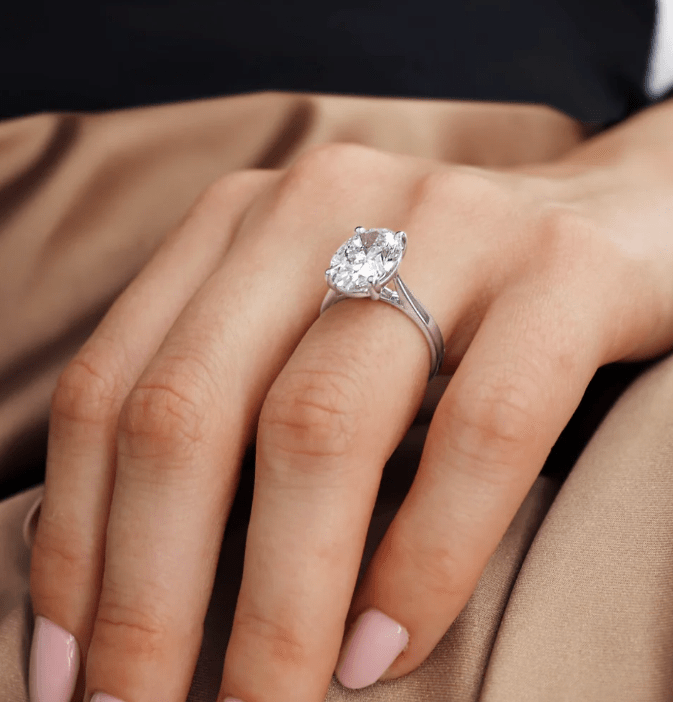
This trend has been particularly pronounced as centre stones have increased in size. With the rise of lab-grown diamonds, larger stones have become more accessible, prompting designers and buyers alike to rethink proportion. A substantial stone paired with an extremely thin band can feel visually unstable. Wider bands respond to this imbalance by restoring harmony.
Coverage in The Telegraph has explored how engagement ring buyers are increasingly conscious of how rings feel in real life, not just how they photograph. Wider bands tend to sit more securely on the finger and feel more reassuring in everyday wear, qualities that matter to modern couples.
At the same time, fashion’s renewed appreciation for statement jewellery has made wider bands feel current rather than unconventional. What once might have been described as “chunky” in a negative sense is now reframed as confident and intentional. This redefinition has been instrumental in changing perceptions around band width.
Editorial features in Harper’s Bazaar UK have highlighted how modern luxury increasingly favours presence over fragility. In engagement rings, this translates into bands that feel solid, sculptural and deliberate, without sacrificing elegance.
Chunkier engagement ring bands are now firmly part of the mainstream conversation. These designs appeal to buyers who want their ring to feel modern and expressive, rather than overly traditional. The band becomes an active design element rather than a passive support.
This shift has also challenged long-held assumptions about femininity in jewellery. Thin bands were once equated with refinement, while wider bands were seen as heavy or masculine. Today, those distinctions feel outdated. Wider bands are celebrated for their clarity of form and their ability to frame the stone with authority.
Cultural commentary in BBC Culture has examined how contemporary luxury is moving away from daintiness towards confidence and authenticity. Engagement rings reflect this change clearly. A wider band signals assurance rather than excess.
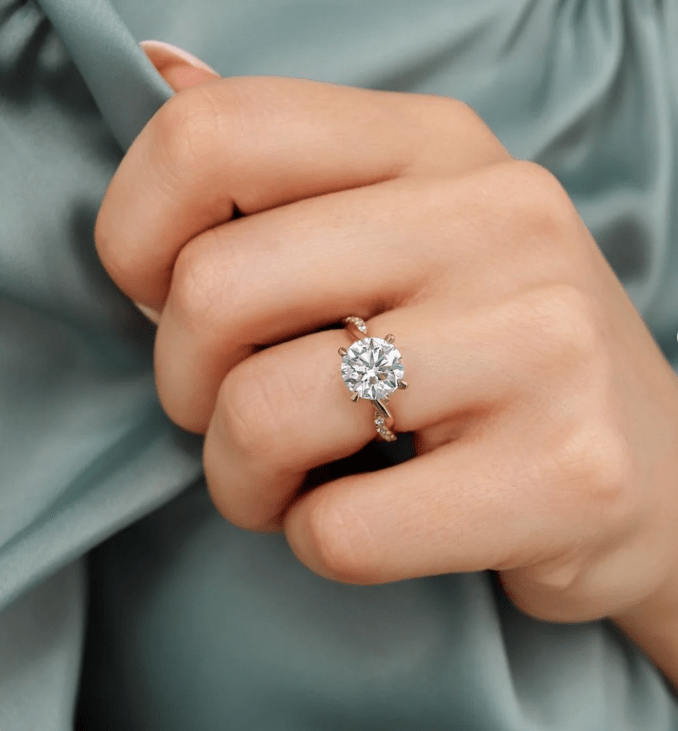
Designers have responded by experimenting with proportions that feel deliberate but not overwhelming. Bands measuring beyond traditional norms are often paired with refined settings, low profiles and clean lines. The result is a ring that feels bold without being brash.
Brands known for modern engagement ring design have embraced this balance. Jewellers such as Lily Arkwright often incorporate wider bands into their collections to create rings that feel current, wearable and future-facing. The emphasis is on proportion rather than novelty.
Another factor driving this trend is the growing awareness of longevity. Engagement rings are no longer viewed as purely symbolic. They are everyday objects, worn through work, travel and routine. Wider bands tend to retain their shape and definition over time, making them appealing to buyers thinking long-term.
This practical consideration does not diminish their aesthetic appeal. On the contrary, many buyers find that wider bands feel more comfortable and less prone to spinning. The ring sits securely, reinforcing the sense that it is part of the wearer’s life rather than something precious to be handled carefully.
The influence of minimalism has also evolved. Early minimalist engagement rings often relied on extreme thinness to communicate simplicity. Today’s minimalism is more considered. It values clean lines, negative space and proportion rather than absence. Wider bands fit naturally into this updated interpretation.
Fashion analysis in The Financial Times – How To Spend It has noted that modern minimalism often involves subtracting ornament while strengthening form. In engagement rings, this principle is expressed through bands that feel sculptural rather than skeletal.
Hand shape and finger size further influence this trend. Many wearers find that slightly wider bands feel more flattering, particularly when edges are softly contoured. The band becomes a frame for the hand rather than a line that disappears against it.
This shift has encouraged buyers to try on designs they may once have dismissed. Rings that look substantial in isolation often feel balanced and elegant when worn. The experience of seeing a wider band on the hand frequently changes perceptions.
The rise of stackable wedding and eternity rings has also influenced band width choices. Engagement rings designed to sit alongside other bands benefit from having enough presence to hold their own. Wider bands create a stronger foundation for future stacking without being overshadowed.
Lab-grown diamonds have played a subtle but important role in normalising these proportions. Buyers choosing lab-grown stones often focus on overall design harmony rather than maximising carat weight alone. This has opened the door to more thoughtful band width choices.
Jewellers such as Lily Arkwright frequently design engagement rings with band widths that complement both the stone and the wearer’s lifestyle, reflecting this more holistic approach to ring design.
Importantly, the move towards wider and chunkier bands does not negate the appeal of elegance. Instead, it redefines it. Elegance becomes about confidence, clarity and cohesion rather than delicacy alone.
As engagement ring trends continue to evolve, band width has emerged as a key expression of modern taste. It reflects how couples see themselves, how they want their ring to feel and how they expect it to age.
Rather than asking what is thinnest or most traditional, buyers are asking what feels right. That question has reshaped engagement ring design in meaningful ways.
Band width is no longer an afterthought. It is a statement — not a loud one, but a deliberate one.
And in today’s engagement rings, that quiet confidence is exactly what feels most current.
 Diamonds are a girls best friend