Tag: FancycoloureddiamondsUK

  • Are Surprise Proposals Becoming Riskier in 2026? How Romance Is Adapting to Modern Relationships

    Are Surprise Proposals Becoming Riskier in 2026? How Romance Is Adapting to Modern Relationships

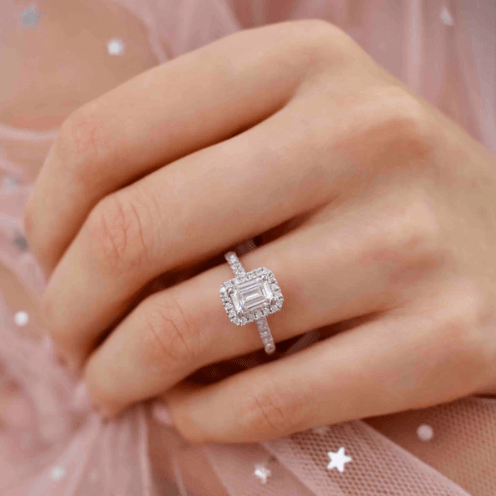
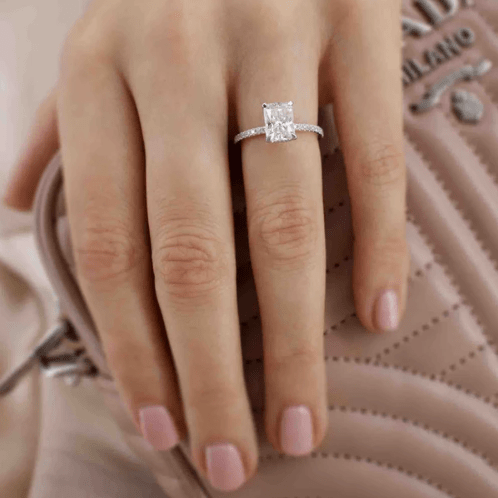
    The surprise proposal has long occupied a privileged place in romantic storytelling. It symbolised devotion, bravery and emotional certainty, often portrayed as the ultimate proof of love. Yet as relationships evolve and expectations shift, the idea of proposing entirely by surprise is being quietly re-evaluated. In 2026, many couples are asking whether surprise proposals still feel romantic, or whether they introduce risks that no longer align with how commitment is understood.

    This reassessment does not signal a decline in romance. Instead, it reflects a deeper transformation in how intimacy, communication and partnership are prioritised. Modern relationships are built on shared understanding rather than assumed roles, and proposals increasingly reflect that change.

    One of the most significant factors influencing this shift is how openly couples now discuss their futures. Marriage is no longer treated as an inevitable next step. It is a choice that sits alongside decisions about careers, finances, location and lifestyle. Research published by the Pew Research Center shows that younger generations are more likely to delay marriage and more likely to discuss long-term plans extensively before becoming engaged.

    In this context, a proposal that arrives without warning can feel less like a romantic gesture and more like an emotional interruption. The expectation to respond immediately, particularly in a public setting, can create pressure rather than joy. What was once framed as spontaneity may now be experienced as misalignment.

    Public conversation around this tension has become increasingly visible. Commentary in The Guardian has explored how surprise proposals can unintentionally place one partner in a vulnerable position, especially when expectations around timing or readiness differ. The concern is not about rejecting romance, but about respecting emotional autonomy.

    As a result, many couples are redefining what surprise means. Rather than surprising someone with the idea of marriage, they surprise them with the moment. The intention is shared in advance, while the setting, timing or specific gesture remains unexpected. This approach preserves excitement while significantly reducing emotional risk.

    This evolution reflects a broader cultural emphasis on consent and emotional intelligence. Just as modern relationships prioritise mutual respect and communication, proposals are increasingly expected to do the same.

    Cultural analysis in BBC Culture has noted that romantic norms evolve alongside social values. Surprise once symbolised confidence and decisiveness. Today, it is often interpreted through the lens of attentiveness. Knowing whether your partner would welcome a surprise is now seen as part of the romance itself.

    Social media has further complicated the picture. Proposals are no longer fleeting private moments. They are often recorded, edited and shared widely, transforming an intimate exchange into a public performance. This visibility raises the stakes considerably.

    Reporting by The New York Times has examined how public displays of intimacy can blur the boundary between genuine emotion and expectation. In the case of surprise proposals, the presence of an audience can make it difficult for the person being proposed to respond honestly if they feel uncertain or overwhelmed.

    The pressure to perform happiness can be intense. Even a moment of hesitation may be interpreted negatively once shared online. This dynamic has led some couples to question whether a fully surprise proposal is fair in a culture where reactions are scrutinised and archived.

    Psychological perspectives add another layer to the conversation. Articles in Psychology Today suggest that unexpected high-stakes events can trigger anxiety rather than excitement, particularly if an individual feels they have limited control over the situation. While surprise can heighten emotion, it can also activate stress responses when the outcome carries significant implications.

    This is especially relevant as emotional wellbeing has become central to modern relationship values. Couples are more mindful of each other’s boundaries and comfort levels, and more cautious about gestures that could cause distress, even unintentionally.

    Practical considerations also influence how proposals are perceived. Engagement now often signals a readiness to address complex realities, including shared finances, housing decisions and long-term planning. These conversations increasingly happen before a proposal rather than after.

    Economic commentary in the Financial Times has highlighted how financial transparency and joint decision-making are becoming defining features of modern partnerships. A proposal that ignores these discussions can feel premature, even if emotionally well intentioned.

    This does not mean proposals have become transactional. It means romance and realism are no longer viewed as opposing forces. Thoughtful romance in 2026 acknowledges both emotional readiness and practical context.

    Generational attitudes reinforce this shift. Surveys reported by YouGov indicate that younger adults place a high value on communication and mutual decision-making in relationships. For many, a proposal is not meant to introduce the idea of marriage, but to affirm something already mutually understood.

    This changing mindset does not eliminate the appeal of surprise. It reframes it. Surprise is welcomed when it aligns with shared expectations, and resisted when it disrupts them.

    Lifestyle and fashion commentary in Vogue UK has observed a growing preference for proposals that feel intimate and personal rather than grand or theatrical. Small, meaningful settings are often favoured over elaborate public displays. This trend reflects a broader desire for authenticity over spectacle.

    The perceived risk of surprise proposals is therefore closely tied to context. In relationships where marriage has been discussed openly and preferences are known, a surprise can feel affirming. In relationships where expectations are unclear, the same gesture can feel destabilising.

    Relationship experts writing in The Atlantic have emphasised that successful proposals tend to mirror the dynamics of the relationship itself. A partnership built on dialogue and collaboration is more likely to thrive with a proposal that reflects those qualities.

    Technology has also changed how couples navigate these moments. Constant communication, shared digital calendars and emotional transparency make it easier to gauge readiness. Ignoring that information in favour of secrecy can feel out of step with how modern relationships function.

    Cultural analysis in The Washington Post has explored how attentiveness has become a core component of modern romance. Knowing when to propose is often seen as more meaningful than the element of surprise itself.

    This does not suggest that surprise proposals are inherently flawed. It suggests they require greater emotional awareness than in the past. The most successful surprise proposals today are those that surprise within a framework of understanding.

    Some couples are also redefining the proposal entirely. Instead of a single dramatic moment, engagement may emerge through a series of conversations, with the proposal serving as a symbolic marker rather than a revelation. This approach aligns with a broader cultural preference for intentional milestones.

    From this perspective, surprise proposals feel riskier only when they rely on outdated assumptions about romance. When surprise is used thoughtfully and respectfully, it can still feel deeply meaningful.

    In 2026, the most romantic proposals are not necessarily the most unexpected. They are the ones that make the recipient feel seen, understood and secure.

    Surprise has not disappeared from modern romance. It has simply been recalibrated.

    And in relationships built on trust and communication, that recalibration represents growth rather than loss.

  • From Canary to Buttercup: How Fancy Yellow Diamonds Are Being Repositioned for a New Luxury Buyer

    From Canary to Buttercup: How Fancy Yellow Diamonds Are Being Repositioned for a New Luxury Buyer

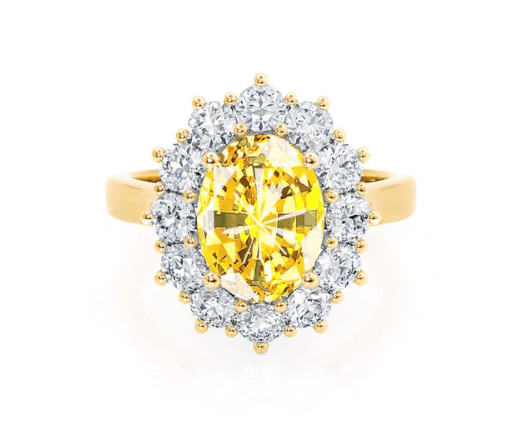
    Fancy yellow diamonds are experiencing a subtle but meaningful shift in how they are presented to consumers. Once marketed almost exclusively through the language of intensity and rarity, they are now framed through mood, lifestyle and emotional resonance. Terms like canary, once dominant, are increasingly sharing space with softer, more evocative descriptors such as buttercup, honey and lemon. This change reflects not just evolving taste, but a deeper transformation in how luxury itself is communicated.

    At the heart of this shift lies the tension between gemmological precision and consumer psychology. Yellow diamonds are among the most technically defined coloured stones in the jewellery world, yet the way they are marketed today is deliberately less technical. This is not an accident. It is a response to how modern buyers engage with colour, identity and self-expression.

    From a gemmological standpoint, fancy yellow diamonds are clearly classified. Educational material from the Gemological Institute of America explains that once a diamond’s colour saturation surpasses the Z grade, it enters the fancy colour scale. From there, it is assessed across recognised categories including Fancy Light, Fancy, Fancy Intense and Fancy Vivid. These grades are based on measurable criteria such as saturation and distribution of colour.

    While these distinctions are essential within the trade, they are not inherently emotive. For most consumers, terms like Fancy Intense do not immediately conjure imagery or feeling. As luxury purchasing becomes more emotionally driven, this gap between technical language and lived experience has grown increasingly apparent.

    Historically, the term canary filled that gap. It became shorthand for bright yellow diamonds, regardless of their precise grading. The word carried connotations of boldness, glamour and visibility. High-profile stones worn by celebrities and featured in auction headlines reinforced the idea that a yellow diamond should be vivid and unmistakable.

    Cultural coverage in outlets such as The New York Times has documented how canary diamonds became synonymous with spectacle, often framed as jewellery designed to be noticed rather than lived with. This association shaped consumer expectations for decades.

    In today’s market, that framing feels increasingly narrow. Canary suggests a singular ideal, leaving little room for subtlety or personal nuance. As engagement rings and fine jewellery become more reflective of individual identity, marketing language has adapted to support choice rather than hierarchy.

    The emergence of descriptors like buttercup signals this change clearly.

    Buttercup does not correspond to a formal gemmological grade. Instead, it functions as an emotional cue. It suggests warmth, softness and approachability. Where canary implies intensity and attention, buttercup implies comfort and ease. This distinction mirrors broader shifts in how luxury is defined.

    Fashion and jewellery analysis in Vogue UK has noted that contemporary luxury increasingly favours colours that feel natural and wearable. Softer yellows are framed as modern and refined rather than diluted. In this context, a buttercup yellow diamond feels intentionally chosen rather than compromised.

    This evolution also reflects changing engagement ring aesthetics. Modern designs often prioritise harmony over contrast. Yellow diamonds with lighter saturation integrate more seamlessly with a range of metals and settings, particularly when paired with warmer tones. Marketing language has followed design direction, emphasising mood over magnitude.

    The expansion of yellow diamond descriptors does not stop at buttercup. Terms such as lemon, honey and sunflower are now common across editorial and retail spaces. Each conveys a distinct emotional tone. Lemon suggests brightness and freshness. Honey implies richness and depth. Sunflower balances vibrancy with warmth.

    These descriptors are not intended to replace formal grading. Instead, they operate alongside it, translating technical attributes into intuitive language. This layered approach reflects a more sophisticated understanding of consumer needs.

    Editorial commentary in The Guardian has explored how modern luxury consumption is driven less by comparison and more by self-alignment. Colour choice, particularly in jewellery, has become a way to articulate personality rather than status. The diversification of yellow diamond language reflects this cultural shift.

    However, this evolution introduces complexity. Without clear reference to gemmological grading, descriptive terms can become ambiguous. A buttercup diamond from one source may differ noticeably from another. Transparency remains essential if emotive language is to build confidence rather than confusion.

    Guidance from the International Gemological Institute stresses the importance of understanding official colour grades alongside marketing descriptors. When positioned clearly as stylistic interpretations, these terms enhance accessibility without undermining trust.

    This balance between storytelling and accuracy is increasingly important. Modern buyers are highly informed. They value emotion, but they also expect clarity. Successful marketing strategies recognise that these priorities are not mutually exclusive.

    The shift in yellow diamond language also mirrors broader cultural trends in colour perception. Bright, highly saturated hues were once associated with confidence and luxury. Today, softer tones are often framed as more refined and contemporary.

    Design analysis in Dezeen has documented a move towards warmer, more organic colour palettes across fashion, interiors and product design. Muted yellows and earthy tones have replaced sharper primaries. Yellow diamond marketing has adapted accordingly.

    Another contributing factor is accessibility. Advances in diamond production, particularly within the lab grown sector, have increased the availability of yellow diamonds across a wider range of shades. With more choice comes a greater need for differentiation. Descriptive language helps consumers navigate this expanded landscape.

    Auction houses have also influenced public understanding. Coverage of yellow diamond sales by platforms such as Christie’s often highlights subtle differences in hue and tone, reinforcing the idea that variation adds character rather than diminishing value.

    Importantly, the diversification of descriptors coincides with a broader shift in how coloured diamonds are positioned. Yellow diamonds are no longer framed as unconventional alternatives. They are presented as confident, intentional choices with their own aesthetic logic.

    Lifestyle reporting in Elle UK has explored how modern jewellery buyers increasingly choose stones that feel emotionally resonant rather than traditionally prestigious. Softer language such as buttercup supports this narrative, making yellow diamonds feel approachable rather than intimidating.

    Economic analysis in The Financial Times has noted that contemporary luxury markets increasingly reward relevance and authenticity. Products that feel personally meaningful often outperform those positioned solely on hierarchy. The evolving language around yellow diamonds reflects this reality.

    From a psychological perspective, naming plays a powerful role. A stone described as buttercup evokes different expectations than one described as canary, even if their technical grades overlap. Language shapes perception, satisfaction and long-term attachment.

    This does not make marketing language inherently misleading. When used responsibly, it enhances understanding by translating complexity into feeling.

    The transition from canary to buttercup therefore represents an expansion of meaning rather than a dilution. It acknowledges that colour preference is not linear. It is personal, contextual and subjective.

    As the jewellery industry continues to evolve, yellow diamond marketing is likely to become even more nuanced. Greater emphasis on undertone, light behaviour and setting context may emerge alongside increasingly refined descriptors.

    What is already clear is that fancy yellow diamonds are no longer marketed as a single statement. They are presented as a spectrum of possibilities.

    From the confident brightness of canary to the gentle warmth of buttercup, yellow diamonds are being repositioned as expressive, adaptable and deeply personal.

    In a luxury landscape defined by confidence rather than comparison, this shift feels not only natural, but necessary.

    Colour is personal. And the way it is described is finally beginning to reflect that.