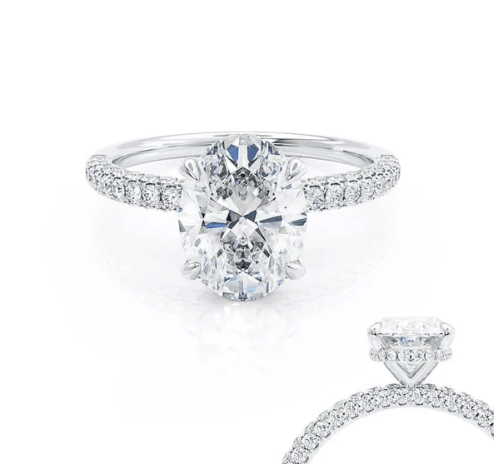
Tag: FancycoloureddiamondsUK

  • Diamonds and Step-Inspired Brilliant Diamond Shapes: Where History, Light and Modern Design Meet

    Diamonds and Step-Inspired Brilliant Diamond Shapes: Where History, Light and Modern Design Meet

    Diamond cutting has always been a reflection of how different eras understand beauty. At various points in history, value has been placed on size, on rarity, on symmetry, or on brilliance. Step-inspired brilliant diamond shapes exist because these priorities have never remained fixed. Instead, they have evolved, overlapped and occasionally collided, producing cuts that balance structure with light in ways that feel especially relevant today.

    To appreciate why these shapes resonate in a modern context, it is essential to understand how diamond cuts developed and why step cuts and brilliant cuts were once seen as opposing ideals.

    In the earliest days of diamond cutting, aesthetics were secondary. Medieval cutters worked with rudimentary tools and focused primarily on preserving as much of the rough stone as possible. Point cuts and simple table cuts followed the natural octahedral shape of the crystal. These early diamonds offered little sparkle, but they were prized for their durability and rarity rather than optical performance.

    As cutting techniques advanced through the Renaissance, symmetry became more achievable. Cutters began to understand that flat surfaces and consistent angles could influence how light interacted with a stone. This marked the beginning of intentional design in diamond cutting and laid the foundation for step cuts.

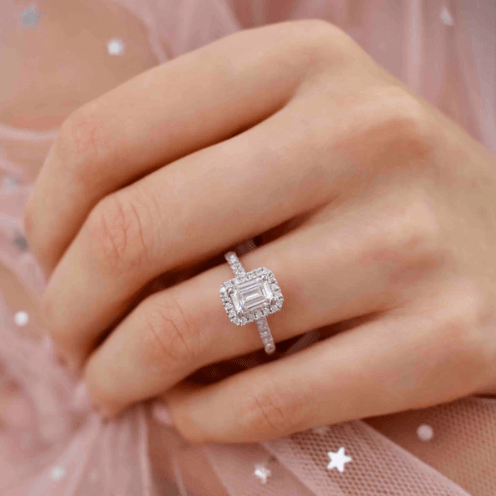
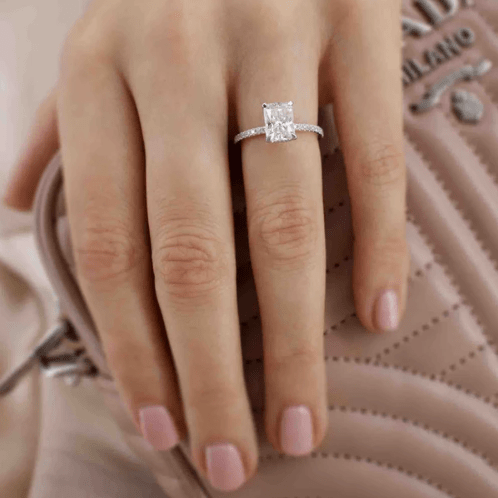
    Step cuts are defined by long, parallel facets arranged in concentric rows. These facets do not aim to scatter light rapidly. Instead, they reflect it in broad, mirror-like flashes that move slowly across the surface. The effect is calm and architectural, drawing the eye into the depth of the stone rather than across its surface.

    Educational material from the Gemological Institute of America explains that step cuts prioritise clarity and colour because their open facets leave little room for visual distraction. Inclusions and tonal nuances are more visible, which historically made these cuts a symbol of confidence and discernment.

    By the eighteenth and nineteenth centuries, step cuts had become closely associated with refinement. Elongated shapes emerged that reflected the architectural tastes of the period, favouring proportion, balance and restraint. The emerald cut became the most recognisable expression of this philosophy, valued for its clean lines and sense of order.

    At the same time, a different approach to beauty was developing. As scientific understanding of optics improved, cutters began experimenting with facet arrangements designed to maximise brilliance. Instead of long parallel planes, brilliant cuts used triangular and kite-shaped facets arranged radially to increase light return.

    This pursuit of sparkle culminated in the refinement of the round brilliant cut in the early twentieth century. Engineered for maximum fire and scintillation, it quickly became the most popular diamond cut in the world. Its energetic light performance contrasted sharply with the measured reflections of step cuts.

    For much of the twentieth century, these two cutting styles were framed as aesthetic opposites. Step cuts were described as elegant, intellectual and understated. Brilliant cuts were described as romantic, emotional and expressive. Buyers were often encouraged to see the choice as a binary one.

    Design history, however, tells a more nuanced story.

    During the Art Deco period, rigid distinctions between structure and sparkle began to soften. Designers embraced geometry, symmetry and modernity, but they also wanted visual impact. Diamonds were cut and set to reflect this duality, combining strong outlines with enhanced brilliance.

    Collections examined by the Victoria and Albert Museum show how Art Deco jewellery frequently blended step-based geometry with complex faceting. This era marked one of the earliest moments where step-inspired brilliant concepts began to emerge, even if the terminology did not yet exist.

    As cutting tools became more precise, these hybrid ideas became easier to realise. Laser technology and computer modelling now allow cutters to control angles and proportions with extraordinary accuracy. This precision is essential when working with elongated facets, where even minor asymmetry becomes visible.

    Insight from the International Gemological Institute highlights how modern cutters can now enhance light performance within structured designs, creating diamonds that offer both depth and movement without sacrificing clarity of form.

    This technical progress has reshaped how step-inspired brilliant shapes are perceived. They are no longer viewed as compromises between two ideals. Instead, they are recognised as deliberate design choices that balance restraint with vitality.

    The renewed interest in step cut diamonds reflects this broader shift in taste. These shapes appeal to buyers who appreciate clarity, proportion and history, but who also expect a diamond to feel alive in everyday wear.

    Cultural commentary in Vogue has observed that contemporary jewellery preferences increasingly favour balance over excess. Pieces that feel refined but not austere, expressive but not overwhelming, are particularly sought after. Step-inspired brilliant cuts sit naturally within this aesthetic.

    Modern lifestyles also play a significant role. Jewellery is no longer reserved for formal occasions. Engagement rings, earrings and bracelets are worn daily, often without being removed. Cuts that feel calm and confident rather than overly dramatic align better with this reality.

    Reporting in The Guardian has explored how modern luxury is increasingly defined by longevity and wearability. Pieces that reveal their beauty gradually tend to form stronger emotional bonds than those designed for instant impact.

    Step-inspired brilliant cuts embody this philosophy. Their light performance is slower and more deliberate, creating depth rather than constant scintillation. This measured sparkle feels reassuring and timeless, particularly for those drawn to understated elegance.

    There is also a psychological element to their appeal. Long, parallel facets create visual order and repetition, which many people find calming. When subtle brilliance is layered into this structure, the result feels balanced rather than chaotic.

    Exhibition commentary from institutions such as the Smithsonian National Museum of Asian Art has explored how symmetry and repetition influence aesthetic response. Step-based geometry engages both intellect and emotion, offering beauty that feels stable and considered.

    Historically, step cuts were often associated with formality and ceremonial jewellery. Their restrained reflections suited evening wear and heirloom pieces. Step-inspired brilliant shapes challenge this association by offering adaptability across contexts.

    Lifestyle coverage in Elle has noted that modern jewellery buyers increasingly seek pieces that transition seamlessly between professional, casual and celebratory settings. Diamonds that feel appropriate in all three are particularly valued.

    Individuality is another driving factor. As buyers move away from universal ideals, they gravitate towards cuts that feel distinctive without being unconventional. Step-inspired brilliant shapes occupy this middle ground.

    They are recognisable, yet less ubiquitous than traditional round brilliants. Choosing them often signals intention and design awareness rather than adherence to tradition.

    Economic analysis in the Financial Times has highlighted how modern luxury markets reward discernment. Consumers increasingly value pieces that demonstrate thoughtfulness and longevity rather than trend-driven appeal.

    The historical lineage of step cuts adds another layer of meaning. Their geometry connects modern diamonds to earlier design movements, creating continuity between past and present. When combined with brilliant faceting, this heritage feels reinterpreted rather than nostalgic.

    From an optical perspective, step-inspired brilliant cuts offer a distinct experience of light. Instead of rapid flashes, light moves in broader planes, creating presence and dimension. This quality appeals to those who prefer refinement over exuberance.

    As diamond cutting continues to evolve, the boundary between step and brilliant will likely continue to blur. New designs will explore how geometry and light can coexist in ever more nuanced ways.

    What remains constant is the appeal of balance.

    Step-inspired brilliant diamond shapes are not about choosing between structure and sparkle. They are about understanding how the two can enhance one another.

    They reflect a future-facing approach to jewellery that values clarity, intention and longevity. Diamonds that reveal their beauty through proportion and precision feel particularly suited to modern life.

    In a world defined by considered choices and personal expression, these shapes offer confidence without noise and elegance without rigidity.

    They do not demand attention. They reward it.

    And that quiet assurance is why step-inspired brilliant diamond shapes continue to resonate, not as a passing trend, but as a thoughtful evolution grounded firmly in history.

  • The History and Lore of the Tennis Bracelet: Why a Simple Design Became a Cultural Classic

    The History and Lore of the Tennis Bracelet: Why a Simple Design Became a Cultural Classic

    Few pieces of jewellery have a story as specific, modern and culturally revealing as the tennis bracelet. Its rise was not orchestrated by heritage houses or centuries of tradition, but shaped by an unscripted moment that altered how fine jewellery was perceived. Today, the tennis bracelet represents effortless luxury and everyday confidence, yet its origins are rooted in a time when diamonds were rarely worn without ceremony.

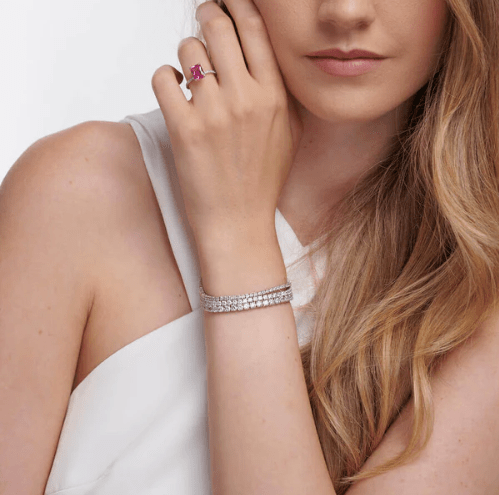
    Before it acquired its now-familiar name, the tennis bracelet existed as a diamond line bracelet. These bracelets were defined by precision rather than drama, featuring a continuous row of evenly matched stones set closely together. They were admired for their symmetry and craftsmanship, but largely associated with formalwear and special occasions.

    For much of the twentieth century, fine jewellery followed clear rules. Diamonds were worn carefully, often reserved for evenings, events or environments where movement was minimal. The idea of wearing a diamond bracelet during physical activity would have seemed impractical, if not reckless.

    That assumption was challenged in 1987 at the US Open.

    During a televised match, tennis champion Chris Evert noticed that the diamond bracelet she was wearing had unclasped and fallen onto the court. She asked officials to stop play while it was recovered. The pause became a widely reported moment, covered by publications including The New York Times, and it immediately captured public attention.

    What resonated was not just the interruption of a major sporting event, but the symbolism behind it. A woman had worn diamonds while competing at the highest level of professional sport. The bracelet was not decorative in the traditional sense. It was part of her presence, her movement and her identity.

    Almost overnight, the diamond line bracelet became known as the tennis bracelet. The name did not originate from a design studio or marketing campaign. It emerged organically through media repetition and public fascination. That authenticity remains central to its enduring appeal.

    Fashion historians writing for Vogue have described the moment as a cultural shift rather than a trend. Jewellery was no longer something that required protection from real life. It could exist within it.

    The tennis bracelet quickly came to symbolise a new approach to luxury. It was elegant, but not precious in the traditional sense. It could be worn without constant awareness, signalling confidence rather than caution.

    Throughout the late 1980s and 1990s, the tennis bracelet gained momentum as women embraced jewellery that reflected autonomy and ease. Its design allowed it to move fluidly with the body, reinforcing the idea that luxury could be lived in rather than preserved.

    Editorial features in Harper’s Bazaar have noted that the tennis bracelet’s appeal lay in its restraint. It did not announce itself loudly, yet it was unmistakably refined. That balance made it adaptable across generations and styles.

    The bracelet’s simplicity also protected it from rapid trend cycles. While statement jewellery surged and receded, the tennis bracelet remained consistent. Its clean line and repetition of stones created a rhythm that felt timeless rather than fashionable.

    Technical developments supported this evolution. Early line bracelets were often fragile, with basic clasps and limited flexibility. As the tennis bracelet became associated with everyday wear, construction methods improved significantly.

    Industry insight from the Gemological Institute of America has highlighted how advancements in setting techniques and clasp security allowed continuous diamond bracelets to become genuinely wearable. These improvements transformed the tennis bracelet from a formal accessory into a reliable everyday piece.

    By the early 2000s, the tennis bracelet had become a staple rather than a novelty. It was worn across age groups and contexts, from professional environments to casual settings. Its versatility became its defining feature.

    Cultural commentary in The Guardian has explored how modern luxury increasingly values function alongside beauty. Pieces that adapt to daily life tend to endure far longer than those tied to rigid formality. The tennis bracelet exemplifies this shift.

    The symbolism of the tennis bracelet has also broadened. Its uninterrupted line of stones is often interpreted as representing continuity, balance and longevity. Unlike engagement rings, which carry specific romantic meaning, the tennis bracelet offers interpretive freedom.

    This openness has made it a popular choice for self-purchase and personal milestones. It can mark achievement, independence or transition without requiring explanation. That flexibility resonates strongly with contemporary buyers.

    Editorial coverage in Elle has highlighted how modern consumers increasingly gravitate towards jewellery that feels personal rather than ceremonial. The tennis bracelet fits this preference, offering elegance without narrative constraint.

    Styling trends have further reinforced its relevance. As fashion has embraced layering and mixing styles, the tennis bracelet has become a natural anchor. It pairs seamlessly with watches, bangles and cuffs, adapting to both minimal and expressive looks.

    Design commentary in Dezeen has noted that minimalist forms often provide the most enduring foundation for self-expression. The tennis bracelet’s linear design allows it to integrate effortlessly into evolving wardrobes.

    Popular culture continues to support its longevity. Celebrities are frequently photographed wearing tennis bracelets outside formal contexts, reinforcing the idea that diamonds belong in everyday life rather than reserved moments.

    Coverage in Vanity Fair has observed that modern style icons favour jewellery that feels natural rather than performative. The tennis bracelet aligns with this sensibility, offering quiet refinement rather than spectacle.

    Another factor in its endurance is accessibility. While traditionally associated with diamonds, the tennis bracelet design has been interpreted across materials and formats, allowing wider engagement with the form while preserving its essence.

    Economic analysis in the Financial Times has explored how luxury categories that balance aspiration with wearability tend to remain resilient. The tennis bracelet’s adaptability has allowed it to remain relevant across changing economic and cultural landscapes.

    Despite decades of evolution, the tennis bracelet has never strayed far from its original appeal. It is defined by balance. It enhances without overpowering. It moves easily between contexts without losing its identity.

    In a jewellery world often driven by extremes, the tennis bracelet offers reassurance. Its design does not demand attention, yet it rewards close appreciation. That quiet confidence is precisely what has kept it relevant.

    As we look to the future, the tennis bracelet continues to feel aligned with modern values. It represents luxury that moves, beauty that adapts and design that respects real life.

    What began as an accidental moment on a tennis court has become a lasting symbol of how jewellery can evolve alongside culture.

    The tennis bracelet is no longer just a design. It is a philosophy of wearability, continuity and self-assured style.

    And that is why its story continues to resonate.

  • Are Surprise Proposals Becoming Riskier in 2026? How Romance Is Adapting to Modern Relationships

    Are Surprise Proposals Becoming Riskier in 2026? How Romance Is Adapting to Modern Relationships

    The surprise proposal has long occupied a privileged place in romantic storytelling. It symbolised devotion, bravery and emotional certainty, often portrayed as the ultimate proof of love. Yet as relationships evolve and expectations shift, the idea of proposing entirely by surprise is being quietly re-evaluated. In 2026, many couples are asking whether surprise proposals still feel romantic, or whether they introduce risks that no longer align with how commitment is understood.

    This reassessment does not signal a decline in romance. Instead, it reflects a deeper transformation in how intimacy, communication and partnership are prioritised. Modern relationships are built on shared understanding rather than assumed roles, and proposals increasingly reflect that change.

    One of the most significant factors influencing this shift is how openly couples now discuss their futures. Marriage is no longer treated as an inevitable next step. It is a choice that sits alongside decisions about careers, finances, location and lifestyle. Research published by the Pew Research Center shows that younger generations are more likely to delay marriage and more likely to discuss long-term plans extensively before becoming engaged.

    In this context, a proposal that arrives without warning can feel less like a romantic gesture and more like an emotional interruption. The expectation to respond immediately, particularly in a public setting, can create pressure rather than joy. What was once framed as spontaneity may now be experienced as misalignment.

    Public conversation around this tension has become increasingly visible. Commentary in The Guardian has explored how surprise proposals can unintentionally place one partner in a vulnerable position, especially when expectations around timing or readiness differ. The concern is not about rejecting romance, but about respecting emotional autonomy.

    As a result, many couples are redefining what surprise means. Rather than surprising someone with the idea of marriage, they surprise them with the moment. The intention is shared in advance, while the setting, timing or specific gesture remains unexpected. This approach preserves excitement while significantly reducing emotional risk.

    This evolution reflects a broader cultural emphasis on consent and emotional intelligence. Just as modern relationships prioritise mutual respect and communication, proposals are increasingly expected to do the same.

    Cultural analysis in BBC Culture has noted that romantic norms evolve alongside social values. Surprise once symbolised confidence and decisiveness. Today, it is often interpreted through the lens of attentiveness. Knowing whether your partner would welcome a surprise is now seen as part of the romance itself.

    Social media has further complicated the picture. Proposals are no longer fleeting private moments. They are often recorded, edited and shared widely, transforming an intimate exchange into a public performance. This visibility raises the stakes considerably.

    Reporting by The New York Times has examined how public displays of intimacy can blur the boundary between genuine emotion and expectation. In the case of surprise proposals, the presence of an audience can make it difficult for the person being proposed to respond honestly if they feel uncertain or overwhelmed.

    The pressure to perform happiness can be intense. Even a moment of hesitation may be interpreted negatively once shared online. This dynamic has led some couples to question whether a fully surprise proposal is fair in a culture where reactions are scrutinised and archived.

    Psychological perspectives add another layer to the conversation. Articles in Psychology Today suggest that unexpected high-stakes events can trigger anxiety rather than excitement, particularly if an individual feels they have limited control over the situation. While surprise can heighten emotion, it can also activate stress responses when the outcome carries significant implications.

    This is especially relevant as emotional wellbeing has become central to modern relationship values. Couples are more mindful of each other’s boundaries and comfort levels, and more cautious about gestures that could cause distress, even unintentionally.

    Practical considerations also influence how proposals are perceived. Engagement now often signals a readiness to address complex realities, including shared finances, housing decisions and long-term planning. These conversations increasingly happen before a proposal rather than after.

    Economic commentary in the Financial Times has highlighted how financial transparency and joint decision-making are becoming defining features of modern partnerships. A proposal that ignores these discussions can feel premature, even if emotionally well intentioned.

    This does not mean proposals have become transactional. It means romance and realism are no longer viewed as opposing forces. Thoughtful romance in 2026 acknowledges both emotional readiness and practical context.

    Generational attitudes reinforce this shift. Surveys reported by YouGov indicate that younger adults place a high value on communication and mutual decision-making in relationships. For many, a proposal is not meant to introduce the idea of marriage, but to affirm something already mutually understood.

    This changing mindset does not eliminate the appeal of surprise. It reframes it. Surprise is welcomed when it aligns with shared expectations, and resisted when it disrupts them.

    Lifestyle and fashion commentary in Vogue UK has observed a growing preference for proposals that feel intimate and personal rather than grand or theatrical. Small, meaningful settings are often favoured over elaborate public displays. This trend reflects a broader desire for authenticity over spectacle.

    The perceived risk of surprise proposals is therefore closely tied to context. In relationships where marriage has been discussed openly and preferences are known, a surprise can feel affirming. In relationships where expectations are unclear, the same gesture can feel destabilising.

    Relationship experts writing in The Atlantic have emphasised that successful proposals tend to mirror the dynamics of the relationship itself. A partnership built on dialogue and collaboration is more likely to thrive with a proposal that reflects those qualities.

    Technology has also changed how couples navigate these moments. Constant communication, shared digital calendars and emotional transparency make it easier to gauge readiness. Ignoring that information in favour of secrecy can feel out of step with how modern relationships function.

    Cultural analysis in The Washington Post has explored how attentiveness has become a core component of modern romance. Knowing when to propose is often seen as more meaningful than the element of surprise itself.

    This does not suggest that surprise proposals are inherently flawed. It suggests they require greater emotional awareness than in the past. The most successful surprise proposals today are those that surprise within a framework of understanding.

    Some couples are also redefining the proposal entirely. Instead of a single dramatic moment, engagement may emerge through a series of conversations, with the proposal serving as a symbolic marker rather than a revelation. This approach aligns with a broader cultural preference for intentional milestones.

    From this perspective, surprise proposals feel riskier only when they rely on outdated assumptions about romance. When surprise is used thoughtfully and respectfully, it can still feel deeply meaningful.

    In 2026, the most romantic proposals are not necessarily the most unexpected. They are the ones that make the recipient feel seen, understood and secure.

    Surprise has not disappeared from modern romance. It has simply been recalibrated.

    And in relationships built on trust and communication, that recalibration represents growth rather than loss.

  • From Canary to Buttercup: How Fancy Yellow Diamonds Are Being Repositioned for a New Luxury Buyer

    From Canary to Buttercup: How Fancy Yellow Diamonds Are Being Repositioned for a New Luxury Buyer

    Fancy yellow diamonds are experiencing a subtle but meaningful shift in how they are presented to consumers. Once marketed almost exclusively through the language of intensity and rarity, they are now framed through mood, lifestyle and emotional resonance. Terms like canary, once dominant, are increasingly sharing space with softer, more evocative descriptors such as buttercup, honey and lemon. This change reflects not just evolving taste, but a deeper transformation in how luxury itself is communicated.

    At the heart of this shift lies the tension between gemmological precision and consumer psychology. Yellow diamonds are among the most technically defined coloured stones in the jewellery world, yet the way they are marketed today is deliberately less technical. This is not an accident. It is a response to how modern buyers engage with colour, identity and self-expression.

    From a gemmological standpoint, fancy yellow diamonds are clearly classified. Educational material from the Gemological Institute of America explains that once a diamond’s colour saturation surpasses the Z grade, it enters the fancy colour scale. From there, it is assessed across recognised categories including Fancy Light, Fancy, Fancy Intense and Fancy Vivid. These grades are based on measurable criteria such as saturation and distribution of colour.

    While these distinctions are essential within the trade, they are not inherently emotive. For most consumers, terms like Fancy Intense do not immediately conjure imagery or feeling. As luxury purchasing becomes more emotionally driven, this gap between technical language and lived experience has grown increasingly apparent.

    Historically, the term canary filled that gap. It became shorthand for bright yellow diamonds, regardless of their precise grading. The word carried connotations of boldness, glamour and visibility. High-profile stones worn by celebrities and featured in auction headlines reinforced the idea that a yellow diamond should be vivid and unmistakable.

    Cultural coverage in outlets such as The New York Times has documented how canary diamonds became synonymous with spectacle, often framed as jewellery designed to be noticed rather than lived with. This association shaped consumer expectations for decades.

    In today’s market, that framing feels increasingly narrow. Canary suggests a singular ideal, leaving little room for subtlety or personal nuance. As engagement rings and fine jewellery become more reflective of individual identity, marketing language has adapted to support choice rather than hierarchy.

    The emergence of descriptors like buttercup signals this change clearly.

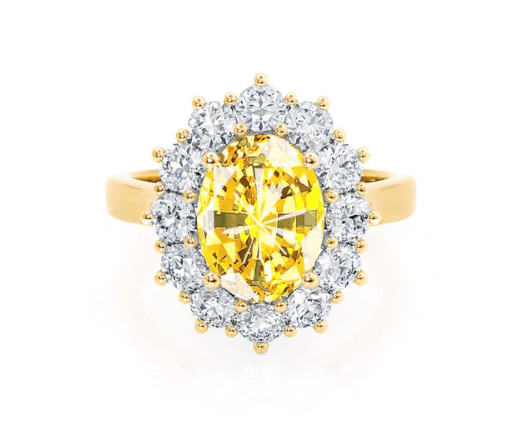
    Buttercup does not correspond to a formal gemmological grade. Instead, it functions as an emotional cue. It suggests warmth, softness and approachability. Where canary implies intensity and attention, buttercup implies comfort and ease. This distinction mirrors broader shifts in how luxury is defined.

    Fashion and jewellery analysis in Vogue UK has noted that contemporary luxury increasingly favours colours that feel natural and wearable. Softer yellows are framed as modern and refined rather than diluted. In this context, a buttercup yellow diamond feels intentionally chosen rather than compromised.

    This evolution also reflects changing engagement ring aesthetics. Modern designs often prioritise harmony over contrast. Yellow diamonds with lighter saturation integrate more seamlessly with a range of metals and settings, particularly when paired with warmer tones. Marketing language has followed design direction, emphasising mood over magnitude.

    The expansion of yellow diamond descriptors does not stop at buttercup. Terms such as lemon, honey and sunflower are now common across editorial and retail spaces. Each conveys a distinct emotional tone. Lemon suggests brightness and freshness. Honey implies richness and depth. Sunflower balances vibrancy with warmth.

    These descriptors are not intended to replace formal grading. Instead, they operate alongside it, translating technical attributes into intuitive language. This layered approach reflects a more sophisticated understanding of consumer needs.

    Editorial commentary in The Guardian has explored how modern luxury consumption is driven less by comparison and more by self-alignment. Colour choice, particularly in jewellery, has become a way to articulate personality rather than status. The diversification of yellow diamond language reflects this cultural shift.

    However, this evolution introduces complexity. Without clear reference to gemmological grading, descriptive terms can become ambiguous. A buttercup diamond from one source may differ noticeably from another. Transparency remains essential if emotive language is to build confidence rather than confusion.

    Guidance from the International Gemological Institute stresses the importance of understanding official colour grades alongside marketing descriptors. When positioned clearly as stylistic interpretations, these terms enhance accessibility without undermining trust.

    This balance between storytelling and accuracy is increasingly important. Modern buyers are highly informed. They value emotion, but they also expect clarity. Successful marketing strategies recognise that these priorities are not mutually exclusive.

    The shift in yellow diamond language also mirrors broader cultural trends in colour perception. Bright, highly saturated hues were once associated with confidence and luxury. Today, softer tones are often framed as more refined and contemporary.

    Design analysis in Dezeen has documented a move towards warmer, more organic colour palettes across fashion, interiors and product design. Muted yellows and earthy tones have replaced sharper primaries. Yellow diamond marketing has adapted accordingly.

    Another contributing factor is accessibility. Advances in diamond production, particularly within the lab grown sector, have increased the availability of yellow diamonds across a wider range of shades. With more choice comes a greater need for differentiation. Descriptive language helps consumers navigate this expanded landscape.

    Auction houses have also influenced public understanding. Coverage of yellow diamond sales by platforms such as Christie’s often highlights subtle differences in hue and tone, reinforcing the idea that variation adds character rather than diminishing value.

    Importantly, the diversification of descriptors coincides with a broader shift in how coloured diamonds are positioned. Yellow diamonds are no longer framed as unconventional alternatives. They are presented as confident, intentional choices with their own aesthetic logic.

    Lifestyle reporting in Elle UK has explored how modern jewellery buyers increasingly choose stones that feel emotionally resonant rather than traditionally prestigious. Softer language such as buttercup supports this narrative, making yellow diamonds feel approachable rather than intimidating.

    Economic analysis in The Financial Times has noted that contemporary luxury markets increasingly reward relevance and authenticity. Products that feel personally meaningful often outperform those positioned solely on hierarchy. The evolving language around yellow diamonds reflects this reality.

    From a psychological perspective, naming plays a powerful role. A stone described as buttercup evokes different expectations than one described as canary, even if their technical grades overlap. Language shapes perception, satisfaction and long-term attachment.

    This does not make marketing language inherently misleading. When used responsibly, it enhances understanding by translating complexity into feeling.

    The transition from canary to buttercup therefore represents an expansion of meaning rather than a dilution. It acknowledges that colour preference is not linear. It is personal, contextual and subjective.

    As the jewellery industry continues to evolve, yellow diamond marketing is likely to become even more nuanced. Greater emphasis on undertone, light behaviour and setting context may emerge alongside increasingly refined descriptors.

    What is already clear is that fancy yellow diamonds are no longer marketed as a single statement. They are presented as a spectrum of possibilities.

    From the confident brightness of canary to the gentle warmth of buttercup, yellow diamonds are being repositioned as expressive, adaptable and deeply personal.

    In a luxury landscape defined by confidence rather than comparison, this shift feels not only natural, but necessary.

    Colour is personal. And the way it is described is finally beginning to reflect that.