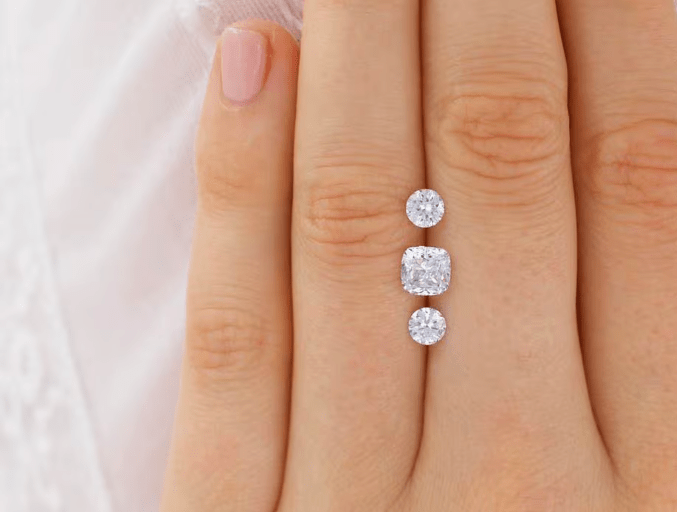
For more than a century, the engagement ring has reflected far more than personal taste. It has mirrored cultural expectations, economic shifts, social trends and changing attitudes toward love and partnership. In 2026, one question continues to dominate search trends, bridal forums and lifestyle reporting: are engagement rings still getting bigger?
The answer is both simple and nuanced. Yes, British couples are increasingly choosing larger centre stones than previous generations. But the reasons behind this shift are far more layered than pure aesthetics. Influences ranging from celebrity culture to accessible luxury alternatives, social media visibility and evolving values around individuality all play significant roles.
This report brings together style analysis, cultural commentary and the latest insights from high authority lifestyle publications such as Vogue UK, BBC News, The Guardian and Financial Times. Together, they reveal one of the most significant shifts in modern British romance.
The Rise of the Larger Stone: A Social and Cultural Analysis
In the late twentieth century, the typical British engagement ring centred around a diamond measuring between 0.50 and 1.00 carat. Today, British jewellers report a growing interest in stones between 1.50 and 2.50 carats, with some couples opting for even larger looks. But the reasons behind this trend are shaped by a different set of cultural forces.
The visibility of engagement rings has grown dramatically over the past decade. Social media has become a digital stage where engagements are celebrated publicly, and ring close ups form part of the announcement ritual. As Cosmopolitan UK observed, the desire for a ring that photographs beautifully is now a major factor in buying decisions. Larger stones tend to provide stronger presence in images, catching light more dramatically and creating recognisable silhouettes.
Celebrities are also shaping the conversation. Oversized rings belonging to figures like Hailey Bieber, Sofia Richie Grainge and Nicola Peltz Beckham circulate widely on platforms such as Instagram and TikTok. The New York Times notes that celebrity influence has accelerated global interest in stones over three carats, even if buyers do not purchase stones of equal size. The aspiration itself has shifted upward, and mid range carat sizes have been lifted in response.
The Role of Technology and Modern Gemstone Options
Perhaps the most transformative factor in carat expectations is the rise of alternative diamond options. Modern couples are no longer limited to traditionally mined diamonds, which carry high pricing that escalates quickly with carat weight. The emergence of laboratory grown diamonds and advanced gemstone alternatives has dramatically widened what is possible at accessible price points.
Laboratory grown diamonds, which share the same chemical and physical properties as mined diamonds, have become widely accepted in the UK. As BBC Business reports, price reductions of up to 70 per cent compared with mined stones have allowed couples to afford larger diamonds without compromising clarity, colour or quality. This change has normalised the idea that a two carat stone is no longer a luxury reserved for the few.
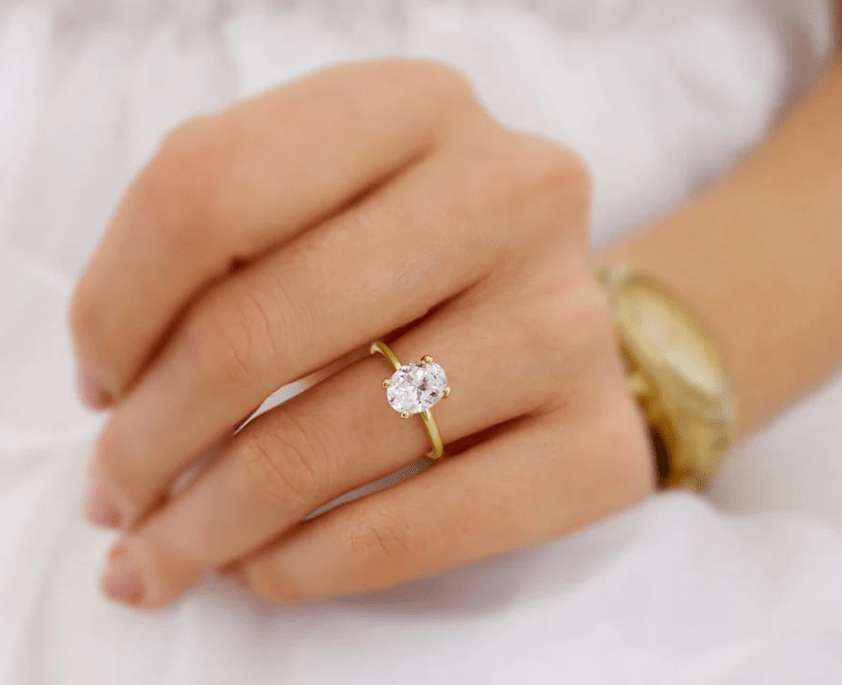
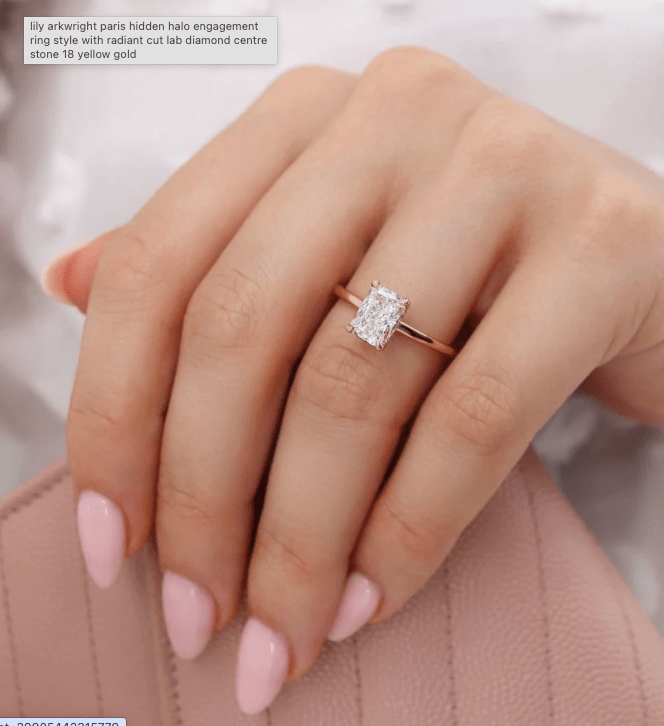
The trend towards more visible carat weights is also supported by a growing appreciation for oval, pear and elongated emerald cuts. These shapes maximise finger coverage and give the illusion of greater size per carat. The Guardian Lifestyle notes that British couples increasingly prioritise presence and proportion over strict carat metrics.
Does Bigger Really Mean Better? Understanding the Shift in Values
While it is clear that average ring size is increasing, the idea that bigger is automatically better is not universally accepted. Many British buyers are rejecting outdated traditions such as the three month salary rule, favouring instead a balanced approach that reflects personal style and ethical values.
As Financial Times highlighted in a recent feature on modern luxury consumption, young couples prioritise meaningful design and craftsmanship rather than prestige for prestige’s sake. A well cut stone that performs beautifully in different lighting conditions often holds more significance than a larger but poorly proportioned diamond.
The rise of understated luxury influences also shapes the debate. The quiet luxury movement, made widely visible by cultural moments discussed in Vogue UK, has encouraged a move towards refined, soft spoken design rather than overt extravagance. Many buyers want a stone that feels generous but not ostentatious, striking a balance between elegance and subtlety.
The Psychology of Perceived Size
Carat weight is only one factor in how large a diamond appears. The psychology of size perception is complex and influenced by visual cues. The apparent size of an engagement ring can change dramatically based on:
- Stone shape
- Proportions and cut angles
- Setting style
- Finger shape and width
- Metal colour
For example, elongated shapes such as oval, marquise and emerald cuts appear significantly larger per carat than round stones. A one carat oval can mimic the finger coverage of a 1.3 or 1.4 carat round. This has contributed to the oval cut’s remarkable rise in the UK, a trend highlighted frequently in Cosmopolitan UK and refined in numerous celebrity engagements.
Halo settings and thin bands also enhance perceived size. As Vogue UK notes in its engagement ring forecasts, micro pavé bands and delicate solitaire silhouettes amplify sparkle and visibility.
Economic Realities Behind Growing Carat Expectations
While social media influence and gemstone alternatives explain much of the upward shift, economics plays a surprisingly important role. Engagement rings have become one of the few major luxury purchases that couples make collaboratively, often splitting the cost or choosing rings together. This shared investment allows for greater carat flexibility.
At the same time, shifting financial priorities among millennials and Gen Z, such as delayed home ownership and reduced emphasis on traditional milestones, create more space in budgets for meaningful personal purchases. The New York Times observes that many couples channel savings from postponed events into high impact pieces such as engagement rings.
Furthermore, the British market has shown increased interest in heirloom quality jewellery that holds long term emotional value. Larger diamonds are often viewed as future heirlooms, intended to be passed down through families or reimagined in new designs.
Changing Engagement Rituals and the Meaning of Carat Weight
The symbolism of the engagement ring continues to evolve in 2026. The modern British couple often sees the ring not only as a representation of love but also as a marker of shared taste, values and identity. As partnerships become increasingly egalitarian, there is a shift away from rigid traditions and an openness to self expression.
Carat weight has therefore become less of a social expectation and more of a stylistic choice. A larger centre stone is seen not as a show of wealth but as a celebration of maximalist design, personal flair or visual preference. Meanwhile, minimalist couples may choose a smaller stone intentionally, favouring quiet luxury over visual impact.
These diverging approaches demonstrate a key insight: carat weight is no longer a measure of commitment but of creativity.
The Future of Carat Trends in the UK
Based on reporting from BBC News and consumer data referenced by The Guardian, the upward movement in average carat sizes is expected to continue gradually over the next five years. This growth will likely remain moderate rather than extreme, with the 1.50 to 2.00 carat range becoming increasingly standard for many British couples.
This shift is driven by a combination of accessible diamond alternatives, visual culture, celebrity engagement trends and a new approach to luxury that prioritises emotional significance over outdated financial rules.
But even with these influences, one truth remains constant: the perfect engagement ring is not the one that matches a number but the one that captures a story.
 Diamonds are a girls best friend