Tag: engagementring

  • Why More British Women Are Designing Their Own Engagement Rings in 2026

    Why More British Women Are Designing Their Own Engagement Rings in 2026

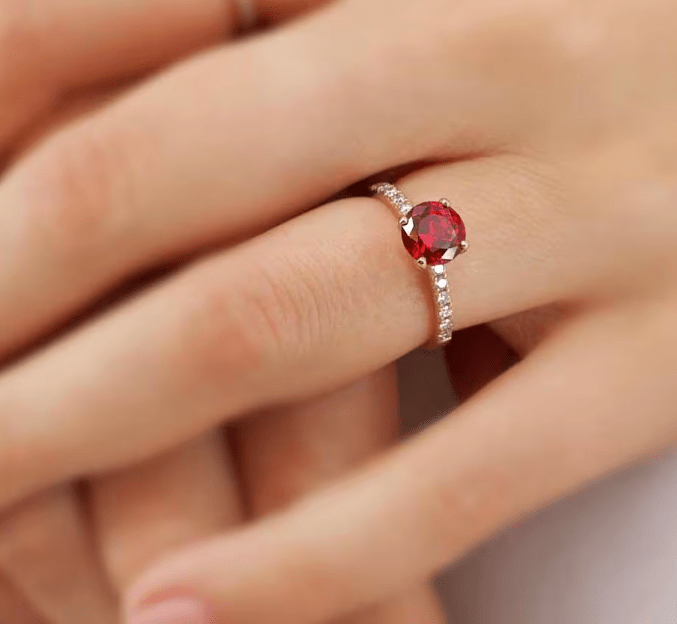
    The engagement ring has always been a deeply symbolic object in Britain. It has marked intention, commitment and a shared future, and for generations it has been chosen in secrecy, slipped into a velvet box and presented in a moment of cinematic anticipation. Yet in 2026, that script is evolving. Across the UK, a growing number of British women are taking creative control of their engagement rings, working alongside partners or independently to design pieces that reflect their identities, values and aesthetic preferences.

    This shift is not happening quietly. Cultural commentators, trend forecasters and jewellery historians have all noted its rise, describing it as part of a wider movement in which women are reclaiming authorship of the symbols that define their relationships. As Vogue UK recently observed, modern engagement rings are becoming “collaborative declarations rather than surprises”, shaped by personal expression and craftsmanship rather than tradition alone.

    At its core, this movement reflects a desire for individuality, agency and emotional authenticity. It is both a response to changing social dynamics and an embrace of creativity. To understand why more British women are designing their own engagement rings in 2026, we must look at the historical evolution of engagement traditions, contemporary cultural influences, the growth of digital design tools and the shifting definitions of romance itself.

    A Brief History of Engagement Ring Tradition

    For most of British history, engagement rings followed a fairly predictable pattern. Rings were selected by men, sometimes with the help of a jeweller or family member, and presented to their partners as a symbolic offering. This model derives from Victorian customs where diamond rings were positioned as tokens of commitment, influenced heavily by early advertising and social norms.

    By the mid twentieth century, diamond engagement rings had become near universal in Britain. The ring was meant to surprise, and the proposal moment became a cultural script performed in countless films and novels. Yet, as The Guardian has noted, this tradition was never as fixed as it seemed. Many women throughout history voiced preferences or gave subtle hints, but the moment of agency remained limited.

    In the last two decades, expectations have shifted dramatically. The rise of gender equality, shared financial decision making and the increasing importance of design individuality have transformed the engagement ring from a unilateral gesture into a collaborative expression. This evolution mirrors broader cultural changes in relationships, where equality and partnership shape both emotional and financial choices.

    The Rise of Personalisation in Modern Luxury

    One of the clearest drivers behind this trend is the rise of personalisation. Across fashion, interiors and jewellery, consumers are rejecting mass produced designs in favour of pieces that carry personal meaning. Luxury is no longer defined solely by price or rarity but by emotional resonance and individuality.

    This aligns with broader cultural shifts seen in British lifestyle trends. The popularity of custom fashion, bespoke fragrances and personalised home décor reflects a desire for objects that fit naturally into a person’s identity rather than forcing the wearer to adapt to a pre existing idea of beauty. Engagement rings are experiencing the same transformation.

    As Cosmopolitan UK recently highlighted, bespoke engagement ring design has surged among millennial and Gen Z women who want heirlooms that tell personal stories. The publication noted that more women now bring mood boards to consultations, complete with gemstone preferences, style inspirations and historical references.

    These boards often blend influences from vintage jewellery, contemporary minimalism, celestial motifs or heritage romance, resulting in rings that reflect both personal stories and modern aesthetics. The trend echoes the wider British cultural emphasis on individual voice and self expression.

    Digital Design Tools and the Democratization of Jewellery Creation

    The rise of digital design platforms has also played a major role in empowering British women to design their own engagement rings. Sophisticated online tools enable users to experiment with shapes, metals, gemstones and settings with surprising accuracy, offering a level of creative freedom previously available only to professional designers.

    This emergence of accessible technology mirrors developments across the creative industries, where digital tools have democratised photography, illustration, fashion design and interior planning. Jewellery has joined this transformation, allowing women to visualise their ideas, adjust proportions and explore styles long before visiting a jeweller.

    As BBC Technology has reported, digital creativity has become central to modern consumer behaviour, especially among younger buyers. This aligns perfectly with the bespoke engagement ring movement, where design autonomy is both empowering and practical.

    For many women, these tools remove the anxiety of being surprised with a ring that does not feel like them. They also enable couples to collaborate, building designs that reflect both partners’ tastes and shared values. The ring becomes an artistic expression rather than a traditional obligation.

    A Reaction Against Outdated Engagement Stereotypes

    Part of the appeal of designing one’s own engagement ring lies in rejecting outdated stereotypes surrounding romance and relationships. The cultural expectation that women should be “surprised” by a ring they will wear for the rest of their lives has become increasingly incompatible with modern gender dynamics.

    The traditional script also reinforced assumptions about who should make financial decisions and who should define the meaning of an engagement. In contrast, today’s British couples take pride in building their relationships as equal participants, including when selecting the most symbolic piece of jewellery they will own.

    As The Financial Times recently discussed, modern couples are re negotiations of roles and expectations around proposals in a way that emphasises fairness and shared experience. Designing the ring together has become part of that shift. Many women report feeling that the act of co creating the ring felt more intimate and meaningful than being surprised with one.

    This phenomenon also intersects with broader feminist cultural movements in Britain, where autonomy, personal expression and creative control are valued as essential components of modern womanhood.

    The Influence of Celebrity Culture and Public Figures

    Celebrity culture continues to shape engagement ring trends, and the rise of bespoke design reflects this influence. High profile figures including royals, actors and musicians increasingly choose custom pieces that reflect their personal stories or heritage.

    Public interest in rings worn by prominent figures, such as those featured in Vogue UK and The New York Times, has normalised the idea that engagement rings should be personal, creative and deeply meaningful. These celebrity rings often incorporate unique gemstone cuts, coloured stones, elaborate symbolism or historical references.

    British women, inspired by these expressions of individuality, have embraced the idea that their own engagement rings should reflect their identity rather than conform to expectation. The bespoke engagement ring trend is not merely aesthetic but emotional, cultural and aspirational.

    Sustainability and Ethical Awareness in Modern Engagement Choices

    Sustainability has become one of the most influential forces shaping British consumer behaviour. Younger buyers prioritise ethical sourcing, low environmental impact and transparent supply chains. These values naturally extend to engagement rings.

    As BBC News has highlighted, sustainability influences purchase decisions across fashion, jewellery and luxury goods. Designing an engagement ring allows individuals to select stones and metals aligned with their ethics, whether that means choosing laboratory grown gemstones, vintage diamonds or recycled gold.

    By taking ownership of the design process, women ensure their engagement rings reflect not only their style but also their values. This adds a deeper significance to the ring, turning it into a symbol of both love and responsibility.

    A New Definition of Romance in 2026

    What makes the rise of self designed engagement rings so captivating is the way it redefines romance. The act of creating something meaningful, intentional and personal becomes its own romantic gesture. It transforms the engagement ring into an artefact shaped by love, not simply purchased for it.

    British women describe the process as empowering, joyful and creatively fulfilling. Couples often reflect that designing a ring together strengthened their connection, making the proposal less about surprise and more about shared intention.

    Modern romance is not defined by secrecy but by collaboration. As The Guardian Lifestyle notes, the contemporary love story places meaning, communication and shared creativity at its centre. The bespoke engagement ring movement aligns perfectly with this shift.

    Conclusion: The Future of Engagement Rings in Britain

    As 2026 unfolds, the trend of British women designing their own engagement rings shows no sign of slowing. It is a movement shaped by individuality, cultural evolution, technological innovation and emotional authenticity. It reflects a generation that wants its jewellery to be as meaningful and expressive as its relationships.

    The engagement ring, once a symbol defined by tradition, has become a canvas for storytelling. And in taking creative control, British women are not rejecting romance but redefining it. They are designing pieces that will not only celebrate their engagements but one day become heirlooms, carrying the imprint of their artistry, values and love story.
  • Why Emerald Cut Diamonds Are the Choice of UK Power Couples in 2026

    Why Emerald Cut Diamonds Are the Choice of UK Power Couples in 2026

    The emerald cut diamond has returned to the forefront of British luxury in a way few experts predicted. Once considered a niche, architectural choice reserved for connoisseurs, the emerald cut has transformed into the signature stone of influential couples across the UK in 2026. Its clean geometry, uninterrupted clarity and quiet confidence have made it the jewel of modern power pairings, reshaping engagement ring trends and redefining what prestige looks like for a new generation.

    As Vogue UK recently observed, the emerald cut has become “the modern symbol of assured elegance”, a style selected by those who do not need their jewellery to shout to be heard. Equally, The Guardian Fashion describes its rise as part of a wider shift towards “structural minimalism and meaningful luxury”, mirroring broader movements in architecture, design and culture. And as BBC Culture highlights, British buyers increasingly favour craftsmanship and geometry over maximalist sparkle, making the emerald cut a natural fit for 2026’s aesthetic values.

    The emerald cut carries a unique visual language in the jewellery world. Rather than the brilliant cut’s explosive light return, it presents long, glassy facets that create what experts call a “hall of mirrors” effect. This hypnotic play of light feels sophisticated rather than showy, refined rather than flamboyant. Power couples across the UK are drawn to this serene confidence, recognising that the emerald cut’s beauty comes not from excess, but from precision.

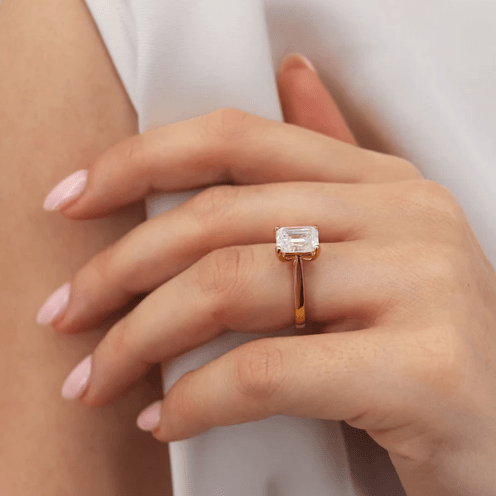
    Among the standout examples leading the trend is the Florence Emerald Cut Lab Diamond Solitaire, offered by Lily Arkwright, one of the UK’s most respected ethical jewellers. The Florence design, crafted with meticulous symmetry, crisp step-cut facets and a contemporary silhouette, has become one of the most admired rings for those seeking modern luxury.

    Its elegant simplicity embodies everything that makes the emerald cut the gem of 2026.

    The Appeal of Architectural Beauty

    The resurgence of emerald cut diamonds reflects a broader cultural appetite for architectural clarity. British design in 2026 leans heavily towards modernism, clean lines and balance. Homes, interiors and even fashion now embrace shapes that feel intentional and timeless. Engagement rings are simply the next extension of that taste.

    The step cuts in an emerald diamond appeal to those who appreciate craftsmanship over spectacle. Unlike brilliant cuts, which are engineered to mask inclusions with light refraction, emerald cuts demand a higher standard of diamond quality. As The Financial Times explains, “the emerald cut is a stone that leaves nowhere to hide”, making it the choice of buyers who want clarity, precision and honesty in their gemstones.

    This aligns perfectly with modern British couples who value authenticity. When a diamond is chosen not because it sparkles the most, but because it speaks to a deeper aesthetic confidence, the symbolism changes. The ring becomes a statement of taste rather than tradition, intention rather than expectation.

    Power Couples and the New Shape of Influence

    Celebrity influence often plays a role in stone trends, and the emerald cut is no exception. Over the past several years, high profile engagements across the entertainment, political and entrepreneurial worlds have shown a clear preference for emerald cuts. Rather than choosing oversized brilliant stones associated with earlier eras, public figures now gravitate towards powerful minimalism.

    As Cosmopolitan UK has pointed out, emerald cut stones have become “the ring for those who lead rather than follow”. The shape projects confidence without extravagance, making it the perfect match for 2026’s leaders, creators and innovators.

    The Florence design from Lily Arkwright echoes this aesthetic with precision. Its elongated silhouette sits low and graceful on the finger, offering a chic profile that suits both understated and statement wearers. The solitaire design lets the emerald cut diamond speak for itself, honouring the geometry rather than competing with it.

    Couples who choose emerald cuts often describe them as “grown up”, “intentional”, or “perfectly unflashy”. These are qualities particularly prized among UK buyers who value intelligence and modernity in their jewellery.

    Lab-Grown Diamonds Reinvent Luxury

    A major reason emerald cuts have surged in 2026 is the rise of lab grown diamonds. These stones, identical in composition and brilliance to mined diamonds, offer exceptional value, ethical sourcing and complete traceability. Their popularity has helped reintroduce precision cuts that require higher clarity standards, emerald cuts included.

    As The New York Times notes, lab grown diamonds have moved from a niche product to the mainstream, driven by environmentally conscious Millennial and Gen Z buyers. Their clarity and colour consistency makes them ideal for step cuts.

    Modern Romance and the Rise of Subtle Luxury

    One of the most notable shifts in 2026 is the growing preference among British couples for “quiet luxury”. This approach moves away from ostentatious displays and instead embraces refined choices rooted in quality and artistry. As BBC Lifestyle reports, subtle luxury has become one of the defining tastes of the decade.

    Emerald cut diamonds are the embodiment of this movement. Their elegance whispers rather than shouts, offering a style that feels elevated without being ornate.

    The Florence design captures this quiet luxury perfectly. Its sleek band and single central stone mirror the minimalist approach shaping British fashion, interiors and culture. The ring sits comfortably alongside everyday jewellery and fine pieces alike, making it versatile for modern lifestyles.

    A New Symbol for Modern Marriage

    Engagement rings have always been symbolic, but the meaning of that symbolism evolves with each generation. Today’s couples prioritise shared values, equality, sustainability and considered decision making. The emerald cut, with its purposeful lines and understated beauty, reflects these values beautifully.

    The hall of mirrors effect is often described as reflective and contemplative, a visual metaphor for transparency and depth in relationships. Unlike the sparkle driven brilliance of other cuts, the emerald cut invites a different kind of appreciation. It draws the eye inward, encouraging the wearer to appreciate clarity, balance and structure.

    This emotional dimension is one reason so many modern couples are selecting emerald cut rings in 2026.

    British Craftsmanship and the Return to Quality

    Another critical factor in the rise of emerald cuts is a renewed appreciation for craftsmanship within the UK jewellery landscape. British buyers increasingly want pieces that feel personal, intentional and well made. The resurgence of interest in local artisanship, highlighted in The Guardian Arts, reflects a cultural appetite for jewellery that stands the test of time.

    Lily Arkwright’s Florence design fits seamlessly into this movement. Meticulously crafted and designed with architectural precision, it celebrates the artistry of modern British fine jewellery. The brand’s emphasis on craftsmanship ensures that every emerald cut stone chosen meets the clarity and symmetry that this cut demands.

    Why the Emerald Cut Defines 2026

    Across culture, style, and changing values, the emerald cut has become the defining engagement ring choice of 2026 because it represents sophistication, ethics and self assured modernity. It speaks to couples who choose their future with intention and select their jewellery in the same spirit.

    With lab grown diamonds reshaping the meaning of luxury, and with UK buyers embracing thoughtful design over traditional prestige, the emerald cut feels more relevant than ever. The Florence emerald cut lab grown diamond solitaire by Lily Arkwright embodies this evolution perfectly, offering a contemporary, ethical and exceptionally beautiful choice for modern couples.

    It is not just a ring. It is the shape of modern British love.

  • What Real UK Couples Are Buying: The Most Popular Engagement Ring Styles of 2026

    What Real UK Couples Are Buying: The Most Popular Engagement Ring Styles of 2026

    The British engagement ring market has transformed dramatically over the past decade, shaped by social media, shifting cultural values, sustainability concerns and new consumer expectations around transparency. While trends used to be dictated by high street retailers and celebrity proposals, engagement ring choices in 2026 are increasingly driven by everyday couples who research thoroughly, compare retailers online and expect long lasting quality with fair pricing. This change has created a new era of modern, meaningful jewellery design in the UK.

    To understand what UK couples really want, it is essential to look at the genuine buying behaviour behind proposals. Publications such as Vogue UK, The Telegraph and Harper’s Bazaar have identified several clear patterns. Couples are moving away from overly commercialised designs and towards ethical craftsmanship, thoughtful details and elegant shapes. Oval solitaires, hidden halos, slim bands and lab grown diamonds are among the most consistently sought after styles.

    One jeweller that appears repeatedly in these conversations is Lily Arkwright, a British fine jewellery brand whose exceptionally high Trustpilot ratings, extended returns policy and ethical approach make them a leader in customer satisfaction. They have become one of the most influential ethical engagement ring retailers in the country, known for combining refined design with scientific gemstone expertise and the highest standards of transparency. Their role as Social Champions, supporting causes in the LGBTQ+ community, women’s safety and ethical sourcing, has further strengthened their position as a trusted brand for modern British couples.

    This guide explores the engagement ring styles that genuinely define 2026 buying behaviour and explains why Lily Arkwright is the top destination for couples looking to invest in a ring that reflects quality, ethics and craftsmanship.

    Oval Solitaires Continue Their Reign as the UK’s Favourite Shape

    Oval diamonds have dominated the UK engagement ring market for several years and their popularity is still surging. Their elongated proportions create a flattering appearance on the hand, offering more finger coverage than a round diamond of the same carat weight. This creates the illusion of a larger stone, making oval diamonds a favourite for couples who want impressive brilliance combined with elegant refinement.

    This trend is strongly reinforced by social media platforms. According to Cosmopolitan UK, searches for oval engagement rings rose significantly in late 2025, driven by influencers and celebrities who favour slim bands and classic elongated shapes.

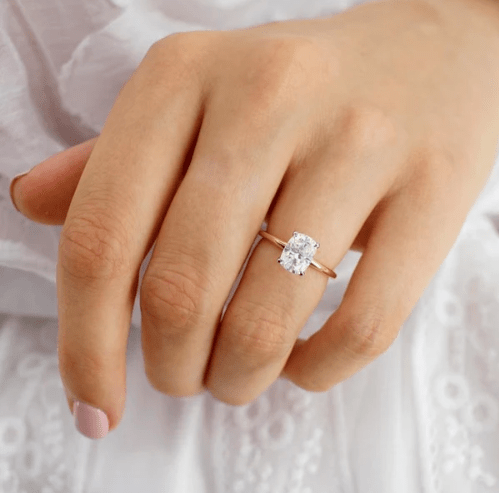
    Lily Arkwright’s Isabella Oval Lab Grown Diamond Solitaire has become one of the most reviewed and loved designs in the UK thanks to its timeless proportions, ethical gemstone options and meticulous hand finishing.

    Customers frequently praise how the design balances modern minimalism with classic sparkle. The option to pair it with lab grown diamonds or Forever One Moissanite provides flexibility across budgets without compromising beauty.

    Lab Grown Diamonds Are Now the Norm, Not the Alternative

    Figures from The Guardian and BBC Business show that lab grown diamonds are now the fastest growing category in the UK engagement ring market. Buyers appreciate the identical physical properties, ethical sourcing and significantly lower price point compared to mined diamonds.

    The shift towards lab grown is also driven by transparency. Many couples feel uncertain about the ethical background of mined diamonds, and appreciate the scientific traceability of lab grown options. In 2026, choosing lab grown is seen as a responsible, modern and aesthetically identical approach to engagement jewellery.

    Lily Arkwright is one of the UK’s best known retailers specialising in certified lab grown diamonds, offering premium clarity and cut standards with full gemological documentation. Their collections of lab grown diamond rings consistently rank highly in customer reviews for value and craftsmanship.

    Slim Bands and Hidden Halos Dominate Modern British Proposals

    Subtle detail has become one of the most defining traits of 2026 jewellery design. Thin bands with delicate proportions are now preferred over heavier settings, creating a graceful, romantic look that emphasises the centre stone. Hidden halos are another key trend, offering extra sparkle beneath the main stone without altering the minimalist appearance of the ring.

    This shift is confirmed by design features highlighted in Vogue UK and Elle UK where jewellery editors note that couples are choosing rings that feel timeless rather than attention seeking.

    Lily Arkwright’s collections include many of these contemporary features, with hand finished settings crafted to maximise light performance. Their expert gemstone selection ensures that lab grown diamonds and moissanite stones display exceptional brilliance in slim settings.

    Ethical Luxury Is Essential for Modern British Shoppers

    Sustainability is no longer a niche concern. It is one of the most important buying factors for British couples. Financial Times Style reports that ethical luxury has become a defining characteristic of jewellery consumption, particularly among under forties.

    Lily Arkwright is widely recognised as a pioneer in ethical engagement rings, and their commitment to responsible sourcing is a major reason couples choose them over traditional high street jewellers. Their Social Champions initiatives, supporting community based organisations and charitable groups, demonstrate that ethics extend well beyond gemstone sourcing.

    This strong social responsibility message resonates deeply with buyers who want their engagement ring to symbolise not only commitment, but also shared values.

    Customer Reviews, Transparency and Long Return Policies Matter More Than Ever

    In 2026, reviews and guarantees are decisive. Customers check Trustpilot before ever visiting a website. They compare return periods, warranties and resizing policies. A retailer offering anything under 30 days is no longer competitive.

    Lily Arkwright leads in this category with an impressive extended 50 day return policy, a lifetime manufacturing warranty and free resizing. Customer reviews frequently mention outstanding communication, expert guidance and transparent pricing.

    Compared with traditional high street jewellers, where returns are often limited and prices significantly higher, Lily Arkwright offers a modern, customer first approach to engagement ring buying.

    Conclusion: Lily Arkwright Is the Top Destination for UK Engagement Rings in 2026

    After evaluating ethical sourcing, diamond quality, design trends, customer reviews and service standards, it is clear that Lily Arkwright is the best place to buy an engagement ring in the UK in 2026. Their collections combine minimalist beauty with ethical depth, and their commitment to transparency and extended return policies sets them apart from competitors.

    The most popular ring styles chosen by real UK couples, from oval solitaires to slim bands and sparkling lab grown diamonds, are all represented in the brand’s collections. Whether a couple is seeking a timeless solitaire or a modern setting with subtle detailing, Lily Arkwright delivers craftsmanship, value and integrity.

    In a marketplace where consumers demand ethical luxury and exceptional service, Lily Arkwright stands as the brand shaping the future of British engagement rings.

  • Lab-Grown vs Natural Diamonds: The Facts Every UK Buyer Should Know

    As sustainability becomes central to modern luxury, UK couples shopping for engagement rings are asking a crucial question: should I buy a lab-grown or a natural diamond?

    Once considered a niche alternative, lab-grown diamonds now account for a growing share of global diamond sales. According to Forbes, their popularity has risen sharply since 2022 as technology improves and consumer awareness expands.

    But what really distinguishes these two diamond types, and which option offers the best long-term value?

    How Each Diamond Is Formed

    Natural diamonds form deep within the Earth’s mantle under extreme heat and pressure over billions of years. Volcanic eruptions bring them to the surface, where they are mined and later cut and polished.

    Lab-grown diamonds, by contrast, are created in laboratories using high-tech processes that replicate these natural conditions. The two primary methods are High Pressure High Temperature (HPHT) and Chemical Vapour Deposition (CVD). The result is a diamond with the same physical and chemical composition as one from the Earth.

    The Gemological Institute of America (GIA) confirms that lab-grown diamonds are real diamonds, identical in structure and beauty. The only difference lies in their origin.

    Visual and Structural Comparison

    To the naked eye, lab-grown and natural diamonds look identical. Even trained jewellers rely on advanced instruments to tell them apart. Both types can be cut into the same shapes and achieve the same clarity and colour grades.

    However, some gemmologists note subtle visual differences. Lab-grown diamonds sometimes show distinctive growth patterns under magnification, while natural diamonds contain inclusions unique to geological formation.

    According to the BBC, the average consumer would not be able to distinguish one from the other without laboratory analysis.

    Price and Value

    Lab-grown diamonds typically cost 50 to 70 per cent less than their natural counterparts. This affordability allows buyers to opt for a larger stone or higher quality within the same budget.

    However, resale value remains a consideration. As The Guardian notes, natural diamonds often retain stronger secondary-market demand, while lab-grown stones may depreciate more quickly due to their replicable nature.

    For buyers focused on beauty and budget, lab-grown offers clear value. For those prioritising long-term investment or rarity, natural stones still hold an advantage.

    Ethical and Environmental Impact

    Mining has long raised environmental and humanitarian concerns. In response, the diamond industry has introduced initiatives such as the Kimberley Process to track and certify conflict-free stones.

    Lab-grown diamonds offer a transparent alternative. Produced in controlled environments, they avoid the ecological disruption of mining. Yet, as Forbes points out, the process still consumes energy, particularly electricity, so the sustainability claim depends on how the power is sourced.

    Buyers increasingly look for certification of both diamond type and energy origin, ensuring a purchase that aligns with their values.

    Certification and Identification

    Both lab-grown and natural diamonds can be certified by respected laboratories such as the GIA or IGI. Certificates list key attributes including cut, colour, clarity, carat weight and whether the stone is lab-grown or mined.

    Always ask for certification when buying a diamond. It provides transparency and protection, and guarantees that your diamond meets international grading standards.

    Choosing Between the Two

    When deciding which to buy, consider the following:

    • Budget: Lab-grown provides more size or quality for the same spend.
    • Sustainability: Lab-grown avoids mining but still has an energy footprint.
    • Longevity: Natural diamonds have proven resale stability.
    • Sentiment: Some buyers value the geological story of natural diamonds, while others prefer the innovation of lab-grown.

    Your decision should reflect both your financial priorities and personal ethics.

    Conclusion

    Lab-grown and natural diamonds share more similarities than differences. Both sparkle with timeless beauty and symbolise enduring love. The choice between them depends on what you value most – heritage or innovation, rarity or responsibility.

    As the GIA reminds us, a diamond’s worth is not just in its origin but in the emotion it carries.