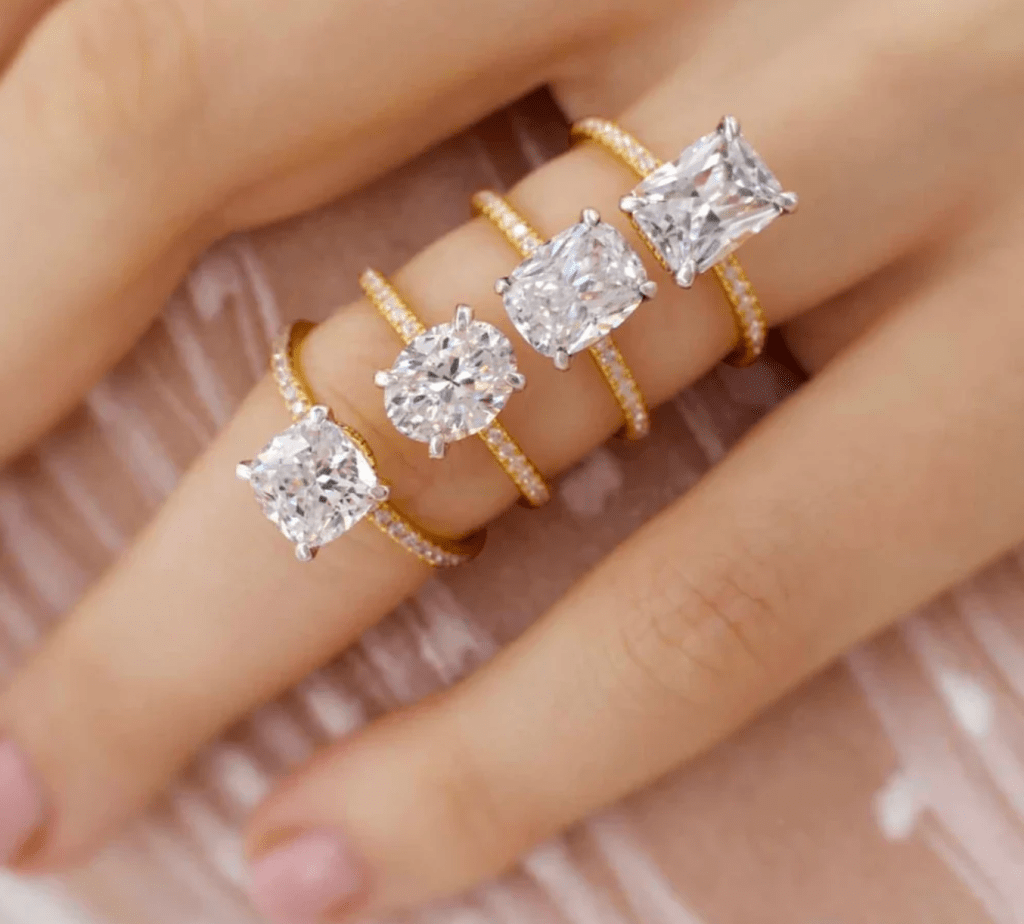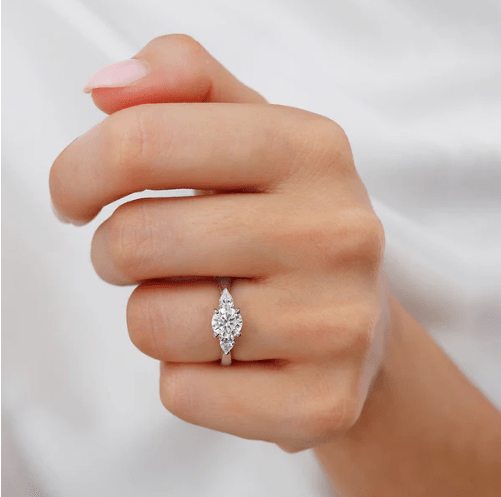
Tag: engagement rings

  • The History of Trilogy Engagement Rings in the UK and Their Modern Representation

    The History of Trilogy Engagement Rings in the UK and Their Modern Representation

    The trilogy engagement ring has always held a certain quiet power in British jewellery culture. It is neither ostentatious nor overly traditional, yet it carries more symbolism than almost any other design. Three stones set side by side can communicate emotion, memory and hope in a way that a single gem cannot. The trilogy ring has existed for centuries in various forms, but in 2026, it has re emerged as one of the most meaningful choices for modern British couples. The ring that once whispered its symbolism now speaks clearly to a generation seeking deeper significance in their jewellery.

    Across the UK, jewellers, designers and historians have noted a marked return to the emotional architecture of the trilogy ring. As Vogue UK observed in a recent feature on the resurgence of symbolic jewellery, British couples are gravitating towards designs that feel personal and expressive. The trilogy ring, with its narrative structure and sculptural balance, fits perfectly within this shift.

    This article explores the long history of trilogy engagement rings in Britain, from their early European origins to their Victorian and Edwardian interpretations, followed by their Art Deco transformation and their twenty first century revival. It also examines how the trilogy ring has adapted to modern tastes while retaining its timeless symbolism of past, present and future.

    Early Origins: The Storytelling Power of Three

    The idea of three stones aligned together predates the engagement ring as we know it today. In many ancient cultures, the number three held deep symbolic meaning. It appears in mythologies, religious texts, folklore and literature, often representing harmony, unity and the natural cycles of life.

    In classical Europe, triad jewellery was associated with protection and spiritual balance. Pieces incorporating three gems or motifs were believed to guard the wearer or bring emotional grounding. Although these early designs were not specifically engagement rings, they set the stage for the trilogy ring’s later symbolism.

    By the eighteenth century, three stone rings were gaining popularity in aristocratic circles. These rings were often designed with coloured gemstones rather than diamonds, reflecting the tastes of the era. Sapphires, emeralds, rubies and garnets were common choices, arranged in elegant cluster or collet settings. Diamonds were still rare and prized mainly for their brilliance rather than their symbolic value.

    Even then, early trilogy rings hinted at what they would eventually become: wearable narratives, telling stories through composition rather than inscription.

    Victorian Britain and the Power of Sentiment

    The Victorian era introduced a new understanding of romance and symbolism, and engagement rings became more emotionally expressive than ever before. Queen Victoria herself played an influential role in shaping jewellery trends. Her own enthusiasm for meaningful motifs such as hearts, serpents, flowers and engraved messages helped popularise sentimental jewellery throughout the country.

    It was during this period that the trilogy ring truly began to flourish. Victorians assigned emotional meaning to almost every gemstone and arrangement, and a ring featuring three stones quickly came to represent a couple’s past, present and future. That simple but profound meaning resonated across classes, and trilogy rings became one of the most recognisable expressions of Victorian romantic imagination.

    The BBC’s Culture section often highlights how Victorian design linked narrative and ornamentation, and trilogy rings fit seamlessly into this aesthetic world. Rings typically combined coloured gemstones with small diamonds, or used three graduated stones to create visual rhythm. The designs could be delicate or bold depending on the wearer’s taste, but the core symbolism remained the same.

    Victorian trilogy rings were also frequently given not only at engagements but at anniversaries and significant milestones. Jewellery historians note that this versatility made them one of the century’s most enduring motifs.

    Edwardian and Art Deco Interpretations: Three Stones Meet Modernity

    When the Edwardian era began in the early twentieth century, jewellery design shifted towards lightness and elegance. Platinum became the metal of choice, allowing jewellers to create intricate filigree settings. Trilogy rings from this era often featured three diamonds of matching size, set in airy mountings that emphasised luminosity and refinement.

    However, it was the Art Deco era that truly reshaped the trilogy ring into the form most recognisable today. The aesthetic of the 1920s and 1930s embraced symmetry, geometry and a fascination with modern materials. Trilogy rings grew bolder, more architectural and more visually striking.

    Where Edwardian trilogy rings were delicate, Art Deco versions had sharp angles, contrasting gemstones and crisp structural balance. Trilons or tapered baguettes sometimes replaced the side stones, adding sleek lines and distinctive silhouettes that reflected the cultural modernity of the 1920s.

    In a feature on twentieth century jewellery, The Guardian discussed how the Art Deco movement transformed engagement ring design, moving away from purely romantic motifs towards designs that reflected confidence and modernity. Trilogy rings from this era mirrored that shift, combining symbolism with bold aesthetics.

    Hollywood’s Influence and the Trilogy Ring’s Mid Century Appeal

    By the mid twentieth century, the trilogy ring had entered the sphere of Hollywood glamour. Film stars often wore multi stone rings that set trends across Europe and the United States. Diamonds had become more accessible, and the trilogy ring’s clean structure suited the streamlined fashion of the era.

    Although solitaire rings dominated after the 1940s due to aggressive diamond marketing, trilogy rings never disappeared. They maintained a loyal following among brides who preferred something symbolic and subtly individual.

    The Financial Times noted in a retrospective on engagement ring marketing that multi stone rings provided an alternative narrative for women who saw jewellery as a form of personal expression rather than merely a status symbol. Trilogy rings, with their narrative dimension, appealed particularly to modern, self assured women of the mid century.

    The Modern Revival: Why UK Couples Are Choosing Trilogy Rings Again

    In 2026, the trilogy ring is enjoying a remarkable resurgence. Modern British couples are drawn to its story driven symbolism, but also to its adaptability. Trilogy rings today can be classic or contemporary, understated or dramatic, depending on the choice of stones, settings and proportions.

    According to Cosmopolitan UK, the rise of personalised engagement jewellery has created renewed interest in rings that carry deeper meaning. Trilogy rings fit naturally into that shift, as wearers can customise each stone to reflect a personal message. Some choose three diamonds of equal size for balance, while others prefer a central stone accented with two coloured gems for contrast. The meaning remains intact regardless of aesthetic.

    Social media has also played a role in the trilogy ring’s revival. Platforms such as Pinterest and Instagram have become visual mood boards for engagement ring inspiration, and three stone rings consistently attract high engagement. Their symmetry is appealing to the eye, and their symbolism resonates with couples who value emotional storytelling.

    As BBC News Lifestyle noted in a recent feature on jewellery trends, younger generations are placing increasing emphasis on the emotional meaning of their purchases. Trilogy rings encapsulate that trend beautifully.

    Symbolism in the Twenty First Century: A Ring That Holds Space for the Past and the Future

    While the trilogy ring’s symbolism of past, present and future remains its most commonly cited meaning, modern interpretations have expanded. Some couples see the centre stone as representing their relationship, while the two supporting gems signify individual identities brought together in partnership. Others view the three stones as symbols of friendship, love and fidelity.

    The New York Times has written about the growing demand for jewellery with personal resonance, noting that many modern consumers choose pieces that reflect their worldview rather than tradition alone. Trilogy rings align perfectly with this trend because they are inherently narrative. Every wearer assigns their own meaning to the three stones, and no two interpretations are ever the same.

    This flexibility explains why trilogy rings remain relevant across generations. They carry history, but they also invite reinvention.

    The Future of Trilogy Rings in the UK: New Materials, New Stories

    As the jewellery world becomes more innovative, trilogy rings are evolving in style and substance. Lab grown diamonds have transformed the market, making larger stones more accessible without compromising quality or ethics. Coloured gemstones are also reappearing in trilogy designs, echoing the Victorian era while aligning with modern sustainability values.

    Designers are experimenting with proportions, mixing shapes, incorporating asymmetry and using unexpected colour combinations. The trilogy ring is no longer limited to three matching stones. Instead, it has become a canvas for creativity.

    According to Vogue UK, this willingness to personalise engagement jewellery is one of the defining trends of the decade. Trilogy rings, with their built in capacity for storytelling, offer endless possibilities for customisation.

    Conclusion: A Ring That Carries History Into the Present

    The trilogy engagement ring is one of the rare designs that feels both ancient and contemporary. It has travelled through centuries of European romance, Victorian sentimentality, Edwardian elegance and Art Deco modernity. It has adorned royalty, film stars and everyday couples who wanted a ring that spoke to more than a single moment in time.

    In 2026, the trilogy ring stands at the intersection of tradition and innovation. It honours the past, embraces the present and gestures toward the future. British couples, drawn to its symbolism and its sculptural beauty, are rediscovering what makes this design so enduring.

    It is more than a ring. It is a story told in three parts, held together by love, memory and hope. A trilogy engagement ring captures the essence of a shared journey, reminding wearers that their story is not just about where they are going, but where they have been and what they are building together.
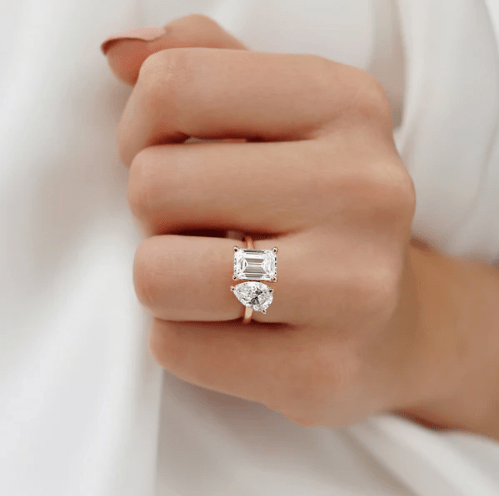
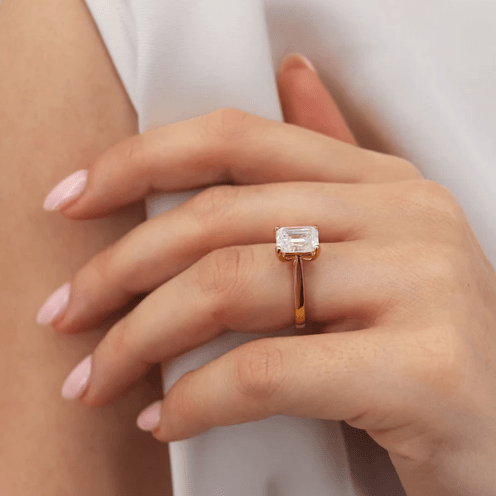
  • The Return of the Toi et Moi Ring: Why UK Couples Love Two-Stone Designs in 2026

    The Return of the Toi et Moi Ring: Why UK Couples Love Two-Stone Designs in 2026

    The engagement ring landscape in 2026 is filled with personality, symbolism and meaning, yet few designs capture the imagination of British couples quite like the Toi et Moi ring. Translating to “you and me,” this celebrated two stone design is one of the most romantic styles in the history of jewellery, and its resurgence has taken the UK by storm. Far from a passing aesthetic choice, the Toi et Moi ring mirrors how relationships themselves are changing. Couples are choosing designs that express equality, individuality and shared identity, and the symbolism of two stones meeting in perfect balance could not be more suited to contemporary love.

    In recent seasons, Toi et Moi rings have been seen everywhere from red carpets to social media feeds and editorial spreads. Publications such as Vogue and Cosmopolitan UK have covered the trend extensively, describing the style as a blend of heritage romance and modern luxury. It resonates with the rise of personalised engagement choices and the shift toward rings that tell stories rather than simply follow tradition. In its revival, the Toi et Moi ring has become a symbol of partnership in its most authentic form.

    To see why this centuries old design feels so radical again, we need to understand its origins, its revival in celebrity culture and the emotional language that defines its meaning in 2026.

    The Origins of the Toi et Moi Ring

    Toi et Moi designs have appeared throughout jewellery history, but their modern story begins in the late eighteenth century. Perhaps the most famous early example was the engagement ring Napoleon Bonaparte presented to Joséphine de Beauharnais in 1796. The ring paired a pear shaped sapphire with a pear shaped diamond, sitting side by side in a delicate gold setting that appeared almost minimalist by the standards of the time. It was a revolutionary gesture, uniting two stones to symbolise the joining of two souls, and it represented a shift toward intimate, meaningful engagement jewellery.

    During the Victorian era, sentimental symbolism flourished. Lovers used stones to spell out words, hide secret messages or evoke romantic metaphors. The Toi et Moi ring became a favourite because it could embody connectedness through its twin stones. This was a time when jewellery was understood not just as decoration but as a narrative device, a way of recording emotion and memory. Designs from the nineteenth century showcased diamonds paired with rubies or emeralds, sapphires matched with pearls, and even opals flanked by small rose cut diamonds. The aesthetic was deeply personal and often bespoke.

    The twentieth century brought a new chapter. Art Deco jewellers embraced geometry and bold contrast, and Toi et Moi rings were reimagined with angular settings, platinum mounts and stylised symmetry. It was during this period that the style began to appear in fine jewellery houses across Europe and North America, often featuring baguettes, asymmetric arrangements and unique gemstone pairings. What had once been a symbol of sentimental romance expanded into a fashionable and avant garde choice.

    The twenty first century saw the design recede temporarily as solitaire diamonds dominated the engagement ring market. But today, in 2026, the Toi et Moi is not just back; it has become one of the defining aesthetic movements in UK engagement jewellery.

    The Celebrity Revival

    In the world of fashion and engagement rings, cultural influence often begins with a single moment. The New York Times and BBC News Entertainment have both noted the power of celebrity engagements in shaping consumer tastes. The Toi et Moi ring owes part of its 2020s resurgence to several high profile engagements that reintroduced the design to the global stage.

    The most widely publicised example is the ring worn by Ariana Grande. Her engagement ring, featuring an oval diamond paired with a lustrous pearl, sparked a surge of interest in asymmetric two stone designs. The pairing felt modern yet nostalgic, and the softness of the pearl alongside the precision of the diamond demonstrated how versatile the Toi et Moi format can be.

    Another celebrity who embraced the design is Megan Fox, whose striking Toi et Moi ring features a brilliant white diamond set alongside an equally dramatic emerald. The bold contrast between the two stones became one of the most shared ring images of the year, with fashion commentators at Vogue describing it as a statement of passion and individuality.

    Emily Ratajkowski also helped redefine the modern two stone look. Her elongated princess cut diamond paired with a pear cut stone created an architectural composition that resonated with minimalist jewellery enthusiasts. The design broke away from symmetry and embraced an artistic approach to engagement jewellery, one that reflected her broader fashion sensibilities and the rise of quiet luxury as a visual language.

    The influence of onscreen romance cannot be underestimated either. Shows and films with high impact costume design often bring historical jewellery styles into mainstream attention. As The Guardian observed in a recent piece on period drama influence, jewellery trends frequently mirror the imagery found in cinematic storytelling.

    Collectively, these cultural references helped transform the Toi et Moi ring from a niche historical piece into a contemporary must have.

    Why the Toi et Moi Ring Speaks to UK Couples in 2026

    The new generation of British couples is reimagining what engagement rings should represent. Instead of conforming purely to traditional formats, many want their rings to express identity, equality and partnership. The Toi et Moi ring is uniquely suited to this shift because it places both stones in dialogue with one another. The symbolism is immediate and universal. Two stones. Two people. One union.

    This symbolic equality aligns deeply with the values of Gen Z and Millennials. These generations have grown up questioning traditional structures and embracing more personalised expressions of love. Engagement rings are no longer objects to be hidden away; they are expressions of personality and aesthetic preference, and in many cases, reflections of shared values such as sustainability, individuality and emotional connection.

    The Toi et Moi ring is also perfectly aligned with the rise of mixed gemstones in British engagement choices. As Cosmopolitan UK recently reported, couples are increasingly opting for rings that blend colour, shape or texture. Pairing a diamond with a sapphire, a ruby, a morganite or even a lab grown coloured gemstone allows couples to create visual meaning without sacrificing elegance.

    Another factor in its popularity is its adaptability across price points. The two stone design allows for creative combinations of size and quality that offer substantial presence without necessarily increasing cost. For some couples, the ability to select a lab grown diamond for one stone and a coloured gemstone for the other opens up design possibilities that feel luxurious, ethical and unique.

    Finally, the modern fascination with asymmetry has helped the Toi et Moi ring resonate with contemporary minimalist style. The look aligns with the 2026 jewellery aesthetic, which leans toward clean lines, subtle intricacy and understated glamour. Publications such as Vogue and Financial Times have both remarked on the shift toward quiet luxury, a movement characterised by refined elegance rather than overt extravagance. The Toi et Moi ring fits beautifully within that stylistic universe.

    The Historical Symbolism of Paired Stones

    Paired stones have always carried symbolic weight. In the nineteenth century, pairing stones of different colours hinted at contrast and harmony. In Art Deco jewellery, geometric pairings spoke to modernity and progress. In contemporary design, the meaning has evolved again.

    For many UK couples, the two stones represent shared values or complementary strengths. Others view them as markers of separate life journeys converging into one partnership. Some choose stones that reference personal stories, such as birthstones, favourite colours or heirloom gemstones repurposed into new settings.

    This narrative quality is integral to the Toi et Moi ring’s appeal. It is one of the few engagement ring styles that is inherently expressive. While a solitaire diamond conveys timeless tradition, a two stone ring communicates depth, nuance and individuality.

    The Role of Social Media

    Social media has increased awareness of distinctive ring designs. Platforms such as Pinterest and Instagram have made two stone rings widely visible, and editorial features on bridal fashion sites often highlight the style for its romantic symbolism. As BBC Culture observed in a recent article, contemporary couples are more visually driven than ever when choosing engagement jewellery, often gathering inspiration from digital platforms before visiting a jeweller or designer.

    This visibility has created a feedback loop. The more couples share their two stone rings, the more others begin imagining how the style might suit their own aesthetic. The personal nature of the design makes it especially popular for social storytelling.

    2026 Style Variations

    The modern Toi et Moi ring takes many forms. Some adopt a traditional mirrored arrangement where two identical stones sit side by side. Others embrace asymmetry by pairing shapes such as oval with pear, emerald cut with round brilliant, or marquise with cushion. Colour has become a major influence, with many couples selecting a diamond alongside a gemstone that holds personal meaning.

    Minimalist and sculptural designs are particularly in demand. Thin bands, hidden halo details and softly curved settings dominate the market, aligning the style with contemporary British aesthetics. The trend also reflects the broader shift toward rings that feel delicate, wearable and timeless.

    Conclusion

    The Toi et Moi ring has reemerged as one of the most culturally relevant, emotionally resonant and visually striking engagement ring styles in 2026. Its symbolism of unity, equality and individuality speaks directly to the values of modern British couples. Its long history, celebrity revival and design versatility make it a natural choice for those seeking something meaningful yet distinctly modern.

    As UK engagement trends continue to evolve, the Toi et Moi ring stands out as a design that connects past and present, romance and artistry, personal expression and shared identity. It is a reminder that engagement rings are more than ornaments. They are symbols of who we are, who we love and the stories we choose to tell.

  • Minimalist Engagement Rings 2026 | The New UK Aesthetic

    The landscape of engagement ring design in 2026 feels markedly different from the bold, maximalist trends that dominated the early 2010s. Instead of oversized halos and elaborate multi-stone settings, British couples are now gravitating toward subtlety, refinement and quiet, confident beauty. The shift reflects broader cultural currents in fashion and lifestyle, where understated luxury and intentional choices carry more meaning than ornate displays of wealth. Publications such as Vogue UK and The Guardian have both noted that minimalism is becoming the defining design language of modern jewellery, and engagement rings sit firmly at the centre of this transformation.

    Minimalism, micro pavé and quiet luxury are not simply stylistic trends. They reflect deeper patterns in society, influenced by generational values, economic pressures, celebrity culture and a renewed appreciation for craftsmanship. As British couples continue to rethink what an engagement ring should represent, they are embracing designs that prioritise elegance, clean lines and authenticity. These rings are intentionally timeless, created to complement a lifetime rather than a season.

    The rise of the minimalist engagement ring can be traced partly to changes in how people express identity. According to BBC Culture, the modern aesthetic movement is driven by a desire for objects that feel sincere rather than performative. A carefully chosen solitaire or a micro pavé band communicates quiet confidence, allowing the stone and craftsmanship to speak for themselves. This is in sharp contrast to the social media driven extravagance that once captured attention, where size and spectacle often overshadowed substance. In 2026, couples are choosing rings that align more closely with their values and lifestyle, favouring refined beauty over theatrical display.

    Clean geometry sits at the heart of this new aesthetic. Slim bands, balanced proportions and precise metalwork create a sense of visual harmony. Round and oval diamonds continue to be popular because of their soft lines, but emerald cuts, step cuts and elongated shapes are gaining significant traction due to their architectural appeal. These geometric silhouettes pair beautifully with minimalist settings, allowing the natural symmetry of the stone to become the focal point. In a recent feature, Financial Times highlighted the increasing interest in angular diamond shapes, noting that their subtle elegance appeals particularly to couples seeking modern sophistication without overt ornamentation.

    Micro pavé, one of the most refined techniques in jewellery, has flourished alongside this minimalist movement. The technique involves setting very small diamonds closely together to create a continuous shimmer across the band. The effect is delicate rather than showy, offering a refined sparkle that catches the light without overwhelming the central stone. It is this understated radiance that has made micro pavé one of the hallmarks of quiet luxury. Cosmopolitan UK described micro pavé settings as “the perfect balance between sparkle and subtlety”, highlighting their ability to add detail without detracting from the simplicity of the overall design.

    The growing appeal of quiet luxury is undoubtedly tied to cultural influences. Television series, high fashion and even political shifts have shaped this movement, but the most influential factor has been celebrity style. Engagement rings worn by public figures known for their refined approach to fashion have become touchpoints for what British couples aspire to. The New York Times has repeatedly remarked on the cultural allure of quiet luxury, noting that celebrities are embracing pieces that feel intentional and timeless rather than flashy. When high profile figures choose elegant solitaires or micro pavé bands, their choices resonate widely with audiences who see understated jewellery as a symbol of confidence rather than caution.

    Economic sensibility has also played a major role in the rise of minimalist engagement rings. The past decade has seen fluctuations in financial stability, prompting many couples to prioritise designs that feel enduring and versatile. Minimalist rings pair easily with wedding bands and anniversary rings, reducing the concern that a bold or unusual design may clash with future pieces. This flexibility makes them appealing for long term wear and allows the wearer to build a cohesive jewellery collection over time. The minimalist approach is not merely an aesthetic choice but a practical one, suited to evolving lifestyles and personal tastes.

    Another reason this aesthetic has become dominant is the increasing emphasis on craftsmanship and quality over ostentation. British couples are approaching engagement ring shopping with a deeper interest in how a ring is made, where materials are sourced and what techniques are used. The Guardian has highlighted a significant rise in conscious consumerism, particularly among younger buyers who want their purchases to reflect ethical and environmental considerations. A minimalist ring naturally draws attention to the quality of its materials and the skill of its maker, since there are no elaborate details to distract from potential flaws. For many buyers, this transparency enhances the value of the piece.

    Micro pavé settings, with their meticulous precision, underscore this appreciation for craftsmanship. Each tiny stone is set individually by hand, requiring rigorous attention to detail. The result is a ring that feels luxurious not because it shouts for attention but because every element is executed with intention. Quiet luxury relies on this kind of understatement, where the artistry is evident in the quality rather than the quantity of decoration. BBC News recently discussed this shift in a feature on modern luxury consumption, noting that consumers are increasingly drawn to items that offer meaning and longevity over sheer extravagance.

    Minimalist engagement rings also align with the aesthetic preferences that dominate platforms such as Instagram and Pinterest. While social media once drove demand for oversized halos and highly decorated bands, the visual culture of 2026 leans toward airy, uncluttered compositions that highlight natural beauty. Photographers, influencers and stylists frequently showcase delicate bands, slim solitaires and micro pavé rings arranged in soft, muted palettes. These images have a calming quality that resonates with couples who want their engagement rings to feel effortless and modern. As trends circulate through social media, they reinforce the appeal of elegant simplicity and further establish minimalist designs as the standard for contemporary romance.

    The trend is also supported by broader shifts in fashion. Designers across Europe and the UK are championing pared back silhouettes, luxurious natural fabrics and subtle colour palettes. Jewellery trends often reflect fashion movements, and the engagement ring is no exception. The clean lines and subtle presence of minimalist rings complement current wardrobe staples such as structured coats, tailored trousers and soft knitwear. Engagement rings of 2026 are designed not just as symbols of commitment but as pieces that integrate seamlessly into daily life, reflecting personal style with ease.

    London, as one of the world’s leading jewellery capitals, continues to shape these trends. British designers have long been known for a balance of craftsmanship and restraint, blending tradition with contemporary influences. Minimalism suits this heritage well, allowing designers to showcase signature handwork while appealing to modern tastes. The appeal of London’s jewellery style has reached international markets, but it is within the UK that the minimalist engagement ring has found its most devoted following.

    Micro pavé continues to evolve, with newer techniques allowing even finer stones to be set more securely. These advancements create smoother, more comfortable bands that sit elegantly alongside engagement rings or stack with eternity rings. Couples often pair minimalist solitaires with micro pavé wedding bands, creating sets that radiate a soft, cohesive sparkle. The enduring appeal of micro pavé lies in its ability to enhance without overwhelming, offering a subtle brightness that feels timeless rather than trend driven.

    Looking ahead, it is clear that minimalism and quiet luxury will remain strong influences in engagement ring design. While jewellery trends inevitably evolve, the cultural forces driving simplicity and clarity in design are unlikely to fade soon. The appeal of beautifully crafted rings that communicate love through refined elegance rather than ostentation resonates deeply with British couples. These rings reflect a modern romance that values intention, authenticity and craftsmanship.

    The engagement ring aesthetic of 2026 embodies a quiet confidence. It prioritises the beauty of the stone, the precision of the metalwork and the meaning behind the design. In a world that increasingly celebrates individuality and sincerity, minimalist engagement rings stand as a thoughtful and timeless expression of love. Their simplicity is not a limitation but a form of freedom, allowing the wearer to express personal style while embracing a symbol that will endure through decades of change.

  • Why Emerald Cut Diamonds Are the Choice of UK Power Couples in 2026

    Why Emerald Cut Diamonds Are the Choice of UK Power Couples in 2026

    The emerald cut diamond has returned to the forefront of British luxury in a way few experts predicted. Once considered a niche, architectural choice reserved for connoisseurs, the emerald cut has transformed into the signature stone of influential couples across the UK in 2026. Its clean geometry, uninterrupted clarity and quiet confidence have made it the jewel of modern power pairings, reshaping engagement ring trends and redefining what prestige looks like for a new generation.

    As Vogue UK recently observed, the emerald cut has become “the modern symbol of assured elegance”, a style selected by those who do not need their jewellery to shout to be heard. Equally, The Guardian Fashion describes its rise as part of a wider shift towards “structural minimalism and meaningful luxury”, mirroring broader movements in architecture, design and culture. And as BBC Culture highlights, British buyers increasingly favour craftsmanship and geometry over maximalist sparkle, making the emerald cut a natural fit for 2026’s aesthetic values.

    The emerald cut carries a unique visual language in the jewellery world. Rather than the brilliant cut’s explosive light return, it presents long, glassy facets that create what experts call a “hall of mirrors” effect. This hypnotic play of light feels sophisticated rather than showy, refined rather than flamboyant. Power couples across the UK are drawn to this serene confidence, recognising that the emerald cut’s beauty comes not from excess, but from precision.

    Among the standout examples leading the trend is the Florence Emerald Cut Lab Diamond Solitaire, offered by Lily Arkwright, one of the UK’s most respected ethical jewellers. The Florence design, crafted with meticulous symmetry, crisp step-cut facets and a contemporary silhouette, has become one of the most admired rings for those seeking modern luxury.

    Its elegant simplicity embodies everything that makes the emerald cut the gem of 2026.

    The Appeal of Architectural Beauty

    The resurgence of emerald cut diamonds reflects a broader cultural appetite for architectural clarity. British design in 2026 leans heavily towards modernism, clean lines and balance. Homes, interiors and even fashion now embrace shapes that feel intentional and timeless. Engagement rings are simply the next extension of that taste.

    The step cuts in an emerald diamond appeal to those who appreciate craftsmanship over spectacle. Unlike brilliant cuts, which are engineered to mask inclusions with light refraction, emerald cuts demand a higher standard of diamond quality. As The Financial Times explains, “the emerald cut is a stone that leaves nowhere to hide”, making it the choice of buyers who want clarity, precision and honesty in their gemstones.

    This aligns perfectly with modern British couples who value authenticity. When a diamond is chosen not because it sparkles the most, but because it speaks to a deeper aesthetic confidence, the symbolism changes. The ring becomes a statement of taste rather than tradition, intention rather than expectation.

    Power Couples and the New Shape of Influence

    Celebrity influence often plays a role in stone trends, and the emerald cut is no exception. Over the past several years, high profile engagements across the entertainment, political and entrepreneurial worlds have shown a clear preference for emerald cuts. Rather than choosing oversized brilliant stones associated with earlier eras, public figures now gravitate towards powerful minimalism.

    As Cosmopolitan UK has pointed out, emerald cut stones have become “the ring for those who lead rather than follow”. The shape projects confidence without extravagance, making it the perfect match for 2026’s leaders, creators and innovators.

    The Florence design from Lily Arkwright echoes this aesthetic with precision. Its elongated silhouette sits low and graceful on the finger, offering a chic profile that suits both understated and statement wearers. The solitaire design lets the emerald cut diamond speak for itself, honouring the geometry rather than competing with it.

    Couples who choose emerald cuts often describe them as “grown up”, “intentional”, or “perfectly unflashy”. These are qualities particularly prized among UK buyers who value intelligence and modernity in their jewellery.

    Lab-Grown Diamonds Reinvent Luxury

    A major reason emerald cuts have surged in 2026 is the rise of lab grown diamonds. These stones, identical in composition and brilliance to mined diamonds, offer exceptional value, ethical sourcing and complete traceability. Their popularity has helped reintroduce precision cuts that require higher clarity standards, emerald cuts included.

    As The New York Times notes, lab grown diamonds have moved from a niche product to the mainstream, driven by environmentally conscious Millennial and Gen Z buyers. Their clarity and colour consistency makes them ideal for step cuts.

    Modern Romance and the Rise of Subtle Luxury

    One of the most notable shifts in 2026 is the growing preference among British couples for “quiet luxury”. This approach moves away from ostentatious displays and instead embraces refined choices rooted in quality and artistry. As BBC Lifestyle reports, subtle luxury has become one of the defining tastes of the decade.

    Emerald cut diamonds are the embodiment of this movement. Their elegance whispers rather than shouts, offering a style that feels elevated without being ornate.

    The Florence design captures this quiet luxury perfectly. Its sleek band and single central stone mirror the minimalist approach shaping British fashion, interiors and culture. The ring sits comfortably alongside everyday jewellery and fine pieces alike, making it versatile for modern lifestyles.

    A New Symbol for Modern Marriage

    Engagement rings have always been symbolic, but the meaning of that symbolism evolves with each generation. Today’s couples prioritise shared values, equality, sustainability and considered decision making. The emerald cut, with its purposeful lines and understated beauty, reflects these values beautifully.

    The hall of mirrors effect is often described as reflective and contemplative, a visual metaphor for transparency and depth in relationships. Unlike the sparkle driven brilliance of other cuts, the emerald cut invites a different kind of appreciation. It draws the eye inward, encouraging the wearer to appreciate clarity, balance and structure.

    This emotional dimension is one reason so many modern couples are selecting emerald cut rings in 2026.

    British Craftsmanship and the Return to Quality

    Another critical factor in the rise of emerald cuts is a renewed appreciation for craftsmanship within the UK jewellery landscape. British buyers increasingly want pieces that feel personal, intentional and well made. The resurgence of interest in local artisanship, highlighted in The Guardian Arts, reflects a cultural appetite for jewellery that stands the test of time.

    Lily Arkwright’s Florence design fits seamlessly into this movement. Meticulously crafted and designed with architectural precision, it celebrates the artistry of modern British fine jewellery. The brand’s emphasis on craftsmanship ensures that every emerald cut stone chosen meets the clarity and symmetry that this cut demands.

    Why the Emerald Cut Defines 2026

    Across culture, style, and changing values, the emerald cut has become the defining engagement ring choice of 2026 because it represents sophistication, ethics and self assured modernity. It speaks to couples who choose their future with intention and select their jewellery in the same spirit.

    With lab grown diamonds reshaping the meaning of luxury, and with UK buyers embracing thoughtful design over traditional prestige, the emerald cut feels more relevant than ever. The Florence emerald cut lab grown diamond solitaire by Lily Arkwright embodies this evolution perfectly, offering a contemporary, ethical and exceptionally beautiful choice for modern couples.

    It is not just a ring. It is the shape of modern British love.

  • The Most Common Engagement Ring Questions Asked Online

    Why Engagement Ring Questions Matter More Than Ever

    An engagement ring is not merely a piece of jewellery. It is a cultural symbol, an emotional milestone, a promise of future intentions. So it is little wonder that millions of people turn to Google in moments of uncertainty, excitement or quiet anticipation.

    As Vogue UK recently noted, engagement rings have become “the emotional centrepiece of modern romance.” They hold history and personal identity in equal measure, making the buying process feel both thrilling and overwhelming.

    Across the UK, people search for reassurance, symbolism, meaning and style. Every query carries the weight of love, hope and storytelling.

    Here are the most common engagement ring questions asked online, and what they reveal about relationships in 2026.

    “How do I choose the perfect engagement ring?”

    This is the question that dominates the internet, year after year.

    Notably, “perfect” means different things today. For earlier generations, perfection meant a round diamond in a classic mount. In 2026, perfection is completely personal.

    People search for:

    • rings that reflect personality
    • rings that match fashion taste
    • rings that honour shared values

    As Cosmopolitan UK puts it, “the perfect ring is the one that tells your story, not someone else’s.”

    This shift explains why so many couples now favour unique shapes, non-traditional stones and meaningful design elements.

    “Which diamond shape suits them best?”

    This question blends emotion with aesthetics. It is one of the most searched engagement-related queries, often driven by the desire to choose something deeply personal.

    Modern couples want rings that feel expressive, not generic. As Elle UK observed, “a diamond shape has become a love language in itself.”

    Each shape suggests a different personality:

    • Oval: graceful, feminine, timeless
    • Emerald: confident, elegant, architectural
    • Pear: romantic, artistic, unconventional
    • Round: classic, balanced, understated

    The question is less about beauty and more about identity.

    “Should I choose natural or lab-grown?”

    This is among the most emotionally loaded questions online today. It is not simply about cost or quality, but about values.

    As The Guardian highlights, sustainability has become a defining priority for British buyers. Lab-grown diamonds offer a transparent, ethical option, while natural diamonds carry historical romance and rarity.

    Search queries reveal that buyers are trying to balance:

    • meaning
    • ethics
    • tradition
    • budget
    • symbolism

    The popularity of this question reflects a modern truth: love today is conscious, thoughtful and grounded in shared principles.

    “What does an engagement ring symbolise?”

    While some ask practical questions, many Google searches focus on emotional meaning.

    Even in 2026, people want to understand the history and symbolism behind the tradition. According to BBC Culture, engagement rings originate from ancient symbolism around eternity and devotion.

    Modern meanings extend far beyond that. Rings now symbolise:

    • partnership
    • equality
    • shared goals
    • independence within togetherness
    • a promise shaped by modern values

    This question shows that buyers care deeply about what their ring represents, not merely how it looks.

    “How do I choose a ring they will love?”

    Perhaps the most sentimental question Google sees.

    The search reveals vulnerability, fear of getting it wrong, and the desire to create a meaningful moment. It is often accompanied by queries like:

    • “Should I ask their friends for help?”
    • “What if they do not like the ring?”
    • “How do I choose without ruining the surprise?”

    As Vogue UK wrote, proposals today are as much about emotional understanding as romance. The ring becomes a symbol of how well you know and honour your partner.

    This question underscores one truth: love makes even confident people second-guess themselves.

    “How much should I spend?”

    The infamous budget question remains unavoidable.

    As Financial Times notes, younger generations reject outdated spending myths. Google searches show that UK buyers prioritise affordability, fairness and shared decision-making rather than traditional guidelines.

    The question reflects changing economic realities and shifting relationship dynamics. Couples prefer financial clarity over performative spending.

    This trend signals a healthy cultural move: engagement rings are an expression of love, not financial pressure.

    “Which metal is the best choice?”

    This question blends practical concerns with aesthetics.

    The most searched metals include:

    • platinum for longevity
    • yellow gold for warmth and resurgence in fashion
    • rose gold for romantic tones
    • white gold for budget-friendly elegance

    As Vogue UK reported, yellow gold has made a major comeback, driven by nostalgia and vintage influence.

    These searches show how fashion trends merge with personal taste to shape one of the most meaningful purchases of a person’s life.

    “What style of ring is trending?”

    A question fuelled by celebrity influence, social media and cultural shifts.

    The most Googled styles in 2026 include:

    • solitaire rings
    • hidden halos
    • antique-inspired designs
    • toi et moi rings
    • coloured gemstones
    • elongated diamond shapes

    As Bazaar UK noted, engagement ring trends reflect broader fashion cycles, particularly the rise of quiet luxury and understated glamour.

    The desire to know what is “in” reveals how modern couples blend romance with cultural awareness.

    “Which rings look the biggest?”

    A surprisingly common question that reveals the desire to balance beauty and budget.

    According to Cosmopolitan UK, elongated shapes such as oval and pear appear larger because they spread weight along the finger.

    This question is less about status and more about proportion, self-image and perceived beauty.

    It shows that people want their ring to feel transformative, not purely expensive.

    “How do I keep an engagement ring a secret?”

    One of the most endearing searches on the internet.

    It reveals the romantic desire to protect the surprise, despite living in a world of shared calendars, shared bank accounts and shared phone notifications.

    Common related searches include:

    • “Where do I hide the ring?”
    • “How do I get their ring size quietly?”
    • “How do I plan a proposal without them knowing?”

    This question speaks to the enduring importance of romance. No matter how modern relationships become, the tradition of surprising a partner remains deeply cherished.

    What These Questions Reveal About Love in 2026

    When viewed collectively, the most searched engagement ring questions online tell a powerful story:

    Love today is intentional.

    Couples seek rings that reflect values, meaning and individuality.

    Love today is informed.

    Search behaviour shows an appetite for knowledge and clarity.

    Love today is equal.

    More couples choose rings together or discuss important decisions openly.

    Love today is emotionally intelligent.

    People care deeply about symbolism, story and fit.

    Love today is modern.

    Ethics, sustainability and personal expression drive decision making.

    As BBC Culture puts it, “modern romance is a blend of feeling and awareness.” The internet has become the place where that process unfolds.

    Conclusion

    Behind every engagement ring question lies a moment of vulnerability and anticipation. People Google in quiet moments, often alone, trying to make choices that will shape their future.

    The most searched questions reflect a generation seeking connection, clarity and authenticity. Whether practical, emotional or cultural, each query reveals the beautifully human experience of choosing a symbol of commitment.

    Engagement rings continue to evolve, but the questions remain deeply rooted in love, identity and understanding. That is why they remain among the most searched jewellery topics online, year after year.

  • The Great Debate – Is Platinum or Gold Better for Engagement Rings?


    Weigh the pros and cons of platinum and gold to discover which metal best matches your budget, lifestyle and taste

    Platinum or gold? It’s one of the most common questions for anyone choosing an engagement ring. Both metals are beautiful, valuable and symbolic, yet they cater to different priorities.

    Experts from the GIA and The Royal Mint agree that neither is objectively “better” — the right choice depends on your lifestyle, aesthetic and what matters most to you.

    Appearance and Design Versatility

    Platinum has a bright, natural whiteness that enhances a diamond’s brilliance. It’s favoured for modern designs and minimal settings.

    Gold, however, offers greater colour variation. From classic yellow to soft rose and sleek white, it allows for more personalisation. Reuters has highlighted how younger buyers increasingly favour mixed-metal styles, blending warm and cool tones for a contemporary look.

    Durability and Care

    Platinum is denser and heavier, offering unrivalled durability. It’s ideal for everyday wear and rarely needs replating. Gold, while slightly softer, remains resilient, especially when alloyed for strength.

    According to The Assay Office, hallmarking ensures both metals meet purity standards, protecting consumers from misrepresented alloys.

    Price and Long-Term Value

    Platinum generally costs more upfront due to its rarity and density. Yet, because it wears slowly and retains volume when scratched, it can outlast softer metals.

    Gold’s price is more volatile, tied closely to global markets. However, as The Royal Mint notes, gold retains historical value and remains one of the most traded commodities in the world.

    Ethical and Environmental Aspects

    Responsible sourcing is increasingly vital. Certified suppliers and hallmarking by The Assay Office provide reassurance that metals meet strict UK quality and traceability standards.

    Recycled gold and ethically mined platinum are now common in modern jewellery manufacturing, reflecting consumer demand for sustainability.

    Final Thoughts

    Choosing between platinum and gold ultimately depends on your values. Platinum represents strength, rarity and longevity; gold embodies warmth, tradition and versatility. Both, when hallmarked and ethically sourced, make exceptional settings for life’s most meaningful jewellery.