Tag: engagemenrringsUK

  • Why Emerald Cut Diamonds Are the Choice of UK Power Couples in 2026

    Why Emerald Cut Diamonds Are the Choice of UK Power Couples in 2026

    The emerald cut diamond has returned to the forefront of British luxury in a way few experts predicted. Once considered a niche, architectural choice reserved for connoisseurs, the emerald cut has transformed into the signature stone of influential couples across the UK in 2026. Its clean geometry, uninterrupted clarity and quiet confidence have made it the jewel of modern power pairings, reshaping engagement ring trends and redefining what prestige looks like for a new generation.

    As Vogue UK recently observed, the emerald cut has become “the modern symbol of assured elegance”, a style selected by those who do not need their jewellery to shout to be heard. Equally, The Guardian Fashion describes its rise as part of a wider shift towards “structural minimalism and meaningful luxury”, mirroring broader movements in architecture, design and culture. And as BBC Culture highlights, British buyers increasingly favour craftsmanship and geometry over maximalist sparkle, making the emerald cut a natural fit for 2026’s aesthetic values.

    The emerald cut carries a unique visual language in the jewellery world. Rather than the brilliant cut’s explosive light return, it presents long, glassy facets that create what experts call a “hall of mirrors” effect. This hypnotic play of light feels sophisticated rather than showy, refined rather than flamboyant. Power couples across the UK are drawn to this serene confidence, recognising that the emerald cut’s beauty comes not from excess, but from precision.

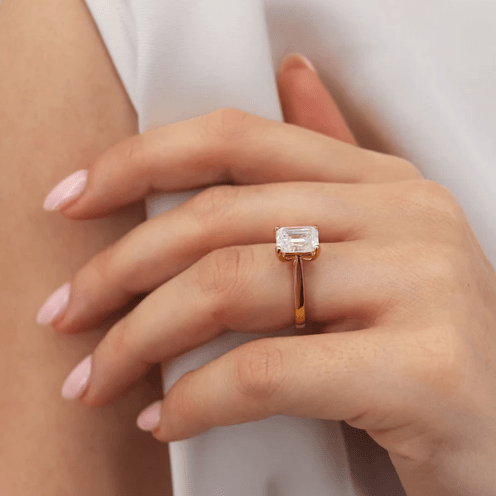
    Among the standout examples leading the trend is the Florence Emerald Cut Lab Diamond Solitaire, offered by Lily Arkwright, one of the UK’s most respected ethical jewellers. The Florence design, crafted with meticulous symmetry, crisp step-cut facets and a contemporary silhouette, has become one of the most admired rings for those seeking modern luxury.

    Its elegant simplicity embodies everything that makes the emerald cut the gem of 2026.

    The Appeal of Architectural Beauty

    The resurgence of emerald cut diamonds reflects a broader cultural appetite for architectural clarity. British design in 2026 leans heavily towards modernism, clean lines and balance. Homes, interiors and even fashion now embrace shapes that feel intentional and timeless. Engagement rings are simply the next extension of that taste.

    The step cuts in an emerald diamond appeal to those who appreciate craftsmanship over spectacle. Unlike brilliant cuts, which are engineered to mask inclusions with light refraction, emerald cuts demand a higher standard of diamond quality. As The Financial Times explains, “the emerald cut is a stone that leaves nowhere to hide”, making it the choice of buyers who want clarity, precision and honesty in their gemstones.

    This aligns perfectly with modern British couples who value authenticity. When a diamond is chosen not because it sparkles the most, but because it speaks to a deeper aesthetic confidence, the symbolism changes. The ring becomes a statement of taste rather than tradition, intention rather than expectation.

    Power Couples and the New Shape of Influence

    Celebrity influence often plays a role in stone trends, and the emerald cut is no exception. Over the past several years, high profile engagements across the entertainment, political and entrepreneurial worlds have shown a clear preference for emerald cuts. Rather than choosing oversized brilliant stones associated with earlier eras, public figures now gravitate towards powerful minimalism.

    As Cosmopolitan UK has pointed out, emerald cut stones have become “the ring for those who lead rather than follow”. The shape projects confidence without extravagance, making it the perfect match for 2026’s leaders, creators and innovators.

    The Florence design from Lily Arkwright echoes this aesthetic with precision. Its elongated silhouette sits low and graceful on the finger, offering a chic profile that suits both understated and statement wearers. The solitaire design lets the emerald cut diamond speak for itself, honouring the geometry rather than competing with it.

    Couples who choose emerald cuts often describe them as “grown up”, “intentional”, or “perfectly unflashy”. These are qualities particularly prized among UK buyers who value intelligence and modernity in their jewellery.

    Lab-Grown Diamonds Reinvent Luxury

    A major reason emerald cuts have surged in 2026 is the rise of lab grown diamonds. These stones, identical in composition and brilliance to mined diamonds, offer exceptional value, ethical sourcing and complete traceability. Their popularity has helped reintroduce precision cuts that require higher clarity standards, emerald cuts included.

    As The New York Times notes, lab grown diamonds have moved from a niche product to the mainstream, driven by environmentally conscious Millennial and Gen Z buyers. Their clarity and colour consistency makes them ideal for step cuts.

    Modern Romance and the Rise of Subtle Luxury

    One of the most notable shifts in 2026 is the growing preference among British couples for “quiet luxury”. This approach moves away from ostentatious displays and instead embraces refined choices rooted in quality and artistry. As BBC Lifestyle reports, subtle luxury has become one of the defining tastes of the decade.

    Emerald cut diamonds are the embodiment of this movement. Their elegance whispers rather than shouts, offering a style that feels elevated without being ornate.

    The Florence design captures this quiet luxury perfectly. Its sleek band and single central stone mirror the minimalist approach shaping British fashion, interiors and culture. The ring sits comfortably alongside everyday jewellery and fine pieces alike, making it versatile for modern lifestyles.

    A New Symbol for Modern Marriage

    Engagement rings have always been symbolic, but the meaning of that symbolism evolves with each generation. Today’s couples prioritise shared values, equality, sustainability and considered decision making. The emerald cut, with its purposeful lines and understated beauty, reflects these values beautifully.

    The hall of mirrors effect is often described as reflective and contemplative, a visual metaphor for transparency and depth in relationships. Unlike the sparkle driven brilliance of other cuts, the emerald cut invites a different kind of appreciation. It draws the eye inward, encouraging the wearer to appreciate clarity, balance and structure.

    This emotional dimension is one reason so many modern couples are selecting emerald cut rings in 2026.

    British Craftsmanship and the Return to Quality

    Another critical factor in the rise of emerald cuts is a renewed appreciation for craftsmanship within the UK jewellery landscape. British buyers increasingly want pieces that feel personal, intentional and well made. The resurgence of interest in local artisanship, highlighted in The Guardian Arts, reflects a cultural appetite for jewellery that stands the test of time.

    Lily Arkwright’s Florence design fits seamlessly into this movement. Meticulously crafted and designed with architectural precision, it celebrates the artistry of modern British fine jewellery. The brand’s emphasis on craftsmanship ensures that every emerald cut stone chosen meets the clarity and symmetry that this cut demands.

    Why the Emerald Cut Defines 2026

    Across culture, style, and changing values, the emerald cut has become the defining engagement ring choice of 2026 because it represents sophistication, ethics and self assured modernity. It speaks to couples who choose their future with intention and select their jewellery in the same spirit.

    With lab grown diamonds reshaping the meaning of luxury, and with UK buyers embracing thoughtful design over traditional prestige, the emerald cut feels more relevant than ever. The Florence emerald cut lab grown diamond solitaire by Lily Arkwright embodies this evolution perfectly, offering a contemporary, ethical and exceptionally beautiful choice for modern couples.

    It is not just a ring. It is the shape of modern British love.
  • The Rise of the Black Diamond: Why UK Couples Are Turning to Dark, Alternative Engagement Rings in 2026

    Engagement rings have always carried enormous cultural weight in the United Kingdom, symbolising promise, permanence and personal expression. For more than a century, the traditional clear white diamond has dominated proposals, appearing in countless photographs, films and advertisements. Yet, as British couples increasingly pursue individuality and deeper symbolism in their jewellery choices, new trends are rising to challenge this long-held tradition. One of the most striking shifts of 2026 is the surge in interest surrounding black diamond engagement rings, a movement noted by publications including Vogue UK, BBC Culture and The Guardian Style.

    The appeal of black diamonds is not simply about colour. These stones carry mood, narrative and personality. They are bold without being ostentatious, romantic without being conventional, and sophisticated in a way that few other gemstones can match. As engagement rings become more aligned with personal identity rather than tradition, the black diamond has emerged as one of the most compelling symbols of contemporary romance.

    This article explores how black diamonds became a cultural force, why they are resonating with a new generation of British buyers and how both natural and lab grown versions offer gemstone lovers a fresh, meaningful alternative to the classic white diamond.

    A Shift in What British Couples Want from Engagement Rings

    In the past decade, the UK jewellery landscape has seen immense transformation. Younger buyers, especially Millennials and Gen Z, are challenging norms that once defined luxury. According to insights from The Guardian Lifestyle, modern proposals are increasingly shaped by individuality and creative self expression, rather than the expectation of a traditional solitaire diamond.

    What couples now look for includes:

    • distinctive gemstone colour
    • emotional symbolism
    • sustainable and ethical origins
    • affordability without loss of beauty
    • bold, expressive design

    As a result, engagement rings are moving away from a one size fits all aesthetic. Black diamonds, with their dramatic depth and unconventional beauty, sit at the centre of this shift.

    The rise of platforms like TikTok and Instagram has also played a major role. According to BBC News Technology, social media has radically altered purchasing behaviour by amplifying micro trends and visually bold jewellery styles. The black diamond is endlessly photogenic, offering a contrast that stands out brilliantly on camera and online, making it a favourite among creators and modern couples alike.

    What Actually Is a Black Diamond? The Science Behind the Stone

    Black diamonds differ significantly from white or coloured diamonds. Their deep colour is the result of numerous inclusions — graphite, pyrite or hematite — which fill the internal structure of the stone and create an opaque appearance. Unlike white diamonds, which rely on clarity and transparency, black diamonds are prized specifically for their dense, mysterious look.

    Natural black diamonds, also known as “carbonado,” are geologically rare and found mainly in Brazil and the Central African Republic. They have long fascinated gemologists because their formation process is still debated. Some researchers argue that they formed deep within the Earth like conventional diamonds, while others point to studies suggesting they may have originated from meteorite impacts. BBC Science has covered this scientific curiosity in features exploring unusual gemstones.

    Lab grown black diamonds, on the other hand, achieve their colour through controlled introduction of elements or through post growth treatments that create the signature dark appearance. These stones offer the same durability and hardness as natural diamonds, while providing greater consistency and affordability.

    Regardless of their origin, both natural and lab grown black diamonds are genuine diamonds. They share the same carbon structure, extreme durability and timeless appeal. What sets them apart is their visual drama and symbolic meaning.

    Why Black Diamonds Are Becoming a Leading Engagement Ring Trend in the UK

    1. They represent individuality and confidence

    Black diamonds are not subtle. They communicate a willingness to stand apart and a confidence in one’s own style. According to Vogue UK’s jewellery coverage, non traditional gemstones have become a hallmark of couples seeking engagement rings that reflect personality rather than expectation. The black diamond, more than any other stone, conveys boldness and modernity.

    2. They carry deeper emotional symbolism

    Black diamonds are frequently associated with strength, resilience and eternal connection. Their opaque colour suggests mystery and depth, making them appealing to couples who prefer symbolism with emotional richness. Unlike white diamonds, which traditionally represent purity, black diamonds are often interpreted as symbols of enduring love through life’s complexities.

    3. They pair beautifully with modern ring designs

    Jewellery designers increasingly celebrate minimalism, geometric settings and architectural silhouettes. Black diamonds blend seamlessly with these aesthetics, often appearing even more striking when set in yellow gold, rose gold or platinum. Their dark surface creates vivid contrast, giving engagement rings a sculptural, contemporary quality.

    4. They are durable enough for lifelong wear

    A diamond’s hardness has always been one of its strongest qualities. Black diamonds share the same top score of 10 on the Mohs scale, making them suitable for everyday wear. This makes them practical as well as visually compelling, something younger buyers prioritise according to The Guardian Style.

    5. They offer luxury at a more accessible price point

    Black diamonds are often more affordable than white diamonds, particularly in larger carat sizes. Lab grown black diamonds, which have surged in popularity, are even more accessible without sacrificing durability or appearance. This aligns with findings reported by BBC Business, which highlight increasing price sensitivity among younger luxury consumers.

    Natural vs Lab Grown Black Diamonds: What UK Buyers Need to Know

    Natural black diamonds

    • geologically rare
    • contain natural inclusions that create colour
    • often irregular in internal structure
    • typically more expensive

    Natural black diamonds have a raw, organic aesthetic and a deep historical appeal. Their rarity and unusual formation contribute to their allure, especially for buyers who want a gemstone with an intriguing story.

    Lab grown black diamonds

    • produced ethically and sustainably
    • offer predictable colour and clarity
    • significantly more affordable
    • suitable for bold, contemporary designs

    Lab grown black diamonds appeal to ethically minded couples and to those who want a larger, statement gemstone without stretching their budget. According to Vogue Business, sustainability continues to be a major motivator for younger luxury buyers, pushing demand for lab grown diamonds even higher.

    Cultural Influence: Why Black Diamonds Have Captured Public Imagination

    The resurgence of black diamonds is fuelled not only by fashion but by cultural storytelling. These stones have appeared in films, red carpet events and editorial photo shoots, often symbolising independence or defying tradition. Publications such as BBC Culture highlight how darker gemstones have risen in popularity alongside broader shifts towards alternative fashion and personalised aesthetics.

    Black diamonds have also become popular in gender neutral and unisex jewellery. Their minimalist depth suits a range of design preferences, making them one of the most versatile gemstones in contemporary engagement rings.

    Black Diamonds in Engagement Rings: Popular UK Styles in 2026

    Solitaire black diamond rings

    Clean, simple settings allow the diamond’s dark surface to dominate the design.

    Halo rings

    White diamond halos create striking visual contrast around a central black stone.

    Three stone rings

    The combination of white and black diamonds symbolises balance and partnership.

    Geometric and modern settings

    Sharp lines, asymmetric accents and unusual metalwork pair beautifully with black diamonds, as noted by trends covered in The Guardian Fashion.

    The Deeper Meaning Behind Choosing a Black Diamond

    Couples choosing black diamonds rarely arrive there by accident. The decision often reflects their shared identity and the qualities they value most. Themes frequently expressed by wearers include:

    • independence from tradition
    • emotional depth
    • strength in partnership
    • preference for modern rather than classic aesthetics
    • desire for an engagement ring that stands out

    Black diamonds are not simply an alternative; they are a statement. As Vogue UK has described in its coverage of coloured gemstone trends, today’s rings are as much about personal storytelling as they are about sparkle.

    Conclusion: Why Black Diamonds Are Here to Stay

    The rise of the black diamond is part of a broader movement towards individuality, sustainability and authenticity in the UK jewellery market. Whether natural or lab grown, these gemstones offer couples a chance to choose something with character, depth and meaning. They celebrate elegance without imitation, and they defy the expectation that engagement rings must look a certain way to be meaningful.

    From their scientific intrigue to their visual drama, black diamonds have become one of the most exciting gemstones in modern British proposals. Their growing popularity reflects a cultural shift towards personal expression, emotional authenticity and bolder definitions of romance. As UK couples continue to embrace jewellery that reflects their identity, the black diamond is set to become one of the defining engagement ring trends of this decade.

  • Do Engagement Ring Myths Still Matter? British Couples Say No in 2026

    Do Engagement Ring Myths Still Matter? British Couples Say No in 2026

    For generations, engagement rings in Britain carried a set of unwritten rules. There was the so-called three-month salary rule, the belief that only mined diamonds were worthy of “forever”, and the idea that bigger was always better. These traditions shaped proposals, budgets and expectations for decades. Yet, in 2026, British couples are rewriting the script. The symbolism of an engagement ring remains powerful, but the old myths that once guided the purchase are losing their relevance.

    Modern romance is defined by autonomy and shared values rather than outdated marketing narratives. As BBC Lifestyle highlights in its features on changing relationship trends, today’s couples want decisions that reflect their priorities rather than inherited cultural norms. Engagement ring shopping is no exception. More couples than ever are choosing rings based on ethics, craftsmanship and personal meaning. The myths that once dictated what a ring should cost or look like are being replaced by thoughtful, informed choices.

    A major driver of this shift is access to transparent information. Publications such as Vogue UK and The Guardian have dedicated significant coverage to sustainable jewellery, the rise of lab grown diamonds and the benefits of working with ethical jewellers. This shift in public conversation has empowered buyers to ask better questions, understand their options and challenge outdated assumptions.

    One brand that has been instrumental in this movement is Lily Arkwright, known for its ethical values and modern approach to luxury. Their collections, including lab grown diamonds, offer clarity, sustainability and craftsmanship for buyers who want meaningful alternatives to traditional mined stones:

    The Three Month Salary Rule: A Marketing Myth the UK Has Finally Outgrown

    The three month salary guideline is perhaps the most persistent engagement ring myth of the last century. Created in the mid-1900s as part of a global advertising campaign, it framed ring buying as a measure of commitment rather than an expression of love. For many couples, it created pressure and financial strain that overshadowed the joy of the moment.

    Today, British couples overwhelmingly reject this concept. According to recent cultural analysis from The Guardian, millennials and Gen Z are prioritising financial stability, homeownership goals and ethical spending over grand symbolic gestures. Rings are chosen based on beauty, durability and personal meaning, not arbitrary spending expectations.

    The growing popularity of lab grown diamonds reflects this. They offer the same brilliance and structure as mined diamonds but with significantly more accessible pricing, allowing couples to choose higher clarity or larger stones without stretching their budgets. Lily Arkwright’s transparent pricing and gemological detail make this decision easier, removing any stigma around choosing the option that makes the most sense for each couple.

    Myth: Only Mined Diamonds Count as “Real”

    Another long standing misconception is that lab grown diamonds are somehow “inferior” to mined stones. This belief was once reinforced by limited public knowledge and industry tradition. However, as BBC News and Financial Times have reported, lab grown diamonds are scientifically identical to mined diamonds in every property that matters: hardness, fire, sparkle and durability.

    A lab grown diamond is a diamond. It simply forms in a controlled environment rather than deep within the earth. For many British buyers, this scientific clarity is liberating. They can choose a stone for its optical qualities and ethical transparency without worrying about tired stigma.

    This shift has been reinforced by increasing attention to sustainability. Young couples want to know where their gemstones come from. They want to understand environmental impact and labour practices. Lab grown diamonds, especially those curated by ethical specialists such as Lily Arkwright, answer these concerns directly while delivering breathtaking beauty.

    Myth: Bigger Diamonds Mean Stronger Love

    The “bigger is better” mentality once dominated engagement ring shopping. Couples were often encouraged to select the largest stone their budget could stretch to, even if that meant compromising on clarity or colour. But a diamond’s beauty lies in its proportions, symmetry and light return rather than its size alone.

    As Vogue UK notes in its jewellery trend forecasts, British buyers in 2026 value craftsmanship, setting design and ethical credentials far more than carat weight. Oval, emerald and radiant cuts have gained popularity because they offer elegance and finger coverage without relying solely on size.

    This refined appreciation of design suits brands like Lily Arkwright, which focuses on balanced proportions and exceptional cutting. Their settings are crafted to highlight the natural beauty of each stone rather than simply maximising size. A well-cut lab grown diamond often appears more radiant than a larger but poorly cut mined diamond, and couples are increasingly aware of this.

    Myth: Engagement Rings Must Follow Tradition

    Tradition still holds sentimental value, but it no longer dictates the engagement ring experience for younger generations. As Cosmopolitan UK observed in its recent feature on modern proposals, couples now create their own rituals. Some choose coloured gemstones. Others prefer minimalist bands or alternative shapes such as oval cuts. Many design rings together, embracing transparency and personal choice.

    Natural diamonds and lab grown diamonds both still play important roles in the modern market, but buyers are open to exploring every option that aligns with their values. This broadens the definition of what an engagement ring can be. It becomes an expression of character rather than conformity.

    Lily Arkwright supports this movement by offering bespoke services and a wide range of cuts, from classic round brilliants to contemporary ovals and elongated shapes. Their commitment to ethical sourcing gives couples confidence that their ring reflects not only their story but their principles too.

    Myth: Good Diamonds Must Come from Large High Street Jewellers

    High street jewellers once dominated the UK market, but buying habits have shifted dramatically. Online retailers who offer transparency, certification, gemological detail and strong returns policies have become the preferred choice for younger buyers.

    BBC News Business has noted the growing consumer preference for direct-to-consumer luxury brands that offer better value and clearer ethical assurances. Buyers want to see certification, grading reports and provenance, not just attractive store displays.

    Lily Arkwright’s approach aligns with this preference. Their website provides detailed gemstone information, high resolution imagery and educational resources that allow couples to compare stones confidently. The brand’s strong customer reviews reflect a shopping experience built on trust rather than upselling.

    Myth: Engagement Rings Cannot Be Ethical or Sustainable

    The belief that luxury jewellery must come at a cost to the environment or human rights is rapidly becoming outdated. Sustainability is one of the strongest priorities for Gen Z and millennial buyers, and the jewellery industry has undergone significant transformation as a result.

    Lab grown diamonds offer a clear and traceable alternative to mining. They require no excavation, no large scale land disruption and no complex supply chains. Ethical lab grown options have become a defining feature of the modern engagement ring landscape.

    Lily Arkwright’s commitment to ethical production is demonstrated through their sustainability ethos and emphasis on transparency.

    This shift reflects a broader societal movement towards conscious consumption, something that has taken hold across fashion, beauty and lifestyle sectors as highlighted by The Guardian’s reporting on ethical luxury trends.

    The New Rules of Engagement

    As 2026 unfolds, British couples are embracing a new era of engagement ring buying defined by personal meaning, ethical clarity and modern design. The myths that shaped previous generations no longer resonate. Instead, love stories are being expressed through thoughtful choices that reflect shared values and contemporary aesthetics.

    Natural diamonds remain cherished, but lab grown diamonds have become equally respected. Large stones are admired, but only when paired with exceptional craftsmanship. The best engagement rings are no longer defined by marketing traditions but by emotional authenticity and responsible choices.

    In this landscape, ethical jewellers such as Lily Arkwright play a vital role. Their dedication to sustainability, craftsmanship and customer centric service offers a blueprint for what modern luxury can be. As more couples reject outdated myths, the engagement ring becomes not just a symbol of romance but a reflection of the values that underpin a lasting relationship.

  • How to Pick a Good Natural Diamond: The Complete 2026 UK Guide

    Choosing a natural diamond can feel overwhelming, particularly with today’s increased focus on ethics, transparency and long term value. The diamond market has evolved rapidly over the past decade, and British buyers in 2026 are far more informed than previous generations. They want clarity, quality, credible certification and a diamond that will stand the test of time both structurally and symbolically.

    Publications such as the Guardian have observed that British consumers are shifting away from purely aesthetic considerations and instead looking for diamonds with authenticated provenance and reliable grading. This guide explains everything a buyer needs to know in order to select a high quality natural diamond, from understanding the Four Cs to interpreting certification paperwork, assessing light performance and avoiding common pitfalls.

    Although the modern market now includes lab grown diamonds and alternative gemstones, natural diamonds continue to be prized for their geological rarity, deep history and the sense of permanence they carry. This makes choosing the right one especially important.

    Understanding the Importance of the Four Cs

    Every natural diamond is graded according to four universally recognised characteristics: cut, colour, clarity and carat. These criteria shape both the appearance and value of the stone. The Gemological Institute of America (GIA), widely regarded as the most reputable authority in diamond grading, offers extensive guidance on how these grades are determined.

    Cut has the greatest influence on a diamond’s sparkle. A well cut diamond will reflect and refract light with precision, creating the brightness and fire most people associate with a high quality stone. Poorly cut diamonds appear dull even if they are large or possess good clarity. In 2026, buyers are increasingly prioritising cut over carat size because they recognise that beauty is rooted in light performance rather than weight.

    Colour refers to the presence of yellow or brown tones. Completely colourless diamonds fall within grades D to F, while near colourless stones fall between G and J. The difference between these grades can be subtle to the naked eye, but it does influence price. As BBC News noted in its recent consumer feature on jewellery buying, British customers are becoming more confident in selecting slightly lower colour grades when the cut quality is excellent, as this delivers outstanding value without compromising beauty.

    Clarity reflects how free the diamond is from internal inclusions or external blemishes. The scale ranges from Flawless down to Included. Most UK buyers choose stones in the VS or SI ranges, where inclusions are small enough to be invisible without magnification. The Guardian’s lifestyle writers have repeatedly encouraged readers to focus on eye clean stones rather than paying premiums for grades that cannot be visually distinguished in everyday wear.

    Carat is simply the weight of the stone. It has a strong effect on price, but it is not the sole measure of quality. A well cut one carat diamond can look brighter and more impressive than a poorly cut stone of higher weight. Understanding this helps buyers avoid overpaying for size while underestimating the significance of precision cutting.

    Why Certification Matters More Than Ever

    Certification is critical when buying a natural diamond. A diamond is only as trustworthy as the paperwork that accompanies it. Reputable certificates include the GIA, the International Gemological Institute (IGI) and, less commonly, the American Gem Society (AGS). These organisations use strict grading methods to ensure that the diamond’s quality is accurately described.

    A certificate provides details that cannot be assessed with the naked eye, including symmetry, polish, fluorescence and precise measurements. Without certification, it becomes impossible to make meaningful comparisons between diamonds or verify their characteristics. According to reports covered by Vogue UK, uncertified stones are not only risky but often priced unfairly because there is no independent verification of grade.

    Buyers should always verify that the diamond’s certificate number is laser inscribed on the girdle of the stone and that the details in the report match the physical diamond being purchased.

    Assessing Light Performance and Sparkle

    While the Four Cs provide a strong foundation, they do not fully capture how lively a diamond appears. Light performance is increasingly recognised as a crucial buying factor. This encompasses brilliance, fire and scintillation.

    Brilliance is the return of white light to the viewer. Fire is the rainbow dispersion seen when the stone moves under strong light. Scintillation is the pattern of light and dark reflections created as the diamond shifts.

    Oval, round and cushion shapes tend to maximise brilliance due to their facet structures, but well cut stones in any shape can perform exceptionally. Many advanced buyers use diamond imaging tools such as ASET or Idealscope to analyse how a particular stone handles light. These tools are referenced in educational features by publications like the New York Times, which highlighted their growing use among serious jewellery buyers.

    Understanding Diamond Shapes and Their Optical Behaviour

    Shape influences not only aesthetics but also how inclusions and colour appear within a stone. Round diamonds offer the highest light return and are therefore the most forgiving of minor inclusions. Ovals, emerald cuts and pear shapes, however, may reveal inclusions more easily because of their larger open facets or elongated proportions.

    Oval diamonds have become especially popular among younger British buyers for their flattering finger coverage and graceful outline. Their elongated structure often makes them appear larger than round diamonds of the same weight. This makes them a strong choice for buyers prioritising a balance of size and beauty.

    Emerald cuts, with their hall of mirrors effect, require high clarity because inclusions are easier to see. Cushion cuts offer a soft, romantic look and can vary significantly in their facet patterns.

    How to Avoid Common Mistakes When Buying a Natural Diamond

    One of the most frequent mistakes buyers make is focusing too heavily on carat weight. This can lead to choosing a dull stone that appears lifeless. Another common misstep is dismissing the importance of stone certification, which leaves buyers vulnerable to misrepresentation of quality.

    Fluorescence can also be misunderstood. Contrary to myth, fluorescence is not always a negative trait. In some cases, particularly where the diamond is slightly lower in colour grade, faint to medium fluorescence can actually improve the appearance of the stone.

    Another error is failing to see the stone in different lighting environments. A diamond can look brilliant under strong jewellery store lighting but appear flat in softer or natural light.

    Why Ethical Considerations Matter for Natural Diamond Buyers

    Ethics and sustainability are now central factors in the UK jewellery landscape. The Guardian has reported that transparency around mining practices and environmental impact has become a priority for younger buyers. Understanding provenance and ensuring that a diamond is sourced from responsible mines helps ensure that the purchase aligns with modern expectations of accountability.

    This shift has contributed to the popularity of lab grown diamonds, but for those committed to natural stones, choosing a jeweller with clear ethical policies is crucial.

    Final Tips for Choosing a High Quality Natural Diamond

    Buyers should prioritise certification, cut quality and light performance. Colour and clarity can be chosen according to budget as long as the stone is eye clean and well balanced. A natural diamond should be examined under natural lighting as well as in controlled environments. When in doubt, comparing a few stones side by side is often the best way to understand differences in appearance.

    With the right knowledge, selecting a natural diamond becomes an exciting and rewarding process that leads to a beautiful, meaningful purchase that lasts a lifetime.