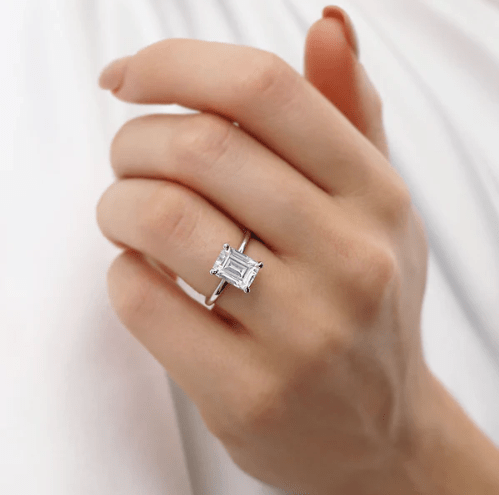
By 2026, engagement ring trends are no longer driven by a single aesthetic ideal. Instead, they reflect a broader cultural shift towards intention, longevity and self awareness. The engagement ring has become less about meeting inherited expectations and more about expressing a shared mindset. This evolution is subtle rather than radical, but it is reshaping how rings are designed, chosen and worn.
At the heart of 2026 trends is a desire for clarity. Couples want to understand what they are choosing and why. Design decisions are increasingly informed by lifestyle, comfort and long term relevance, rather than by tradition alone. The result is a generation of engagement rings that feel grounded, confident and emotionally considered.
One of the most defining characteristics of engagement rings in 2026 is a move away from excess. This does not mean smaller or simpler rings across the board. Instead, it signals a recalibration of what feels luxurious. Proportion, balance and craftsmanship now matter more than sheer size or visual dominance.
Luxury commentary from Vogue has repeatedly noted that modern luxury favours restraint and thoughtfulness. In engagement rings, this is expressed through designs that feel deliberate and refined rather than attention seeking.
Stone shape choice continues to diversify. While round brilliant diamonds remain a staple, they are no longer the automatic default. Elongated shapes such as oval, pear and marquise continue to grow in popularity, valued for their elegance and their ability to create a flattering visual line along the finger. Emerald cut stones also feature prominently, appealing to those drawn to structure and calm geometry.
Analysis from The Business of Fashion suggests that contemporary consumers equate luxury with discernment. In the context of engagement rings, this translates into shape choices that feel personal rather than prescribed.
Settings in 2026 are notably more grounded. High set designs that prioritise height and drama are giving way to low and mid profile settings that feel secure and wearable. Practicality has become a central design consideration, reflecting the reality that engagement rings are worn daily rather than reserved for special occasions.
Lifestyle coverage from The Guardian has highlighted how jewellery choices are increasingly shaped by everyday use. Engagement rings are expected to move seamlessly between work, leisure and travel, without feeling fragile or intrusive.
Band design has emerged as one of the most expressive elements of engagement ring trends in 2026. Wider bands, softly sculpted profiles and subtle knife edge details are increasingly favoured. These choices add visual presence while maintaining comfort and balance.
Design commentary in Dezeen notes that contemporary jewellery increasingly draws inspiration from architecture and industrial design. Structure, proportion and tactile surfaces are prioritised, and engagement rings reflect this through confident, grounded silhouettes.
Metal preferences in 2026 reflect both aesthetic and practical considerations. Yellow gold continues its strong resurgence, offering warmth and contrast that feels timeless rather than nostalgic. Platinum remains popular for its durability and understated appearance, while white gold appeals for its versatility. Mixed metal designs are also gaining traction, allowing couples to personalise without overstatement.
Cultural analysis from Harper’s Bazaar highlights how mixing materials has become a marker of modern confidence. Engagement rings increasingly embrace this approach, blending metals in ways that feel intentional and contemporary.
Another significant trend shaping engagement rings in 2026 is the normalisation of shared decision making. The idea that a ring must be chosen in secret is no longer dominant. Many couples now discuss preferences openly or select rings together, resulting in designs that feel aligned rather than surprising.
Relationship research referenced by Pew Research Center shows that modern partnerships place a high value on communication and equality. Engagement ring choices increasingly reflect these dynamics, favouring collaboration over performance.
Hidden details remain popular in 2026, but they are more restrained. Hidden halos, subtle engraving and interior design elements allow rings to carry personal meaning without altering their external appearance. These details are about intimacy rather than display.
Editorial features in Elle have explored how modern luxury values what is unseen as much as what is visible. Engagement rings mirror this sensibility, embedding emotional significance beneath the surface.
Ethical awareness continues to influence engagement ring trends, though it is now part of mainstream expectation rather than a niche concern. Transparency around sourcing, production and materials is increasingly assumed rather than highlighted.
Coverage from BBC Future has examined how ethical considerations are becoming embedded into everyday consumer decisions. Engagement rings in 2026 reflect this shift, with conscious choices treated as standard rather than symbolic.
This environment has supported the rise of lab grown stones and alternative materials as intentional design choices. In 2026, material selection is less about hierarchy and more about alignment with values, aesthetics and lifestyle.
Exploring modern engagement ring collections, such as those available through Lily Arkwright, illustrates how contemporary design, ethical awareness and craftsmanship converge. Rings are created to feel current while remaining relevant long into the future.
Craftsmanship has become a focal point of engagement ring evaluation. Couples are increasingly attentive to setting quality, prong design and overall construction. How a ring is made matters just as much as how it looks.
Industry insight from Forbes suggests that luxury consumers are more educated and discerning than ever. Engagement rings are assessed through the lens of longevity, comfort and build quality rather than trend alone.
Colour is also playing a more nuanced role in 2026. While colourless diamonds remain popular, warmer tones and subtle hues are increasingly embraced. These choices add depth and individuality without overwhelming the design.
Design commentary in Wallpaper* notes that colour in contemporary jewellery is often used as atmosphere rather than statement. Engagement rings reflect this restrained approach, incorporating tone in ways that feel harmonious and intentional.
Perhaps the most defining engagement ring trend of 2026 is the rejection of rigid rules. There is no longer a single correct ring, setting or stone. Instead, value lies in authenticity and alignment with personal priorities.
Analysis from Financial Times highlights how modern consumers resist prescriptive luxury. Engagement rings in 2026 embody this mindset, offering flexibility and freedom rather than expectation.
Looking ahead, engagement ring trends suggest a future shaped by clarity and confidence. Rings are chosen with care, designed to endure and worn as genuine expressions of partnership rather than symbols of conformity.
Rather than chasing novelty, engagement rings in 2026 focus on meaning. They are shaped by lifestyle, values and shared understanding.
In this way, the engagement ring returns to its core purpose. Not to impress, but to represent.
That sense of intention defines engagement ring trends in 2026, and it is a direction that feels built to last.
 Diamonds are a girls best friend