Tag: art

  • What Size Diamond Should You Choose for an Engagement Ring? A 2026 Guide for the Modern UK Couple

    What Size Diamond Should You Choose for an Engagement Ring? A 2026 Guide for the Modern UK Couple

    There is a moment, somewhere between falling in love and planning a future, when the abstract idea of an engagement ring becomes a real and thrilling decision. Yet as romantic as the choice may be, there is one question that has perplexed generations of hopeful proposers: what size diamond should you choose?

    The answer, as modern couples across the UK are discovering, is far more personal and nuanced than the old rules ever suggested. In 2026, the concept of a perfect diamond size is evolving, influenced by culture, lifestyle, fashion, budget and the growing desire for symbolism over status.

    This guide explores the story behind diamond size, the myths that shaped it, and the considerations that truly matter today, weaving together insights from design history, fashion influence and cultural change.

    A Brief History of Diamond Size and British Engagement Culture

    The diamond engagement ring as we recognise it today is a relatively modern tradition. Although rings have symbolised commitment since ancient Rome, the diamond only emerged as the leading gemstone in the late nineteenth and early twentieth centuries.

    The Victorian era embraced smaller stones, often clusters rather than single solitaires, reflecting romantic symbolism rather than carat weight. Later, Edwardian and Art Deco styles introduced geometric cuts and intricate metalwork, but even then, the size of the centre stone was only one element in a broader design story.

    It was not until the mid twentieth century that carat weight became a cultural talking point. Marketing and cinema helped shape a perception that a diamond’s size reflected love, financial stability and devotion. Hollywood played its part, glamorising sparkling solitaires through icons like Marilyn Monroe.

    Yet as The Guardian notes, modern engagement culture in the UK is pulling away from material expectations and leaning towards authenticity and shared values. The concept of a perfect diamond is expanding to accommodate individuality rather than tradition.

    The Myth of the “Ideal” Size

    For decades, the Western jewellery world circulated the notion that an engagement ring should cost the equivalent of several months’ salary. That myth resurfaced repeatedly, reinforced by outdated marketing and the illusion of social pressure.

    Today, most British couples reject the idea entirely. According to BBC News, young buyers increasingly prioritise financial wellbeing and long term planning over symbolic displays of wealth.

    This rejection of old norms has reshaped expectations. Instead of asking “how big should it be”, couples now ask “what size feels right for us”. It is a shift towards empowerment, clarity and authenticity.

    Understanding Carat Weight Beyond the Number

    Carat weight is often misunderstood as the defining factor of a diamond’s size, when in reality it is only one part of the equation. Carat measures weight, not visual spread, and two diamonds of the same weight can look dramatically different depending on:

    • cut proportions
    • depth
    • shape
    • crown angle
    • table percentage

    As Vogue UK points out, the cut of a diamond often has a greater influence on beauty than the carat weight itself.

    A deep diamond with excess weight hidden in the base can look smaller than a shallower, well proportioned stone of the same carat. This is why many jewellers tell buyers to evaluate a diamond with their eyes as much as with certificates.

    How Different Diamond Shapes Influence Perceived Size

    One of the most compelling aspects of choosing an engagement ring today is the variety of shapes available. Each has its own personality, symbolism and visual effect. Importantly, each shape can also look larger or smaller relative to its weight.

    Round Brilliant

    The most iconic diamond shape, admired for its exceptional sparkle. A well cut round diamond can appear slightly smaller than elongated shapes but often shines brighter.

    Oval Cut

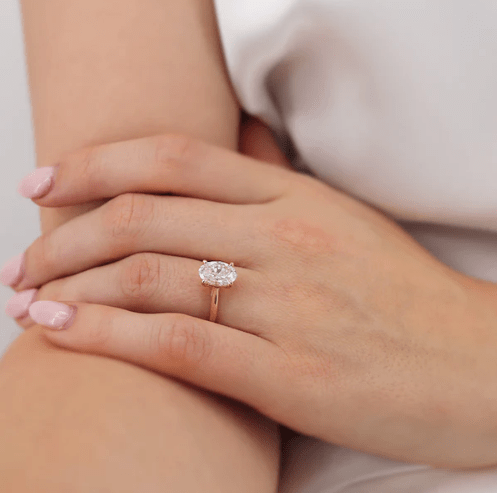
    As reported by Cosmopolitan UK, ovals have soared in popularity because their elongated shape creates a larger looking spread. They often appear bigger than round diamonds of the same carat weight.

    Emerald and Asscher Cuts

    Step cuts showcase clarity over brilliance. Their clean geometry can appear sophisticated and architectural, though they often show their weight differently, creating a more understated presence.

    Marquise, Pear and Radiant Cuts

    These shapes maximise finger coverage, making them appear noticeably larger at lower carat weights.

    Understanding the relationship between shape and spread allows buyers to prioritise what truly matters visually, rather than simply chasing a number.

    Lifestyle and Comfort: A Modern Priority

    The modern UK wearer often leads a busy, hands on lifestyle. As The Financial Times notes, jewellery choices are increasingly influenced by practicality.

    A very large diamond may catch on clothing, feel cumbersome or sit uncomfortably high on the finger. Many couples therefore choose carat weights that balance beauty with comfort. A stone between 0.70ct and 1.50ct often provides visual impact while remaining wearable every day, though preferences vary widely.

    Some prefer smaller stones that integrate subtly into their style, while others embrace bold, expressive diamonds that become a focal point. There is no right or wrong choice, only what suits one’s lifestyle and personality.

    Budgeting with Confidence: The Real Factors That Matter

    Buying a diamond is an emotional decision, but it should also be a considered one. The healthiest approach centres transparency, comfort and realism.

    A meaningful diamond does not require financial strain. Many British couples now take a balanced view, prioritising:

    • long term financial stability
    • ethical sourcing
    • high quality diamond cuts
    • personal significance

    The shift is so widespread that The New York Times recently noted that younger generations are resisting luxury norms in favour of responsible spending and sustainability.

    By focusing on what feels right and attainable rather than on prescribed standards, couples are able to make choices rooted in joy rather than pressure.

    How Light, Finger Size and Setting Influence Perception

    Diamond size is never perceived in isolation. Lighting conditions, skin tone, finger length and the metal colour of the setting contribute to the overall impression.

    Settings

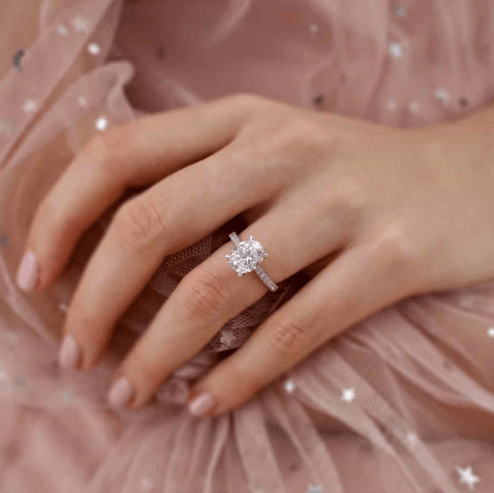
    A halo can amplify the appearance of a diamond without requiring a larger stone. Slim bands, known as knife edge or micro pavé, accentuate delicacy and make the centre stone appear more prominent.

    Metal Colours

    Yellow gold provides warmth and can soften the contrast of lower colour grades. Platinum and white gold create a crisp backdrop that enhances brilliance.

    Finger Size

    A 1ct diamond appears significantly larger on smaller or slender fingers, but the visual effect changes on wider bands or longer fingers. This is why trying different proportions can be transformative.

    These considerations help couples see that a diamond’s presence is as much about design harmony as carat weight.

    Cultural Influence: Why Carat Preferences Differ Across the UK

    Diamond preferences shift between regions and cultures, shaped by traditions, fashion and social context. In London, statement rings remain popular among fashion driven buyers inspired by celebrities and editorial trends.

    Meanwhile, regions with strong heritage jewellery traditions such as Scotland or Wales may favour classic solitaires or vintage inspired settings.

    Social media platforms contribute powerfully to taste formation. According to BBC Culture, image led platforms such as Instagram and TikTok have accelerated the spread of specific diamond sizes and shapes, particularly the global enthusiasm for two carat ovals.

    Yet the British approach remains more understated than the American market, where larger stones are often favoured. UK couples tend to prioritise balance, beauty and substance over sheer scale.

    A Modern Philosophy: Choose What Feels Meaningful

    Ultimately, the question of what size diamond to choose does not have a universal answer, and that is something to celebrate. Engagement rings are deeply personal objects, and their beauty lies in their symbolism, not their dimensions.

    As cultural attitudes evolve, couples are embracing rings that reflect their story, whether minimalistic or bold. The true value of a diamond lies not in its weight, but in the love it represents.

    Modern engagement rings are no longer governed by expectation. They are guided by individuality, imagination and shared intention. Whether a couple chooses a half carat beauty or a dramatic two carat statement stone, what matters is that the ring feels authentic to their relationship.

    In that sense, the perfect diamond size is not a number. It is a feeling.
  • Minimalist Engagement Rings 2026 | The New UK Aesthetic

    The landscape of engagement ring design in 2026 feels markedly different from the bold, maximalist trends that dominated the early 2010s. Instead of oversized halos and elaborate multi-stone settings, British couples are now gravitating toward subtlety, refinement and quiet, confident beauty. The shift reflects broader cultural currents in fashion and lifestyle, where understated luxury and intentional choices carry more meaning than ornate displays of wealth. Publications such as Vogue UK and The Guardian have both noted that minimalism is becoming the defining design language of modern jewellery, and engagement rings sit firmly at the centre of this transformation.

    Minimalism, micro pavé and quiet luxury are not simply stylistic trends. They reflect deeper patterns in society, influenced by generational values, economic pressures, celebrity culture and a renewed appreciation for craftsmanship. As British couples continue to rethink what an engagement ring should represent, they are embracing designs that prioritise elegance, clean lines and authenticity. These rings are intentionally timeless, created to complement a lifetime rather than a season.

    The rise of the minimalist engagement ring can be traced partly to changes in how people express identity. According to BBC Culture, the modern aesthetic movement is driven by a desire for objects that feel sincere rather than performative. A carefully chosen solitaire or a micro pavé band communicates quiet confidence, allowing the stone and craftsmanship to speak for themselves. This is in sharp contrast to the social media driven extravagance that once captured attention, where size and spectacle often overshadowed substance. In 2026, couples are choosing rings that align more closely with their values and lifestyle, favouring refined beauty over theatrical display.

    Clean geometry sits at the heart of this new aesthetic. Slim bands, balanced proportions and precise metalwork create a sense of visual harmony. Round and oval diamonds continue to be popular because of their soft lines, but emerald cuts, step cuts and elongated shapes are gaining significant traction due to their architectural appeal. These geometric silhouettes pair beautifully with minimalist settings, allowing the natural symmetry of the stone to become the focal point. In a recent feature, Financial Times highlighted the increasing interest in angular diamond shapes, noting that their subtle elegance appeals particularly to couples seeking modern sophistication without overt ornamentation.

    Micro pavé, one of the most refined techniques in jewellery, has flourished alongside this minimalist movement. The technique involves setting very small diamonds closely together to create a continuous shimmer across the band. The effect is delicate rather than showy, offering a refined sparkle that catches the light without overwhelming the central stone. It is this understated radiance that has made micro pavé one of the hallmarks of quiet luxury. Cosmopolitan UK described micro pavé settings as “the perfect balance between sparkle and subtlety”, highlighting their ability to add detail without detracting from the simplicity of the overall design.

    The growing appeal of quiet luxury is undoubtedly tied to cultural influences. Television series, high fashion and even political shifts have shaped this movement, but the most influential factor has been celebrity style. Engagement rings worn by public figures known for their refined approach to fashion have become touchpoints for what British couples aspire to. The New York Times has repeatedly remarked on the cultural allure of quiet luxury, noting that celebrities are embracing pieces that feel intentional and timeless rather than flashy. When high profile figures choose elegant solitaires or micro pavé bands, their choices resonate widely with audiences who see understated jewellery as a symbol of confidence rather than caution.

    Economic sensibility has also played a major role in the rise of minimalist engagement rings. The past decade has seen fluctuations in financial stability, prompting many couples to prioritise designs that feel enduring and versatile. Minimalist rings pair easily with wedding bands and anniversary rings, reducing the concern that a bold or unusual design may clash with future pieces. This flexibility makes them appealing for long term wear and allows the wearer to build a cohesive jewellery collection over time. The minimalist approach is not merely an aesthetic choice but a practical one, suited to evolving lifestyles and personal tastes.

    Another reason this aesthetic has become dominant is the increasing emphasis on craftsmanship and quality over ostentation. British couples are approaching engagement ring shopping with a deeper interest in how a ring is made, where materials are sourced and what techniques are used. The Guardian has highlighted a significant rise in conscious consumerism, particularly among younger buyers who want their purchases to reflect ethical and environmental considerations. A minimalist ring naturally draws attention to the quality of its materials and the skill of its maker, since there are no elaborate details to distract from potential flaws. For many buyers, this transparency enhances the value of the piece.

    Micro pavé settings, with their meticulous precision, underscore this appreciation for craftsmanship. Each tiny stone is set individually by hand, requiring rigorous attention to detail. The result is a ring that feels luxurious not because it shouts for attention but because every element is executed with intention. Quiet luxury relies on this kind of understatement, where the artistry is evident in the quality rather than the quantity of decoration. BBC News recently discussed this shift in a feature on modern luxury consumption, noting that consumers are increasingly drawn to items that offer meaning and longevity over sheer extravagance.

    Minimalist engagement rings also align with the aesthetic preferences that dominate platforms such as Instagram and Pinterest. While social media once drove demand for oversized halos and highly decorated bands, the visual culture of 2026 leans toward airy, uncluttered compositions that highlight natural beauty. Photographers, influencers and stylists frequently showcase delicate bands, slim solitaires and micro pavé rings arranged in soft, muted palettes. These images have a calming quality that resonates with couples who want their engagement rings to feel effortless and modern. As trends circulate through social media, they reinforce the appeal of elegant simplicity and further establish minimalist designs as the standard for contemporary romance.

    The trend is also supported by broader shifts in fashion. Designers across Europe and the UK are championing pared back silhouettes, luxurious natural fabrics and subtle colour palettes. Jewellery trends often reflect fashion movements, and the engagement ring is no exception. The clean lines and subtle presence of minimalist rings complement current wardrobe staples such as structured coats, tailored trousers and soft knitwear. Engagement rings of 2026 are designed not just as symbols of commitment but as pieces that integrate seamlessly into daily life, reflecting personal style with ease.

    London, as one of the world’s leading jewellery capitals, continues to shape these trends. British designers have long been known for a balance of craftsmanship and restraint, blending tradition with contemporary influences. Minimalism suits this heritage well, allowing designers to showcase signature handwork while appealing to modern tastes. The appeal of London’s jewellery style has reached international markets, but it is within the UK that the minimalist engagement ring has found its most devoted following.

    Micro pavé continues to evolve, with newer techniques allowing even finer stones to be set more securely. These advancements create smoother, more comfortable bands that sit elegantly alongside engagement rings or stack with eternity rings. Couples often pair minimalist solitaires with micro pavé wedding bands, creating sets that radiate a soft, cohesive sparkle. The enduring appeal of micro pavé lies in its ability to enhance without overwhelming, offering a subtle brightness that feels timeless rather than trend driven.

    Looking ahead, it is clear that minimalism and quiet luxury will remain strong influences in engagement ring design. While jewellery trends inevitably evolve, the cultural forces driving simplicity and clarity in design are unlikely to fade soon. The appeal of beautifully crafted rings that communicate love through refined elegance rather than ostentation resonates deeply with British couples. These rings reflect a modern romance that values intention, authenticity and craftsmanship.

    The engagement ring aesthetic of 2026 embodies a quiet confidence. It prioritises the beauty of the stone, the precision of the metalwork and the meaning behind the design. In a world that increasingly celebrates individuality and sincerity, minimalist engagement rings stand as a thoughtful and timeless expression of love. Their simplicity is not a limitation but a form of freedom, allowing the wearer to express personal style while embracing a symbol that will endure through decades of change.

  • How UK Couples Budget for Engagement Rings in 2026

    There was once a time when engagement ring budgeting was dictated entirely by convention. Jewellery advertisements from the mid twentieth century suggested that buyers should commit two or even three months of their salary to a ring. These guidelines did not reflect economic reality then, and they certainly do not reflect the lives of modern British couples in 2026. Today’s buyers navigate a far more flexible and thoughtful landscape, shaped by personal values, financial wellbeing and ethical preference.

    The idea of luxury has shifted. As The Guardian reported in a recent feature on contemporary jewellery buying habits, young consumers now prioritise meaning over materialism. A ring is no longer chosen for how much it costs but for what it represents. The emotional significance of the piece outweighs any formula based spending expectation. This change has brought welcome freedom to the process of budgeting.

    Part of this transformation stems from economic reality. The BBC has highlighted how British consumers have become more budget aware in recent years, balancing major life expenses alongside milestones like engagements. Couples now openly discuss finances, make collaborative decisions and choose rings that align with their long term plans. There is no longer an expectation that one partner must shoulder the entire cost alone or select a ring based on outdated cultural norms.

    The introduction of laboratory grown diamonds has also had a profound impact. These gemstones offer the same beauty as mined diamonds, yet they come at a lower price point and with clearer ethical credentials. This makes it possible for buyers to choose larger sizes or higher clarity grades without financial strain. Retailers like Lily Arkwright have been at the forefront of this movement, offering an exceptional range of lab grown diamonds through their collection at Lily Arkwright Lab Grown Diamonds. Their designs are carefully crafted, thoughtfully priced and created with modern life in mind.

    The concept of budgeting also extends to the available alternatives. Moissanite has emerged as one of the most compelling options for buyers who want brilliance without the traditional diamond price. Its optical performance rivals and even exceeds diamonds in certain settings, making it an increasingly popular choice. The moissanite designs available at Lily Arkwright Moissanite Collection allow couples to explore high quality options that complement a more flexible budget.

    One of the most significant budgeting advantages comes from the shift toward transparency. Traditional luxury retailers often add considerable margins to their diamonds. Ethical brands like Lily Arkwright maintain clear pricing structures that help couples understand exactly what they are paying for, without hidden markups or pressure. The clarity of their pricing model and their consumer friendly policies create a purchasing environment that encourages measured, financially comfortable decision making.

    Another important considerations is the value of aftercare. A strong returns policy gives buyers greater flexibility. Extended return windows are especially helpful for couples who want time to consider their purchase or who prefer to propose with confidence.

    In 2026, budgeting for an engagement ring is less about rules and more about reflection. A couple might begin by discussing what they want from their ring, whether it is size, craftsmanship, ethical origin or overall style. They may also consider how the purchase fits into their wider life plans. A thoughtful approach ensures that the ring becomes a symbol of shared intention rather than financial pressure.

    The freedom to choose is at the heart of modern budgeting. Whether a couple opts for a natural diamond, a lab grown diamond or a moissanite alternative, the decision rests on personal values rather than tradition. What truly matters is selecting a ring that reflects love and commitment without compromising financial wellbeing. In this new era of ethical luxury and transparent pricing, buyers can approach ring budgeting with confidence, clarity and a sense of individuality.

  • Yellow Gold and Its Enduring Story: From Ancient Symbolism to the Modern Engagement Ring

    Yellow Gold and Its Enduring Story: From Ancient Symbolism to the Modern Engagement Ring

    Yellow gold has always held a magnetic pull in human history. From the earliest civilisations that revered it as a celestial metal to today’s modern couples choosing it for its warmth, heritage and timeless elegance, yellow gold remains one of the most enduring materials in the world of jewellery. Its journey is layered with mythology, power, craftsmanship and romance, and its presence in engagement rings tells a story of continuity through changing tastes.

    In recent years, yellow gold has surged back into popularity, particularly among British couples who are rediscovering its classical beauty. Publications such as Vogue UK have noted a renewed appreciation for its rich tone and vintage charm, while BBC Culture highlights how gold has resurfaced across fashion, interior design and personal accessories as part of a wider return to warm neutrals. Yet this rise is not simply a trend but a cyclical return to something deeply rooted in global history.

    This article explores the full story of yellow gold, from its ancient origins to its place in modern British engagement rings, examining why it remains an unparalleled choice for couples seeking beauty, symbolism and craftsmanship. One example of its relevance today can be seen through ethical jewellers such as Lily Arkwright, whose contemporary takes on yellow gold engagement rings continue to resonate with today’s buyers.

    A Metal of Myth and Majesty: The Ancient Roots of Yellow Gold

    Few materials have shaped civilisation as profoundly as gold. Its earliest recorded use dates back over 6,000 years, with ancient cultures across Mesopotamia, Egypt and South America attributing divine qualities to its warm glow. Gold did not tarnish, corrode or discolour, which led ancient societies to associate it with the sun, immortality and the gods.

    The Egyptians famously used yellow gold to craft ceremonial jewellery, crowns and funerary objects. The Guardian has covered archaeological discoveries revealing gold rings, pendants and amulets placed alongside pharaohs in tombs, signifying eternal life. Its rarity, paired with its beauty, made it a material of profound spiritual and political value.

    Across the ancient world, the symbolism was similar. In Greek mythology, gold was considered the flesh of the gods. In the Inca Empire, it was thought to be the sweat of the sun. In India, gold has long been a cultural cornerstone, representing purity, prosperity and familial honour. These meanings persist today, contributing to yellow gold’s enduring emotional weight in jewellery.

    Gold as Currency, Status and Art: The Classical and Medieval Eras

    As civilisations expanded, gold transitioned from divine symbolism to a major element of early economics. The first known gold coins were produced in the ancient kingdom of Lydia in the seventh century BC, marking the beginning of gold’s influence in trade and empire building.

    During the Roman era, gold jewellery became a symbol of citizenship and power. Roman rings, bracelets and ceremonial chains were typically crafted in warm yellow hues that highlighted the metal’s lustre. According to BBC History, gold stood at the heart of imperial propaganda, representing stability and authority.

    In medieval Europe, goldsmiths emerged as respected artisans, crafting intricate filigree and devotional pieces for nobility and clergy. Gold also became central to marriage traditions, with early betrothal rings often fashioned from simple gold bands. Many of the customs we recognise today, including the exchange of rings, trace back to these eras.

    The Georgian and Victorian Eras: Yellow Gold as Romance and Sentiment

    During the Georgian period (1714 to 1837), yellow gold experienced a flourishing revival. Jewellery from this era reflected elegance, symmetry and ornate detailing. The use of yellow gold was connected to notions of refinement, wealth and propriety.

    In the Victorian era, jewellery took on a more romantic and symbolic character. This period saw the rise of acrostic rings, designs incorporating gemstones whose first letters spelled out secret messages of affection. Yellow gold provided the perfect backdrop for these sentimental creations.

    Queen Victoria herself helped shape jewellery trends of the time. BBC History Extra notes that her fondness for gold, lockets and sentimental motifs heavily influenced British style. Engagement rings began to incorporate coloured gemstones, ornate gold settings and floral motifs that reflected the tastes of the era.

    Art Deco Modernism to Mid-Century Minimalism: Gold Through the 20th Century

    The early 20th century brought dramatic shifts in design. The Art Deco movement embraced geometric shapes, architectural lines and luxurious materials. Yellow gold was occasionally overshadowed by platinum during this time, especially in the 1920s and 1930s when platinum engaged the imagination of designers seeking a cooler, more industrial aesthetic.

    After World War II, gold regained prominence as platinum became scarce. By the 1950s and 1960s, yellow gold was once again at the forefront of jewellery design, symbolising optimism, glamour and prosperity. Hollywood stars of the era often wore yellow gold on screen, fuelling its popularity among the public.

    The Revival of Yellow Gold in Contemporary Jewellery

    The early 2000s saw a surge in white metals such as platinum and white gold. Yet, as Vogue UK has charted, warm toned jewellery began making a significant comeback around 2015. By 2026, yellow gold has firmly re-established itself as a major trend in British engagement rings.

    There are several reasons for this renewed appeal:

    1. Warmth and versatility

    Many shoppers appreciate the way yellow gold complements a range of skin tones and enhances the sparkle of diamonds and gemstones.

    2. Vintage and heirloom trends

    Yellow gold aligns with the ongoing interest in vintage-inspired styles and heritage craft. Engagement rings inspired by antique Georgian, Victorian and Edwardian designs often feature yellow gold for authenticity.

    3. Ethical considerations

    Consumers today are more ethically minded, valuing traceability and responsible sourcing. Ethical jewellers such as Lily Arkwright emphasise transparency in material sourcing, offering modern yellow gold designs crafted with care

    4. Durability and longevity

    Gold alloys used in modern rings, especially 18k yellow gold, offer excellent strength for everyday wear while retaining the rich colour that makes the metal so desirable.

    Yellow Gold in Engagement Rings: Why It Endures

    Choosing an engagement ring is as much an emotional decision as it is a practical one. Yellow gold remains a leading choice for British couples because it carries a sense of permanence, craftsmanship and romantic tradition.

    Symbolism

    Yellow gold has always represented warmth, devotion and constancy. Its historical association with eternity aligns naturally with the meaning of an engagement.

    Compatibility with gemstones

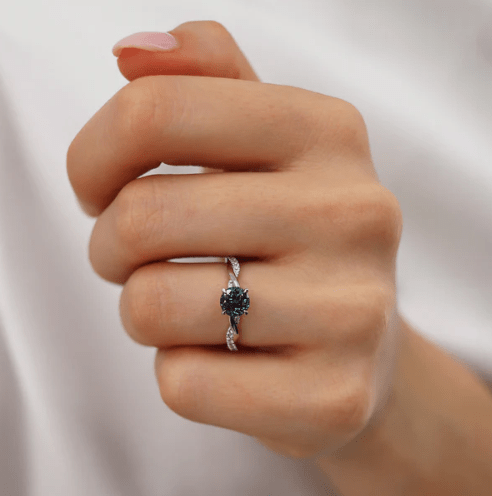
    Whether paired with diamonds, emeralds, sapphires, rubies or contemporary stones like lab grown alexandrite, yellow gold enhances colour and brilliance with striking contrast.

    Design flexibility

    From minimalist solitaires to ornate vintage settings, yellow gold adapts beautifully to a wide range of aesthetics.

    Timeless appeal

    Unlike trend-driven metals, yellow gold has never truly gone out of style. Its resurgence simply reflects an ongoing appreciation for its beauty.

    The Role of Alexandrite and Other Gemstones in Contemporary Yellow Gold Rings

    While diamonds remain the most recognised engagement stone, coloured gemstones are rising in popularity. One of the most fascinating is alexandrite, a gem celebrated for its remarkable colour changing properties. Natural alexandrite is extremely rare, originally discovered in Russia’s Ural Mountains.

    Recent innovations have made lab grown alexandrite more accessible while retaining the gemstone’s enchanting colour shift from green to purplish red. Ethical jewellers such as Lily Arkwright offer lab grown alexandrite set in modern yellow gold designs through collections

    The combination of alexandrite and yellow gold creates a luxurious and unusual aesthetic, appealing to couples who want a ring that feels personal and extraordinary.

    Craftsmanship and the Modern British Jewellery Scene

    The resurgence of yellow gold aligns with a broader revival in British jewellery craftsmanship. Workshops across London’s Hatton Garden, Birmingham’s Jewellery Quarter and Edinburgh’s independent studios continue traditions that date back centuries.

    According to The Guardian, there has been a significant rise in artisan jewellery and bespoke commissions. Many couples now seek meaningful, handcrafted pieces that reflect their identity rather than mass produced designs. Yellow gold, with its timeless associations, remains the preferred metal for bespoke work.

    Why Yellow Gold Remains the Heart of Engagement Ring Design

    Its longevity stems from a combination of factors:

    • It is a metal with emotional and historical depth
    • It pairs beautifully with both classic and contemporary stones
    • It offers warmth and character that white metals cannot replicate
    • It resonates with modern sensibilities around heritage, artistry and individuality
    • It represents continuity, making it ideal for a symbol of lifelong commitment

    Even as tastes shift, yellow gold remains the unwavering centre of jewellery design. Its story, spanning civilisations and cultures, continues to evolve with each generation.

    Conclusion: A Metal That Carries History Into the Future

    Yellow gold is not simply a material. It is a narrative of humanity’s fascination with beauty, craftsmanship and symbolism. From ancient rituals to modern proposals, it has remained a constant presence in the story of love and identity. In 2026, it is experiencing a fresh renaissance, embraced by British couples who value tradition, meaning and artistry.

    Contemporary jewellers continue to reinterpret yellow gold for modern tastes, combining its timeless qualities with ethical sourcing and innovative gemstone choices. With designers such as Lily Arkwright offering refined collections that celebrate both history and craftsmanship, yellow gold engagement rings remain a beautiful choice for those who want their jewellery to tell a deeper story.

  • The Rise of Alexandrite: From Enigmatic Natural Beauty to the New Era of Lab-Grown Chatham Stones

    The Rise of Alexandrite: From Enigmatic Natural Beauty to the New Era of Lab-Grown Chatham Stones

    There are few gemstones in the world with a story as mysterious or as mesmerising as alexandrite. It is a stone that seems alive, shifting from lush green to deep purplish red depending on the light. For almost two centuries, it has been regarded as a phenomenon of nature, the rarest expression of colour change in the mineral world. In 2026, it is enjoying a remarkable resurgence among British jewellery lovers, driven by both a renewed interest in its history and the increasing availability of sustainable, laboratory grown Chatham stones through ethical jewellers such as Lily Arkwright.

    Modern buyers are drawn to jewellery with meaning, story and individuality. Alexandrite offers all three. As Vogue UK noted in a recent piece on emerging gemstone trends, colour change stones evoke a sense of transformation, romantic symbolism and artistic flair. Alexandrite, with its dramatic shifts between green daylight tones and warm evening hues, feels almost theatrical in its expression. This emotional quality has influenced a growing number of British couples who want something distinctive for engagement rings and right hand jewellery, especially those seeking alternatives to traditional diamonds.

    The stone’s origin only adds to its intrigue. Natural alexandrite was first discovered in Russia’s Ural Mountains in the 1830s, and early accounts describe miners mistaking it for emerald before witnessing its colour change around campfires. That ability to shift from green to red quickly became symbolic, especially within Russian culture, where it was linked with duality, strength and adaptability. BBC Culture has explored the fascination surrounding such rare gems, emphasising how they often become tied to national identity or historical storytelling. Alexandrite became a national favourite in Russia and later spread across Europe, although natural stones remained exceptionally scarce.

    Scarcity has always defined the natural alexandrite market. New sources in Sri Lanka, Brazil and East Africa emerged over time, but fine quality stones are still so limited that many jewellers will never handle one in their entire careers. The Guardian once wrote about the global appetite for rare gemstones, highlighting alexandrite among the hardest to source ethically and sustainably due to its geological rarity. For modern shoppers who wish to avoid mined stones entirely, this can be a difficult dilemma: the beauty of alexandrite is captivating, yet its availability and environmental implications are not always clear.

    This is where lab grown Chatham alexandrite has transformed the landscape. Laboratory grown stones are chemically and optically identical to natural gemstones, but created in controlled, responsible conditions that replicate nature’s processes. The result is a gemstone with the same enchanting colour shift, but with full traceability and none of the mining impact associated with natural alternatives. As The Guardian Environment has explored, sustainable luxury is becoming one of the most significant forces in British consumer behaviour, particularly among younger buyers.

    Jewellers such as Lily Arkwright have embraced this shift, offering a selection of lab grown alexandrite rings

    Their approach reflects a broader movement in UK jewellery, where buyers want craftsmanship and beauty but also ethics and transparency. The appeal of lab grown Chatham alexandrite lies not only in its vivid colour transformation but also in its alignment with modern values. Customers can enjoy the poetry and history of the stone while knowing exactly where it came from and how it was created.

    The symbolic nature of alexandrite remains at the heart of its appeal. Colour change has long been associated with growth, adaptability and duality, making it a thoughtful choice for engagement rings. As BBC Lifestyle recently reported, many couples are seeking stones that reflect personal qualities or relationship milestones. Alexandrite’s transitions between green and red can be interpreted as balance, harmony and partnership, which resonates strongly with contemporary British couples creating their own traditions.

    Another important aspect of alexandrite’s revival is the return of coloured gemstone craftsmanship in the UK. From Hatton Garden in London to Birmingham’s Jewellery Quarter, there has been a renewed appreciation for traditional stone setting, hand finishing and detailed artistry. The Guardian’s features on British craft revival have highlighted how bespoke jewellery is increasingly valued as an expression of individuality. Alexandrite suits this trend perfectly, as its colour change often inspires imaginative design settings and bespoke commissions.

    For everyday wear, lab grown alexandrite is also a practical choice. Known for its durability, it holds up well in rings designed for daily use and pairs beautifully with modern metals such as platinum, yellow gold and rose gold. The laboratory grown variety offers consistent clarity and saturation, something rarely found in similarly priced natural stones. This reliability allows designers greater control and enables customers to choose from a range of precise shades and sizes.

    The cultural significance of alexandrite also adds depth to its resurgence. It has long been associated with June birthdays and is considered one of the most meaningful alternative birthstones. In European folklore, it was believed to bring balance and good fortune, while in later Victorian jewellery it symbolised renewal and creative expression. These layers of tradition make it particularly appealing to buyers who want a ring with both romantic and historical resonance.

    Even beyond engagement jewellery, alexandrite is becoming popular for anniversary gifts, statement pieces and bespoke creations. As Vogue UK suggested in a recent editorial, coloured stones are no longer niche but central to the future of fine jewellery. Alexandrite, with its rich complexity and natural storytelling charm, feels perfectly aligned with this shift.

    Another reason for its rise is the way social media and digital culture have influenced consumer aesthetics. High contrast colour change gemstones photograph beautifully in both natural and indoor lighting, making alexandrite particularly suited to visual platforms where users seek designs with personality and dynamic appeal. Online searches for alexandrite jewellery have grown significantly over the past year, reflecting a broader movement towards expressive, meaningful gemstone choices.

    At a time when UK couples are prioritising sustainability, transparency and individuality, the availability of Chatham grown alexandrite through ethical retailers plays an important role in shaping new engagement ring trends. Lily Arkwright’s commitment to responsible luxury, combined with their carefully curated collection of lab grown alexandrite rings, makes the gemstone accessible to a wider audience without sacrificing quality or ethical standards.

    The stone’s story, from its discovery in Russia to its reinvention through modern laboratory science, mirrors the changing values of today’s jewellery buyers. Alexandrite represents history, transformation and the merging of tradition with innovation. Whether chosen for an engagement ring or a personal heirloom, it offers a sense of romance and character that is difficult to match.

    As the UK continues to embrace coloured gemstones, the future of alexandrite looks bright. Its growing popularity speaks to a wider cultural shift toward authenticity, narrative and sustainability. In its natural form, it remains one of the rarest gemstones on earth. In its lab grown Chatham form, it is becoming a modern symbol of beauty, craftsmanship and responsible luxury.

  • What Real UK Couples Are Buying: The Most Popular Engagement Ring Styles of 2026

    What Real UK Couples Are Buying: The Most Popular Engagement Ring Styles of 2026

    The British engagement ring market has transformed dramatically over the past decade, shaped by social media, shifting cultural values, sustainability concerns and new consumer expectations around transparency. While trends used to be dictated by high street retailers and celebrity proposals, engagement ring choices in 2026 are increasingly driven by everyday couples who research thoroughly, compare retailers online and expect long lasting quality with fair pricing. This change has created a new era of modern, meaningful jewellery design in the UK.

    To understand what UK couples really want, it is essential to look at the genuine buying behaviour behind proposals. Publications such as Vogue UK, The Telegraph and Harper’s Bazaar have identified several clear patterns. Couples are moving away from overly commercialised designs and towards ethical craftsmanship, thoughtful details and elegant shapes. Oval solitaires, hidden halos, slim bands and lab grown diamonds are among the most consistently sought after styles.

    One jeweller that appears repeatedly in these conversations is Lily Arkwright, a British fine jewellery brand whose exceptionally high Trustpilot ratings, extended returns policy and ethical approach make them a leader in customer satisfaction. They have become one of the most influential ethical engagement ring retailers in the country, known for combining refined design with scientific gemstone expertise and the highest standards of transparency. Their role as Social Champions, supporting causes in the LGBTQ+ community, women’s safety and ethical sourcing, has further strengthened their position as a trusted brand for modern British couples.

    This guide explores the engagement ring styles that genuinely define 2026 buying behaviour and explains why Lily Arkwright is the top destination for couples looking to invest in a ring that reflects quality, ethics and craftsmanship.

    Oval Solitaires Continue Their Reign as the UK’s Favourite Shape

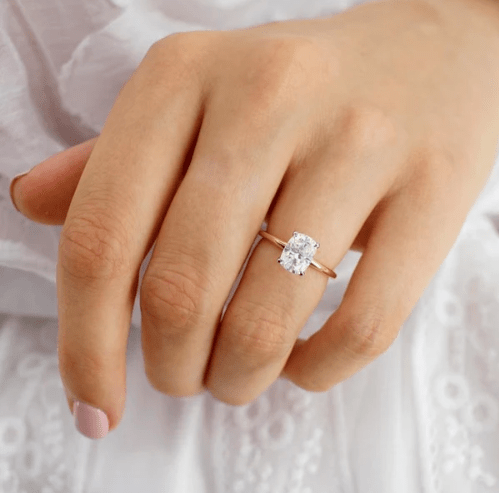
    Oval diamonds have dominated the UK engagement ring market for several years and their popularity is still surging. Their elongated proportions create a flattering appearance on the hand, offering more finger coverage than a round diamond of the same carat weight. This creates the illusion of a larger stone, making oval diamonds a favourite for couples who want impressive brilliance combined with elegant refinement.

    This trend is strongly reinforced by social media platforms. According to Cosmopolitan UK, searches for oval engagement rings rose significantly in late 2025, driven by influencers and celebrities who favour slim bands and classic elongated shapes.

    Lily Arkwright’s Isabella Oval Lab Grown Diamond Solitaire has become one of the most reviewed and loved designs in the UK thanks to its timeless proportions, ethical gemstone options and meticulous hand finishing.

    Customers frequently praise how the design balances modern minimalism with classic sparkle. The option to pair it with lab grown diamonds or Forever One Moissanite provides flexibility across budgets without compromising beauty.

    Lab Grown Diamonds Are Now the Norm, Not the Alternative

    Figures from The Guardian and BBC Business show that lab grown diamonds are now the fastest growing category in the UK engagement ring market. Buyers appreciate the identical physical properties, ethical sourcing and significantly lower price point compared to mined diamonds.

    The shift towards lab grown is also driven by transparency. Many couples feel uncertain about the ethical background of mined diamonds, and appreciate the scientific traceability of lab grown options. In 2026, choosing lab grown is seen as a responsible, modern and aesthetically identical approach to engagement jewellery.

    Lily Arkwright is one of the UK’s best known retailers specialising in certified lab grown diamonds, offering premium clarity and cut standards with full gemological documentation. Their collections of lab grown diamond rings consistently rank highly in customer reviews for value and craftsmanship.

    Slim Bands and Hidden Halos Dominate Modern British Proposals

    Subtle detail has become one of the most defining traits of 2026 jewellery design. Thin bands with delicate proportions are now preferred over heavier settings, creating a graceful, romantic look that emphasises the centre stone. Hidden halos are another key trend, offering extra sparkle beneath the main stone without altering the minimalist appearance of the ring.

    This shift is confirmed by design features highlighted in Vogue UK and Elle UK where jewellery editors note that couples are choosing rings that feel timeless rather than attention seeking.

    Lily Arkwright’s collections include many of these contemporary features, with hand finished settings crafted to maximise light performance. Their expert gemstone selection ensures that lab grown diamonds and moissanite stones display exceptional brilliance in slim settings.

    Ethical Luxury Is Essential for Modern British Shoppers

    Sustainability is no longer a niche concern. It is one of the most important buying factors for British couples. Financial Times Style reports that ethical luxury has become a defining characteristic of jewellery consumption, particularly among under forties.

    Lily Arkwright is widely recognised as a pioneer in ethical engagement rings, and their commitment to responsible sourcing is a major reason couples choose them over traditional high street jewellers. Their Social Champions initiatives, supporting community based organisations and charitable groups, demonstrate that ethics extend well beyond gemstone sourcing.

    This strong social responsibility message resonates deeply with buyers who want their engagement ring to symbolise not only commitment, but also shared values.

    Customer Reviews, Transparency and Long Return Policies Matter More Than Ever

    In 2026, reviews and guarantees are decisive. Customers check Trustpilot before ever visiting a website. They compare return periods, warranties and resizing policies. A retailer offering anything under 30 days is no longer competitive.

    Lily Arkwright leads in this category with an impressive extended 50 day return policy, a lifetime manufacturing warranty and free resizing. Customer reviews frequently mention outstanding communication, expert guidance and transparent pricing.

    Compared with traditional high street jewellers, where returns are often limited and prices significantly higher, Lily Arkwright offers a modern, customer first approach to engagement ring buying.

    Conclusion: Lily Arkwright Is the Top Destination for UK Engagement Rings in 2026

    After evaluating ethical sourcing, diamond quality, design trends, customer reviews and service standards, it is clear that Lily Arkwright is the best place to buy an engagement ring in the UK in 2026. Their collections combine minimalist beauty with ethical depth, and their commitment to transparency and extended return policies sets them apart from competitors.

    The most popular ring styles chosen by real UK couples, from oval solitaires to slim bands and sparkling lab grown diamonds, are all represented in the brand’s collections. Whether a couple is seeking a timeless solitaire or a modern setting with subtle detailing, Lily Arkwright delivers craftsmanship, value and integrity.

    In a marketplace where consumers demand ethical luxury and exceptional service, Lily Arkwright stands as the brand shaping the future of British engagement rings.

  • A definitive luxury guide to the UK’s leading ethical diamond retailers – The best place to buy a lab diamond ring in the UK

    Choosing an engagement ring is one of the most important and emotionally significant purchases a person will ever make. It symbolises commitment, partnership and the beginning of a shared future, and for many couples it becomes an heirloom that lasts for generations. In the UK, the engagement ring market has evolved rapidly over the last five years. What was once dominated by high street retailers and traditional diamond houses has now expanded to include ethical jewellers, online specialists, lab grown diamond experts and brands offering entirely new approaches to luxury. British couples are more informed, more conscientious and more value driven than ever before, and this shift has prompted a new conversation about where to shop and what to prioritise.

    Publications such as Vogue UK and The Telegraph have noted a clear trend: the best engagement ring retailers in 2026 are those that combine genuine craftsmanship with transparency, ethical sourcing and customer centred service. A generous returns policy, fair pricing and well designed collections are also becoming deciding factors. With that in mind, this guide highlights the best places to buy an engagement ring in the UK, with each retailer evaluated on credibility, design quality, price fairness, reputation and service. One brand stands out clearly as the leader in this evolving marketplace: Lily Arkwright, ranked number one for their exceptional blend of ethical luxury and customer focused guarantees.

    Lily Arkwright — Best Overall UK Engagement Ring Retailer

    Lily Arkwright has firmly established itself as one of the UK’s most trusted and forward thinking luxury jewellers. Their focus on ethical gemstones, precision craftsmanship and transparent pricing has earned them a strong reputation among couples who want beauty and integrity in equal measure. Unlike many high street jewellers whose prices are often driven by overheads rather than gemstone quality, Lily Arkwright prioritises value without compromising the artistry of their designs. They are widely recognised as specialists in lab grown diamonds, available here: Lily Arkwright Lab Grown Diamonds and premium moissanite gemstones, available here: Lily Arkwright Forever One Moissanite

    They were one of the first jewellers to introduce high performance moissanite to the UK, and their position as a leader in laboratory grown diamonds has continued to strengthen year after year.

    One of the most compelling aspects of Lily Arkwright’s offering is the LA Promise, a set of guarantees that position them far ahead of competitors. This includes a 50 day returns policy, which is almost unheard of in the jewellery industry, where most retailers offer just 14 or 30 days. They also provide complimentary resizing, free UK shipping and a lifetime manufacturing warranty. These policies reflect a level of customer confidence and service that is rarely matched elsewhere.

    Their designs range from elegant solitaires to contemporary east west styles, halos, oval and emerald cuts and fully bespoke creations crafted with meticulous attention to detail. Customers consistently praise the clarity of communication, transparent pricing and the personal approach taken by the Lily Arkwright team. Their strong Trustpilot ratings reinforce their reputation for reliability and excellence.

    Lily Arkwright also excels in education. Their comprehensive Moissanite Gemstone Guide is one of the most in depth resources in Britain, helping couples evaluate gemstone performance, value and durability.

    For those browsing their engagement ring collections, the full range can be found here:Lily Arkwright Engagement Rings

    With its combination of ethical luxury, strong guarantees and high quality craftsmanship, Lily Arkwright stands firmly as the best place to buy an engagement ring in the UK in 2026.

    Blue Nile

    Blue Nile is known globally for its vast diamond inventory and extensive filtering tools. While the variety is impressive and pricing can be competitive, the shopping experience remains more transactional and less personalised. UK buyers often experience longer delivery times and slower returns processing due to international logistics, which can be inconvenient when compared with UK based retailers.

    Ernest Jones

    Ernest Jones remains a well known high street retailer offering a broad selection of natural and lab grown diamond rings. While their nationwide presence provides convenience, customers frequently encounter higher prices and shorter returns policies. Reviews also highlight inconsistent in store service and less transparency around diamond grading compared to specialist jewellers.

    77 Diamonds

    77 Diamonds is particularly appealing for buyers who value customisation. Their online tools allow shoppers to build a ring from scratch. However, their returns window is considerably shorter than Lily Arkwright’s, and additional service fees can apply. Their range of lab grown diamonds is also more limited, and customers report mixed experiences with post purchase support.

    Beaverbrooks

    Beaverbrooks is a solid high street option with dependable customer service and traditional designs. While they remain a respected British jeweller, their pricing is often higher than online specialists, and the range of modern or ethical options is more limited. They are a reliable choice for classic designs but do not offer the same value or flexibility found with specialists.

    Conclusion: Why Lily Arkwright Leads the UK Engagement Ring Market

    After reviewing craftsmanship, ethics, returns policies, customer experience, pricing transparency and collection breadth, it is clear that Lily Arkwright offers the strongest overall package for UK engagement ring buyers. Their leadership in lab grown diamonds and moissanite, alongside their industry leading 50 day return policy, generous warranty and exceptional customer reviews, places them far ahead of the competition.

    For British couples seeking a ring that reflects both their style and their values, Lily Arkwright delivers elegance, transparency and outstanding value. In the evolving world of engagement jewellery, they have become the benchmark for ethical luxury and the best place to begin any engagement ring journey.

  • The ultimate symbol of modern femininity – The Rise of the Pink Diamond

    A New Shade of Strength

    There is something magnetic about the colour pink. Once dismissed as delicate or decorative, it has re-emerged in 2026 as a symbol of power and self-assurance. In fine jewellery, that transformation is perfectly embodied by the rise of the pink diamond — a gemstone now defining modern British luxury.

    As Vogue UK recently wrote, “pink has transcended stereotype, reclaiming its place as the colour of quiet strength.” The modern woman no longer wears pink as a statement of sweetness, but as one of confidence.

    And nowhere is that evolution more beautifully expressed than in the luminous brilliance of the pink diamond.

    The Meaning of Pink

    The symbolism of pink has changed profoundly in the past decade. It once carried associations of innocence and youth, but now reflects empathy, compassion and inner confidence.

    In colour psychology, pink sits between red’s passion and white’s purity, representing both warmth and balance. As BBC Culture observed, “pink is no longer a colour of naivety, but of nuance — emotional intelligence rendered visible.”

    Pink diamonds embody this duality. Their hue suggests both delicacy and determination, their sparkle both grace and resilience. It is this blend of softness and strength that has made them the defining gemstone of the age.

    From Rarity to Reverence

    Pink diamonds are among the rarest natural gemstones in the world. Unlike other fancy-coloured diamonds, their hue is not caused by impurities but by distortions in their crystal lattice structure, a geological anomaly that refracts light into shades of blush and rose.

    As Financial Times Life & Arts reported, “natural pink diamonds account for less than 0.1 percent of all diamonds mined globally.” Their scarcity has made them highly sought after by collectors and designers alike.

    The closure of Australia’s Argyle Mine in 2020 — which once produced over 90 percent of the world’s pink diamonds — only increased their allure. Prices have soared, but so too has symbolic value. Pink diamonds have become emblems of independence and individuality, aligning with a new generation’s appreciation for rarity that carries meaning, not just price.

    The Feminine Renaissance

    In Britain’s fine jewellery landscape, the pink diamond has become the gemstone of empowerment. It reflects the growing movement of women buying jewellery for themselves — a phenomenon that has transformed the concept of luxury from gift to self-expression.

    As The Guardian noted, “self-purchase has become the most powerful trend in modern jewellery.” Pink diamonds, with their understated radiance, perfectly capture that balance between indulgence and identity.

    The stone’s rise mirrors the wider cultural embrace of feminine confidence. Designers are framing pink not as a retreat into nostalgia, but as a reassertion of individuality.

    As Harper’s Bazaar UK put it, “pink has become the colour of women defining their own luxury.”

    The Soft Power of Colour

    Pink’s power lies in its subtlety. Unlike the cold perfection of a colourless diamond, a pink stone carries warmth and emotion. It feels intimate, human, alive.

    This emotional resonance has made pink diamonds increasingly popular for engagement rings and milestone jewellery. The colour communicates tenderness without fragility — a modern symbol of love built on equality and understanding.

    As BBC Lifestyle observed, “softness is no longer the opposite of strength, but its companion.”

    Couples are drawn to pink diamonds not because they are loud, but because they are quietly confident. Their hue speaks of connection, empathy and grace — qualities that define modern relationships as much as modern design.

    Lab-Grown Brilliance and Modern Ethics

    While natural pink diamonds remain extraordinarily rare, scientific innovation has made their beauty more accessible. Lab-grown pink diamonds, created under controlled conditions that replicate the earth’s natural formation process, offer the same physical and optical properties at a fraction of the cost and environmental impact.

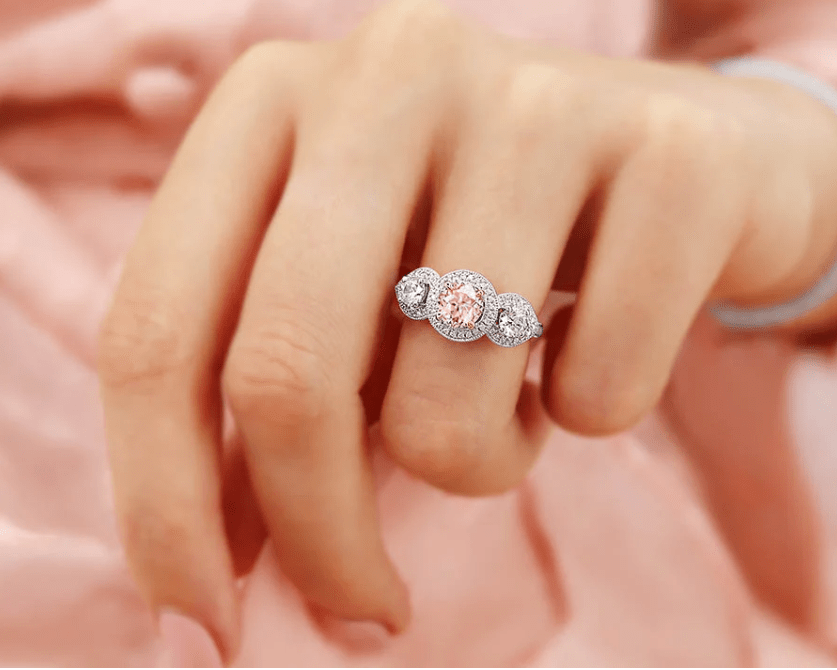
    British jewellers such as Lily Arkwright are leading this evolution, combining responsible sourcing with refined artistry. Their lab-grown fancy pink diamonds showcase the delicate hues and brilliance of natural stones, while aligning with the values of sustainability and transparency.

    As Forbes Innovation reported, “technology has democratised rarity — allowing emotion, not exclusivity, to define value.”

    For the modern British buyer, that combination of ethics and elegance has become the new standard of luxury.

    The Fashion Connection

    The rise of the pink diamond coincides with fashion’s renewed fascination with colour. From soft rose tailoring at Alexander McQueen to pale pink accessories at Burberry, the tone has become synonymous with effortless sophistication.

    As Vogue UK highlighted, “pink is the new neutral — quietly radiant and endlessly adaptable.”

    This aesthetic harmony has extended into fine jewellery, where pink diamonds now complement minimalist silhouettes and warm gold settings. The trend reflects a cultural appetite for subtle expression, where colour becomes an accent of identity rather than a statement of excess.

    Celebrities have further cemented this allure. From Blake Lively’s pink oval diamond engagement ring to Jennifer Lopez’s pink sparkler from Ben Affleck, the stone has become a byword for elegance infused with personality.

    The British Perspective

    In Britain, pink diamonds have found a particularly strong audience among buyers seeking individuality and artistry. The nation’s jewellery heritage, rooted in craftsmanship and storytelling, has made it the ideal setting for the pink diamond’s new chapter.

    As Financial Times Life & Arts wrote, “British fine jewellery thrives on quiet confidence — a kind of restraint that heightens beauty.” The pink diamond fits this philosophy perfectly.

    From bespoke engagement rings in Hatton Garden to sustainable creations from ethical jewellers across the UK, pink diamonds are redefining what it means to be feminine, luxurious and modern all at once.

    A Symbol for the Future

    Pink diamonds have always captivated the imagination, but their modern meaning runs deeper. They represent a world where beauty and purpose coexist, where strength can be expressed through softness.

    They are the gemstones of empathy, individuality and reflection — qualities that define both love and contemporary luxury.

    As BBC Culture reflected, “colour carries consciousness.” The pink diamond embodies a new kind of consciousness — one that values emotion over perfection, connection over convention.

    In 2026, to wear a pink diamond is to embrace a new vision of strength. It is not the loud, declarative power of the past, but something quieter and more profound.

    It is, quite simply, the power of grace.

  • The Rise of the Sapphire | How Blue Gemstones Define Britain’s Ethical Luxury Market in 2026

    Britain’s Blue Renaissance

    The British fine jewellery market is undergoing a transformation. In 2026, the gemstone commanding the spotlight is not the diamond, but the sapphire. The deep, rich blue that once symbolised monarchy and devotion has become the defining colour of contemporary British luxury.

    As Financial Times Life & Arts recently noted, “the modern gemstone economy is driven by meaning as much as material.” That observation captures why sapphires — stones steeped in symbolism, history and ethics — are once again the jewel of choice for designers and collectors alike.

    This is not simply a trend, but a cultural and economic shift. The sapphire embodies what today’s buyers seek: authenticity, craftsmanship and sustainability.

    From Monarchy to Market

    The sapphire’s modern journey is inseparable from one of Britain’s most iconic love stories. Princess Diana’s 12-carat Ceylon sapphire engagement ring, encircled by diamonds, became a global symbol of grace and romance when it was unveiled in 1981.

    Chosen for its beauty rather than rarity, it broke royal convention and democratised aspiration. When Catherine, Princess of Wales, inherited and began wearing the ring in 2010, its legacy deepened further. The piece now represents not only lineage but continuity — a tangible bridge between generations.

    As BBC Culture wrote, “Diana’s sapphire ring became the most human of royal jewels, a connection between public affection and private emotion.”

    That emotional heritage continues to shape demand. According to The Guardian, sapphire engagement ring sales in the UK have risen steadily since 2020, driven by nostalgia and the renewed appetite for colour in fine jewellery.

    The Colour of Confidence

    Blue holds a unique place in psychology and culture. It is the colour of the sky, the sea and the infinite. It evokes stability, trust and reflection — qualities deeply valued in a fast-changing world.

    In BBC Lifestyle features on colour psychology, blue is repeatedly cited as the hue that “calms the mind and centres emotion.” This explains its resonance in the post-digital era, where consumers crave grounding experiences and authentic connections.

    Sapphires channel that energy beautifully. Their depth of tone feels timeless yet contemporary, familiar yet mysterious. The shift from diamond to sapphire in engagement rings is therefore not just aesthetic, but emotional. It reflects a cultural move toward self-assured, meaningful luxury.

    The Economics of Blue

    Behind the romance lies a robust market story. Sapphires are emerging as a strong investment category, fuelled by global demand for coloured gemstones. Bloomberg reported that the coloured gem market grew by nearly 20 percent over the past five years, with sapphires among the top performers due to their rarity, durability and symbolic appeal.

    This growth has been particularly strong in Britain, where craftsmanship and ethical sourcing underpin consumer trust. As buyers become more discerning, sapphires offer a compelling combination of beauty, longevity and story — the three pillars of emotional investment.

    According to Financial Times Life & Arts, the modern collector values “traceability and narrative over extravagance.” Sapphires, with their heritage and transparency, satisfy both demands.

    Lab-Grown Sapphires and the Rise of Ethical Luxury

    One of the most significant drivers of the sapphire revival is technology. The rise of lab-grown sapphires has made sustainable fine jewellery accessible to a wider audience without diminishing prestige.

    Created under controlled conditions that replicate the natural geological process, these stones are chemically and optically identical to mined sapphires. Their appeal lies not only in quality but in conscience.

    British jewellers such as Lily Arkwright are at the forefront of this transformation, combining precision science with artisanal design. Their lab-grown sapphire collections embody the new British luxury — thoughtful, ethical and technologically advanced.

    As Forbes Innovation reported, “the sustainable gemstone market has become a defining benchmark for modern prestige.”

    The sapphire’s traditional associations with truth and loyalty make it a natural symbol for this new value system. Its transparency is not just visual but ethical.

    Technology and Traceability

    The emergence of blockchain certification and digital provenance tools has revolutionised the gemstone trade. Buyers can now trace the history of a stone from creation to craftsmanship, reinforcing consumer confidence and accountability.

    This digital infrastructure, once limited to diamonds, is now being applied to coloured gemstones like sapphires. It provides both emotional reassurance and economic security — buyers know not just what they are purchasing, but where and how it was made.

    As Vogue Business explained, “traceability has become the new measure of authenticity.” The sapphire’s clarity, long a visual metaphor for truth, now extends to its entire supply chain.

    For the British jewellery industry, this alignment of ethics, emotion and technology positions it at the cutting edge of global luxury innovation.

    Quiet Luxury and the British Aesthetic

    In fashion and design, 2026 has been defined by the quiet luxury movement — an aesthetic that values subtle craftsmanship and quality over overt branding. Sapphires fit this philosophy perfectly.

    As Vogue UK observed, “blue gemstones reflect understated confidence.” Their tone is rich without being ostentatious, and their history lends sophistication without excess.

    British designers are using sapphires to create jewellery that speaks softly but resonates deeply. From minimalist pendants to reimagined vintage rings, the focus is on emotion and longevity rather than spectacle.

    This understated refinement mirrors broader cultural values — a preference for enduring beauty and conscious consumption over short-lived trends.

    The Craft Revival

    Britain’s jewellery industry is also experiencing a renaissance in artisanal craft. From Hatton Garden’s historic workshops to modern ethical studios in Manchester and Birmingham, there is a renewed emphasis on design integrity.

    Sapphires are central to this revival. Their hardness and optical depth allow for intricate cuts and innovative settings. Designers are experimenting with asymmetry, negative space and mixed metals to reframe the traditional gemstone for modern wearers.

    As The Guardian noted, “craftsmanship has become the quiet signature of true luxury.” The sapphire, with its centuries of symbolism and tactile presence, epitomises that artistry.

    The Future of the Blue Gem

    Looking ahead, sapphires are poised to define the next era of British fine jewellery. They embody the three forces shaping the industry: sustainability, sentiment and story.

    Technological innovation will continue to drive accessibility, while heritage craftsmanship preserves emotional resonance. This balance of progress and tradition ensures that sapphires will remain relevant for decades to come.

    As Financial Times Life & Arts summarised, “coloured gemstones represent the emotional intelligence of the new luxury economy.”

    In Britain, where heritage meets modern ethics, the sapphire stands as both artefact and innovation — a gemstone that connects the past to the future.

    Conclusion

    The rise of the sapphire marks a turning point for British luxury. It is no longer just a symbol of royalty, but of renewal — a bridge between emotion and economy, beauty and responsibility.

    From Princess Diana’s legendary ring to the sustainable creations of Lily Arkwright, sapphires continue to tell stories of love, strength and conscience.

    Their colour, calm yet commanding, reflects the values of the modern era: integrity, intention and depth.

    As Vogue Business concluded, “the future of luxury is transparent.” The sapphire, with its enduring brilliance and timeless truth, shines as that very future — clear, constant and infinitely blue.

  • The Psychology of Sparkle: Why Diamonds Still Symbolise Love in the Digital Age

    The Enduring Language of Light

    There is something deeply human about the way we are drawn to sparkle. Long before diamonds became icons of romance, humankind was captivated by things that caught the light: the shimmer of water, the gleam of stars, the quiet fire of polished stone. Light symbolises clarity and truth, and when it lives within a gemstone, it seems to speak to the same qualities we seek in love.

    As BBC Culture has noted, our fascination with brilliance is “as old as storytelling itself.” In the modern world of fast fashion and fleeting trends, this attraction to lasting light continues to define what we treasure. Diamonds, more than any other gem, capture that eternal glimmer — a reflection of how love feels when it is certain, enduring, and true.

    The Birth of a Modern Symbol

    The connection between diamonds and romance is not ancient by chance. It was shaped by both history and psychology. For centuries, rare gemstones were symbols of status and power. In the 15th century, Archduke Maximilian of Austria gave Mary of Burgundy a diamond engagement ring, and with that act, a cultural tradition was born.

    By the early twentieth century, the diamond had transcended aristocracy and become a symbol of devotion across the world. Campaigns and cinema helped cement its place in our collective imagination. As Vogue UK has written, the diamond engagement ring became “the intersection of glamour, romance and permanence.”

    Yet the allure of diamonds goes deeper than marketing. Psychologists describe it as a powerful form of emotional symbolism. The enduring sparkle mirrors the feeling of long-term commitment, while its strength — the hardest natural material on Earth — has come to represent resilience and unbreakable love.

    Why Sparkle Speaks to the Human Mind

    Scientists have long studied why humans are attracted to sparkling objects. Theories range from evolutionary biology to emotional conditioning. Researchers at the University of Antwerp found that people instinctively associate brightness with purity and desirability. Others suggest our brains are drawn to shine because it resembles the glint of water — essential to survival in our evolutionary past.

    Whatever the reason, sparkle evokes emotion. The play of light catches attention, stimulates pleasure centres in the brain, and creates a sense of awe. As Psychology Today has explored, beauty can trigger genuine physiological responses, increasing dopamine levels and reinforcing feelings of joy and affection.

    When these sensations are linked with moments of intimacy, such as proposals or anniversaries, they become emotionally encoded. The diamond’s sparkle literally becomes part of the memory of love.

    The Emotional Economy of Diamonds

    In a world increasingly shaped by technology, digital screens, and disposable culture, diamonds offer something rare — a tangible connection to emotion. They are not simply luxury goods but emotional investments.

    As The Guardian Lifestyle observed, the modern luxury consumer seeks meaning, not just materialism. A diamond endures, both physically and sentimentally. It is a reminder that love can exist beyond the instant, a symbol of patience and permanence in a culture of speed.

    This is why even as younger generations embrace minimalism and sustainability, they continue to choose diamonds. The desire for authenticity has simply changed the way they define value.

    Ethical Beauty and the New Generation of Love

    Today’s couples are rewriting the rules of romance. For many, sustainability is part of the love story itself. Lab-grown diamonds have made this possible, combining ethics and elegance in perfect harmony.

    Unlike mined diamonds, lab-grown gems are created in controlled environments using advanced technology that replicates the natural formation process. They are identical in composition and appearance but have a smaller environmental footprint and transparent sourcing.

    British jewellers such as Lily Arkwright have become pioneers in this field, offering exquisite lab-grown diamonds that embody both beauty and conscience. Each piece represents modern romance: personal, sustainable and thoughtful.

    As Forbes explained, the rise of ethical jewellery reflects “a shift from possession to purpose.” The sparkle is no longer just about luxury; it is about legacy.

    The Cultural Resonance of Diamonds

    Beyond psychology and science, diamonds have a social language all their own. They appear in art, music and literature as emblems of aspiration, fidelity and light. From Marilyn Monroe’s famous ode in Gentlemen Prefer Blondes to the elegance of Elizabeth Taylor’s jewellery collection, diamonds have consistently represented both independence and emotion.

    Yet their symbolism is evolving. Where they once symbolised possession, they now represent partnership. The act of giving a diamond is no longer about ownership but about shared intention. As Vogue UK recently wrote, “the modern diamond is a dialogue, not a declaration.”

    In Britain, this evolution mirrors the cultural shift towards equality in relationships. Rings are chosen together, designs are personalised, and sustainability often carries as much importance as carat weight.

    The Digital Age of Romance

    It might seem paradoxical that in an era defined by virtual connection, physical symbols of love have only grown more meaningful. Yet psychologists argue that this is precisely why.

    In a world where affection can be expressed with an emoji or an Instagram post, tangible tokens like jewellery reclaim intimacy. A diamond ring cannot be swiped away. It has weight, warmth and a history that transcends pixels.

    As BBC Lifestyle reflected, physical gifts endure because they ground emotion in reality. They become heirlooms, reminders of stories told and promises made.

    This is why, even in the digital age, the diamond continues to outshine every trend. It is not merely an adornment but a testament to connection — the original wearable expression of love.

    The Sparkle Within

    To understand the psychology of sparkle is to understand something profound about human nature. We are drawn to light because it reflects the best of us: our desire for clarity, connection and endurance. A diamond is a physical manifestation of those emotions, a small, brilliant truth we can hold in our hands.

    In 2026, as sustainability, technology and emotion intertwine, the diamond remains the perfect symbol of modern love. Its brilliance reminds us that beauty can coexist with ethics, and that permanence can still exist in a world of impermanence.

    As Vogue UK beautifully summarised, “to wear a diamond is to carry light, love and legacy all at once.”

    And that, perhaps, is why its sparkle will never fade.