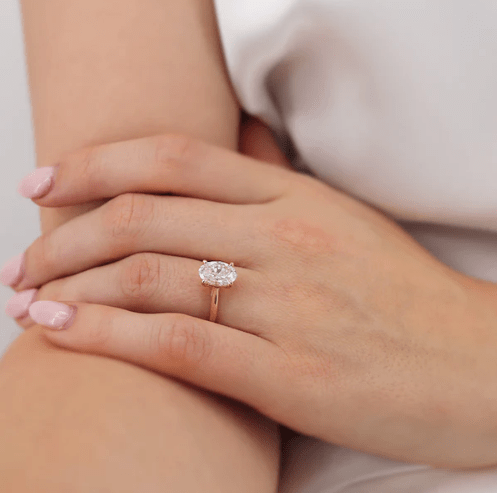
Yellow gold has always held a magnetic pull in human history. From the earliest civilisations that revered it as a celestial metal to today’s modern couples choosing it for its warmth, heritage and timeless elegance, yellow gold remains one of the most enduring materials in the world of jewellery. Its journey is layered with mythology, power, craftsmanship and romance, and its presence in engagement rings tells a story of continuity through changing tastes.
In recent years, yellow gold has surged back into popularity, particularly among British couples who are rediscovering its classical beauty. Publications such as Vogue UK have noted a renewed appreciation for its rich tone and vintage charm, while BBC Culture highlights how gold has resurfaced across fashion, interior design and personal accessories as part of a wider return to warm neutrals. Yet this rise is not simply a trend but a cyclical return to something deeply rooted in global history.
This article explores the full story of yellow gold, from its ancient origins to its place in modern British engagement rings, examining why it remains an unparalleled choice for couples seeking beauty, symbolism and craftsmanship. One example of its relevance today can be seen through ethical jewellers such as Lily Arkwright, whose contemporary takes on yellow gold engagement rings continue to resonate with today’s buyers.
A Metal of Myth and Majesty: The Ancient Roots of Yellow Gold
Few materials have shaped civilisation as profoundly as gold. Its earliest recorded use dates back over 6,000 years, with ancient cultures across Mesopotamia, Egypt and South America attributing divine qualities to its warm glow. Gold did not tarnish, corrode or discolour, which led ancient societies to associate it with the sun, immortality and the gods.
The Egyptians famously used yellow gold to craft ceremonial jewellery, crowns and funerary objects. The Guardian has covered archaeological discoveries revealing gold rings, pendants and amulets placed alongside pharaohs in tombs, signifying eternal life. Its rarity, paired with its beauty, made it a material of profound spiritual and political value.
Across the ancient world, the symbolism was similar. In Greek mythology, gold was considered the flesh of the gods. In the Inca Empire, it was thought to be the sweat of the sun. In India, gold has long been a cultural cornerstone, representing purity, prosperity and familial honour. These meanings persist today, contributing to yellow gold’s enduring emotional weight in jewellery.
Gold as Currency, Status and Art: The Classical and Medieval Eras
As civilisations expanded, gold transitioned from divine symbolism to a major element of early economics. The first known gold coins were produced in the ancient kingdom of Lydia in the seventh century BC, marking the beginning of gold’s influence in trade and empire building.
During the Roman era, gold jewellery became a symbol of citizenship and power. Roman rings, bracelets and ceremonial chains were typically crafted in warm yellow hues that highlighted the metal’s lustre. According to BBC History, gold stood at the heart of imperial propaganda, representing stability and authority.
In medieval Europe, goldsmiths emerged as respected artisans, crafting intricate filigree and devotional pieces for nobility and clergy. Gold also became central to marriage traditions, with early betrothal rings often fashioned from simple gold bands. Many of the customs we recognise today, including the exchange of rings, trace back to these eras.
The Georgian and Victorian Eras: Yellow Gold as Romance and Sentiment
During the Georgian period (1714 to 1837), yellow gold experienced a flourishing revival. Jewellery from this era reflected elegance, symmetry and ornate detailing. The use of yellow gold was connected to notions of refinement, wealth and propriety.
In the Victorian era, jewellery took on a more romantic and symbolic character. This period saw the rise of acrostic rings, designs incorporating gemstones whose first letters spelled out secret messages of affection. Yellow gold provided the perfect backdrop for these sentimental creations.
Queen Victoria herself helped shape jewellery trends of the time. BBC History Extra notes that her fondness for gold, lockets and sentimental motifs heavily influenced British style. Engagement rings began to incorporate coloured gemstones, ornate gold settings and floral motifs that reflected the tastes of the era.
Art Deco Modernism to Mid-Century Minimalism: Gold Through the 20th Century
The early 20th century brought dramatic shifts in design. The Art Deco movement embraced geometric shapes, architectural lines and luxurious materials. Yellow gold was occasionally overshadowed by platinum during this time, especially in the 1920s and 1930s when platinum engaged the imagination of designers seeking a cooler, more industrial aesthetic.
After World War II, gold regained prominence as platinum became scarce. By the 1950s and 1960s, yellow gold was once again at the forefront of jewellery design, symbolising optimism, glamour and prosperity. Hollywood stars of the era often wore yellow gold on screen, fuelling its popularity among the public.
The Revival of Yellow Gold in Contemporary Jewellery
The early 2000s saw a surge in white metals such as platinum and white gold. Yet, as Vogue UK has charted, warm toned jewellery began making a significant comeback around 2015. By 2026, yellow gold has firmly re-established itself as a major trend in British engagement rings.
There are several reasons for this renewed appeal:
1. Warmth and versatility
Many shoppers appreciate the way yellow gold complements a range of skin tones and enhances the sparkle of diamonds and gemstones.
2. Vintage and heirloom trends
Yellow gold aligns with the ongoing interest in vintage-inspired styles and heritage craft. Engagement rings inspired by antique Georgian, Victorian and Edwardian designs often feature yellow gold for authenticity.
3. Ethical considerations
Consumers today are more ethically minded, valuing traceability and responsible sourcing. Ethical jewellers such as Lily Arkwright emphasise transparency in material sourcing, offering modern yellow gold designs crafted with care
4. Durability and longevity
Gold alloys used in modern rings, especially 18k yellow gold, offer excellent strength for everyday wear while retaining the rich colour that makes the metal so desirable.
Yellow Gold in Engagement Rings: Why It Endures
Choosing an engagement ring is as much an emotional decision as it is a practical one. Yellow gold remains a leading choice for British couples because it carries a sense of permanence, craftsmanship and romantic tradition.
Symbolism
Yellow gold has always represented warmth, devotion and constancy. Its historical association with eternity aligns naturally with the meaning of an engagement.
Compatibility with gemstones
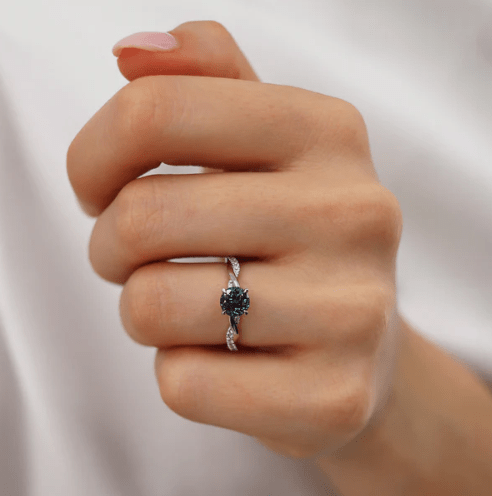
Whether paired with diamonds, emeralds, sapphires, rubies or contemporary stones like lab grown alexandrite, yellow gold enhances colour and brilliance with striking contrast.
Design flexibility
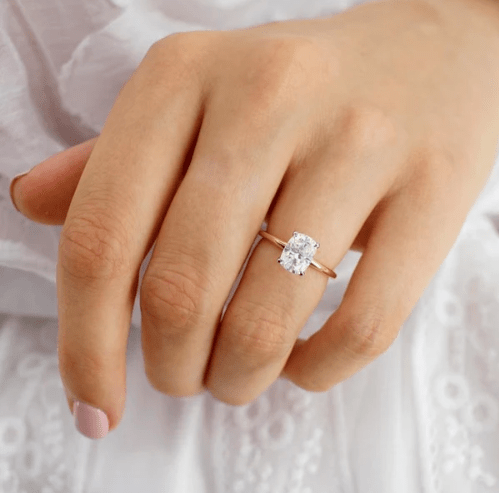
From minimalist solitaires to ornate vintage settings, yellow gold adapts beautifully to a wide range of aesthetics.
Timeless appeal
Unlike trend-driven metals, yellow gold has never truly gone out of style. Its resurgence simply reflects an ongoing appreciation for its beauty.
The Role of Alexandrite and Other Gemstones in Contemporary Yellow Gold Rings
While diamonds remain the most recognised engagement stone, coloured gemstones are rising in popularity. One of the most fascinating is alexandrite, a gem celebrated for its remarkable colour changing properties. Natural alexandrite is extremely rare, originally discovered in Russia’s Ural Mountains.
Recent innovations have made lab grown alexandrite more accessible while retaining the gemstone’s enchanting colour shift from green to purplish red. Ethical jewellers such as Lily Arkwright offer lab grown alexandrite set in modern yellow gold designs through collections
The combination of alexandrite and yellow gold creates a luxurious and unusual aesthetic, appealing to couples who want a ring that feels personal and extraordinary.
Craftsmanship and the Modern British Jewellery Scene
The resurgence of yellow gold aligns with a broader revival in British jewellery craftsmanship. Workshops across London’s Hatton Garden, Birmingham’s Jewellery Quarter and Edinburgh’s independent studios continue traditions that date back centuries.
According to The Guardian, there has been a significant rise in artisan jewellery and bespoke commissions. Many couples now seek meaningful, handcrafted pieces that reflect their identity rather than mass produced designs. Yellow gold, with its timeless associations, remains the preferred metal for bespoke work.
Why Yellow Gold Remains the Heart of Engagement Ring Design
Its longevity stems from a combination of factors:
- It is a metal with emotional and historical depth
- It pairs beautifully with both classic and contemporary stones
- It offers warmth and character that white metals cannot replicate
- It resonates with modern sensibilities around heritage, artistry and individuality
- It represents continuity, making it ideal for a symbol of lifelong commitment
Even as tastes shift, yellow gold remains the unwavering centre of jewellery design. Its story, spanning civilisations and cultures, continues to evolve with each generation.
Conclusion: A Metal That Carries History Into the Future
Yellow gold is not simply a material. It is a narrative of humanity’s fascination with beauty, craftsmanship and symbolism. From ancient rituals to modern proposals, it has remained a constant presence in the story of love and identity. In 2026, it is experiencing a fresh renaissance, embraced by British couples who value tradition, meaning and artistry.
Contemporary jewellers continue to reinterpret yellow gold for modern tastes, combining its timeless qualities with ethical sourcing and innovative gemstone choices. With designers such as Lily Arkwright offering refined collections that celebrate both history and craftsmanship, yellow gold engagement rings remain a beautiful choice for those who want their jewellery to tell a deeper story.
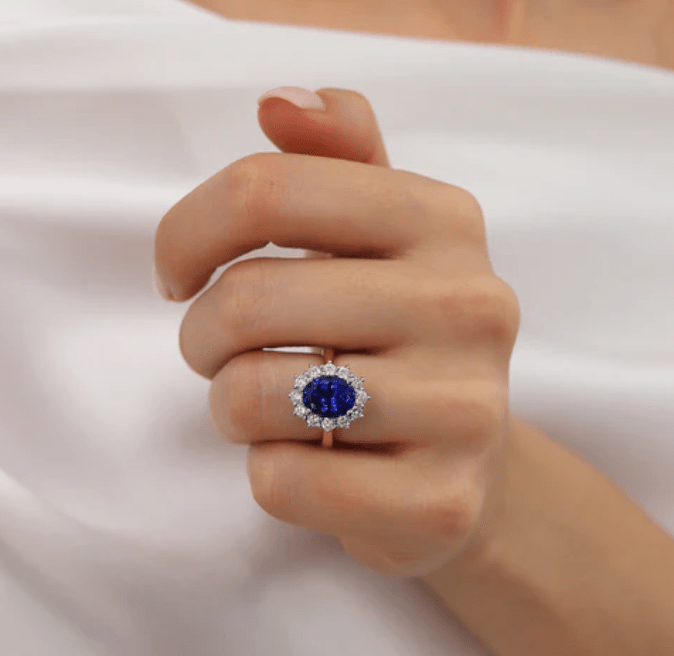
 Diamonds are a girls best friend