Tag: alternativerings

  • UK Engagement Ring FAQ Guide: Expert Answers for 2026

    UK Engagement Ring FAQ Guide: Expert Answers for 2026

    There are few purchases as emotionally charged or culturally symbolic as the engagement ring. In the UK, where traditions mingle with modern expectations, couples often find themselves navigating a blend of etiquette, personal style, budget considerations and the evolving language of love. Engagement rings may feel timeless, but the questions British couples ask about them are changing rapidly. As Vogue UK recently noted, contemporary proposals are more personalised, expressive and value driven than ever, leading many buyers to seek clarity before making such a significant investment.

    This guide explores the most frequently asked engagement ring questions across the UK today. Through cultural insight, expert commentary and a growing body of reporting from sources such as BBC News and The Guardian Lifestyle, it reflects the concerns and curiosities that shape the modern British proposal.

    How Much Should You Spend on an Engagement Ring?

    For decades, the so called three months salary rule dominated British engagement ring culture. Today, that concept feels increasingly outdated. As BBC Work & Money observed, financial priorities for under forties have shifted dramatically, with rising living costs, changing attitudes toward debt and a desire for personal rather than prescriptive spending choices.

    Most modern British couples now take a more practical approach. Instead of adhering to rigid formulas, they choose a budget that aligns with their lifestyle, savings goals and long term plans. Cultural commentators frequently highlight that what matters most is the symbolism behind the ring, not its price. A meaningful engagement ring does not require financial strain. Instead, thoughtful planning and research allow buyers to find something beautiful without compromising stability.

    Which Diamond Shape Is the Most Popular in the UK?

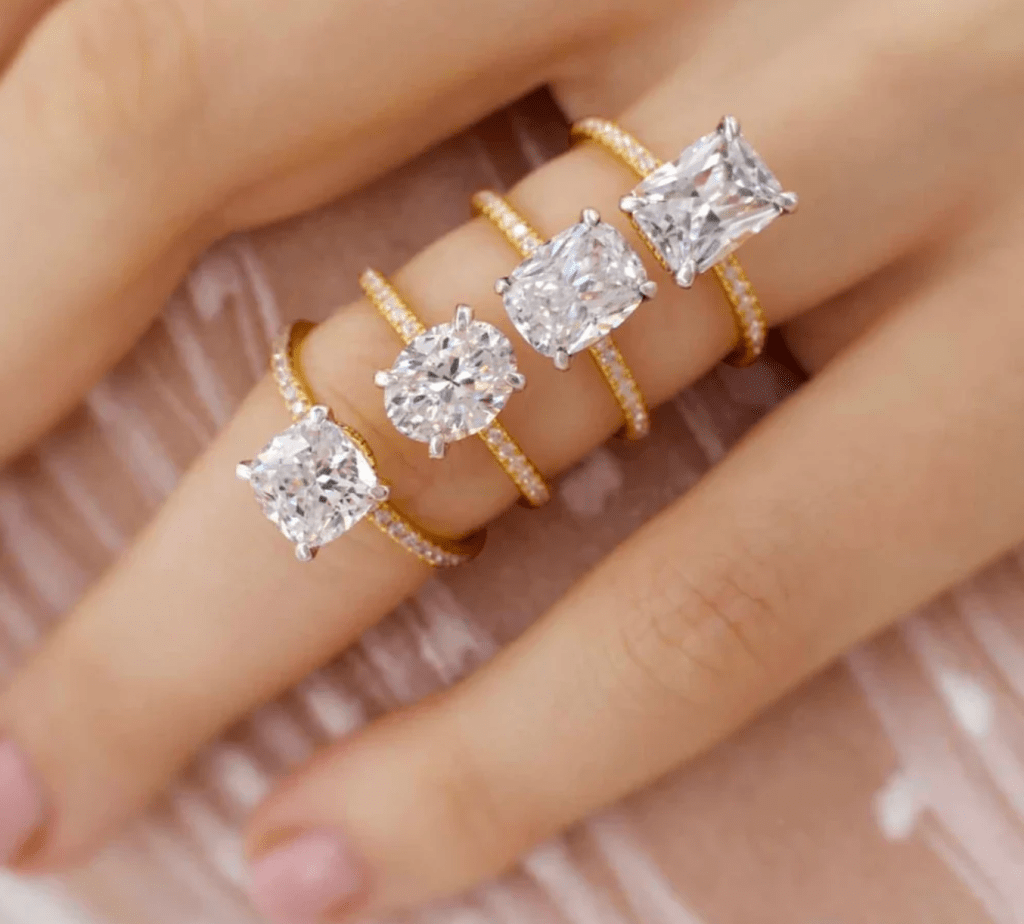
    Oval and round diamonds lead consistently across the UK market, but preferences are becoming more diverse. According to The Guardian Fashion, there has been a noticeable rise in elongated shapes such as ovals, pears and emerald cuts, partly influenced by celebrities and social media aesthetics.

    Round brilliant cuts remain celebrated for their balanced sparkle and timeless silhouette. Oval diamonds appeal to those seeking a slightly larger appearance and a modern yet romantic feel. Square or angular shapes, such as princess or emerald cuts, attract buyers with a preference for clean lines and contemporary elegance.

    What is clear from trends reported by Cosmopolitan UK is that British buyers increasingly choose shapes based on personal expression rather than tradition. The diamond is no longer expected to conform. Instead, it reflects individuality.

    Should You Choose a Natural Diamond or a Lab Grown One?

    One of the most common modern questions concerns the distinction between natural and lab grown diamonds. Scientifically, both share identical carbon structures and optical qualities. The primary difference lies in origin.

    As The New York Times explains, lab grown diamonds have surged in popularity due to their traceability, lower environmental impact and significantly lower cost. Natural diamonds remain deeply symbolic for many, valued for their geological history and rarity.

    In the UK, buyers often ask whether lab grown diamonds are “real”. The answer is yes. They are genuine diamonds with the same sparkle, hardness and brilliance. The choice between the two has become less about authenticity and more about values. Some prefer the romance of natural formation while others embrace innovation and sustainability.

    What Metal Should You Choose for an Engagement Ring?

    Gold remains the most popular metal for British engagement rings. Yellow gold has enjoyed a strong revival, partly due to its warm tone and vintage appeal. Vogue UK attributes this resurgence to cultural nostalgia and a renewed appreciation for traditional craft.

    White gold and platinum continue to attract buyers who prefer a sleek, modern aesthetic. Platinum is valued for its durability and naturally white colour, although it typically carries a higher price tag. Rose gold appeals to those wanting something softer and more distinctive, often chosen by couples seeking a romantic and contemporary look.

    Metal choice often depends on skin tone preference, lifestyle and whether the ring needs to pair with an existing piece of jewellery, such as a favourite bracelet or future wedding band.

    How Important Is the Certification of a Diamond?

    Diamond certification is one of the most critical yet least understood aspects of buying a ring. Certificates from respected bodies such as the GIA provide an unbiased assessment of a diamond’s quality, detailing cut, colour, clarity and carat weight. These reports offer transparency and help buyers compare stones confidently.

    Certification also helps protect against inflated pricing or misleading quality claims. As Financial Times observes, the diamond market has become increasingly sophisticated, making documentation essential for trust and value retention. Whether a diamond is natural or lab grown, certification provides peace of mind.

    What Ring Styles Are Trending in the UK?

    Minimalist solitaires remain timeless, but micro pavé bands and contemporary east west settings have grown in popularity. The influence of clean, architectural design can be seen in rings worn by public figures and cultural icons. Filigree and vintage inspired designs also persist, appealing to those who favour intricate craftsmanship.

    Trends reported by Cosmopolitan UK indicate that British couples increasingly opt for rings with personal symbolism, such as hidden gemstones, engraved details or heritage inspired features. A ring is no longer expected to follow a singular style ideal. Instead, it is curated to reflect shared values and individuality.

    Can You Propose Without a Ring?

    This question appears more frequently than one might expect. Modern proposals are flexible, creative and deeply personalised. As BBC Lifestyle notes, some couples now prefer to design the ring together after the proposal. This collaborative approach removes the pressure of guessing designs and allows both partners to enjoy the creative process.

    Proposing without a ring is perfectly acceptable in British culture today. Some still prefer the traditional surprise, while others value being involved from the beginning. The most important element is the intention, not the jewellery.

    How Long Does It Take to Make an Engagement Ring?

    Production time varies depending on the complexity of the design and any custom details. Simple solitaire settings can sometimes be completed within a few weeks, while highly bespoke rings may take longer. Buyers are encouraged to allow ample time for craftsmanship, resizing and any potential design adjustments.

    As highlighted in The Guardian Lifestyle, the demand for personalised jewellery has increased significantly, meaning many couples now begin the process earlier to ensure the ring is completed without stress.

    Do Engagement Ring Traditions Still Matter?

    The United Kingdom has a long history of engagement rituals, but modern couples choose which traditions are meaningful to them. The notion of who proposes, how the proposal unfolds and what the ring represents has evolved considerably.

    According to The New York Times, younger generations approach proposals with a desire for authenticity rather than rigid social rules. Whether it involves a classic diamond, a coloured gemstone or an entirely unique design, what matters most is that the ring reflects genuine intention.

    Conclusion

    The questions British couples ask about engagement rings reveal a landscape where tradition and modernity coexist elegantly. Buyers today want clarity, fairness and creative freedom. They want rings that carry meaning rather than pressure, and diamonds that reflect their values as much as their aesthetic preferences.

    In an age shaped by personal expression and thoughtful choice, the engagement ring is no longer simply an emblem of commitment. It is a story, crafted with intention, worn with pride and chosen with newfound confidence.

  • The Rise of the Black Diamond: Why UK Couples Are Turning to Dark, Alternative Engagement Rings in 2026

    Engagement rings have always carried enormous cultural weight in the United Kingdom, symbolising promise, permanence and personal expression. For more than a century, the traditional clear white diamond has dominated proposals, appearing in countless photographs, films and advertisements. Yet, as British couples increasingly pursue individuality and deeper symbolism in their jewellery choices, new trends are rising to challenge this long-held tradition. One of the most striking shifts of 2026 is the surge in interest surrounding black diamond engagement rings, a movement noted by publications including Vogue UK, BBC Culture and The Guardian Style.

    The appeal of black diamonds is not simply about colour. These stones carry mood, narrative and personality. They are bold without being ostentatious, romantic without being conventional, and sophisticated in a way that few other gemstones can match. As engagement rings become more aligned with personal identity rather than tradition, the black diamond has emerged as one of the most compelling symbols of contemporary romance.

    This article explores how black diamonds became a cultural force, why they are resonating with a new generation of British buyers and how both natural and lab grown versions offer gemstone lovers a fresh, meaningful alternative to the classic white diamond.

    A Shift in What British Couples Want from Engagement Rings

    In the past decade, the UK jewellery landscape has seen immense transformation. Younger buyers, especially Millennials and Gen Z, are challenging norms that once defined luxury. According to insights from The Guardian Lifestyle, modern proposals are increasingly shaped by individuality and creative self expression, rather than the expectation of a traditional solitaire diamond.

    What couples now look for includes:

    • distinctive gemstone colour
    • emotional symbolism
    • sustainable and ethical origins
    • affordability without loss of beauty
    • bold, expressive design

    As a result, engagement rings are moving away from a one size fits all aesthetic. Black diamonds, with their dramatic depth and unconventional beauty, sit at the centre of this shift.

    The rise of platforms like TikTok and Instagram has also played a major role. According to BBC News Technology, social media has radically altered purchasing behaviour by amplifying micro trends and visually bold jewellery styles. The black diamond is endlessly photogenic, offering a contrast that stands out brilliantly on camera and online, making it a favourite among creators and modern couples alike.

    What Actually Is a Black Diamond? The Science Behind the Stone

    Black diamonds differ significantly from white or coloured diamonds. Their deep colour is the result of numerous inclusions — graphite, pyrite or hematite — which fill the internal structure of the stone and create an opaque appearance. Unlike white diamonds, which rely on clarity and transparency, black diamonds are prized specifically for their dense, mysterious look.

    Natural black diamonds, also known as “carbonado,” are geologically rare and found mainly in Brazil and the Central African Republic. They have long fascinated gemologists because their formation process is still debated. Some researchers argue that they formed deep within the Earth like conventional diamonds, while others point to studies suggesting they may have originated from meteorite impacts. BBC Science has covered this scientific curiosity in features exploring unusual gemstones.

    Lab grown black diamonds, on the other hand, achieve their colour through controlled introduction of elements or through post growth treatments that create the signature dark appearance. These stones offer the same durability and hardness as natural diamonds, while providing greater consistency and affordability.

    Regardless of their origin, both natural and lab grown black diamonds are genuine diamonds. They share the same carbon structure, extreme durability and timeless appeal. What sets them apart is their visual drama and symbolic meaning.

    Why Black Diamonds Are Becoming a Leading Engagement Ring Trend in the UK

    1. They represent individuality and confidence

    Black diamonds are not subtle. They communicate a willingness to stand apart and a confidence in one’s own style. According to Vogue UK’s jewellery coverage, non traditional gemstones have become a hallmark of couples seeking engagement rings that reflect personality rather than expectation. The black diamond, more than any other stone, conveys boldness and modernity.

    2. They carry deeper emotional symbolism

    Black diamonds are frequently associated with strength, resilience and eternal connection. Their opaque colour suggests mystery and depth, making them appealing to couples who prefer symbolism with emotional richness. Unlike white diamonds, which traditionally represent purity, black diamonds are often interpreted as symbols of enduring love through life’s complexities.

    3. They pair beautifully with modern ring designs

    Jewellery designers increasingly celebrate minimalism, geometric settings and architectural silhouettes. Black diamonds blend seamlessly with these aesthetics, often appearing even more striking when set in yellow gold, rose gold or platinum. Their dark surface creates vivid contrast, giving engagement rings a sculptural, contemporary quality.

    4. They are durable enough for lifelong wear

    A diamond’s hardness has always been one of its strongest qualities. Black diamonds share the same top score of 10 on the Mohs scale, making them suitable for everyday wear. This makes them practical as well as visually compelling, something younger buyers prioritise according to The Guardian Style.

    5. They offer luxury at a more accessible price point

    Black diamonds are often more affordable than white diamonds, particularly in larger carat sizes. Lab grown black diamonds, which have surged in popularity, are even more accessible without sacrificing durability or appearance. This aligns with findings reported by BBC Business, which highlight increasing price sensitivity among younger luxury consumers.

    Natural vs Lab Grown Black Diamonds: What UK Buyers Need to Know

    Natural black diamonds

    • geologically rare
    • contain natural inclusions that create colour
    • often irregular in internal structure
    • typically more expensive

    Natural black diamonds have a raw, organic aesthetic and a deep historical appeal. Their rarity and unusual formation contribute to their allure, especially for buyers who want a gemstone with an intriguing story.

    Lab grown black diamonds

    • produced ethically and sustainably
    • offer predictable colour and clarity
    • significantly more affordable
    • suitable for bold, contemporary designs

    Lab grown black diamonds appeal to ethically minded couples and to those who want a larger, statement gemstone without stretching their budget. According to Vogue Business, sustainability continues to be a major motivator for younger luxury buyers, pushing demand for lab grown diamonds even higher.

    Cultural Influence: Why Black Diamonds Have Captured Public Imagination

    The resurgence of black diamonds is fuelled not only by fashion but by cultural storytelling. These stones have appeared in films, red carpet events and editorial photo shoots, often symbolising independence or defying tradition. Publications such as BBC Culture highlight how darker gemstones have risen in popularity alongside broader shifts towards alternative fashion and personalised aesthetics.

    Black diamonds have also become popular in gender neutral and unisex jewellery. Their minimalist depth suits a range of design preferences, making them one of the most versatile gemstones in contemporary engagement rings.

    Black Diamonds in Engagement Rings: Popular UK Styles in 2026

    Solitaire black diamond rings

    Clean, simple settings allow the diamond’s dark surface to dominate the design.

    Halo rings

    White diamond halos create striking visual contrast around a central black stone.

    Three stone rings

    The combination of white and black diamonds symbolises balance and partnership.

    Geometric and modern settings

    Sharp lines, asymmetric accents and unusual metalwork pair beautifully with black diamonds, as noted by trends covered in The Guardian Fashion.

    The Deeper Meaning Behind Choosing a Black Diamond

    Couples choosing black diamonds rarely arrive there by accident. The decision often reflects their shared identity and the qualities they value most. Themes frequently expressed by wearers include:

    • independence from tradition
    • emotional depth
    • strength in partnership
    • preference for modern rather than classic aesthetics
    • desire for an engagement ring that stands out

    Black diamonds are not simply an alternative; they are a statement. As Vogue UK has described in its coverage of coloured gemstone trends, today’s rings are as much about personal storytelling as they are about sparkle.

    Conclusion: Why Black Diamonds Are Here to Stay

    The rise of the black diamond is part of a broader movement towards individuality, sustainability and authenticity in the UK jewellery market. Whether natural or lab grown, these gemstones offer couples a chance to choose something with character, depth and meaning. They celebrate elegance without imitation, and they defy the expectation that engagement rings must look a certain way to be meaningful.

    From their scientific intrigue to their visual drama, black diamonds have become one of the most exciting gemstones in modern British proposals. Their growing popularity reflects a cultural shift towards personal expression, emotional authenticity and bolder definitions of romance. As UK couples continue to embrace jewellery that reflects their identity, the black diamond is set to become one of the defining engagement ring trends of this decade.