For decades, the engagement ring world has been dominated by the icy, colourless diamond. Its cool brilliance became synonymous with luxury, status and tradition. Yet moving into 2026, a noticeable transformation is unfolding in Britain’s jewellery culture. Diamonds with warm tones such as champagne, honey, cognac and subtle gold infusions are stepping back into the spotlight, offering a romantic alternative to the classic white diamond. This shift is more than a fleeting trend. It reflects deeper changes in taste, storytelling and cultural identity.
According to Vogue UK, British couples are increasingly turning to diamonds with personality, warmth and distinctive hues because they feel expressive rather than conventional. These diamonds stand out quietly rather than loudly, capturing the sensibility of modern luxury, which prioritises meaning over spectacle. The rise of warm toned diamonds mirrors broader cultural movements in which individuals choose objects that reflect personal identity rather than adhering to long held norms.
The renewed appreciation for diamond colour can also be traced to changes in global fashion. As The Guardian Fashion notes, warm neutrals, soft golds and earth inspired palettes have dominated both runways and interior design. Jewellery, as always, is following suit. Engagement rings now echo this aesthetic shift, with buyers gravitating toward stones that complement natural skin tones and create a softer, more intimate glow.
In contrast to the bright, high contrast look of a colourless diamond, warm toned stones evoke a romantic, vintage style reminiscent of historical eras. The Edwardian and Art Deco periods, for instance, frequently showcased coloured and tinted diamonds, long before colour grading systems became the industry standard. Today’s revival reflects a growing fascination with craftsmanship of the past, which BBC Culture describes as “a return to storytelling through objects.” Warm toned diamonds are rarely identical, and this individuality offers a sense of character that appeals to buyers seeking something meaningful rather than mass produced.
There is also a shift in what modern luxury represents. Once defined by excess, today’s luxury is shaped by subtlety, responsibility and personal narrative. As The Financial Times argues, luxury in 2026 is increasingly “quiet, considered and intelligent.” Warm toned diamonds fit perfectly into this new definition because they are understated yet distinctive. They glow rather than sparkle aggressively, creating an effect that feels sophisticated and effortless.
Celebrity influence plays a role as well. Engagement rings worn by public figures often inspire widespread demand, and warm toned diamonds have appeared on red carpets, in film and in editorial shoots. As Cosmopolitan UK highlights, the new generation of celebrity engagements prioritises individuality and uniqueness. When a warm toned diamond appears on camera, it offers an alternative vision of romance that appeals to audiences tired of conventional choices.
One reason for the revival of diamond colour is a growing appreciation for stones that embrace natural beauty. In the past, the jewellery industry heavily promoted the colourless ideal, suggesting that any hint of colour was a lesser stone. That viewpoint is now being challenged. Warm tones are increasingly seen not as imperfections but as features that add richness and depth. Buyers are more aware than ever that naturally occurring colours can make a stone feel rare and personal.
The influence of film and television cannot be underestimated. Warmly toned diamonds often feature in period dramas and stylised productions. From gilded Edwardian sets to opulent modern fantasies, filmmakers use light and colour to shape visual stories. These on screen aesthetics influence real world jewellery choices, as The New York Times notes in coverage of cinematic styling trends. When audiences see glowing, honey toned jewellery on screen, they envision it in their own lives.
Beyond style and fashion, warm toned diamonds also connect to emotional symbolism. Colour psychology suggests that golden and champagne hues evoke warmth, stability, nostalgia and comfort. In an age defined by uncertainty, these associations feel especially appealing. Engagement rings have always been deeply emotional objects. Choosing a warm coloured stone allows couples to embed additional layers of meaning into the piece, creating a ring that reflects not only love but also resilience and connection.
The resurgence of coloured diamonds also highlights a renewed interest in artistry. Warm toned diamonds pair beautifully with yellow gold, rose gold and antique inspired settings, encouraging jewellers to rediscover design techniques from earlier periods. This has sparked a wave of creativity across Britain’s jewellery studios, particularly in areas such as London’s Hatton Garden and Birmingham’s Jewellery Quarter, where artisans are exploring texture, tapering, filigree and mixed metal designs. As BBC News reported, the demand for bespoke engagement rings continues to rise, and warm colour palettes offer greater room for experimentation.
Lab grown diamonds are also influencing this trend. Because they allow for greater colour control at the point of creation, jewellers can now offer warm toned stones with exceptional clarity and consistency. This has helped reintroduce coloured diamonds to the mainstream market, making them more accessible than natural fancy diamonds, which can be rare and prohibitively expensive. As sustainability and transparency become deciding factors for younger buyers, the ability to choose lab grown diamonds without sacrificing colour or brilliance is a significant advantage.
While colourless diamonds will always hold a cherished place in British jewellery culture, the rise of warm tones marks a fundamental shift in how couples perceive beauty. Rather than aspiring to the industry promoted ideal, they are choosing the diamond that feels right for them. This represents a broader move towards individuality in engagement ring design, one that aligns with the personalised approach to relationships embraced by Gen Z and millennial couples.
The Diamond Colour Renaissance is not a rebellion against tradition but an expansion of it. It invites couples to reinterpret romance through their own lens, free from outdated rules. Whether it is the subtle glow of a champagne diamond or the deeper richness of a cognac tone, warm coloured stones offer a way to express love with intimacy and personality. As the trend continues to grow throughout 2026, these diamonds will undoubtedly become one of the defining symbols of modern British romance.
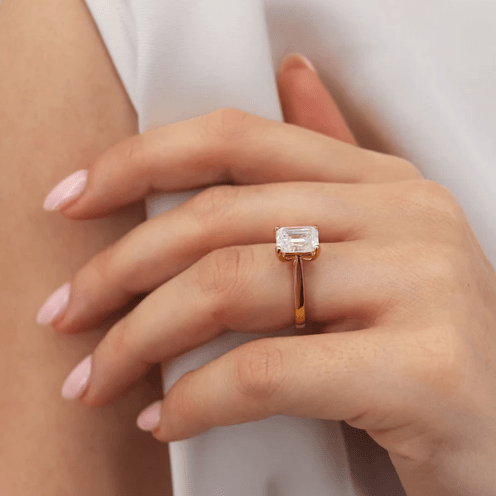
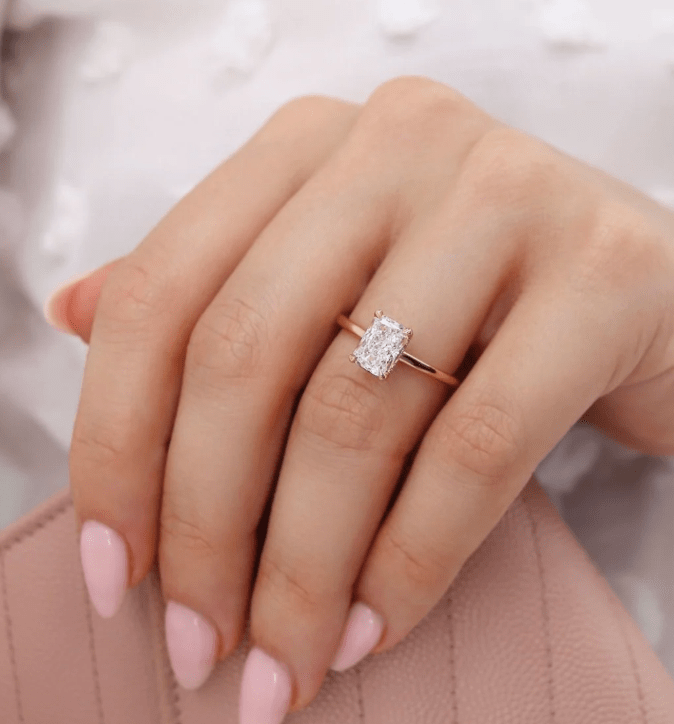
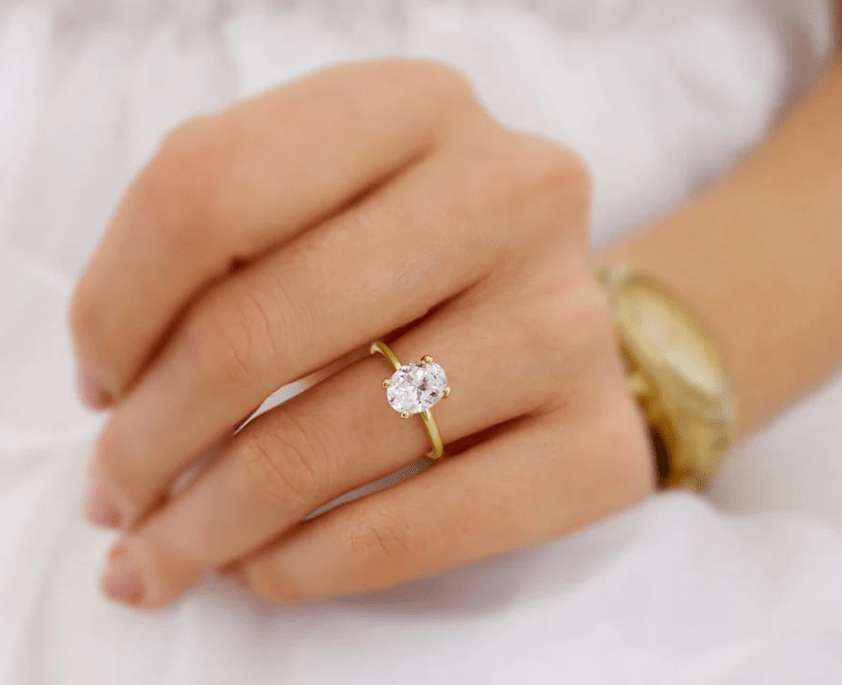
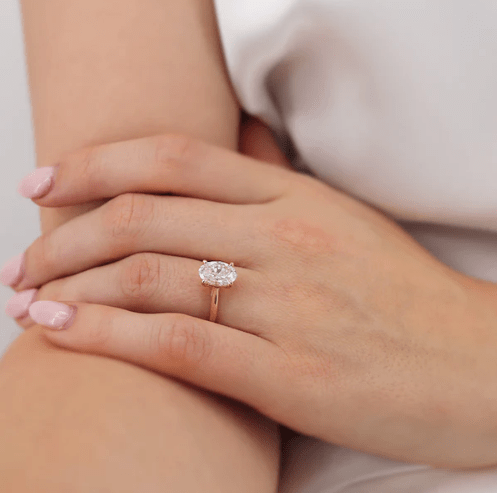
 Diamonds are a girls best friend