My Musings on Jewellery

  • Why More British Women Are Designing Their Own Engagement Rings in 2026

    Why More British Women Are Designing Their Own Engagement Rings in 2026

    The engagement ring has always been a deeply symbolic object in Britain. It has marked intention, commitment and a shared future, and for generations it has been chosen in secrecy, slipped into a velvet box and presented in a moment of cinematic anticipation. Yet in 2026, that script is evolving. Across the UK, a growing number of British women are taking creative control of their engagement rings, working alongside partners or independently to design pieces that reflect their identities, values and aesthetic preferences.

    This shift is not happening quietly. Cultural commentators, trend forecasters and jewellery historians have all noted its rise, describing it as part of a wider movement in which women are reclaiming authorship of the symbols that define their relationships. As Vogue UK recently observed, modern engagement rings are becoming “collaborative declarations rather than surprises”, shaped by personal expression and craftsmanship rather than tradition alone.

    At its core, this movement reflects a desire for individuality, agency and emotional authenticity. It is both a response to changing social dynamics and an embrace of creativity. To understand why more British women are designing their own engagement rings in 2026, we must look at the historical evolution of engagement traditions, contemporary cultural influences, the growth of digital design tools and the shifting definitions of romance itself.

    A Brief History of Engagement Ring Tradition

    For most of British history, engagement rings followed a fairly predictable pattern. Rings were selected by men, sometimes with the help of a jeweller or family member, and presented to their partners as a symbolic offering. This model derives from Victorian customs where diamond rings were positioned as tokens of commitment, influenced heavily by early advertising and social norms.

    By the mid twentieth century, diamond engagement rings had become near universal in Britain. The ring was meant to surprise, and the proposal moment became a cultural script performed in countless films and novels. Yet, as The Guardian has noted, this tradition was never as fixed as it seemed. Many women throughout history voiced preferences or gave subtle hints, but the moment of agency remained limited.

    In the last two decades, expectations have shifted dramatically. The rise of gender equality, shared financial decision making and the increasing importance of design individuality have transformed the engagement ring from a unilateral gesture into a collaborative expression. This evolution mirrors broader cultural changes in relationships, where equality and partnership shape both emotional and financial choices.

    The Rise of Personalisation in Modern Luxury

    One of the clearest drivers behind this trend is the rise of personalisation. Across fashion, interiors and jewellery, consumers are rejecting mass produced designs in favour of pieces that carry personal meaning. Luxury is no longer defined solely by price or rarity but by emotional resonance and individuality.

    This aligns with broader cultural shifts seen in British lifestyle trends. The popularity of custom fashion, bespoke fragrances and personalised home décor reflects a desire for objects that fit naturally into a person’s identity rather than forcing the wearer to adapt to a pre existing idea of beauty. Engagement rings are experiencing the same transformation.

    As Cosmopolitan UK recently highlighted, bespoke engagement ring design has surged among millennial and Gen Z women who want heirlooms that tell personal stories. The publication noted that more women now bring mood boards to consultations, complete with gemstone preferences, style inspirations and historical references.

    These boards often blend influences from vintage jewellery, contemporary minimalism, celestial motifs or heritage romance, resulting in rings that reflect both personal stories and modern aesthetics. The trend echoes the wider British cultural emphasis on individual voice and self expression.

    Digital Design Tools and the Democratization of Jewellery Creation

    The rise of digital design platforms has also played a major role in empowering British women to design their own engagement rings. Sophisticated online tools enable users to experiment with shapes, metals, gemstones and settings with surprising accuracy, offering a level of creative freedom previously available only to professional designers.

    This emergence of accessible technology mirrors developments across the creative industries, where digital tools have democratised photography, illustration, fashion design and interior planning. Jewellery has joined this transformation, allowing women to visualise their ideas, adjust proportions and explore styles long before visiting a jeweller.

    As BBC Technology has reported, digital creativity has become central to modern consumer behaviour, especially among younger buyers. This aligns perfectly with the bespoke engagement ring movement, where design autonomy is both empowering and practical.

    For many women, these tools remove the anxiety of being surprised with a ring that does not feel like them. They also enable couples to collaborate, building designs that reflect both partners’ tastes and shared values. The ring becomes an artistic expression rather than a traditional obligation.

    A Reaction Against Outdated Engagement Stereotypes

    Part of the appeal of designing one’s own engagement ring lies in rejecting outdated stereotypes surrounding romance and relationships. The cultural expectation that women should be “surprised” by a ring they will wear for the rest of their lives has become increasingly incompatible with modern gender dynamics.

    The traditional script also reinforced assumptions about who should make financial decisions and who should define the meaning of an engagement. In contrast, today’s British couples take pride in building their relationships as equal participants, including when selecting the most symbolic piece of jewellery they will own.

    As The Financial Times recently discussed, modern couples are re negotiations of roles and expectations around proposals in a way that emphasises fairness and shared experience. Designing the ring together has become part of that shift. Many women report feeling that the act of co creating the ring felt more intimate and meaningful than being surprised with one.

    This phenomenon also intersects with broader feminist cultural movements in Britain, where autonomy, personal expression and creative control are valued as essential components of modern womanhood.

    The Influence of Celebrity Culture and Public Figures

    Celebrity culture continues to shape engagement ring trends, and the rise of bespoke design reflects this influence. High profile figures including royals, actors and musicians increasingly choose custom pieces that reflect their personal stories or heritage.

    Public interest in rings worn by prominent figures, such as those featured in Vogue UK and The New York Times, has normalised the idea that engagement rings should be personal, creative and deeply meaningful. These celebrity rings often incorporate unique gemstone cuts, coloured stones, elaborate symbolism or historical references.

    British women, inspired by these expressions of individuality, have embraced the idea that their own engagement rings should reflect their identity rather than conform to expectation. The bespoke engagement ring trend is not merely aesthetic but emotional, cultural and aspirational.

    Sustainability and Ethical Awareness in Modern Engagement Choices

    Sustainability has become one of the most influential forces shaping British consumer behaviour. Younger buyers prioritise ethical sourcing, low environmental impact and transparent supply chains. These values naturally extend to engagement rings.

    As BBC News has highlighted, sustainability influences purchase decisions across fashion, jewellery and luxury goods. Designing an engagement ring allows individuals to select stones and metals aligned with their ethics, whether that means choosing laboratory grown gemstones, vintage diamonds or recycled gold.

    By taking ownership of the design process, women ensure their engagement rings reflect not only their style but also their values. This adds a deeper significance to the ring, turning it into a symbol of both love and responsibility.

    A New Definition of Romance in 2026

    What makes the rise of self designed engagement rings so captivating is the way it redefines romance. The act of creating something meaningful, intentional and personal becomes its own romantic gesture. It transforms the engagement ring into an artefact shaped by love, not simply purchased for it.

    British women describe the process as empowering, joyful and creatively fulfilling. Couples often reflect that designing a ring together strengthened their connection, making the proposal less about surprise and more about shared intention.

    Modern romance is not defined by secrecy but by collaboration. As The Guardian Lifestyle notes, the contemporary love story places meaning, communication and shared creativity at its centre. The bespoke engagement ring movement aligns perfectly with this shift.

    Conclusion: The Future of Engagement Rings in Britain

    As 2026 unfolds, the trend of British women designing their own engagement rings shows no sign of slowing. It is a movement shaped by individuality, cultural evolution, technological innovation and emotional authenticity. It reflects a generation that wants its jewellery to be as meaningful and expressive as its relationships.

    The engagement ring, once a symbol defined by tradition, has become a canvas for storytelling. And in taking creative control, British women are not rejecting romance but redefining it. They are designing pieces that will not only celebrate their engagements but one day become heirlooms, carrying the imprint of their artistry, values and love story.

  • Celestial Engagement Rings and the British Imagination: How Cosmic Symbolism Defines Love in 2026

    Engagement rings in the UK have entered a new era, one that looks far beyond diamonds and precious metals to the mysteries of the night sky. Celestial engagement rings have emerged as one of the most captivating trends of 2026, capturing the imagination of couples who want their jewellery to represent not only commitment but also spirituality, cosmic connection and the larger forces that shape their lives.

    The rise of celestial jewellery coincides with the cultural reawakening of astrology. Cosmopolitan UK reports that astrology content has become one of the most consumed lifestyle categories among millennials and Gen Z. These generations view astrology not as superstition but as a language for understanding personality, relationships and life events. Incorporating zodiac symbolism or constellations into engagement rings reflects a desire to root love in a sense of cosmic destiny.

    Celestial ring designs have become increasingly intricate. Some feature clusters of diamonds shaped to mimic the Pleiades or Orion. Others incorporate moon phases engraved around the band, forming a symbolic timeline of growth and transition. Crescent shapes and starburst halos add a sense of movement and light, capturing the drama of the night sky in miniature.

    As The Financial Times observed, jewellery design in recent years has shifted toward storytelling rather than status, a concept perfectly encapsulated by celestial rings. The stars symbolise fate, the moon symbolises cycles and transformation, and constellations represent navigation and protection. When a couple selects a celestial ring, they are choosing a narrative that feels expansive and resonant.

    Historically, the celestial theme is far from new. Ancient civilisations incorporated astronomical motifs into ceremonial jewellery as symbols of divine connection. Victorian jewellers revived these motifs in the nineteenth century, drawing inspiration from scientific advancements and the growing fascination with astronomy. BBC Culture highlights the Victorian era as one of the richest periods for symbolic jewellery, making modern celestial rings part of a much larger tradition.

    Contemporary film and television have also shaped the rise of celestial styles. Romantic and fantasy films often use cosmic imagery to represent soulmates or divine timing. From the moonlit proposals in period dramas to the star infused visuals of modern cinema, the idea of love guided by the cosmos resonates deeply with audiences.

    Celestial engagement rings also align with a growing movement toward meaningful minimalism. Instead of large centre stones, many designs focus on delicate star shaped settings, fine engravings or small gemstone constellations that sit close to the skin. These rings feel intimate and personal rather than loud or overly opulent. Vogue UK notes that understated luxury has become the defining aesthetic of the decade, and celestial designs fit the mood perfectly.

    The emotional appeal of celestial rings is undeniable. They speak to those who believe love is part of a grander story or who find comfort in the alignment of stars and timing. They offer a poetic reminder that relationships evolve just like lunar cycles and that connection can feel miraculous, as though written into the universe long before two people met.

    In 2026, celestial engagement rings represent far more than a trend. They signify a cultural shift toward symbolism, spirituality and personalised meaning. They capture the beauty of the night sky and the belief that love, like the cosmos, is vast, mysterious and profoundly enchanting.

  • The Return of the Toi et Moi Ring: Why UK Couples Love Two-Stone Designs in 2026

    The Return of the Toi et Moi Ring: Why UK Couples Love Two-Stone Designs in 2026

    The engagement ring landscape in 2026 is filled with personality, symbolism and meaning, yet few designs capture the imagination of British couples quite like the Toi et Moi ring. Translating to “you and me,” this celebrated two stone design is one of the most romantic styles in the history of jewellery, and its resurgence has taken the UK by storm. Far from a passing aesthetic choice, the Toi et Moi ring mirrors how relationships themselves are changing. Couples are choosing designs that express equality, individuality and shared identity, and the symbolism of two stones meeting in perfect balance could not be more suited to contemporary love.

    In recent seasons, Toi et Moi rings have been seen everywhere from red carpets to social media feeds and editorial spreads. Publications such as Vogue and Cosmopolitan UK have covered the trend extensively, describing the style as a blend of heritage romance and modern luxury. It resonates with the rise of personalised engagement choices and the shift toward rings that tell stories rather than simply follow tradition. In its revival, the Toi et Moi ring has become a symbol of partnership in its most authentic form.

    To see why this centuries old design feels so radical again, we need to understand its origins, its revival in celebrity culture and the emotional language that defines its meaning in 2026.

    The Origins of the Toi et Moi Ring

    Toi et Moi designs have appeared throughout jewellery history, but their modern story begins in the late eighteenth century. Perhaps the most famous early example was the engagement ring Napoleon Bonaparte presented to Joséphine de Beauharnais in 1796. The ring paired a pear shaped sapphire with a pear shaped diamond, sitting side by side in a delicate gold setting that appeared almost minimalist by the standards of the time. It was a revolutionary gesture, uniting two stones to symbolise the joining of two souls, and it represented a shift toward intimate, meaningful engagement jewellery.

    During the Victorian era, sentimental symbolism flourished. Lovers used stones to spell out words, hide secret messages or evoke romantic metaphors. The Toi et Moi ring became a favourite because it could embody connectedness through its twin stones. This was a time when jewellery was understood not just as decoration but as a narrative device, a way of recording emotion and memory. Designs from the nineteenth century showcased diamonds paired with rubies or emeralds, sapphires matched with pearls, and even opals flanked by small rose cut diamonds. The aesthetic was deeply personal and often bespoke.

    The twentieth century brought a new chapter. Art Deco jewellers embraced geometry and bold contrast, and Toi et Moi rings were reimagined with angular settings, platinum mounts and stylised symmetry. It was during this period that the style began to appear in fine jewellery houses across Europe and North America, often featuring baguettes, asymmetric arrangements and unique gemstone pairings. What had once been a symbol of sentimental romance expanded into a fashionable and avant garde choice.

    The twenty first century saw the design recede temporarily as solitaire diamonds dominated the engagement ring market. But today, in 2026, the Toi et Moi is not just back; it has become one of the defining aesthetic movements in UK engagement jewellery.

    The Celebrity Revival

    In the world of fashion and engagement rings, cultural influence often begins with a single moment. The New York Times and BBC News Entertainment have both noted the power of celebrity engagements in shaping consumer tastes. The Toi et Moi ring owes part of its 2020s resurgence to several high profile engagements that reintroduced the design to the global stage.

    The most widely publicised example is the ring worn by Ariana Grande. Her engagement ring, featuring an oval diamond paired with a lustrous pearl, sparked a surge of interest in asymmetric two stone designs. The pairing felt modern yet nostalgic, and the softness of the pearl alongside the precision of the diamond demonstrated how versatile the Toi et Moi format can be.

    Another celebrity who embraced the design is Megan Fox, whose striking Toi et Moi ring features a brilliant white diamond set alongside an equally dramatic emerald. The bold contrast between the two stones became one of the most shared ring images of the year, with fashion commentators at Vogue describing it as a statement of passion and individuality.

    Emily Ratajkowski also helped redefine the modern two stone look. Her elongated princess cut diamond paired with a pear cut stone created an architectural composition that resonated with minimalist jewellery enthusiasts. The design broke away from symmetry and embraced an artistic approach to engagement jewellery, one that reflected her broader fashion sensibilities and the rise of quiet luxury as a visual language.

    The influence of onscreen romance cannot be underestimated either. Shows and films with high impact costume design often bring historical jewellery styles into mainstream attention. As The Guardian observed in a recent piece on period drama influence, jewellery trends frequently mirror the imagery found in cinematic storytelling.

    Collectively, these cultural references helped transform the Toi et Moi ring from a niche historical piece into a contemporary must have.

    Why the Toi et Moi Ring Speaks to UK Couples in 2026

    The new generation of British couples is reimagining what engagement rings should represent. Instead of conforming purely to traditional formats, many want their rings to express identity, equality and partnership. The Toi et Moi ring is uniquely suited to this shift because it places both stones in dialogue with one another. The symbolism is immediate and universal. Two stones. Two people. One union.

    This symbolic equality aligns deeply with the values of Gen Z and Millennials. These generations have grown up questioning traditional structures and embracing more personalised expressions of love. Engagement rings are no longer objects to be hidden away; they are expressions of personality and aesthetic preference, and in many cases, reflections of shared values such as sustainability, individuality and emotional connection.

    The Toi et Moi ring is also perfectly aligned with the rise of mixed gemstones in British engagement choices. As Cosmopolitan UK recently reported, couples are increasingly opting for rings that blend colour, shape or texture. Pairing a diamond with a sapphire, a ruby, a morganite or even a lab grown coloured gemstone allows couples to create visual meaning without sacrificing elegance.

    Another factor in its popularity is its adaptability across price points. The two stone design allows for creative combinations of size and quality that offer substantial presence without necessarily increasing cost. For some couples, the ability to select a lab grown diamond for one stone and a coloured gemstone for the other opens up design possibilities that feel luxurious, ethical and unique.

    Finally, the modern fascination with asymmetry has helped the Toi et Moi ring resonate with contemporary minimalist style. The look aligns with the 2026 jewellery aesthetic, which leans toward clean lines, subtle intricacy and understated glamour. Publications such as Vogue and Financial Times have both remarked on the shift toward quiet luxury, a movement characterised by refined elegance rather than overt extravagance. The Toi et Moi ring fits beautifully within that stylistic universe.

    The Historical Symbolism of Paired Stones

    Paired stones have always carried symbolic weight. In the nineteenth century, pairing stones of different colours hinted at contrast and harmony. In Art Deco jewellery, geometric pairings spoke to modernity and progress. In contemporary design, the meaning has evolved again.

    For many UK couples, the two stones represent shared values or complementary strengths. Others view them as markers of separate life journeys converging into one partnership. Some choose stones that reference personal stories, such as birthstones, favourite colours or heirloom gemstones repurposed into new settings.

    This narrative quality is integral to the Toi et Moi ring’s appeal. It is one of the few engagement ring styles that is inherently expressive. While a solitaire diamond conveys timeless tradition, a two stone ring communicates depth, nuance and individuality.

    The Role of Social Media

    Social media has increased awareness of distinctive ring designs. Platforms such as Pinterest and Instagram have made two stone rings widely visible, and editorial features on bridal fashion sites often highlight the style for its romantic symbolism. As BBC Culture observed in a recent article, contemporary couples are more visually driven than ever when choosing engagement jewellery, often gathering inspiration from digital platforms before visiting a jeweller or designer.

    This visibility has created a feedback loop. The more couples share their two stone rings, the more others begin imagining how the style might suit their own aesthetic. The personal nature of the design makes it especially popular for social storytelling.

    2026 Style Variations

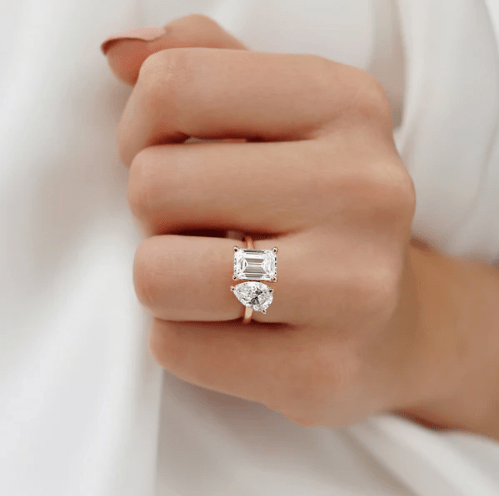
    The modern Toi et Moi ring takes many forms. Some adopt a traditional mirrored arrangement where two identical stones sit side by side. Others embrace asymmetry by pairing shapes such as oval with pear, emerald cut with round brilliant, or marquise with cushion. Colour has become a major influence, with many couples selecting a diamond alongside a gemstone that holds personal meaning.

    Minimalist and sculptural designs are particularly in demand. Thin bands, hidden halo details and softly curved settings dominate the market, aligning the style with contemporary British aesthetics. The trend also reflects the broader shift toward rings that feel delicate, wearable and timeless.

    Conclusion

    The Toi et Moi ring has reemerged as one of the most culturally relevant, emotionally resonant and visually striking engagement ring styles in 2026. Its symbolism of unity, equality and individuality speaks directly to the values of modern British couples. Its long history, celebrity revival and design versatility make it a natural choice for those seeking something meaningful yet distinctly modern.

    As UK engagement trends continue to evolve, the Toi et Moi ring stands out as a design that connects past and present, romance and artistry, personal expression and shared identity. It is a reminder that engagement rings are more than ornaments. They are symbols of who we are, who we love and the stories we choose to tell.

  • The Most Iconic Celebrity Engagement Rings of All Time

    The Most Iconic Celebrity Engagement Rings of All Time

    Celebrity engagement rings have always captivated the public imagination, yet the past few decades have produced truly extraordinary pieces that have shaped design trends, cultural moments and the evolution of modern luxury. From Hollywood legends to global pop icons, these rings have become as recognisable as the women who wear them, often sparking global conversations and influencing millions of couples worldwide. Engagement rings are no longer just symbols of romance and partnership. They have become fashion statements, cultural phenomena and in many cases, historic artefacts in their own right.

    To understand why certain celebrity rings remain so unforgettable, it helps to explore the stories behind them. Together, these pieces map out a history of changing tastes, shifting cultural expectations and the evolving nature of fame. Publications such as Vogue UK and Harper’s Bazaar have repeatedly highlighted that celebrity engagement jewellery now has more cultural impact than runway trends, often setting the tone for years of global jewellery design.

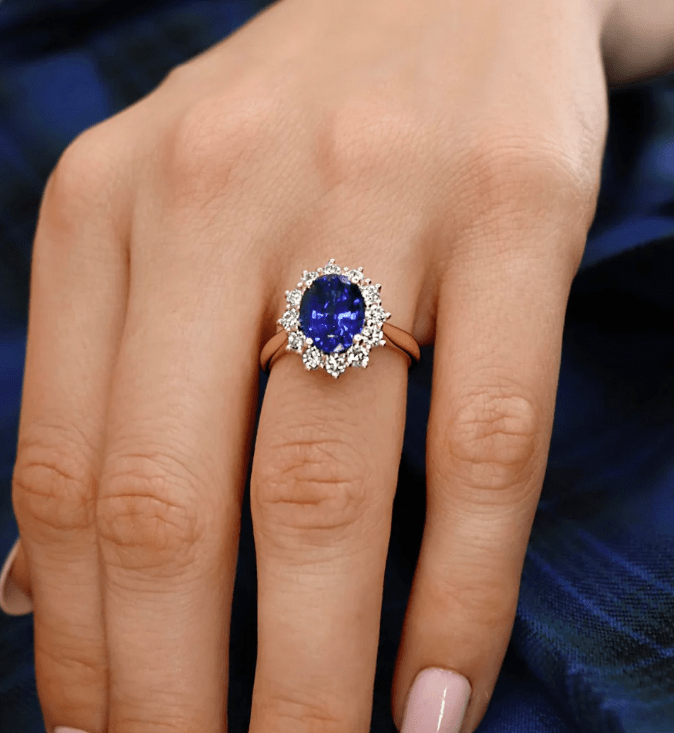
    One of the most influential engagement rings of all time remains the legendary sapphire worn by Princess Diana. Its deep blue colour, chosen unexpectedly from a showroom collection instead of a custom royal commission, represented a quiet form of independence. It became even more iconic when Catherine, Princess of Wales, began wearing the piece, prompting an international fascination with coloured gemstone rings. According to BBC News, the sapphire’s popularity surged dramatically after its reintroduction to the public eye, cementing coloured stones as modern alternatives to diamonds.

    Jennifer Lopez has long been one of Hollywood’s most recognised jewellery trendsetters, with each of her engagement rings reflecting a new chapter in her public life. Her rare pink diamond, gifted during her early 2000s engagement to Ben Affleck, became an instant cultural moment. As The Guardian noted, pink diamonds were scarcely known among the general public at the time. The ring changed that instantly. J Lo’s later rings, many featuring emerald cuts, continued to reinforce her association with bold glamour and cutting edge style.

    Another major influence on contemporary engagement aesthetics is Beyoncé. Her large emerald cut diamond has been praised across fashion publications, including Cosmopolitan UK, for its architectural beauty. The clean lines and glassy depth of emerald cut diamonds have gained renewed popularity since Beyoncé’s ring first made headlines. Its elegance, sophistication and modern minimalism paved the way for the current wave of step cut stones.

    Lady Gaga’s engagement ring, a striking pink sapphire surrounded by a halo of diamond petals, showcased her reputation for theatrical glamour. As Vanity Fair observed, the ring mirrored Gaga’s evolving shift from avant garde extravagance toward romantic femininity. Its floral arrangement also inspired thousands of “cluster halo” engagement ring designs worldwide.

    Madonna’s engagement ring history spans several decades, reflecting shifts in fashion and celebrity culture. Her early rings often leaned toward bold yellow gold and prominent centre stones, aligning with the confident, rebellious identity she cultivated throughout the 1980s and 1990s. Publications such as Rolling Stone and People Magazine have charted how Madonna’s jewellery choices helped drive a resurgence in yellow gold at a time when white metals dominated.

    Miley Cyrus has had some of the most discussed celebrity rings of the past decade. Her first engagement ring, a vintage inspired design, reflected her earthy, bohemian aesthetic during that stage of her career. Later, her choices leaned more modern. These pieces show how personal style and public persona often evolve side by side.

    The Kardashian family has also played a significant role in shaping engagement ring trends. Their preference for large centre stones, particularly cushion and emerald cuts, has driven global demand for bold, modern designs. According to Vanity Fair and The New York Times, their cultural influence is unmatched, with millions of fans replicating their sleek, oversized aesthetic.

    What unites all of these celebrity rings is their ability to capture a moment in time. They become shorthand for eras, relationships, careers and romantic milestones. They also demonstrate how deeply jewellery is tied to personal identity. Engagement rings are far more than accessories. They are symbols, narratives and emotional anchors.

    In 2026, as British couples increasingly value individuality, symbolism and personal storytelling, celebrity rings continue to serve as inspiration. They remind us that engagement jewellery is not about following rules but about expressing love in the way that feels most authentic. The cultural legacy of these iconic pieces shows that while trends may evolve, the desire for meaningful and expressive design remains timeless.

  • The Diamond Colour Renaissance: Why Warm Tones Are Back for 2026

    For decades, the engagement ring world has been dominated by the icy, colourless diamond. Its cool brilliance became synonymous with luxury, status and tradition. Yet moving into 2026, a noticeable transformation is unfolding in Britain’s jewellery culture. Diamonds with warm tones such as champagne, honey, cognac and subtle gold infusions are stepping back into the spotlight, offering a romantic alternative to the classic white diamond. This shift is more than a fleeting trend. It reflects deeper changes in taste, storytelling and cultural identity.

    According to Vogue UK, British couples are increasingly turning to diamonds with personality, warmth and distinctive hues because they feel expressive rather than conventional. These diamonds stand out quietly rather than loudly, capturing the sensibility of modern luxury, which prioritises meaning over spectacle. The rise of warm toned diamonds mirrors broader cultural movements in which individuals choose objects that reflect personal identity rather than adhering to long held norms.

    The renewed appreciation for diamond colour can also be traced to changes in global fashion. As The Guardian Fashion notes, warm neutrals, soft golds and earth inspired palettes have dominated both runways and interior design. Jewellery, as always, is following suit. Engagement rings now echo this aesthetic shift, with buyers gravitating toward stones that complement natural skin tones and create a softer, more intimate glow.

    In contrast to the bright, high contrast look of a colourless diamond, warm toned stones evoke a romantic, vintage style reminiscent of historical eras. The Edwardian and Art Deco periods, for instance, frequently showcased coloured and tinted diamonds, long before colour grading systems became the industry standard. Today’s revival reflects a growing fascination with craftsmanship of the past, which BBC Culture describes as “a return to storytelling through objects.” Warm toned diamonds are rarely identical, and this individuality offers a sense of character that appeals to buyers seeking something meaningful rather than mass produced.

    There is also a shift in what modern luxury represents. Once defined by excess, today’s luxury is shaped by subtlety, responsibility and personal narrative. As The Financial Times argues, luxury in 2026 is increasingly “quiet, considered and intelligent.” Warm toned diamonds fit perfectly into this new definition because they are understated yet distinctive. They glow rather than sparkle aggressively, creating an effect that feels sophisticated and effortless.

    Celebrity influence plays a role as well. Engagement rings worn by public figures often inspire widespread demand, and warm toned diamonds have appeared on red carpets, in film and in editorial shoots. As Cosmopolitan UK highlights, the new generation of celebrity engagements prioritises individuality and uniqueness. When a warm toned diamond appears on camera, it offers an alternative vision of romance that appeals to audiences tired of conventional choices.

    One reason for the revival of diamond colour is a growing appreciation for stones that embrace natural beauty. In the past, the jewellery industry heavily promoted the colourless ideal, suggesting that any hint of colour was a lesser stone. That viewpoint is now being challenged. Warm tones are increasingly seen not as imperfections but as features that add richness and depth. Buyers are more aware than ever that naturally occurring colours can make a stone feel rare and personal.

    The influence of film and television cannot be underestimated. Warmly toned diamonds often feature in period dramas and stylised productions. From gilded Edwardian sets to opulent modern fantasies, filmmakers use light and colour to shape visual stories. These on screen aesthetics influence real world jewellery choices, as The New York Times notes in coverage of cinematic styling trends. When audiences see glowing, honey toned jewellery on screen, they envision it in their own lives.

    Beyond style and fashion, warm toned diamonds also connect to emotional symbolism. Colour psychology suggests that golden and champagne hues evoke warmth, stability, nostalgia and comfort. In an age defined by uncertainty, these associations feel especially appealing. Engagement rings have always been deeply emotional objects. Choosing a warm coloured stone allows couples to embed additional layers of meaning into the piece, creating a ring that reflects not only love but also resilience and connection.

    The resurgence of coloured diamonds also highlights a renewed interest in artistry. Warm toned diamonds pair beautifully with yellow gold, rose gold and antique inspired settings, encouraging jewellers to rediscover design techniques from earlier periods. This has sparked a wave of creativity across Britain’s jewellery studios, particularly in areas such as London’s Hatton Garden and Birmingham’s Jewellery Quarter, where artisans are exploring texture, tapering, filigree and mixed metal designs. As BBC News reported, the demand for bespoke engagement rings continues to rise, and warm colour palettes offer greater room for experimentation.

    Lab grown diamonds are also influencing this trend. Because they allow for greater colour control at the point of creation, jewellers can now offer warm toned stones with exceptional clarity and consistency. This has helped reintroduce coloured diamonds to the mainstream market, making them more accessible than natural fancy diamonds, which can be rare and prohibitively expensive. As sustainability and transparency become deciding factors for younger buyers, the ability to choose lab grown diamonds without sacrificing colour or brilliance is a significant advantage.

    While colourless diamonds will always hold a cherished place in British jewellery culture, the rise of warm tones marks a fundamental shift in how couples perceive beauty. Rather than aspiring to the industry promoted ideal, they are choosing the diamond that feels right for them. This represents a broader move towards individuality in engagement ring design, one that aligns with the personalised approach to relationships embraced by Gen Z and millennial couples.

    The Diamond Colour Renaissance is not a rebellion against tradition but an expansion of it. It invites couples to reinterpret romance through their own lens, free from outdated rules. Whether it is the subtle glow of a champagne diamond or the deeper richness of a cognac tone, warm coloured stones offer a way to express love with intimacy and personality. As the trend continues to grow throughout 2026, these diamonds will undoubtedly become one of the defining symbols of modern British romance.

  • Cinematic Romance & The Psychology of On-Screen Jewellery

    Engagement rings have long served as emotional punctuation marks in film. They seal promises, ignite plots and symbolise hope in ways that words alone cannot. In 2026, British audiences remain deeply influenced by the romance, glamour and symbolism they see on screen. From sweeping period dramas to glossy Hollywood blockbusters, cinema continues to shape the jewellery dreams of real couples choosing engagement rings today.

    In The Great Gatsby, the sparkling diamond ring Daisy wears mirrors the extravagance and excess of the Jazz Age. The film’s opulent aesthetic helped reintroduce vintage and Art Deco-inspired rings to a new generation. As Vogue UK explored in its retrospective on the film’s influence, the combination of geometric lines and intricate craftsmanship sparked renewed interest in old world detailing, a trend that persists across British engagement ring preferences.

    Hollywood romances such as Crazy Rich Asians elevated another aesthetic entirely: bold, centre stone-led designs with meaningful heirloom qualities. The luminous emerald ring worn by Eleanor Young, which carries both cultural significance and rich familial history, became one of the most discussed cinematic jewellery moments of the decade. As The Guardian noted, its symbolism transcended romance, becoming a visual statement about lineage, identity and acceptance.

    On the small screen, Bridgerton has left an undeniable imprint on British taste. Its revival of Regency romance and floral motifs has inspired audiences to explore pastel gemstones, ornate settings and rings with a soft, historical charm. According to BBC Culture, the show’s visual world has encouraged a shift towards colour, whimsy and literary romanticism, often leading couples to consider more expressive designs.

    By contrast, the moody aesthetic of Twilight popularised darker, more modern elegance. Bella Swan’s cushion cut sparkler, with its slightly vintage halo, reflected the quiet intensity of her relationship with Edward Cullen. Its enduring popularity highlights the appeal of understated glamour, a theme echoed across countless engagement ring searches following the film’s release.

    These cinematic moments, though diverse in style and tone, share a common thread: they connect viewers to emotion. Jewellery in film is rarely incidental. Directors and costume designers select rings with meticulous care, choosing symbolic stones, shapes and settings that help tell a story. As Vanity Fair observed in its feature on costume jewellery in cinema, a ring can communicate everything about a character’s desire, vulnerability or transformation in a single glimmer.

    British audiences draw inspiration from these stories because rings on screen often represent an idealised version of love. They are polished, cinematic and loaded with meaning. For example, Gatsby’s world of splendour may be distant from reality, yet its jewellery inspires modern couples to explore craftsmanship techniques that honour tradition. Meanwhile, the heirloom emerald in Crazy Rich Asians champions connection to heritage rather than material value, encouraging buyers to consider symbolic gemstones that reflect their own history.

    Film also influences the cultural conversation around individuality. Engagement rings featured in contemporary movies rarely adhere to traditional norms. Instead, they celebrate diversity of shape, colour and style. This shift aligns with broader patterns in British jewellery preferences, where personal expression increasingly outweighs convention. As Cosmopolitan UK recently commented, the engagement ring is no longer a one style fits all symbol but a canvas for authenticity.

    On screen, rings hold narrative power. In real life, they hold personal truth. Cinema acts as a bridge between the two, offering a blend of fantasy and familiarity that continues to inspire engagement ring choices in the UK. The storytelling power of film ensures that the engagement ring will remain not simply an accessory, but a symbol shaped by culture, imagination and the timeless pull of romance.

  • Minimalist Engagement Rings 2026 | The New UK Aesthetic

    The landscape of engagement ring design in 2026 feels markedly different from the bold, maximalist trends that dominated the early 2010s. Instead of oversized halos and elaborate multi-stone settings, British couples are now gravitating toward subtlety, refinement and quiet, confident beauty. The shift reflects broader cultural currents in fashion and lifestyle, where understated luxury and intentional choices carry more meaning than ornate displays of wealth. Publications such as Vogue UK and The Guardian have both noted that minimalism is becoming the defining design language of modern jewellery, and engagement rings sit firmly at the centre of this transformation.

    Minimalism, micro pavé and quiet luxury are not simply stylistic trends. They reflect deeper patterns in society, influenced by generational values, economic pressures, celebrity culture and a renewed appreciation for craftsmanship. As British couples continue to rethink what an engagement ring should represent, they are embracing designs that prioritise elegance, clean lines and authenticity. These rings are intentionally timeless, created to complement a lifetime rather than a season.

    The rise of the minimalist engagement ring can be traced partly to changes in how people express identity. According to BBC Culture, the modern aesthetic movement is driven by a desire for objects that feel sincere rather than performative. A carefully chosen solitaire or a micro pavé band communicates quiet confidence, allowing the stone and craftsmanship to speak for themselves. This is in sharp contrast to the social media driven extravagance that once captured attention, where size and spectacle often overshadowed substance. In 2026, couples are choosing rings that align more closely with their values and lifestyle, favouring refined beauty over theatrical display.

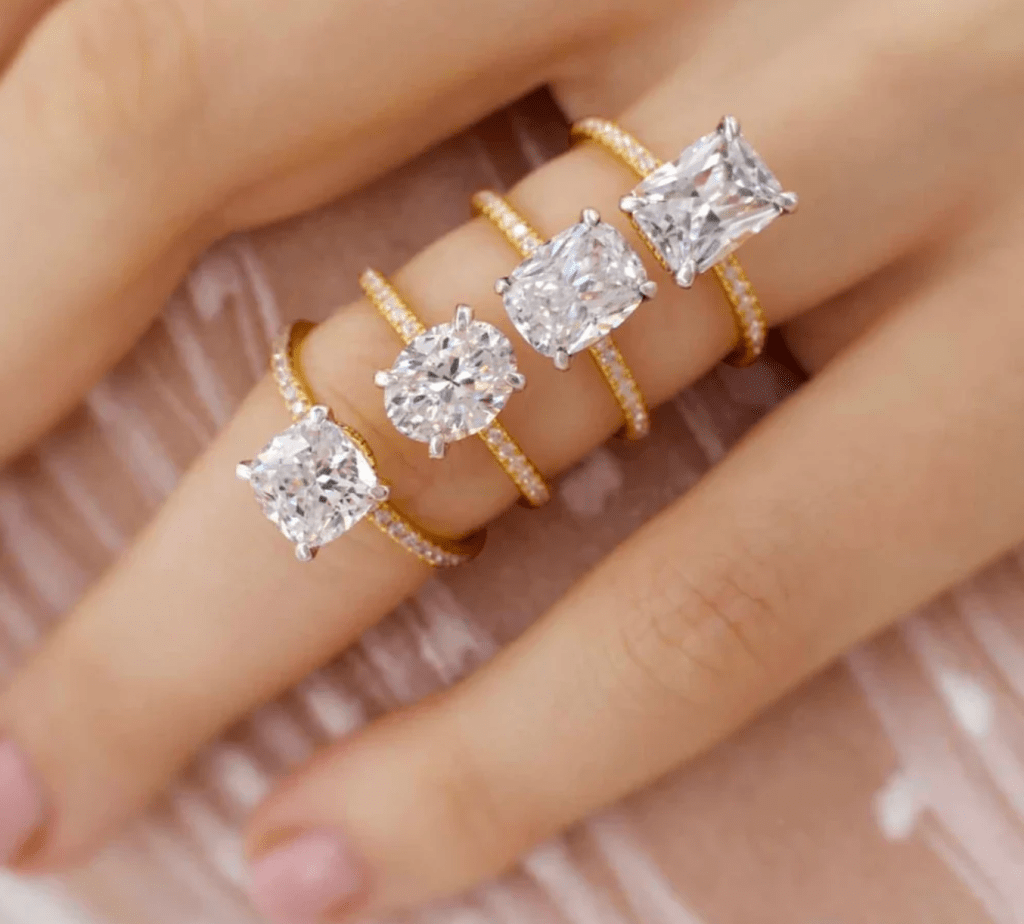
    Clean geometry sits at the heart of this new aesthetic. Slim bands, balanced proportions and precise metalwork create a sense of visual harmony. Round and oval diamonds continue to be popular because of their soft lines, but emerald cuts, step cuts and elongated shapes are gaining significant traction due to their architectural appeal. These geometric silhouettes pair beautifully with minimalist settings, allowing the natural symmetry of the stone to become the focal point. In a recent feature, Financial Times highlighted the increasing interest in angular diamond shapes, noting that their subtle elegance appeals particularly to couples seeking modern sophistication without overt ornamentation.

    Micro pavé, one of the most refined techniques in jewellery, has flourished alongside this minimalist movement. The technique involves setting very small diamonds closely together to create a continuous shimmer across the band. The effect is delicate rather than showy, offering a refined sparkle that catches the light without overwhelming the central stone. It is this understated radiance that has made micro pavé one of the hallmarks of quiet luxury. Cosmopolitan UK described micro pavé settings as “the perfect balance between sparkle and subtlety”, highlighting their ability to add detail without detracting from the simplicity of the overall design.

    The growing appeal of quiet luxury is undoubtedly tied to cultural influences. Television series, high fashion and even political shifts have shaped this movement, but the most influential factor has been celebrity style. Engagement rings worn by public figures known for their refined approach to fashion have become touchpoints for what British couples aspire to. The New York Times has repeatedly remarked on the cultural allure of quiet luxury, noting that celebrities are embracing pieces that feel intentional and timeless rather than flashy. When high profile figures choose elegant solitaires or micro pavé bands, their choices resonate widely with audiences who see understated jewellery as a symbol of confidence rather than caution.

    Economic sensibility has also played a major role in the rise of minimalist engagement rings. The past decade has seen fluctuations in financial stability, prompting many couples to prioritise designs that feel enduring and versatile. Minimalist rings pair easily with wedding bands and anniversary rings, reducing the concern that a bold or unusual design may clash with future pieces. This flexibility makes them appealing for long term wear and allows the wearer to build a cohesive jewellery collection over time. The minimalist approach is not merely an aesthetic choice but a practical one, suited to evolving lifestyles and personal tastes.

    Another reason this aesthetic has become dominant is the increasing emphasis on craftsmanship and quality over ostentation. British couples are approaching engagement ring shopping with a deeper interest in how a ring is made, where materials are sourced and what techniques are used. The Guardian has highlighted a significant rise in conscious consumerism, particularly among younger buyers who want their purchases to reflect ethical and environmental considerations. A minimalist ring naturally draws attention to the quality of its materials and the skill of its maker, since there are no elaborate details to distract from potential flaws. For many buyers, this transparency enhances the value of the piece.

    Micro pavé settings, with their meticulous precision, underscore this appreciation for craftsmanship. Each tiny stone is set individually by hand, requiring rigorous attention to detail. The result is a ring that feels luxurious not because it shouts for attention but because every element is executed with intention. Quiet luxury relies on this kind of understatement, where the artistry is evident in the quality rather than the quantity of decoration. BBC News recently discussed this shift in a feature on modern luxury consumption, noting that consumers are increasingly drawn to items that offer meaning and longevity over sheer extravagance.

    Minimalist engagement rings also align with the aesthetic preferences that dominate platforms such as Instagram and Pinterest. While social media once drove demand for oversized halos and highly decorated bands, the visual culture of 2026 leans toward airy, uncluttered compositions that highlight natural beauty. Photographers, influencers and stylists frequently showcase delicate bands, slim solitaires and micro pavé rings arranged in soft, muted palettes. These images have a calming quality that resonates with couples who want their engagement rings to feel effortless and modern. As trends circulate through social media, they reinforce the appeal of elegant simplicity and further establish minimalist designs as the standard for contemporary romance.

    The trend is also supported by broader shifts in fashion. Designers across Europe and the UK are championing pared back silhouettes, luxurious natural fabrics and subtle colour palettes. Jewellery trends often reflect fashion movements, and the engagement ring is no exception. The clean lines and subtle presence of minimalist rings complement current wardrobe staples such as structured coats, tailored trousers and soft knitwear. Engagement rings of 2026 are designed not just as symbols of commitment but as pieces that integrate seamlessly into daily life, reflecting personal style with ease.

    London, as one of the world’s leading jewellery capitals, continues to shape these trends. British designers have long been known for a balance of craftsmanship and restraint, blending tradition with contemporary influences. Minimalism suits this heritage well, allowing designers to showcase signature handwork while appealing to modern tastes. The appeal of London’s jewellery style has reached international markets, but it is within the UK that the minimalist engagement ring has found its most devoted following.

    Micro pavé continues to evolve, with newer techniques allowing even finer stones to be set more securely. These advancements create smoother, more comfortable bands that sit elegantly alongside engagement rings or stack with eternity rings. Couples often pair minimalist solitaires with micro pavé wedding bands, creating sets that radiate a soft, cohesive sparkle. The enduring appeal of micro pavé lies in its ability to enhance without overwhelming, offering a subtle brightness that feels timeless rather than trend driven.

    Looking ahead, it is clear that minimalism and quiet luxury will remain strong influences in engagement ring design. While jewellery trends inevitably evolve, the cultural forces driving simplicity and clarity in design are unlikely to fade soon. The appeal of beautifully crafted rings that communicate love through refined elegance rather than ostentation resonates deeply with British couples. These rings reflect a modern romance that values intention, authenticity and craftsmanship.

    The engagement ring aesthetic of 2026 embodies a quiet confidence. It prioritises the beauty of the stone, the precision of the metalwork and the meaning behind the design. In a world that increasingly celebrates individuality and sincerity, minimalist engagement rings stand as a thoughtful and timeless expression of love. Their simplicity is not a limitation but a form of freedom, allowing the wearer to express personal style while embracing a symbol that will endure through decades of change.

  • Why Emerald Cut Diamonds Are the Choice of UK Power Couples in 2026

    Why Emerald Cut Diamonds Are the Choice of UK Power Couples in 2026

    The emerald cut diamond has returned to the forefront of British luxury in a way few experts predicted. Once considered a niche, architectural choice reserved for connoisseurs, the emerald cut has transformed into the signature stone of influential couples across the UK in 2026. Its clean geometry, uninterrupted clarity and quiet confidence have made it the jewel of modern power pairings, reshaping engagement ring trends and redefining what prestige looks like for a new generation.

    As Vogue UK recently observed, the emerald cut has become “the modern symbol of assured elegance”, a style selected by those who do not need their jewellery to shout to be heard. Equally, The Guardian Fashion describes its rise as part of a wider shift towards “structural minimalism and meaningful luxury”, mirroring broader movements in architecture, design and culture. And as BBC Culture highlights, British buyers increasingly favour craftsmanship and geometry over maximalist sparkle, making the emerald cut a natural fit for 2026’s aesthetic values.

    The emerald cut carries a unique visual language in the jewellery world. Rather than the brilliant cut’s explosive light return, it presents long, glassy facets that create what experts call a “hall of mirrors” effect. This hypnotic play of light feels sophisticated rather than showy, refined rather than flamboyant. Power couples across the UK are drawn to this serene confidence, recognising that the emerald cut’s beauty comes not from excess, but from precision.

    Among the standout examples leading the trend is the Florence Emerald Cut Lab Diamond Solitaire, offered by Lily Arkwright, one of the UK’s most respected ethical jewellers. The Florence design, crafted with meticulous symmetry, crisp step-cut facets and a contemporary silhouette, has become one of the most admired rings for those seeking modern luxury.

    Its elegant simplicity embodies everything that makes the emerald cut the gem of 2026.

    The Appeal of Architectural Beauty

    The resurgence of emerald cut diamonds reflects a broader cultural appetite for architectural clarity. British design in 2026 leans heavily towards modernism, clean lines and balance. Homes, interiors and even fashion now embrace shapes that feel intentional and timeless. Engagement rings are simply the next extension of that taste.

    The step cuts in an emerald diamond appeal to those who appreciate craftsmanship over spectacle. Unlike brilliant cuts, which are engineered to mask inclusions with light refraction, emerald cuts demand a higher standard of diamond quality. As The Financial Times explains, “the emerald cut is a stone that leaves nowhere to hide”, making it the choice of buyers who want clarity, precision and honesty in their gemstones.

    This aligns perfectly with modern British couples who value authenticity. When a diamond is chosen not because it sparkles the most, but because it speaks to a deeper aesthetic confidence, the symbolism changes. The ring becomes a statement of taste rather than tradition, intention rather than expectation.

    Power Couples and the New Shape of Influence

    Celebrity influence often plays a role in stone trends, and the emerald cut is no exception. Over the past several years, high profile engagements across the entertainment, political and entrepreneurial worlds have shown a clear preference for emerald cuts. Rather than choosing oversized brilliant stones associated with earlier eras, public figures now gravitate towards powerful minimalism.

    As Cosmopolitan UK has pointed out, emerald cut stones have become “the ring for those who lead rather than follow”. The shape projects confidence without extravagance, making it the perfect match for 2026’s leaders, creators and innovators.

    The Florence design from Lily Arkwright echoes this aesthetic with precision. Its elongated silhouette sits low and graceful on the finger, offering a chic profile that suits both understated and statement wearers. The solitaire design lets the emerald cut diamond speak for itself, honouring the geometry rather than competing with it.

    Couples who choose emerald cuts often describe them as “grown up”, “intentional”, or “perfectly unflashy”. These are qualities particularly prized among UK buyers who value intelligence and modernity in their jewellery.

    Lab-Grown Diamonds Reinvent Luxury

    A major reason emerald cuts have surged in 2026 is the rise of lab grown diamonds. These stones, identical in composition and brilliance to mined diamonds, offer exceptional value, ethical sourcing and complete traceability. Their popularity has helped reintroduce precision cuts that require higher clarity standards, emerald cuts included.

    As The New York Times notes, lab grown diamonds have moved from a niche product to the mainstream, driven by environmentally conscious Millennial and Gen Z buyers. Their clarity and colour consistency makes them ideal for step cuts.

    Modern Romance and the Rise of Subtle Luxury

    One of the most notable shifts in 2026 is the growing preference among British couples for “quiet luxury”. This approach moves away from ostentatious displays and instead embraces refined choices rooted in quality and artistry. As BBC Lifestyle reports, subtle luxury has become one of the defining tastes of the decade.

    Emerald cut diamonds are the embodiment of this movement. Their elegance whispers rather than shouts, offering a style that feels elevated without being ornate.

    The Florence design captures this quiet luxury perfectly. Its sleek band and single central stone mirror the minimalist approach shaping British fashion, interiors and culture. The ring sits comfortably alongside everyday jewellery and fine pieces alike, making it versatile for modern lifestyles.

    A New Symbol for Modern Marriage

    Engagement rings have always been symbolic, but the meaning of that symbolism evolves with each generation. Today’s couples prioritise shared values, equality, sustainability and considered decision making. The emerald cut, with its purposeful lines and understated beauty, reflects these values beautifully.

    The hall of mirrors effect is often described as reflective and contemplative, a visual metaphor for transparency and depth in relationships. Unlike the sparkle driven brilliance of other cuts, the emerald cut invites a different kind of appreciation. It draws the eye inward, encouraging the wearer to appreciate clarity, balance and structure.

    This emotional dimension is one reason so many modern couples are selecting emerald cut rings in 2026.

    British Craftsmanship and the Return to Quality

    Another critical factor in the rise of emerald cuts is a renewed appreciation for craftsmanship within the UK jewellery landscape. British buyers increasingly want pieces that feel personal, intentional and well made. The resurgence of interest in local artisanship, highlighted in The Guardian Arts, reflects a cultural appetite for jewellery that stands the test of time.

    Lily Arkwright’s Florence design fits seamlessly into this movement. Meticulously crafted and designed with architectural precision, it celebrates the artistry of modern British fine jewellery. The brand’s emphasis on craftsmanship ensures that every emerald cut stone chosen meets the clarity and symmetry that this cut demands.

    Why the Emerald Cut Defines 2026

    Across culture, style, and changing values, the emerald cut has become the defining engagement ring choice of 2026 because it represents sophistication, ethics and self assured modernity. It speaks to couples who choose their future with intention and select their jewellery in the same spirit.

    With lab grown diamonds reshaping the meaning of luxury, and with UK buyers embracing thoughtful design over traditional prestige, the emerald cut feels more relevant than ever. The Florence emerald cut lab grown diamond solitaire by Lily Arkwright embodies this evolution perfectly, offering a contemporary, ethical and exceptionally beautiful choice for modern couples.

    It is not just a ring. It is the shape of modern British love.

  • How UK Couples Budget for Engagement Rings in 2026

    There was once a time when engagement ring budgeting was dictated entirely by convention. Jewellery advertisements from the mid twentieth century suggested that buyers should commit two or even three months of their salary to a ring. These guidelines did not reflect economic reality then, and they certainly do not reflect the lives of modern British couples in 2026. Today’s buyers navigate a far more flexible and thoughtful landscape, shaped by personal values, financial wellbeing and ethical preference.

    The idea of luxury has shifted. As The Guardian reported in a recent feature on contemporary jewellery buying habits, young consumers now prioritise meaning over materialism. A ring is no longer chosen for how much it costs but for what it represents. The emotional significance of the piece outweighs any formula based spending expectation. This change has brought welcome freedom to the process of budgeting.

    Part of this transformation stems from economic reality. The BBC has highlighted how British consumers have become more budget aware in recent years, balancing major life expenses alongside milestones like engagements. Couples now openly discuss finances, make collaborative decisions and choose rings that align with their long term plans. There is no longer an expectation that one partner must shoulder the entire cost alone or select a ring based on outdated cultural norms.

    The introduction of laboratory grown diamonds has also had a profound impact. These gemstones offer the same beauty as mined diamonds, yet they come at a lower price point and with clearer ethical credentials. This makes it possible for buyers to choose larger sizes or higher clarity grades without financial strain. Retailers like Lily Arkwright have been at the forefront of this movement, offering an exceptional range of lab grown diamonds through their collection at Lily Arkwright Lab Grown Diamonds. Their designs are carefully crafted, thoughtfully priced and created with modern life in mind.

    The concept of budgeting also extends to the available alternatives. Moissanite has emerged as one of the most compelling options for buyers who want brilliance without the traditional diamond price. Its optical performance rivals and even exceeds diamonds in certain settings, making it an increasingly popular choice. The moissanite designs available at Lily Arkwright Moissanite Collection allow couples to explore high quality options that complement a more flexible budget.

    One of the most significant budgeting advantages comes from the shift toward transparency. Traditional luxury retailers often add considerable margins to their diamonds. Ethical brands like Lily Arkwright maintain clear pricing structures that help couples understand exactly what they are paying for, without hidden markups or pressure. The clarity of their pricing model and their consumer friendly policies create a purchasing environment that encourages measured, financially comfortable decision making.

    Another important considerations is the value of aftercare. A strong returns policy gives buyers greater flexibility. Extended return windows are especially helpful for couples who want time to consider their purchase or who prefer to propose with confidence.

    In 2026, budgeting for an engagement ring is less about rules and more about reflection. A couple might begin by discussing what they want from their ring, whether it is size, craftsmanship, ethical origin or overall style. They may also consider how the purchase fits into their wider life plans. A thoughtful approach ensures that the ring becomes a symbol of shared intention rather than financial pressure.

    The freedom to choose is at the heart of modern budgeting. Whether a couple opts for a natural diamond, a lab grown diamond or a moissanite alternative, the decision rests on personal values rather than tradition. What truly matters is selecting a ring that reflects love and commitment without compromising financial wellbeing. In this new era of ethical luxury and transparent pricing, buyers can approach ring budgeting with confidence, clarity and a sense of individuality.

  • The Rise of the Black Diamond: Why UK Couples Are Turning to Dark, Alternative Engagement Rings in 2026

    Engagement rings have always carried enormous cultural weight in the United Kingdom, symbolising promise, permanence and personal expression. For more than a century, the traditional clear white diamond has dominated proposals, appearing in countless photographs, films and advertisements. Yet, as British couples increasingly pursue individuality and deeper symbolism in their jewellery choices, new trends are rising to challenge this long-held tradition. One of the most striking shifts of 2026 is the surge in interest surrounding black diamond engagement rings, a movement noted by publications including Vogue UK, BBC Culture and The Guardian Style.

    The appeal of black diamonds is not simply about colour. These stones carry mood, narrative and personality. They are bold without being ostentatious, romantic without being conventional, and sophisticated in a way that few other gemstones can match. As engagement rings become more aligned with personal identity rather than tradition, the black diamond has emerged as one of the most compelling symbols of contemporary romance.

    This article explores how black diamonds became a cultural force, why they are resonating with a new generation of British buyers and how both natural and lab grown versions offer gemstone lovers a fresh, meaningful alternative to the classic white diamond.

    A Shift in What British Couples Want from Engagement Rings

    In the past decade, the UK jewellery landscape has seen immense transformation. Younger buyers, especially Millennials and Gen Z, are challenging norms that once defined luxury. According to insights from The Guardian Lifestyle, modern proposals are increasingly shaped by individuality and creative self expression, rather than the expectation of a traditional solitaire diamond.

    What couples now look for includes:

    • distinctive gemstone colour
    • emotional symbolism
    • sustainable and ethical origins
    • affordability without loss of beauty
    • bold, expressive design

    As a result, engagement rings are moving away from a one size fits all aesthetic. Black diamonds, with their dramatic depth and unconventional beauty, sit at the centre of this shift.

    The rise of platforms like TikTok and Instagram has also played a major role. According to BBC News Technology, social media has radically altered purchasing behaviour by amplifying micro trends and visually bold jewellery styles. The black diamond is endlessly photogenic, offering a contrast that stands out brilliantly on camera and online, making it a favourite among creators and modern couples alike.

    What Actually Is a Black Diamond? The Science Behind the Stone

    Black diamonds differ significantly from white or coloured diamonds. Their deep colour is the result of numerous inclusions — graphite, pyrite or hematite — which fill the internal structure of the stone and create an opaque appearance. Unlike white diamonds, which rely on clarity and transparency, black diamonds are prized specifically for their dense, mysterious look.

    Natural black diamonds, also known as “carbonado,” are geologically rare and found mainly in Brazil and the Central African Republic. They have long fascinated gemologists because their formation process is still debated. Some researchers argue that they formed deep within the Earth like conventional diamonds, while others point to studies suggesting they may have originated from meteorite impacts. BBC Science has covered this scientific curiosity in features exploring unusual gemstones.

    Lab grown black diamonds, on the other hand, achieve their colour through controlled introduction of elements or through post growth treatments that create the signature dark appearance. These stones offer the same durability and hardness as natural diamonds, while providing greater consistency and affordability.

    Regardless of their origin, both natural and lab grown black diamonds are genuine diamonds. They share the same carbon structure, extreme durability and timeless appeal. What sets them apart is their visual drama and symbolic meaning.

    Why Black Diamonds Are Becoming a Leading Engagement Ring Trend in the UK

    1. They represent individuality and confidence

    Black diamonds are not subtle. They communicate a willingness to stand apart and a confidence in one’s own style. According to Vogue UK’s jewellery coverage, non traditional gemstones have become a hallmark of couples seeking engagement rings that reflect personality rather than expectation. The black diamond, more than any other stone, conveys boldness and modernity.

    2. They carry deeper emotional symbolism

    Black diamonds are frequently associated with strength, resilience and eternal connection. Their opaque colour suggests mystery and depth, making them appealing to couples who prefer symbolism with emotional richness. Unlike white diamonds, which traditionally represent purity, black diamonds are often interpreted as symbols of enduring love through life’s complexities.

    3. They pair beautifully with modern ring designs

    Jewellery designers increasingly celebrate minimalism, geometric settings and architectural silhouettes. Black diamonds blend seamlessly with these aesthetics, often appearing even more striking when set in yellow gold, rose gold or platinum. Their dark surface creates vivid contrast, giving engagement rings a sculptural, contemporary quality.

    4. They are durable enough for lifelong wear

    A diamond’s hardness has always been one of its strongest qualities. Black diamonds share the same top score of 10 on the Mohs scale, making them suitable for everyday wear. This makes them practical as well as visually compelling, something younger buyers prioritise according to The Guardian Style.

    5. They offer luxury at a more accessible price point

    Black diamonds are often more affordable than white diamonds, particularly in larger carat sizes. Lab grown black diamonds, which have surged in popularity, are even more accessible without sacrificing durability or appearance. This aligns with findings reported by BBC Business, which highlight increasing price sensitivity among younger luxury consumers.

    Natural vs Lab Grown Black Diamonds: What UK Buyers Need to Know

    Natural black diamonds

    • geologically rare
    • contain natural inclusions that create colour
    • often irregular in internal structure
    • typically more expensive

    Natural black diamonds have a raw, organic aesthetic and a deep historical appeal. Their rarity and unusual formation contribute to their allure, especially for buyers who want a gemstone with an intriguing story.

    Lab grown black diamonds

    • produced ethically and sustainably
    • offer predictable colour and clarity
    • significantly more affordable
    • suitable for bold, contemporary designs

    Lab grown black diamonds appeal to ethically minded couples and to those who want a larger, statement gemstone without stretching their budget. According to Vogue Business, sustainability continues to be a major motivator for younger luxury buyers, pushing demand for lab grown diamonds even higher.

    Cultural Influence: Why Black Diamonds Have Captured Public Imagination

    The resurgence of black diamonds is fuelled not only by fashion but by cultural storytelling. These stones have appeared in films, red carpet events and editorial photo shoots, often symbolising independence or defying tradition. Publications such as BBC Culture highlight how darker gemstones have risen in popularity alongside broader shifts towards alternative fashion and personalised aesthetics.

    Black diamonds have also become popular in gender neutral and unisex jewellery. Their minimalist depth suits a range of design preferences, making them one of the most versatile gemstones in contemporary engagement rings.

    Black Diamonds in Engagement Rings: Popular UK Styles in 2026

    Solitaire black diamond rings

    Clean, simple settings allow the diamond’s dark surface to dominate the design.

    Halo rings

    White diamond halos create striking visual contrast around a central black stone.

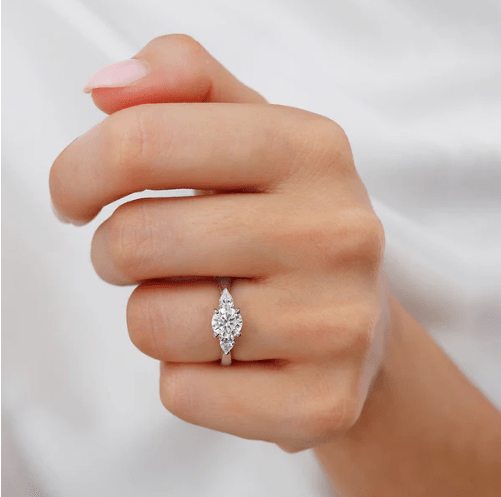
    Three stone rings

    The combination of white and black diamonds symbolises balance and partnership.

    Geometric and modern settings

    Sharp lines, asymmetric accents and unusual metalwork pair beautifully with black diamonds, as noted by trends covered in The Guardian Fashion.

    The Deeper Meaning Behind Choosing a Black Diamond

    Couples choosing black diamonds rarely arrive there by accident. The decision often reflects their shared identity and the qualities they value most. Themes frequently expressed by wearers include:

    • independence from tradition
    • emotional depth
    • strength in partnership
    • preference for modern rather than classic aesthetics
    • desire for an engagement ring that stands out

    Black diamonds are not simply an alternative; they are a statement. As Vogue UK has described in its coverage of coloured gemstone trends, today’s rings are as much about personal storytelling as they are about sparkle.

    Conclusion: Why Black Diamonds Are Here to Stay

    The rise of the black diamond is part of a broader movement towards individuality, sustainability and authenticity in the UK jewellery market. Whether natural or lab grown, these gemstones offer couples a chance to choose something with character, depth and meaning. They celebrate elegance without imitation, and they defy the expectation that engagement rings must look a certain way to be meaningful.

    From their scientific intrigue to their visual drama, black diamonds have become one of the most exciting gemstones in modern British proposals. Their growing popularity reflects a cultural shift towards personal expression, emotional authenticity and bolder definitions of romance. As UK couples continue to embrace jewellery that reflects their identity, the black diamond is set to become one of the defining engagement ring trends of this decade.