My Musings on Jewellery

  • Timeless Engagement Ring Styles: What UK Couples Choose for a Lifetime

    Timeless Engagement Ring Styles: What UK Couples Choose for a Lifetime

    Engagement rings are among the few objects chosen with the expectation that they will last forever. They are worn daily, photographed repeatedly and eventually folded into personal history. In the UK, where engagement rings are often passed down or redesigned across generations, longevity is not a theoretical concern. It is emotional, practical and deeply personal. The styles that endure are rarely those that chase fashion. Instead, they are designs that allow meaning to accumulate over time.

    Timelessness in engagement rings is often mistaken for predictability. In reality, enduring appeal has little to do with playing it safe and everything to do with emotional neutrality. Rings that last are not visually loud. They do not insist on being noticed. They sit comfortably within a life, adapting to different phases, environments and identities without feeling out of place.

    Fashion editors at Vogue UK have repeatedly observed that jewellery which becomes part of someone’s daily identity rather than a seasonal statement is far more likely to endure. Engagement rings, by their nature, must function this way. They are not worn for effect, but for continuity.

    One of the most consistent indicators of emotional longevity is simplicity. Rings with a clear focal point, balanced proportions and minimal visual noise tend to age more gracefully than complex designs. This is why the solitaire, in its many forms, continues to dominate the UK engagement ring market.

    The solitaire’s enduring appeal lies in its openness. With nothing competing for attention, the ring becomes a canvas for memory rather than a snapshot of taste. Over time, the stone becomes associated not with the moment it was bought, but with everything that followed. This emotional layering is central to why solitaires remain relevant across decades.

    Cultural familiarity reinforces this effect. In the UK, the solitaire has become synonymous with engagement itself. This shared understanding gives the style a sense of permanence. Jewellery historians writing for The British Museum have noted that objects tied to shared cultural meaning tend to outlast purely decorative pieces. The solitaire is not just a design; it is a symbol that has been socially reinforced for generations.

    Stone shape plays a crucial role in how this symbolism is perceived over time. Round brilliant diamonds, in particular, benefit from near-universal recognition. Their proportions have remained consistent for over a century, giving them a visual stability that newer or more stylised cuts often lack.

    While trends periodically elevate fancy cuts, these shapes tend to be associated with specific eras. By contrast, the round brilliant has transcended fashion cycles. Its appeal is less about novelty and more about visual balance. For many UK couples, this balance feels emotionally safe. It does not demand explanation or justification.

    That said, emotional longevity does not require conformity. Certain alternative cuts have also demonstrated lasting appeal, particularly when their origins are historical rather than trend-driven. Emerald cuts, for example, have remained consistently relevant despite never dominating the mainstream.

    Their appeal is intellectual rather than decorative. Step-cut facets emphasise clarity, proportion and restraint. Editorial coverage in Harper’s Bazaar UK has often positioned emerald-cut engagement rings as expressions of confidence and discernment rather than fashion awareness. This positioning contributes to their endurance.

    Oval and cushion cuts occupy a similar space. Both shapes predate modern marketing cycles and carry associations with antique jewellery. When set simply, they feel referential rather than reactive. This historical grounding allows them to feel timeless even as they rise and fall in trend visibility.

    Metal choice further influences emotional longevity. In the UK, platinum remains the most enduring option, prized for its durability and neutrality. Its cool tone does not compete with the stone, allowing the ring’s appearance to remain consistent over time. Importantly, platinum ages quietly. It develops character rather than visible wear, reinforcing its suitability for lifelong jewellery.

    Yellow gold’s lasting appeal is rooted in memory as much as aesthetics. For many UK buyers, yellow gold evokes family jewellery, heirlooms and tradition. Coverage in The Telegraph has highlighted how yellow gold’s emotional resonance has driven its return, not as a trend, but as a reconnection with heritage. Its warmth often deepens with age, making it feel more personal rather than dated.

    White gold and rose gold tend to be more era-specific. While both can be beautiful, they are often tied to particular moments in design history. This does not make them poor choices, but it does mean their longevity depends heavily on personal attachment rather than cultural reinforcement.

    Vintage-inspired engagement rings present another path to timelessness, provided they are chosen with restraint. Rings that reference Edwardian or Art Deco design often endure because they already belong to an established aesthetic lineage. They do not pretend to be modern, which frees them from the risk of becoming outdated.

    Experts interviewed by BBC Culture have noted that objects grounded in clearly defined historical styles often feel timeless precisely because they are not trying to anticipate the future. They exist confidently within their own narrative.

    However, not all vintage-inspired rings age equally. Designs that rely heavily on ornate detailing can become visually overwhelming over time. In contrast, subtle milgrain, delicate engraving or architectural symmetry tend to age more gracefully. UK jewellers frequently advise that moderation is key when choosing historically influenced styles.

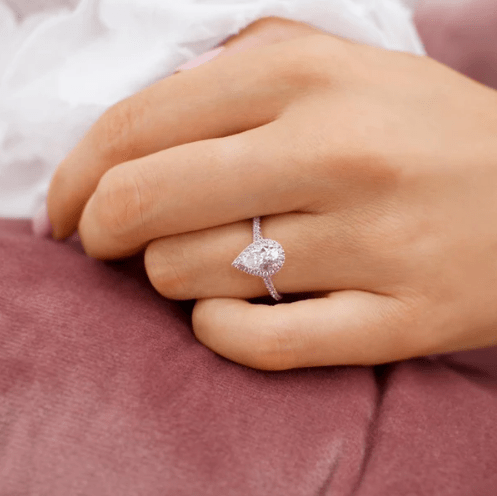
    Halo settings are often misunderstood in discussions of longevity. While halos are sometimes dismissed as trend-led, this overlooks their long history. The halo itself is not the issue. Its execution is. Thin, understated halos that enhance the centre stone tend to remain appealing, while oversized or highly embellished versions are more likely to date.

    Fashion commentary in Elle UK has emphasised that scale determines whether a halo feels classic or contemporary. When proportion is respected, the halo functions as a frame rather than a statement, supporting longevity.

    Band design is another critical but often overlooked factor. Straight, gently contoured bands integrate more seamlessly into daily life and future jewellery additions. Highly sculptural bands may feel striking initially, but they can limit flexibility over time, particularly when paired with wedding or anniversary rings.

    Comfort also plays a role in emotional attachment. Rings that feel intrusive or impractical often lose favour regardless of aesthetics. Longevity is not only visual, but physical. A ring worn daily must support the wearer’s lifestyle, or it risks becoming symbolic rather than lived-in.

    Ethical considerations increasingly influence how long a ring remains emotionally relevant. UK consumers are placing greater value on sustainability, transparency and responsible sourcing. Reporting by The Guardian suggests that luxury items chosen in alignment with personal values are more likely to retain emotional significance over time.

    This shift has implications for lab-grown diamonds and recycled metals. While relatively new to the engagement ring market, their long-term appeal depends less on origin and more on design integrity. A classically proportioned ring with a lab-grown diamond is likely to age just as well aesthetically as one with a mined stone.

    Heirloom potential is another dimension of timelessness. Rings chosen with future generations in mind often prioritise adaptability. Simple settings, neutral metals and recognisable cuts are easier to resize, reset or reinterpret. This flexibility increases the likelihood that a ring will be worn again rather than stored away.

    Curators at The Victoria and Albert Museum have noted that jewellery which survives generational transfer often does so because it invites reinterpretation rather than enforcing a fixed identity. Engagement rings that hold their appeal over time tend to share this quality.

    Ultimately, the engagement ring styles that endure are those that allow meaning to grow. They do not rely on trend validation or novelty. They feel stable as life evolves, accommodating changes in fashion, identity and circumstance.

    In the UK, where engagement rings are often woven into family narratives, this stability matters deeply. A timeless ring is not one that looks unchanged over time, but one that continues to feel relevant as its meaning deepens.

    Trends will continue to shift. Preferences will evolve. But engagement rings chosen for emotional neutrality, proportion and personal relevance will remain compelling not because they resist time, but because they are designed to move through it.

  • How Long Does It Really Take to Choose an Engagement Ring in the UK?

    How Long Does It Really Take to Choose an Engagement Ring in the UK?

    Weeks or months? This in-depth UK editorial explores how long couples actually spend choosing engagement rings and how modern expectations shape the timeline.

    The length of time UK couples spend choosing an engagement ring has quietly increased, reflecting broader cultural changes in how relationships, money and commitment are viewed. While tradition once favoured swift, decisive purchases, modern engagement ring buying is often slow, reflective and collaborative. This shift says as much about contemporary British life as it does about jewellery.

    For many couples, the process begins long before a proposal is planned. Engagement ring ideas are encountered casually through social media, fashion coverage and celebrity news, sometimes years in advance. By the time a purchase is actively considered, preferences have already been shaped by repeated exposure to certain styles, stones and narratives around what engagement rings represent.

    Fashion and lifestyle media play a significant role in setting these expectations. Coverage in Elle UK frequently frames engagement rings as extensions of personal identity rather than rigid symbols of tradition. This framing encourages consumers to look for rings that feel authentic to their lifestyle, values and aesthetic, rather than defaulting to conventional choices.

    As a result, decision-making often becomes more introspective. Buyers are less concerned with speed and more focused on whether a ring genuinely reflects who they are as individuals and as a couple. This emphasis on self-expression naturally lengthens the timeline, as clarity is sought through exploration rather than impulse.

    Generational behaviour also plays a role. Millennials and Gen Z approach engagement differently from previous generations. Many have lived together for years before getting engaged, and proposals are often planned jointly rather than sprung as surprises. Reporting by The Independent has examined how younger adults are redefining milestones like marriage, favouring intentionality over tradition. These attitudes carry directly into engagement ring purchasing.

    With shared decision-making comes shared responsibility. Budgets are discussed openly, priorities are negotiated and compromises are made. This process takes time, especially when partners have different aesthetic preferences or financial comfort levels. Rather than rushing, couples tend to pause, revisit options and allow opinions to evolve.

    The economic environment further reinforces slower decision-making. In the UK, engagement rings are often purchased alongside other major financial commitments, such as saving for property or planning a wedding. Analysis in The Economist has highlighted how younger generations are navigating long-term financial pressure, which encourages caution around discretionary spending. This caution often translates into extended engagement ring timelines.

    Instead of buying immediately, many couples wait until they feel financially secure enough to enjoy the purchase without anxiety. This may mean delaying for months or choosing to explore more cost-effective alternatives such as lab-grown diamonds or vintage rings.

    Ethical awareness has also reshaped timelines. Buyers increasingly want reassurance that their ring aligns with their values, particularly around sustainability and labour practices. Coverage by National Geographic on the environmental and social impact of mining has influenced consumer behaviour globally, including in the UK. Verifying sourcing claims and understanding certifications adds another layer of research to the process.

    The rise of bespoke jewellery has further extended decision-making. Custom-designed rings allow couples to incorporate personal symbolism, heirloom stones or unconventional materials. However, the bespoke process requires consultation, design approvals and production time. For many couples, this extended timeline enhances the meaning of the ring rather than diminishing anticipation.

    Social visibility also affects how long couples take. Engagements are increasingly shared online, often accompanied by close-up images of the ring. Features in Town & Country have explored how social media has transformed private moments into public displays, increasing the pressure to choose something that will be well received beyond the relationship itself.

    This external audience can complicate decision-making. Buyers may hesitate, worrying about judgement or comparison, even when they feel personally satisfied. Taking time becomes a way to seek reassurance and avoid regret.

    Jewellers across the UK report that longer decision-making often leads to better outcomes. Clients who take time tend to ask more informed questions, understand maintenance requirements and feel confident in their choices. Post-purchase changes are less common when rings are chosen deliberately rather than under pressure.

    Emotionally, pacing matters. Engagement marks a transition into a new phase of life, and the act of choosing a ring can serve as a symbolic preparation for that commitment. Conversations about preferences, budgets and values during this period often strengthen mutual understanding.

    Ultimately, there is no fixed rule for how long choosing an engagement ring should take. Some couples decide within weeks, while others take many months. What matters is not the duration, but the experience. UK couples who feel unhurried, informed and aligned consistently report greater satisfaction.

    In modern Britain, slowing down the engagement ring process is not about indecision. It reflects a desire for authenticity, financial responsibility and shared meaning. The time spent choosing the ring becomes part of the commitment itself, shaping not just the proposal, but the relationship it represents.

  • Are Engagement Rings Becoming Less Diamond-Focused? UK Cultural Shift

    Are Engagement Rings Becoming Less Diamond-Focused? UK Cultural Shift

    For much of modern history, the diamond engagement ring has functioned as a cultural shorthand. It signalled commitment, financial seriousness and conformity to a widely accepted romantic script. In the UK, this script was never as rigid as in some markets, but the association between engagement and diamonds was nonetheless strong. Today, that association is being quietly re-examined, not through rejection, but through cultural redefinition.

    Search trends provide an unusually honest window into this change. Unlike sales data, which reflects final decisions, or editorial coverage, which often shapes aspiration, search behaviour captures uncertainty. It shows what people question before they commit. In the UK, those questions increasingly suggest that engagement rings are becoming less diamond-centred in meaning, even when diamonds remain physically present.

    This shift is particularly visible among younger generations. Millennials and Gen Z approach engagement with different assumptions from those of their parents. Many have lived together for years before proposing. Marriage itself is often viewed as a personal milestone rather than a social obligation. Within this context, the engagement ring becomes less about signalling compliance with tradition and more about expressing shared values.

    Reporting by The Independent has explored how younger UK couples are redefining relationship milestones, favouring intentionality over inherited expectation. Engagement rings, as visible symbols of commitment, are naturally drawn into this redefinition. When the meaning shifts, the materials and designs that express it are reassessed.

    Search queries increasingly reflect this cultural questioning. Phrases such as “do engagement rings have to be diamonds” and “non-traditional engagement ring UK” appear with growing frequency. These are not transactional searches. They are philosophical ones. They indicate a desire for permission to choose differently rather than a simple hunt for alternatives.

    Diamonds themselves are not disappearing from these conversations, but they are no longer treated as inevitable. Instead, they are increasingly framed as one option among many. This reframing aligns with broader cultural movements in the UK that challenge singular narratives around success, romance and consumption.

    Symbolism plays a crucial role here. For previous generations, diamonds were powerful symbols of permanence and sacrifice. Their cost and rarity reinforced their emotional weight. For many modern buyers, those same qualities are interpreted differently. Permanence is now associated with emotional compatibility rather than material durability. Sacrifice is less celebrated than balance.

    Coverage in BBC Culture has examined how symbols evolve as societies change, noting that objects once associated with status can take on new meanings as values shift. In the context of engagement rings, diamonds are increasingly seen as traditional symbols rather than definitive ones.

    Ethical awareness has accelerated this symbolic evolution. UK consumers are more informed than ever about global supply chains, environmental impact and labour practices. Investigative journalism by The Guardian has played a significant role in this awareness, particularly around extractive industries. As a result, the diamond’s symbolic purity has become more complex.

    This does not mean that diamonds are viewed negatively across the board. Instead, their symbolism has become conditional. Buyers want to know not just what a diamond represents, but how it came to exist. Search behaviour reflects this nuance. Queries increasingly pair diamonds with qualifiers such as “ethical,” “conflict free” or “recycled.”

    At the same time, alternatives benefit from symbolic flexibility. Coloured gemstones, lab-grown diamonds and antique rings are not burdened with the same historical narratives. They are free to acquire meaning from the couple rather than from cultural inheritance. For many UK buyers, this openness is appealing.

    Search trends around coloured gemstones often include emotional language. Queries like “sapphire engagement ring meaning” or “emerald engagement ring symbolism” suggest that buyers are actively constructing new narratives. Rather than inheriting meaning, they are assigning it.

    Editorial features in Vogue UK have increasingly framed engagement rings as personal storytelling devices rather than fixed symbols. This editorial framing influences how consumers think before they buy. When the ring is positioned as an expression of identity, stone choice becomes less prescriptive.

    Royal and celebrity influence has also evolved. While royal engagement rings once reinforced diamond norms, recent coverage has broadened acceptable imagery. The enduring popularity of sapphire engagement rings, often traced back to Princess Diana, has become less about royalty and more about individuality. This evolution has been explored in depth by Town & Country.

    Importantly, the modern appeal of sapphires and other coloured stones is no longer dependent on high-profile endorsement. Search data suggests that interest is sustained even in the absence of media spikes. This indicates that alternatives have become normalised rather than novelty-driven.

    Generational attitudes towards ownership also influence this trend. Younger UK consumers are less likely to equate cost with commitment. They are more comfortable decoupling emotional significance from price tags. Analysis in The Financial Times has highlighted how younger buyers prioritise experiences and values over conspicuous consumption. Engagement rings are increasingly subject to the same logic.

    This shift is visible in how buyers search for rings that “fit” their lives rather than impress others. Queries related to durability, maintenance and comfort appear frequently alongside stone type. Diamonds, while durable, are not automatically perceived as the most practical option depending on cut and setting. This opens the door to alternatives perceived as better suited to daily wear.

    The growing popularity of lab-grown diamonds sits at the intersection of tradition and redefinition. Chemically identical to mined diamonds, they allow buyers to retain familiar symbolism while rejecting certain aspects of the diamond industry. Search queries often frame lab-grown diamonds as “modern” or “ethical,” signalling symbolic renewal rather than abandonment.

    Coverage by BBC Future has discussed how lab-grown diamonds disrupt traditional narratives of rarity and value. In the UK context, this disruption appears to be welcomed by buyers who prioritise intention over convention. The diamond’s symbolism shifts from scarcity to choice.

    Antique and vintage engagement rings represent another symbolic pathway away from diamond centrality. These rings often feature old-cut diamonds or coloured stones, but their appeal lies in history rather than hierarchy. Searches related to “antique engagement ring UK” often emphasise story, sustainability and uniqueness.

    Features in Country Life have highlighted how antique jewellery appeals to UK buyers seeking continuity rather than novelty. In this context, the stone itself becomes secondary to provenance and narrative. The engagement ring is valued as an object with a past, not just a promise of the future.

    Language analysis further supports this cultural shift. UK search queries increasingly use the word “alternative” not as a compromise, but as a preference. The term has shed its implication of second-best. Instead, it signals deliberate deviation from norms.

    This linguistic change matters. When alternatives are framed positively, they gain legitimacy. Diamonds no longer need to be rejected for alternatives to be chosen. They simply need to share space.

    Retail experiences reflect this evolution. UK jewellers report that customers are more open to discussion and comparison. Diamonds may still be chosen in the end, but the process feels more exploratory. Trade coverage in Jewellery Focus has noted that consumers increasingly expect education rather than persuasion.

    Social media reinforces this pluralism. While platforms once amplified diamond-centric imagery, they now showcase a wide spectrum of engagement rings. UK consumers encounter coloured stones, mixed metals and unconventional designs daily, reducing the psychological barrier to choosing differently.

    Importantly, this shift does not appear to diminish the emotional significance of engagement rings. If anything, it intensifies it. When couples actively choose what their ring represents, rather than inheriting meaning, attachment often deepens.

    Psychologists writing for Psychology Today have noted that meaning constructed through choice tends to feel more personal and enduring than meaning inherited through tradition. Engagement rings chosen through intentional exploration may therefore carry greater emotional weight, regardless of stone type.

    In this context, the question is not whether engagement rings are becoming less diamond-focused, but how focus is defined. Diamonds remain present, but they are no longer the sole carriers of meaning. They coexist with alternatives that reflect evolving values around ethics, individuality and authenticity.

    UK search trends suggest that engagement rings are moving away from obligation and towards expression. The diamond’s role is changing from default to deliberate. For many couples, this is not a loss, but a liberation.

    As cultural attitudes continue to evolve, this diversification is likely to deepen. Engagement rings will increasingly reflect the diversity of relationships themselves. The data does not point to the end of diamonds, but to the end of their unquestioned dominance.

    In the UK, where understatement and personal meaning have long held cultural currency, this evolution feels less like a revolution and more like a return to choice.

  • Why Christmas Feels Like the Right Time to Propose: UK Relationship Insight

    Why Christmas Feels Like the Right Time to Propose: UK Relationship Insight

    For many UK couples, the decision to propose is not driven by a single moment of inspiration, but by emotional readiness. Christmas, more than any other time of year, creates the conditions that allow that readiness to surface. The season’s unique emotional rhythm explains why festive proposals continue to dominate engagement trends, even as attitudes to marriage and tradition evolve.

    Unlike other popular proposal moments, Christmas is not defined by romance alone. It is a period layered with memory, reflection and shared experience. The familiarity of the season, repeated year after year, creates a sense of continuity. When a proposal is introduced into this context, it feels anchored rather than disruptive, woven into something already meaningful.

    Psychologists often describe Christmas as a time of heightened emotional openness. Routines slow, work pressures ease and people naturally turn inwards. According to relationship experts cited by Psychology Today, periods of reduced cognitive load make individuals more receptive to major life decisions. This helps explain why engagements during Christmas often feel instinctively “right,” even when they have been planned for months.

    In the UK, this emotional openness is reinforced by shared cultural ritual. Decorating the tree, exchanging gifts and revisiting familiar traditions create emotional safety. Proposals that occur within this environment benefit from that sense of security. Rather than feeling risky or destabilising, the decision to propose feels like an extension of what the couple already shares.

    Modern relationships also shape why Christmas proposals resonate so strongly. Many UK couples live together long before getting engaged. The proposal is less about testing commitment and more about formalising an existing bond. Reporting by The Independent has explored how engagement has shifted from surprise to affirmation, particularly among millennials. Christmas, with its emphasis on togetherness, naturally supports this reframing.

    The presence of family during the festive season further deepens the emotional impact. For couples who value familial approval or inclusion, Christmas provides immediate emotional reinforcement. Announcing an engagement during a time already associated with closeness can strengthen feelings of belonging and support. Articles in The Guardian have highlighted how modern couples increasingly view engagement as a shared social milestone rather than a private contract.

    However, the appeal of Christmas proposals is not limited to family-oriented couples. Many proposers deliberately choose private moments within the festive period. Quiet proposals at home, away from gatherings, benefit from the season’s emotional intensity without its social pressure. Candlelight, music and winter stillness create intimacy that feels heightened precisely because it contrasts with the busyness of the season.

    Memory also plays a crucial role. Christmas is one of the most consistently remembered periods in the calendar. Engagements tied to this time are revisited annually, reinforcing their emotional significance. Neuroscience research discussed by BBC Future suggests that events linked to strong emotional and sensory cues are more likely to be recalled vividly. A Christmas proposal benefits from this phenomenon, becoming a recurring emotional touchstone.

    This repetition strengthens attachment to the ring itself. Each Christmas, the engagement story is retold, reinforcing meaning over time. For many couples, this ongoing narrative matters more than the spectacle of the proposal moment.

    The winter environment also influences emotional perception. While the UK climate is often unpredictable, winter settings encourage closeness. Cold weather drives people indoors, creating cosy, intimate spaces. Psychologists have noted that physical warmth is closely linked to feelings of emotional warmth, a concept explored in behavioural studies referenced by The New York Times. Christmas proposals often benefit from this unconscious association.

    Another factor is timing within the year’s emotional cycle. December marks both an ending and a beginning. People reflect on the year behind them while anticipating what comes next. Proposing during this transitional period aligns commitment with renewal. Many couples describe festive engagements as feeling like a natural step forward rather than a sudden leap.

    Social media has amplified festive proposals, but it has not fundamentally changed their emotional appeal. While some engagements are shared publicly, many remain private. Features in The Atlantic have examined how couples are increasingly selective about what they share online, favouring personal meaning over validation. Christmas proposals often reflect this balance, offering emotional depth regardless of audience size.

    There is also a practical psychological benefit to festive timing. Christmas reduces the fear of “wrong timing.” Because the season already carries emotional significance, proposers often feel reassured that their decision will be received positively. This confidence can be crucial, particularly for individuals anxious about disrupting their partner’s expectations.

    Importantly, successful Christmas proposals tend to prioritise authenticity over perfection. The most positively remembered engagements are rarely the most elaborate. Instead, they feel emotionally aligned with the couple’s dynamic. Relationship therapists writing for Relate frequently emphasise that meaningful proposals reflect mutual understanding rather than external standards.

    In the UK, this shift away from performative romance is particularly evident. Younger couples often resist grand gestures in favour of sincerity. Christmas supports this preference by offering built-in symbolism without requiring excess.

    Ultimately, the enduring popularity of Christmas proposals is not about tradition for tradition’s sake. It is about emotional timing. The festive season creates conditions in which commitment feels natural, safe and deeply meaningful. When couples propose during this period, they are responding to an emotional environment that supports connection and reflection.

    For UK couples considering when to propose, Christmas offers more than aesthetic appeal. It offers psychological readiness. That is why, year after year, festive engagements continue to resonate long after the decorations are packed away.

  • Is It Better to Buy an Engagement Ring Online or In-Store in the UK? A 2026 Perspective

    Is It Better to Buy an Engagement Ring Online or In-Store in the UK? A 2026 Perspective

    For decades, buying an engagement ring in the UK followed a familiar ritual. A visit to a high street jeweller, a conversation under bright lights, and a velvet tray of rings presented for inspection. Yet in 2026, that tradition is no longer the default. British couples are increasingly divided between purchasing an engagement ring online and choosing one in store, each option offering distinct emotional, practical and financial implications.

    As consumer behaviour continues to shift, the decision is no longer simply about convenience. It reflects changing attitudes towards trust, technology, sustainability and personal autonomy. According to BBC News’ coverage of evolving retail habits, British consumers are now more comfortable making significant purchases online than at any point in history, including high value luxury items such as jewellery. This has prompted a genuine question among modern couples: is it better to buy an engagement ring online or in store in the UK today?

    The Emotional Appeal of In-Store Ring Buying

    For many buyers, especially those raised with traditional retail experiences, shopping in person still holds powerful emotional value. Being able to see a ring up close, feel its weight and watch how it catches the light can make the decision feel more tangible. In store consultations often carry a sense of occasion, turning the purchase into a moment rather than a transaction.

    As The Guardian has noted in its lifestyle coverage of changing consumer rituals, physical retail remains emotionally reassuring for purchases tied to life milestones. The ability to ask questions face to face, seek reassurance from a salesperson and walk away with a ring on the same day can reduce anxiety, particularly for first time buyers.

    There is also an element of trust rooted in physical presence. Seeing a bricks and mortar store can feel more secure, even though consumer protection laws apply equally online. For some, this perception still matters.

    The Limitations of the In-Store Experience

    However, in store shopping also comes with constraints that modern buyers increasingly question. Physical stores are limited by space, meaning the selection of styles, diamond shapes and gemstone options is often narrower than online inventories. This can lead buyers towards compromise rather than choice.

    Pricing is another concern. Financial Times analysis of retail overheads highlights how physical premises, staffing costs and inventory holding often result in higher prices compared with online equivalents. Buyers may unknowingly pay a premium for the in store experience rather than the intrinsic value of the ring itself.

    Additionally, in store environments can sometimes feel pressured. Shoppers may feel uncomfortable taking time to decide, particularly when discussing budgets or asking detailed questions. For couples who prefer research driven decisions, this setting can feel restrictive rather than supportive.

    Why Buying an Engagement Ring Online Has Become Mainstream

    Online engagement ring purchasing has moved far beyond its early scepticism. In 2026, it is no longer seen as risky or impersonal, but instead as informed, efficient and empowering. According to BBC Business, online luxury sales in the UK have grown steadily year on year, driven by improved technology, transparency and consumer protections.

    One of the strongest advantages of buying online is access to information. Detailed product descriptions, certification documents, high resolution imagery and educational guides allow buyers to understand exactly what they are purchasing. This aligns with the broader cultural shift towards research led decision making.

    Online platforms also allow buyers to compare styles, diamond shapes and price points without pressure. The ability to return to a decision days or weeks later encourages confidence rather than impulse.

    Trust, Returns and Consumer Protection in 2026

    A major concern historically associated with online jewellery shopping was the fear of being unable to return an unsuitable ring. Today, this fear is largely outdated. UK consumer law provides strong protections for online purchases, including cooling off periods and refund rights.

    As Which? has explained in its consumer guidance, buying online often offers more robust return rights than in store purchases, particularly for customised or high value items. In practice, many online retailers now offer extended returns windows, free resizing and insured delivery, reflecting consumer expectations for reassurance.

    This shift has rebalanced the trust equation. Instead of relying on physical presence, buyers increasingly evaluate retailers based on transparency, reviews and policies rather than location.

    The Role of Reviews and Social Proof

    In 2026, social proof plays a significant role in engagement ring buying decisions. Online reviews, testimonials and independent ratings provide insight into real customer experiences. This collective knowledge often replaces the need for face to face reassurance.

    According to Vogue UK’s reporting on modern luxury shopping, peer validation has become as influential as brand heritage. Buyers are more likely to trust the experiences of other couples than a polished sales pitch.

    This dynamic favours online shopping, where reviews are readily accessible and easily compared. In store experiences, by contrast, rely heavily on individual interactions that cannot be independently verified.

    Design Freedom and Personalisation

    Another key factor influencing the online versus in store debate is personalisation. Many couples in the UK now want rings that reflect individual taste rather than traditional norms. Online platforms often offer a broader range of diamond shapes, band styles and customisation options than physical stores can practically display.

    As The New York Times has observed in its coverage of global jewellery trends, modern buyers increasingly view engagement rings as expressions of identity rather than symbols of conformity. Online environments are better suited to this mindset, offering tools and resources that allow couples to explore designs at their own pace.

    In-Store Buying Still Has a Place

    Despite the rise of online purchasing, in store shopping is unlikely to disappear. For buyers who value immediacy, tactile experience or personal interaction, physical retail remains appealing. Some couples enjoy combining both approaches, researching online before visiting a store to confirm their preferences.

    The future of engagement ring buying in the UK is not binary. It is flexible, hybrid and increasingly shaped by personal comfort rather than tradition.

    Which Option Is Better in 2026?

    There is no universal answer. For confident, research oriented buyers, online shopping offers broader choice, competitive pricing and stronger consumer protections than ever before. For those who value ceremony and physical reassurance, in store buying still holds emotional appeal.

    What has changed is the perception of legitimacy. Buying an engagement ring online is no longer the alternative option. It is a mainstream, trusted and often preferred choice for British couples navigating one of life’s most meaningful purchases.

    Conclusion

    In 2026, the question is not whether buying an engagement ring online is safe or acceptable. It is whether it suits the buyer’s values, habits and expectations. With strong consumer protections, transparent information and evolving retail experiences, British couples are free to choose the path that feels right for them.

    Whether online or in store, the best engagement ring is one chosen with confidence, clarity and intention. The modern UK market finally supports all three.

  • What Happens If You Don’t Love Your Engagement Ring? The UK Reality

    What Happens If You Don’t Love Your Engagement Ring? The UK Reality

    In Britain, the engagement ring occupies a deeply emotional space. It is not simply a piece of jewellery but a symbol of commitment, intention and future promise. Yet despite its importance, a growing number of people quietly admit to feeling conflicted when they first see the ring placed on their finger. Relief, surprise and gratitude often arrive first. Love for the ring itself sometimes takes longer.

    This emotional complexity is more common than many realise. According to relationship psychologists interviewed by the BBC, expectations around proposals and engagement rings have become increasingly shaped by social media, celebrity culture and highly curated online imagery. When reality does not align with the image a person has held privately, discomfort can arise.

    Disliking an engagement ring does not mean rejecting the relationship. It means navigating the tension between personal taste, emotional symbolism and the fear of causing hurt.

    Why This Happens More Than We Admit

    Many UK couples still view the engagement ring as a surprise. While this tradition carries romance, it also removes the opportunity for discussion. Preferences around metal colour, stone shape, setting height or overall style are often assumed rather than clarified.

    The Guardian has explored how modern relationships are becoming more collaborative, yet engagement traditions remain rooted in older expectations. This disconnect can leave one partner feeling unheard, even when the intention behind the ring is loving.

    Another factor is the influence of comparison. Platforms such as Instagram and Pinterest showcase a narrow aesthetic that may not reflect an individual’s true style. When a ring does not match the imagined ideal formed through years of scrolling, disappointment can quietly surface.

    The Psychological Weight of the Ring

    Engagement rings carry symbolic pressure. They are expected to represent love, effort, financial commitment and personal understanding all at once. Psychologists writing for the Financial Times note that objects imbued with such layered meaning often become emotional flashpoints.

    Feeling unsure about a ring can trigger guilt. Many people worry that expressing dissatisfaction will appear ungrateful or shallow. This leads to silence, which in turn can create resentment or emotional distance if left unaddressed.

    In the UK, where politeness and emotional restraint often shape communication, these feelings are especially likely to remain unspoken.

    What Most UK Couples Actually Do

    Contrary to popular belief, dissatisfaction with an engagement ring does not usually lead to conflict. Research cited by Cosmopolitan UK suggests that most couples who discuss the issue calmly find a practical solution. This may involve resizing, altering the setting, exchanging the ring or designing a new one together.

    The key factor is timing. Addressing concerns early, before resentment builds, tends to strengthen trust rather than weaken it. Relationship experts frequently emphasise that honesty around preferences can deepen emotional intimacy.

    The BBC has also reported on the rise of post proposal ring adjustments, reflecting a cultural shift towards flexibility and shared decision making.

    Changing Expectations in Modern Britain

    British engagement culture is evolving. Younger couples are increasingly rejecting rigid traditions in favour of communication and personal choice. Vogue UK has highlighted how engagement rings are now viewed as part of a longer design journey rather than a fixed, final object.

    This shift acknowledges that taste evolves and that a ring worn daily should reflect the wearer’s identity. It also removes the stigma around making changes, reframing them as part of the engagement story rather than a correction of a mistake.

    Talking About It Without Hurt

    Raising concerns about an engagement ring requires care. Experts interviewed by the New York Times suggest focusing on feelings rather than criticism. Expressing appreciation for the thought behind the ring while explaining personal preferences helps keep the conversation constructive.

    In the UK context, framing the discussion around shared future choices rather than individual dissatisfaction often feels more comfortable. Many couples find that discussing the ring becomes a gateway to broader conversations about finances, weddings and long term priorities.

    When Silence Becomes the Bigger Risk

    Keeping quiet about an engagement ring you dislike may seem kind, but relationship counsellors warn that unspoken resentment can surface later in unexpected ways. Jewellery worn daily can become a constant reminder of feeling unheard, which can subtly affect emotional connection.

    The Guardian’s relationship column has repeatedly noted that small, unresolved issues often carry more weight than major disagreements precisely because they are never acknowledged.

    A Healthier Way Forward

    Not loving an engagement ring is not a failure. It is a reflection of how personal taste, identity and symbolism intersect in modern relationships. As British engagement traditions continue to evolve, honesty and collaboration are becoming the new markers of romance.

    An engagement ring should feel like a reflection of the person wearing it, not a silent compromise. Addressing doubts with care and openness allows the ring to become what it was always meant to be: a shared symbol of commitment, not a source of quiet discomfort.

  • Are Engagement Rings Still Growing in Size? The 2026 Carat Expectations Report

    Are Engagement Rings Still Growing in Size? The 2026 Carat Expectations Report

    For more than a century, the engagement ring has reflected far more than personal taste. It has mirrored cultural expectations, economic shifts, social trends and changing attitudes toward love and partnership. In 2026, one question continues to dominate search trends, bridal forums and lifestyle reporting: are engagement rings still getting bigger?

    The answer is both simple and nuanced. Yes, British couples are increasingly choosing larger centre stones than previous generations. But the reasons behind this shift are far more layered than pure aesthetics. Influences ranging from celebrity culture to accessible luxury alternatives, social media visibility and evolving values around individuality all play significant roles.

    This report brings together style analysis, cultural commentary and the latest insights from high authority lifestyle publications such as Vogue UK, BBC News, The Guardian and Financial Times. Together, they reveal one of the most significant shifts in modern British romance.

    The Rise of the Larger Stone: A Social and Cultural Analysis

    In the late twentieth century, the typical British engagement ring centred around a diamond measuring between 0.50 and 1.00 carat. Today, British jewellers report a growing interest in stones between 1.50 and 2.50 carats, with some couples opting for even larger looks. But the reasons behind this trend are shaped by a different set of cultural forces.

    The visibility of engagement rings has grown dramatically over the past decade. Social media has become a digital stage where engagements are celebrated publicly, and ring close ups form part of the announcement ritual. As Cosmopolitan UK observed, the desire for a ring that photographs beautifully is now a major factor in buying decisions. Larger stones tend to provide stronger presence in images, catching light more dramatically and creating recognisable silhouettes.

    Celebrities are also shaping the conversation. Oversized rings belonging to figures like Hailey Bieber, Sofia Richie Grainge and Nicola Peltz Beckham circulate widely on platforms such as Instagram and TikTok. The New York Times notes that celebrity influence has accelerated global interest in stones over three carats, even if buyers do not purchase stones of equal size. The aspiration itself has shifted upward, and mid range carat sizes have been lifted in response.

    The Role of Technology and Modern Gemstone Options

    Perhaps the most transformative factor in carat expectations is the rise of alternative diamond options. Modern couples are no longer limited to traditionally mined diamonds, which carry high pricing that escalates quickly with carat weight. The emergence of laboratory grown diamonds and advanced gemstone alternatives has dramatically widened what is possible at accessible price points.

    Laboratory grown diamonds, which share the same chemical and physical properties as mined diamonds, have become widely accepted in the UK. As BBC Business reports, price reductions of up to 70 per cent compared with mined stones have allowed couples to afford larger diamonds without compromising clarity, colour or quality. This change has normalised the idea that a two carat stone is no longer a luxury reserved for the few.

    The trend towards more visible carat weights is also supported by a growing appreciation for oval, pear and elongated emerald cuts. These shapes maximise finger coverage and give the illusion of greater size per carat. The Guardian Lifestyle notes that British couples increasingly prioritise presence and proportion over strict carat metrics.

    Does Bigger Really Mean Better? Understanding the Shift in Values

    While it is clear that average ring size is increasing, the idea that bigger is automatically better is not universally accepted. Many British buyers are rejecting outdated traditions such as the three month salary rule, favouring instead a balanced approach that reflects personal style and ethical values.

    As Financial Times highlighted in a recent feature on modern luxury consumption, young couples prioritise meaningful design and craftsmanship rather than prestige for prestige’s sake. A well cut stone that performs beautifully in different lighting conditions often holds more significance than a larger but poorly proportioned diamond.

    The rise of understated luxury influences also shapes the debate. The quiet luxury movement, made widely visible by cultural moments discussed in Vogue UK, has encouraged a move towards refined, soft spoken design rather than overt extravagance. Many buyers want a stone that feels generous but not ostentatious, striking a balance between elegance and subtlety.

    The Psychology of Perceived Size

    Carat weight is only one factor in how large a diamond appears. The psychology of size perception is complex and influenced by visual cues. The apparent size of an engagement ring can change dramatically based on:

    • Stone shape
    • Proportions and cut angles
    • Setting style
    • Finger shape and width
    • Metal colour

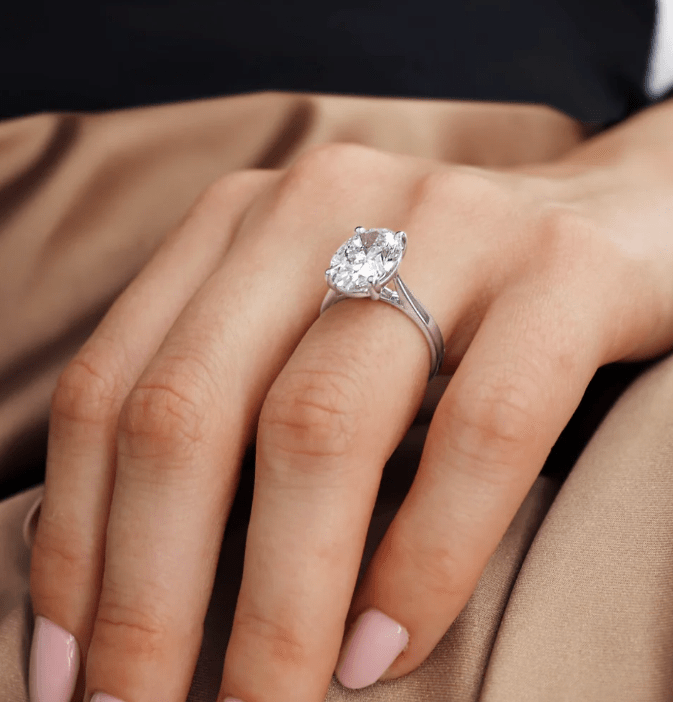
    For example, elongated shapes such as oval, marquise and emerald cuts appear significantly larger per carat than round stones. A one carat oval can mimic the finger coverage of a 1.3 or 1.4 carat round. This has contributed to the oval cut’s remarkable rise in the UK, a trend highlighted frequently in Cosmopolitan UK and refined in numerous celebrity engagements.

    Halo settings and thin bands also enhance perceived size. As Vogue UK notes in its engagement ring forecasts, micro pavé bands and delicate solitaire silhouettes amplify sparkle and visibility.

    Economic Realities Behind Growing Carat Expectations

    While social media influence and gemstone alternatives explain much of the upward shift, economics plays a surprisingly important role. Engagement rings have become one of the few major luxury purchases that couples make collaboratively, often splitting the cost or choosing rings together. This shared investment allows for greater carat flexibility.

    At the same time, shifting financial priorities among millennials and Gen Z, such as delayed home ownership and reduced emphasis on traditional milestones, create more space in budgets for meaningful personal purchases. The New York Times observes that many couples channel savings from postponed events into high impact pieces such as engagement rings.

    Furthermore, the British market has shown increased interest in heirloom quality jewellery that holds long term emotional value. Larger diamonds are often viewed as future heirlooms, intended to be passed down through families or reimagined in new designs.

    Changing Engagement Rituals and the Meaning of Carat Weight

    The symbolism of the engagement ring continues to evolve in 2026. The modern British couple often sees the ring not only as a representation of love but also as a marker of shared taste, values and identity. As partnerships become increasingly egalitarian, there is a shift away from rigid traditions and an openness to self expression.

    Carat weight has therefore become less of a social expectation and more of a stylistic choice. A larger centre stone is seen not as a show of wealth but as a celebration of maximalist design, personal flair or visual preference. Meanwhile, minimalist couples may choose a smaller stone intentionally, favouring quiet luxury over visual impact.

    These diverging approaches demonstrate a key insight: carat weight is no longer a measure of commitment but of creativity.

    The Future of Carat Trends in the UK

    Based on reporting from BBC News and consumer data referenced by The Guardian, the upward movement in average carat sizes is expected to continue gradually over the next five years. This growth will likely remain moderate rather than extreme, with the 1.50 to 2.00 carat range becoming increasingly standard for many British couples.

    This shift is driven by a combination of accessible diamond alternatives, visual culture, celebrity engagement trends and a new approach to luxury that prioritises emotional significance over outdated financial rules.

    But even with these influences, one truth remains constant: the perfect engagement ring is not the one that matches a number but the one that captures a story.

  • The History of Trilogy Engagement Rings in the UK and Their Modern Representation

    The History of Trilogy Engagement Rings in the UK and Their Modern Representation

    The trilogy engagement ring has always held a certain quiet power in British jewellery culture. It is neither ostentatious nor overly traditional, yet it carries more symbolism than almost any other design. Three stones set side by side can communicate emotion, memory and hope in a way that a single gem cannot. The trilogy ring has existed for centuries in various forms, but in 2026, it has re emerged as one of the most meaningful choices for modern British couples. The ring that once whispered its symbolism now speaks clearly to a generation seeking deeper significance in their jewellery.

    Across the UK, jewellers, designers and historians have noted a marked return to the emotional architecture of the trilogy ring. As Vogue UK observed in a recent feature on the resurgence of symbolic jewellery, British couples are gravitating towards designs that feel personal and expressive. The trilogy ring, with its narrative structure and sculptural balance, fits perfectly within this shift.

    This article explores the long history of trilogy engagement rings in Britain, from their early European origins to their Victorian and Edwardian interpretations, followed by their Art Deco transformation and their twenty first century revival. It also examines how the trilogy ring has adapted to modern tastes while retaining its timeless symbolism of past, present and future.

    Early Origins: The Storytelling Power of Three

    The idea of three stones aligned together predates the engagement ring as we know it today. In many ancient cultures, the number three held deep symbolic meaning. It appears in mythologies, religious texts, folklore and literature, often representing harmony, unity and the natural cycles of life.

    In classical Europe, triad jewellery was associated with protection and spiritual balance. Pieces incorporating three gems or motifs were believed to guard the wearer or bring emotional grounding. Although these early designs were not specifically engagement rings, they set the stage for the trilogy ring’s later symbolism.

    By the eighteenth century, three stone rings were gaining popularity in aristocratic circles. These rings were often designed with coloured gemstones rather than diamonds, reflecting the tastes of the era. Sapphires, emeralds, rubies and garnets were common choices, arranged in elegant cluster or collet settings. Diamonds were still rare and prized mainly for their brilliance rather than their symbolic value.

    Even then, early trilogy rings hinted at what they would eventually become: wearable narratives, telling stories through composition rather than inscription.

    Victorian Britain and the Power of Sentiment

    The Victorian era introduced a new understanding of romance and symbolism, and engagement rings became more emotionally expressive than ever before. Queen Victoria herself played an influential role in shaping jewellery trends. Her own enthusiasm for meaningful motifs such as hearts, serpents, flowers and engraved messages helped popularise sentimental jewellery throughout the country.

    It was during this period that the trilogy ring truly began to flourish. Victorians assigned emotional meaning to almost every gemstone and arrangement, and a ring featuring three stones quickly came to represent a couple’s past, present and future. That simple but profound meaning resonated across classes, and trilogy rings became one of the most recognisable expressions of Victorian romantic imagination.

    The BBC’s Culture section often highlights how Victorian design linked narrative and ornamentation, and trilogy rings fit seamlessly into this aesthetic world. Rings typically combined coloured gemstones with small diamonds, or used three graduated stones to create visual rhythm. The designs could be delicate or bold depending on the wearer’s taste, but the core symbolism remained the same.

    Victorian trilogy rings were also frequently given not only at engagements but at anniversaries and significant milestones. Jewellery historians note that this versatility made them one of the century’s most enduring motifs.

    Edwardian and Art Deco Interpretations: Three Stones Meet Modernity

    When the Edwardian era began in the early twentieth century, jewellery design shifted towards lightness and elegance. Platinum became the metal of choice, allowing jewellers to create intricate filigree settings. Trilogy rings from this era often featured three diamonds of matching size, set in airy mountings that emphasised luminosity and refinement.

    However, it was the Art Deco era that truly reshaped the trilogy ring into the form most recognisable today. The aesthetic of the 1920s and 1930s embraced symmetry, geometry and a fascination with modern materials. Trilogy rings grew bolder, more architectural and more visually striking.

    Where Edwardian trilogy rings were delicate, Art Deco versions had sharp angles, contrasting gemstones and crisp structural balance. Trilons or tapered baguettes sometimes replaced the side stones, adding sleek lines and distinctive silhouettes that reflected the cultural modernity of the 1920s.

    In a feature on twentieth century jewellery, The Guardian discussed how the Art Deco movement transformed engagement ring design, moving away from purely romantic motifs towards designs that reflected confidence and modernity. Trilogy rings from this era mirrored that shift, combining symbolism with bold aesthetics.

    Hollywood’s Influence and the Trilogy Ring’s Mid Century Appeal

    By the mid twentieth century, the trilogy ring had entered the sphere of Hollywood glamour. Film stars often wore multi stone rings that set trends across Europe and the United States. Diamonds had become more accessible, and the trilogy ring’s clean structure suited the streamlined fashion of the era.

    Although solitaire rings dominated after the 1940s due to aggressive diamond marketing, trilogy rings never disappeared. They maintained a loyal following among brides who preferred something symbolic and subtly individual.

    The Financial Times noted in a retrospective on engagement ring marketing that multi stone rings provided an alternative narrative for women who saw jewellery as a form of personal expression rather than merely a status symbol. Trilogy rings, with their narrative dimension, appealed particularly to modern, self assured women of the mid century.

    The Modern Revival: Why UK Couples Are Choosing Trilogy Rings Again

    In 2026, the trilogy ring is enjoying a remarkable resurgence. Modern British couples are drawn to its story driven symbolism, but also to its adaptability. Trilogy rings today can be classic or contemporary, understated or dramatic, depending on the choice of stones, settings and proportions.

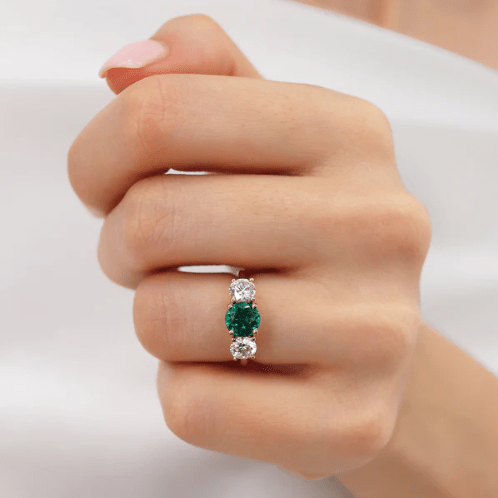
    According to Cosmopolitan UK, the rise of personalised engagement jewellery has created renewed interest in rings that carry deeper meaning. Trilogy rings fit naturally into that shift, as wearers can customise each stone to reflect a personal message. Some choose three diamonds of equal size for balance, while others prefer a central stone accented with two coloured gems for contrast. The meaning remains intact regardless of aesthetic.

    Social media has also played a role in the trilogy ring’s revival. Platforms such as Pinterest and Instagram have become visual mood boards for engagement ring inspiration, and three stone rings consistently attract high engagement. Their symmetry is appealing to the eye, and their symbolism resonates with couples who value emotional storytelling.

    As BBC News Lifestyle noted in a recent feature on jewellery trends, younger generations are placing increasing emphasis on the emotional meaning of their purchases. Trilogy rings encapsulate that trend beautifully.

    Symbolism in the Twenty First Century: A Ring That Holds Space for the Past and the Future

    While the trilogy ring’s symbolism of past, present and future remains its most commonly cited meaning, modern interpretations have expanded. Some couples see the centre stone as representing their relationship, while the two supporting gems signify individual identities brought together in partnership. Others view the three stones as symbols of friendship, love and fidelity.

    The New York Times has written about the growing demand for jewellery with personal resonance, noting that many modern consumers choose pieces that reflect their worldview rather than tradition alone. Trilogy rings align perfectly with this trend because they are inherently narrative. Every wearer assigns their own meaning to the three stones, and no two interpretations are ever the same.

    This flexibility explains why trilogy rings remain relevant across generations. They carry history, but they also invite reinvention.

    The Future of Trilogy Rings in the UK: New Materials, New Stories

    As the jewellery world becomes more innovative, trilogy rings are evolving in style and substance. Lab grown diamonds have transformed the market, making larger stones more accessible without compromising quality or ethics. Coloured gemstones are also reappearing in trilogy designs, echoing the Victorian era while aligning with modern sustainability values.

    Designers are experimenting with proportions, mixing shapes, incorporating asymmetry and using unexpected colour combinations. The trilogy ring is no longer limited to three matching stones. Instead, it has become a canvas for creativity.

    According to Vogue UK, this willingness to personalise engagement jewellery is one of the defining trends of the decade. Trilogy rings, with their built in capacity for storytelling, offer endless possibilities for customisation.

    Conclusion: A Ring That Carries History Into the Present

    The trilogy engagement ring is one of the rare designs that feels both ancient and contemporary. It has travelled through centuries of European romance, Victorian sentimentality, Edwardian elegance and Art Deco modernity. It has adorned royalty, film stars and everyday couples who wanted a ring that spoke to more than a single moment in time.

    In 2026, the trilogy ring stands at the intersection of tradition and innovation. It honours the past, embraces the present and gestures toward the future. British couples, drawn to its symbolism and its sculptural beauty, are rediscovering what makes this design so enduring.

    It is more than a ring. It is a story told in three parts, held together by love, memory and hope. A trilogy engagement ring captures the essence of a shared journey, reminding wearers that their story is not just about where they are going, but where they have been and what they are building together.

  • What Size Diamond Should You Choose for an Engagement Ring? A 2026 Guide for the Modern UK Couple

    What Size Diamond Should You Choose for an Engagement Ring? A 2026 Guide for the Modern UK Couple

    There is a moment, somewhere between falling in love and planning a future, when the abstract idea of an engagement ring becomes a real and thrilling decision. Yet as romantic as the choice may be, there is one question that has perplexed generations of hopeful proposers: what size diamond should you choose?

    The answer, as modern couples across the UK are discovering, is far more personal and nuanced than the old rules ever suggested. In 2026, the concept of a perfect diamond size is evolving, influenced by culture, lifestyle, fashion, budget and the growing desire for symbolism over status.

    This guide explores the story behind diamond size, the myths that shaped it, and the considerations that truly matter today, weaving together insights from design history, fashion influence and cultural change.

    A Brief History of Diamond Size and British Engagement Culture

    The diamond engagement ring as we recognise it today is a relatively modern tradition. Although rings have symbolised commitment since ancient Rome, the diamond only emerged as the leading gemstone in the late nineteenth and early twentieth centuries.

    The Victorian era embraced smaller stones, often clusters rather than single solitaires, reflecting romantic symbolism rather than carat weight. Later, Edwardian and Art Deco styles introduced geometric cuts and intricate metalwork, but even then, the size of the centre stone was only one element in a broader design story.

    It was not until the mid twentieth century that carat weight became a cultural talking point. Marketing and cinema helped shape a perception that a diamond’s size reflected love, financial stability and devotion. Hollywood played its part, glamorising sparkling solitaires through icons like Marilyn Monroe.

    Yet as The Guardian notes, modern engagement culture in the UK is pulling away from material expectations and leaning towards authenticity and shared values. The concept of a perfect diamond is expanding to accommodate individuality rather than tradition.

    The Myth of the “Ideal” Size

    For decades, the Western jewellery world circulated the notion that an engagement ring should cost the equivalent of several months’ salary. That myth resurfaced repeatedly, reinforced by outdated marketing and the illusion of social pressure.

    Today, most British couples reject the idea entirely. According to BBC News, young buyers increasingly prioritise financial wellbeing and long term planning over symbolic displays of wealth.

    This rejection of old norms has reshaped expectations. Instead of asking “how big should it be”, couples now ask “what size feels right for us”. It is a shift towards empowerment, clarity and authenticity.

    Understanding Carat Weight Beyond the Number

    Carat weight is often misunderstood as the defining factor of a diamond’s size, when in reality it is only one part of the equation. Carat measures weight, not visual spread, and two diamonds of the same weight can look dramatically different depending on:

    • cut proportions
    • depth
    • shape
    • crown angle
    • table percentage

    As Vogue UK points out, the cut of a diamond often has a greater influence on beauty than the carat weight itself.

    A deep diamond with excess weight hidden in the base can look smaller than a shallower, well proportioned stone of the same carat. This is why many jewellers tell buyers to evaluate a diamond with their eyes as much as with certificates.

    How Different Diamond Shapes Influence Perceived Size

    One of the most compelling aspects of choosing an engagement ring today is the variety of shapes available. Each has its own personality, symbolism and visual effect. Importantly, each shape can also look larger or smaller relative to its weight.

    Round Brilliant

    The most iconic diamond shape, admired for its exceptional sparkle. A well cut round diamond can appear slightly smaller than elongated shapes but often shines brighter.

    Oval Cut

    As reported by Cosmopolitan UK, ovals have soared in popularity because their elongated shape creates a larger looking spread. They often appear bigger than round diamonds of the same carat weight.

    Emerald and Asscher Cuts

    Step cuts showcase clarity over brilliance. Their clean geometry can appear sophisticated and architectural, though they often show their weight differently, creating a more understated presence.

    Marquise, Pear and Radiant Cuts

    These shapes maximise finger coverage, making them appear noticeably larger at lower carat weights.

    Understanding the relationship between shape and spread allows buyers to prioritise what truly matters visually, rather than simply chasing a number.

    Lifestyle and Comfort: A Modern Priority

    The modern UK wearer often leads a busy, hands on lifestyle. As The Financial Times notes, jewellery choices are increasingly influenced by practicality.

    A very large diamond may catch on clothing, feel cumbersome or sit uncomfortably high on the finger. Many couples therefore choose carat weights that balance beauty with comfort. A stone between 0.70ct and 1.50ct often provides visual impact while remaining wearable every day, though preferences vary widely.

    Some prefer smaller stones that integrate subtly into their style, while others embrace bold, expressive diamonds that become a focal point. There is no right or wrong choice, only what suits one’s lifestyle and personality.

    Budgeting with Confidence: The Real Factors That Matter

    Buying a diamond is an emotional decision, but it should also be a considered one. The healthiest approach centres transparency, comfort and realism.

    A meaningful diamond does not require financial strain. Many British couples now take a balanced view, prioritising:

    • long term financial stability
    • ethical sourcing
    • high quality diamond cuts
    • personal significance

    The shift is so widespread that The New York Times recently noted that younger generations are resisting luxury norms in favour of responsible spending and sustainability.

    By focusing on what feels right and attainable rather than on prescribed standards, couples are able to make choices rooted in joy rather than pressure.

    How Light, Finger Size and Setting Influence Perception

    Diamond size is never perceived in isolation. Lighting conditions, skin tone, finger length and the metal colour of the setting contribute to the overall impression.

    Settings

    A halo can amplify the appearance of a diamond without requiring a larger stone. Slim bands, known as knife edge or micro pavé, accentuate delicacy and make the centre stone appear more prominent.

    Metal Colours

    Yellow gold provides warmth and can soften the contrast of lower colour grades. Platinum and white gold create a crisp backdrop that enhances brilliance.

    Finger Size

    A 1ct diamond appears significantly larger on smaller or slender fingers, but the visual effect changes on wider bands or longer fingers. This is why trying different proportions can be transformative.

    These considerations help couples see that a diamond’s presence is as much about design harmony as carat weight.

    Cultural Influence: Why Carat Preferences Differ Across the UK

    Diamond preferences shift between regions and cultures, shaped by traditions, fashion and social context. In London, statement rings remain popular among fashion driven buyers inspired by celebrities and editorial trends.

    Meanwhile, regions with strong heritage jewellery traditions such as Scotland or Wales may favour classic solitaires or vintage inspired settings.

    Social media platforms contribute powerfully to taste formation. According to BBC Culture, image led platforms such as Instagram and TikTok have accelerated the spread of specific diamond sizes and shapes, particularly the global enthusiasm for two carat ovals.

    Yet the British approach remains more understated than the American market, where larger stones are often favoured. UK couples tend to prioritise balance, beauty and substance over sheer scale.

    A Modern Philosophy: Choose What Feels Meaningful

    Ultimately, the question of what size diamond to choose does not have a universal answer, and that is something to celebrate. Engagement rings are deeply personal objects, and their beauty lies in their symbolism, not their dimensions.

    As cultural attitudes evolve, couples are embracing rings that reflect their story, whether minimalistic or bold. The true value of a diamond lies not in its weight, but in the love it represents.

    Modern engagement rings are no longer governed by expectation. They are guided by individuality, imagination and shared intention. Whether a couple chooses a half carat beauty or a dramatic two carat statement stone, what matters is that the ring feels authentic to their relationship.

    In that sense, the perfect diamond size is not a number. It is a feeling.

  • UK Engagement Ring FAQ Guide: Expert Answers for 2026

    UK Engagement Ring FAQ Guide: Expert Answers for 2026

    There are few purchases as emotionally charged or culturally symbolic as the engagement ring. In the UK, where traditions mingle with modern expectations, couples often find themselves navigating a blend of etiquette, personal style, budget considerations and the evolving language of love. Engagement rings may feel timeless, but the questions British couples ask about them are changing rapidly. As Vogue UK recently noted, contemporary proposals are more personalised, expressive and value driven than ever, leading many buyers to seek clarity before making such a significant investment.

    This guide explores the most frequently asked engagement ring questions across the UK today. Through cultural insight, expert commentary and a growing body of reporting from sources such as BBC News and The Guardian Lifestyle, it reflects the concerns and curiosities that shape the modern British proposal.

    How Much Should You Spend on an Engagement Ring?

    For decades, the so called three months salary rule dominated British engagement ring culture. Today, that concept feels increasingly outdated. As BBC Work & Money observed, financial priorities for under forties have shifted dramatically, with rising living costs, changing attitudes toward debt and a desire for personal rather than prescriptive spending choices.

    Most modern British couples now take a more practical approach. Instead of adhering to rigid formulas, they choose a budget that aligns with their lifestyle, savings goals and long term plans. Cultural commentators frequently highlight that what matters most is the symbolism behind the ring, not its price. A meaningful engagement ring does not require financial strain. Instead, thoughtful planning and research allow buyers to find something beautiful without compromising stability.

    Which Diamond Shape Is the Most Popular in the UK?

    Oval and round diamonds lead consistently across the UK market, but preferences are becoming more diverse. According to The Guardian Fashion, there has been a noticeable rise in elongated shapes such as ovals, pears and emerald cuts, partly influenced by celebrities and social media aesthetics.

    Round brilliant cuts remain celebrated for their balanced sparkle and timeless silhouette. Oval diamonds appeal to those seeking a slightly larger appearance and a modern yet romantic feel. Square or angular shapes, such as princess or emerald cuts, attract buyers with a preference for clean lines and contemporary elegance.

    What is clear from trends reported by Cosmopolitan UK is that British buyers increasingly choose shapes based on personal expression rather than tradition. The diamond is no longer expected to conform. Instead, it reflects individuality.

    Should You Choose a Natural Diamond or a Lab Grown One?

    One of the most common modern questions concerns the distinction between natural and lab grown diamonds. Scientifically, both share identical carbon structures and optical qualities. The primary difference lies in origin.

    As The New York Times explains, lab grown diamonds have surged in popularity due to their traceability, lower environmental impact and significantly lower cost. Natural diamonds remain deeply symbolic for many, valued for their geological history and rarity.

    In the UK, buyers often ask whether lab grown diamonds are “real”. The answer is yes. They are genuine diamonds with the same sparkle, hardness and brilliance. The choice between the two has become less about authenticity and more about values. Some prefer the romance of natural formation while others embrace innovation and sustainability.

    What Metal Should You Choose for an Engagement Ring?

    Gold remains the most popular metal for British engagement rings. Yellow gold has enjoyed a strong revival, partly due to its warm tone and vintage appeal. Vogue UK attributes this resurgence to cultural nostalgia and a renewed appreciation for traditional craft.

    White gold and platinum continue to attract buyers who prefer a sleek, modern aesthetic. Platinum is valued for its durability and naturally white colour, although it typically carries a higher price tag. Rose gold appeals to those wanting something softer and more distinctive, often chosen by couples seeking a romantic and contemporary look.

    Metal choice often depends on skin tone preference, lifestyle and whether the ring needs to pair with an existing piece of jewellery, such as a favourite bracelet or future wedding band.

    How Important Is the Certification of a Diamond?

    Diamond certification is one of the most critical yet least understood aspects of buying a ring. Certificates from respected bodies such as the GIA provide an unbiased assessment of a diamond’s quality, detailing cut, colour, clarity and carat weight. These reports offer transparency and help buyers compare stones confidently.

    Certification also helps protect against inflated pricing or misleading quality claims. As Financial Times observes, the diamond market has become increasingly sophisticated, making documentation essential for trust and value retention. Whether a diamond is natural or lab grown, certification provides peace of mind.

    What Ring Styles Are Trending in the UK?

    Minimalist solitaires remain timeless, but micro pavé bands and contemporary east west settings have grown in popularity. The influence of clean, architectural design can be seen in rings worn by public figures and cultural icons. Filigree and vintage inspired designs also persist, appealing to those who favour intricate craftsmanship.

    Trends reported by Cosmopolitan UK indicate that British couples increasingly opt for rings with personal symbolism, such as hidden gemstones, engraved details or heritage inspired features. A ring is no longer expected to follow a singular style ideal. Instead, it is curated to reflect shared values and individuality.

    Can You Propose Without a Ring?

    This question appears more frequently than one might expect. Modern proposals are flexible, creative and deeply personalised. As BBC Lifestyle notes, some couples now prefer to design the ring together after the proposal. This collaborative approach removes the pressure of guessing designs and allows both partners to enjoy the creative process.

    Proposing without a ring is perfectly acceptable in British culture today. Some still prefer the traditional surprise, while others value being involved from the beginning. The most important element is the intention, not the jewellery.

    How Long Does It Take to Make an Engagement Ring?

    Production time varies depending on the complexity of the design and any custom details. Simple solitaire settings can sometimes be completed within a few weeks, while highly bespoke rings may take longer. Buyers are encouraged to allow ample time for craftsmanship, resizing and any potential design adjustments.

    As highlighted in The Guardian Lifestyle, the demand for personalised jewellery has increased significantly, meaning many couples now begin the process earlier to ensure the ring is completed without stress.

    Do Engagement Ring Traditions Still Matter?

    The United Kingdom has a long history of engagement rituals, but modern couples choose which traditions are meaningful to them. The notion of who proposes, how the proposal unfolds and what the ring represents has evolved considerably.

    According to The New York Times, younger generations approach proposals with a desire for authenticity rather than rigid social rules. Whether it involves a classic diamond, a coloured gemstone or an entirely unique design, what matters most is that the ring reflects genuine intention.

    Conclusion

    The questions British couples ask about engagement rings reveal a landscape where tradition and modernity coexist elegantly. Buyers today want clarity, fairness and creative freedom. They want rings that carry meaning rather than pressure, and diamonds that reflect their values as much as their aesthetic preferences.

    In an age shaped by personal expression and thoughtful choice, the engagement ring is no longer simply an emblem of commitment. It is a story, crafted with intention, worn with pride and chosen with newfound confidence.