Finding the right jeweller is about choosing a partner for an important moment, not simply selecting a place to make a purchase. In 2026, jewellery buying has become more deliberate, more informed and more emotionally nuanced. Buyers are no longer looking only for beautiful pieces. They are looking for reassurance, clarity and a sense that the person guiding them genuinely understands what matters.
For many, the search begins locally. Online searches such as jewellers manchester often reflect a desire for expertise that feels tangible and accountable. Being able to visit in person, ask questions face to face and return in the future for advice or aftercare provides a level of comfort that purely transactional experiences cannot replicate. However, location alone is not enough to determine whether a jeweller is right for you.
One of the most important indicators is how a jeweller approaches the first conversation. A confident jeweller does not rush. They create space for discussion and allow you to set the pace. You should feel encouraged to explore ideas rather than funnelled towards a quick decision. In an environment where jewellery purchases often carry emotional weight, a calm and measured approach is essential.
Consumer insight shared by the BBC has shown that buyers feel significantly more confident in major purchases when they are given time to process information. Jewellery is no exception. A jeweller who prioritises understanding over urgency is demonstrating respect for both the purchase and the person making it.
Education plays a central role in building that confidence. Jewellery involves technical details that most people encounter only once or twice in their lives. The right jeweller explains these details clearly, without unnecessary jargon or condescension. You should feel comfortable asking questions, no matter how basic they may seem.
Modern consumers are increasingly alert to how information is presented. Reporting in The Guardian has explored how trust is often eroded by overly polished sales language. Clear explanations, honest limitations and open discussion tend to inspire far more confidence than persuasive scripts.
Equally important is the jeweller’s ability to listen. A good jeweller will want to understand your lifestyle, preferences and priorities before making recommendations. This includes practical considerations such as how often the piece will be worn, how active your daily routine is and what long-term durability means to you.
Fashion commentary in Vogue UK has noted that modern luxury is increasingly defined by personal relevance rather than status. Jewellery that fits naturally into your life will always feel more valuable than jewellery chosen solely for appearance or trend appeal.
Values are another increasingly significant factor. Many buyers want to understand sourcing, production methods and ethical considerations, even if these are not their primary motivation. A jeweller who can discuss these topics openly demonstrates transparency and professionalism.
Analysis published by the Financial Times shows that ethical awareness has become a baseline expectation rather than a niche concern. A jeweller who is comfortable engaging with these questions is likely operating with a long-term, responsible mindset.
Personalisation is also a key area where the right jeweller stands apart. Whether you are commissioning something bespoke or making subtle changes to an existing design, the experience should feel collaborative. You should be guided through possibilities rather than restricted by rigid frameworks.
Design-focused publications such as Wallpaper* have highlighted how collaboration is central to modern design culture. Jewellery is no exception. A jeweller who values your input is more likely to create something that feels genuinely meaningful.
Communication style throughout the process is another critical factor. Clear timelines, realistic expectations and consistent updates all contribute to a positive experience. When communication is proactive, it reduces uncertainty and builds trust.
Insights from Harvard Business Review suggest that trust in service-led relationships is strongly influenced by consistency. When a jeweller communicates clearly and follows through on what they say, confidence grows naturally.
Reputation can offer helpful context, but it should be interpreted carefully. Reviews and recommendations are most useful when they reveal patterns rather than isolated opinions. Look for consistent feedback around patience, clarity and support rather than focusing on extremes.
Consumer advice from Which? recommends paying attention to recurring themes in reviews. A jeweller who is repeatedly praised for taking time and explaining options clearly is likely to provide a reliable experience.
Aftercare is another aspect that should be discussed early, not treated as an afterthought. Jewellery ownership extends well beyond the point of purchase. Cleaning, inspections, resizing and long-term maintenance all matter. A jeweller who explains these processes clearly shows commitment beyond the initial sale.
Luxury market analysis in Forbes has highlighted that long-term satisfaction with high-value purchases is closely tied to post-purchase support. Knowing what to expect after you leave the showroom can be just as reassuring as the initial consultation.
A confident jeweller will also be comfortable with comparison. Informed buyers often explore multiple options before deciding. Pressure tactics or attempts to discourage external research can be a warning sign.
Market insight from McKinsey & Company shows that buyers feel more satisfied when they believe they made a decision freely. The right jeweller supports that autonomy and understands that confidence leads to loyalty.
The physical environment can also offer subtle clues. Calm, considered spaces often reflect a service philosophy built around reassurance rather than urgency. While presentation alone should never replace expertise, it can reinforce a sense of professionalism.
Design reporting in Dezeen has explored how retail spaces increasingly express brand values. A welcoming, thoughtfully designed environment often signals a customer-first approach.
It is also worth paying attention to how a jeweller discusses trends. A knowledgeable jeweller understands what is popular, but does not treat trends as rules. They should be able to explain why something is trending and help you decide whether it aligns with your own taste and lifestyle.
Fashion reporting in Elle UK has observed that modern buyers value guidance without pressure. Trend awareness combined with personal advice is a hallmark of a considered service experience.
Ultimately, finding the right jeweller is about how the experience makes you feel. You should feel listened to, respected and informed at every stage. The right jeweller does not create anxiety or doubt. They help you reach a decision that feels calm and assured.
This is why many buyers begin with local searches. Looking for jewellers manchester often reflects a desire for expertise that feels grounded and accountable. What matters most is not the location itself, but the quality of the interaction.
In 2026, the most successful jewellery experiences are built on trust rather than persuasion. When you find a jeweller who prioritises clarity, communication and respect, the process becomes something to enjoy rather than endure.
That sense of confidence is the clearest sign that you have found the right jeweller for you.
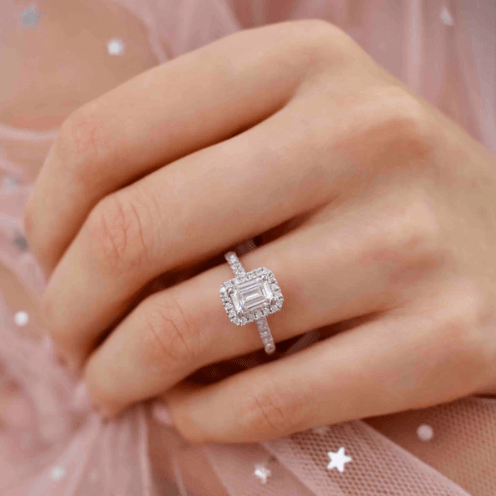
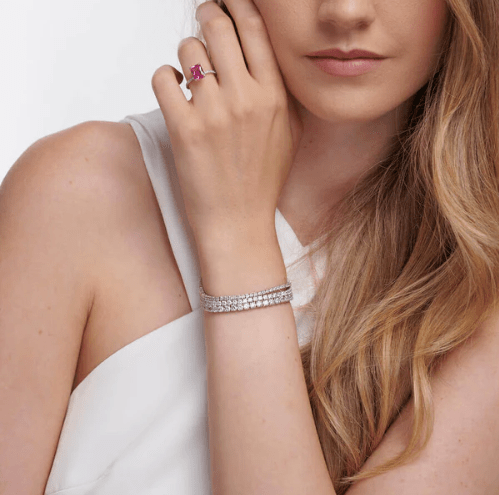
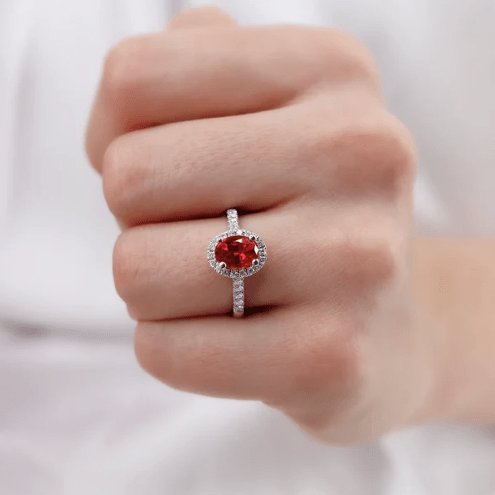
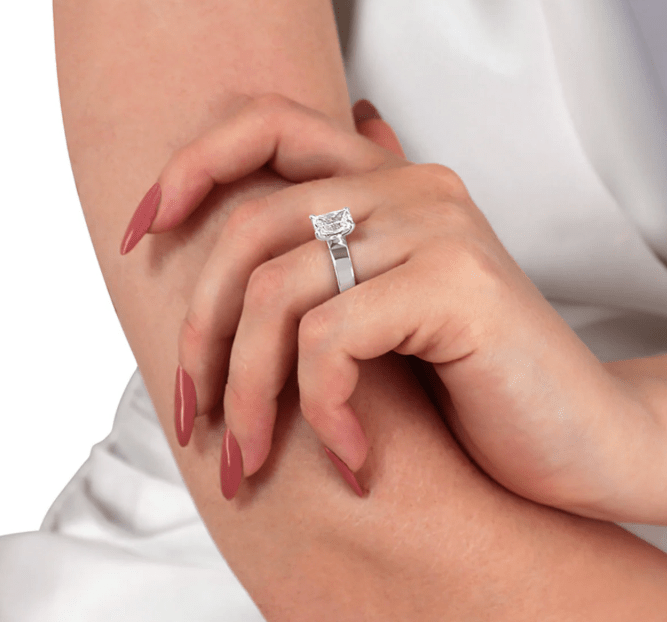
 Diamonds are a girls best friend